Breakfast Ideas
Street Food & Snacks
- Franchise fee
- ₱30k
- Total investment
- ₱45k–₱75k
🎁 Start Your 1 Month Free Trial of the Full Plan, Exclusively for Brands & Advisors.Get Started
Browse 5 street food franchises up to ₱100k, with investments from ₱57k to ₱75k, franchise fees mostly between ₱19k and ₱33k, and most paying back in about 6 months.
Updated
Street Food & Snacks

Street Food & Snacks

Street Food & Snacks
Street Food & Snacks
Street Food & Snacks
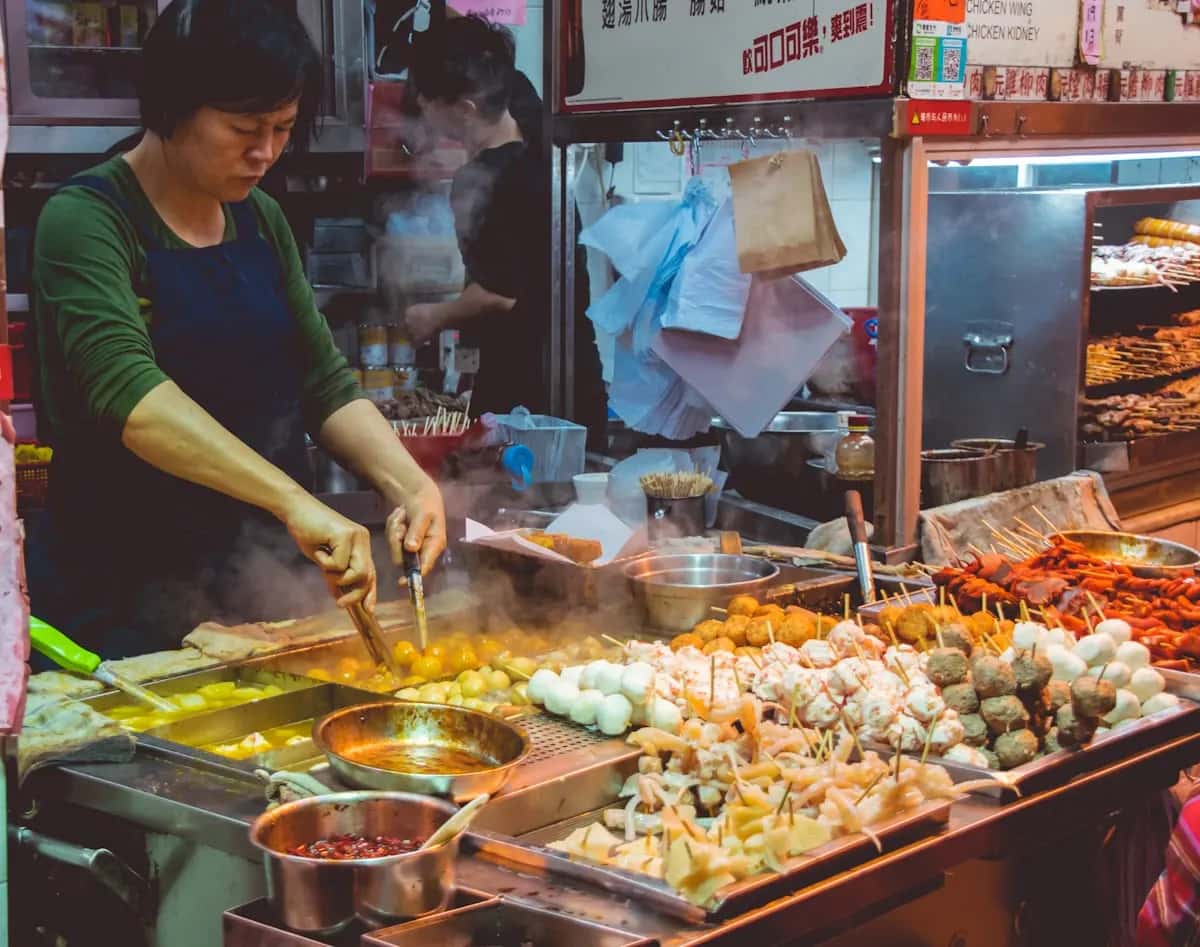
Street food and snack packages priced up to ₱100,000 sit at the cheapest end of the category, with investment running from around ₱25,000 to ₱75,000 and a fee between roughly ₱15,000 and ₱35,000. Every option at this level runs as a food cart, and most also allow a kiosk build for a bit more of the same budget. Reported payback lands around six months, fast even by the standards of a category built on quick, low-cost entry.
Street food works as a franchise category because the product is cheap to make and quick to sell. It is already part of daily Filipino eating habits: a snack grabbed on the way somewhere, not a meal planned around. That habit is what makes a bare cart enough to build a business on. The customer is not looking for a seat or a menu to browse, only something familiar, fast, and inexpensive. A steamer, a small fryer, or a griddle covers most of what this category needs to prepare its products. That keeps the equipment list short and the learning curve manageable for someone with no prior food business experience. Because the format stays this simple, the cost of entry can drop lower here than in almost any other part of food and beverage. A cart parked near a school, a market, or a transport stop taps into a customer base that already buys this kind of snack daily, without needing to build a new habit from nothing.
At ₱25,000 to ₱75,000, most of the spend goes into the cart itself, basic cooking equipment, and the first stock needed to open. The fee, running from around ₱15,000 to ₱35,000, is a modest share of the total even at the top of that range. Where the fee sits closer to ₱15,000, more of the budget is free for a sturdier cart or a bigger opening stock order. Where it climbs toward ₱35,000, the tradeoff is a smaller cushion for the build itself, in exchange for whatever brand recognition and support come with the higher fee. Reported payback of around six months is quick, which fits how little is actually at risk at this scale. A slow first month is recoverable in a way it would not be at a much bigger budget. A buyer at this level should treat the fee less as the main cost and more as a small addition on top of the real spend: the cart, the equipment, and the stock needed to start selling.
A cart at this budget is not sized to carry paid help from the start, so whoever holds it does the prepping, cooking, and serving personally through most shifts. The daily rhythm stays simple: cook in small batches, sell through the day, and restock as needed. That simplicity is what makes the six-month payback realistic even for someone new to running a food business. Sales usually build gradually as a cart earns a regular spot in a customer's routine, then settle into a steadier pattern once the surrounding foot traffic learns where and when to find it. The corner picked matters more than almost anything else at this scale. A cart parked somewhere with unreliable foot traffic will struggle to hit its numbers no matter how good the product tastes. By month six, an owner who has kept the same spot and shown up consistently should have a clear sense of whether the site can carry the business through a full year, not just a promising first few weeks.
Every option at this budget runs as a food cart by default, so that format is the natural starting point rather than an upgrade to consider later. Most also allow a kiosk build using the same basic setup. That trades the ability to move for a fixed spot and steadier daily traffic once the right corner is confirmed. Seating is off the table either way, since the entire model at this scale depends on speed and a grab-and-go sale rather than a customer settling in. A cart suits someone still testing a location or unsure how long a lease might last, since it can be moved if a spot underperforms. A kiosk suits someone who has already found a corner with dependable foot traffic and wants to settle into it rather than relocating week to week. The fee does not shift much between the two, since the cooking setup underneath stays the same. What changes is the commitment: a cart keeps things flexible, while a kiosk usually means a small lease and a harder decision to walk away from if the spot does not perform.
Now that you've seen what's here, a real advisor can help you shortlist and weigh the options against your budget. Free, at your pace.

Financing Readiness · Site Selection

Low-Capital Startups · Site Selection

Low-Capital Startups

Franchise Agreements · Multi-Unit Expansion
Are you a franchise advisor?Get your own workspace here
Compare street food franchises with other food & beverage businesses up to ₱100k, each with its own brands, fees and investment ranges.
Get honest answers on fees, payback and the best setups for your area, free and with no pressure.
Choosing from five street food franchises at ₱100k starts with understanding the range. Each lists an investment between ₱50k and ₱100k, so the lowest and highest differ by a meaningful sum. Ask what sits behind that difference before deciding that a higher price means a stronger offer. Sometimes the extra money buys a larger format or more equipment, and you may not need either. Matching the package size to your actual plan narrows the list sensibly.
Your readiness matters as much as the package itself, so a ₱100k street food franchise is a good choice only if your own finances are steady first. If you are carrying credit card balances or have no emergency fund, the pressure of a new business can make both problems worse. Build a household safety net that is separate from your franchise money. Once that is in place, you can take on the investment with a clearer head.
Only after the extras are counted can you tell if ₱100k is enough. The five street food franchises quoting an investment between ₱50k and ₱100k rarely include the lease deposit, permits, renovation or initial stock, all of which your budget must absorb. Price each item and add working capital for the early months. The final number shows whether your money opens the outlet with something left over.
Should you live outside Manila, Quezon City and Caloocan, you still have options, as three street food franchises at ₱100k accept franchisees nationwide, and those cities simply hold the largest number of existing branches. Ask the franchisor which regions have branches and which have none yet. Then ask if your region is on their list for coming openings. A franchisor with a clear plan for where it is heading can tell you honestly whether your area is near term or far off.
Thinking about worst cases makes your plan to raise ₱100k for a street food franchise stronger, not gloomier. Ask yourself what happens if the store opens late, sales are slow or a family member needs money. Build a little extra into your target for those surprises, so a single setback does not force you to close or borrow again. Preparing for setbacks also makes lenders and family more confident in your plan.
Roughly ₱19k to ₱33k is the franchise fee for street food franchises at ₱100k, and the receipt matters as much as the amount. Ask for an official receipt that names the payment as a franchise fee and shows the same company as your agreement. Keep that receipt beside the signed contract, since it is your proof of what you paid if you ever need to claim a refund or ask what the fee covered.
Items tied to the franchisor's own suppliers often sit inside a ₱100k package, alongside equipment, starter stock and training. Knowing which inclusions are proprietary helps you compare offers fairly. Ask each franchisor to mark proprietary items on the written inclusion list, then compare those marks across packages, so you can see which offer hands you more of what you could not source elsewhere.
Due diligence before you pay ₱100k has its own costs that deserve a place in your budget. Visiting existing outlets, travelling to the franchisor's office, and paying for a contract review all take money, but they help you avoid an expensive mistake. Treat this research money as part of the investment, and spend it before signing rather than wondering afterward what you missed.
Counter space and display room matter when choosing among food carts with 5 franchises and kiosks with 4 for a street food franchise at ₱100k. Customers should see what you offer from a distance, and staff should reach everything quickly during a rush. Measure the front of your spot and compare it with what each format needs to show products and serve people at once, and favor the layout that lets one or two workers cover the whole front without strain.
Compare how many street food franchises start at each budget level, from the smallest packages up.
Street Food franchises priced close to your budget, worth a look if you can stretch your savings or want to spend less.
Street Food & Snacks
Street Food & Snacks
Street Food & Snacks
Street Food & Snacks
Street Food & Snacks
Street Food & Snacks
Street Food & Snacks
Street Food & Snacks
Compare street food franchises with other industries at the same budget, each with its own brands, fees and investment ranges.
Compare industries by budget, daily work and payback before you choose one, free and with no pressure.

Learn practical inventory control steps for your Philippine franchise to cut waste, prevent loss, and protect your capital.
Aug 14, 2026 6 min read
Learn how non-compete clauses work when exiting a franchise agreement in the Philippines, protecting your investment after closing.
Jul 20, 2026 5 min read

Learn how to secure financing for your Philippine franchise, from preparation to approval. A practical guide for new operators and OFWs.
Jul 20, 2026 5 min read