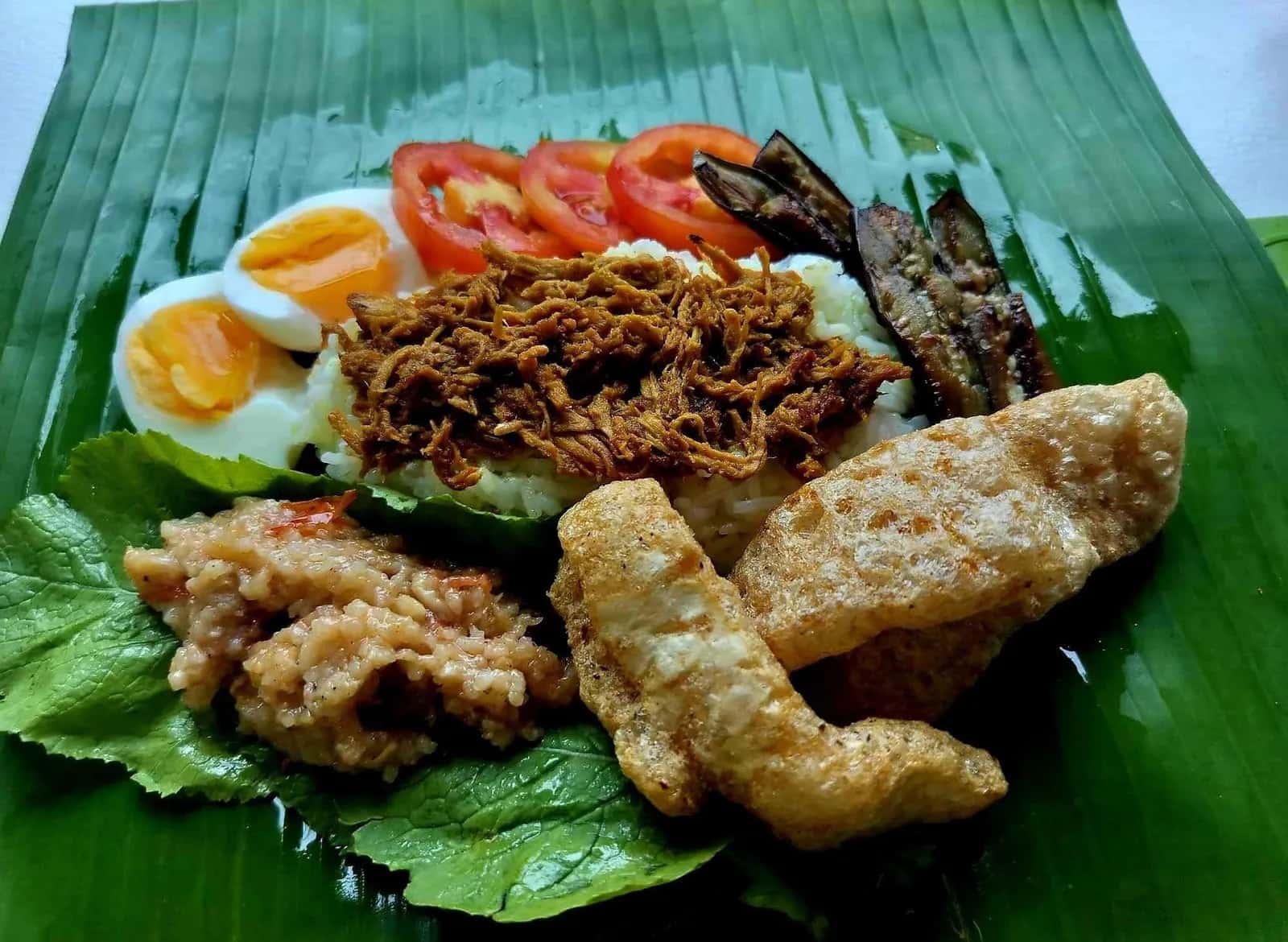
Pastil Wrap
Street Food & Snacks
- Franchise fee
- ₱250k
- Total investment
- ₱526k–₱958k
🎁 Start Your 1 Month Free Trial of the Full Plan, Exclusively for Brands & Advisors.Get Started
Browse a street food franchise up to ₱1M, with an investment of about ₱958k, a franchise fee of about ₱250k, and paying back in about 18 months.
Updated
Street Food & Snacks
Street Food & Snacks

Street Food & Snacks
Street Food & Snacks
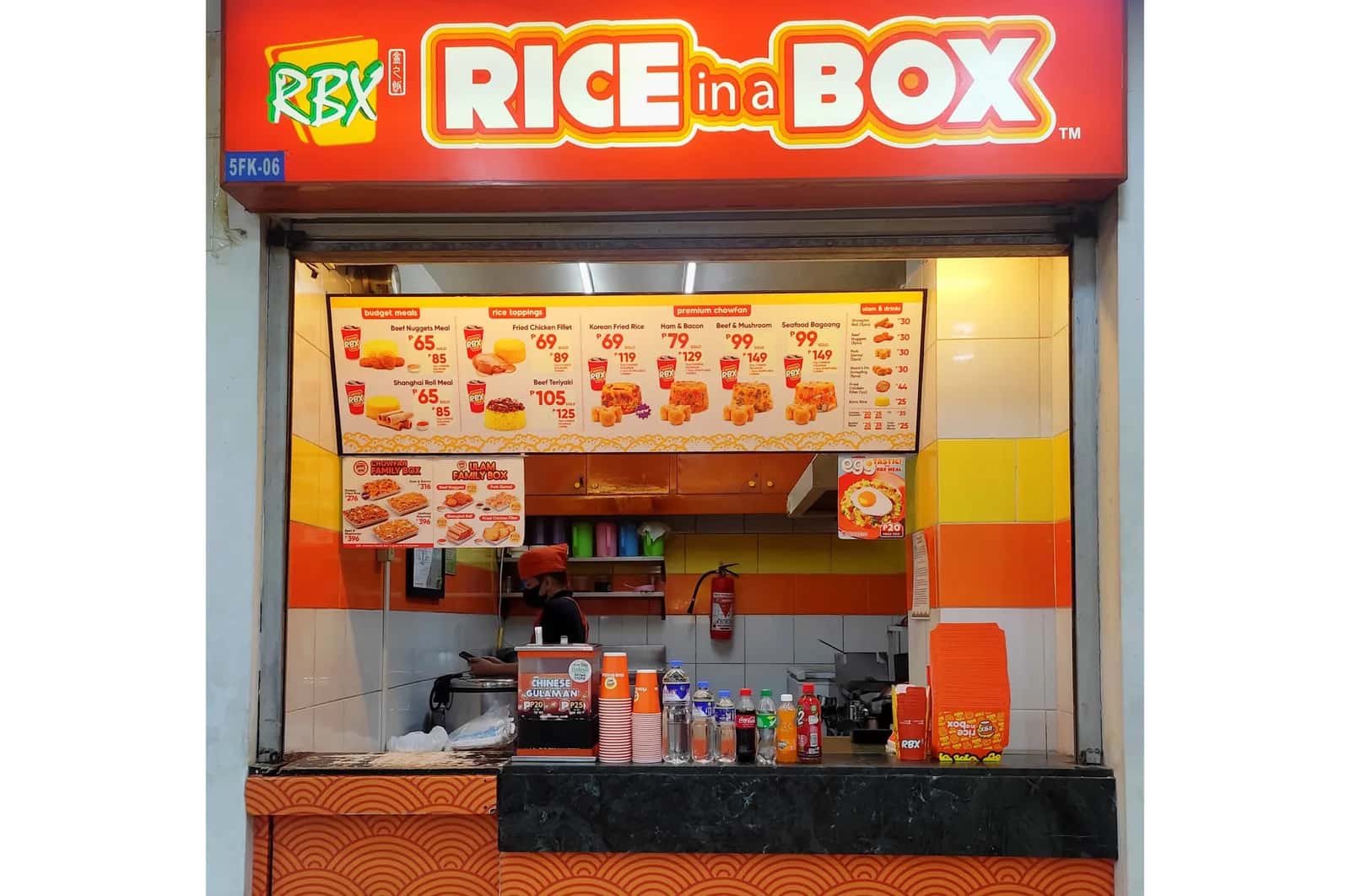
Up to ₱1M for street food and snacks carries a fee near ₱250,000. Investment runs from around ₱526,000 to ₱958,000. What is on offer at this level can run as a food cart or a kiosk, the same pair of formats found at cheaper budgets in this category, just built at a heavier scale. Reported payback sits around eighteen months, longer than the fastest carts in this category, which fits how much more is being built and how much bigger the fee is here.
A cart and a kiosk cover the footprint choice at this level, mirroring what a much cheaper package already offers, just scaled up. A cart at this price is a heavier build than the entry end of the category. It comes with sturdier equipment, a bigger stock capacity, and enough capability to hold a fuller menu through a longer shift. A kiosk at this budget asks for a fixed spot with proper counter space, built for a steadier flow of customers rather than a quick test of a corner. The fee stays near ₱250,000 regardless of format. The real decision is how much of the remaining money goes into a mobile setup versus a fixed one. A cart keeps the option to relocate if a spot underperforms. A kiosk commits to a lease and a fixed presence, betting on a location that already draws steady traffic rather than one still being tested.
Street food and snacks sell on daily habit rather than novelty. That pattern holds at this budget the same way it does at the cheapest end of the category: a quick, familiar bite near a school, an office block, or a transport stop. The bigger fee and heavier build at this level add capacity. Sturdier equipment and more counter space let a cart or kiosk handle a longer line without running short on stock mid-shift. That extra capacity earns its keep in a spot with genuinely heavy foot traffic. It adds little in a quiet location, where the same crowd a cheaper setup could serve does not grow simply because more was spent on the build. Reported payback of around eighteen months assumes the site chosen can deliver the volume this scale of build was designed to handle, which makes the site the single biggest variable in whether that timeline holds.
With the fee fixed near ₱250,000 regardless of format, the useful question is what that fee funds beyond the right to use the name: training, ongoing marketing support, or recipe development that keeps the menu current. Anyone leaning toward the kiosk option should ask about lease terms specifically. What happens if the reported payback runs long, given a fixed spot keeps costing rent whether sales are trending up or down? It is worth asking how the investment range breaks down between construction, equipment, and first stock, since two builds priced close together can differ considerably in what is actually included. Getting a clear, itemized answer on that breakdown before signing protects against discovering mid-build that something assumed to be covered was not. It is also worth asking what support continues after the stand opens, since a fee at this scale should carry more than a one-time handshake and a manual.
Volume at this budget rises to match the money spent getting there, so the stand rarely runs on one pair of hands the way the cheapest carts do. At least one hire beyond the owner is typical, covering prep or service depending on how involved the owner plans to stay through daily shifts. Rent becomes a fixed cost where the kiosk format is chosen, continuing whether the day is busy or slow, unlike a cart that can be parked without an ongoing lease if the spot needs to change. Ingredient sourcing has to scale up too, since equipment built for this kind of volume needs a reliable supply rather than the smaller, occasional restocking a cheaper cart gets by on. The eighteen-month payback figure assumes these costs are planned for from the first month, not discovered as a surprise once the bills start arriving. An owner who budgets for staff and supply from day one is in a far better position to hit that timeline than one who treats them as an afterthought once the stand is already trading.
Now that you've seen what's here, a real advisor can help you shortlist and weigh the options against your budget. Free, at your pace.

Financing Readiness · Site Selection

Low-Capital Startups

Franchise Agreements · Multi-Unit Expansion

Low-Capital Startups · Site Selection
Are you a franchise advisor?Get your own workspace here
Compare street food franchises with other food & beverage businesses up to ₱1m, each with its own brands, fees and investment ranges.
Get honest answers on fees, payback and the best setups for your area, free and with no pressure.
If some of your supplies are imported, budget beyond ₱1M for price changes that follow the exchange rate. Imported ingredients, parts or materials can cost more when the peso weakens, and franchisors may adjust their supply prices accordingly. Ask which supplies depend on imports, and keep a modest cushion in your stock budget so a weaker peso does not wipe out your margin for the month.
From a beginner's point of view, a ₱1M street food franchise is attractive because much of the setup is already worked out for you. Signage, layout, processes and suppliers usually come as part of the system, which saves you from many costly mistakes. The trade off is that you pay for that structure through fees and rules. Ask the franchisor to show you exactly which parts of the setup are standard and which you must arrange yourself.
Operating hours should guide your pick among food carts with 1 franchise and kiosks with 1, the street food setups at ₱1M. A unit in an office district may be quiet at night, while one near homes may do most of its business in the evening. Note when people use the street or building where you plan to open, and choose the format whose required hours match that pattern, so you are not paying a crew to stand around during slow stretches.
From the franchisor's side, ₱1M is meant to cover what they need to set you up properly, which commonly means equipment, training, supplies and opening support. From your side, the question is whether that setup actually gets you trading without big surprise purchases. Ask the franchisor for a sample opening checklist so you can see which tasks and items are theirs and which are yours.
Separating pre-opening costs from those that can wait lets you fund ₱1M for a street food franchise in smaller, well-timed amounts. Equipment, training, signage and first stock come bundled in some packages and are charged on their own in others. Read the inclusions item by item, flag anything that savings or early sales could cover after launch, and borrow only for what is due before the doors open. That division keeps any loan modest and far lighter to repay.
Compare how many street food franchises start at each budget level, from the smallest packages up.
Street Food franchises priced close to your budget, worth a look if you can stretch your savings or want to spend less.
Street Food & Snacks

Street Food & Snacks
Street Food & Snacks
Street Food & Snacks

Street Food & Snacks

Street Food & Snacks

Street Food & Snacks

Street Food & Snacks
Compare street food franchises with other industries at the same budget, each with its own brands, fees and investment ranges.

Bread, cakes, and pastry shops.
3 brandsFrom ₱500k
Bibingkinitan, Pan De Sal Express, Famous Belgian Waffles
See brands
Coffee, milk tea, and cold drink shops.
3 brandsFrom ₱249k
Take-O-Coffee, Tea Talk, Coffee But Better
See brands
Mini marts and convenience stores.
3 brandsFrom ₱500k
The 99 Peso Store, Analou's Meatshop, Goodhand Security Products
See brands
2 brandsFrom ₱500k
ALOHA (Abacus Learning of Higher Arithmetic), Bricks 4 Kidz
See brandsCompare industries by budget, daily work and payback before you choose one, free and with no pressure.

Learn practical inventory control steps for your Philippine franchise to cut waste, prevent loss, and protect your capital.
Aug 14, 2026 6 min read
Learn how non-compete clauses work when exiting a franchise agreement in the Philippines, protecting your investment after closing.
Jul 20, 2026 5 min read

Learn how to secure financing for your Philippine franchise, from preparation to approval. A practical guide for new operators and OFWs.
Jul 20, 2026 5 min read