Sisigsarada
Filipino Restaurant
- Franchise fee
- ₱250k
- Total investment
- ₱800k–₱1M
🎁 Start Your 1 Month Free Trial of the Full Plan, Exclusively for Brands & Advisors.Get Started
Browse a Filipino restaurant franchise up to ₱1M, with an investment of about ₱1M, a franchise fee of about ₱250k, and paying back in about 18 months.
Updated
Up to ₱1M inside Filipino restaurant franchising buys a proper inline storefront or a kiosk build, not a bare cart setup. Entry at this level runs from around ₱800,000 to ₱1M, with a franchise fee around ₱250,000 layered on top of the build. Payback is set at about a year and a half, a longer runway than a cart-based setup carries but one built for a bigger, steadier kind of operation. This budget is for someone ready to run a real storefront from opening day.
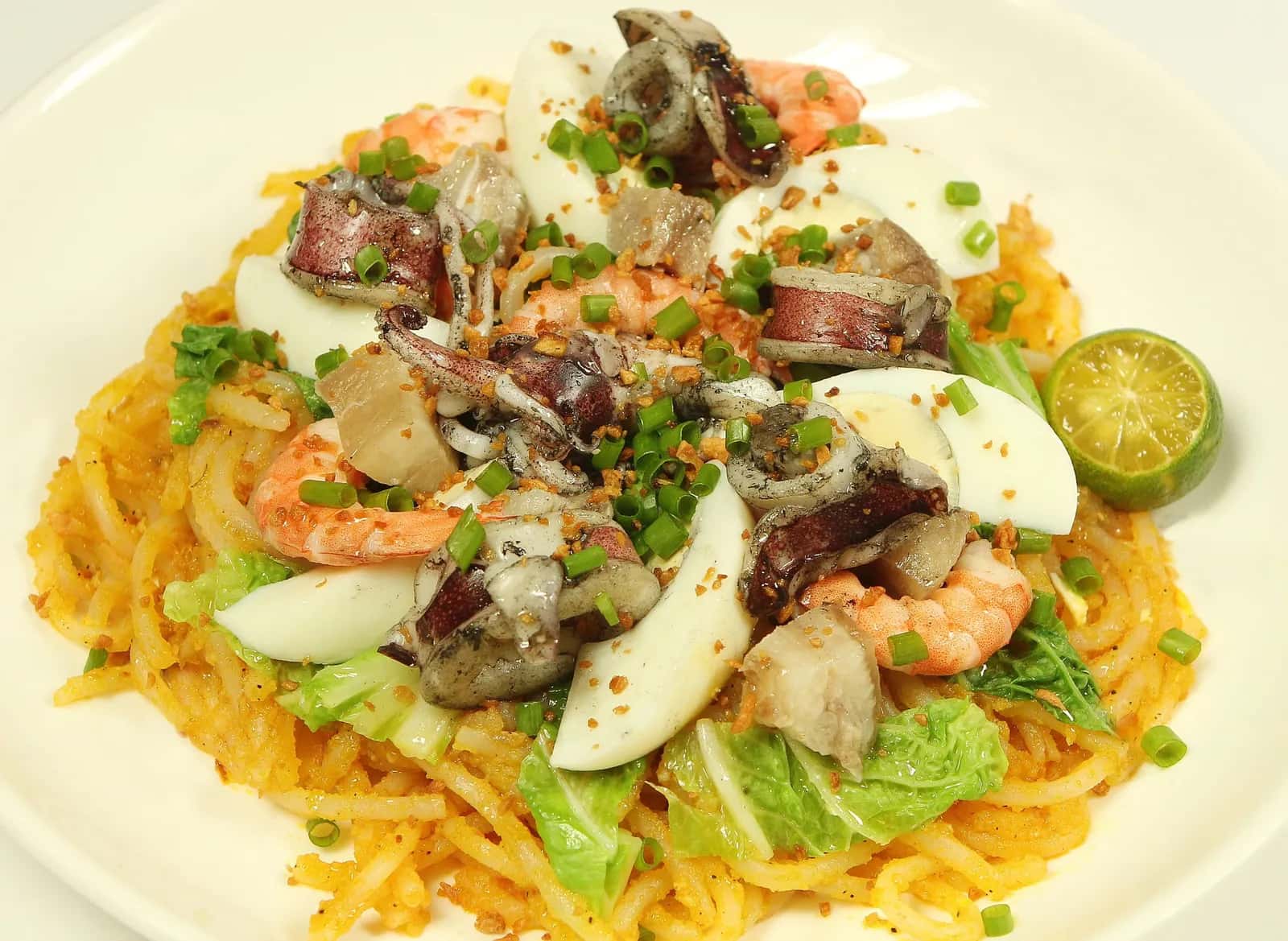
A storefront at this budget can run a fuller menu than a cart ever could: rice meals alongside grilled and fried dishes, maybe a noodle specialty, served to people who already eat this kind of food several times a week. That everyday habit is what makes a bigger format work here. Filipino comfort food does not need to be discovered or explained to a new customer, it needs to be available, consistent, and close to where people already are. A proper storefront can hold that customer through breakfast, lunch, and dinner instead of catching only one meal a day the way a smaller format sometimes does. The tradeoff for that fuller reach is a bigger, more permanent commitment from the very start, since a storefront cannot be scaled down quietly if the first few months run slower than planned.
The ₱800,000 to ₱1M entry figure at this level covers a proper buildout: a real kitchen setup, a counter, and enough seating or takeout space to serve a steady lunch and dinner crowd. The franchise fee, around ₱250,000, sits on top of that build and typically buys the recipe lineup, branding, and a training period ahead of opening. Together those two figures make up most of the money at risk before a single peso comes back in sales. Working capital beyond both figures still needs planning, since a full storefront carries rent, utilities, and staff wages from day one whether or not the location is busy yet. Treating the published entry figure as the whole budget, rather than as the buildout cost alone, is the most common way this kind of plan runs short partway through opening. A cushion set aside specifically for the first two or three months, separate from the buildout money, is what keeps a slow start from turning into a funding problem.
With payback set at about a year and a half, the early months carry outsized weight. Both the entry cost and the franchise fee need to start coming back within that window. A full kitchen team has to be hired and trained before the doors open rather than added gradually. That puts pressure on getting the menu and the staffing right from the first week. Rent and a full staff roster keep running whether the dining room is half full or packed, so the slower opening weeks matter more here than they would for a leaner format. Building a routine of tracking daily sales against a simple target from week one is what catches a struggling location early. That habit matters more than any single decision made before opening day. It turns a vague feeling that business is slow into a specific number worth acting on before too much money is spent trying to fix the wrong problem.
A bigger build changes how the money behaves compared with a leaner setup. Margins at this scale improve with volume. The fixed costs of rent and a proper staff roster stay steady no matter how many meals actually go out the door on a given day. A slow week hurts more here than at a cart-based budget, but a strong week also returns more, which is the tradeoff for a bigger, more permanent build. Effort at this level is less about standing at a counter personally and more about managing a small team well, from scheduling to food quality to keeping the supplier relationship for rice, meat, and produce running smoothly. Someone who prefers hands-on cooking over people management should weigh that shift honestly before committing at this scale, since the daily job changes shape once a proper kitchen team is in place. Once a location like this is stable, growth usually means a second storefront built on what the first one proved, rather than a bigger single build in the same spot.
Now that you've seen what's here, a real advisor can help you shortlist and weigh the options against your budget. Free, at your pace.

Financing Readiness · Site Selection

Low-Capital Startups · Site Selection

Low-Capital Startups

Franchise Agreements · Multi-Unit Expansion
Are you a franchise advisor?Get your own workspace here
Compare Filipino restaurant franchises with other food & beverage businesses up to ₱1m, each with its own brands, fees and investment ranges.
Get honest answers on fees, payback and the best setups for your area, free and with no pressure.
If you are applying for a loan toward ₱1M for a Filipino restaurant franchise and your income record is thin, a co-maker may strengthen your application. A co-maker agrees to pay if you cannot, so this is a serious favor to ask of a relative or friend. Explain your plan honestly, show them your budget, and make sure they understand exactly what they are signing before they agree.
Scheduling a team is the hidden task in a Filipino restaurant franchise at ₱1M, with formats such as kiosks with 1 franchise and inline stores with 1. The more shifts a setup needs covered, the more time you spend arranging who works when and finding replacements. Estimate the number of shifts each format would require per week, and choose one that your available people can cover with some slack, so a single absence does not leave the unit short.
It depends on your comfort with learning new things quickly, because a ₱1M Filipino restaurant franchise brings tasks you may never have done before. Ordering stock, handling payroll and keeping records are new for most first-timers. List the tasks you have never done and ask the franchisor which ones training covers. The ones left over show where you need to practice or find help before opening.
Minimum fees in some franchise agreements can create costs beyond ₱1M even when sales are slow. A franchisor may charge a fixed monthly royalty or marketing fee instead of a percentage, which means you pay the same amount in a weak month as in a strong month. Check whether your agreement uses fixed or sales based fees, and plan your reserves around the worst month rather than the average.
Expect the inclusions at ₱1M to depend on the franchisor, with equipment, training and starter stock being common and extras like signage, uniforms and marketing appearing in some packages. Because the list varies, focus on the items you cannot easily source yourself. Ask which items are proprietary and available only from the franchisor, since those are the inclusions that matter most in the package.
Compare how many Filipino restaurant franchises start at each budget level, from the smallest packages up.
Filipino Restaurant franchises priced close to your budget, worth a look if you can stretch your savings or want to spend less.
Filipino Restaurant
Filipino Restaurant

Filipino Restaurant

Filipino Restaurant
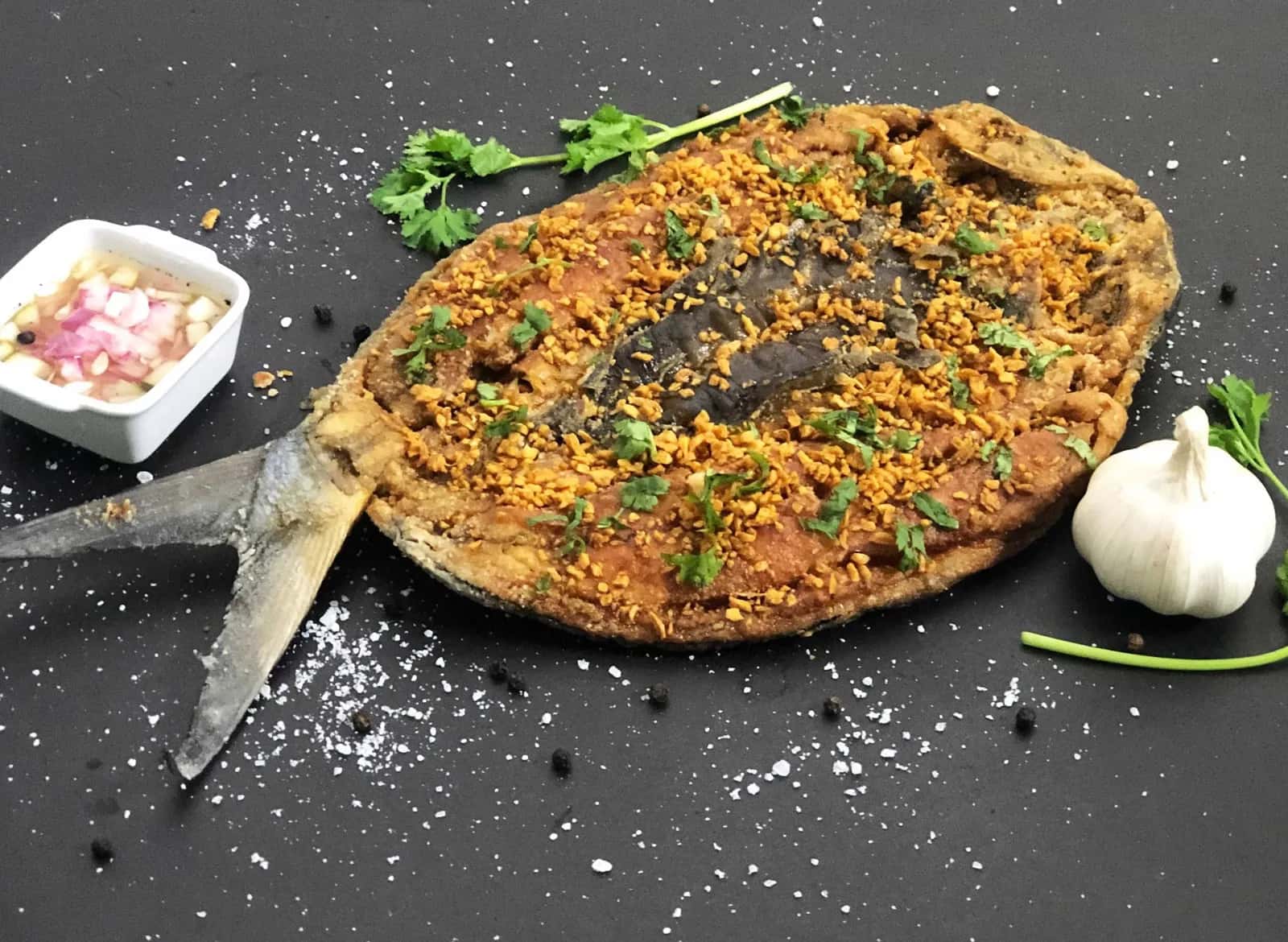
Filipino Restaurant
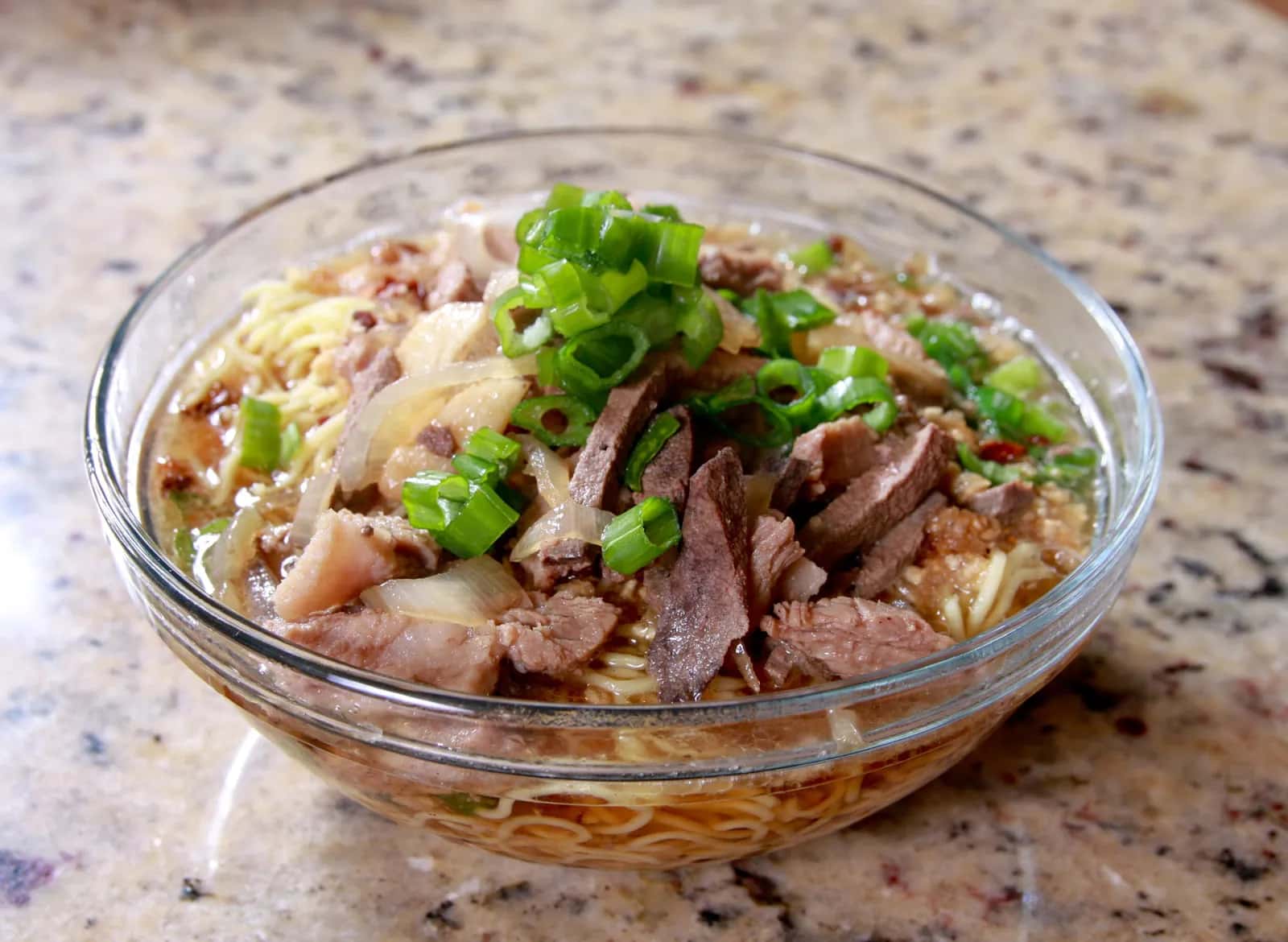
Filipino Restaurant
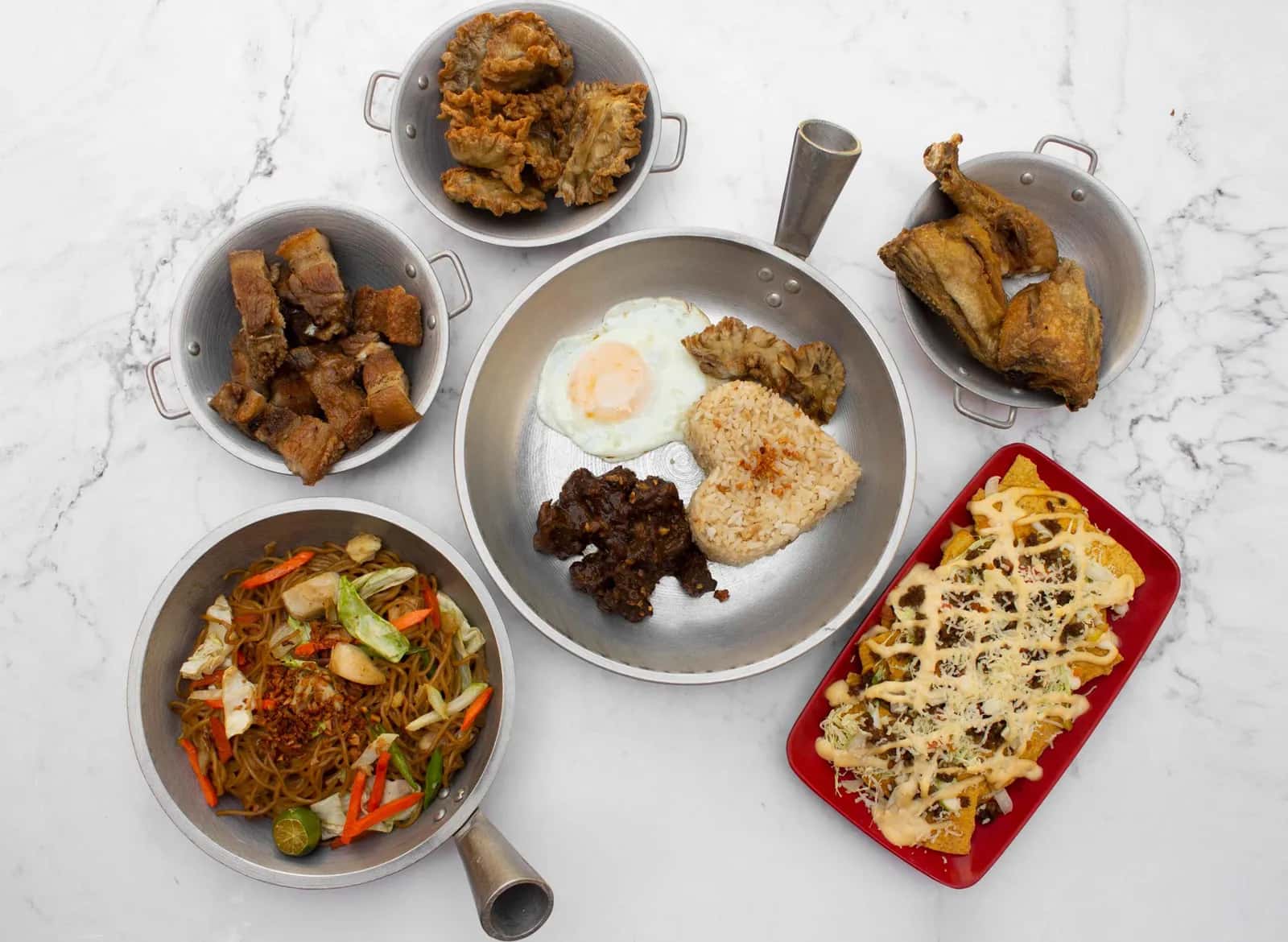
Filipino Restaurant
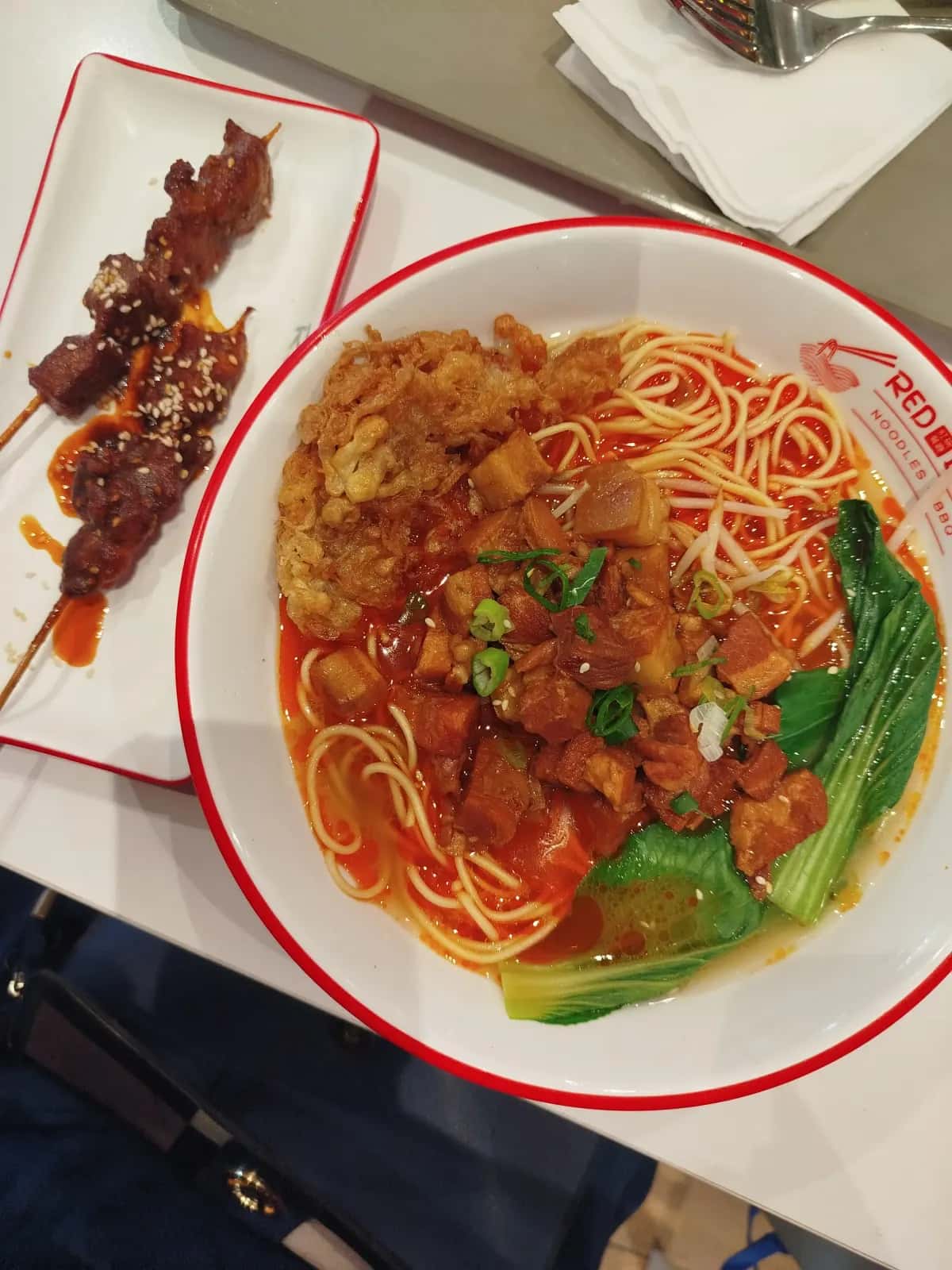
Filipino Restaurant
Compare Filipino restaurant franchises with other industries at the same budget, each with its own brands, fees and investment ranges.

Bread, cakes, and pastry shops.
3 brandsFrom ₱500k
Bibingkinitan, Pan De Sal Express, Famous Belgian Waffles
See brands
Coffee, milk tea, and cold drink shops.
3 brandsFrom ₱249k
Take-O-Coffee, Tea Talk, Coffee But Better
See brands
Mini marts and convenience stores.
3 brandsFrom ₱500k
The 99 Peso Store, Analou's Meatshop, Goodhand Security Products
See brands
2 brandsFrom ₱500k
ALOHA (Abacus Learning of Higher Arithmetic), Bricks 4 Kidz
See brandsCompare industries by budget, daily work and payback before you choose one, free and with no pressure.

Learn practical inventory control steps for your Philippine franchise to cut waste, prevent loss, and protect your capital.
Aug 14, 2026 6 min read
Learn how non-compete clauses work when exiting a franchise agreement in the Philippines, protecting your investment after closing.
Jul 20, 2026 5 min read

Learn how to secure financing for your Philippine franchise, from preparation to approval. A practical guide for new operators and OFWs.
Jul 20, 2026 5 min read