99 Silog
Filipino Restaurant
- Franchise fee
- ₱189k
- Total investment
- ₱189k–₱250k
🎁 Start Your 1 Month Free Trial of the Full Plan, Exclusively for Brands & Advisors.Get Started
Browse 5 Filipino restaurant franchises up to ₱300k, with investments from ₱250k to ₱253k, franchise fees mostly between ₱50k and ₱189k, and most paying back in 6 to 17 months.
Updated
Filipino Restaurant

Filipino Restaurant
Filipino Restaurant
Filipino Restaurant
Filipino Restaurant
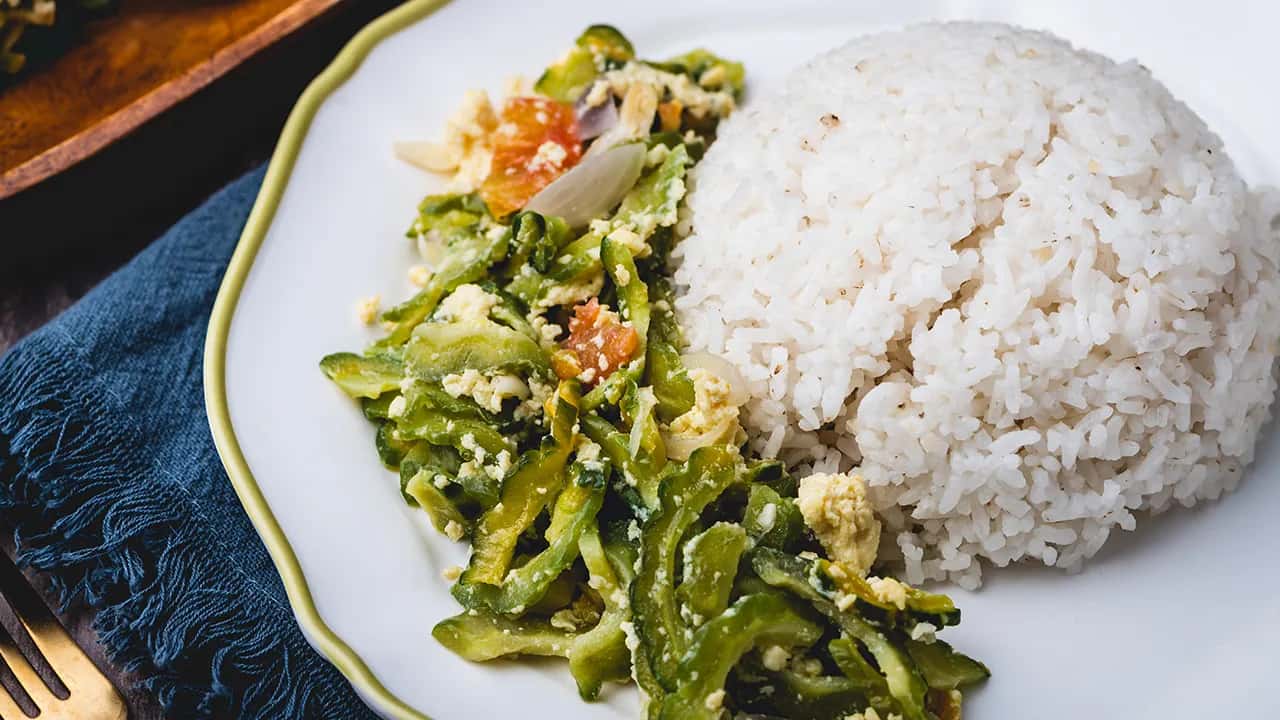
Up to ₱300k inside Filipino restaurant franchising covers everything from a bare food cart at around ₱30,000 to a small kiosk build closer to ₱255,000. The franchise fee ranges from nothing at all up to about ₱189,000, depending on how much support and recognition come attached to the recipe. Payback moves quickly at this level, from as fast as half a year to about a year and a half. This budget rewards someone who wants proof the idea works before spending any more money on it.
At the low end, around ₱30,000 covers little beyond a basic cart, some initial stock, and enough cash to get through the first slow week. The top of this budget adds proper cooking equipment, a fuller starting inventory, and often a longer training period before opening. The franchise fee tracks that same climb closely. Some packages here charge nothing beyond the buildout cost itself, while others ask close to ₱189,000. A bigger fee at this level should buy something concrete in return: a marketing push, a proven process for picking a site, or real help once the doors open, not a name alone. Comparing packages purely on the entry figure misses that difference, since two setups at a similar price can hand over very different amounts of ongoing support once the cash changes hands. Asking directly what training, recipe documentation, and follow-up help come with a higher fee is a fair question at any point along this range, and one worth asking before signing rather than after.
Every package that fits inside this budget is built around a food cart, which sets the baseline for both the money and the speed of payback across this whole range. Six in ten also come with a kiosk build option, a modest change in footprint that still avoids a full lease and a dining room. Only about a fifth stretch as far as a small inline storefront, the closest this budget gets to a real sit-down setup. That pattern makes a cart the realistic default at this level, with a kiosk sitting alongside it as an alternative for someone with a little more room in the budget to spend. Anything closer to a full storefront should be treated as the exception here rather than something to plan around from the start. Deciding between a bare cart and a kiosk build early on shapes almost every other choice that follows, from where the setup can physically go to how much it costs to keep running each week.
Menu prep at this scale leans heavily on food that holds up well over a few hours, since a cart or kiosk cannot always cook every order fresh the moment it comes in. Rice meals and comfort dishes that can be made in batches and finished quickly work best here. Whoever runs the cart handles nearly everything personally at this budget, from setup in the morning through cleanup at night, sometimes with extra hands only during the busiest stretch of a lunch or dinner rush. Sourcing rice, meat, and produce fresh every few days matters more than it might seem, since a cart selling comfort food lives or dies on whether it tastes the same every time. Keeping that ingredient routine steady from the first week, rather than treating it as something to figure out later, sets the tone for everything that follows.
With payback as fast as half a year at the low end of this budget, a slow first location shows up fast. Site choice matters more here than the specific package selected. Before signing anything, a reader should already have a spot with real foot traffic in mind. A rough daily sales target worked out on paper beforehand makes it possible to judge honestly whether that spot is actually working once the cart opens. Working capital beyond the entry figure should cover a few slow weeks at minimum, since a lean setup like this has little cushion to absorb a bad month. Treating the opening months as a real test of the location, not just the recipe, is exactly what a budget at this level is built for. Keeping a simple daily record of sales and costs from the first day makes it far easier to spot a struggling spot early, before too much of the entry money is already spent.
Now that you've seen what's here, a real advisor can help you shortlist and weigh the options against your budget. Free, at your pace.

Financing Readiness · Site Selection

Low-Capital Startups

Low-Capital Startups · Site Selection

Franchise Agreements · Multi-Unit Expansion
Are you a franchise advisor?Get your own workspace here
Compare Filipino restaurant franchises with other food & beverage businesses up to ₱300k, each with its own brands, fees and investment ranges.
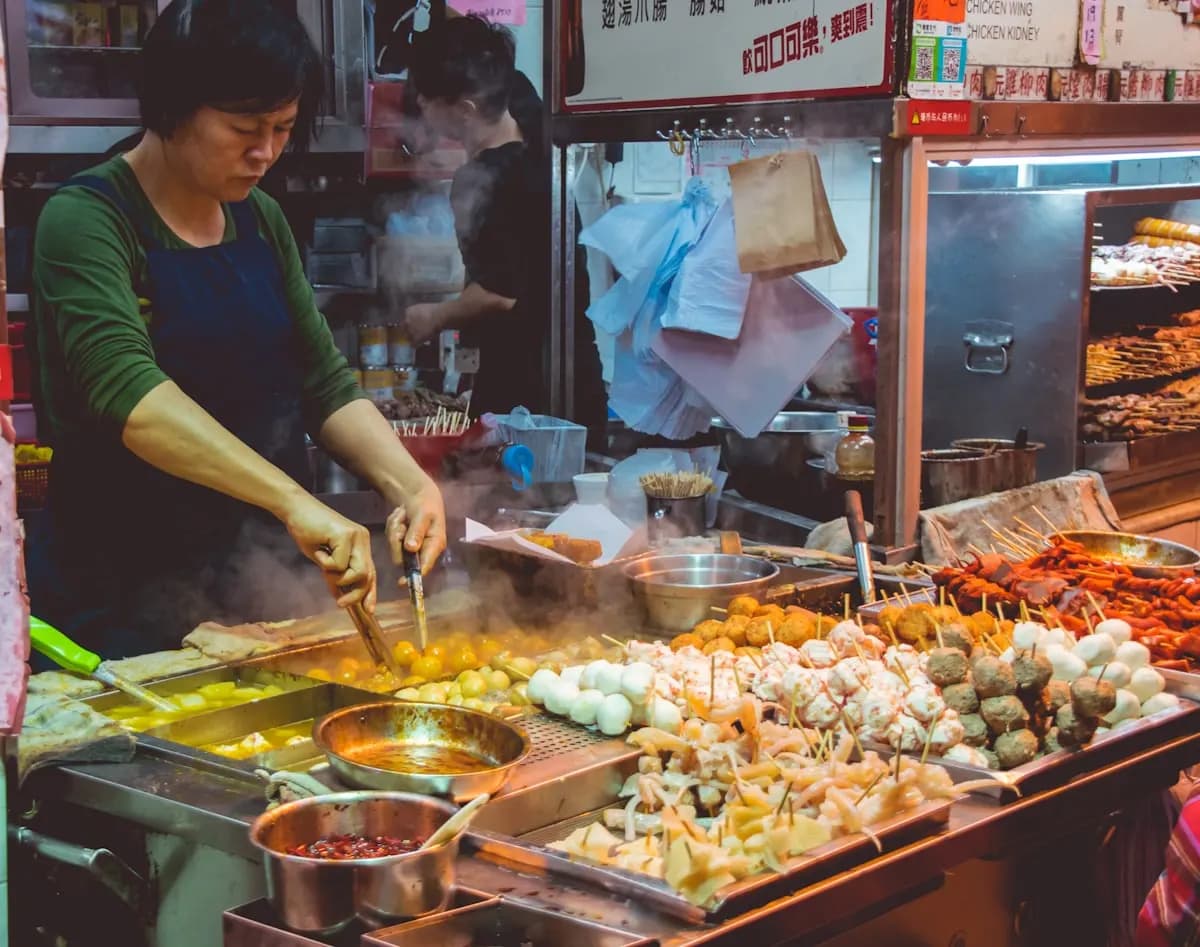
Fishball, siomai, and grab-and-go bites.
23 brandsFrom ₱150k
Chings Fried Noodles, Captain Calamares, Pinoy Hot Balls +20 more
See brands
Fresh juices, shakes, and smoothie bars.
11 brandsFrom ₱150k
Chillz Black Pearl Shake, Coolers Delight, Chambee +8 more
See brands
Burger joints and snack grills.
8 brandsFrom ₱150k
Frank's n Burgers, Heaven's Hamburger, Papa Burger +5 more
See brands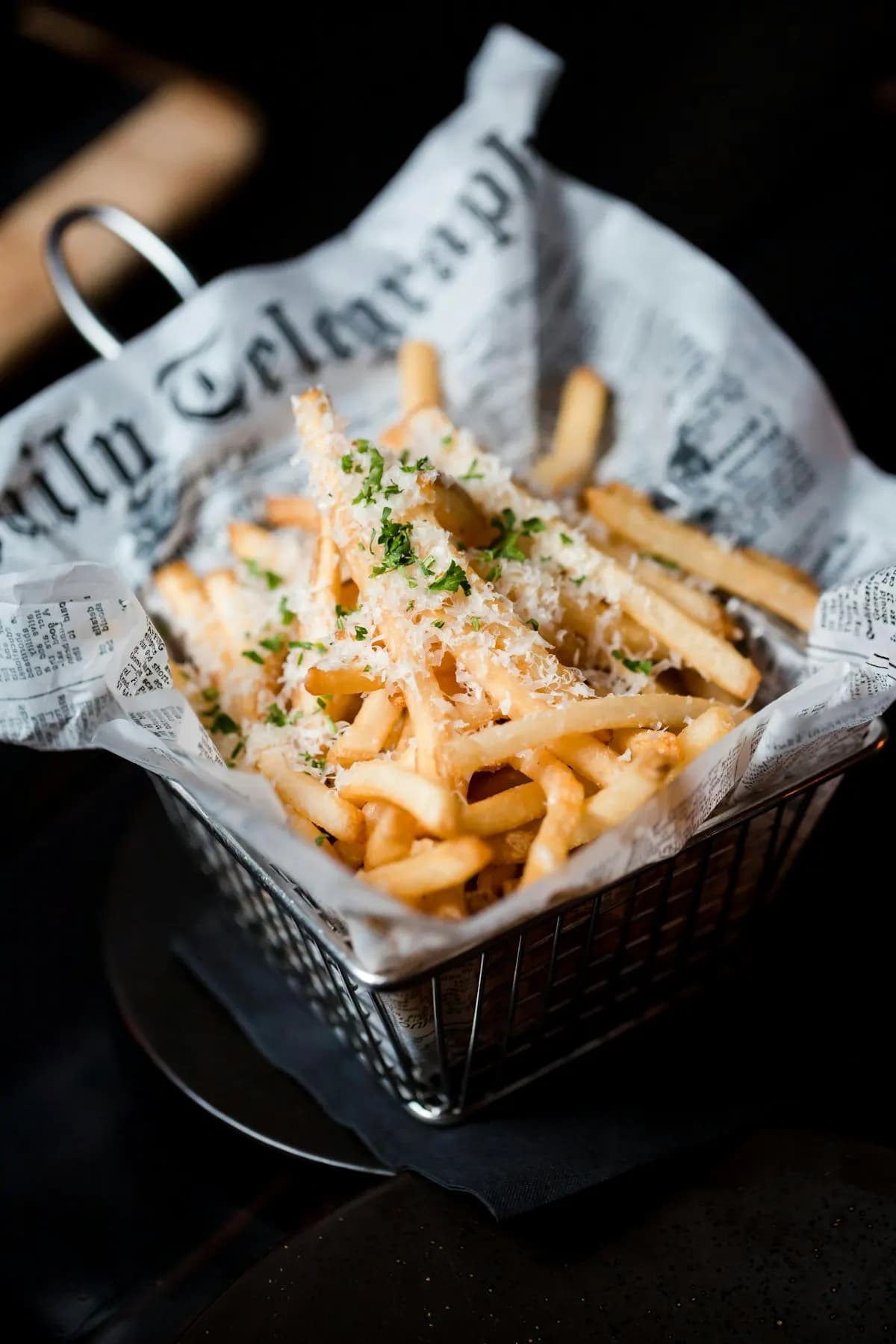
7 brandsFrom ₱149k
Sip Fries, Potdog Yummy Yes Delights, Hot Potato +4 more
See brands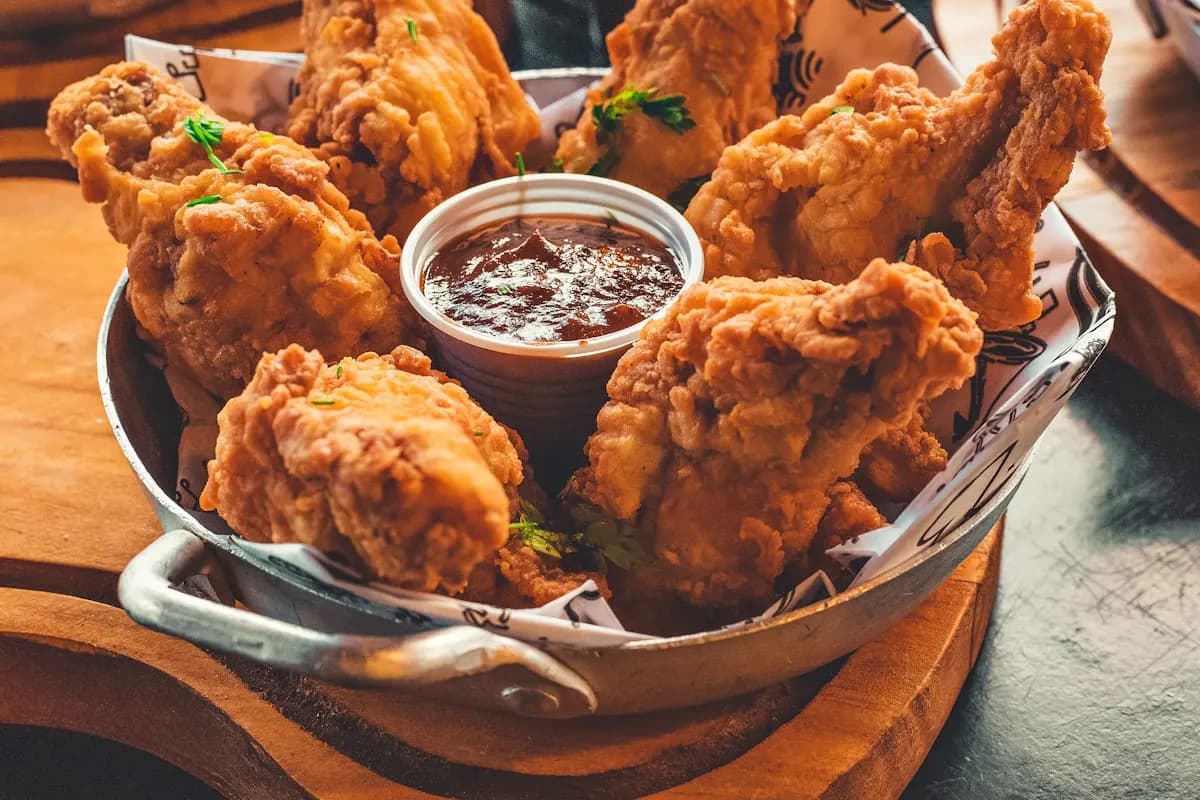
Roast chicken, inasal, and grilled favorites.
4 brandsFrom ₱150k
Botoy's Litson Manok.BBQ.Liempo, Manoktok, Hey Chicken +1 more
See brands
Ice cream, halo-halo, and sweet treats.
4 brandsFrom ₱150k
I Love Ice Cream, Mr. Float, Sagoman +1 more
See brands
4 brandsFrom ₱150k
Koyaki, Yasai Chikara Takoyaki, Heavenly Takoyaki +1 more
See brandsGet honest answers on fees, payback and the best setups for your area, free and with no pressure.
Staying within ₱300k gives you five Filipino restaurant franchises, each with an investment between ₱200k and ₱300k. The number tells you about choice, not about fit, so decide what fit means before you scroll. Write down two or three package features you want, such as included equipment or opening stock, and keep only listings that cover them. A short written filter turns a crowded list into a short one and makes each comparison easier to defend later.
Not by the quote alone, since ₱300k must also pay for what sits outside it. For the five Filipino restaurant franchises quoting an investment between ₱200k and ₱300k, outside costs usually include advance rent, permits, renovation, starting inventory and cash to run the outlet while sales grow. Add a line for each, using real quotations where you can, and check whether the full total still fits. If it does not, the answer for that offer is no.
Franchise options at ₱300k reach far beyond the main cities, since three Filipino restaurant franchisors at this level accept franchisees nationwide, with branches most concentrated in Alaminos, Angeles and Antipolo. If you already have a promising site in mind, ask the franchisor whether that exact address falls inside an area they are open to. Also ask whether another franchisee or applicant has already claimed it, and who on their side can confirm that. A site that looks perfect to you only helps if the franchisor can actually grant that area.
At ₱300k, you are likely to see equipment, an initial order of products, training and some form of launch support in a Filipino restaurant franchise package. Packaging, small tools and cleaning supplies are often forgotten, and they may or may not be included. Ask about these small items specifically, because they add up quickly and can catch you off guard when you prepare for opening.
Over the first years, a ₱300k Filipino restaurant franchise asks a beginner to keep learning, so check your appetite for ongoing effort. The first months are about basics, but later come new products, staff changes and growth decisions. Ask yourself whether you will stay curious once the novelty fades. Owners who keep improving their skills tend to cope better than those who simply coast.
Count on franchisors quoting 6 to 17 months for a ₱300k Filipino restaurant franchise to pay back its cost. A quiet first few months can push that date further out, so the early stretch deserves the most attention. Ask current franchisees how long it took for sales to settle, and keep enough cash aside to pay bills during that slow period without touching money meant for recovering your investment.
Online lending apps can seem convenient for raising ₱300k for a Filipino restaurant franchise, but they often carry high costs and aggressive collection practices. Some are not properly registered. If you consider one, check that it is registered with the SEC, read reviews from real users, and compare its total cost with a bank or cooperative first. Collection practices from some apps can also affect your contacts, which adds stress to an already demanding time.
Beyond ₱300k, your budget for a Filipino restaurant franchise should include a cushion for early mistakes while you learn the business. In the first months you may overorder stock, schedule too many staff for slow hours or spend on promotions that bring no one in, and each of those errors costs real money. Review your sales, stock and payroll every week, ask the franchisor or a fellow franchisee to look over your numbers, and correct course before small errors turn into expensive habits.
Later additions to the system are worth asking about when the franchise fee runs ₱50k to ₱189k, as it does for Filipino restaurant franchises at ₱300k. Ask whether new products or services added later are covered by the original fee or need an extra payment. Some franchisors charge a new amount when the line expands, while others include updates for the full term. Get the policy in writing so the fee you pay today keeps covering what you will sell tomorrow.
Whether you are an employee or a full time homemaker, ₱300k can buy a Filipino restaurant franchise in the form of food carts with 5 franchises, kiosks with 3 and inline stores with 1. Some franchise agreements require the owner to be personally present on site for part of the operating hours, which can clash with a day job. Read the contract for any owner presence clause in your preferred setup, and ask the franchisor plainly whether a hired manager can run the unit in your place.
Compare how many Filipino restaurant franchises start at each budget level, from the smallest packages up.
Filipino Restaurant franchises priced close to your budget, worth a look if you can stretch your savings or want to spend less.
Filipino Restaurant

Filipino Restaurant
Filipino Restaurant
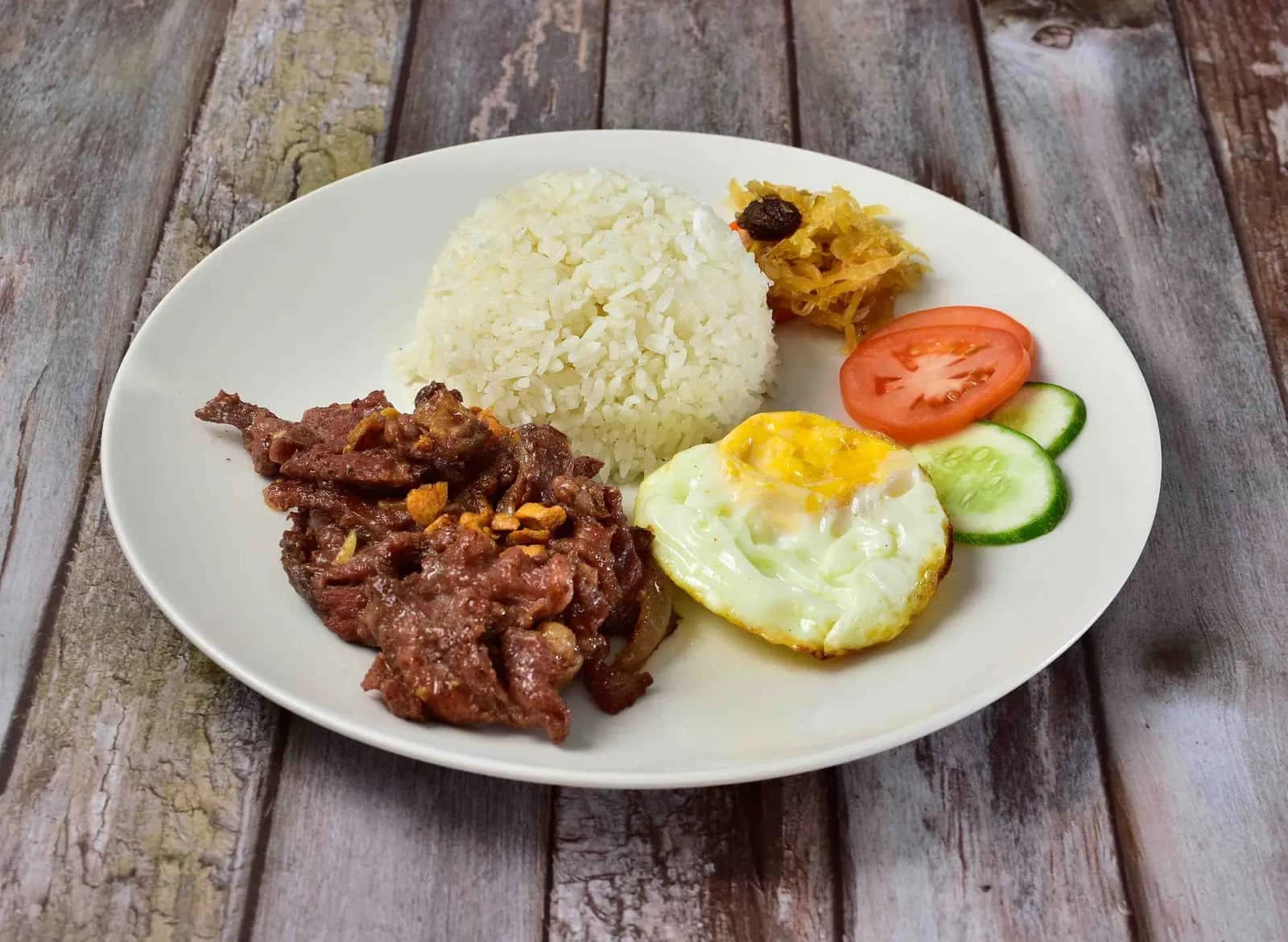
Filipino Restaurant
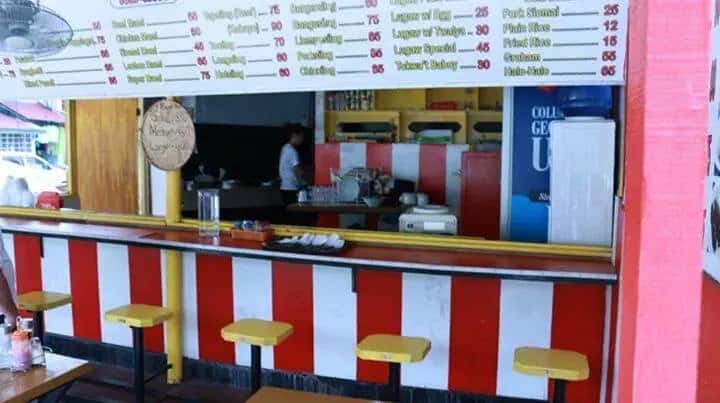
Filipino Restaurant
Filipino Restaurant
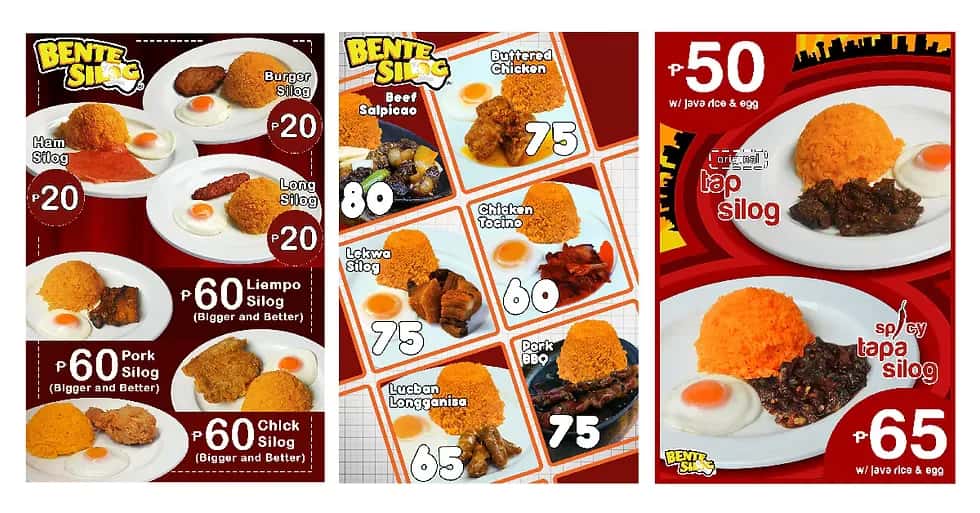
Filipino Restaurant

Filipino Restaurant
Compare Filipino restaurant franchises with other industries at the same budget, each with its own brands, fees and investment ranges.

Coffee, milk tea, and cold drink shops.
7 brandsFrom ₱150k
I Love Milk Tea, Milktealicious, Zan's Gallon Milktea +4 more
See brands
Bread, cakes, and pastry shops.
2 brandsFrom ₱150k
Puto ni Bumbong, Choo-Choo Waffle Station
See brandsCompare industries by budget, daily work and payback before you choose one, free and with no pressure.

Learn practical inventory control steps for your Philippine franchise to cut waste, prevent loss, and protect your capital.
Aug 14, 2026 6 min read
Learn how non-compete clauses work when exiting a franchise agreement in the Philippines, protecting your investment after closing.
Jul 20, 2026 5 min read

Learn how to secure financing for your Philippine franchise, from preparation to approval. A practical guide for new operators and OFWs.
Jul 20, 2026 5 min read