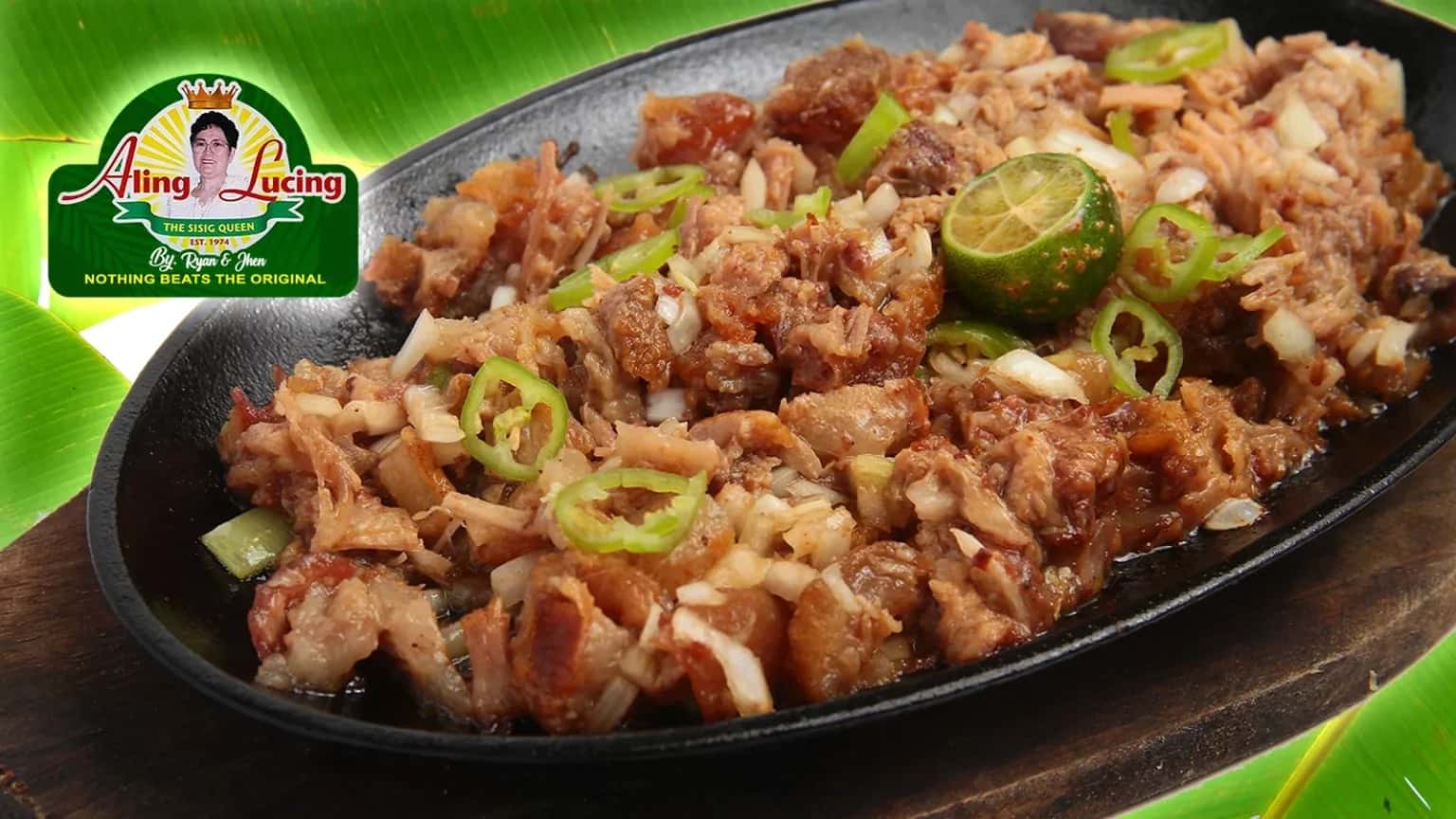
Aling Lucing
Filipino Restaurant
- Franchise fee
- ₱17k
- Total investment
- ₱17k–₱30k
🎁 Start Your 1 Month Free Trial of the Full Plan, Exclusively for Brands & Advisors.Get Started
Browse a Filipino restaurant franchise up to ₱50k, with an investment of about ₱30k and a franchise fee of about ₱17k.
Updated
Under ₱50,000 is about as little as Filipino food service ever asks for. At this level the packages on offer run as a cart, a kiosk, or a small inline counter rather than anything with seating. Total investment sits between roughly ₱17,000 and ₱30,000, with a flat franchise fee close to ₱17,000 built into that figure. This is money for testing a menu and a location, not for opening a restaurant. The reader here is planning a genuinely small first step, not a scaled-down version of something bigger.
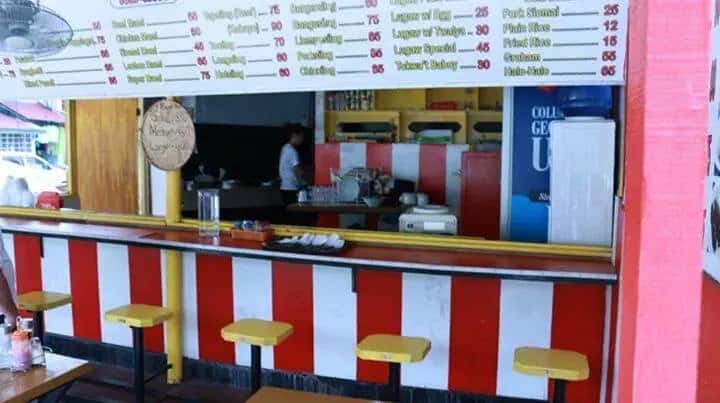
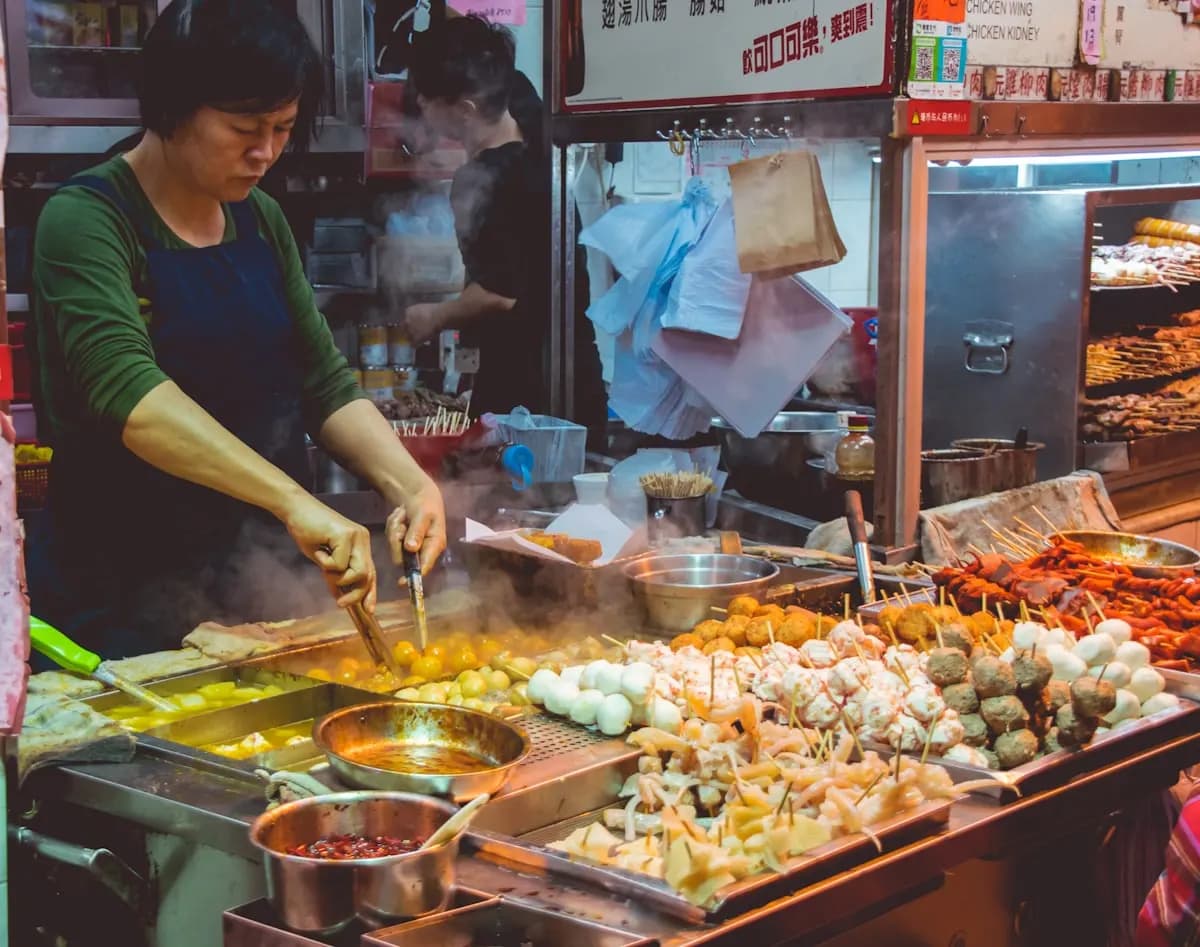
At this level, the same money can go into a cart, a kiosk, or a small inline counter. The choice comes down to where the spot sits rather than what the food is. A cart works best somewhere with constant foot traffic and no real shelter needed, since the whole setup can move if a corner stops performing. A kiosk asks for a fixed spot against a wall or under a roof, usually inside a market, a terminal, or the edge of a mall. That trades some flexibility for a steadier crowd. A small inline counter, squeezed into a narrow storefront, is the closest this budget gets to a real shop front, though still without room for anyone to sit and eat. None of these formats can carry a wide menu. Whatever gets served has to be quick to prepare, cheap enough to buy on impulse, and simple enough that a single person working the counter can keep up during a rush without falling behind.
The gap between the low and high end of this budget mostly comes down to how built-out the cart or counter is and how much opening stock gets bought upfront. The franchise fee itself sits flat at around ₱17,000, which means most of the variation in what someone actually pays goes into the physical setup rather than the fee. At the low end that buys a bare cart with basic cooking equipment and a small first stock order. At the high end it stretches to a sturdier build, a proper signage package, and enough ingredients to run for the first couple of weeks without a mid-week supply run. Neither figure includes a spot deposit or a local permit. Neither covers the daily cash needed to keep buying stock once the opening batch runs out. The real cost of getting trading tends to land somewhat above the sticker figure once those pieces are added in.
Before putting down ₱17,000 to ₱30,000, it is worth asking exactly what the fee includes, and what has to be bought separately. A flat fee at this size usually covers training and the right to use the name rather than the physical cart itself. Ask what a realistic daily sales target looks like for the format being considered, and what a slow first month does to that number. A spot deposit and a local permit both sit outside the investment figure and need their own budget line, however small. It also helps to ask how much support continues once the cart or counter is running, since a business this size depends on the operator learning fast rather than leaning on head office. Having a second month of stock money set aside, on top of the opening investment, is the difference between a slow start and a stall.
Running a business at this budget usually means one person doing everything: buying stock, prepping, serving, and closing up, often without help in the early months. The hours tend to follow the crowd rather than a fixed schedule, since a cart or kiosk earns only while someone is standing at it. Growth from here typically means saving toward a second unit or a slightly bigger format, rather than expanding the first one. There is little room to add equipment or menu items to a setup this compact. Margins on individual items are usually thin, so volume matters more than any single sale. A slow week shows up immediately in the cash on hand rather than months later. Anyone starting here should treat the first few months as building a routine and a regular crowd, not as a period that should already be profitable. The small scale leaves little cushion for a rough stretch early on.
Now that you've seen what's here, a real advisor can help you shortlist and weigh the options against your budget. Free, at your pace.

Financing Readiness · Site Selection

Low-Capital Startups

Low-Capital Startups · Site Selection

Franchise Agreements · Multi-Unit Expansion
Are you a franchise advisor?Get your own workspace here
Compare Filipino restaurant franchises with other food & beverage businesses up to ₱50k, each with its own brands, fees and investment ranges.
Get honest answers on fees, payback and the best setups for your area, free and with no pressure.
Renewal and transfer fees belong in your long-term budget, even though they sit far past the ₱50k you pay today. When your franchise term ends, many agreements charge a renewal fee, and selling the business to someone else may come with a transfer fee too. Read the agreement for both, because they affect the value of your investment if you ever want to continue or exit.
Online lending apps can seem convenient for raising ₱50k for a Filipino restaurant franchise, but they often carry high costs and aggressive collection practices. Some are not properly registered. If you consider one, check that it is registered with the SEC, read reviews from real users, and compare its total cost with a bank or cooperative first. Collection practices from some apps can also affect your contacts, which adds stress to an already demanding time.
Experience in sales, customer service or management makes a ₱50k Filipino restaurant franchise an easier first step, though it is not strictly required. If you lack that background, look for a franchisor whose training starts from the basics. You could also take a short course in bookkeeping or small business management before opening. Filling skill gaps early saves you from learning the hard way with your own money.
Daily demands vary a lot between food carts with 1 franchise, kiosks with 1 and inline stores with 1, the Filipino restaurant options at ₱50k, so judge them by how a normal day feels. Watch an operating unit through a full shift and note how often staff are idle, rushed or doing repeat chores. A format that keeps a small crew steadily busy without overwhelming them usually suits a first time owner. Compare that to what you can supply in people and hours.
You generally get a set of starting items for ₱50k, such as equipment, supplies and training, plus the right to operate under the franchise name. Because these packages are designed by each franchisor, the fine print matters. Have someone you trust, ideally a lawyer or an experienced business owner, read the agreement with you and flag anything about inclusions that seems unclear or unfair to you.
Compare how many Filipino restaurant franchises start at each budget level, from the smallest packages up.
Filipino Restaurant franchises priced close to your budget, worth a look if you can stretch your savings or want to spend less.
Filipino Restaurant
Filipino Restaurant
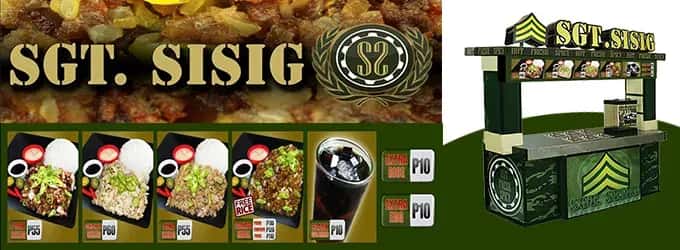
Filipino Restaurant
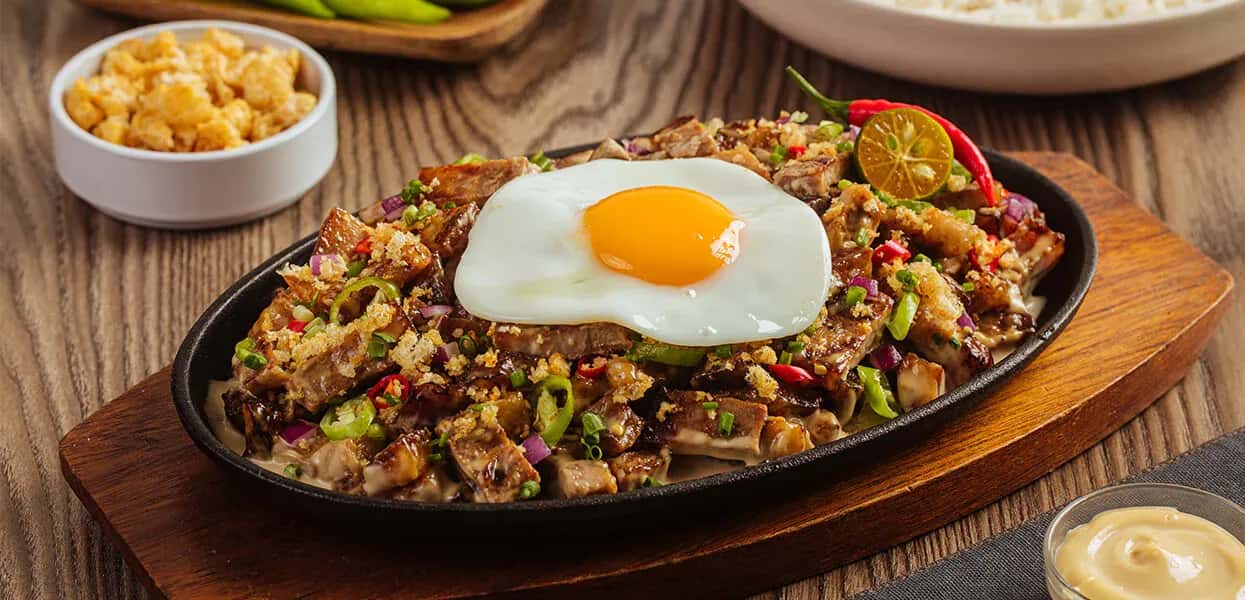
Filipino Restaurant

Filipino Restaurant
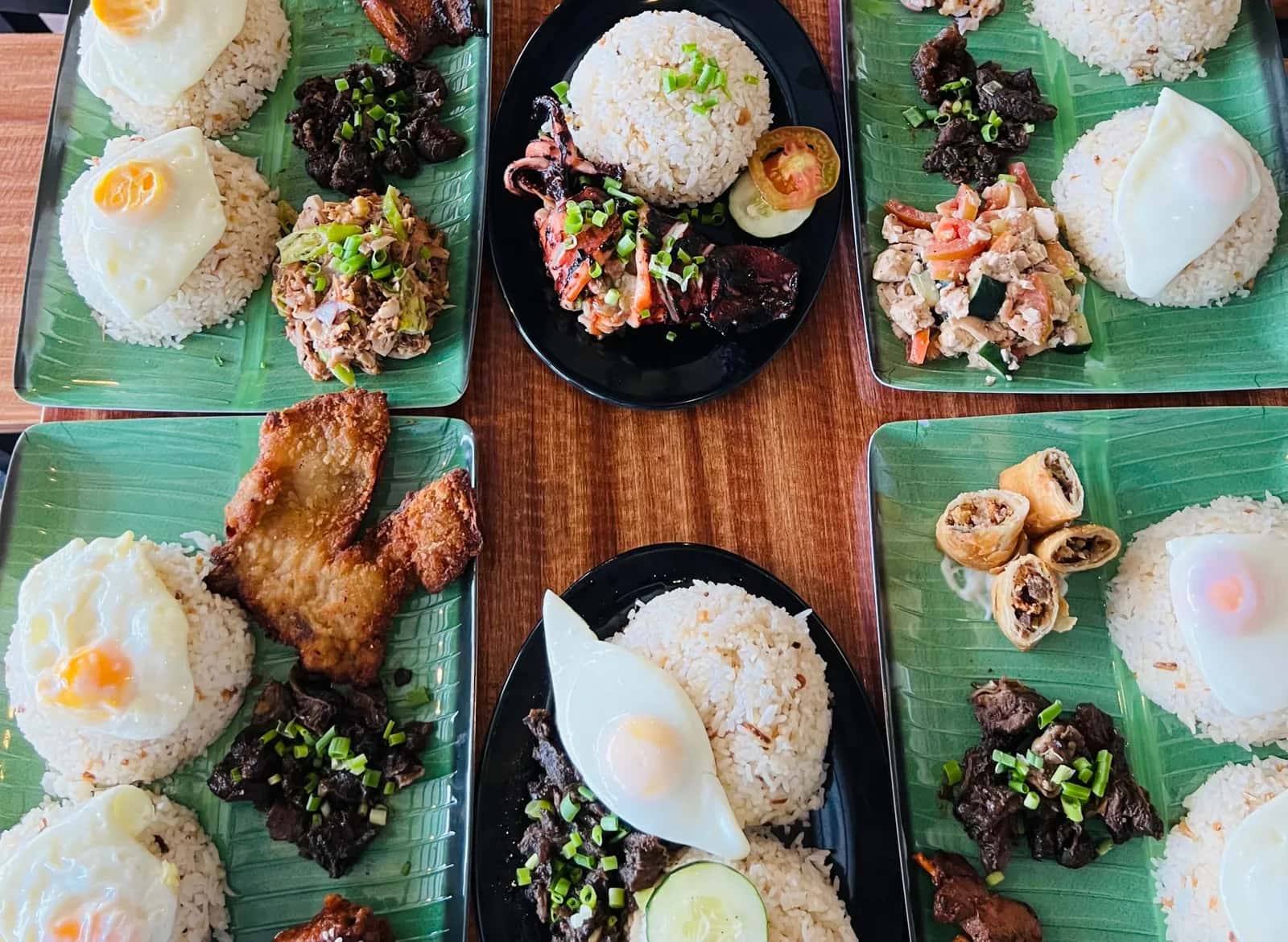
Filipino Restaurant
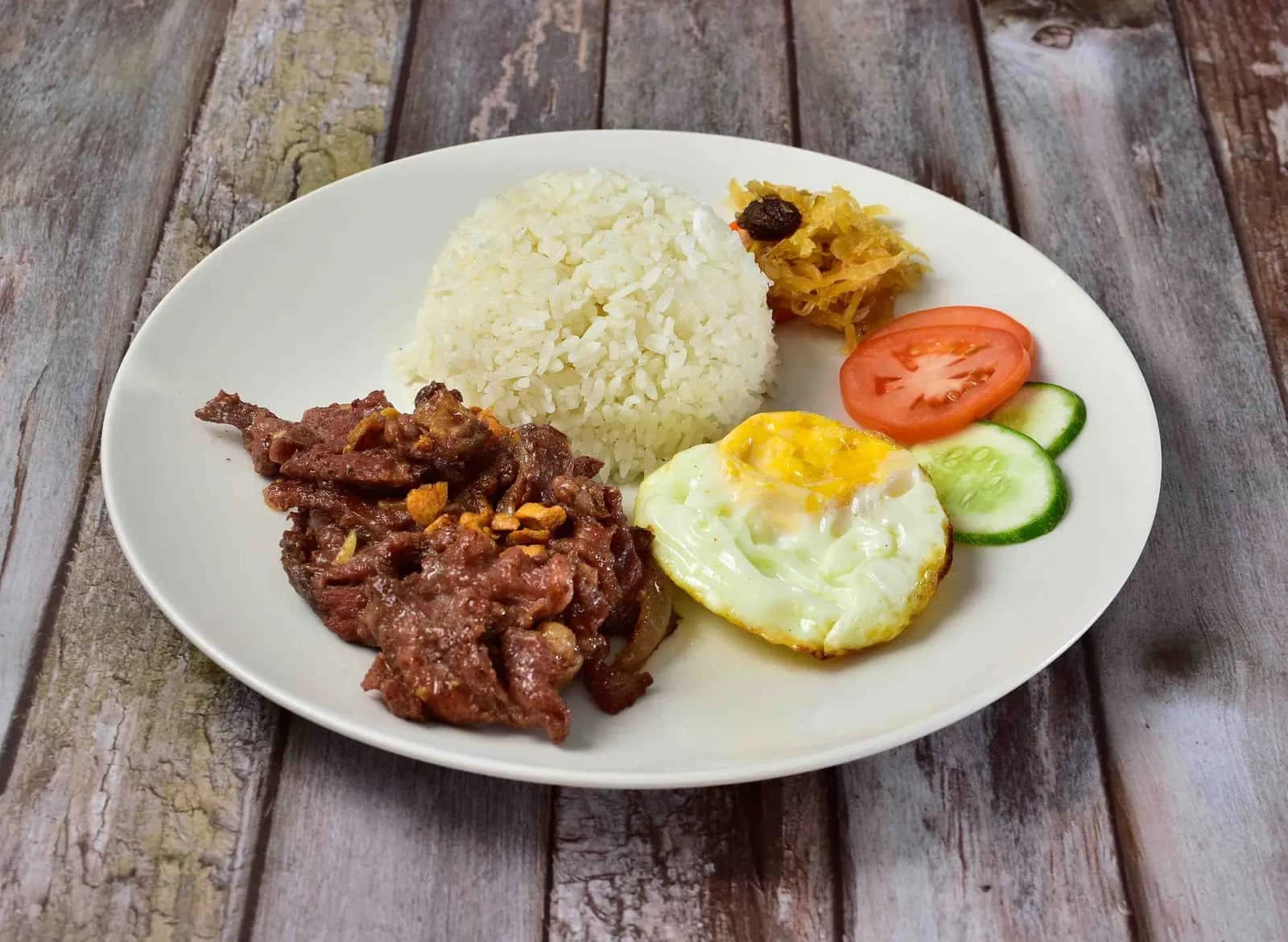
Filipino Restaurant
Filipino Restaurant
Compare Filipino restaurant franchises with other industries at the same budget, each with its own brands, fees and investment ranges.

Coffee, milk tea, and cold drink shops.
3 brandsFrom ₱17k
Sip Up Coffee, Chong Cafe, KoTea
See brands
Padala, parcel, and delivery outlets.
3 brandsFrom ₱10k
Ninja Van, J&T Express, Toktok
See brandsCompare industries by budget, daily work and payback before you choose one, free and with no pressure.

Learn how non-compete clauses work when exiting a franchise agreement in the Philippines, protecting your investment after closing.
Jul 20, 2026 5 min read
Learn practical inventory control steps for your Philippine franchise to cut waste, prevent loss, and protect your capital.
Aug 14, 2026 6 min read

Learn what dispute resolution clauses mean for Philippine franchisees. Protect your investment with this guide to arbitration, mediation, and litigation steps.
Jul 21, 2026 6 min read