K-Egg
Korean Street Food
- Franchise fee
- ₱17k
- Total investment
- ₱17k–₱30k
🎁 Start Your 1 Month Free Trial of the Full Plan, Exclusively for Brands & Advisors.Get Started
Browse 2 Korean street food franchises up to ₱50k, with investments of about ₱30k each, a franchise fee of about ₱17k, and most paying back in about 3 months.
Updated
Korean Street Food
Korean Street Food
Entry into Korean street food under this budget bottoms out at around ₱17,000 and tops off near ₱30,000. A flat fee close to ₱17,000 sits inside that range no matter which package a franchisee picks. That narrow spread means the choice here is less about price and more about format, since footprint decides most of the difference. Reported payback runs about three months, unusually fast for a food business. That speed says more about how little capital is tied up than about how well the food sells.
At this budget, the money clusters tightly between about ₱17,000 and ₱30,000. A flat fee near ₱17,000 sits inside that figure regardless of which format gets chosen. That means the extra spending at the top of the range goes toward the cart or kiosk build itself, not toward the brand's cut. For someone weighing this budget, the practical question is not whether the fee is affordable, since it barely moves. It is whether the extra investment for a sturdier cart or a proper kiosk shell is worth it over the cheapest version. Reported payback sits at about three months across the range, which is fast even by the standards of small food ventures. That speed reflects how little capital is actually tied up, not any unusual rush of customers. A franchisee entering at the lower end is betting that a simple cart earns back its cost on volume alone. The higher end buys a slightly more permanent presence without changing what the brand itself charges to start.
Every format this category sells at this level can run as a cart or a kiosk, and part of the lineup also works from home or online with no physical stand at all. That spread matters more here than in most food categories, because the same entry fee buys genuinely different ways of trading. A cart suits someone who wants to move between spots or test different corners before settling. A kiosk asks for a fixed spot with steadier foot traffic and, usually, a small rental arrangement with whoever runs that spot. Working from home or online strips away the physical footprint, trading visibility for lower overhead, which suits someone starting this alongside other work rather than treating it as a full-time trade from day one. Because the fee does not change with the format, the real decision at this budget is how much of the extra investment goes into a visible setup versus how much stays in the bank as working capital.
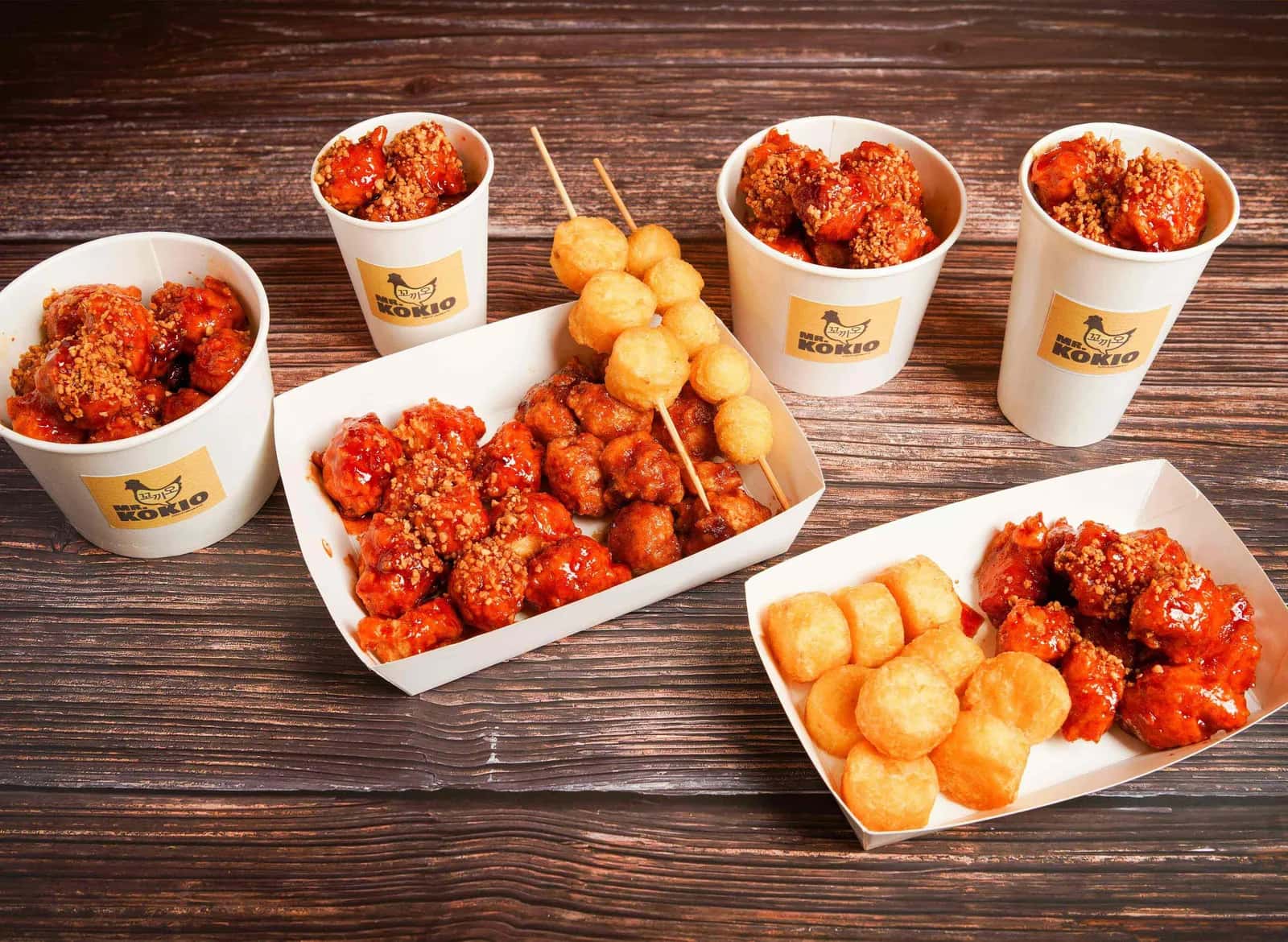
At this scale, the work is mostly the owner's own labor rather than a managed operation. A cart or kiosk built for roughly ₱20,000 to ₱30,000 is not going to carry a paid staff roster from day one. Whoever holds the package should expect to be the one prepping, cooking, and serving through most shifts, at least until the business proves it can support help. The appeal of the category at this level is that the menu itself is fast to prep. It is built around a short list of fried or skewered items with a sauce that carries the flavor, and it does not need a trained cook to execute well. That keeps the day to day simple: stock a short list of ingredients, hold a consistent sauce, and show up at the same spot or the same delivery hours often enough that regulars know when to expect the cart. The tradeoff is that income stays capped by however many hours the owner can physically work the stand, since there is no staff layer yet to extend the hours beyond what one person can cover.
The investment figures on their own do not show what has to happen before the first sale. Even at this budget, the flat fee near ₱17,000 covers the right to use the brand and its recipes. It does not cover the cart or kiosk shell, the initial batch of ingredients, or a small buffer of working capital for a slow first week. Someone budgeting only for the fee and the cheapest cart price risks reaching opening day with nothing left over if a supplier wants payment upfront or a permit takes longer than expected. Payback is reported at about three months. There is not much room to absorb a rocky start before the numbers stop making sense, so the sensible move is treating the top of this budget as the real target, not the minimum required to begin trading. A little unspent capital held back for the first month of ingredient runs and small repairs matters more here than in a category where the entry cost already includes that cushion.
Now that you've seen what's here, a real advisor can help you shortlist and weigh the options against your budget. Free, at your pace.

Financing Readiness · Site Selection

Franchise Agreements · Multi-Unit Expansion

Low-Capital Startups

Low-Capital Startups · Site Selection
Are you a franchise advisor?Get your own workspace here
Compare Korean street food franchises with other food & beverage businesses up to ₱50k, each with its own brands, fees and investment ranges.
Get honest answers on fees, payback and the best setups for your area, free and with no pressure.
Compare like with like among the two Korean street food franchises priced up to ₱50k, all within ₱50k. That means looking at the same items for each one, namely what is included, what is left out and what the quoted price already covers. Build one template and fill it in for every option. Differences then jump out, and you stop being swayed by whichever listing happens to be written most attractively.
Direct questions to the franchisor will tell you a lot about whether ₱50k works. When you speak with any of the two Korean street food franchises quoting an investment up to ₱50k, ask what a new owner typically spends in total before the first month of sales, not just the package price. Write down each answer and compare them, since a franchisor that gives a full, honest figure is usually easier to work with later.
Grand opening support, an initial order of supplies, equipment and training are what Korean street food franchises priced up to ₱50k might bring you. Since the franchisor alone chooses the contents, it pays to learn the thinking behind each piece. Question why every item is there and whether you could buy it from another source, because the reply reveals whether the package truly saves money or mainly ties you to their suppliers from the first day.
Opening day itself has costs that ₱50k rarely covers. A launch promotion, introductory discounts, signage, uniforms and printed price lists can all fall to you, depending on the franchisor. Ask for a list of everything you must have in place before opening and mark which items the package supplies, which leaves you a clear picture of what you still need to buy.
Signing for a Korean street food franchise at ₱50k is a fair first move if your life is stable enough for a long commitment. A job transfer, an overseas contract or a family need can change your plans within a short time. Think about what is likely to change for you soon and whether you could still manage an outlet. A steady situation makes a first franchise far easier to carry.
An emergency fund should stay untouched while you raise ₱50k for a Korean street food franchise. Using it for the franchise can leave your family exposed if someone gets sick or loses work during the setup period. Keep a few months of household expenses separate, and build the franchise fund in addition to that rather than out of it. Your peace of mind during the first months of the business depends on that cushion more than you might expect.
Setups for a Korean street food franchise at ₱50k include food carts with 2 franchises, kiosks with 2 and home-based or online setups with 1, and each one sets a different pace for your week. Some run on a steady flow of customers all day, while others depend on short rushes at meal times or after work. Observe your location across several days to learn when people actually pass, then choose the format whose busiest stretches line up with those hours so your crew works when customers are there.
Compare how many Korean street food franchises start at each budget level, from the smallest packages up.
Korean Street Food franchises priced close to your budget, worth a look if you can stretch your savings or want to spend less.
Korean Street Food
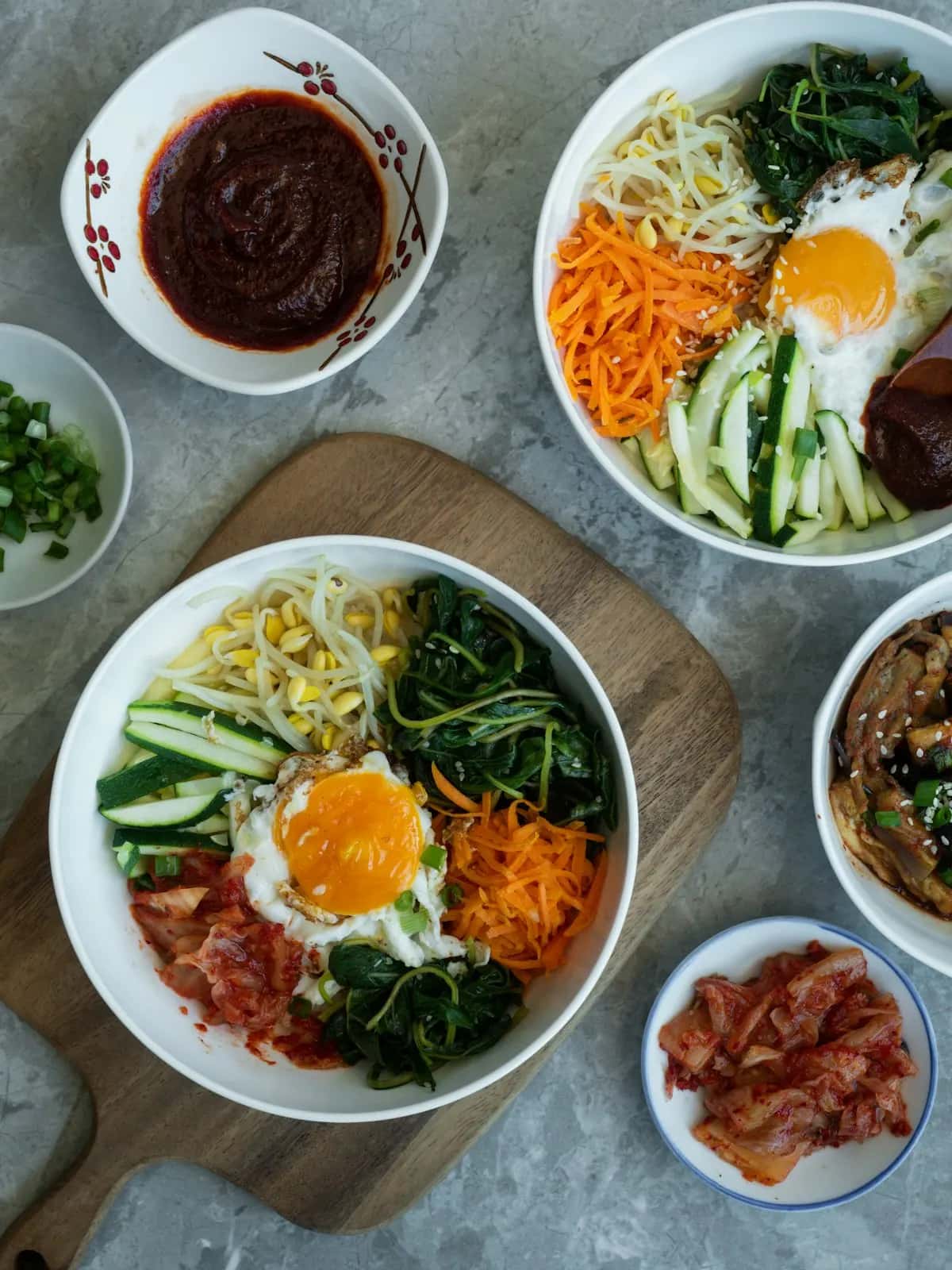
Korean Street Food
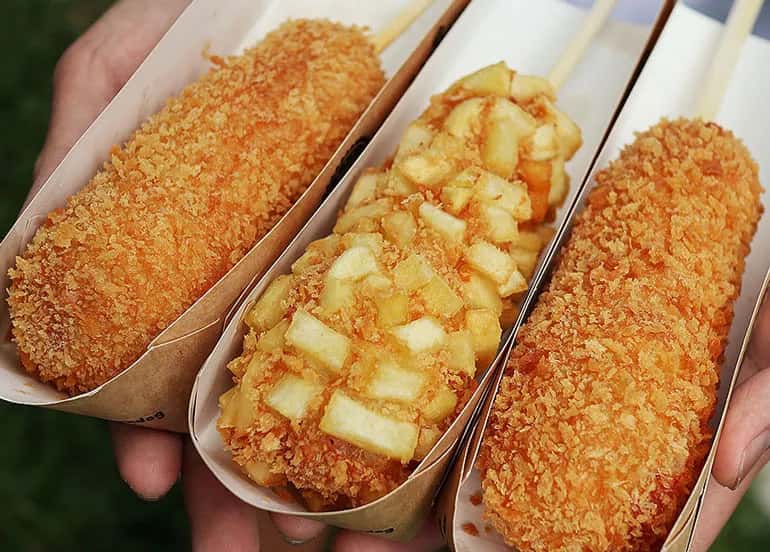
Korean Street Food
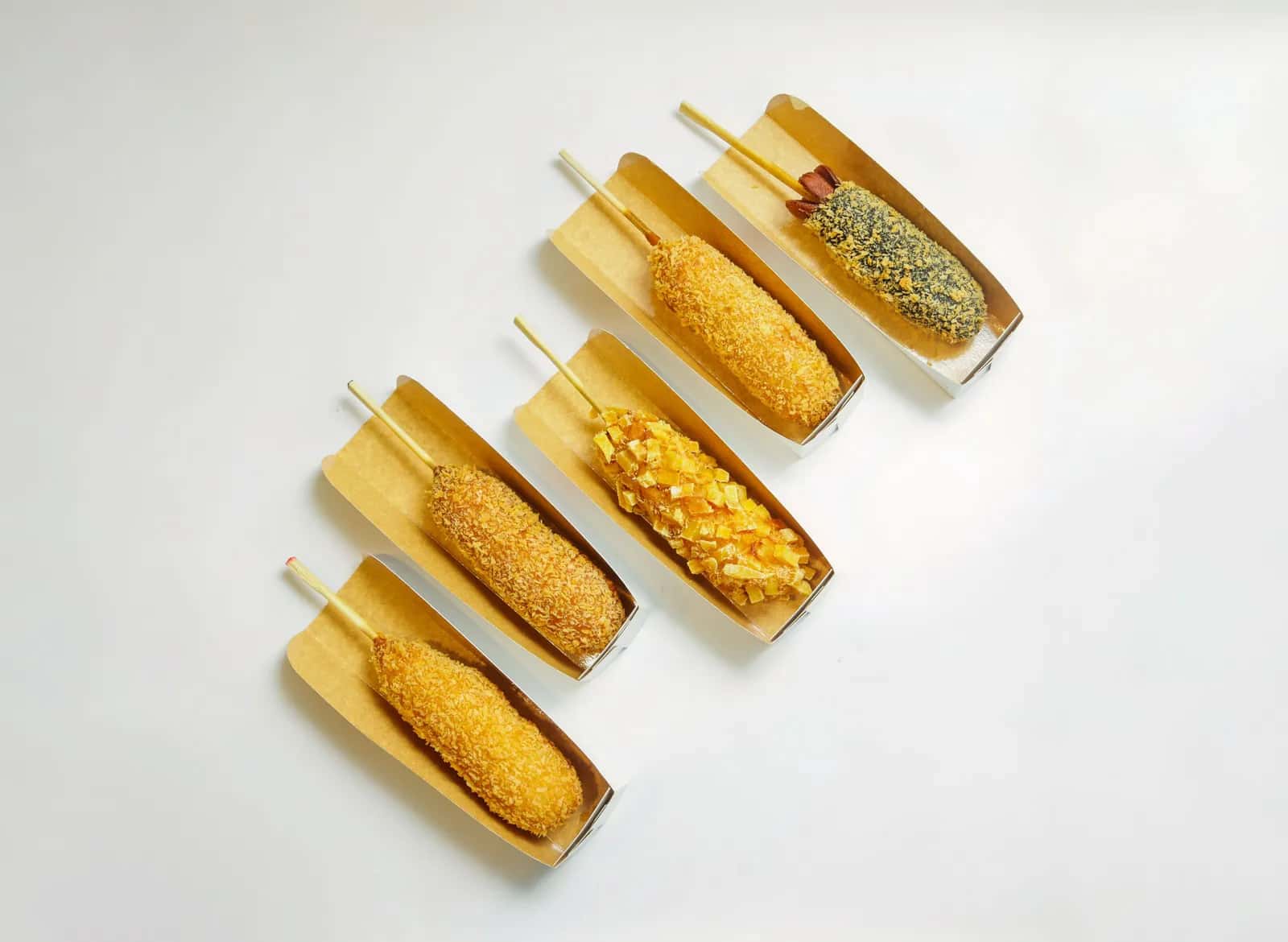
Korean Street Food
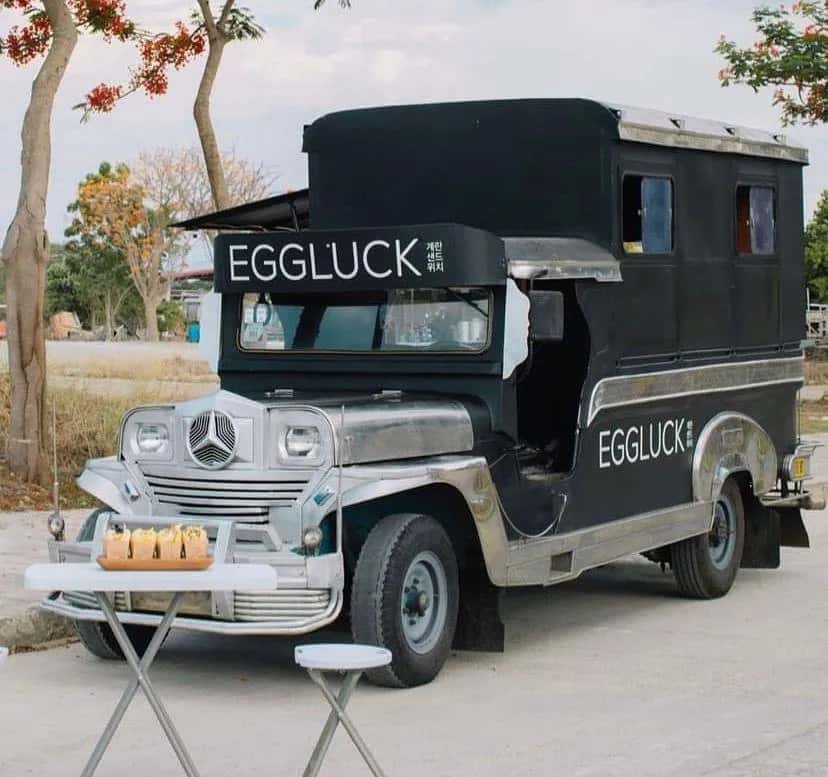
Korean Street Food
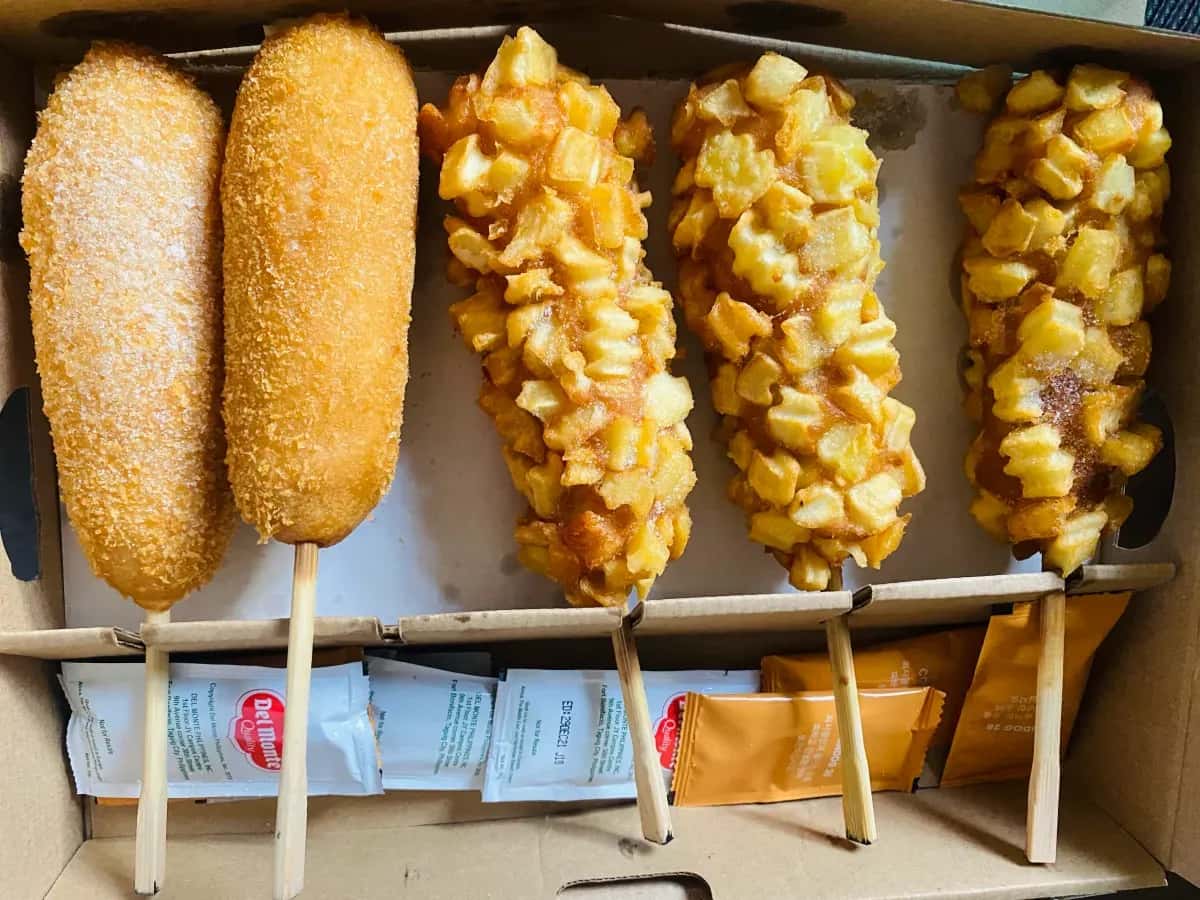
Korean Street Food
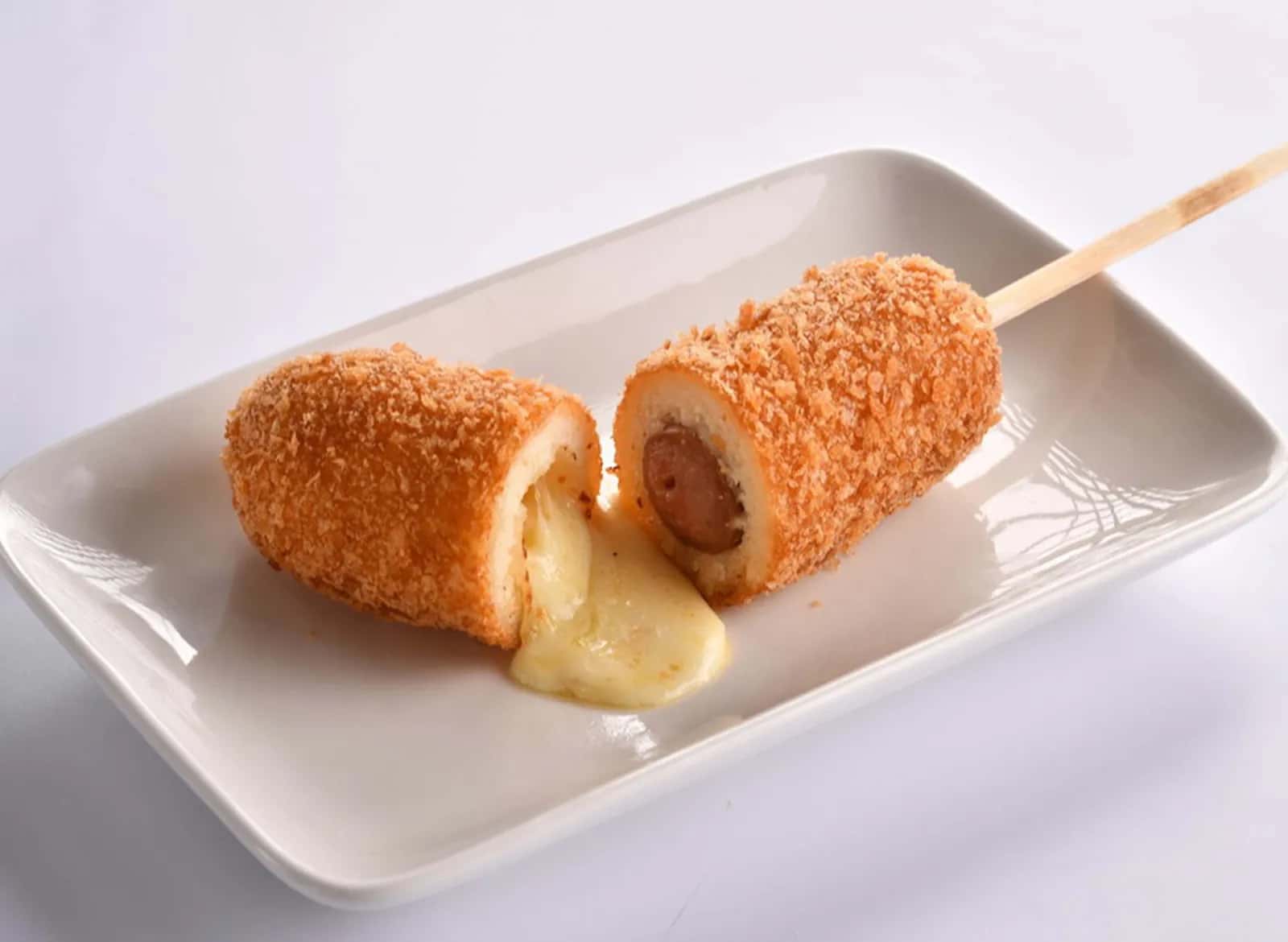
Korean Street Food
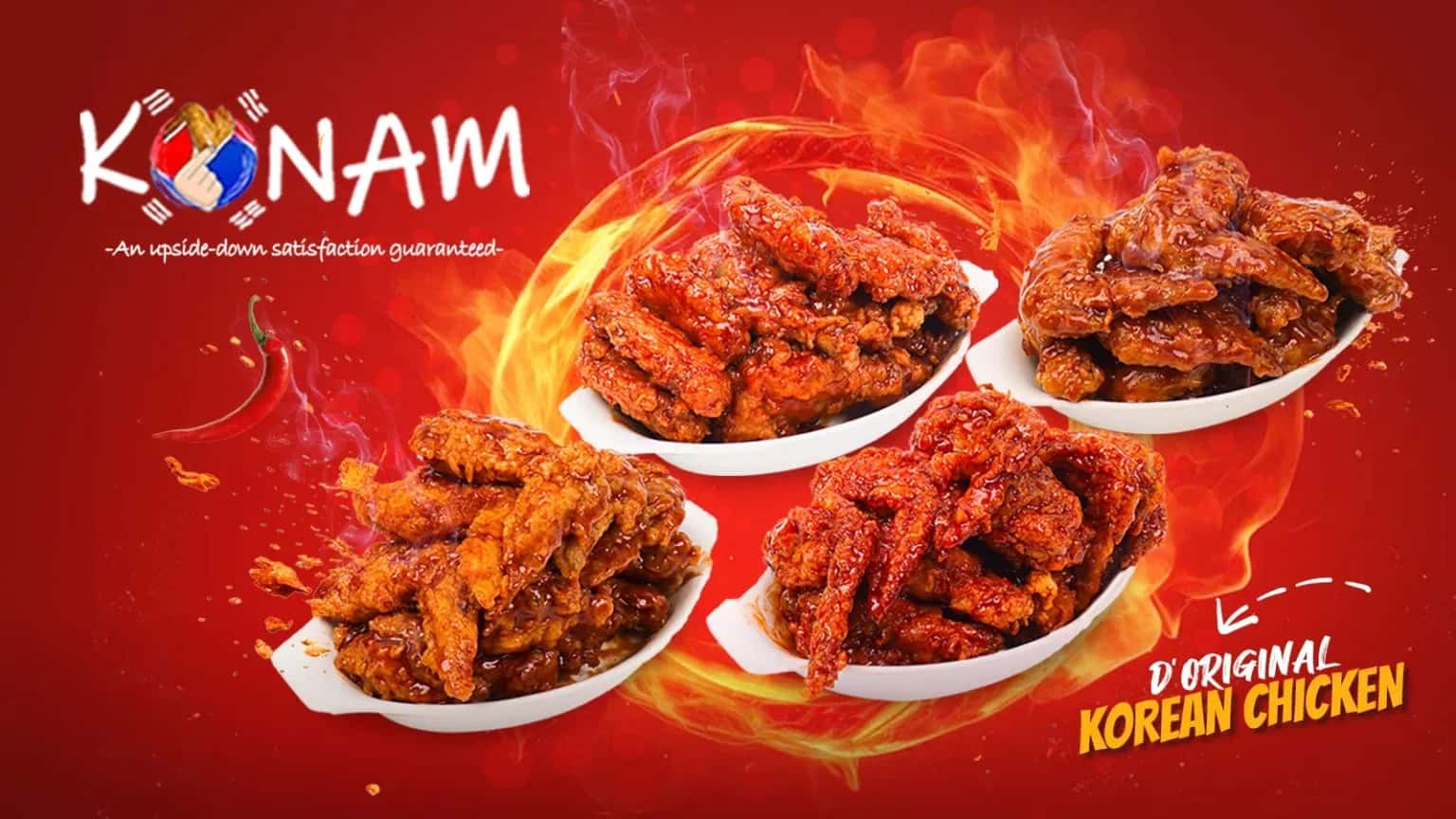
Chicken & BBQ
Compare Korean street food franchises with other industries at the same budget, each with its own brands, fees and investment ranges.

Coffee, milk tea, and cold drink shops.
3 brandsFrom ₱17k
Sip Up Coffee, Chong Cafe, KoTea
See brands
Padala, parcel, and delivery outlets.
3 brandsFrom ₱10k
Ninja Van, J&T Express, Toktok
See brandsCompare industries by budget, daily work and payback before you choose one, free and with no pressure.

Learn how non-compete clauses work when exiting a franchise agreement in the Philippines, protecting your investment after closing.
Jul 20, 2026 5 min read
Learn practical inventory control steps for your Philippine franchise to cut waste, prevent loss, and protect your capital.
Aug 14, 2026 6 min read

Learn what dispute resolution clauses mean for Philippine franchisees. Protect your investment with this guide to arbitration, mediation, and litigation steps.
Jul 21, 2026 6 min read