Eggluck
Korean Street Food
- Franchise fee
- ₱150k
- Total investment
- ₱500k–₱850k
🎁 Start Your 1 Month Free Trial of the Full Plan, Exclusively for Brands & Advisors.Get Started
Browse a Korean street food franchise up to ₱900k, with an investment of about ₱850k, a franchise fee of about ₱150k, and paying back in about 12 months.
Updated
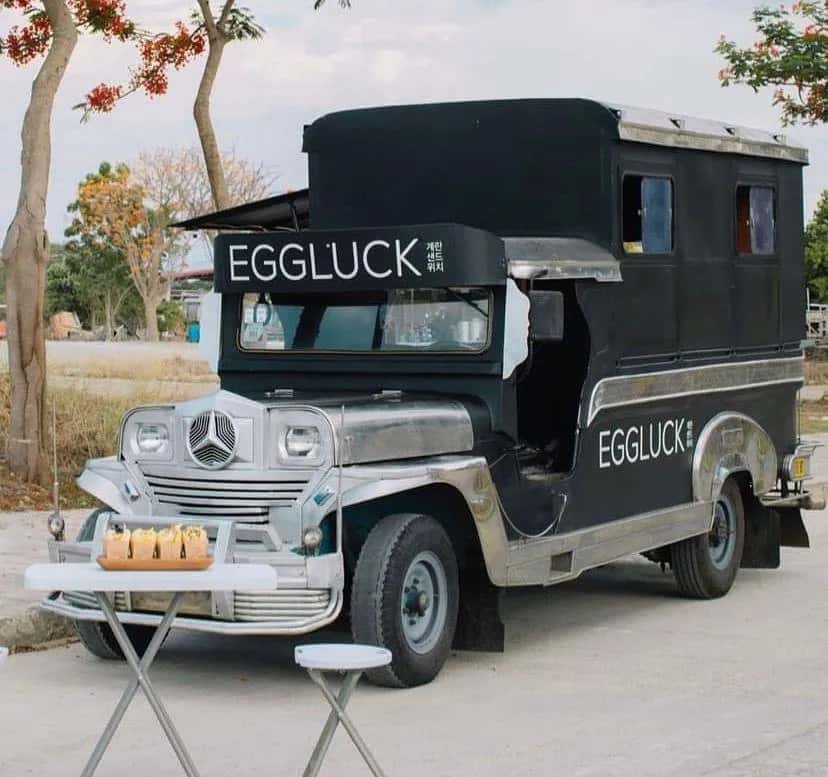
Close to ₱900,000, a Korean street food package builds around a mobile unit alongside the more familiar cart and kiosk options. Reported payback runs about a year across the board. Franchise fees hold flat near ₱150,000 across every format. That mobile option is a genuinely different bet, chasing crowds instead of waiting for them to arrive, which suits a different kind of operator than the corner-stand default.
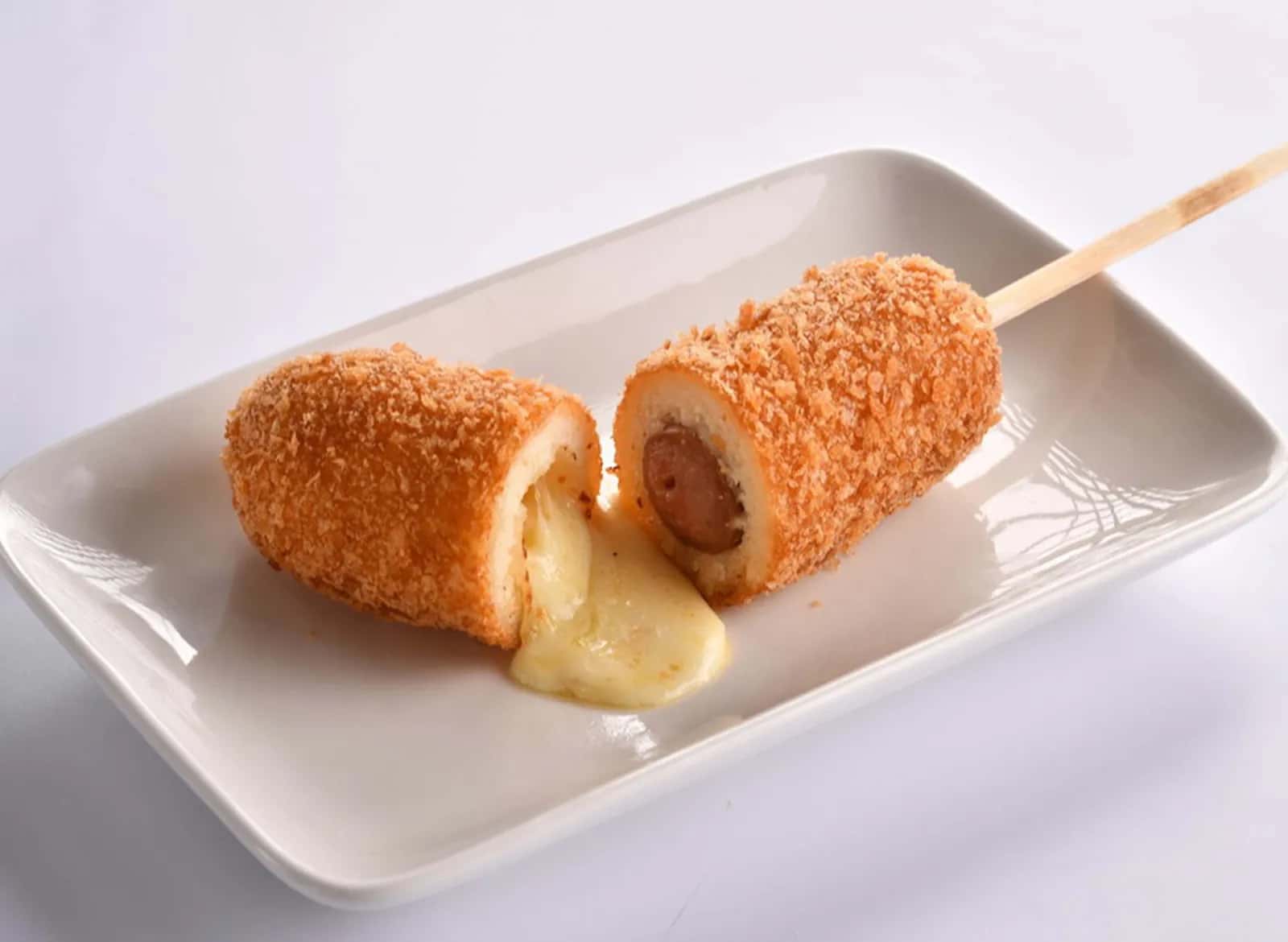
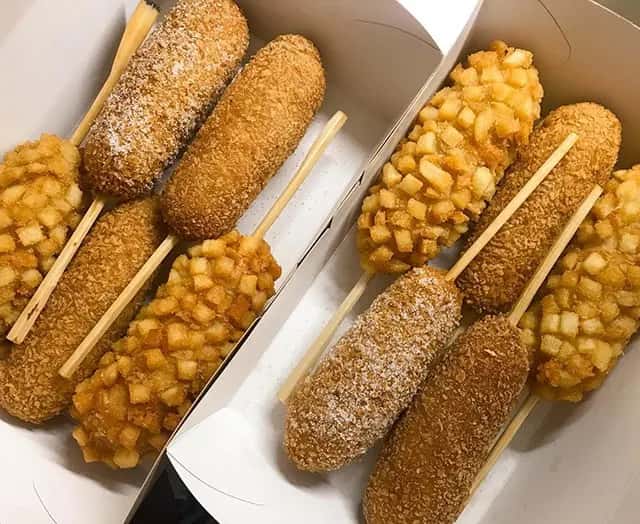
A trend-driven snack like a Korean corndog benefits from showing up wherever a crowd already exists. Much of its appeal rides on visibility, photographs, and word of mouth rather than a fixed customer base built up slowly over years at one address. A mobile unit built to follow festivals, night markets, and pop-up events can chase that kind of attention directly instead of waiting for it to arrive at a single street corner. That is a meaningfully different bet than the fixed carts and kiosks that make up most of this category's cheaper price ranges. It is also a bet on logistics as much as on the product. A mobile setup only earns on the days it is actually booked into an event, unlike a cart parked on a street corner every day of the year. Chasing the crowd instead of waiting for it also means a package built around this format is betting on an operator who enjoys the hustle of finding the next booking, not just the cooking itself.
The bill lands somewhere between ₱500,000 and ₱850,000, with the exact figure tied to the format picked. A flat franchise fee of about ₱150,000 applies across cart, kiosk, and mobile unit alike. Reported payback sits at about a year, a middling figure for this category that assumes reasonably steady bookings or foot traffic no matter which format gets picked. That assumption matters more for a mobile unit than for a fixed location. Its income depends on a calendar of events rather than a predictable daily flow of passersby walking by a fixed spot each morning. That flat fee applying equally to all three formats also means the mobile unit is not a premium add-on charged extra on top of the others, but a genuine third choice priced the same. Someone weighing all three should treat the flat fee as the cost of the brand relationship and the recipe. The format itself is a separate decision about the kind of days ahead, steady and local or busier and on the move.
Choosing the mobile unit over the fixed cart or kiosk trades a predictable, familiar corner for constant work. That work means securing spots at events, negotiating vendor fees or permits at each one, and transporting a full setup from location to location. It is a different kind of daily operation from parking a cart in the same spot every morning. It can pay off well during a busy events calendar and go quiet during slower stretches of the year. That makes cash flow less even than the fixed formats, even if the yearlong payback figure ends up similar on average. Someone choosing this route needs to be comfortable with irregular income and with the extra administrative load of lining up the next booking well before the current one ends. A vehicle or trailer also needs its own upkeep, since a breakdown on a booked event day costs more than a quiet day parked on a corner ever would.
With a mobile unit now part of the choice at this budget, the honest first-year plan depends heavily on which format gets picked, since a fixed kiosk and a roaming mobile unit ask for genuinely different skills. The first rewards consistency at one location. The second rewards hustle and a strong network of event opportunities to book. Someone drawn to this budget specifically for the mobile format should have a realistic sense of how many suitable events actually happen nearby. The reported payback estimate is likely built around a fixed format, and it may not translate directly to a life on the road. Asking the brand directly how its reported payback breaks down across the three formats, rather than accepting one blended figure, is the single most useful question available at this budget, given how differently each format actually earns its keep.
Now that you've seen what's here, a real advisor can help you shortlist and weigh the options against your budget. Free, at your pace.

Financing Readiness · Site Selection

Franchise Agreements · Multi-Unit Expansion

Low-Capital Startups

Low-Capital Startups · Site Selection
Are you a franchise advisor?Get your own workspace here
Compare Korean street food franchises with other food & beverage businesses up to ₱900k, each with its own brands, fees and investment ranges.
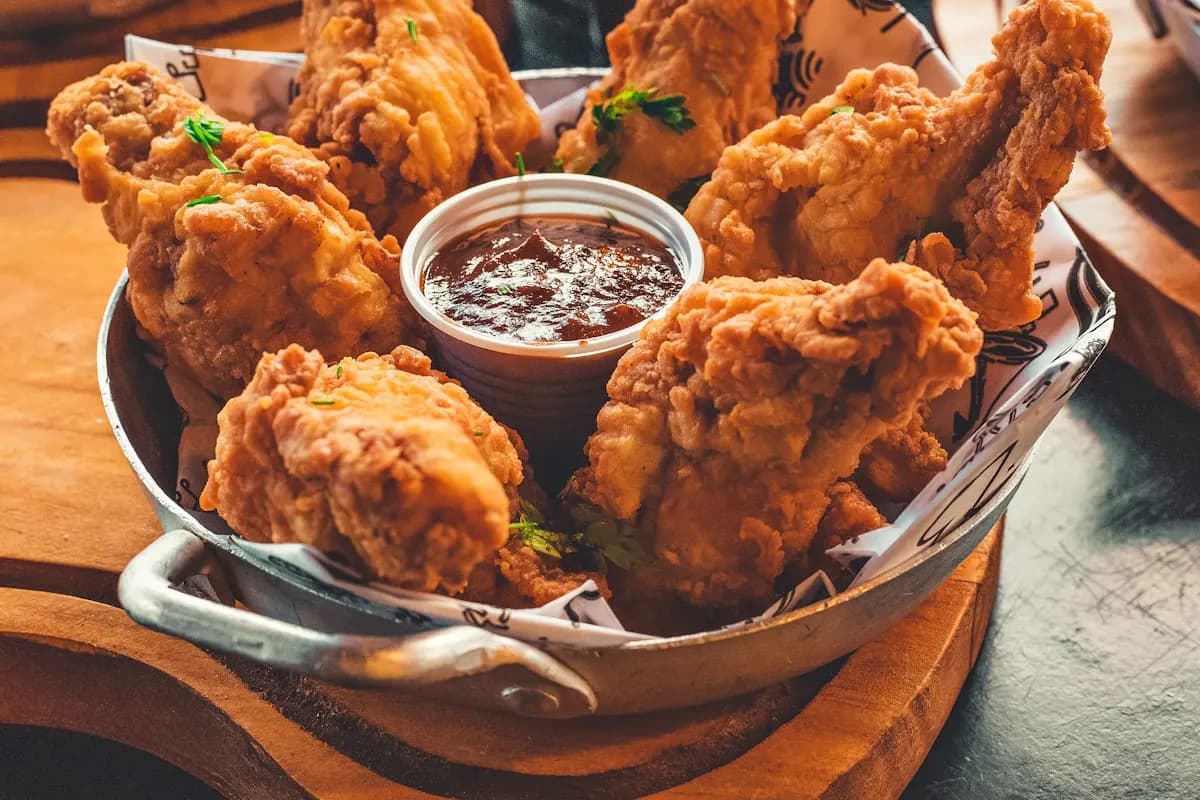
Roast chicken, inasal, and grilled favorites.
3 brandsFrom ₱450k
Kulpy Chicken, Inihauz, Chicken Rotizado
See brands
Fresh juices, shakes, and smoothie bars.
3 brandsFrom ₱420k
The Lemon Co., Thirsty Fresh Fruit Juices & Shakes, Velox Energy
See brands
Burger joints and snack grills.
2 brandsFrom ₱450k
Hungree Burgers, Uncle Sam's Burger
See brands
Homegrown Filipino food concepts.
2 brandsFrom ₱450k
VJ Batangas Lomi House, Bang Bang Special Crispy Bangus
See brands
Sit-down restaurants with full menus.
1 brandFrom ₱600k
Thaiwadee Express
See brands
Quick-service restaurants and fast-food chains.
1 brandFrom ₱600k
Smokey's
See brands
Ice cream, halo-halo, and sweet treats.
1 brandFrom ₱600k
MyChoice The Artisan Ice Cream
See brandsGet honest answers on fees, payback and the best setups for your area, free and with no pressure.
Even before you have the full ₱900k, reserving a slot with a Korean street food franchise may require only a smaller amount. Some franchisors ask for a reservation or deposit while you finish your funding and site search. Ask whether a reservation is refundable if your loan falls through, and get those conditions in writing before paying anything. A refundable reservation protects your savings while you complete the rest of your financing.
It can be, as long as a ₱900k Korean street food franchise fits your savings with room to spare and you are ready to learn the daily work. The franchise gives you a ready system to follow, which helps when you have never run a business before. The catch is that the package price rarely covers everything, since rent deposits, permits and your first stock may sit outside it. Ask the franchisor what a recent new owner actually spent, beyond the package, to reach opening day.
Beyond ₱900k, plan for rent, the security deposit and the advance payment your landlord will ask for, since many franchise packages cover equipment and training but not the space itself. For a Korean street food franchise, these lease costs land before you earn anything, so they belong in your opening budget rather than your first month of sales. Ask the franchisor for a written list of what the package excludes, then gather a few lease offers for spaces that meet their size requirements.
Counter space and display room matter when choosing among food carts with 1 franchise, kiosks with 1 and mobile units with 1 for a Korean street food franchise at ₱900k. Customers should see what you offer from a distance, and staff should reach everything quickly during a rush. Measure the front of your spot and compare it with what each format needs to show products and serve people at once, and favor the layout that lets one or two workers cover the whole front without strain.
Inclusions in a ₱900k offer may be described in loose terms like complete equipment set or full training, and those phrases can hide a lot. Equipment, stock, training and signage are common, but you need specifics. Ask for model names or descriptions of each piece of equipment and the number of training days, so the inclusions list becomes something you can actually check against delivery.
Compare how many Korean street food franchises start at each budget level, from the smallest packages up.
Korean Street Food franchises priced close to your budget, worth a look if you can stretch your savings or want to spend less.
Korean Street Food
Korean Street Food
Korean Street Food
Korean Street Food

Korean Street Food
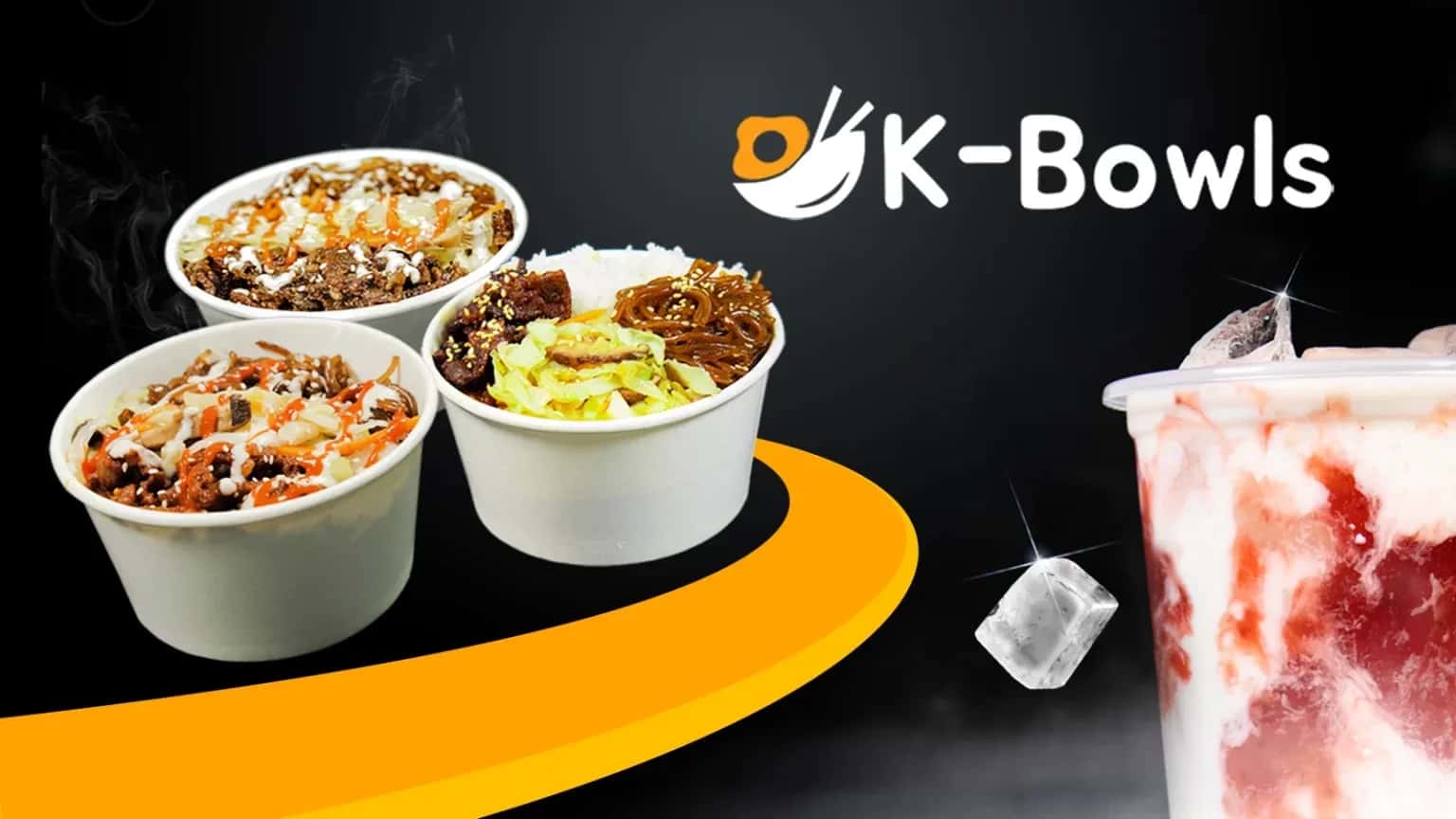
Korean Street Food
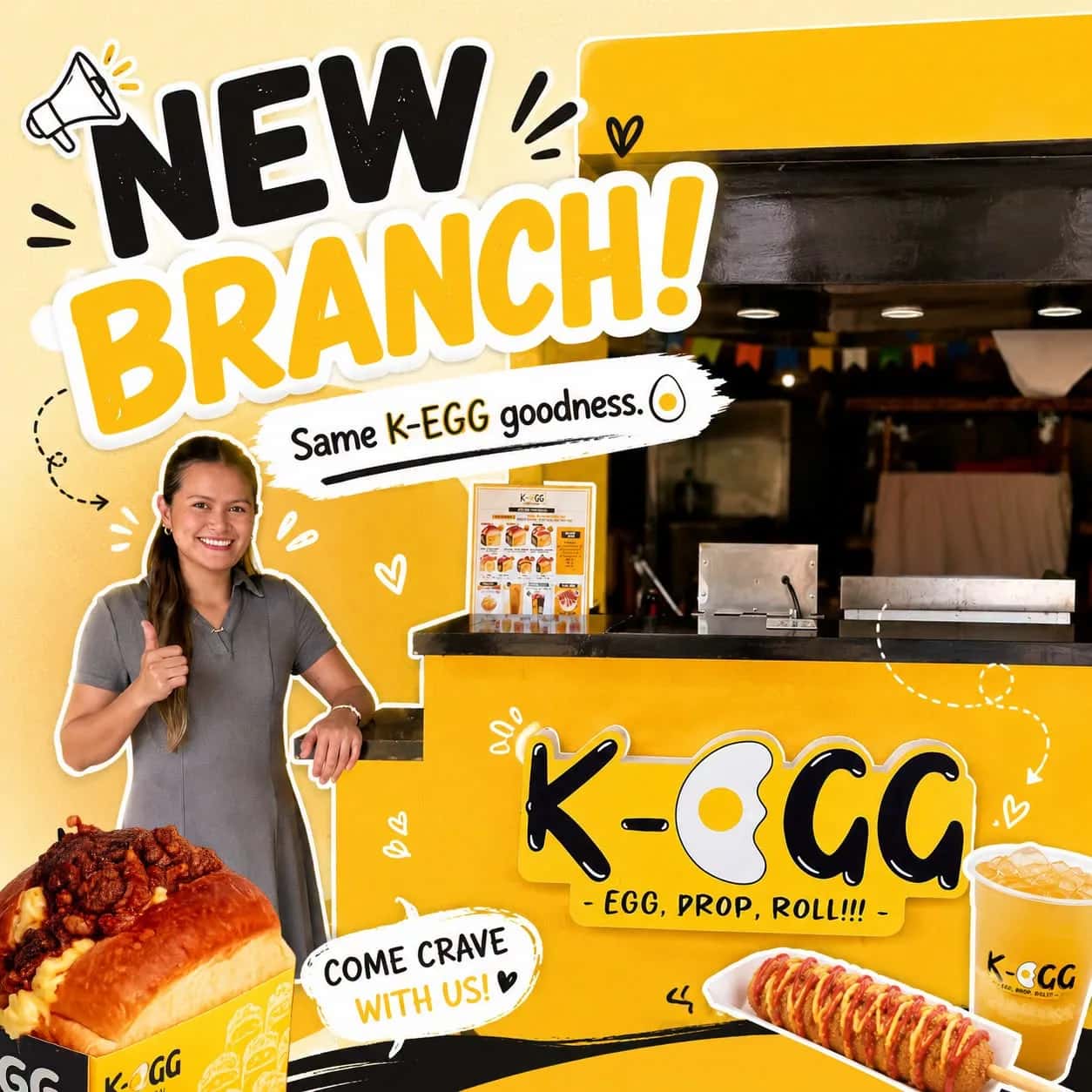
Korean Street Food
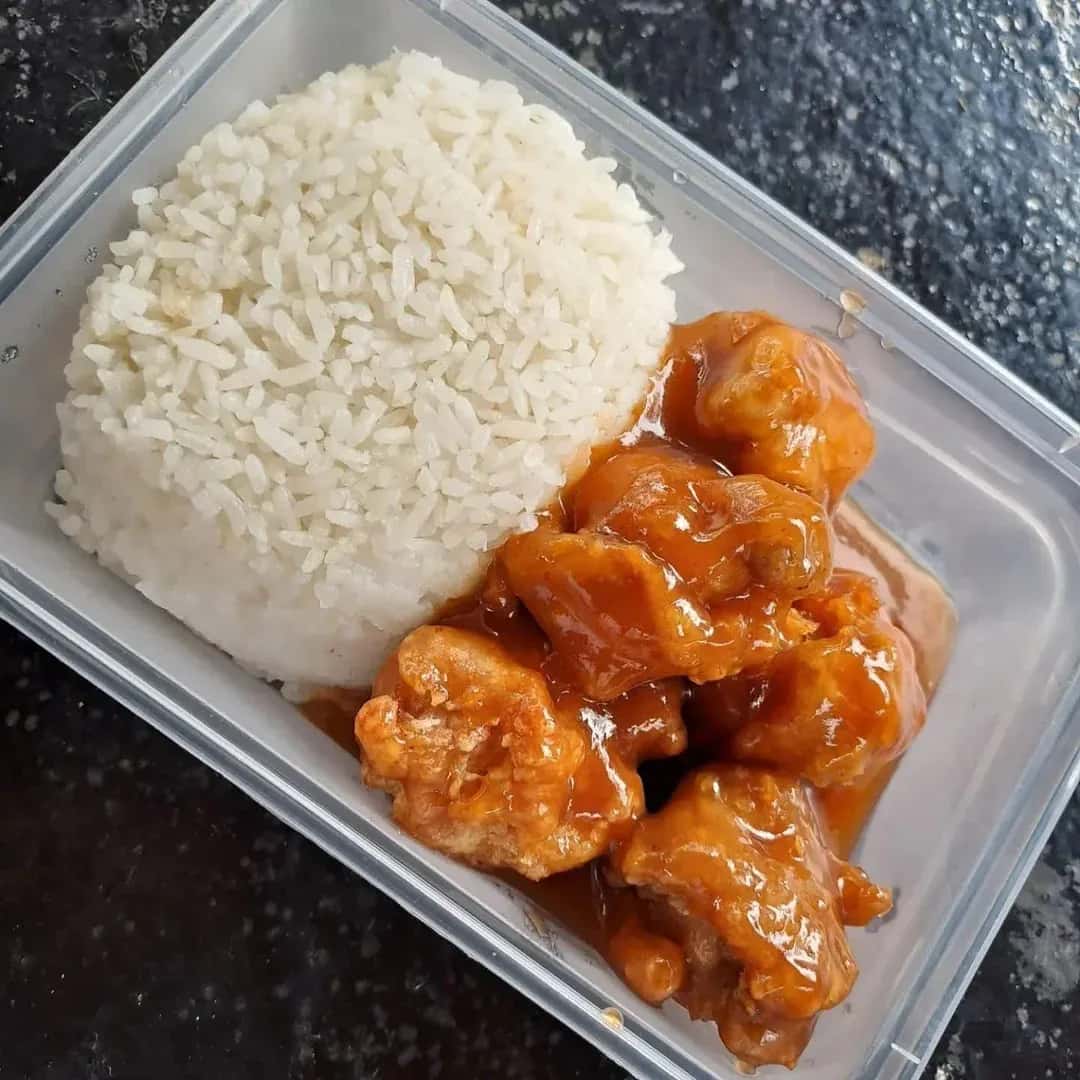
Chicken & BBQ
Compare Korean street food franchises with other industries at the same budget, each with its own brands, fees and investment ranges.

Coffee, milk tea, and cold drink shops.
5 brandsFrom ₱450k
Nitro 7 Coffee and Tea, Jelly G, Mocha Blends +2 more
See brands
Bread, cakes, and pastry shops.
2 brandsFrom ₱450k
Casa Empanada, Cookie Chef
See brands
Mini marts and convenience stores.
2 brandsFrom ₱450k
Palawan Pearls, CasyPH
See brandsCompare industries by budget, daily work and payback before you choose one, free and with no pressure.

Learn practical inventory control steps for your Philippine franchise to cut waste, prevent loss, and protect your capital.
Aug 14, 2026 6 min read
Learn how non-compete clauses work when exiting a franchise agreement in the Philippines, protecting your investment after closing.
Jul 20, 2026 5 min read

Learn how to secure financing for your Philippine franchise, from preparation to approval. A practical guide for new operators and OFWs.
Jul 20, 2026 5 min read