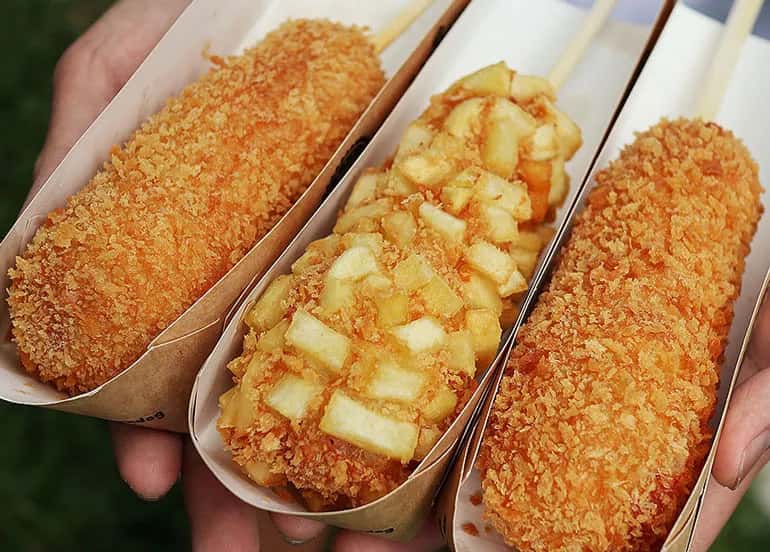
101 Korean Hotdog
Korean Street Food
- Franchise fee
- ₱100k
- Total investment
- ₱600k–₱800k
🎁 Start Your 1 Month Free Trial of the Full Plan, Exclusively for Brands & Advisors.Get Started
Browse 2 Korean street food franchises up to ₱800k, with investments of about ₱800k each, franchise fees mostly between ₱100k and ₱150k, and most paying back in 12 to 18 months.
Updated
Korean Street Food
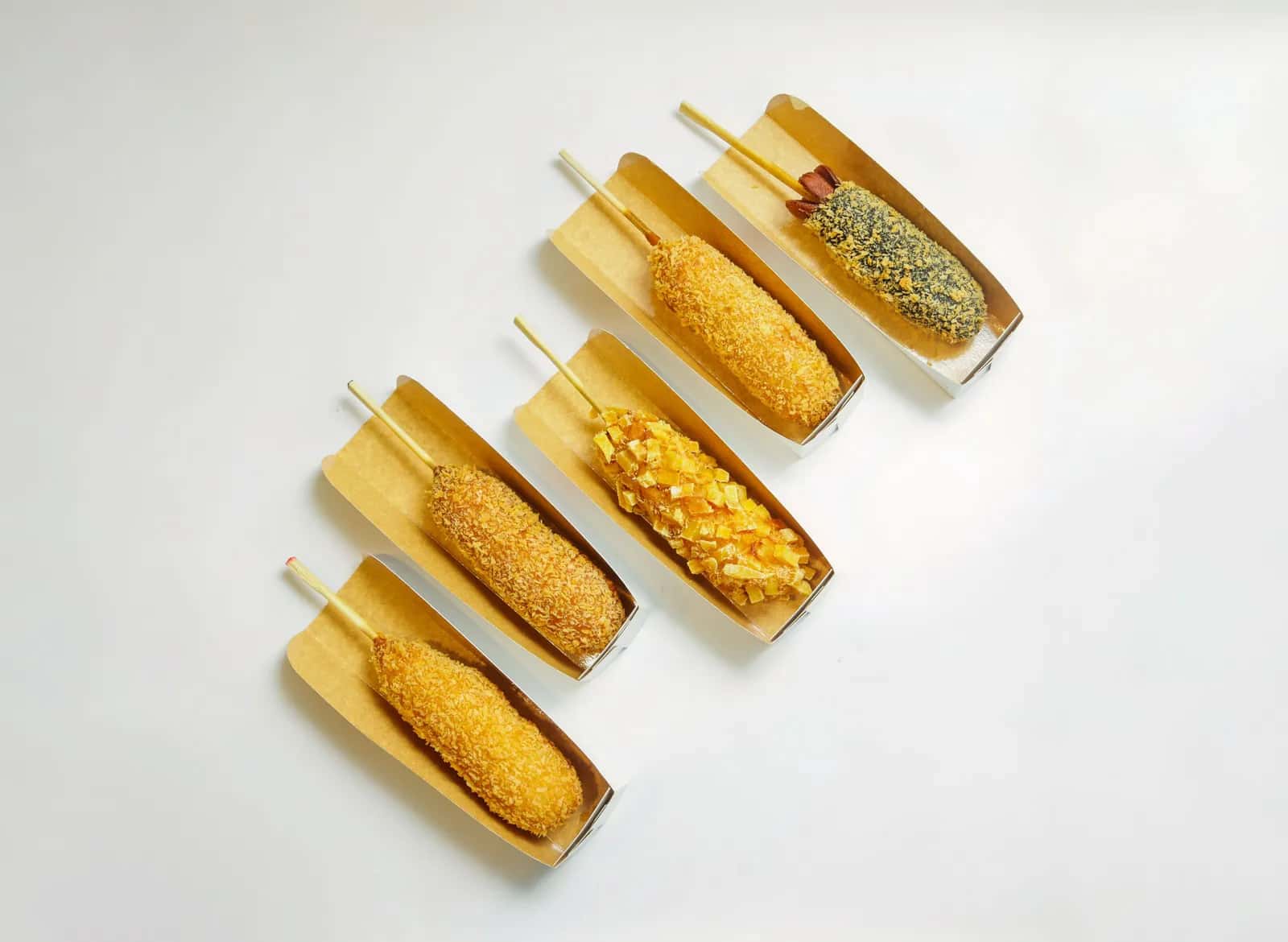
Korean Street Food
Up to ₱800,000 buys a Korean street food package with the full run of formats: a cart, a kiosk, or a full inline store, all under one fee. Nothing about the recipe changes between the three, only the scale of the daily operation built up around it. Franchise fees range from about ₱100,000 to ₱150,000. Reported payback runs about a year up to a year and a half. Both figures apply no matter which format ends up chosen, which is unusual for a category where the timeline usually stretches directly with the size of the buildout being financed.
Every package at this budget sells a food cart, a kiosk, and a full inline store from the same underlying fee structure. The decision at this level is almost entirely about matching the format to a specific site, not about being limited by what a given brand happens to offer. That flexibility is not universal even at similar budgets elsewhere in this category. Some brands cap out at a kiosk regardless of how much money is on the table, no matter how far a franchisee is willing to stretch their budget to reach a bigger unit. Having every scale to choose between at once is a genuine point of comparison worth weighing carefully. Starting with a cart still keeps the door open to grow into a kiosk or a full store later without switching relationships entirely.
Investment spans roughly ₱400,000 to ₱800,000, with franchise fees ranging from about ₱100,000 to ₱150,000, the exact figure tied to the package and format combination chosen. Reported payback runs from about a year to a year and a half, on the longer side for this category as a whole. That fits packages built to support a full storefront option rather than only the quicker-turnaround cart setups that dominate the cheaper budgets below this one. The ₱50,000 gap between the low and high end of that fee range is worth a direct question. It is not automatically clear whether the higher figure buys more training, better site support, or simply a stronger name in the category, so asking what exactly the extra amount pays for is a fair question either way. A working budget beyond the quoted fee should also cover fit-out for whichever format gets chosen, an opening batch of stock, and enough cash to cover the slower weeks before the site settles into a routine.
This budget suits someone who wants the choice of format later rather than being locked in at signing, since every scale stays open under the same fee. It also suits someone comfortable with a longer payback window in exchange for real flexibility. Opening small and expanding within the same relationship beats starting over with a new agreement if a cart eventually needs to grow into something bigger. It suits a planner more than an impulsive first-time entrant, since getting real value from the flexibility on offer requires thinking a few years ahead. Someone who has never run a food stand before should still expect the cart to be the sensible first move, whatever the eventual ambition. The longer payback window at this level makes more sense once it is weighed against what a smaller, cheaper setup elsewhere in the category would ask an operator to give up in scale and staying power.
This budget does not suit someone who mainly wants to spend the least amount possible just to see whether the category works for them. A leaner setup and a faster payback are both part of what a smaller budget buys within this same category. It also does not suit someone who has already settled firmly on one format with no interest in ever changing it. Paying into a package built around choice, when only one scale will ever be used, leaves part of what this budget buys sitting idle. The extra flexibility only earns its keep for someone who can genuinely see themselves using more than one format over time. That could mean starting with a cart and growing into a kiosk, or opening a full inline store from day one with no intention of ever scaling down. Someone certain of a single path from the outset should weigh honestly whether that certainty is worth paying for room to grow that will never actually get used, since the fee here is the same either way.
Now that you've seen what's here, a real advisor can help you shortlist and weigh the options against your budget. Free, at your pace.

Financing Readiness · Site Selection

Low-Capital Startups

Low-Capital Startups · Site Selection

Franchise Agreements · Multi-Unit Expansion
Are you a franchise advisor?Get your own workspace here
Compare Korean street food franchises with other food & beverage businesses up to ₱800k, each with its own brands, fees and investment ranges.

Ice cream, halo-halo, and sweet treats.
6 brandsFrom ₱400k
Jipangyi Korean Ice Cream, Lucky Bunny PH, Magnolia Ice Cream Kiosk +3 more
See brands
Fresh juices, shakes, and smoothie bars.
4 brandsFrom ₱400k
Johnn Lemon, Mango Magic, Citrus Zone +1 more
See brands
Homegrown Filipino food concepts.
3 brandsFrom ₱399k
Mang Pastil, Remiks, ChiBongs Lomi House
See brands
Pizza parlors and pasta houses.
3 brandsFrom ₱400k
Santino's Supreme Slice, Alberto's Pizza, Papa Jim's Pizza
See brands
Roast chicken, inasal, and grilled favorites.
2 brandsFrom ₱400k
Papel na Liempo, WhyChicken Manila
See brands
Quick-service restaurants and fast-food chains.
2 brandsFrom ₱400k
Villatuna, De Original Jamaican Pattie Shop & Juice Bar
See brands
Fishball, siomai, and grab-and-go bites.
2 brandsFrom ₱400k
Nacho King, Rice in a Box
See brandsGet honest answers on fees, payback and the best setups for your area, free and with no pressure.
As of now, two Korean street food franchises carry an investment between ₱700k and ₱800k, which suits a ₱800k budget. Since that is a long list, narrow it by checking which packages include the most for the money. Compare what each one covers, from equipment and fixtures to opening stock and uniforms, and note the gaps. The option with fewer gaps usually costs you less after signing, so it deserves a spot near the top of your shortlist.
Some franchisors charge separately for site evaluation, design layouts or project supervision, which can add to ₱800k before construction even starts. These services are useful, since they help your outlet meet standards, but they are not always included. Ask whether these fees apply, whether they are refundable if a site is rejected, and how many locations they will assess for the same price.
For anyone saving up for a ₱800k Korean street food franchise, franchisors usually point to a payback of 12 to 18 months. Before you rely on that, ask current franchisees how it worked out for them in practice. Find out how long their first months stayed quiet and how much savings they had to put back in. Then keep a similar reserve of your own so a slow start does not stall your plan.
Think about how long you can wait for returns before judging whether a ₱800k Korean street food franchise is a good first choice. Beginners often need several months of steady effort before the outlet pays its own way. Decide in advance how many months of costs your savings can carry without borrowing. If that number is small, a lighter commitment or a longer saving period may be kinder to you and your family.
Refund rules deserve attention when the franchise fee runs ₱100k to ₱150k, as it does for Korean street food franchises at ₱800k. Ask whether any portion is returned if the site fails approval, if training is cancelled or if the franchisor cannot deliver on time. Ask also whether a cooling off period exists after signing. Written refund terms turn a vague promise into something you can rely on if your plans change.
For a Korean street food franchise, ₱800k should be tested against the full cost and not the headline price. The two options quoting an investment between ₱700k and ₱800k leave out rent deposits, permits, renovation, starting stock and operating cash. Get written estimates for each, add them to the quote and compare the total with your budget. Only an offer that still fits after this exercise is realistic for you.
Lenders will check your credit history when you apply for money toward ₱800k for a Korean street food franchise, so cleaning it up early pays off. Unpaid credit card balances, missed loan payments or old bounced checks can lower your chances or raise the cost of borrowing. Settle what you can, keep current bills on time for several months, and ask the bank what records it will look at before you submit an application.
If you work abroad as an OFW or will run the outlet from afar, a ₱800k package still typically gives you equipment, initial inventory, training and access to the franchise system, depending on the franchisor. What changes is how much the setup process matters, since you cannot be there in person. Check whether the franchisor will arrange delivery, installation and staff training directly with the manager you appoint while you are away.
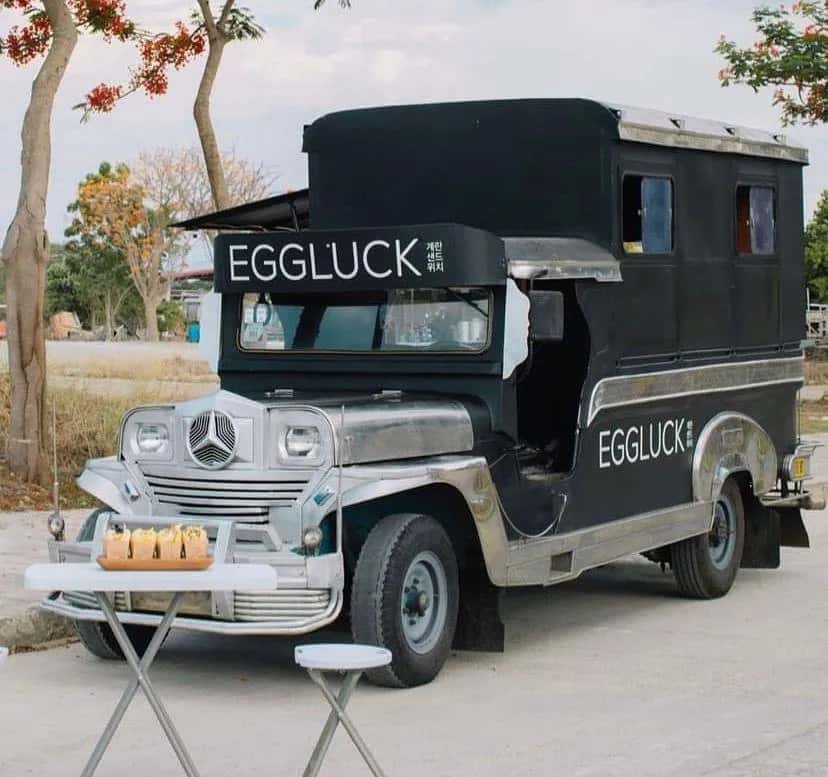
Depending on the space you have, a Korean street food franchise at ₱800k could be any of food carts with 2 franchises, kiosks with 2 and inline stores with 2. Storage is a common blind spot, because stock, packaging and supplies all need a dry and secure place close to where you sell. Check how much storage each format needs and whether your space offers it, or whether you would have to rent extra room nearby to make it work.
Compare how many Korean street food franchises start at each budget level, from the smallest packages up.
Korean Street Food franchises priced close to your budget, worth a look if you can stretch your savings or want to spend less.
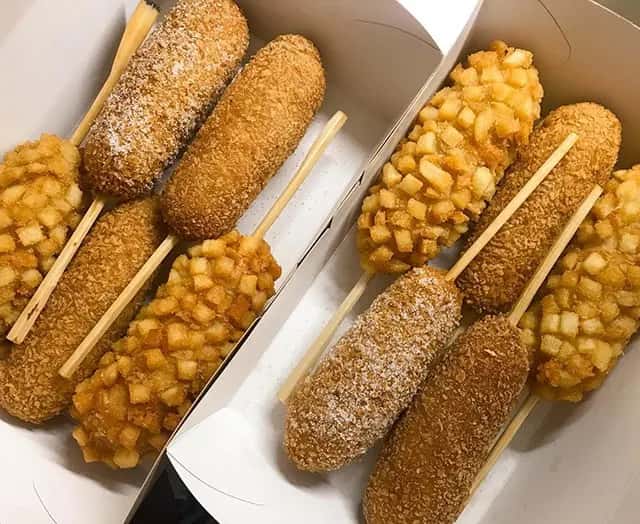
Korean Street Food
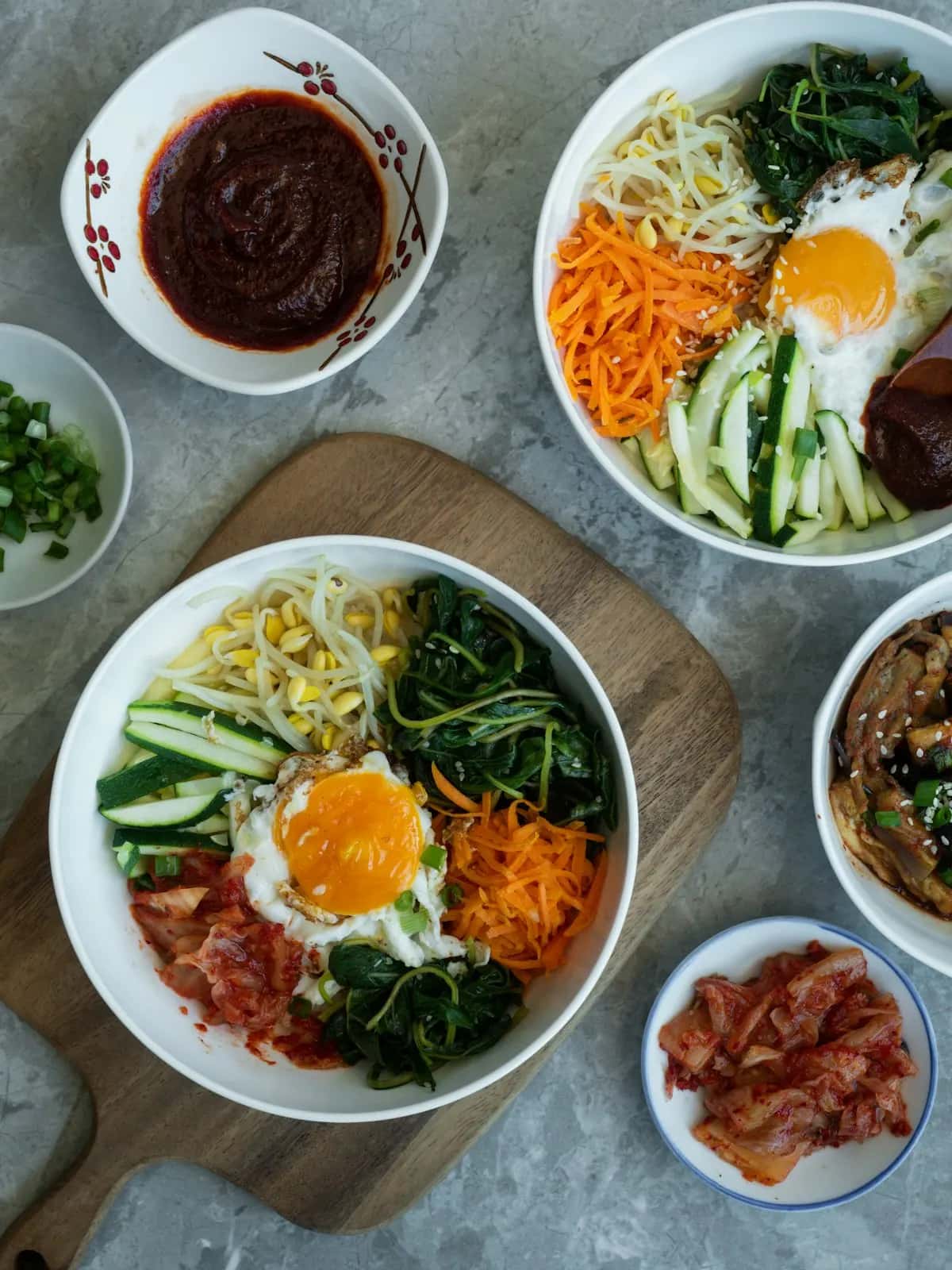
Korean Street Food
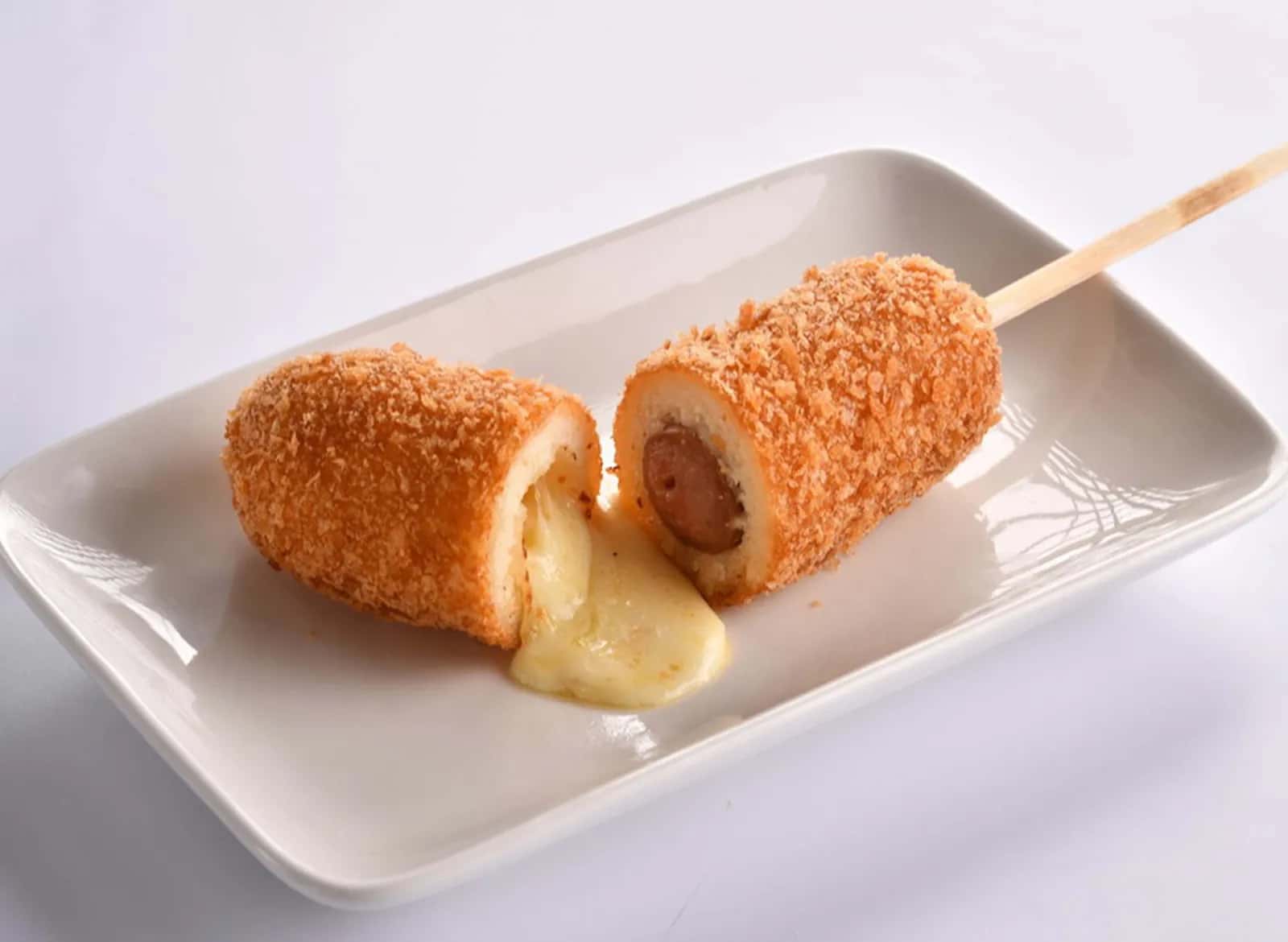
Korean Street Food
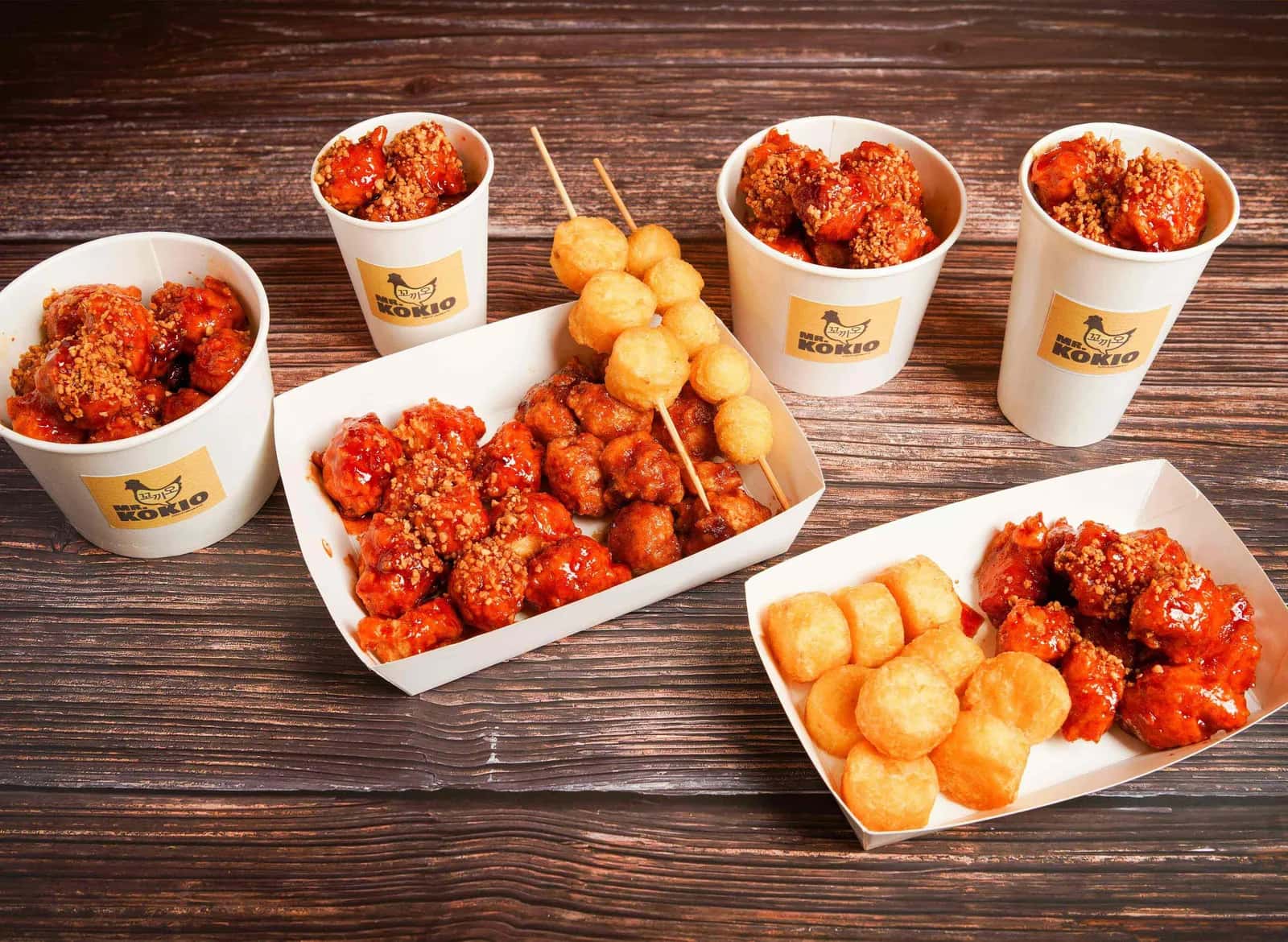
Korean Street Food

Korean Street Food
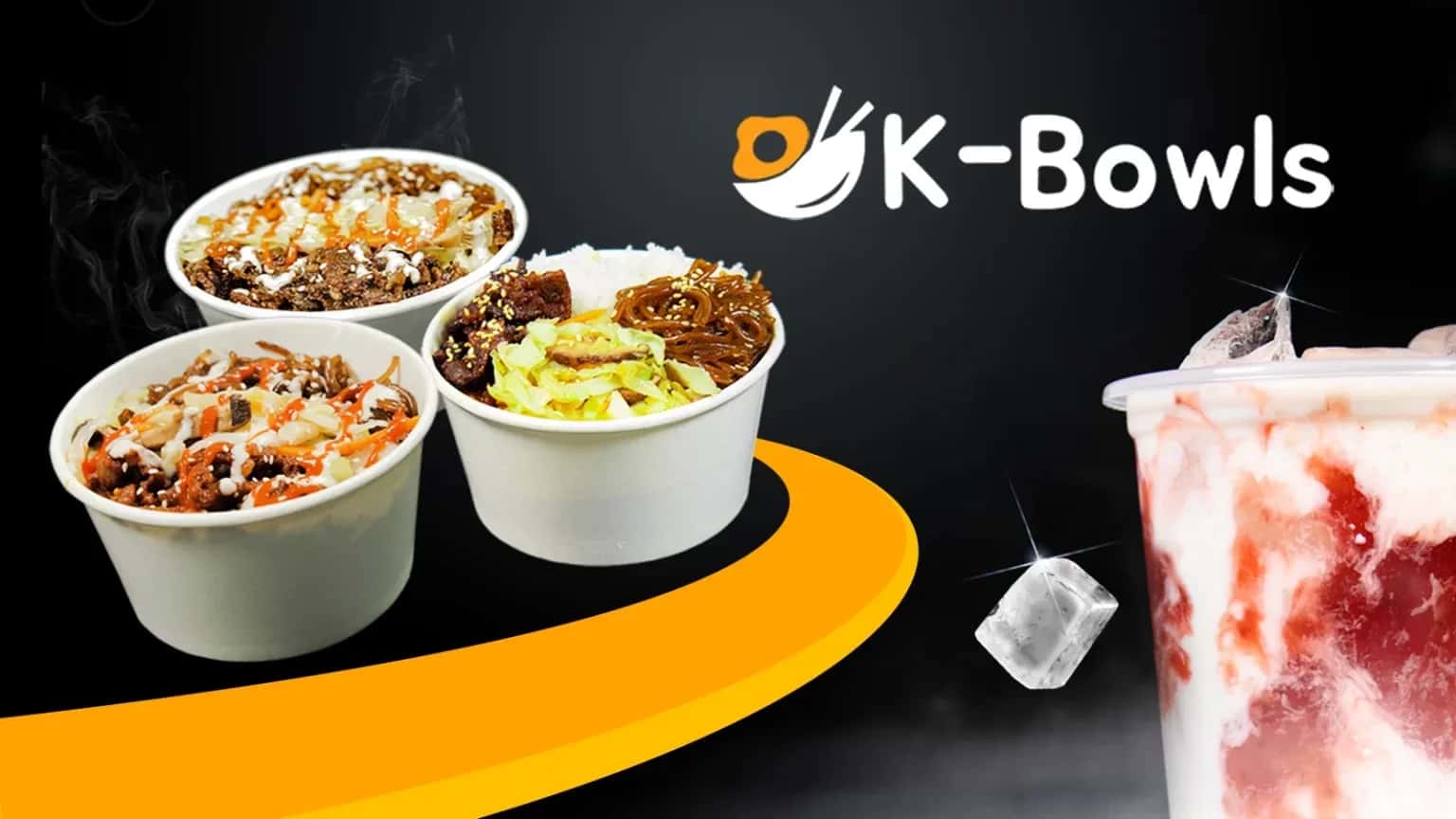
Korean Street Food
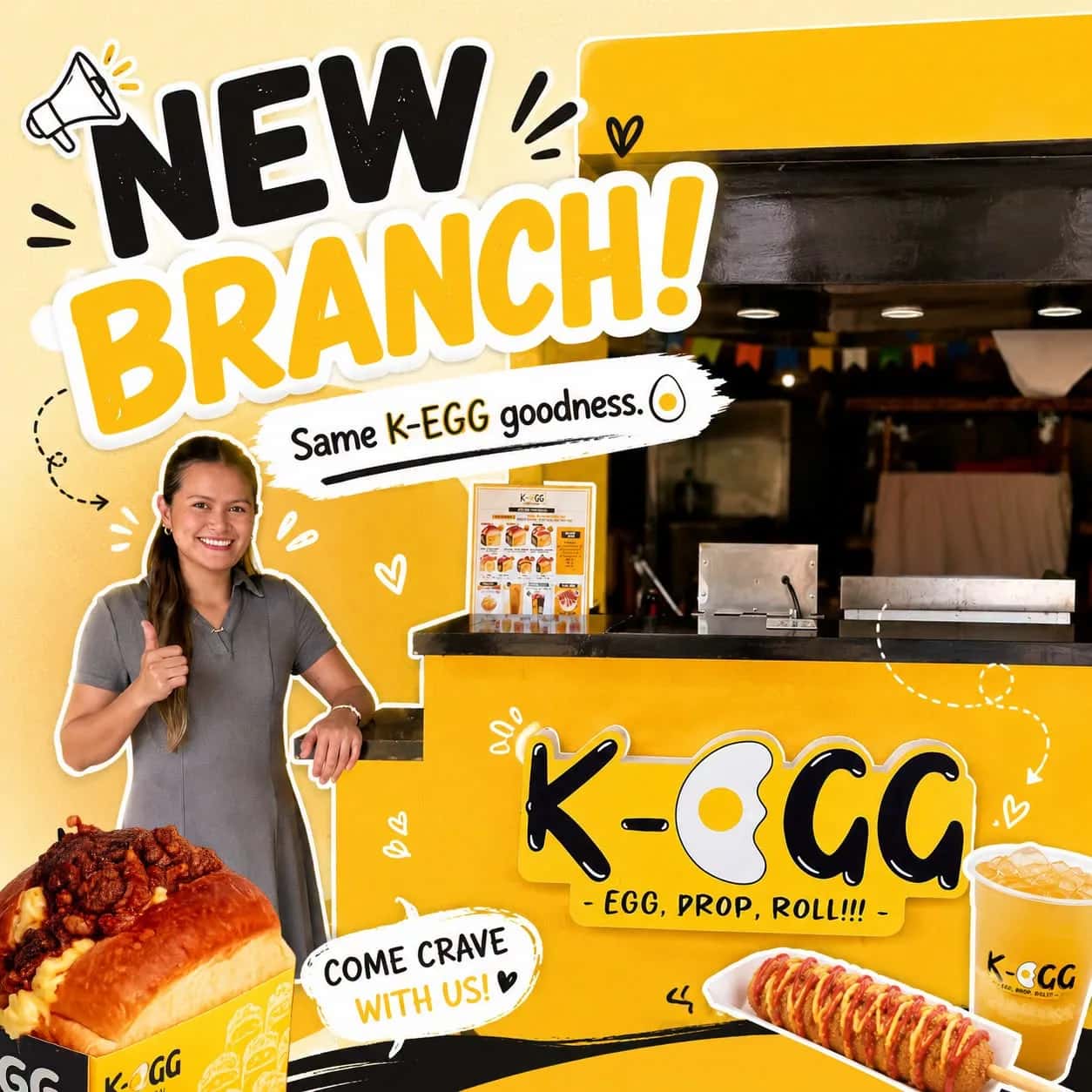
Korean Street Food

Burgers
Compare Korean street food franchises with other industries at the same budget, each with its own brands, fees and investment ranges.

Coffee, milk tea, and cold drink shops.
15 brandsFrom ₱300k
Frotea, Happy Cup, 1000CC Coffee +12 more
See brands
Bread, cakes, and pastry shops.
7 brandsFrom ₱299k
Colette's Buko Pie at Pasalubong, Ferino's Bibingka, Happy~Haus Donuts +4 more
See brands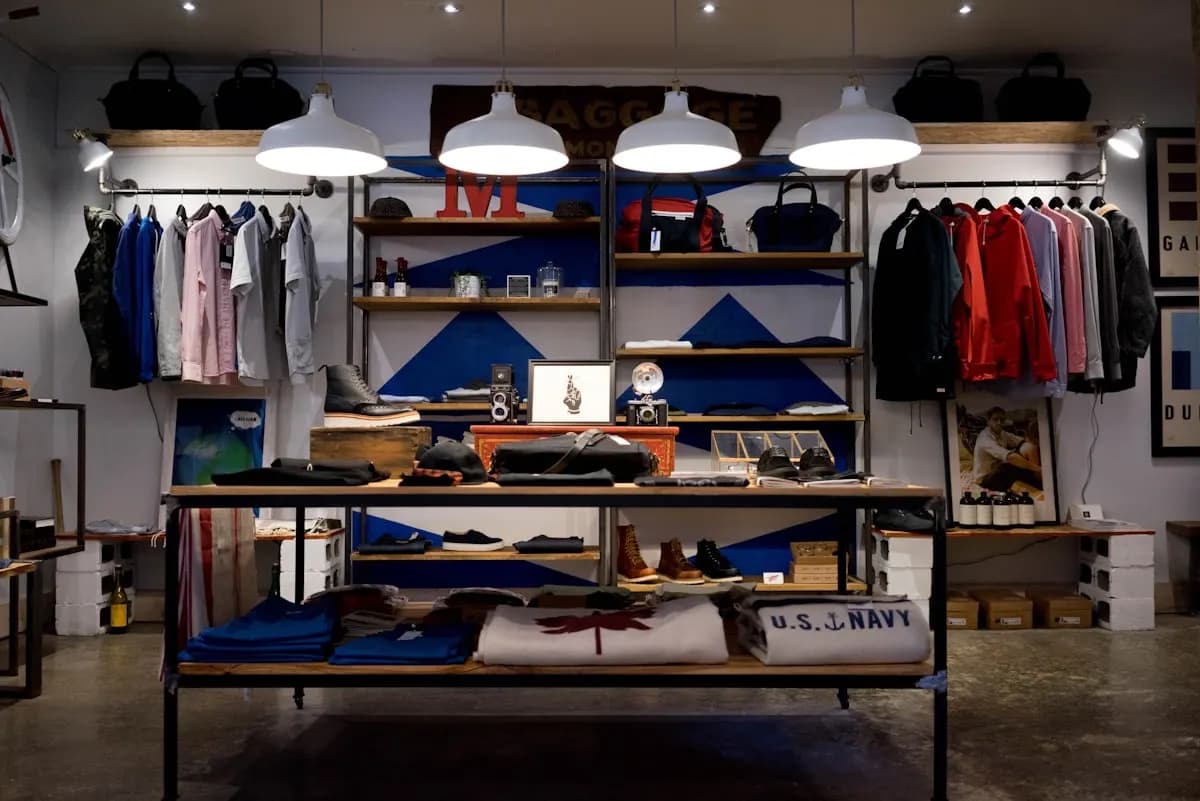
Mini marts and convenience stores.
5 brandsFrom ₱350k
C.Cellzone, Scents & Memories, Grainsmart +2 more
See brands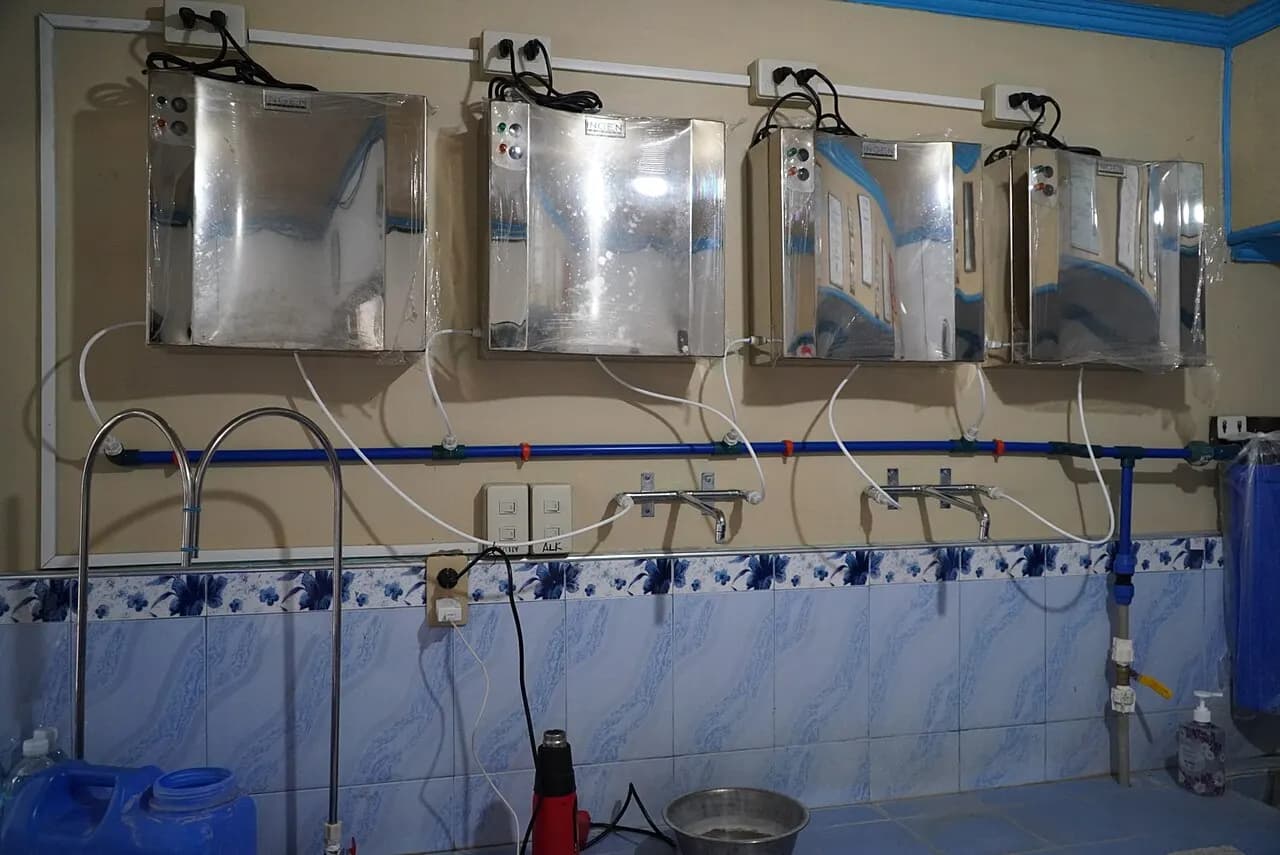
Purified and mineral water stations.
4 brandsFrom ₱400k
Aquabest, Water Boy, H2O Mineral Plus +1 more
See brands
Drugstores and health supplement outlets.
3 brandsFrom ₱300k
Sante Barley, We Serve Generic Medicines Pharmacy, BoticaPlus
See brandsCompare industries by budget, daily work and payback before you choose one, free and with no pressure.

Learn practical inventory control steps for your Philippine franchise to cut waste, prevent loss, and protect your capital.
Aug 14, 2026 6 min read
Learn how non-compete clauses work when exiting a franchise agreement in the Philippines, protecting your investment after closing.
Jul 20, 2026 5 min read

Learn how to secure financing for your Philippine franchise, from preparation to approval. A practical guide for new operators and OFWs.
Jul 20, 2026 5 min read