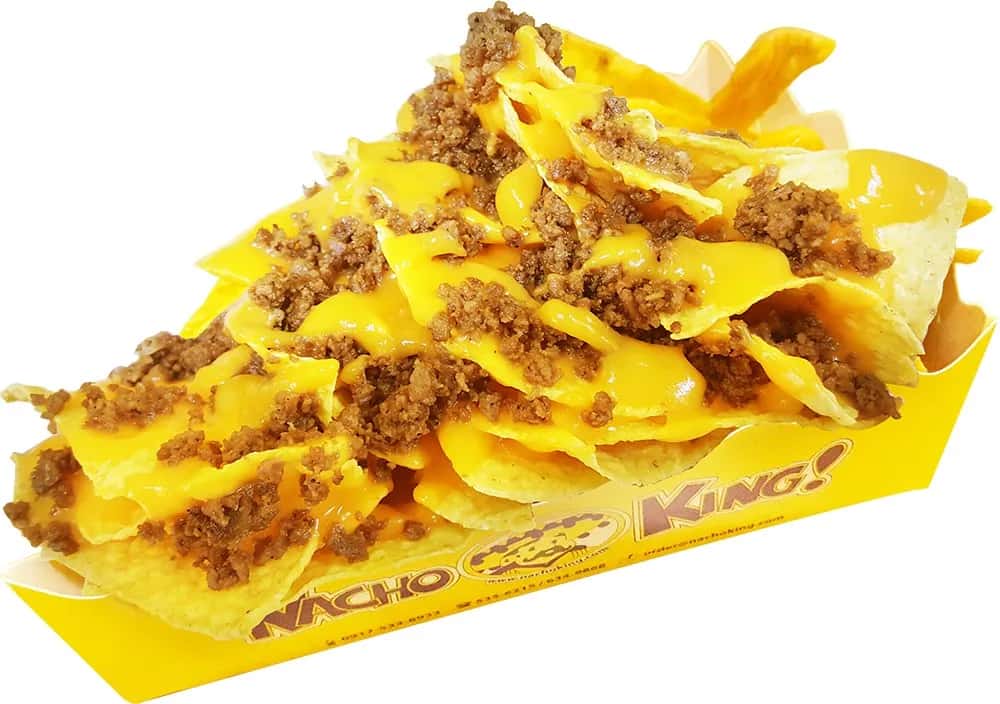
Nacho King
Street Food & Snacks
- Franchise fee
- ₱150k
- Total investment
- ₱400k–₱800k
🎁 Start Your 1 Month Free Trial of the Full Plan, Exclusively for Brands & Advisors.Get Started
Browse 2 street food franchises up to ₱800k, with investments of about ₱800k each, a franchise fee of about ₱150k, and most paying back in about 18 months.
Updated
Street Food & Snacks
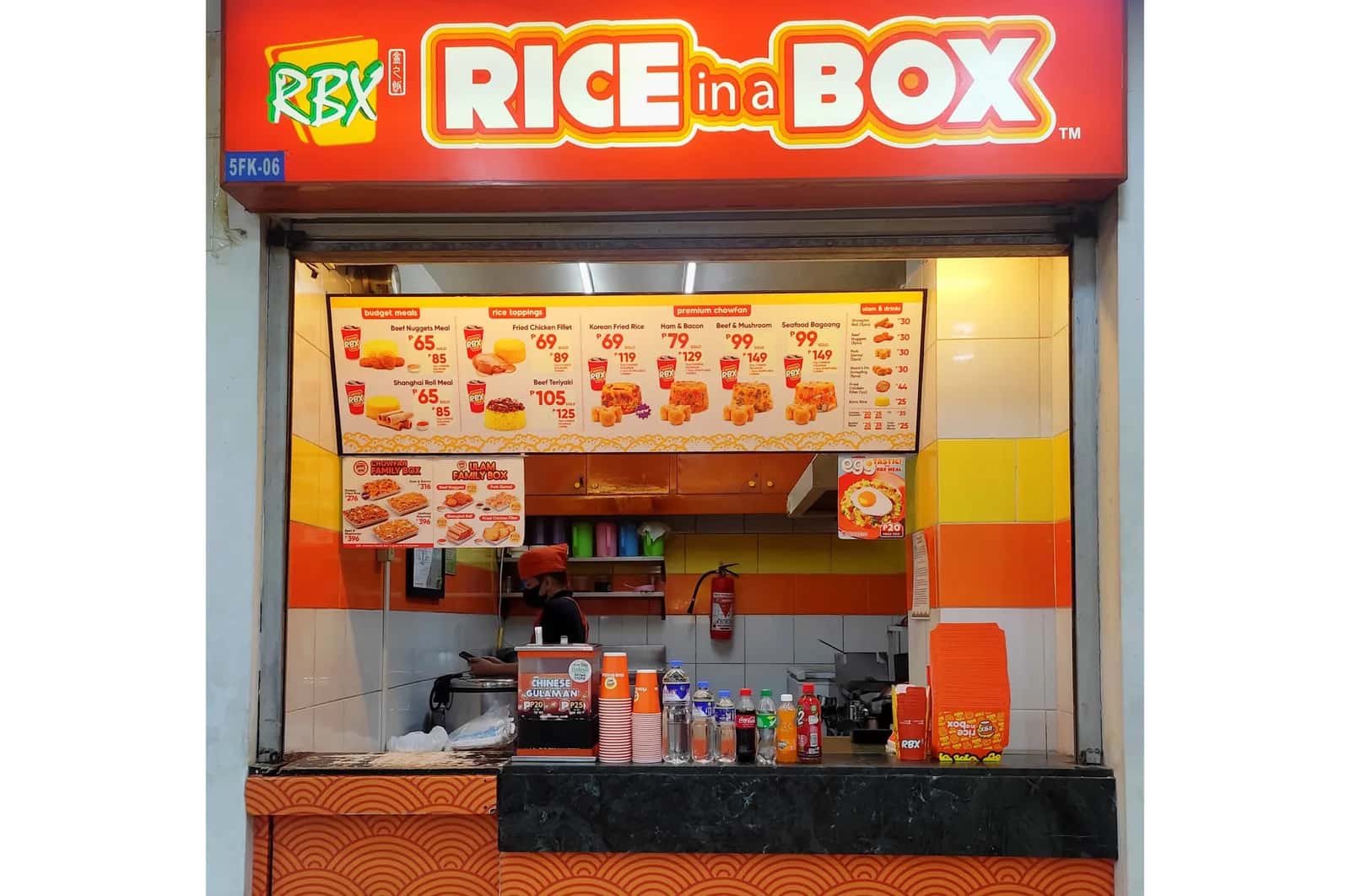
Street Food & Snacks
Street food and snack franchises priced up to ₱800,000 sit near the top of the category's budget range, with investment running from around ₱400,000 to ₱800,000. Franchise fees here cluster around ₱150,000, a smaller share of the total spend than at lower budgets. That combination points to a build with more presence than a plain cart: bigger equipment, sturdier fit-out, and stock built to handle real daily volume. Payback runs around a year and a half of steady trading.
At this budget, the spread between the low and high end mostly reflects how complete the setup is on day one. The lower end covers a durable cart or kiosk shell, essential cooking equipment, and enough stock to open the doors. The higher end adds sturdier fixtures, backup equipment, better signage, and a deeper stock of ingredients so the operation is not caught short during a busy week. The franchise fee itself stays fairly constant across this budget, at around ₱150,000, so the extra spend toward the top of the range goes into the physical setup rather than into the brand agreement. For a first-timer, that means the real decision at this level is not about the paperwork but about how much is spent making the cart or kiosk sturdy enough to run daily service without breaking down. Skimping on equipment to save money early tends to cost more later in repairs and downtime, which is worth weighing against the appeal of entering at the lower end of the range.
Every package in this budget is built as a food cart or a kiosk, the two formats built for speed and foot traffic rather than seated dining. Both keep the physical footprint small, which is part of why the investment stays contained even at the top of this range. A cart suits a mobile or rotating spot, useful where a lease is short-term or a location changes with foot traffic patterns through the week. A kiosk suits a fixed spot inside a mall, terminal, or busy strip, trading some flexibility for a more permanent presence and steadier repeat customers. Neither format needs the plumbing, seating, or square footage that a sit-down restaurant needs, which is exactly why the entry cost stays well under ₱1M even at the top of this budget. Choosing between them usually comes down to whether the target location rewards staying put or moving toward the crowd, and how comfortable an operator is negotiating a longer lease for a kiosk spot.
Running a cart or kiosk at this budget usually takes one or two people per shift, which keeps labor costs predictable and the operation simple to manage. The owner or a trusted manager still needs to be present through most of the trading day, since quality and speed depend on someone watching the line closely. Payback at this level runs around a year and a half of steady trading, a timeline that only holds with consistent daily footfall rather than a scattering of good days. Rent, and any commission owed on a mall or terminal spot, sit on top of the investment already covered by this budget. Working capital should stretch well beyond the opening weeks, since it takes months of repeat business before a new cart or kiosk builds a steady following. Anyone budgeting at this level should treat the fit-out figure as the setup cost, not the full cost of reaching a stable monthly income. A separate cushion for the first several months of rent and supplies is worth setting aside before opening.
Someone comfortable running daily operations rather than delegating them fits this budget well, since a cart or kiosk this size lives or dies on consistency at the counter. It suits a first-timer who wants more room for error than the cheapest packages allow, since the extra spend buys sturdier equipment and a bit more cushion for the early weeks. It suits less well anyone looking to step back from day-to-day involvement immediately. The trading pattern that makes payback realistic depends on an owner or manager staying close to the operation through most shifts. The budget also suits someone who already has a specific site in mind, ideally one with dependable daily foot traffic. The format only pays for itself when the location does the work that the small footprint cannot. Anyone weighing this range should confirm what the fit-out and stock actually include before signing, since that is what separates the low end of the range from the high end in practice.
Now that you've seen what's here, a real advisor can help you shortlist and weigh the options against your budget. Free, at your pace.

Financing Readiness · Site Selection

Low-Capital Startups

Low-Capital Startups · Site Selection

Franchise Agreements · Multi-Unit Expansion
Are you a franchise advisor?Get your own workspace here
Compare street food franchises with other food & beverage businesses up to ₱800k, each with its own brands, fees and investment ranges.

Ice cream, halo-halo, and sweet treats.
6 brandsFrom ₱400k
Jipangyi Korean Ice Cream, Lucky Bunny PH, Magnolia Ice Cream Kiosk +3 more
See brands
Fresh juices, shakes, and smoothie bars.
4 brandsFrom ₱400k
Johnn Lemon, Mango Magic, Citrus Zone +1 more
See brands
Homegrown Filipino food concepts.
3 brandsFrom ₱399k
Mang Pastil, Remiks, ChiBongs Lomi House
See brands
Pizza parlors and pasta houses.
3 brandsFrom ₱400k
Santino's Supreme Slice, Alberto's Pizza, Papa Jim's Pizza
See brands
Roast chicken, inasal, and grilled favorites.
2 brandsFrom ₱400k
Papel na Liempo, WhyChicken Manila
See brands
Quick-service restaurants and fast-food chains.
2 brandsFrom ₱400k
Villatuna, De Original Jamaican Pattie Shop & Juice Bar
See brandsGet honest answers on fees, payback and the best setups for your area, free and with no pressure.
Your pool at ₱800k holds two street food franchises priced between ₱700k and ₱800k. Counting them is easy, but choosing is not, so give the count a purpose. Use it to decide how much time each option deserves. With this many, make a short first pass over every listing and extend your time only on the ones that survive. That discipline stops one attractive listing from swallowing the effort you owe the others.
Broadly speaking, food carts with 2 franchises and kiosks with 2 are open to you with a street food franchise at ₱800k. If you want to run the unit alongside a job or another commitment, the hours each setup demands become the main concern. Ask every franchisor how many hours per week the owner must be present, and check whether a trusted helper can cover the rest, so the format you pick fits the time you really have.
In short, yes, if you can pass a simple honesty test about your motives for choosing a ₱800k street food franchise. Are you drawn to it because you understand the business, or because a friend or an advertisement made it sound easy? Franchises that look effortless from the outside usually involve a lot of work behind the scenes. Spend time learning how the business really runs before you let excitement make the decision.
Exit costs are rarely discussed when you pay ₱800k, but they belong in your planning. If the outlet closes early, you may still owe rent for the rest of the lease, penalties under the franchise agreement, and costs to restore the space to its original condition. Read both contracts for these clauses, and keep enough reserve to leave cleanly if things do not work out.
Raising ₱800k through a side income lets you keep your regular salary for household needs while building money for a street food franchise. Weekend selling, freelance work, or a small online shop can feed the fund steadily without touching your rent or food budget. Choose something that fits your schedule, log what it earns every week, and track how many months it will take at your current pace to reach the amount.
Probably not on the quote alone, because ₱800k has to absorb everything the package leaves out. Among the two street food franchises quoting an investment between ₱700k and ₱800k, expect to pay separately for the lease deposit, permits, fit out and the first batch of stock. Ask the franchisor which of these are included, then fill the gaps with your own estimates. A realistic total built this way shows how much room is truly left.
In plain terms, the ₱800k you pay for a street food franchise is a bundle that gets you started, and the franchisor decides what goes in it. Many bundles include equipment, supplies, training and signage. Ask the franchisor for photos or a video of a complete package laid out before installation, because seeing every box and machine in one place makes vague promises much easier to pin down.
Compare how many street food franchises start at each budget level, from the smallest packages up.
Street Food franchises priced close to your budget, worth a look if you can stretch your savings or want to spend less.

Street Food & Snacks

Street Food & Snacks
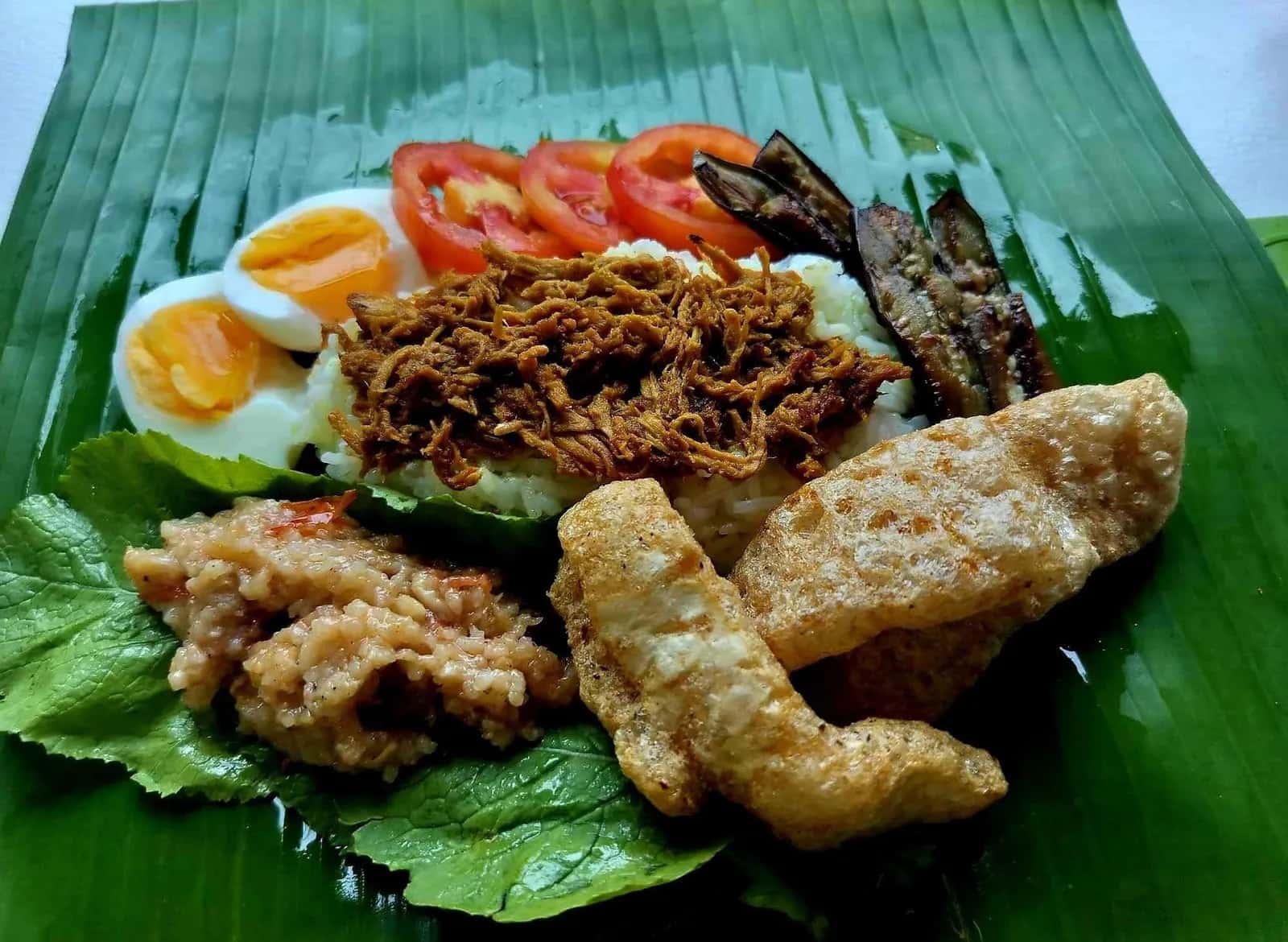
Street Food & Snacks

Street Food & Snacks
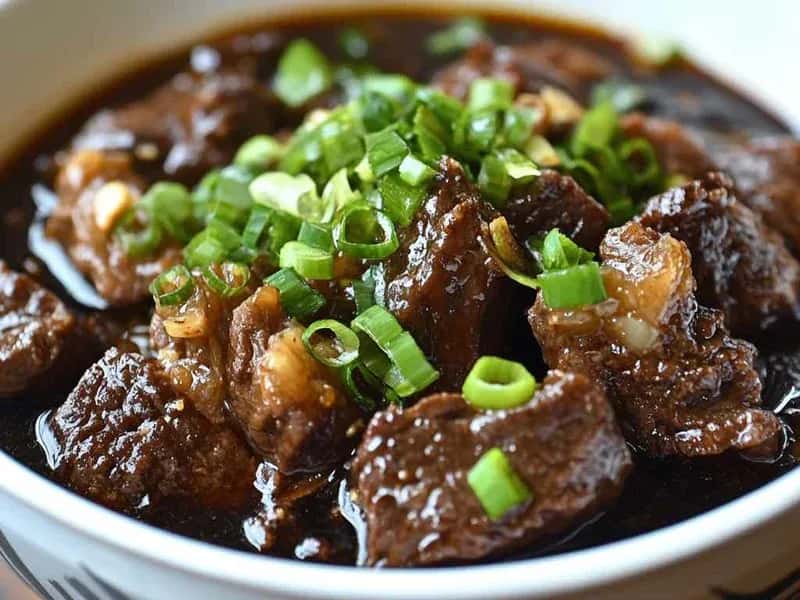
Street Food & Snacks
Street Food & Snacks
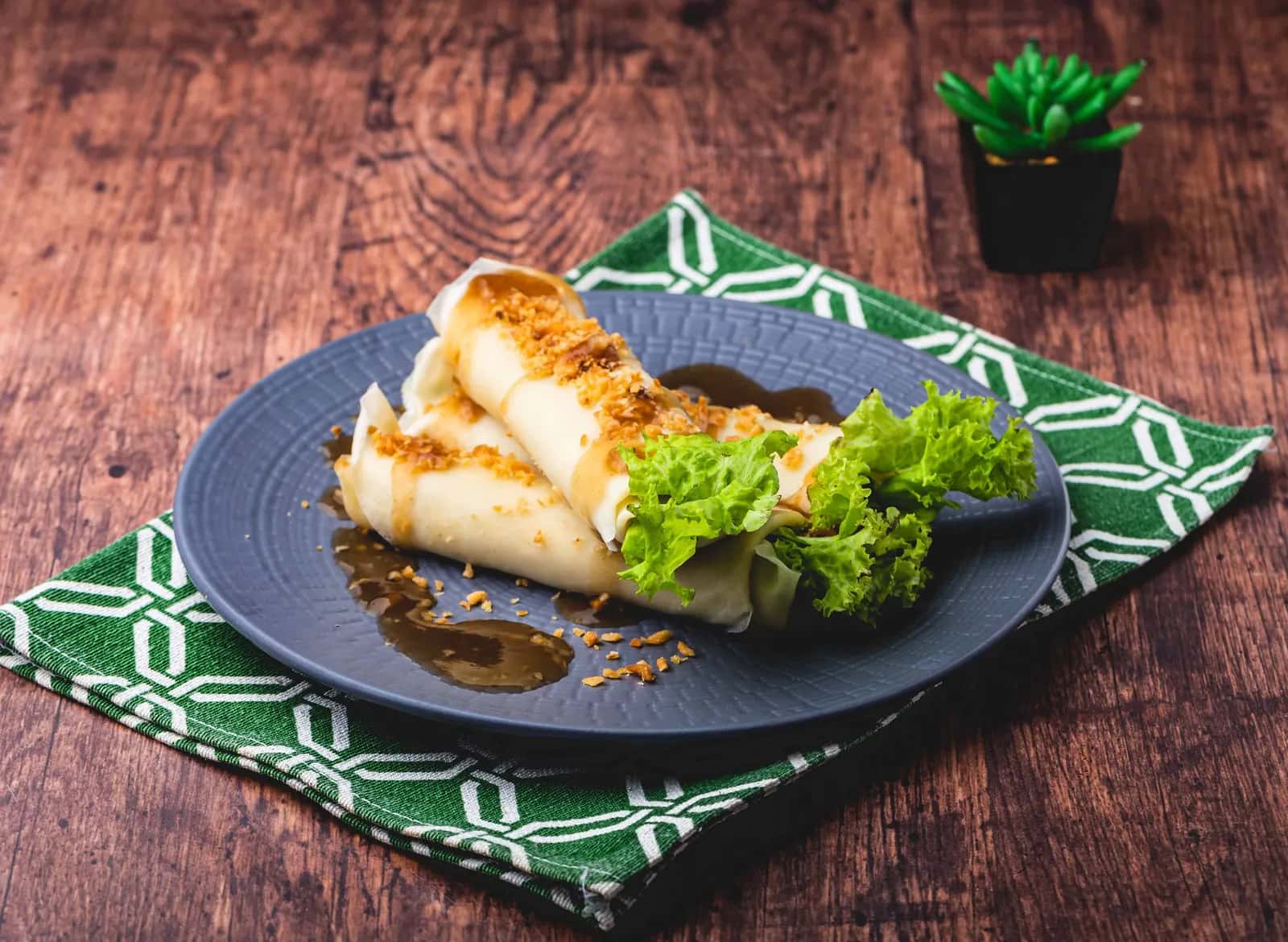
Street Food & Snacks
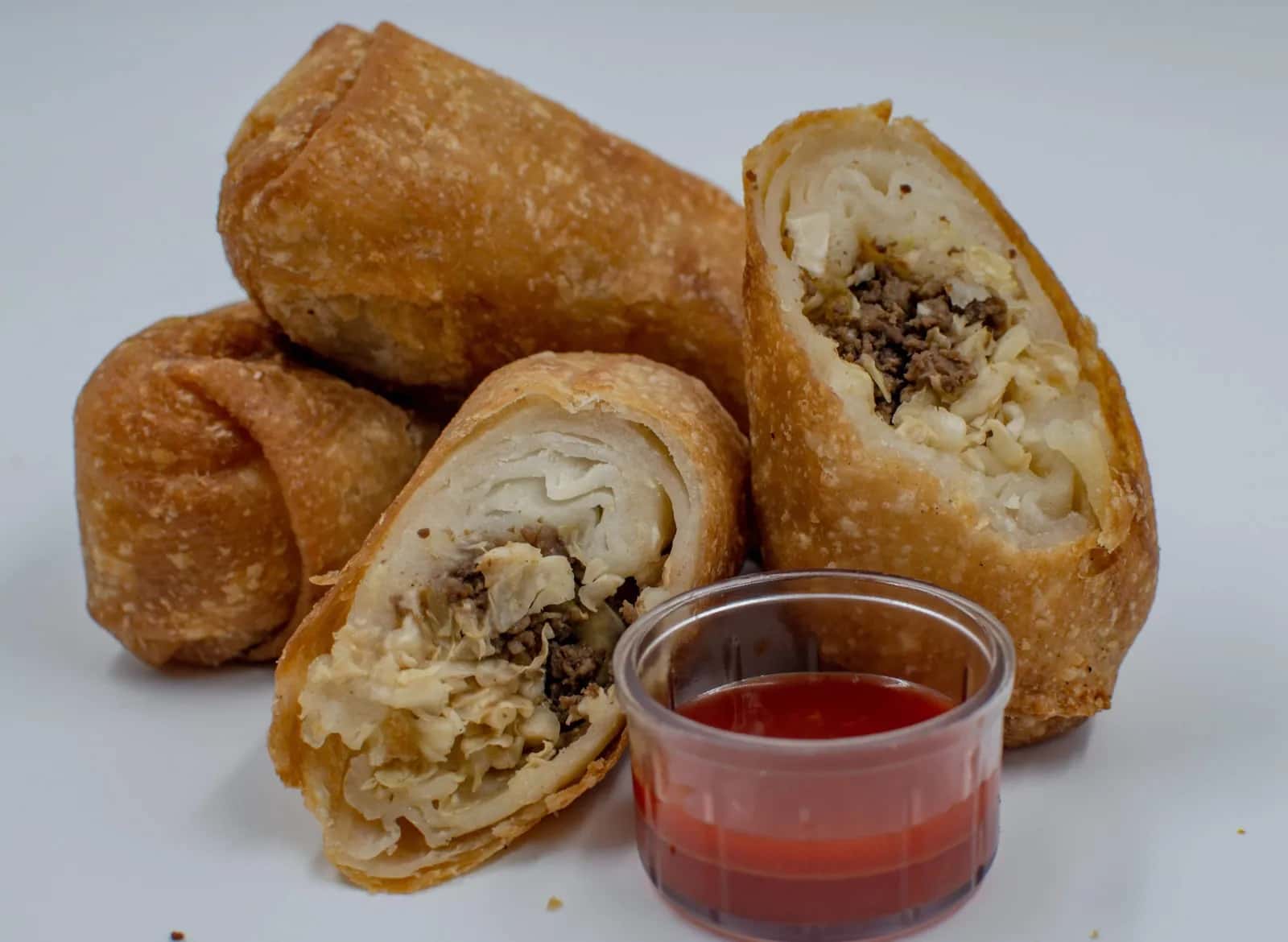
Street Food & Snacks
Compare street food franchises with other industries at the same budget, each with its own brands, fees and investment ranges.

Coffee, milk tea, and cold drink shops.
15 brandsFrom ₱300k
Frotea, Happy Cup, 1000CC Coffee +12 more
See brands
Bread, cakes, and pastry shops.
7 brandsFrom ₱299k
Colette's Buko Pie at Pasalubong, Ferino's Bibingka, Happy~Haus Donuts +4 more
See brands
Mini marts and convenience stores.
5 brandsFrom ₱350k
C.Cellzone, Scents & Memories, Grainsmart +2 more
See brands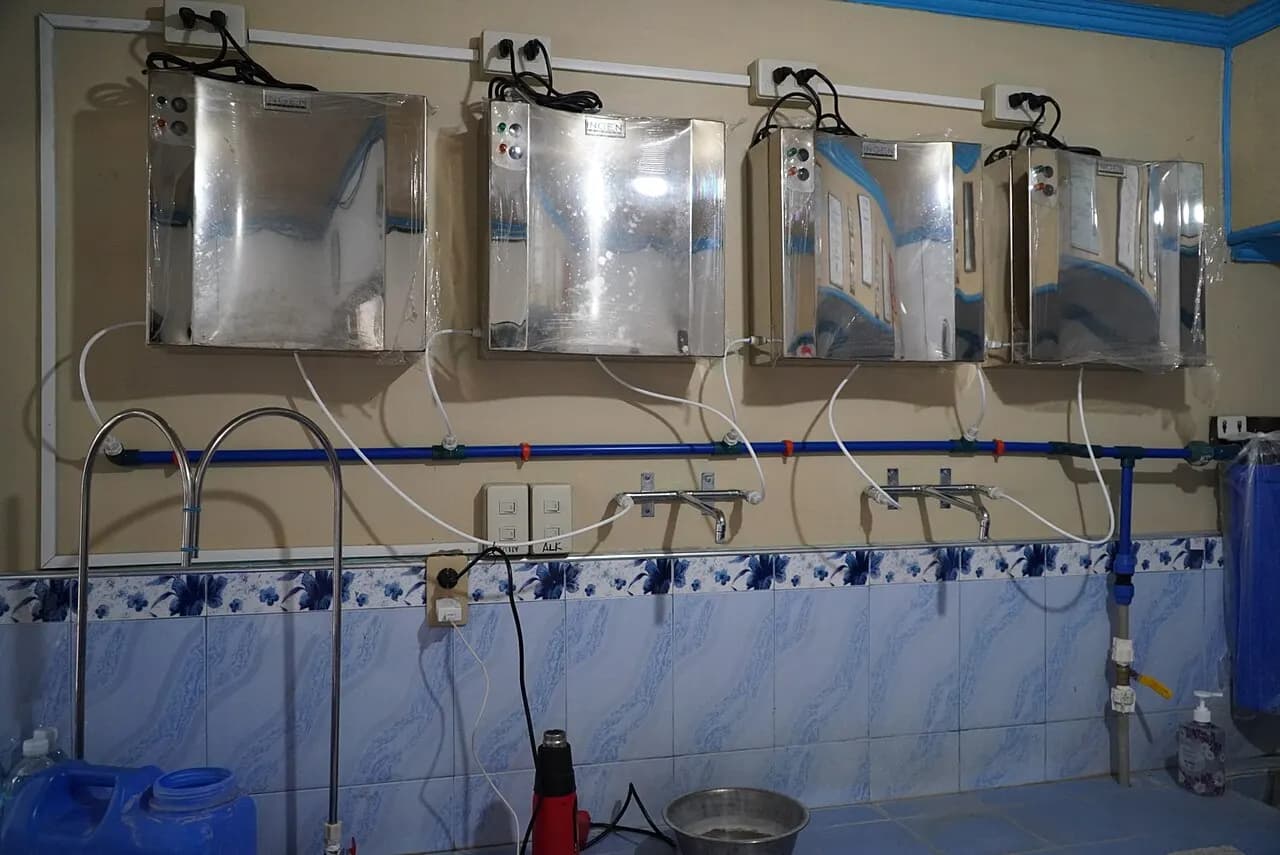
Purified and mineral water stations.
4 brandsFrom ₱400k
Aquabest, Water Boy, H2O Mineral Plus +1 more
See brands
Drugstores and health supplement outlets.
3 brandsFrom ₱300k
Sante Barley, We Serve Generic Medicines Pharmacy, BoticaPlus
See brandsCompare industries by budget, daily work and payback before you choose one, free and with no pressure.

Learn practical inventory control steps for your Philippine franchise to cut waste, prevent loss, and protect your capital.
Aug 14, 2026 6 min read
Learn how non-compete clauses work when exiting a franchise agreement in the Philippines, protecting your investment after closing.
Jul 20, 2026 5 min read

Learn how to secure financing for your Philippine franchise, from preparation to approval. A practical guide for new operators and OFWs.
Jul 20, 2026 5 min read