1901 Best Franks Forever
Street Food & Snacks
- Franchise fee
- ₱250k
- Total investment
- ₱1.5M–₱4.5M
🎁 Start Your 1 Month Free Trial of the Full Plan, Exclusively for Brands & Advisors.Get Started
Browse 3 street food franchises over ₱1.5M, with investments from ₱2.5M to ₱8M, franchise fees mostly between ₱250k and ₱1.5M, and most paying back in 18 to 24 months.
Updated
Street Food & Snacks
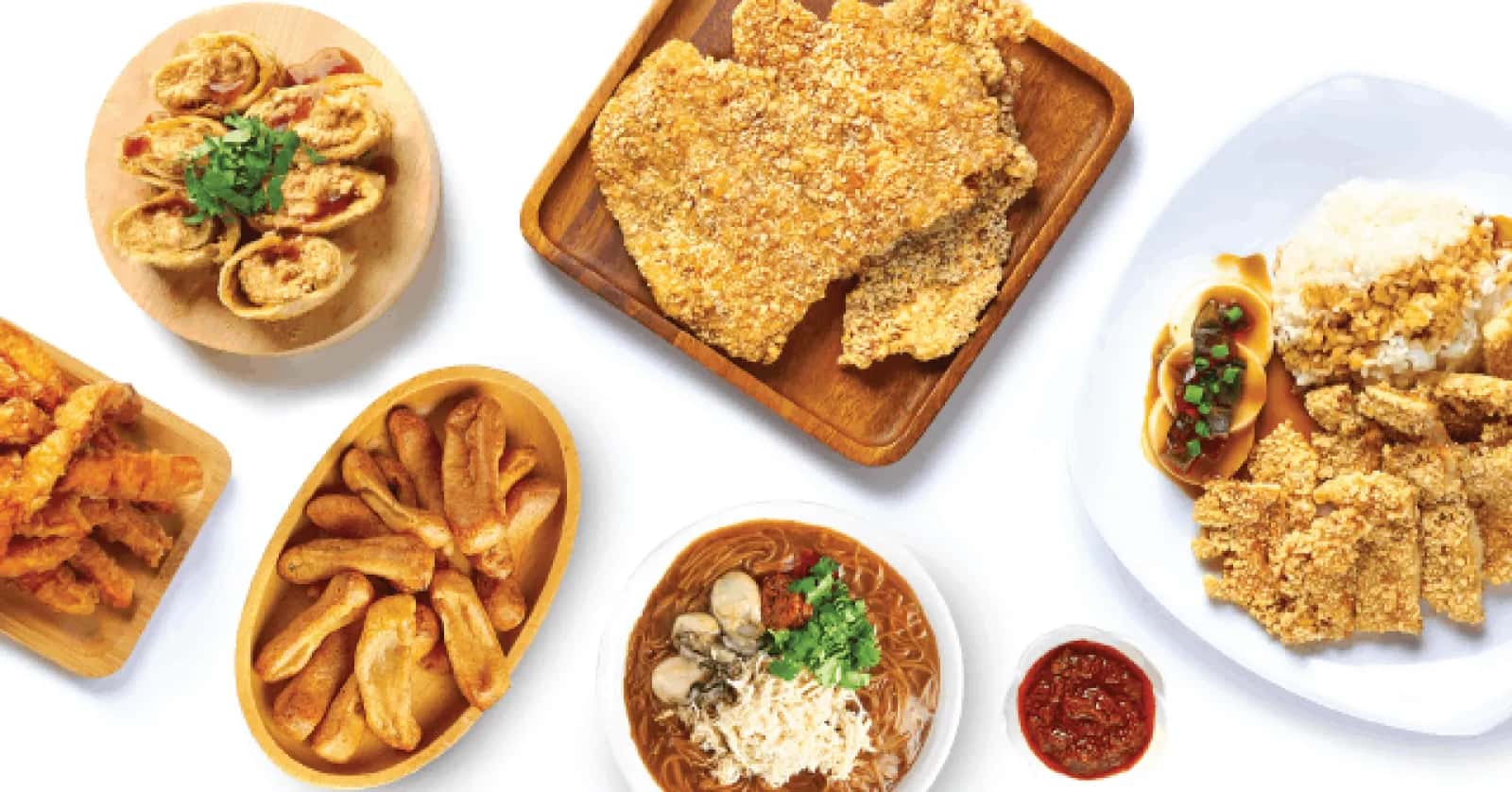
Street Food & Snacks
Street Food & Snacks
Above ₱1.5M, street food and snacks moves into a heavier scale of investment. Packages here run from around ₱1.5M to ₱8M, with a fee spanning ₱250,000 to ₱1.5M depending on the build chosen. An inline store or a kiosk is standard at this level, and about a third of what is on offer also allows a food cart build inside the same package. Reported payback runs eighteen months to two years, reflecting how much bigger the build and the fee are than at the cheaper end of this category.
An inline store and a kiosk are both standard formats at this budget, so a franchisee gets a real choice between a full storefront and a fixed counter. About a third of what is on offer goes further and allows a food cart build inside the same package. That suits someone who wants a mobile option alongside a fixed one, perhaps to test a second site before committing there too. An inline store at this scale usually calls for a proper lease, walls, and a kitchen built to run a fuller menu. A kiosk keeps the footprint smaller but still fixed in place. The fee itself spans a wide range, from ₱250,000 to ₱1.5M, and that spread tracks the format and the scale of build chosen rather than the underlying product changing. A buyer at this budget is choosing a scale of operation, not just a brand, and that choice should follow a specific site and a specific ambition rather than the biggest number on offer.
The ₱1.5M to ₱8M range does not stop at construction and the fee. A build at this scale usually needs commercial-grade cooking equipment, proper refrigeration, and enough seating or counter space to handle a steady flow of customers through peak hours, not the occasional walk-up a cart serves. First stock at this level is a substantial order on its own, since a fuller store is expected to run a wider menu from opening day rather than growing into one over time. A deposit and advance rent are near certain before construction even starts, on top of the fit-out itself. Utilities, signage, and permits for a larger, fixed structure add cost a mobile cart never faces. Working capital has to cover the gap between opening day and the point where daily sales cover daily costs. That gap tends to widen with the size of the build, since a bigger store usually takes longer to fill with regular customers than a smaller one does.
At this budget, the site deserves the same scrutiny as the money itself. Groundwork before signing should mean real time spent at the proposed location during the hours it would trade, not a general impression that the area looks promising. Ask exactly what the fee, spanning ₱250,000 to ₱1.5M, includes against what counts as a separate construction or equipment cost. Two builds priced far apart can still land at a similar total once every expense is added up. Ask how the reported payback of eighteen months to two years was calculated, and for what kind of site, since a location with strong daily traffic will not perform like one that is merely well positioned on paper. Lease terms deserve close attention at this scale, exit terms included if the site underperforms. Financing should be confirmed before signing rather than assumed, since any delay between paying the fee and opening the doors erodes the payback window before a single sale happens.
A build at this scale cannot be run by one person the way a cart can. Staffing usually means several roles covering prep, cooking, and service across the hours the location trades, which turns payroll into one of the largest recurring costs at this level. Rent on a fixed inline store or kiosk keeps running whether the day is busy or slow, and utilities for commercial-grade equipment add a steady cost a cart-based setup never carries. Margins at this scale depend on keeping the location staffed efficiently and the kitchen running at capacity during peak hours, rather than sitting half full for most of the day. The reported eighteen-month to two-year payback assumes those costs are managed carefully from the first month, not worked out after opening. For an operator who gets the first location running well, the more common path forward is a second site rather than expanding the first one without limit. A single build at this scale can only physically serve so much volume in a day, however well it is staffed.
Now that you've seen what's here, a real advisor can help you shortlist and weigh the options against your budget. Free, at your pace.

Financing Readiness · Site Selection

Low-Capital Startups · Site Selection

Low-Capital Startups

Franchise Agreements · Multi-Unit Expansion
Are you a franchise advisor?Get your own workspace here
Compare street food franchises with other food & beverage businesses over ₱1.5m, each with its own brands, fees and investment ranges.
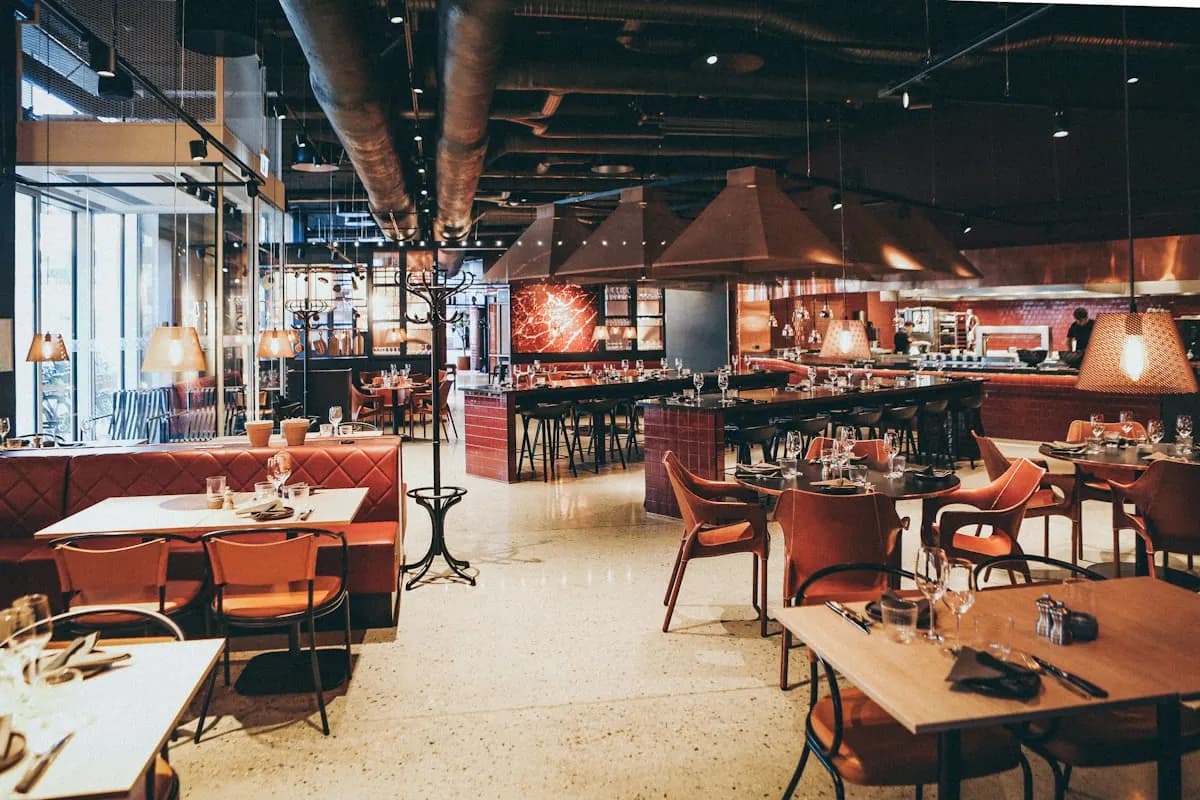
Sit-down restaurants with full menus.
88 brandsFrom ₱1.4M
Crazy Curry, Don Don Tei, Everything But Cheese +85 more
See brands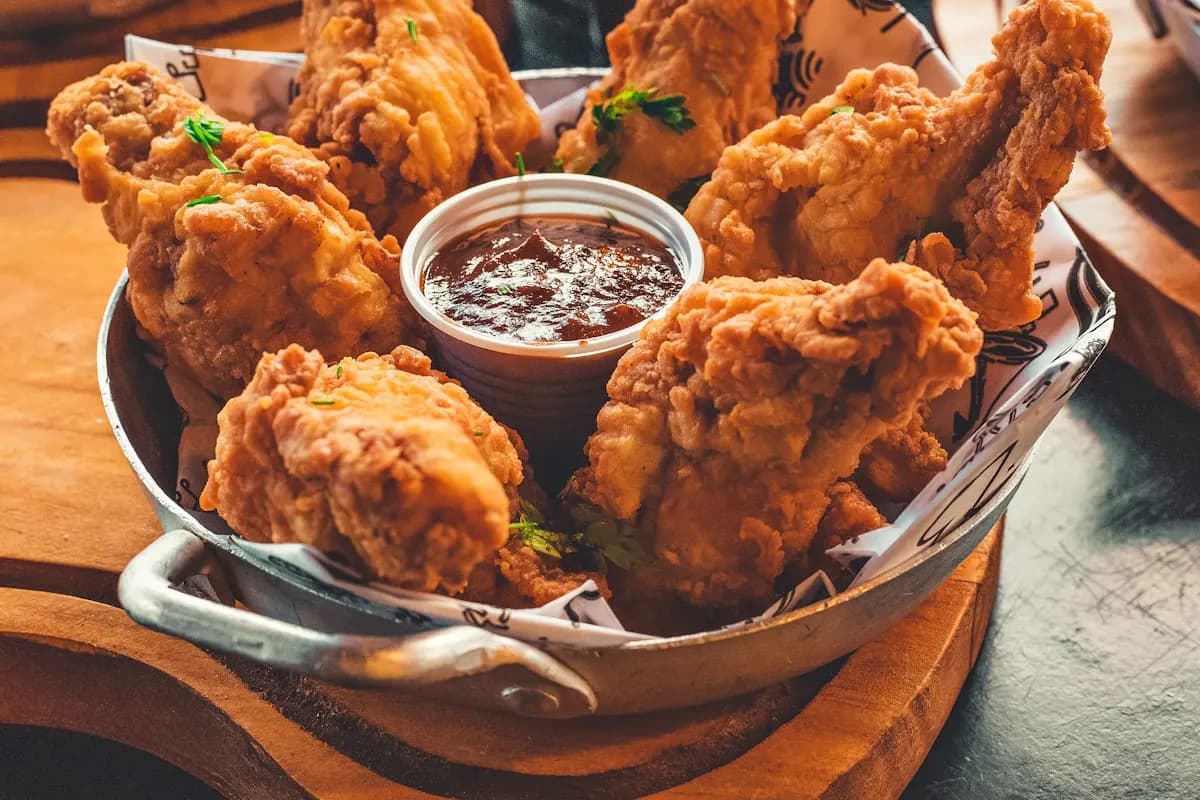
Roast chicken, inasal, and grilled favorites.
56 brandsFrom ₱150k
24 Chicken, bb.q Chicken, Bai's Boneless Lechon Cebu +53 more
See brands
Homegrown Filipino food concepts.
38 brandsFrom ₱450k
Boy Bondat Beef Pares, Dencio's, Kubong Sawali +35 more
See brands
Quick-service restaurants and fast-food chains.
27 brandsFrom ₱880k
Jollibee, Mang Inasal, Chowking +24 more
See brands
Pizza parlors and pasta houses.
17 brandsFrom ₱695k
Shakey's, Fatboy's Pizza Pasta, Greenwich +14 more
See brands
Ice cream, halo-halo, and sweet treats.
14 brandsFrom ₱400k
Momoyo, Llaollao, Mixue +11 more
See brands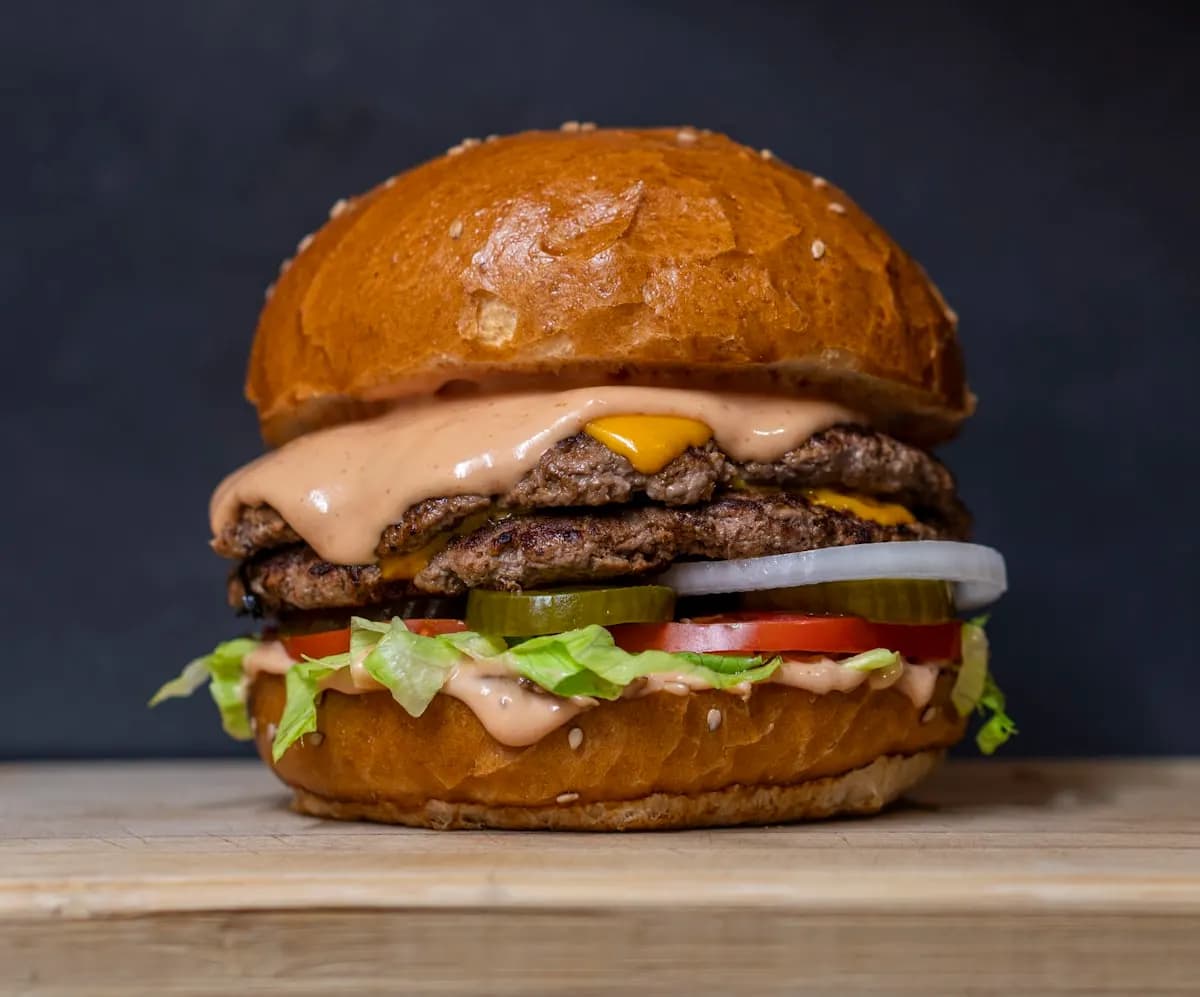
Burger joints and snack grills.
11 brandsFrom ₱1.5M
Army Navy Burger + Burrito, Brothers Burger, Burger King +8 more
See brandsGet honest answers on fees, payback and the best setups for your area, free and with no pressure.
Altogether, three street food franchises list an investment above ₱1.5M, which is the group ₱2M reaches. Think of that figure as the size of your pool, not the size of your shortlist, because a big pool mostly tells you the category has room for your budget. To shrink it, rank the options by how much of your budget each one uses, then give the most attention to those that leave some of your money untouched. A pool this size rewards patience more than speed.
Expect the ₱2M price to cover what the franchisor insists every outlet must have from day one, such as equipment, training and a first supply run. Beyond that core, offers split widely on signage, uniforms and launch materials. Ask for the inclusions in a written table, then check each row against what a recently opened outlet actually received, so you know whether the table matches what gets delivered.
Handing over the outlet someday is easier to plan when you know the franchise fee of ₱250k to ₱1.5M for street food franchises at ₱2M. Ask whether a buyer pays the franchisor a new fee or only a transfer charge, and whether the franchisor must approve the sale. These terms decide how much of your investment can pass to the next owner, and they are worth reading before you pay the first peso.
Whether this is your first investment or one of several, a ₱2M street food franchise usually pays back in about 18 to 24 months by franchisor estimates. Payback only counts once profit has repaid your full cost, so a slow start pushes it later. Ask current franchisees how long their first months took to turn profitable, and keep several months of operating cash aside so you can wait out the early weeks without strain.
If your ₱2M is coming from remittances, street food franchises at that level include kiosks with 3 franchises, inline stores with 3 and food carts with 1. Running a business from abroad through relatives works well when the setup is simple and the money trail is clear. Pick a format that is easy to monitor, and ask the franchisor whether their point of sale or reporting tools let you check daily sales remotely from wherever you are.
Franchise conventions, regional meetings and required refresher training can add travel costs well beyond ₱2M. Some franchisors expect owners to attend these events, and while they can be useful, the trips, lodging and time away from the outlet all cost money. Ask whether attendance is mandatory and how often events are held, and budget for them as a yearly expense.
You can make raising ₱2M for a street food franchise more realistic by first comparing other street food franchises priced above ₱1.5M, since a cheaper package may leave a smaller gap to fund. If a similar setup costs less elsewhere, the loan you need shrinks or disappears. Line up a few packages, check what each includes, and settle on one before you approach any lender, so every peso you raise goes toward a choice you have already tested against the alternatives.
Getting the doors open with ₱2M for a street food franchise depends on costs outside the package. The three options quoting an investment above ₱1.5M generally leave out rent deposits, permits, renovation and initial stock. Price each of these, add cash for the first months of running costs, and compare the total with your budget. That comparison shows whether the money truly reaches opening day.
Starting a franchise is a big step, and a street food franchise at ₱2M makes a good first choice when you know what you want from it. Some people want extra income, others want a full career change, and others want something for family members to run. Write your goal in a single sentence and check whether this franchise realistically serves it. A clear goal makes every later decision easier.
Compare how many street food franchises start at each budget level, from the smallest packages up.
Street Food franchises priced close to your budget, worth a look if you can stretch your savings or want to spend less.
Street Food & Snacks

Street Food & Snacks
Street Food & Snacks
Street Food & Snacks

Street Food & Snacks

Street Food & Snacks

Street Food & Snacks

Street Food & Snacks
Compare street food franchises with other industries at the same budget, each with its own brands, fees and investment ranges.

Salons, barbershops, and spa services.
85 brandsFrom ₱499k
Big Apple Express Spa, Bruno's Barbers, Chroma (by Cre8) +82 more
See brands
Coffee, milk tea, and cold drink shops.
65 brandsFrom ₱500k
Zagu, Macao Imperial Tea, Ai-CHA +62 more
See brands
Mini marts and convenience stores.
59 brandsFrom ₱300k
Animaland Stuffery, Alfamart, Folded & Hung +56 more
See brands
32 brandsFrom ₱1M
MSA Academic Advancement Institute, STI, Top Drive Driving Institute +29 more
See brands
Bread, cakes, and pastry shops.
29 brandsFrom ₱100k
Mister Donut, Goldilocks, Red Ribbon +26 more
See brands
28 brandsFrom ₱800k
Eastern Petroleum, Speedy1 Carwash, Pilipinas Shell +25 more
See brands
Gyms, studios, and sports facilities.
24 brandsFrom ₱1.6M
Active Fun, GoFit Gym, Snap Fitness 24/7 +21 more
See brands
Drugstores and health supplement outlets.
22 brandsFrom ₱1M
LABLIFE Medical and Diagnostic Center, Gamot Publiko, Generika Drugstore +19 more
See brands
20 brandsFrom ₱1M
TNC Cyber Cafe, BNI Philippines, Cosmopolitan Funeral Homes +17 more
See brands
Self-service and full-service laundry shops.
12 brandsFrom ₱450k
CS Laundry, Tiny Bubbles Self-Service Laundry, LabaBox +9 more
See brandsCompare industries by budget, daily work and payback before you choose one, free and with no pressure.

Learn practical inventory control steps for your Philippine franchise to cut waste, prevent loss, and protect your capital.
Aug 14, 2026 6 min read
Learn how non-compete clauses work when exiting a franchise agreement in the Philippines, protecting your investment after closing.
Jul 20, 2026 5 min read

Learn how to secure financing for your Philippine franchise, from preparation to approval. A practical guide for new operators and OFWs.
Jul 20, 2026 5 min read