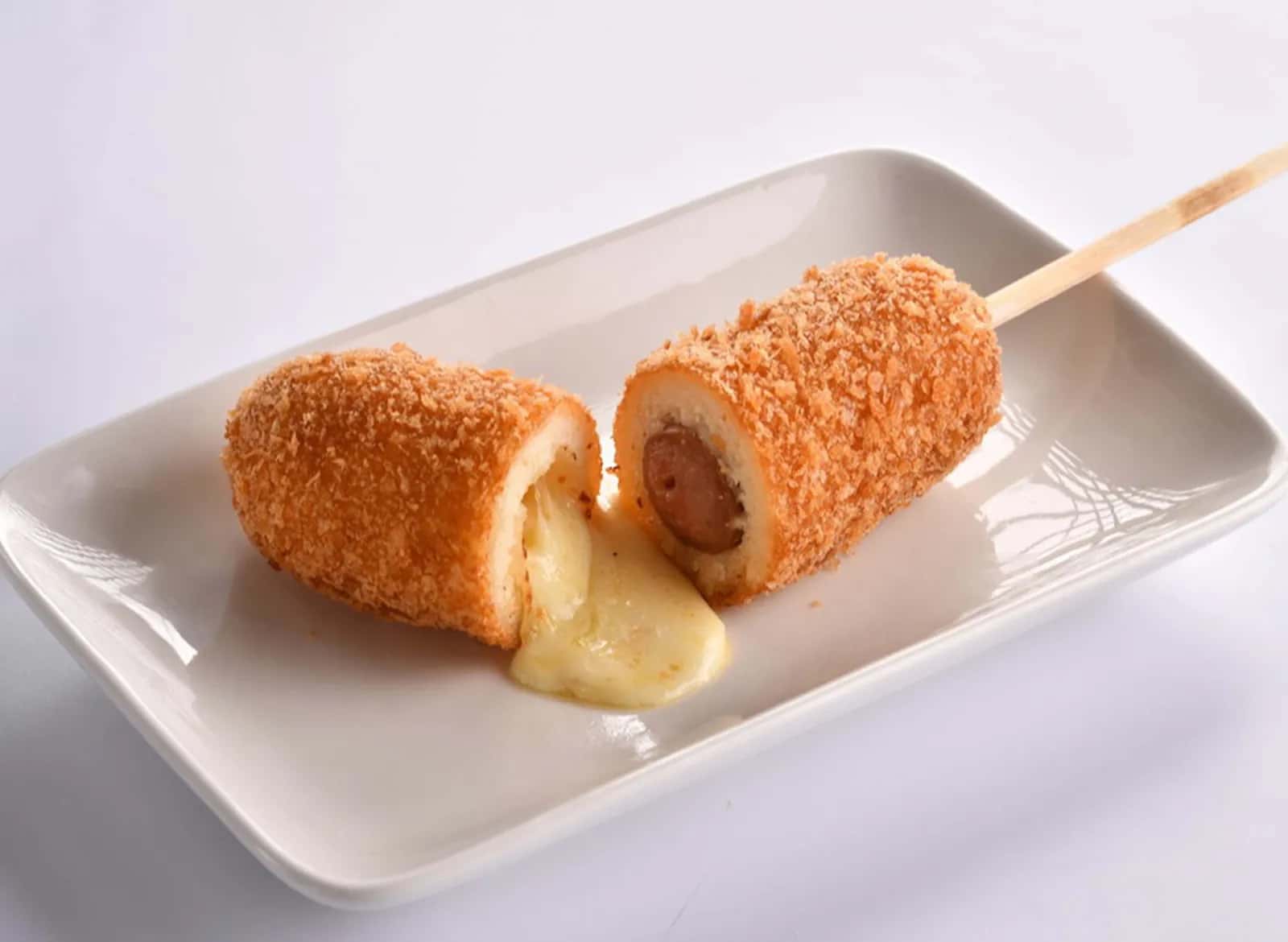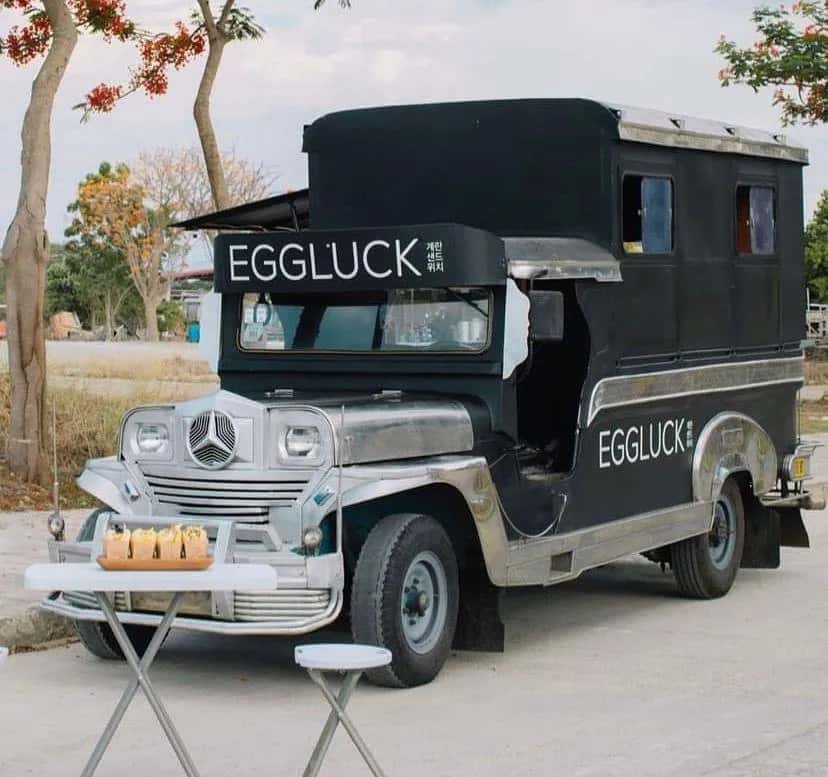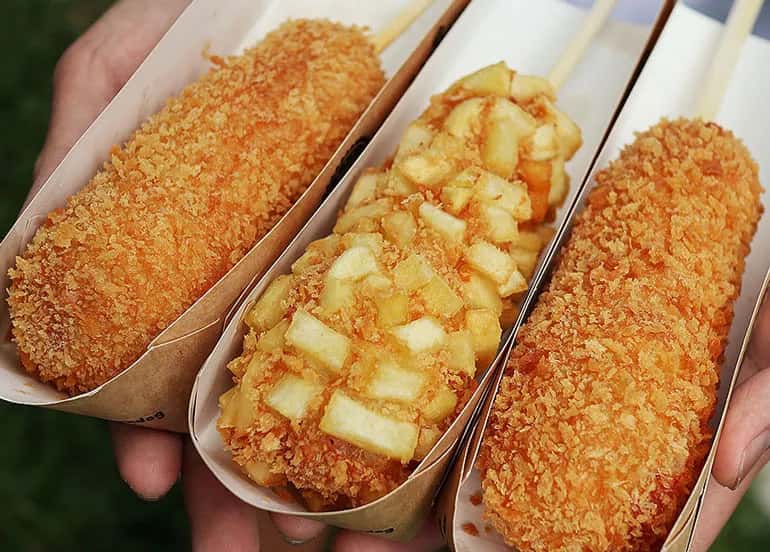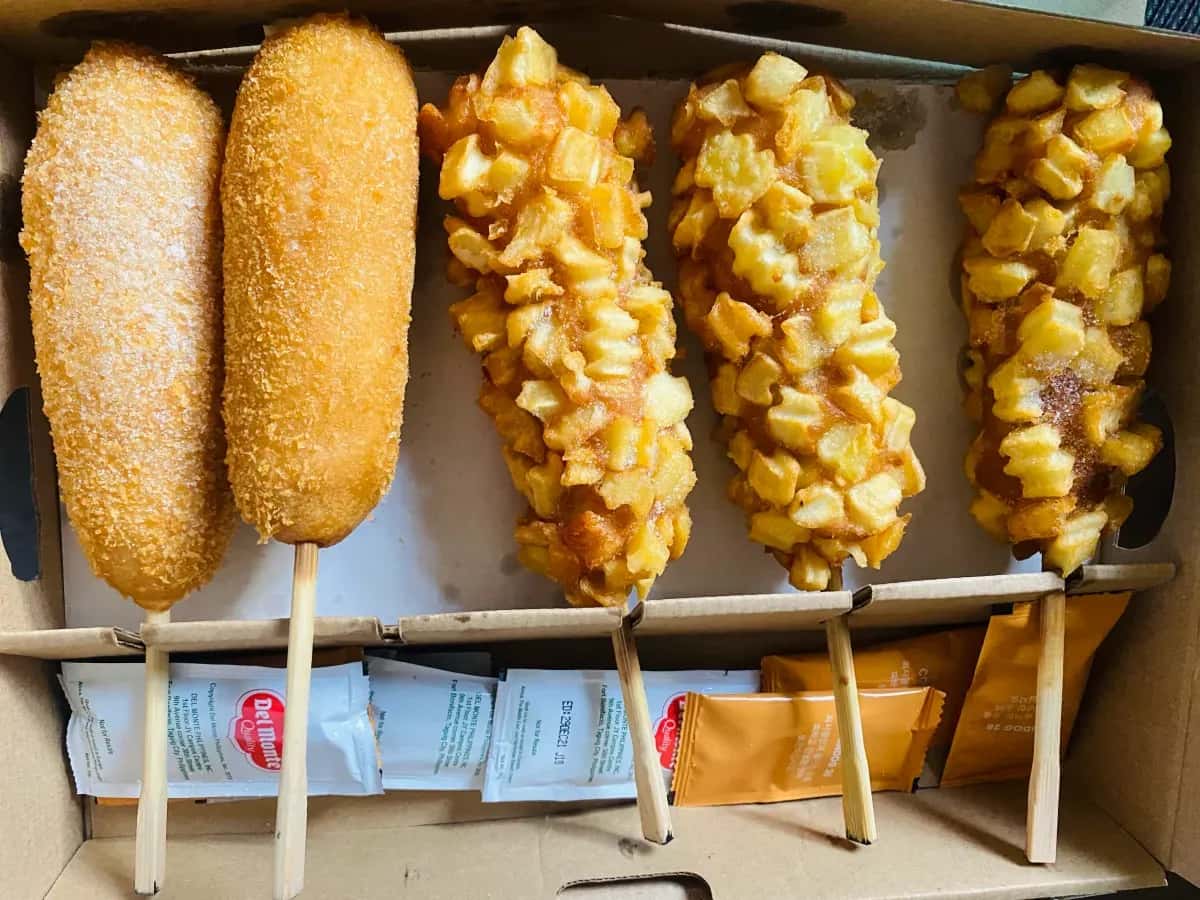
Corndog 28
Korean Street Food
- Franchise fee
- ₱150k
- Total investment
- ₱450k–₱950k
🎁 Start Your 1 Month Free Trial of the Full Plan, Exclusively for Brands & Advisors.Get Started
Browse a Korean street food franchise up to ₱1M, with an investment of about ₱950k, a franchise fee of about ₱150k, and paying back in about 14 months.
Updated
A second high-end package in this category sits near ₱1M, just under the ₱1.5M the most expensive packages reach. Reported payback runs about 14 months, longer than the cart-level packages but shorter than the payback at the very top of this range. This is a mid-scale bet, not a corndog cart and not a flagship store either. It splits the difference on purpose, aimed at someone who has already outgrown a cart but is not ready to commit to a flagship storefront.
Building a package near ₱1M means a brand has moved past treating its product as a novelty cart snack. It has become something built to hold a real storefront, staff, and a lease, closer in spirit to a small retail business than to the corndog stand most people associate with this category. This budget still sits below the very top of the category, though. That gap suggests a brand positioning itself as a serious but more attainable option than the single priciest package on offer, aimed at someone who wants a fuller experience without stretching all the way to the top of this budget. That gap between this budget and the priciest packages is where most buyers in this category who are past the cart stage actually end up landing. Fewer people can justify the most expensive packages, but plenty can justify this one. It is the level where a brand asks a franchisee to trust the concept enough to commit real capital, without asking for the very largest bet on offer.
Every format this category sells shows up here: a cart, a kiosk, and a full inline store. That spread is unusual, since cart-focused competitors lower in this category typically specialize in a narrower part of the category rather than covering every scale at once. This positioning only works if the concept carries enough weight to justify the jump. Nothing about a hot dog or corndog itself demands this level of investment. A franchisee is really paying for confidence that the idea holds up across formats, not for anything unique about the food itself. Covering every scale under one fee also signals confidence that franchisees at very different comfort levels with risk will still consider the same package. That breadth gives someone at this budget a genuine choice of footprint without having to look at a different brand's package to find one that fits the site in mind.
The package spans an investment of roughly ₱450,000 to ₱950,000 across its cart, kiosk, and inline store versions. It carries a flat fee near ₱150,000 regardless of which is chosen, and reports a payback of about 14 months. That figure sits between the faster returns typical of cart-only categories and the longer payback expected of a full sit-down restaurant, landing in a middle ground that matches a brand trying to serve every format at once. Because that fee stays flat across all three formats, most of the swing between the low and high end of the investment range comes down to the physical buildout chosen, not anything the brand charges differently for scale. Someone choosing the cart end of that range while budgeting the full amount would leave real capital unused, which is worth noticing before assuming the top of the range is the default.
With so little else in this exact price range, the real diligence work is checking this specific brand's supply chain for a menu tied to a cultural trend. Confirm how the reported 14-month payback was measured, and against what kind of site. Ask directly whether that figure differs across the cart, kiosk, and inline formats, rather than being one blended number applied to all three. It is also worth asking what support exists if interest in the category cools before the 14 months are up. The inline store option carries a lease that keeps running whatever happens to the trend. Talking to an existing operator of this same brand, if one can be found, matters more here than in a busier part of this category with more to compare against. Walking the actual site at the hours it would trade is also worth doing before signing. A location that looks busy at a glance can still fall short of the rush this scale of investment needs to earn its money back.
Now that you've seen what's here, a real advisor can help you shortlist and weigh the options against your budget. Free, at your pace.

Financing Readiness · Site Selection

Low-Capital Startups

Low-Capital Startups · Site Selection

Franchise Agreements · Multi-Unit Expansion
Are you a franchise advisor?Get your own workspace here
Compare Korean street food franchises with other food & beverage businesses up to ₱1m, each with its own brands, fees and investment ranges.
Get honest answers on fees, payback and the best setups for your area, free and with no pressure.
In many cases, a package priced between ₱900k and ₱1M gives you the essential equipment, training for your team and enough starter supplies to open your doors. For Korean street food franchises, the exact equipment list depends heavily on the format, such as a kiosk, cart or store, so packages are not directly comparable. Ask which format the package is built for and whether a different format changes the inclusions and price.
A gentler first step comes from sizing the commitment honestly, so look at the ₱1M Korean street food franchise as a share of your total savings. A first venture should not take everything you own. Work out what share of your savings the package uses and how you would feel if it were lost. A smaller share leaves room for mistakes and for the unexpected.
Staff costs go beyond monthly wages, which matters when you are budgeting past ₱1M. Recruitment, uniforms, health certificates where required, and government contributions all come with each hire, and training replacements costs money when someone leaves. Plan for some turnover in your crew, and ask the franchisor whether they help train new staff after the initial batch, since retraining on your own takes time away from running the outlet.
Using a lump sum such as a retirement benefit or separation pay to raise ₱1M for a Korean street food franchise can feel tempting but deserves extra care. That money may be your safety net for years to come. If you use it, consider funding only part of the franchise from it and keeping the rest protected for your family's future needs. Talking it through with your family first helps everyone accept the decision.
Looking at Korean street food franchises around ₱1M, the available setups are food carts with 1 franchise, kiosks with 1 and inline stores with 1. A low package price can hide practical limits, such as whether the landlord allows the signage, plumbing or electrical load the setup needs. Before signing with any franchisor, show the landlord the setup requirements and get written confirmation that the space can accommodate them, so you avoid paying for something you cannot install.
Compare how many Korean street food franchises start at each budget level, from the smallest packages up.
Korean Street Food franchises priced close to your budget, worth a look if you can stretch your savings or want to spend less.
Korean Street Food
Korean Street Food
Korean Street Food
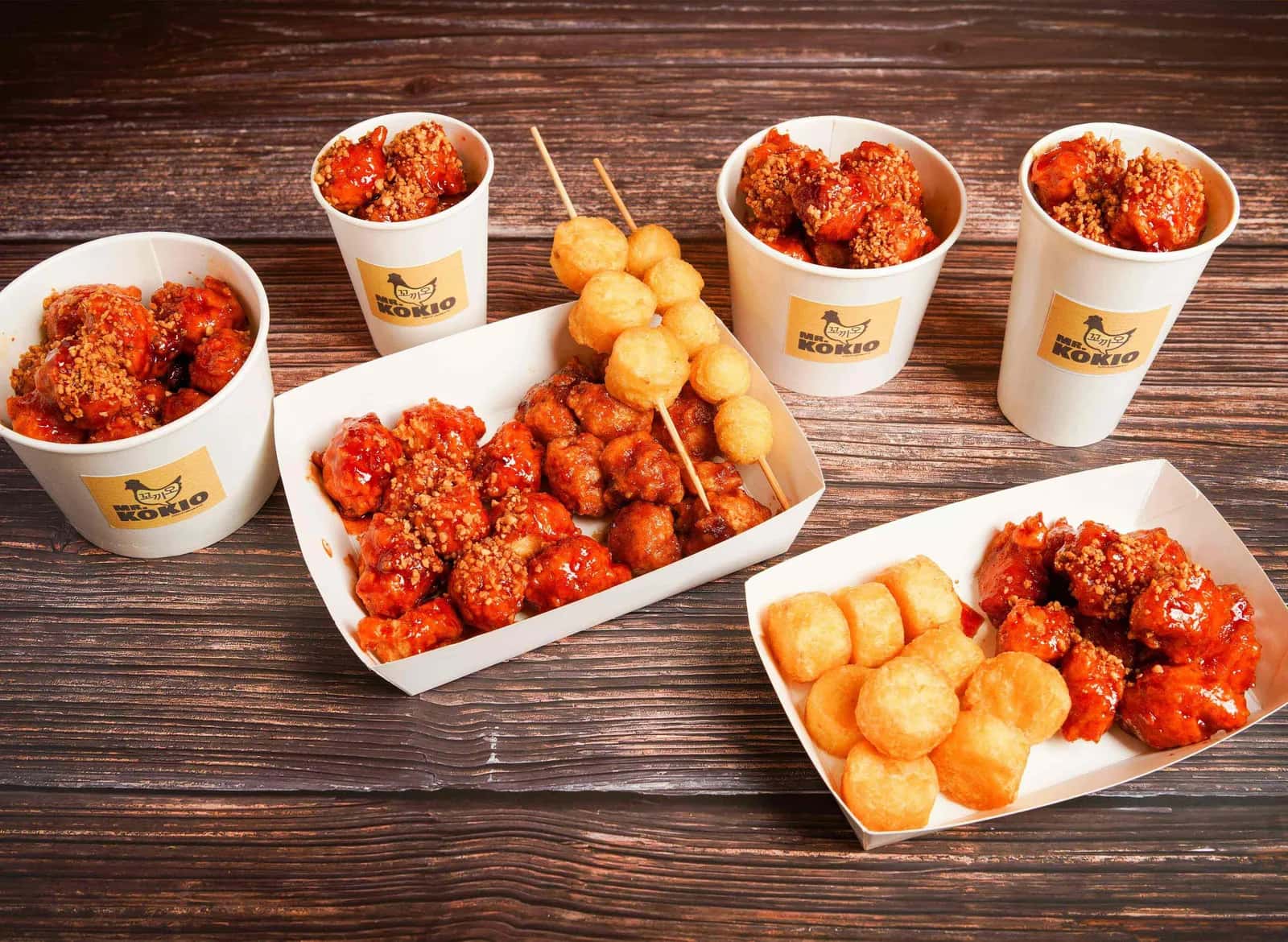
Korean Street Food

Korean Street Food
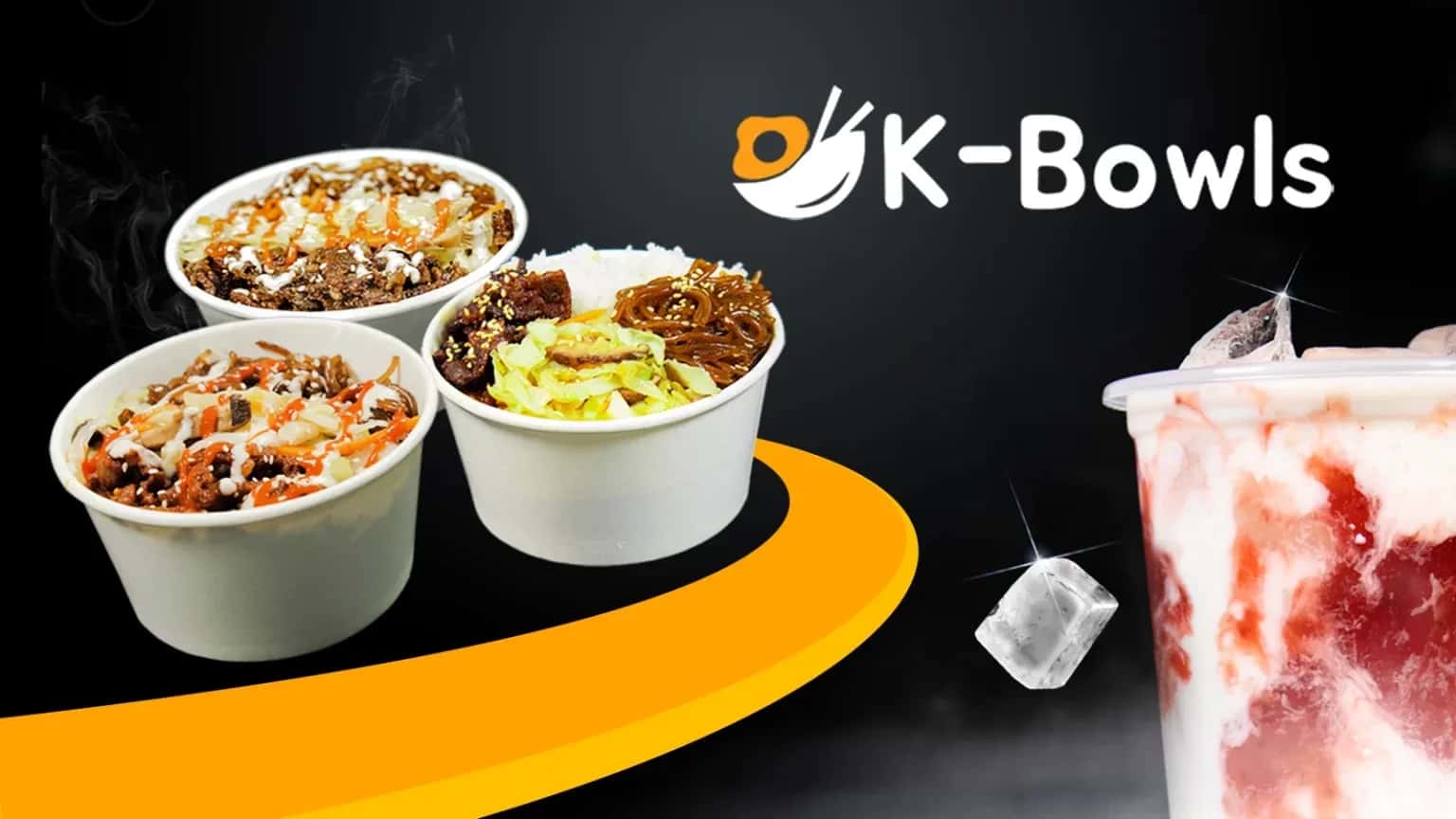
Korean Street Food
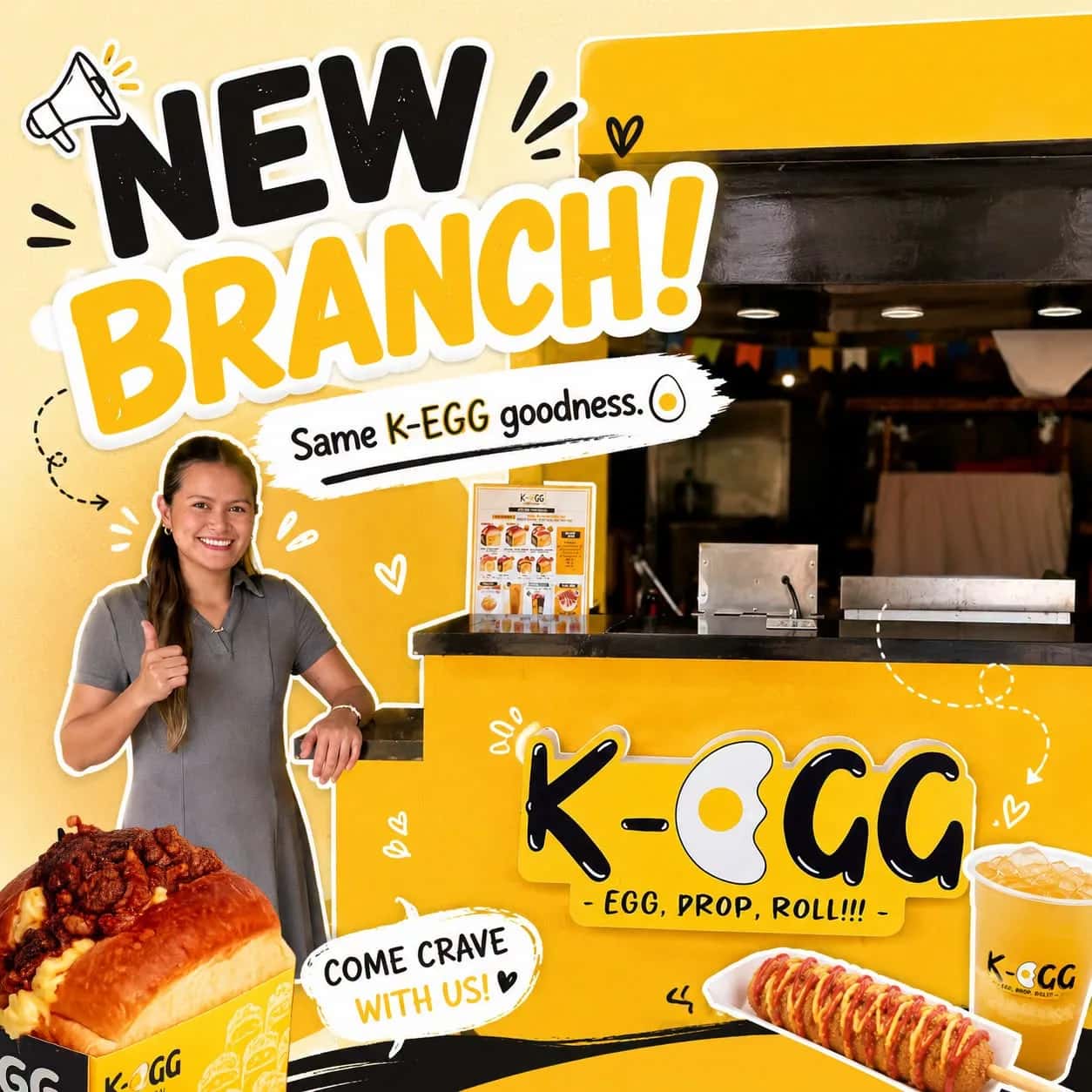
Korean Street Food
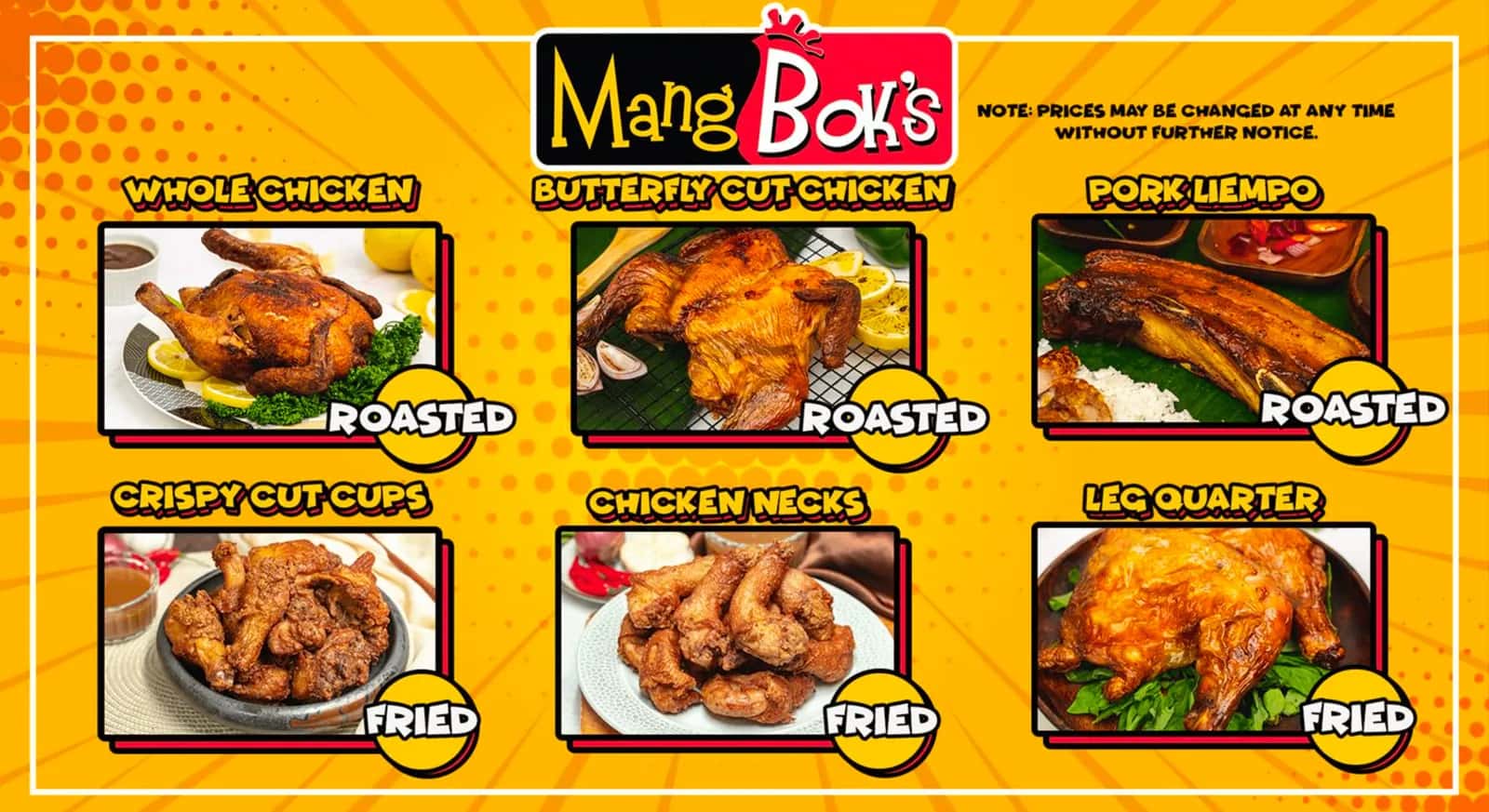
Chicken & BBQ
Compare Korean street food franchises with other industries at the same budget, each with its own brands, fees and investment ranges.

Bread, cakes, and pastry shops.
3 brandsFrom ₱500k
Bibingkinitan, Pan De Sal Express, Famous Belgian Waffles
See brands
Coffee, milk tea, and cold drink shops.
3 brandsFrom ₱249k
Take-O-Coffee, Tea Talk, Coffee But Better
See brands
Mini marts and convenience stores.
3 brandsFrom ₱500k
The 99 Peso Store, Analou's Meatshop, Goodhand Security Products
See brands
2 brandsFrom ₱500k
ALOHA (Abacus Learning of Higher Arithmetic), Bricks 4 Kidz
See brandsCompare industries by budget, daily work and payback before you choose one, free and with no pressure.

Learn practical inventory control steps for your Philippine franchise to cut waste, prevent loss, and protect your capital.
Aug 14, 2026 6 min read
Learn how non-compete clauses work when exiting a franchise agreement in the Philippines, protecting your investment after closing.
Jul 20, 2026 5 min read

Learn how to secure financing for your Philippine franchise, from preparation to approval. A practical guide for new operators and OFWs.
Jul 20, 2026 5 min read