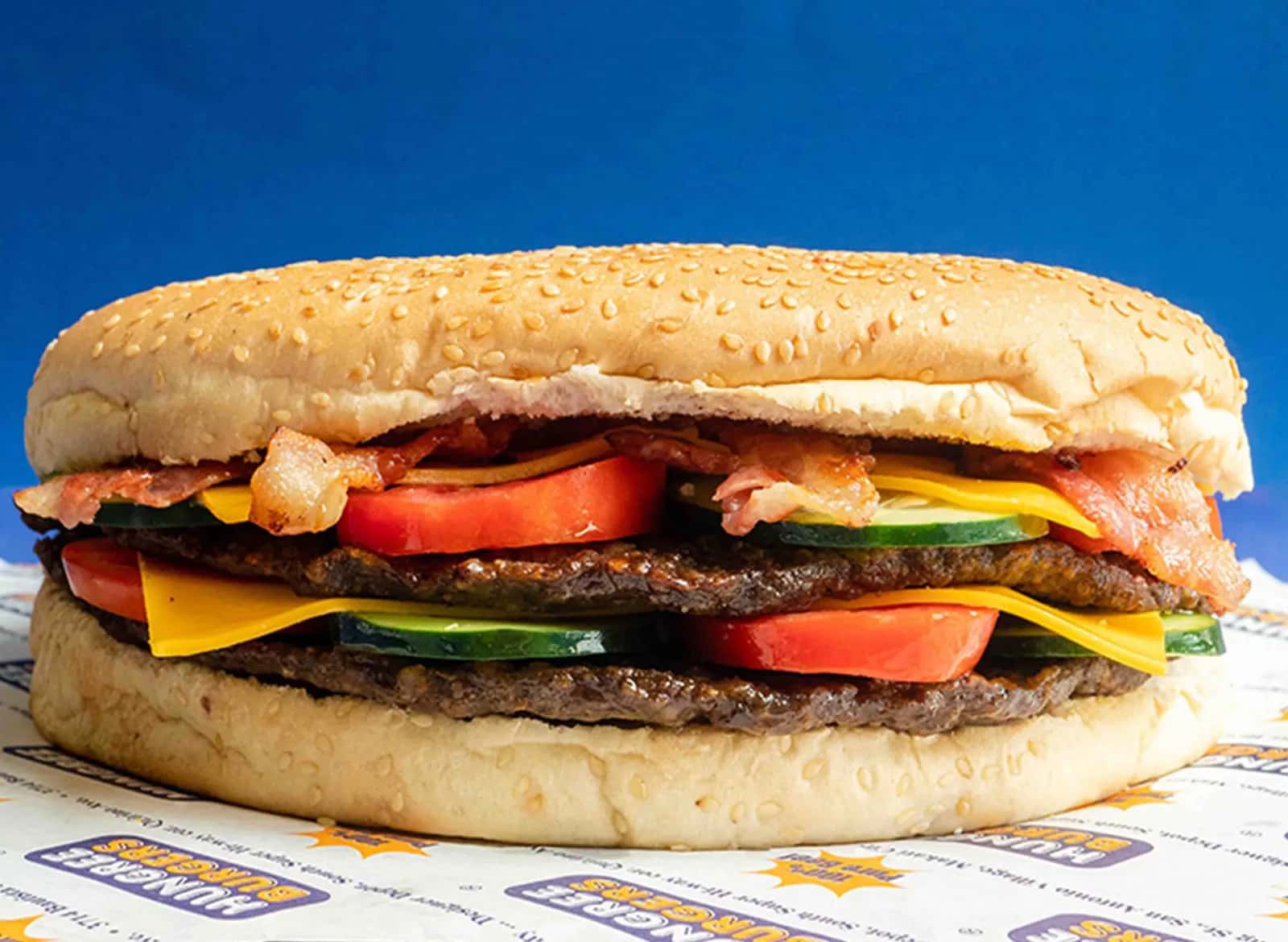
Hungree Burgers
Burgers
- Franchise fee
- ₱250k
- Total investment
- ₱650k–₱900k
🎁 Start Your 1 Month Free Trial of the Full Plan, Exclusively for Brands & Advisors.Get Started
Browse 2 burger franchises up to ₱900k, with investments from ₱850k to ₱900k, franchise fees mostly between ₱150k and ₱250k, and most paying back in about 18 months.
Updated
Burgers

Burgers
An inline package leads the format mix for a burger franchise priced up to ₱900,000, with a cart or kiosk package covering about half of what is on offer as a cheaper alternative. Investment runs from around ₱450,000 up to the full amount, and fees fall between ₱150,000 and ₱250,000. That marks a clear shift away from the compact formats dominating the budgets below, and a reader entering this range should expect the whole feel of the business to change with it.
Fees here sit noticeably higher than the levels typical of the cart focused budgets further down the category. That gap is consistent with the added cost of qualifying for and fitting out a leased retail space. A reader moving up from a cheaper cart budget should expect the qualification process itself to look different too. A mall or commercial landlord typically wants to see financial standing and a business plan before approving a lease, a step that simply does not exist for a cart parked on a public sidewalk. Preparing that paperwork in advance saves weeks once a promising site is actually found and a lease becomes a real possibility, and it signals seriousness to a landlord weighing several prospective tenants at once. A clean set of financial statements from the past year or two tends to matter here in a way it never did for a cart parked on a public sidewalk. Gathering that paperwork early, rather than scrambling once a promising unit becomes available, keeps a reader from losing a good site to a faster applicant.
An inline space inside a mall or a commercial strip carries costs a cart or kiosk simply does not. A fixed monthly lease continues regardless of how a given week's sales turn out, and fit out requirements are set by the property owner rather than the franchisor. That ongoing overhead is a large part of why the fee at this budget sits higher than in the cart dominated ranges. A reader comparing this budget against a cheaper cart option elsewhere needs to weigh that recurring monthly cost, not just the upfront figures on the page. The two budgets are really asking for different long term commitments dressed up as similar sized numbers, and treating them as directly comparable is a mistake worth avoiding. Common area charges, a share of utilities, and periodic renovation clauses tend to sit alongside the base rent, and none of them show up in the headline investment figure quoted upfront. A reader budgeting only for the number on the page risks underestimating what the space actually costs to keep running through its first full year.
Payback across this budget holds at roughly a year and a half, which puts weight on securing a genuinely strong location rather than relying on a name to carry a mediocre spot. An inline unit's fixed lease cost punishes a slow location far more severely than a cart's mobility would allow. It is worth asking directly what specific mall or commercial spaces a franchisor already has relationships with, given how much a good landing spot can matter to hitting that payback figure. Checking whether the site selection process has a track record worth trusting, against existing branches, is worth the extra effort at this budget. Reviewing the specific lease term offered matters too, since a shorter initial term gives more room to exit if the location underperforms, while a longer one locks in the obligation for years regardless of how the first year actually goes. A reader weighing those terms should treat the exit clause as seriously as the rent figure itself. It is the part of the contract that decides how much a bad guess actually costs.
An offer that still includes a cart or kiosk option alongside the inline default is really presenting two different businesses under one budget label, not one business at two prices. The pricier route earns its place through something specific: higher visibility, a longer operating day, or the ability to serve a sit down customer a cart cannot. A vague sense that bigger simply performs better is not a real reason, since a bigger footprint also carries more that can go wrong financially if the location underperforms. Where none of those specific advantages apply to the spot already in mind, the lower cost alternative can deliver much of the same underlying business at meaningfully less financial exposure. The two paths share a category label and little else once the fixed lease and the mobile setup are compared side by side. From there, the stronger choice usually follows from the site itself, rather than from whichever format happens to get promoted first.
Now that you've seen what's here, a real advisor can help you shortlist and weigh the options against your budget. Free, at your pace.

Financing Readiness · Site Selection

Franchise Agreements · Multi-Unit Expansion

Low-Capital Startups · Site Selection

Low-Capital Startups
Are you a franchise advisor?Get your own workspace here
Compare burger franchises with other food & beverage businesses up to ₱900k, each with its own brands, fees and investment ranges.
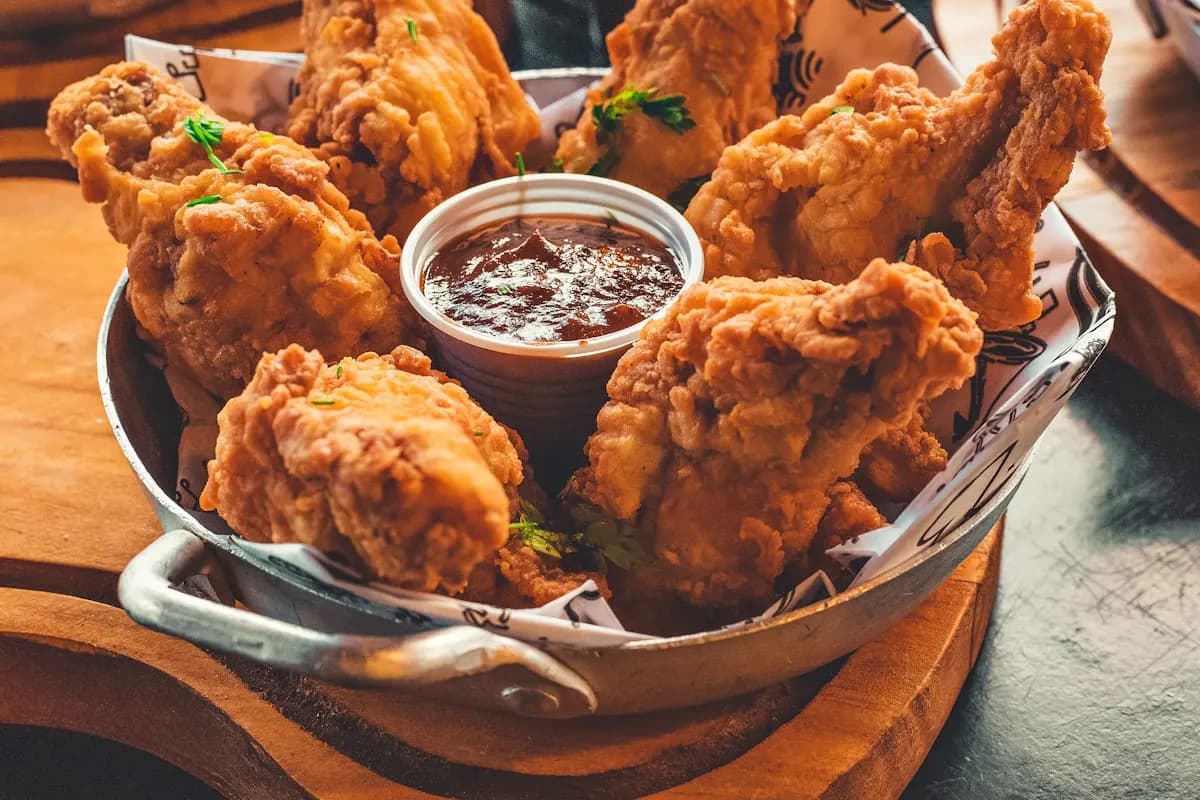
Roast chicken, inasal, and grilled favorites.
3 brandsFrom ₱450k
Kulpy Chicken, Inihauz, Chicken Rotizado
See brands
Fresh juices, shakes, and smoothie bars.
3 brandsFrom ₱420k
The Lemon Co., Thirsty Fresh Fruit Juices & Shakes, Velox Energy
See brands
Homegrown Filipino food concepts.
2 brandsFrom ₱450k
VJ Batangas Lomi House, Bang Bang Special Crispy Bangus
See brands
Sit-down restaurants with full menus.
1 brandFrom ₱600k
Thaiwadee Express
See brands
Quick-service restaurants and fast-food chains.
1 brandFrom ₱600k
Smokey's
See brands
Ice cream, halo-halo, and sweet treats.
1 brandFrom ₱600k
MyChoice The Artisan Ice Cream
See brandsGet honest answers on fees, payback and the best setups for your area, free and with no pressure.
Price bands hide detail, and two burger franchises priced between ₱800k and ₱900k fall within ₱900k. Look inside the band instead of at it. Compare the cheapest and dearest packages and note exactly which items account for the difference. If the dearer one only adds things you could skip, the cheaper listing gives you the same start. Repeat this check for the next pair, and the list shortens by itself.
Expect a starter bundle of equipment, supplies, training and some help with opening when you pay ₱900k, with the exact contents left to each franchisor. Real value comes from how well those items fit one another and your outlet, not from the length of the list. Have the franchisor explain the reasoning behind their package choices, and find out if owners already operating have pointed out any gaps after launch.
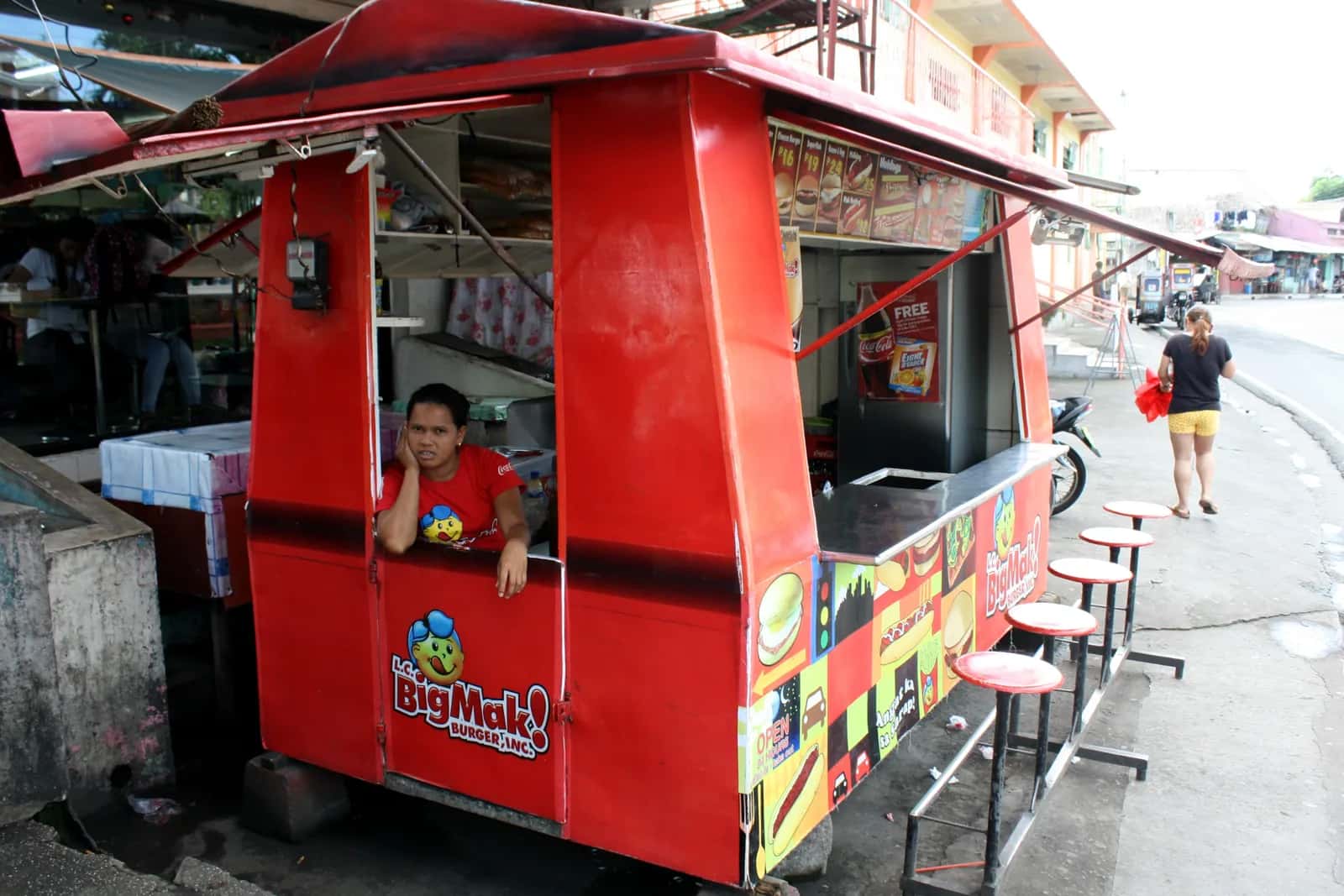
At ₱900k, the burger formats you can pick from are inline stores with 2 franchises, food carts with 1 and kiosks with 1. A spot open to rain or strong sun can tire your crew and keep customers away, so the space itself shapes which format works. Visit on a rainy afternoon and again at hot noon, then ask each franchisor which formats stay comfortable and usable in a covered or enclosed area like the one you have.
Only after the extras are counted can you tell if ₱900k is enough. The two burger franchises quoting an investment between ₱800k and ₱900k rarely include the lease deposit, permits, renovation or initial stock, all of which your budget must absorb. Price each item and add working capital for the early months. The final number shows whether your money opens the outlet with something left over.
Typical pricing for burger franchises at ₱900k puts the franchise fee between ₱150k and ₱250k, so compare it against what is included in the price. Create a simple table with each franchisor, the fee, the inclusions and the exclusions. Mark which fees are refundable and which charges repeat, such as royalties or renewal. A side by side view makes a cheap looking offer easy to spot as a thin one, and a pricier offer easy to see as generous.
Budget for the stretch between paying ₱900k and your first profitable month, because bills keep coming while sales build up. Rent, wages and stock reorders all need to be paid during that time, even while customers are still discovering you. Add up your fixed monthly costs, multiply them by the months you expect sales to be thin, and check that your savings cover that total without touching household money.
Registering your business early can make raising ₱900k for a burger franchise easier, especially with formal lenders. A DTI or SEC registration, barangay clearance and BIR registration show that you are serious and that the venture exists on paper. Start the registration process while you are still saving so the documents are ready when a bank or cooperative asks for them. Having these papers early also gives you time to fix any errors without delaying a loan.
You might find a ₱900k burger franchise a good match if you can commit to the training period before opening. Training often happens during working hours and may require time away from your job. Ask how long the training lasts, where it takes place and whether a family member or manager can attend in your place. Planning your leave early avoids a rushed and stressful start for you and your crew.
Compare how many burger franchises start at each budget level, from the smallest packages up.
Burger franchises priced close to your budget, worth a look if you can stretch your savings or want to spend less.
Burgers
Burgers
Burgers
Burgers
Burgers
Burgers
Burgers

Burgers
Compare burger franchises with other industries at the same budget, each with its own brands, fees and investment ranges.

Coffee, milk tea, and cold drink shops.
5 brandsFrom ₱450k
Nitro 7 Coffee and Tea, Jelly G, Mocha Blends +2 more
See brands
Bread, cakes, and pastry shops.
2 brandsFrom ₱450k
Casa Empanada, Cookie Chef
See brands
Mini marts and convenience stores.
2 brandsFrom ₱450k
Palawan Pearls, CasyPH
See brandsCompare industries by budget, daily work and payback before you choose one, free and with no pressure.

Learn practical inventory control steps for your Philippine franchise to cut waste, prevent loss, and protect your capital.
Aug 14, 2026 6 min read
Learn how non-compete clauses work when exiting a franchise agreement in the Philippines, protecting your investment after closing.
Jul 20, 2026 5 min read

Learn how to secure financing for your Philippine franchise, from preparation to approval. A practical guide for new operators and OFWs.
Jul 20, 2026 5 min read