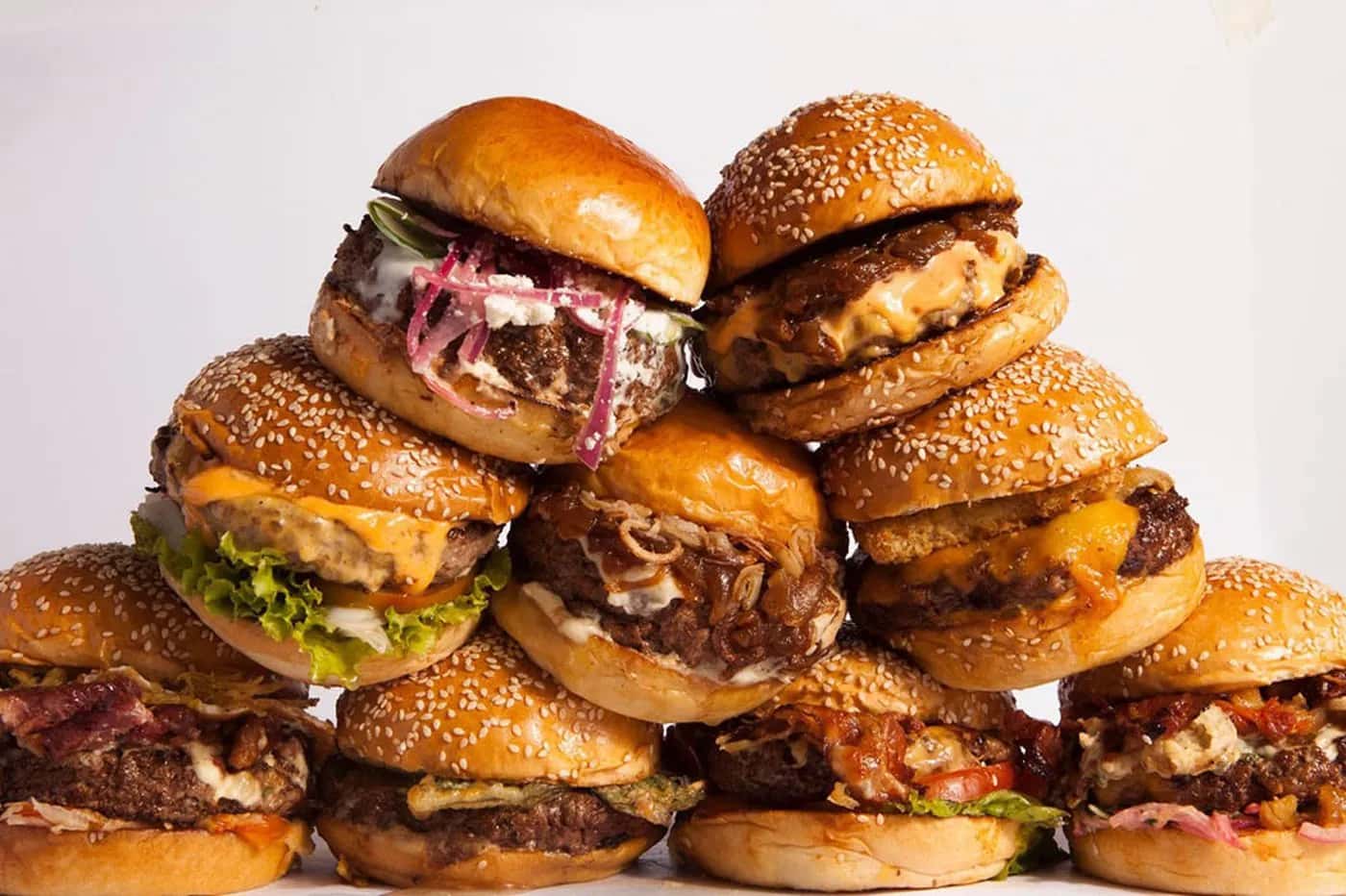
Burger 8
Burgers
- Franchise fee
- ₱150k
- Total investment
- ₱350k–₱600k
🎁 Start Your 1 Month Free Trial of the Full Plan, Exclusively for Brands & Advisors.Get Started
Browse a burger franchise up to ₱600k, with an investment of about ₱600k, a franchise fee of about ₱150k, and paying back in about 18 months.
Updated
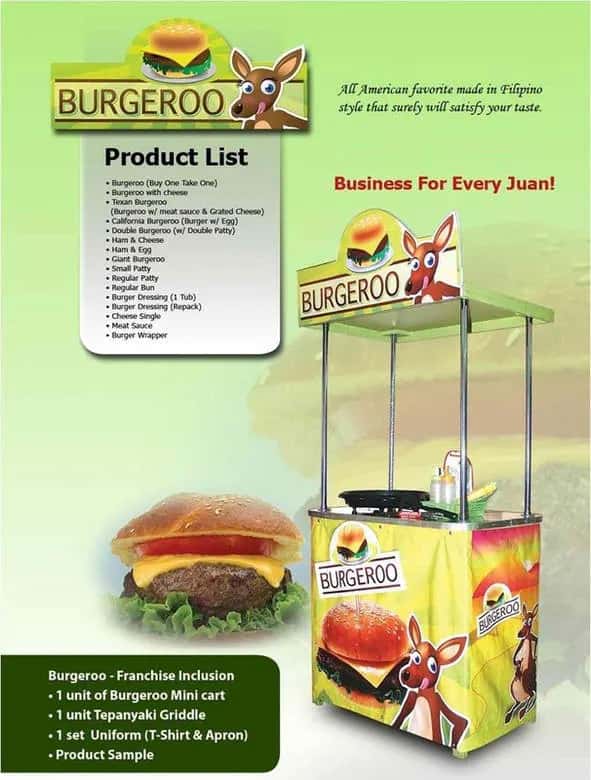
A kiosk package or a cart package covers a burger franchise priced up to ₱600,000. Investment runs from around ₱350,000 up to the full amount, and the fee holds steady near ₱150,000 no matter which format is picked. Payback is reported at about eighteen months either way. The format decision, not the fee, is what actually separates one path here from the other. Getting that choice right early saves a reader from second guessing it once the money is already spent.
A kiosk plants itself permanently inside a space such as a mall corridor or a public market bay. It trades flexibility for a settled, always visible presence that regular customers come to expect in the same spot every day. A cart keeps the option open to move if the first location does not perform. That is a form of insurance a kiosk does not offer once its lease is signed and its counter installed. The fee and investment range stay identical between the two formats. So the real choice comes down to which kind of commitment feels right early on. A fixed spot has to work from day one. A mobile setup can be adjusted after a few weeks of watching how customers actually move through the area. A reader who already has a proven spot in mind, perhaps a family stall or a relative's storefront, should lean toward the kiosk route and lock that advantage in early rather than waiting.
No cluster of similarly priced offers sits at this exact figure to weigh side by side. Gauging demand falls back on the basics any food business depends on. That means the foot traffic at the intended site, and how much nearby competition already exists for the same customers. A spot near a school, a transport terminal, or a cluster of offices tends to support either format well. A quieter residential street asks more of a cart's ability to relocate toward better traffic. A kiosk, once installed, will never manage that same flexibility. Walking a candidate street at both a slow hour and a busy one, rather than judging it from a single visit, tends to reveal more than any brand's own site recommendation. A reader with no shortlist to compare against is really the one running the market research personally, and that work is worth doing carefully rather than skipping it because no obvious competitor sits nearby.
The reported window sits at about eighteen months regardless of which format is chosen. That is a middle of the road figure compared with the faster returns some cheaper cart budgets report, and the slower ones some pricier inline formats carry. The figure assumes steady, consistent sales rather than an unusually strong opening stretch. A reader should treat eighteen months as a reasonable planning horizon, not a target to beat immediately. Comparing this budget against a cheaper cart budget means weighing the higher upfront cost here against what a fee this size typically buys in training depth and ongoing support. A brand charging roughly three times what the cheapest cart budget asks for should deliver a proportionally deeper package in return. That comparison only holds if the reader actually asks what the extra money buys, rather than assuming a bigger number automatically means a stronger offer.
It is worth asking directly what territory protection comes bundled with the fee. A nearby location competing for the same customers would undercut the eighteen month payback figure considerably. It is equally worth asking how support differs between the kiosk and cart paths. Both share a price tag but likely carry different setup timelines and different levels of hand holding once the doors open. Treating this budget as a single, specific decision to evaluate thoroughly, rather than a shortlist to browse, is the more useful way to approach a range this narrow. Writing down the answers to both questions before comparing against a different budget keeps the eventual decision grounded in facts rather than in whichever conversation happened most recently. A reader who does that groundwork before choosing a format tends to feel far more settled about the choice once the lease or the cart is actually in hand.
Now that you've seen what's here, a real advisor can help you shortlist and weigh the options against your budget. Free, at your pace.

Financing Readiness · Site Selection

Low-Capital Startups

Low-Capital Startups · Site Selection

Franchise Agreements · Multi-Unit Expansion
Are you a franchise advisor?Get your own workspace here
Compare burger franchises with other food & beverage businesses up to ₱600k, each with its own brands, fees and investment ranges.
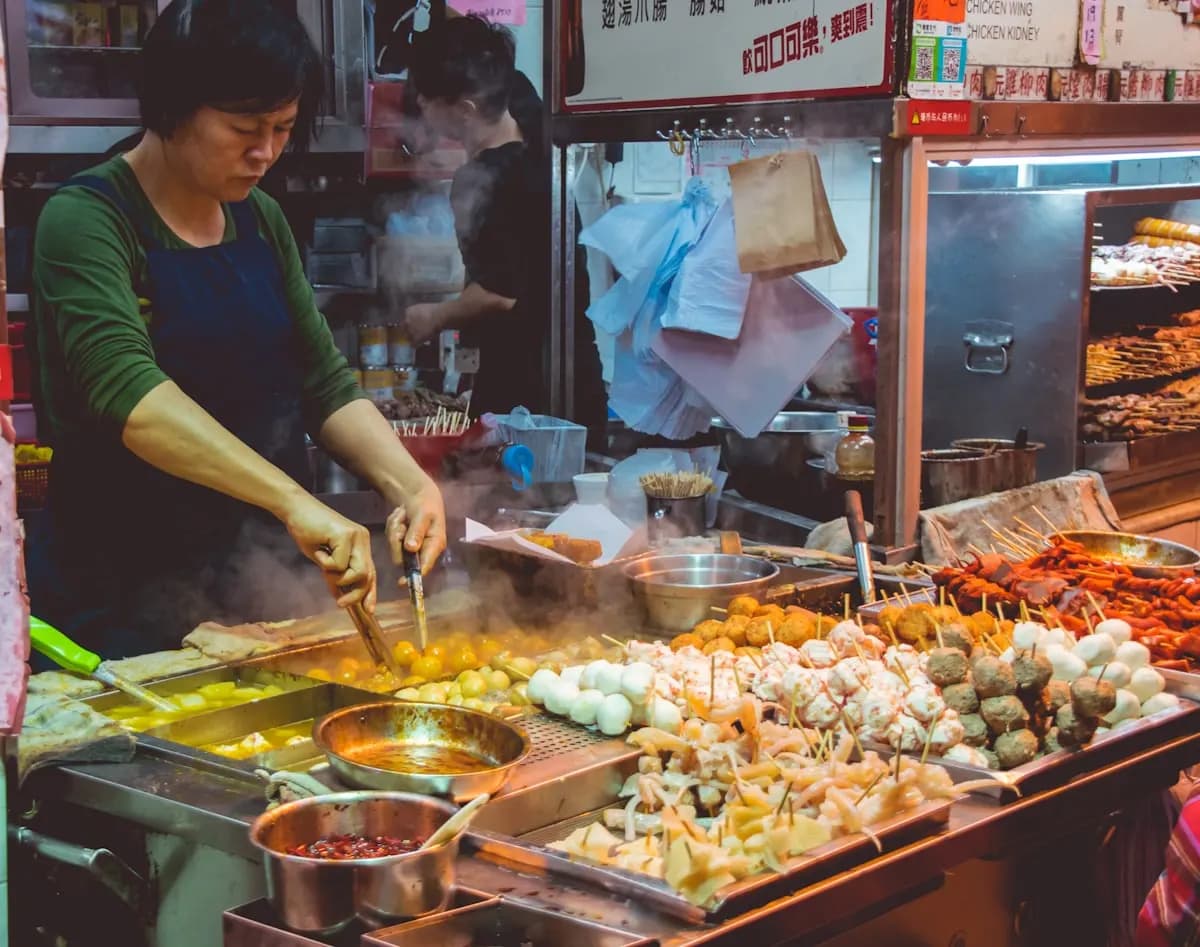
Fishball, siomai, and grab-and-go bites.
13 brandsFrom ₱300k
Mom's Ube & Triple Choco Champorado, Churros City, Mr. Binatog +10 more
See brands
Homegrown Filipino food concepts.
11 brandsFrom ₱250k
Boy Kanin, Bente Silog, Lugaw Republic +8 more
See brands
Fresh juices, shakes, and smoothie bars.
10 brandsFrom ₱300k
Buko Juan, Chingu Buko House, BluNektar +7 more
See brands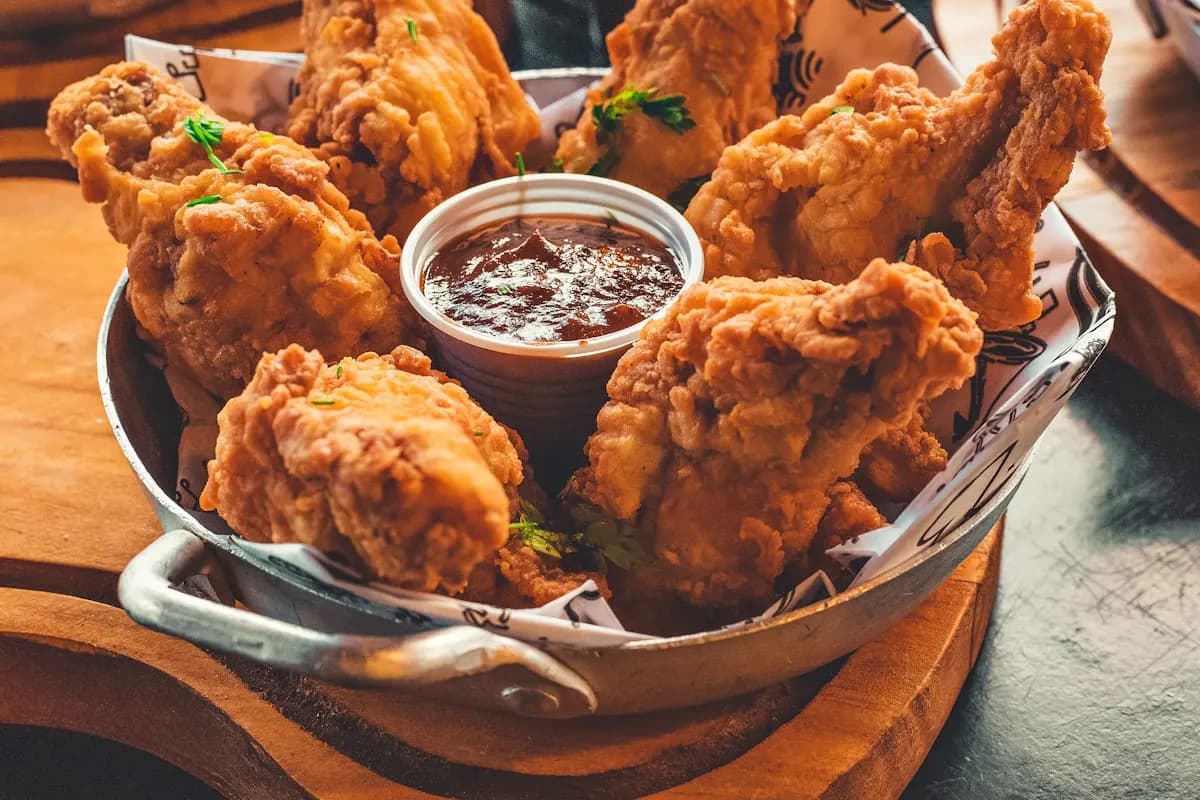
Roast chicken, inasal, and grilled favorites.
5 brandsFrom ₱300k
Liloan's Pride Liempo, Mr. Liempo, Pixie's Sinugba +2 more
See brands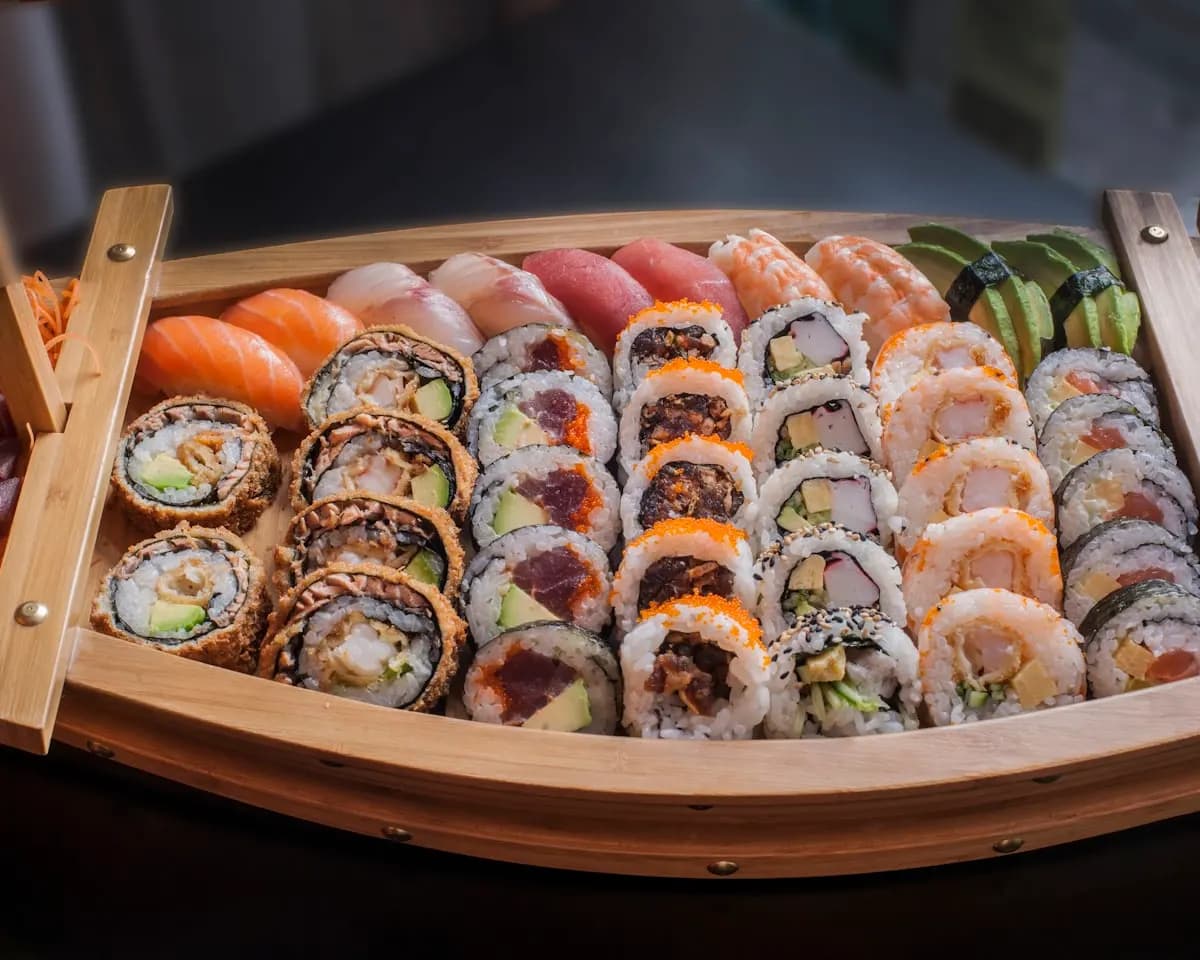
5 brandsFrom ₱198k
Kyu Kyu Ramen 99, Yaki Yaki, Takoyadon +2 more
See brands
Ice cream, halo-halo, and sweet treats.
3 brandsFrom ₱300k
Fruitas Ice Candy, Ginataang Bilo Bilo at Mais, Choco Monkey
See brands
Pizza parlors and pasta houses.
3 brandsFrom ₱250k
Pizzacle, Gourmae Pasta & Pizza to go, Elbo Pizza
See brands
Sit-down restaurants with full menus.
2 brandsFrom ₱350k
O'Noodle, Purao Noodle Station
See brandsGet honest answers on fees, payback and the best setups for your area, free and with no pressure.
Minimum fees in some franchise agreements can create costs beyond ₱600k even when sales are slow. A franchisor may charge a fixed monthly royalty or marketing fee instead of a percentage, which means you pay the same amount in a weak month as in a strong month. Check whether your agreement uses fixed or sales based fees, and plan your reserves around the worst month rather than the average.
Who runs the unit each day is the practical question for a burger franchise at ₱600k, where the setups are food carts with 1 franchise and kiosks with 1. Owner operators spend most of their time on site, while others hire a manager to handle opening and closing. Decide which arrangement suits your life, then choose the format that works under it, since a setup needing constant presence will wear you down if you cannot be there.
Having a fallback plan makes a ₱600k burger franchise a calmer first choice. Decide beforehand what you would do if the outlet struggled, such as returning to a job, using savings for a set period or seeking family help. Write down the trigger point at which you would reassess. A beginner with a clear fallback can take reasonable risks without losing sleep over every slow week.
You raise ₱600k for a burger franchise more reliably when you first confirm that the figure covers everything you will actually pay. Rent deposits, renovation, permits, initial stock and a few months of operating cash often sit outside the package price. Ask the franchisor for a written list of inclusions and exclusions, add the extras to your funding target, and then assign each part to a source such as savings, family help or a loan. Raising the true total from the start saves you from a scramble in the opening weeks.
Packages around ₱600k usually bundle equipment, training and initial inventory, plus a less visible inclusion, which is the franchise system itself. That system covers operating procedures, product or service standards, supplier access and the know how the franchisor has built over time. Ask the franchisor to explain exactly which systems, manuals and supplier arrangements you receive, so you can weigh that intangible part fairly alongside the physical items in the package.
Compare how many burger franchises start at each budget level, from the smallest packages up.
Burger franchises priced close to your budget, worth a look if you can stretch your savings or want to spend less.
Burgers
Burgers
Burgers
Burgers
Burgers
Burgers
Burgers

Burgers
Compare burger franchises with other industries at the same budget, each with its own brands, fees and investment ranges.

Coffee, milk tea, and cold drink shops.
19 brandsFrom ₱250k
Cha Thai, CLT Cafe, Island Tea Co. +16 more
See brands
Bread, cakes, and pastry shops.
7 brandsFrom ₱350k
Empanada Nation, Remilly's Yema Cake, Big Smile Bread Station +4 more
See brands
Mini marts and convenience stores.
4 brandsFrom ₱350k
P. TOGO, Goldmine Farm to Market, Scents and Blends +1 more
See brands
2 brandsFrom ₱250k
Ink All You Can, Premium Graphics Asia Center (TRANSFER-IT)
See brands
Padala, parcel, and delivery outlets.
2 brandsFrom ₱300k
OKS Xpress Courier, SUREX
See brands
Drugstores and health supplement outlets.
2 brandsFrom ₱350k
ValueMed Generics Pharmacy, Well-Family Midwife Clinics
See brandsCompare industries by budget, daily work and payback before you choose one, free and with no pressure.

Learn practical inventory control steps for your Philippine franchise to cut waste, prevent loss, and protect your capital.
Aug 14, 2026 6 min read
Learn how non-compete clauses work when exiting a franchise agreement in the Philippines, protecting your investment after closing.
Jul 20, 2026 5 min read

Learn how to secure financing for your Philippine franchise, from preparation to approval. A practical guide for new operators and OFWs.
Jul 20, 2026 5 min read