Eto Pasta
Pizza & Pasta
- Franchise fee
- ₱17k
- Total investment
- ₱17k–₱30k
🎁 Start Your 1 Month Free Trial of the Full Plan, Exclusively for Brands & Advisors.Get Started
Browse a pizza & pasta franchise up to ₱50k, with an investment of about ₱30k and a franchise fee of about ₱17k.
Updated
Under ₱50,000 buys the smallest entry point into pizza and pasta available anywhere in the category, priced between ₱16,988 and ₱29,988. The fee itself accounts for most or all of that figure. At this level the format can be a food cart, a kiosk, or a small inline counter, whichever fits the space already available, since the fee stays the same either way. This is a starter-scale package, built for someone testing the category rather than opening a full restaurant.
The full range under this budget runs from ₱16,988 at the low end to ₱29,988 at the top. The fee itself sits at ₱16,988 regardless of where the final cost lands. That means almost the entire gap between the two figures goes toward whatever gets built around that base: a cart frame, a small counter, basic signage, or a first batch of ingredients. At the very bottom of the range, the fee essentially is the cost. That leaves little room for anything beyond the package itself. The extra amount at the top of the range buys a bit more equipment or stock to start with. Either way, this sits well below what most food franchises anywhere ask for, and it buys accordingly little: no dedicated space, no built-out counter beyond the basics, and no marketing budget. What it does buy is a foothold in the category at a price low enough that testing the idea does not require serious savings or a loan.
A food cart, a kiosk, or a small inline counter can all be built at this level, and the fee does not change based on the choice. The decision comes down entirely to whatever space is realistically available. A food cart needs the least commitment. It is the easiest to move if a site does not work out, and the cheapest to insure against a bad location. A kiosk or a small inline counter asks for a fixed spot instead, typically inside an existing business or a shared space, in exchange for a bit more visibility and shelter from the weather. None of these builds includes seating or a full kitchen at this price. Whichever gets chosen still functions as a walk-up counter rather than a restaurant. Matching the format to the space on hand, rather than picking one first and searching for a site after, is the more practical order to work in at this budget.
At this budget, the person who buys the package is almost always the person running it. There is no room in the numbers for hired staff beyond maybe one extra pair of hands during a rush. The menu stays short, likely a handful of pasta or pizza items sold by the piece or the cup. That keeps prep simple and keeps ingredient waste low on a slow day. Hours tend to follow wherever the cart or counter sits rather than a fixed schedule, opening around whatever traffic pattern the location actually sees. The fee sits so low that there is little cushion built into the budget for a slow first month. Keeping ingredient costs and portions disciplined from day one matters more here than at almost any higher budget in the category. This is a package built to be run personally and watched closely, not one designed to be managed from a distance.
Because the fee at this level covers so little beyond the base package, it is worth asking exactly what comes included and what has to be sourced separately: the cart or counter structure itself, initial ingredients, packaging, and any signage. It is also worth setting aside a small cash reserve beyond the entry figure. Even a lean setup like this one has to cover a first batch of ingredients and basic supplies before the first sale comes in. Confirming what happens if the chosen site does not perform is a fair question to ask before committing at this size. Ask whether the format can be moved to a better spot without paying again. This budget is built for testing the category at low risk. Treating it that way, with a clear sense of what it does and does not include, is what makes it work as a starting point rather than a false start.
Now that you've seen what's here, a real advisor can help you shortlist and weigh the options against your budget. Free, at your pace.

Financing Readiness · Site Selection

Low-Capital Startups · Site Selection

Franchise Agreements · Multi-Unit Expansion

Low-Capital Startups
Are you a franchise advisor?Get your own workspace here
Compare pizza & pasta franchises with other food & beverage businesses up to ₱50k, each with its own brands, fees and investment ranges.
Get honest answers on fees, payback and the best setups for your area, free and with no pressure.
Delivery and logistics can quietly raise your costs beyond the ₱50k package. If supplies come from a central commissary or warehouse, you may pay shipping each time you reorder, and the amount depends on how far you are from the franchisor's supply point. These charges repeat with every order, so they matter more over time than they seem at first. Ask whether delivery fees are included in supply prices or charged separately, and factor that into your monthly costs.
Going into a pizza & pasta franchise at ₱50k as a beginner is reasonable, though it helps to know how you would leave if plans change. Life events such as a job transfer, an overseas contract or a family need can force a sale. Ask whether you can transfer or sell the franchise, what approval it requires and what fees apply. Knowing your exit route in advance makes the entry decision far less stressful.
You can raise ₱50k more easily by asking whether the franchisor offers a smaller format priced up to ₱50k, since a lighter setup needs less cash to fund. Some franchisors sell more than one package, and the smaller one may still teach you how the business runs. Ask which formats are available, compare what each includes, and fund the one your savings and a modest loan can cover without stretching your household. You can always move up to a bigger format later once the first one earns.
Quiet days are part of any pizza & pasta setup at ₱50k, and the choices are food carts with 1 franchise, kiosks with 1 and inline stores with 1. A format with a big crew leaves you paying people to wait, while a lean one flexes more easily. Observe your spot during its slowest hours and decide how few staff you could run with then, and choose the setup that stays manageable at that low, with the option to add helpers when the crowd returns.
Before judging what ₱50k gets you, ask the franchisor for the inclusion list as a single page with one item per line. Typical lines are the franchise fee, equipment, initial stock, training and signage, and gaps show up fast when each item stands alone. Keep that page, and request an updated copy if anything changes during negotiation, so the final contract mirrors what you were first promised.
Compare how many pizza & pasta franchises start at each budget level, from the smallest packages up.
Pizza & Pasta franchises priced close to your budget, worth a look if you can stretch your savings or want to spend less.

Pizza & Pasta

Pizza & Pasta
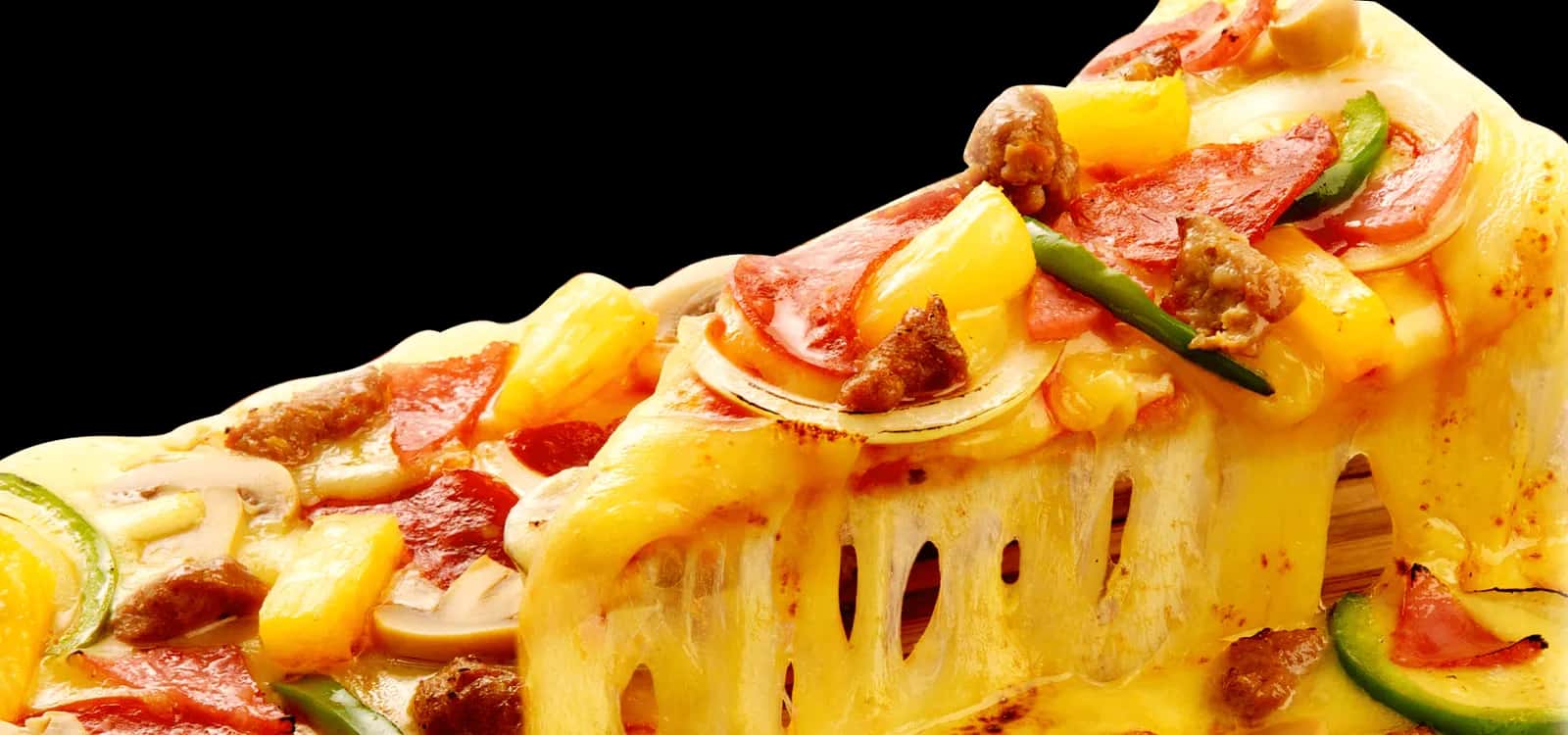
Pizza & Pasta
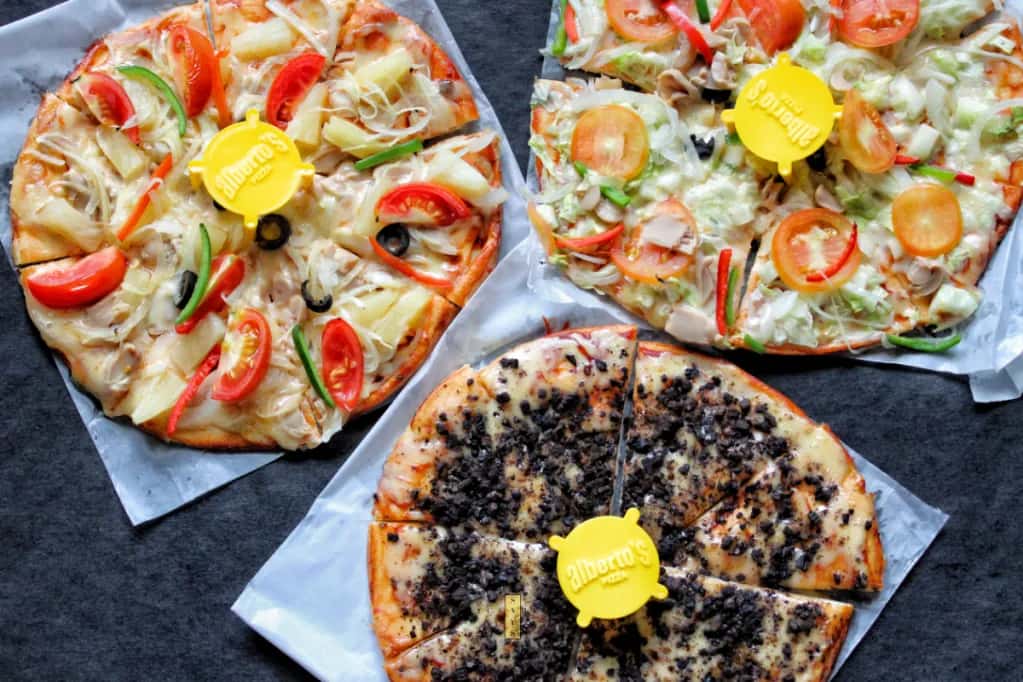
Pizza & Pasta

Pizza & Pasta

Pizza & Pasta

Pizza & Pasta
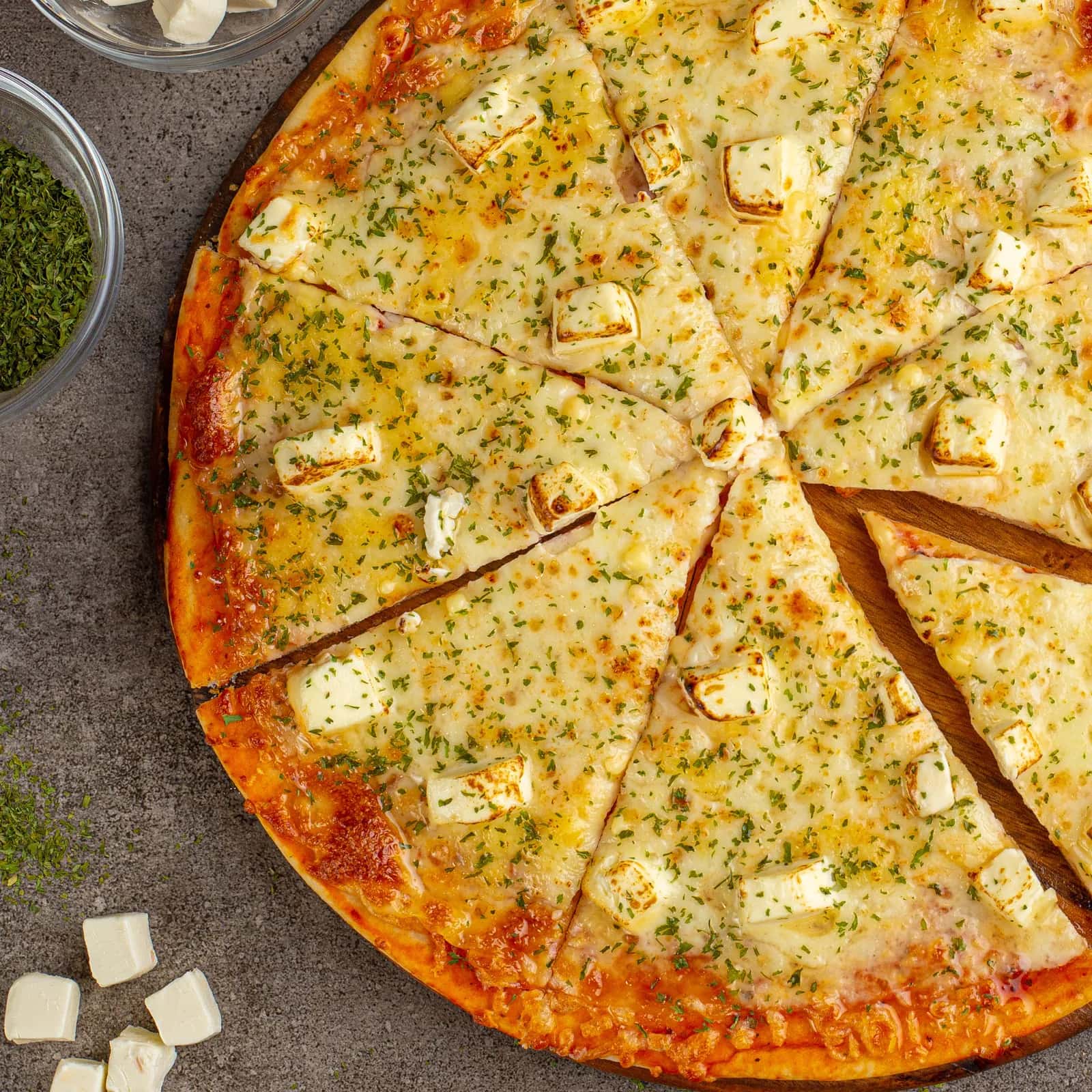
Pizza & Pasta
Compare pizza & pasta franchises with other industries at the same budget, each with its own brands, fees and investment ranges.

Coffee, milk tea, and cold drink shops.
3 brandsFrom ₱17k
Sip Up Coffee, Chong Cafe, KoTea
See brands
Padala, parcel, and delivery outlets.
3 brandsFrom ₱10k
Ninja Van, J&T Express, Toktok
See brandsCompare industries by budget, daily work and payback before you choose one, free and with no pressure.

Learn how non-compete clauses work when exiting a franchise agreement in the Philippines, protecting your investment after closing.
Jul 20, 2026 5 min read
Learn practical inventory control steps for your Philippine franchise to cut waste, prevent loss, and protect your capital.
Aug 14, 2026 6 min read

Learn what dispute resolution clauses mean for Philippine franchisees. Protect your investment with this guide to arbitration, mediation, and litigation steps.
Jul 21, 2026 6 min read