Konam
Chicken & BBQ
- Franchise fee
- ₱15k
- Total investment
- ₱15k–₱30k
🎁 Start Your 1 Month Free Trial of the Full Plan, Exclusively for Brands & Advisors.Get Started
Browse a chicken & BBQ franchise up to ₱50k, with an investment of about ₱30k, a franchise fee of about ₱15k, and paying back in about 6 months.
Updated
Getting into chicken and barbecue franchising for under ₱50,000 buys a cart or kiosk setup, priced from around ₱15,000 up to roughly ₱30,000, with a franchise fee near ₱15,000 and payback usually landing inside about six months. It is the leanest way into this category, built around a single grill or fryer rather than a stocked kitchen. The money is small on purpose. It is meant to prove that a corner, a gate, or a stretch of foot traffic can sell grilled or fried chicken before anyone commits more than that.
At this price, the format choice sits between a mobile cart and a small kiosk. Both are built around the same core idea: one cooking unit, a small prep surface, and just enough shelter to keep the operator and the stock dry. A cart trades a fixed spot for the freedom to move toward wherever the crowd gathers that day, a market entrance, a school gate, a jeepney terminal. A kiosk trades that mobility for a fixed corner and a bit more shelter and signage, which helps repeat customers find it again. Neither buys seating, a dining area, or a full kitchen line. The money goes almost entirely into the grill or fryer, the marinating and holding containers, and enough branding to make the setup recognizable from a distance. Choosing between the two formats is really a choice about whether the operator wants to chase foot traffic or let a fixed spot build its own regulars over time.
Investment across this budget runs from around ₱15,000 at the lean end up to roughly ₱30,000, with the franchise fee holding steady near ₱15,000 regardless of where in that range the setup lands. The gap between the low and high end is mostly the cart or kiosk build itself, since a sturdier frame, a proper gas connection, and better signage all cost more than a bare-bones version of the same unit. Payback is quick, typically inside about six months, because the fixed costs are small and a single good corner can turn stock over daily. That speed cuts both ways. It means a bad location gets found out just as fast as a good one does, since there is little cushion in the budget to absorb weeks of weak sales while waiting for a spot to catch on.
This level suits someone testing whether they can actually run a food stall day after day, standing over a grill through the heat and the rush, before risking more money on a bigger format. It suits a reader with a specific spot already in mind, since the whole model depends on foot traffic finding the cart or kiosk quickly. It suits less someone who wants to hire a full crew and step back from daily operations, because the margins at this scale rarely support paying anyone else to run it well. It also suits less someone expecting significant income right away. The realistic first goal here is proving the concept works in a specific place, not building a living from a single unit. Anyone drawn to this budget should be honest about whether they can commit to being there in person, most days, for the first few months.
Beyond the fee itself, the money at this level has to stretch over a gas connection and an initial batch of marinated stock. It also needs to cover ice or chilling for perishable ingredients, and whatever permit or barangay clearance the chosen spot requires. Working capital for the first two or three weeks matters more here than at any bigger budget, since there is no cushion built into a setup this lean. A reader should walk in already knowing the specific spot they intend to use, the hours it gets real foot traffic, and roughly what a similar stall nearby charges per serving. Asking a brand directly what is included in the fee, and what gets billed separately once the cart or kiosk actually arrives, avoids the most common surprise at this budget. A short written list of what is provided versus what the operator must supply on day one settles most of that uncertainty before any money changes hands.
Now that you've seen what's here, a real advisor can help you shortlist and weigh the options against your budget. Free, at your pace.

Financing Readiness · Site Selection

Low-Capital Startups

Franchise Agreements · Multi-Unit Expansion

Low-Capital Startups · Site Selection
Are you a franchise advisor?Get your own workspace here
Compare chicken & BBQ franchises with other food & beverage businesses up to ₱50k, each with its own brands, fees and investment ranges.
Get honest answers on fees, payback and the best setups for your area, free and with no pressure.
Working for yourself feels different from employment, and a ₱50k chicken & BBQ franchise is a better first choice if you are ready for that shift. There is no fixed salary, no paid leave and no one else to blame when sales dip. Talk to people who left jobs to run their own business and ask what surprised them. Their answers help you judge whether you can accept the uncertainty.
The chicken & BBQ franchises priced at ₱50k include food carts with 1 franchise and kiosks with 1. What separates them is mostly how much commitment they ask of you each day, from space and stock to staffing and opening hours. Sit down with your household and decide honestly how many hours you or a family member can be present, since a format that needs constant supervision is hard to run alongside a regular job.
Taxes are a cost that sits entirely outside ₱50k. Once you register with the BIR, you will file returns and pay income tax and possibly percentage tax or VAT, depending on your sales and registration. Consider budgeting for a bookkeeper or accountant who can keep your records in order, because penalties for late or wrong filings can cost far more than the help itself.
You raise ₱50k for a chicken & BBQ franchise more reliably when you first confirm that the figure covers everything you will actually pay. Rent deposits, renovation, permits, initial stock and a few months of operating cash often sit outside the package price. Ask the franchisor for a written list of inclusions and exclusions, add the extras to your funding target, and then assign each part to a source such as savings, family help or a loan. Raising the true total from the start saves you from a scramble in the opening weeks.
For ₱50k, equipment is often the largest line, so ask what exactly you receive. Request the item names, the quantity, and whether each piece is new, together with the training and starter stock that usually accompany it. A few franchisors include signage while others do not. Put these details into a comparison sheet next to other franchisors so the differences in what you receive are visible at a glance.
Compare how many chicken & BBQ franchises start at each budget level, from the smallest packages up.
Chicken & BBQ franchises priced close to your budget, worth a look if you can stretch your savings or want to spend less.
Chicken & BBQ

Chicken & BBQ
Chicken & BBQ
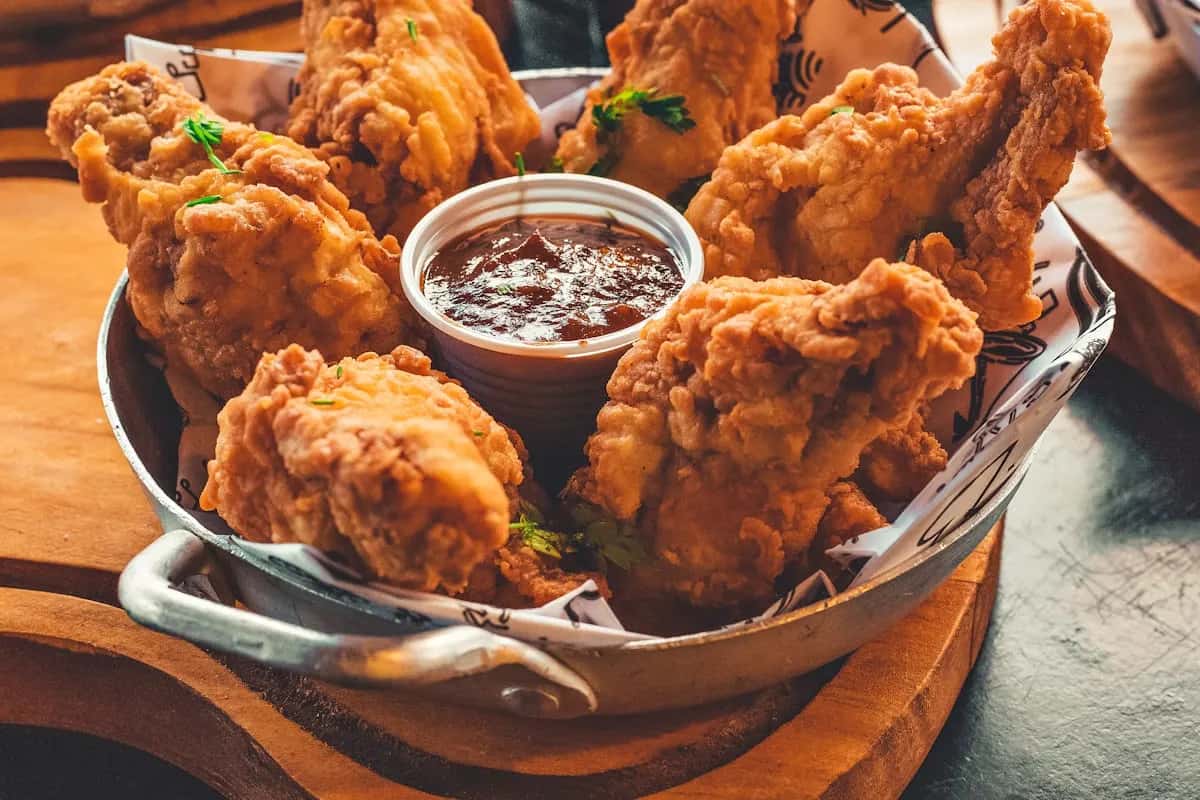
Chicken & BBQ
Chicken & BBQ
Chicken & BBQ
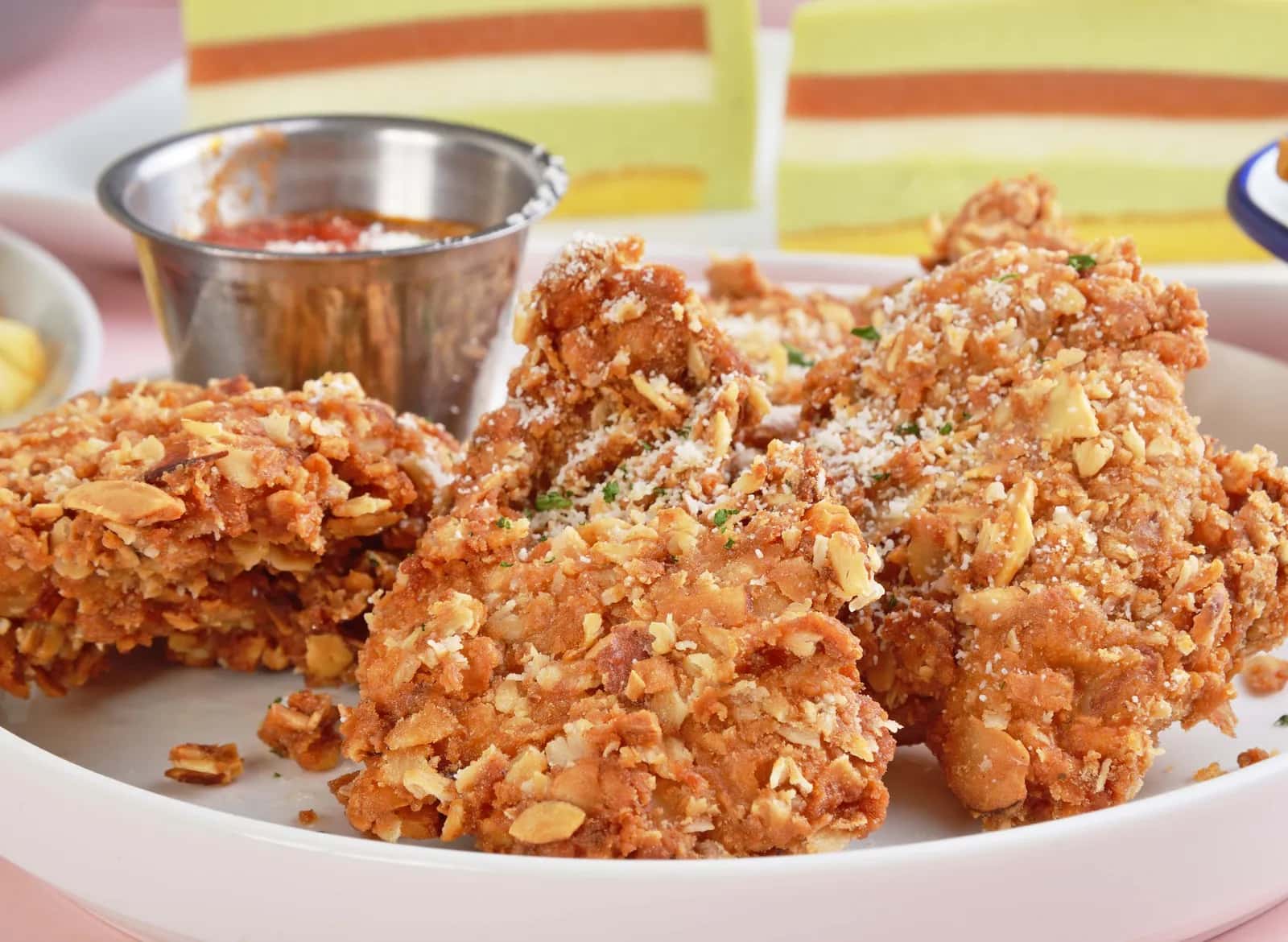
Chicken & BBQ
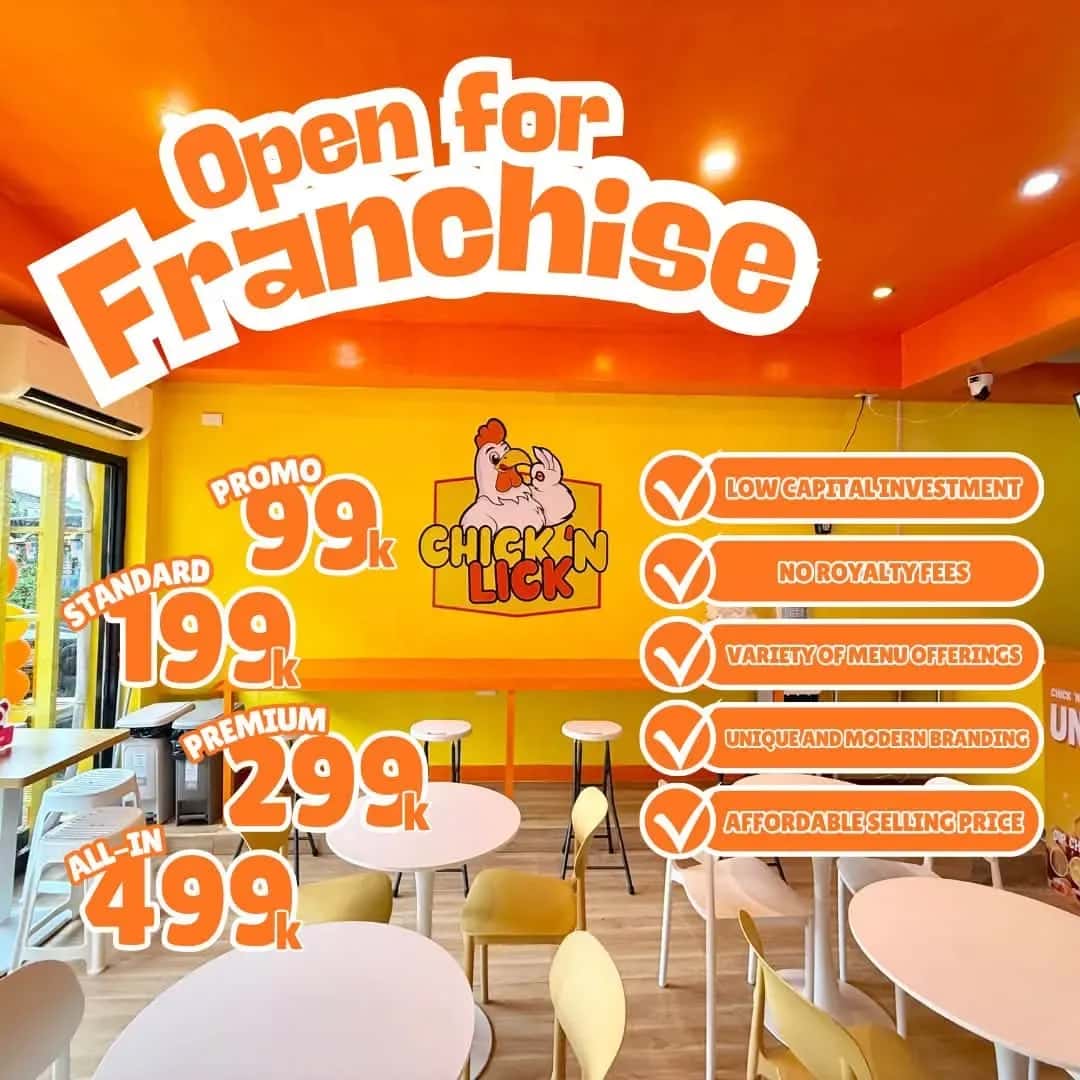
Chicken & BBQ
Compare chicken & BBQ franchises with other industries at the same budget, each with its own brands, fees and investment ranges.

Coffee, milk tea, and cold drink shops.
3 brandsFrom ₱17k
Sip Up Coffee, Chong Cafe, KoTea
See brands
Padala, parcel, and delivery outlets.
3 brandsFrom ₱10k
Ninja Van, J&T Express, Toktok
See brandsCompare industries by budget, daily work and payback before you choose one, free and with no pressure.

Learn how non-compete clauses work when exiting a franchise agreement in the Philippines, protecting your investment after closing.
Jul 20, 2026 5 min read
Learn practical inventory control steps for your Philippine franchise to cut waste, prevent loss, and protect your capital.
Aug 14, 2026 6 min read

Learn what dispute resolution clauses mean for Philippine franchisees. Protect your investment with this guide to arbitration, mediation, and litigation steps.
Jul 21, 2026 6 min read