TakoYum
Takoyaki & Japanese Snacks
- Franchise fee
- ₱17k
- Total investment
- ₱17k–₱30k
🎁 Start Your 1 Month Free Trial of the Full Plan, Exclusively for Brands & Advisors.Get Started
Browse a takoyaki & Japanese snack franchise up to ₱50k, with an investment of about ₱30k and a franchise fee of about ₱17k.
Updated
Under ₱50,000 is about as small as a franchise entry gets in takoyaki and Japanese snacks. The money runs from around ₱17,000 to just under ₱30,000, and the franchise fee takes up most or all of that either way. A food cart and a compact kiosk setup both fit inside this budget, though at this size the format is really just a small cooking rig rather than a built-out store. No payback figure comes with a budget this small, which says something about how basic the setup still is.
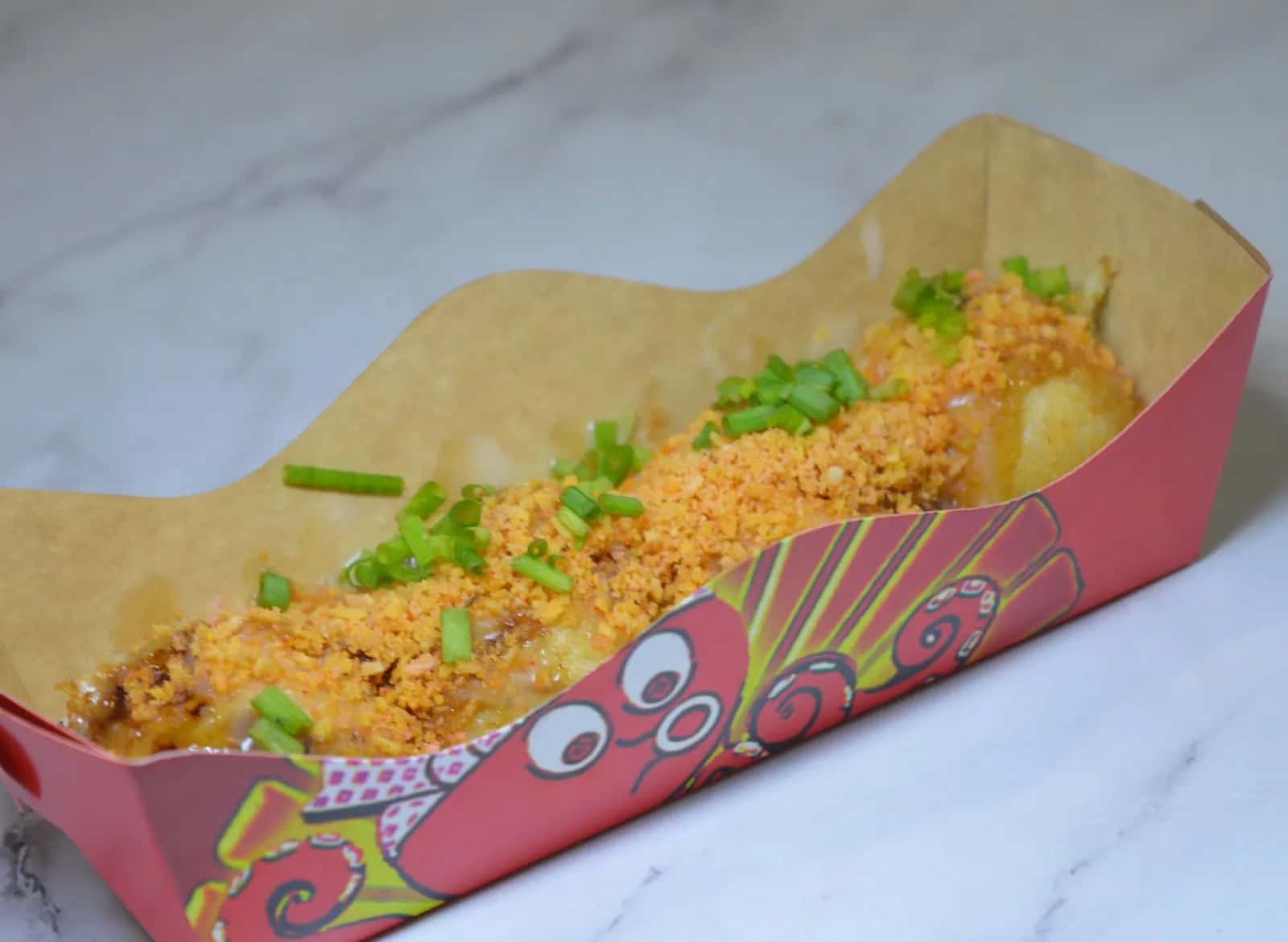
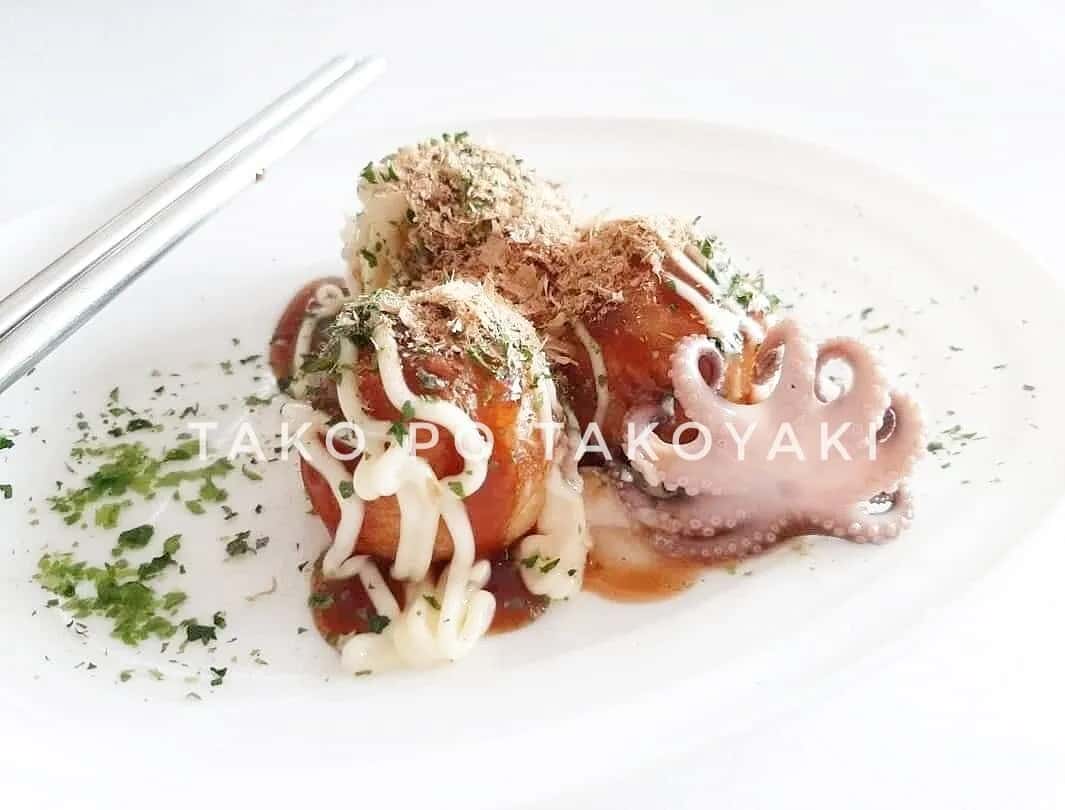
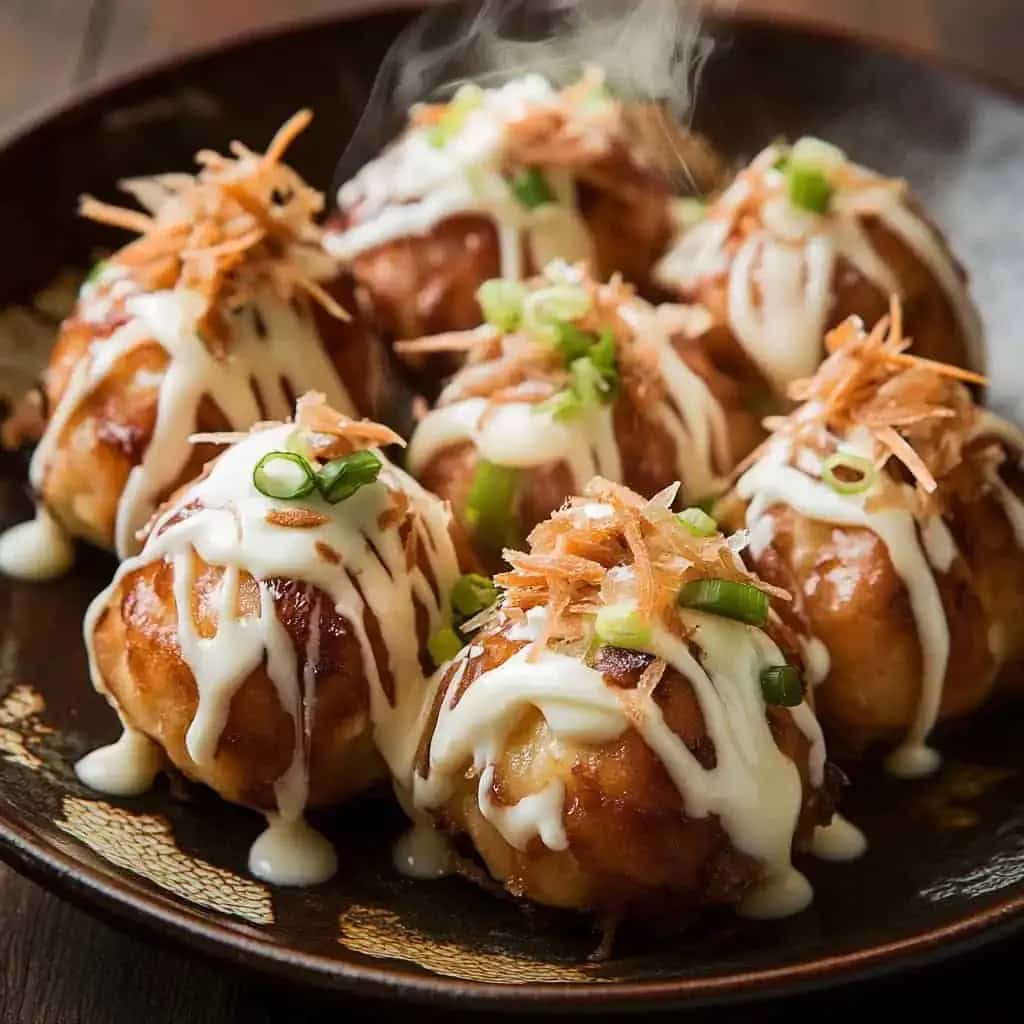
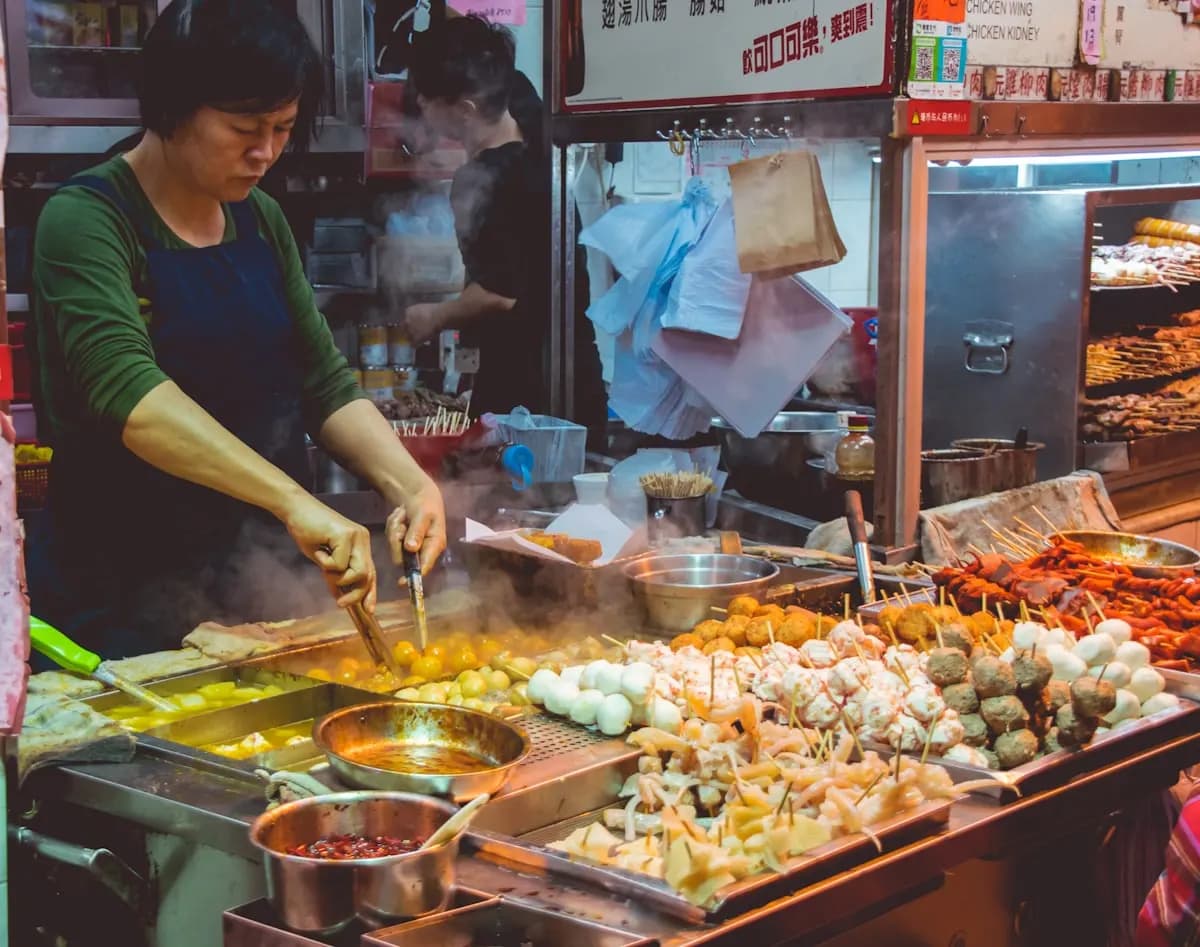
Takoyaki and other Japanese street snacks are built for a small footprint from the start, cooked to order in a few minutes off a compact griddle rather than needing a kitchen or seating. That is exactly the shape a budget this size can afford, since a cooking cart or a tabletop kiosk setup, not a store, is what the money buys. The category sells on convenience and a bit of curiosity rather than on being a destination. It does well parked near foot traffic that already exists: a sidewalk near a school, a spot inside a public market, the edge of a terminal. A franchise at this size is not competing with a sit-down restaurant for a planned visit. It is competing for the small, spontaneous decision to buy something hot and quick while already out and about. That makes location the single biggest factor in whether a setup this size earns back its cost, since the product itself is simple enough that most versions of it taste about the same to a passer-by.
Entry here runs from around ₱17,000 to just under ₱30,000, and the fee to use the brand sits at about ₱17,000 either way. That fee can be most or all of the lower end of that range. It leaves very little room for anything beyond the basic cooking equipment and a first batch of stock once the fee is paid. There is no reported payback figure attached to a budget this small, and that gap is worth taking at face value rather than filling in with a guess. A setup this size is close to the smallest version of the category. How quickly it earns back the money depends far more on the site and the hours worked than on anything the brand itself guarantees. Anyone entering at this level should treat the listed amount as the starting cost of the equipment and rights, not as a full business budget. Transport, a place to set up, and daily ingredient costs still have to come from somewhere once the counter opens.
Without a payback figure to lean on, the honest picture for the first year is built from the format itself rather than from a number this budget does not provide. A cart or a compact kiosk setup like this one earns back its cost order by order. The first months are about finding a spot with consistent walk-up traffic and then showing up for it daily, since a setup that only opens some days loses the habit customers would otherwise build. Costs at this scale are mostly variable rather than fixed, ingredients and gas and transport rather than a lease, so a slow week costs less than it would for a bigger build. It also means there is little cushion built into the setup itself. The realistic goal for a first year at this size is less about hitting a specific return. It is more about proving the spot and the routine work well enough to either keep going as is or use it as the base for something bigger later.
A food cart and a compact kiosk both fit under this budget. At this size the difference between the two is mostly the shape of the counter rather than a meaningfully different setup, since neither includes the fit-out or lease that a bigger format would need. What the money buys is the equipment to cook and serve, the right to use the brand and its recipe, and enough first stock to open, not a built space of any kind. A first-timer should assume anything beyond that comes out of pocket separately from the amount listed here: a cart's parking arrangement, a stall rental inside a market, permits, or a helper's wages. That is normal for a budget this size across the category, but it is worth going in clear-eyed about it. A setup that looks fully paid for on paper can still need extra working cash before the first sale happens. Treating the listed amount as the equipment and rights cost, rather than the whole cost of getting open, keeps the first weeks from running short.
Now that you've seen what's here, a real advisor can help you shortlist and weigh the options against your budget. Free, at your pace.

Financing Readiness · Site Selection

Franchise Agreements · Multi-Unit Expansion

Low-Capital Startups · Site Selection

Low-Capital Startups
Are you a franchise advisor?Get your own workspace here
Compare takoyaki & Japanese snack franchises with other food & beverage businesses up to ₱50k, each with its own brands, fees and investment ranges.
Get honest answers on fees, payback and the best setups for your area, free and with no pressure.
Once you know the ₱50k target for a takoyaki & Japanese snack franchise, ask the franchisor whether they have partner banks or financing arrangements. Some franchisors work with lenders who already understand their business model, which can make approval smoother. Ask for contact details, then still compare that offer with an independent bank or cooperative to make sure the terms are fair. A franchisor-linked loan is convenient, but convenience alone should not decide where you borrow.
Beyond ₱50k, set aside money for extra equipment you may find you need once the outlet is running. Even when a package includes machines, it is often built around a basic setup, and a second unit of a busy machine, more storage or a backup device can speed up service. Each addition comes out of your own pocket, so open with the standard setup first, watch where customers wait or staff get stuck, and buy extras only when they fix a bottleneck you have actually seen.
In takoyaki & Japanese snack, a budget of ₱50k leads to food carts with 1 franchise and kiosks with 1. Some setups are designed for quick transactions while others give customers room to stay, and that difference changes both the space you need and the crowd you attract. Think about whether people near your spot are rushing past or have time to linger, and choose the format that matches their pace. Getting this match right helps the space feel natural to the people you serve.
A ₱50k takoyaki & Japanese snack franchise can be a good first choice, and an encouraging sign is a franchisor who is open about costs and asks you questions too. Careful franchisors screen applicants because a struggling outlet hurts the whole network. If you are being rushed to pay a reservation fee before seeing the agreement, slow down. Request the full documents, read them at home, and decide on your own schedule.
Offers priced up to ₱50k commonly include the franchise fee, equipment and starting stock, with training and signage frequently added. A franchisor may also offer different package tiers at different prices, each with its own inclusions. Ask to see every package tier the franchisor offers, side by side, so you can tell whether paying more actually buys you items you need or only extras you could skip.
Compare how many takoyaki & Japanese snack franchises start at each budget level, from the smallest packages up.
Takoyaki & Japanese Snack franchises priced close to your budget, worth a look if you can stretch your savings or want to spend less.
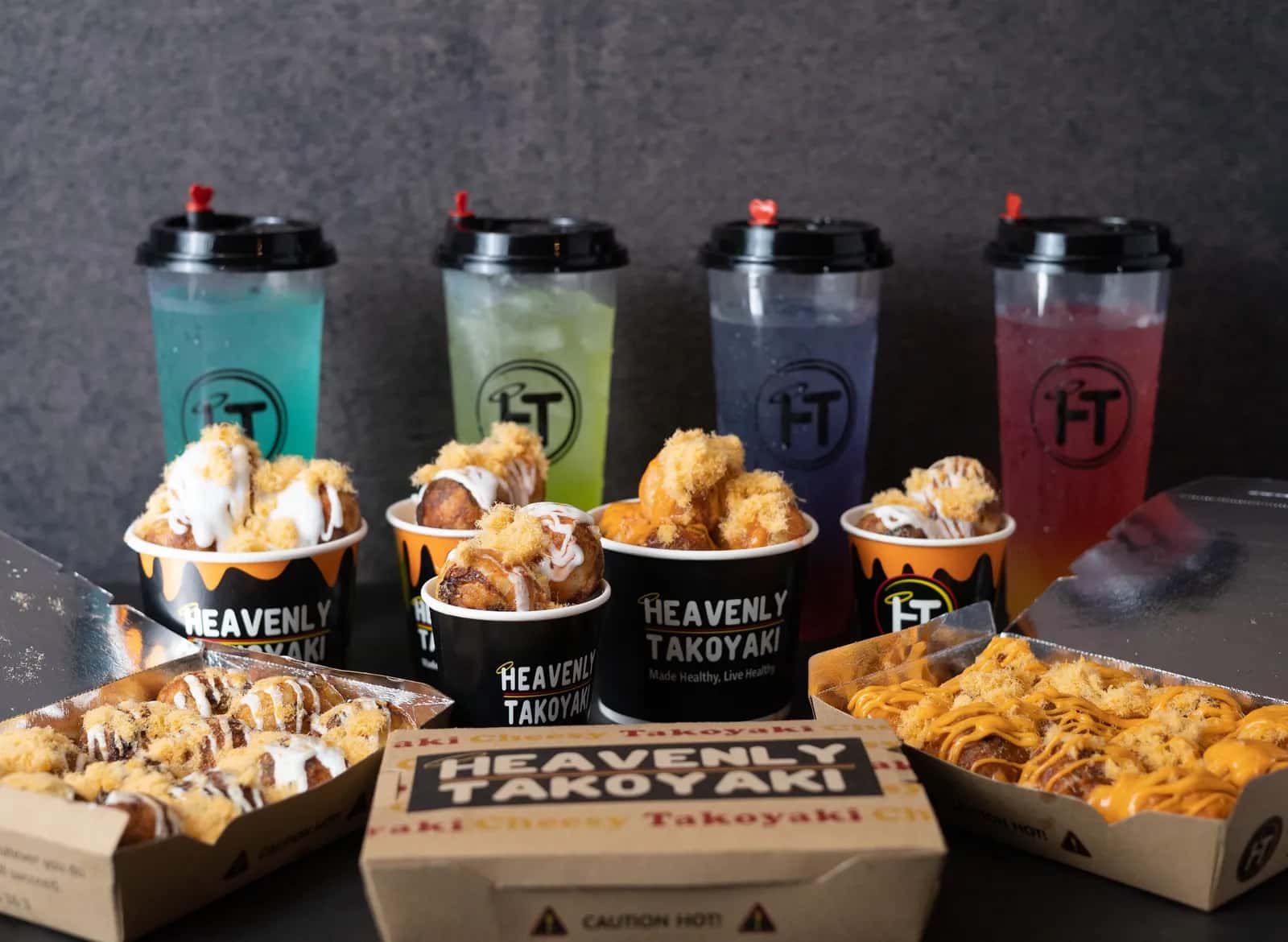
Takoyaki & Japanese Snacks
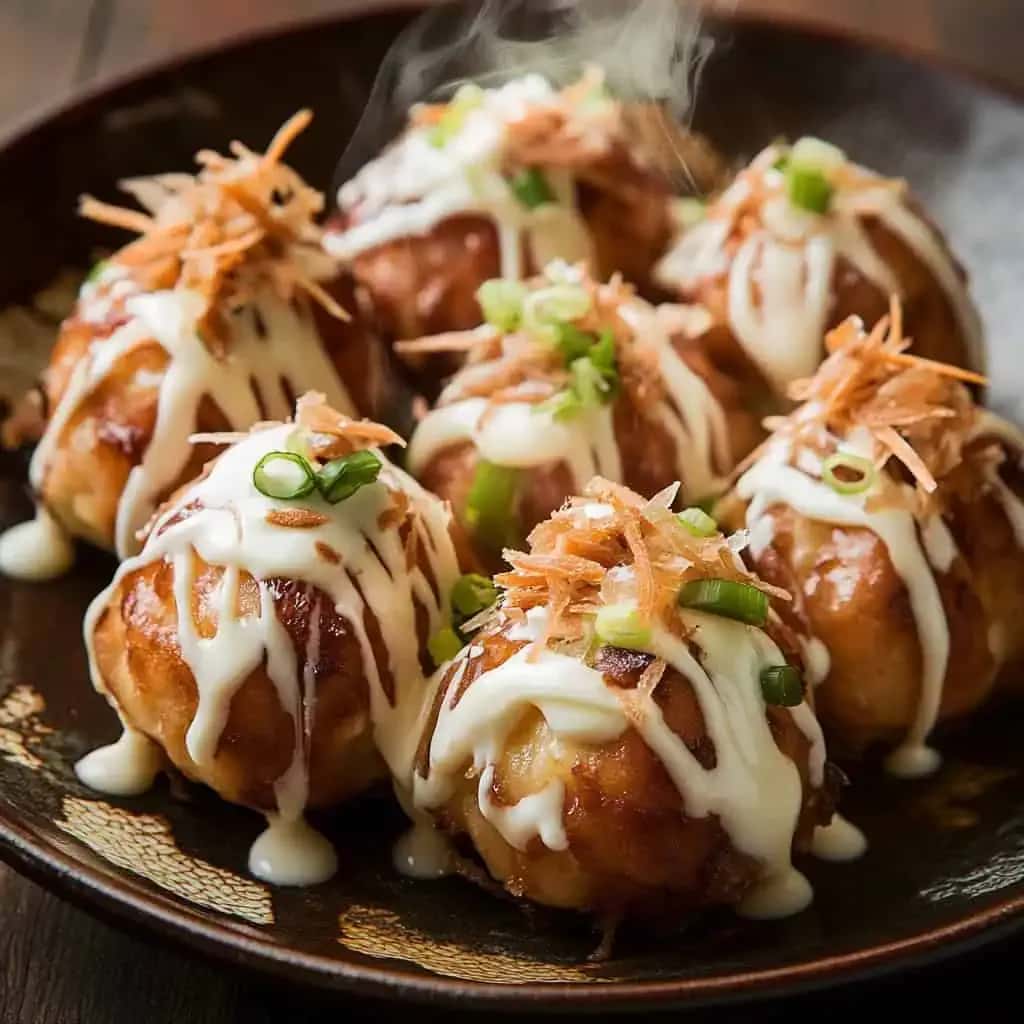
Takoyaki & Japanese Snacks
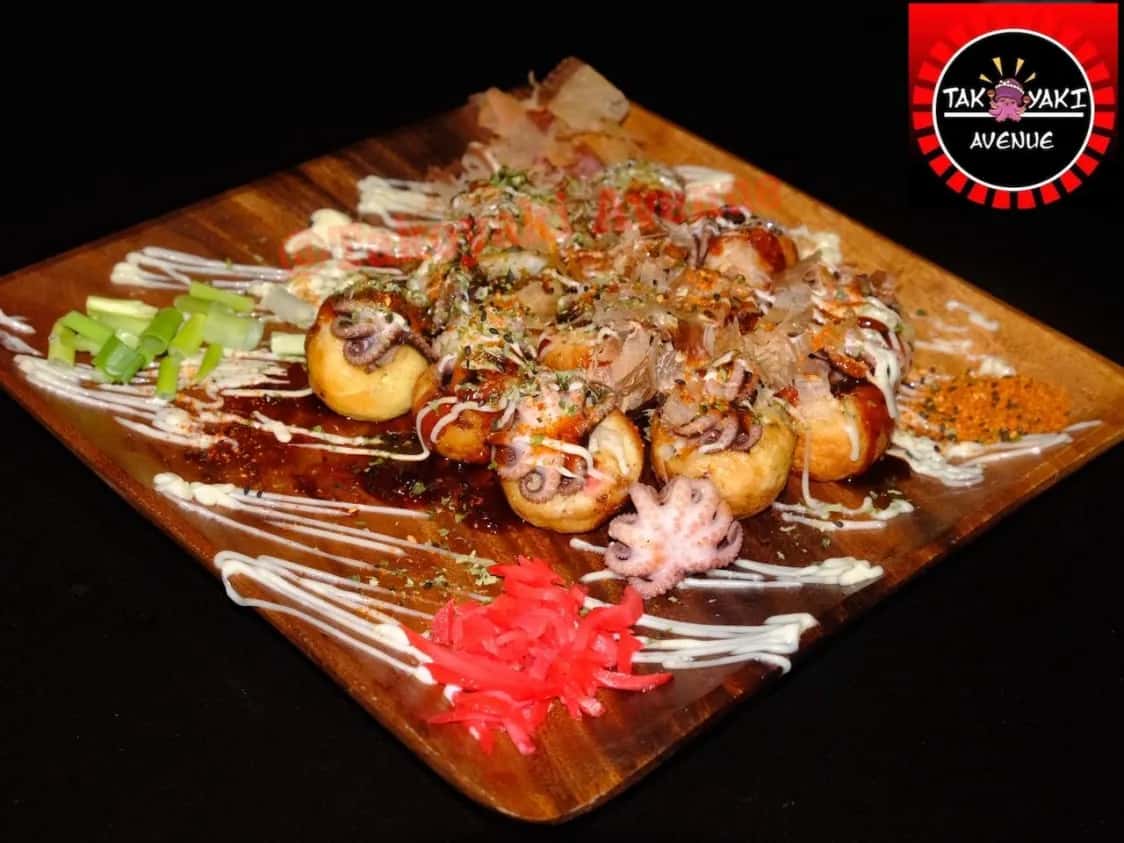
Takoyaki & Japanese Snacks
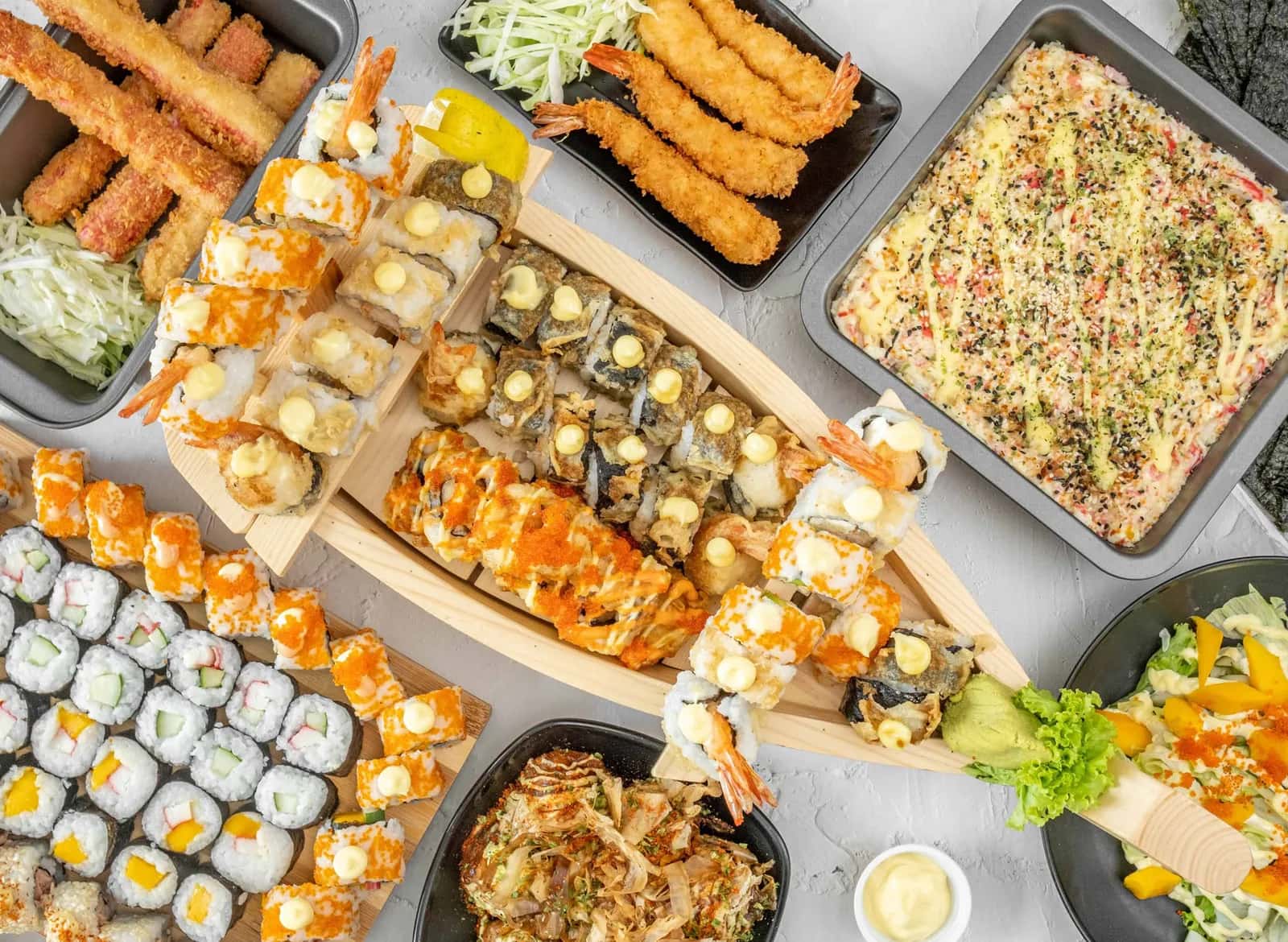
Takoyaki & Japanese Snacks
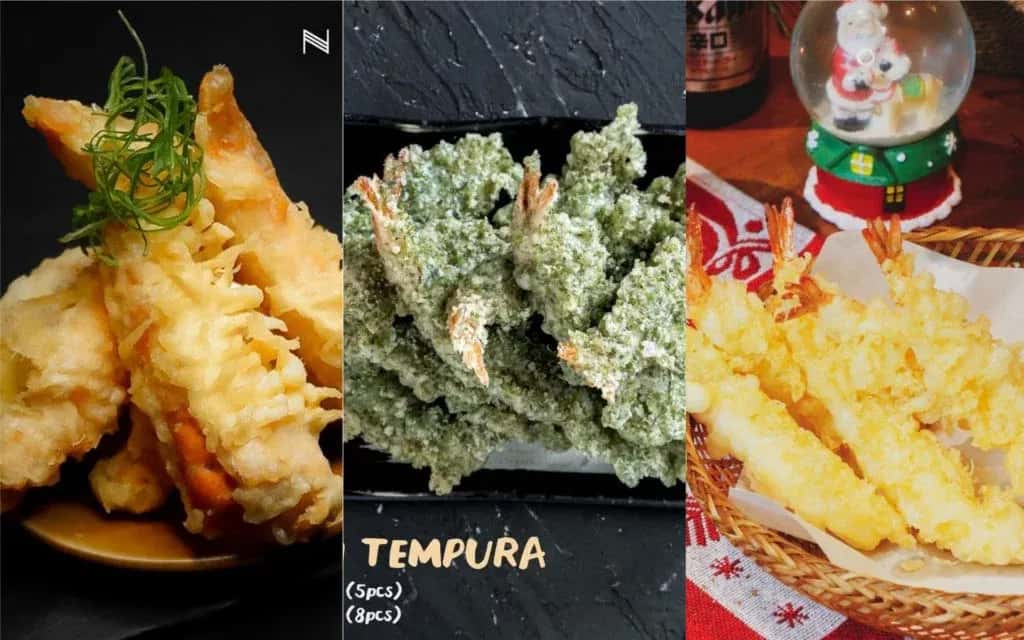
Takoyaki & Japanese Snacks
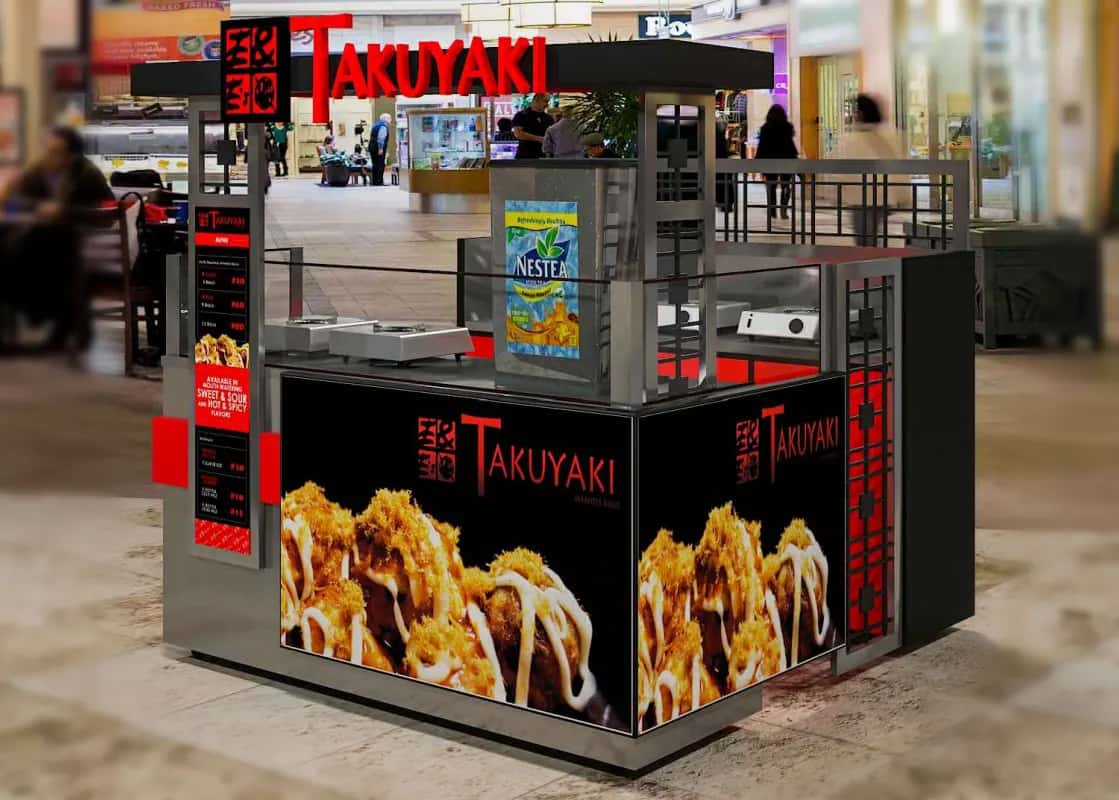
Takoyaki & Japanese Snacks
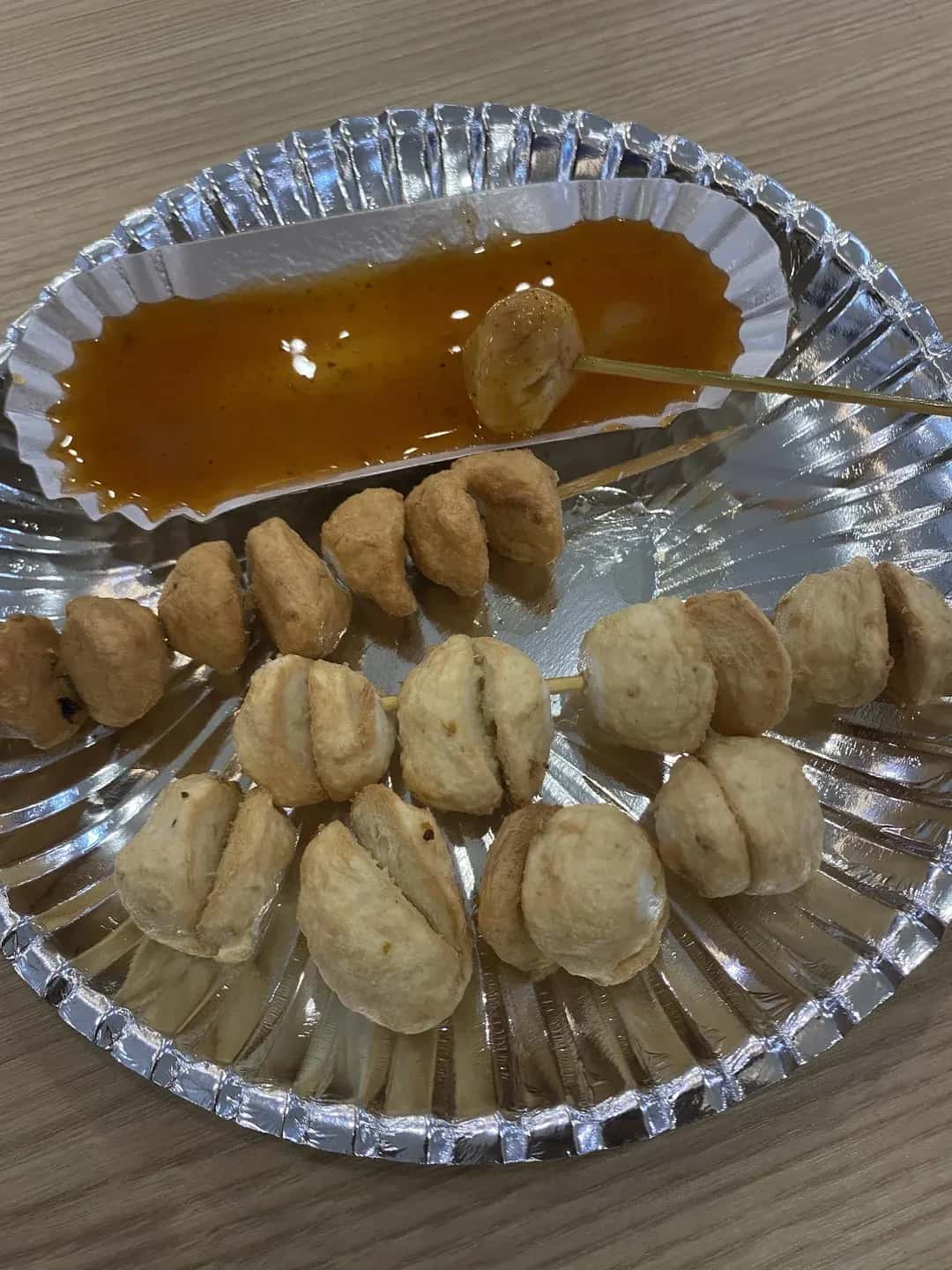
Takoyaki & Japanese Snacks
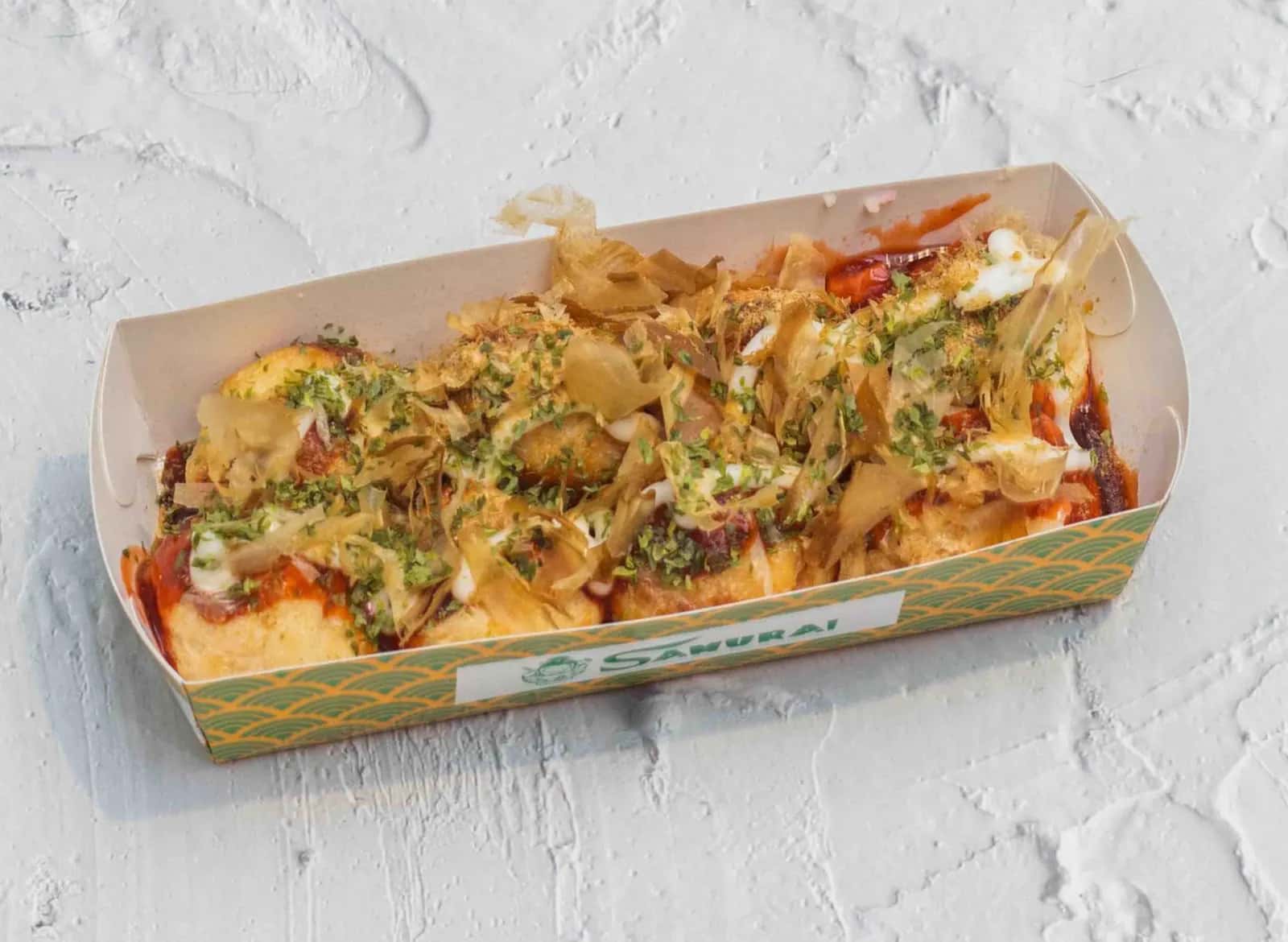
Takoyaki & Japanese Snacks
Compare takoyaki & Japanese snack franchises with other industries at the same budget, each with its own brands, fees and investment ranges.

Coffee, milk tea, and cold drink shops.
3 brandsFrom ₱17k
Sip Up Coffee, Chong Cafe, KoTea
See brands
Padala, parcel, and delivery outlets.
3 brandsFrom ₱10k
Ninja Van, J&T Express, Toktok
See brandsCompare industries by budget, daily work and payback before you choose one, free and with no pressure.

Learn how non-compete clauses work when exiting a franchise agreement in the Philippines, protecting your investment after closing.
Jul 20, 2026 5 min read
Learn practical inventory control steps for your Philippine franchise to cut waste, prevent loss, and protect your capital.
Aug 14, 2026 6 min read

Learn what dispute resolution clauses mean for Philippine franchisees. Protect your investment with this guide to arbitration, mediation, and litigation steps.
Jul 21, 2026 6 min read