Jam Chicharon
Packaged Snacks
- Franchise fee
- ₱50k
- Total investment
- ₱150k–₱300k
🎁 Start Your 1 Month Free Trial of the Full Plan, Exclusively for Brands & Advisors.Get Started
Browse 2 packaged snack franchises up to ₱300k, with investments from ₱250k to ₱300k, a franchise fee of about ₱50k, and most paying back in about 12 months.
Updated
Packaged Snacks
Packaged Snacks
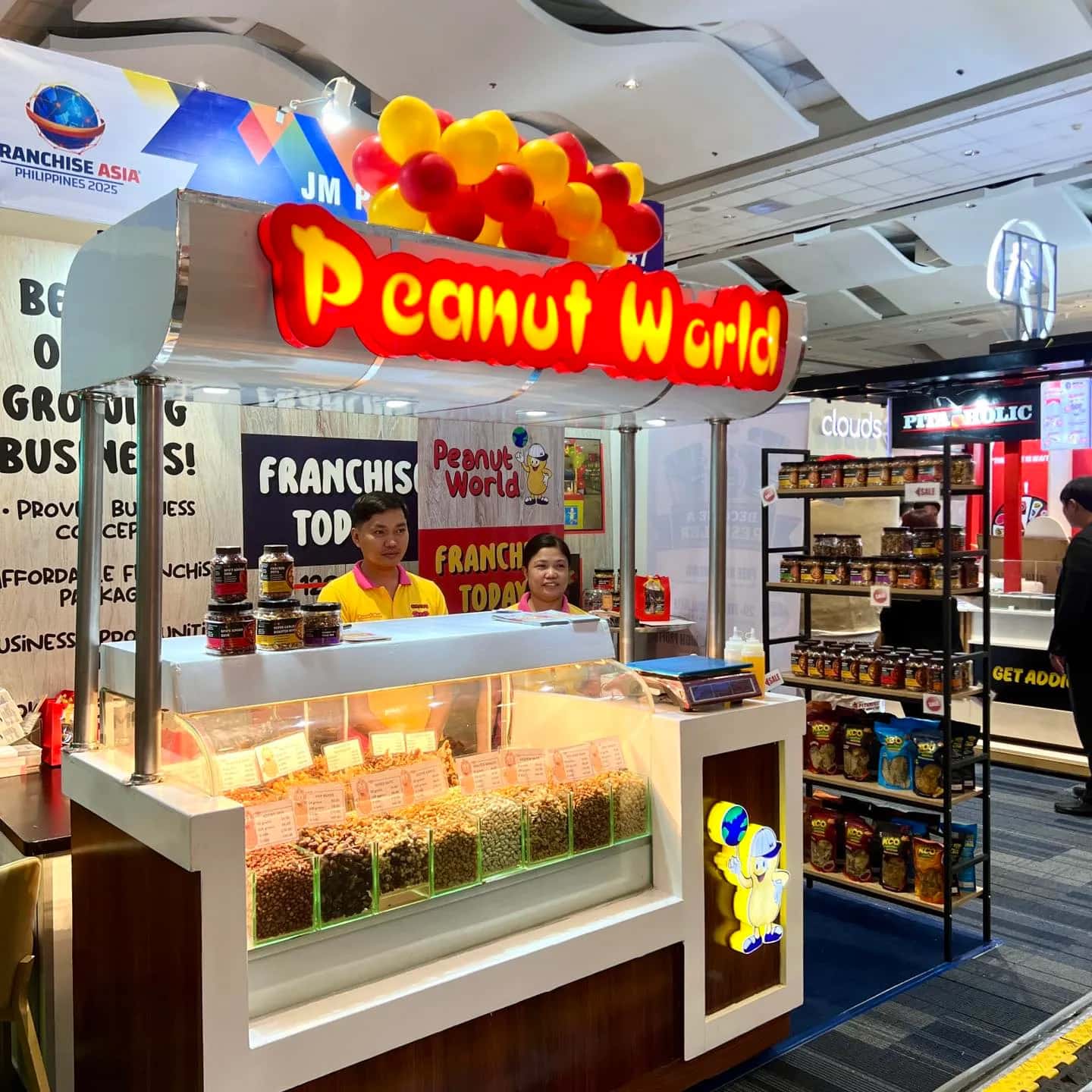
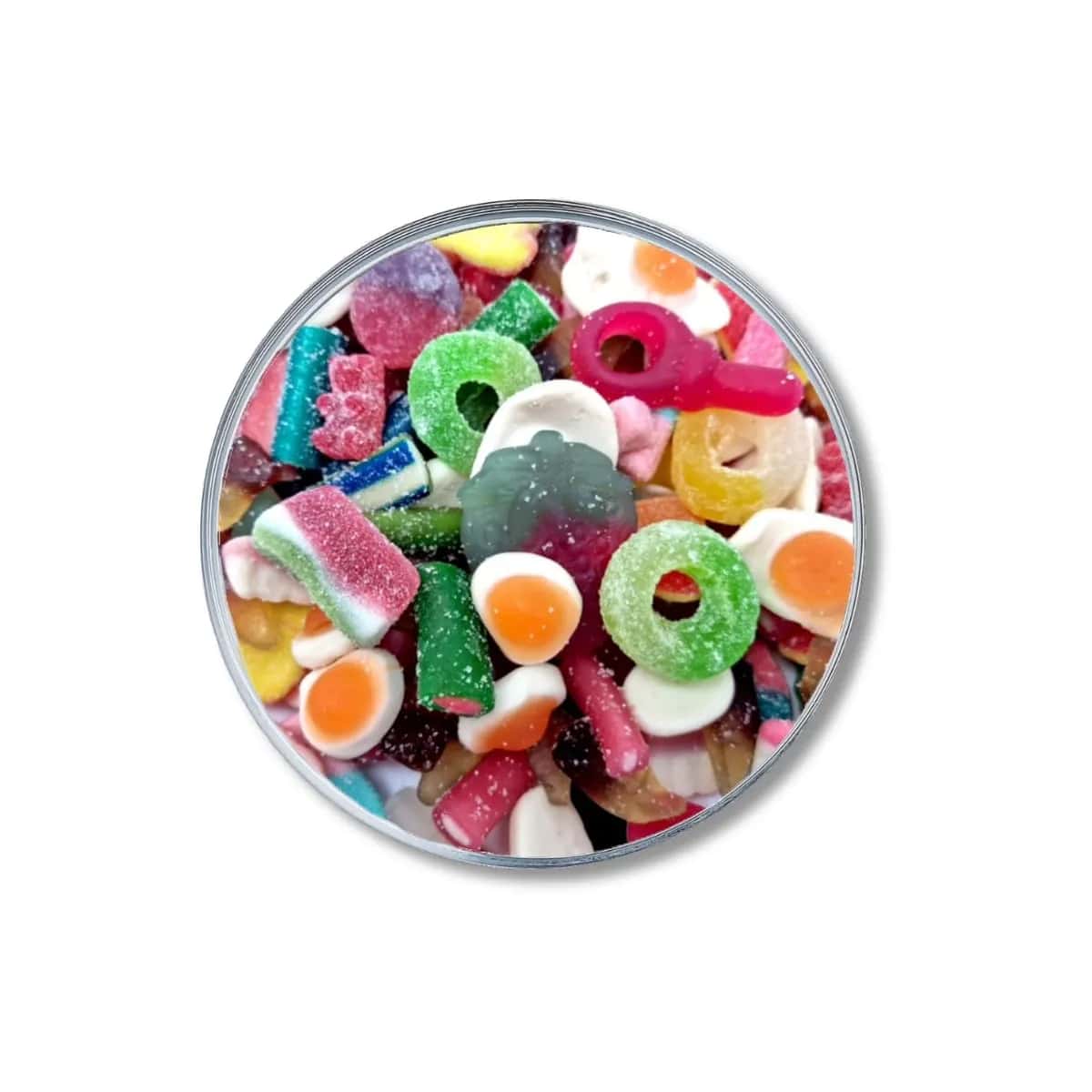
Packaged snacks up to ₱300,000 run entirely as a food cart, with the fee flat near ₱50,000 whichever offer is picked. Total investment spans roughly ₱150,000 at the entry point to the top of this budget, and that gap comes down almost entirely to the cart build and the opening stock rather than the fee. Payback lands around a year across the range. This is a mobile, low-overhead way into the category, built for someone starting small rather than opening a shop.
With the fee pinned near ₱50,000 across the range, the difference between ₱150,000 and the top of this budget comes from the cart itself and what fills it on day one. A basic build with minimal signage and a starter batch of stock sits at the entry point. Spending closer to the top buys sturdier equipment, better branding on the cart, and enough opening inventory to avoid a restock trip in the first week. Neither end changes what the business actually does, since both are the same cart format with the same fee behind them. A buyer with the full ₱300,000 available is not buying a bigger business, only a better-equipped version of the same one. It is worth weighing whether that extra spend on finish beats holding it back as working capital for the slow weeks every new stall goes through before a routine sets in. A cart with a little cash in reserve survives a quiet first month better than one that spent everything on paint and lettering.
This budget does not stretch to a kiosk or a storefront in packaged snacks, so every offer on the table is a food cart, built to move rather than sit fixed in one spot. That is not a limitation so much as the point of the format. A cart can test a corner for a few weeks and move to a busier one if the first choice underperforms, an option a fixed counter simply does not have. It also keeps overhead close to nothing beyond the stock itself, since there is no lease to carry while sales build. The tradeoff is exposure to weather and foot traffic that a covered stall answers better. A visible, storage-friendly spot matters more here than in almost any other format, since a cart carries less backup stock than a shelf-lined counter would. Shade, a nearby tap for cleaning, and enough room to park the cart overnight all count as real advantages worth checking before settling on a spot.
Day to day, this is a one-person operation for most of the week, with the owner setting up, watching the till, and restocking from whatever storage the cart carries. Packaged snacks sell in volume rather than through a handful of large orders, so the daily count of transactions decides the outcome far more than any single sale. Payback landing around a year reflects how quickly a cart earns back a modest investment once a regular crowd of customers forms, but that year assumes steady hours kept without long gaps. A cart that closes for stretches at a time loses the routine that keeps customers coming back to the same spot out of habit. Stock control matters too, since packaged goods carry expiry dates and unsold inventory sitting in a cart is capital that cannot be spent elsewhere.
This level suits a reader testing packaged snacks as a category before committing more, or someone who wants a schedule they control without carrying a lease. It is not the budget for someone picturing a proper storefront from the outset, since nothing at this price includes one. Someone who already has a corner or a market spot in mind, rather than planning to search for one after signing, starts from a real advantage here. Margins on individual items stay thin, so the business leans on repeat buyers who treat the cart as a regular stop rather than a one-time purchase. Growth from a single cart at this budget usually means a second cart in a different spot once the first proves it can run steadily. That keeps the same low-cost format rather than jumping straight to a bigger one, and it lets an owner test a new spot without risking the income the first cart already earns.
Now that you've seen what's here, a real advisor can help you shortlist and weigh the options against your budget. Free, at your pace.

Financing Readiness · Site Selection

Franchise Agreements · Multi-Unit Expansion

Low-Capital Startups · Site Selection

Low-Capital Startups
Are you a franchise advisor?Get your own workspace here
Compare packaged snack franchises with other food & beverage businesses up to ₱300k, each with its own brands, fees and investment ranges.
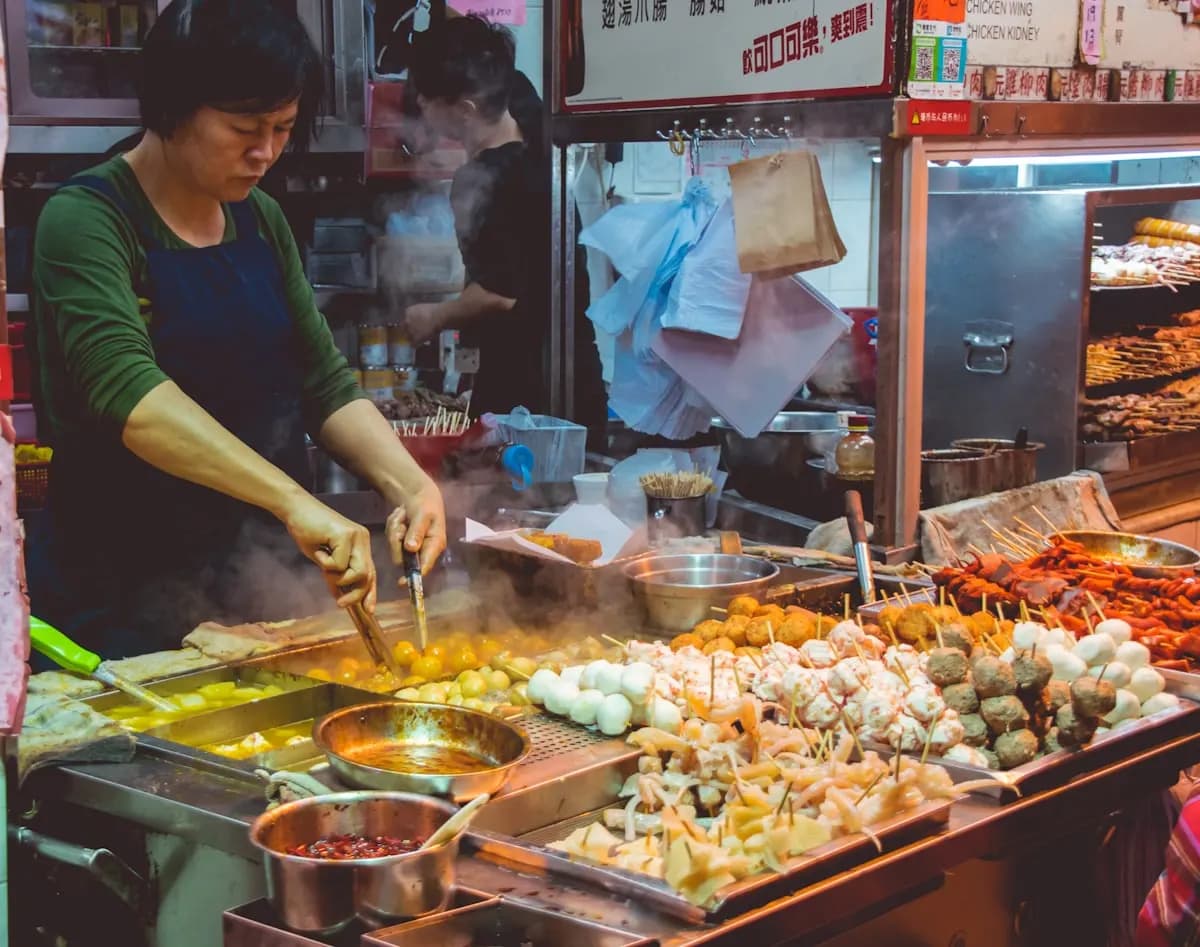
Fishball, siomai, and grab-and-go bites.
23 brandsFrom ₱150k
Chings Fried Noodles, Captain Calamares, Pinoy Hot Balls +20 more
See brands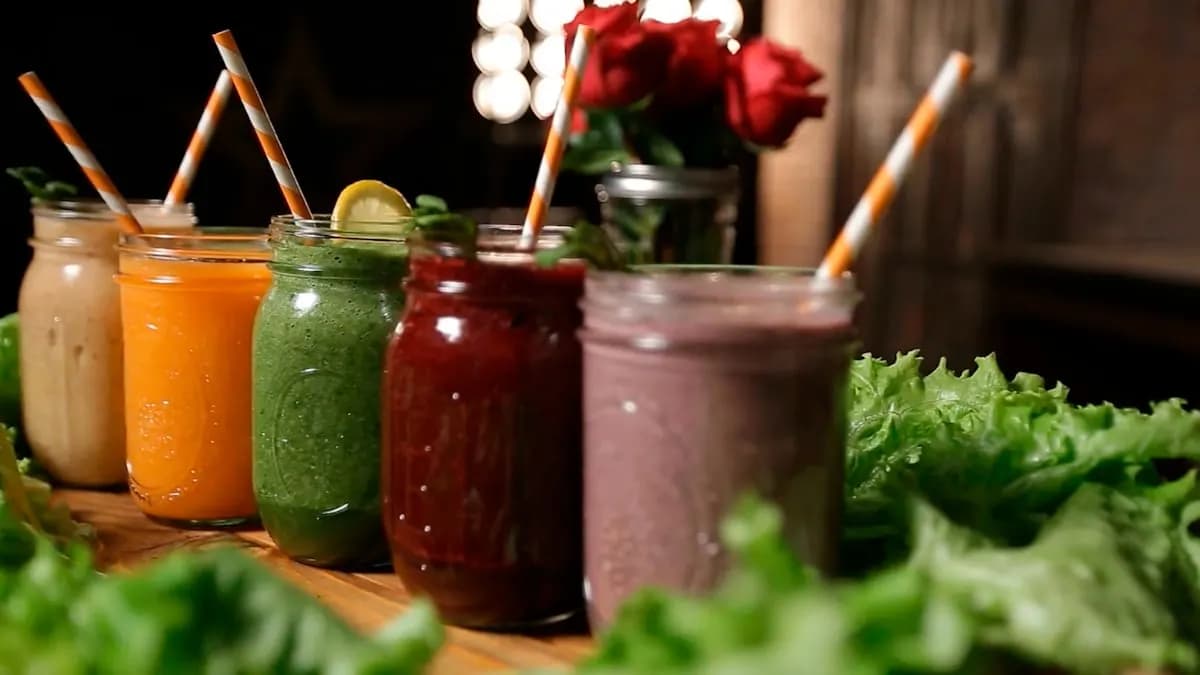
Fresh juices, shakes, and smoothie bars.
11 brandsFrom ₱150k
Chillz Black Pearl Shake, Coolers Delight, Chambee +8 more
See brands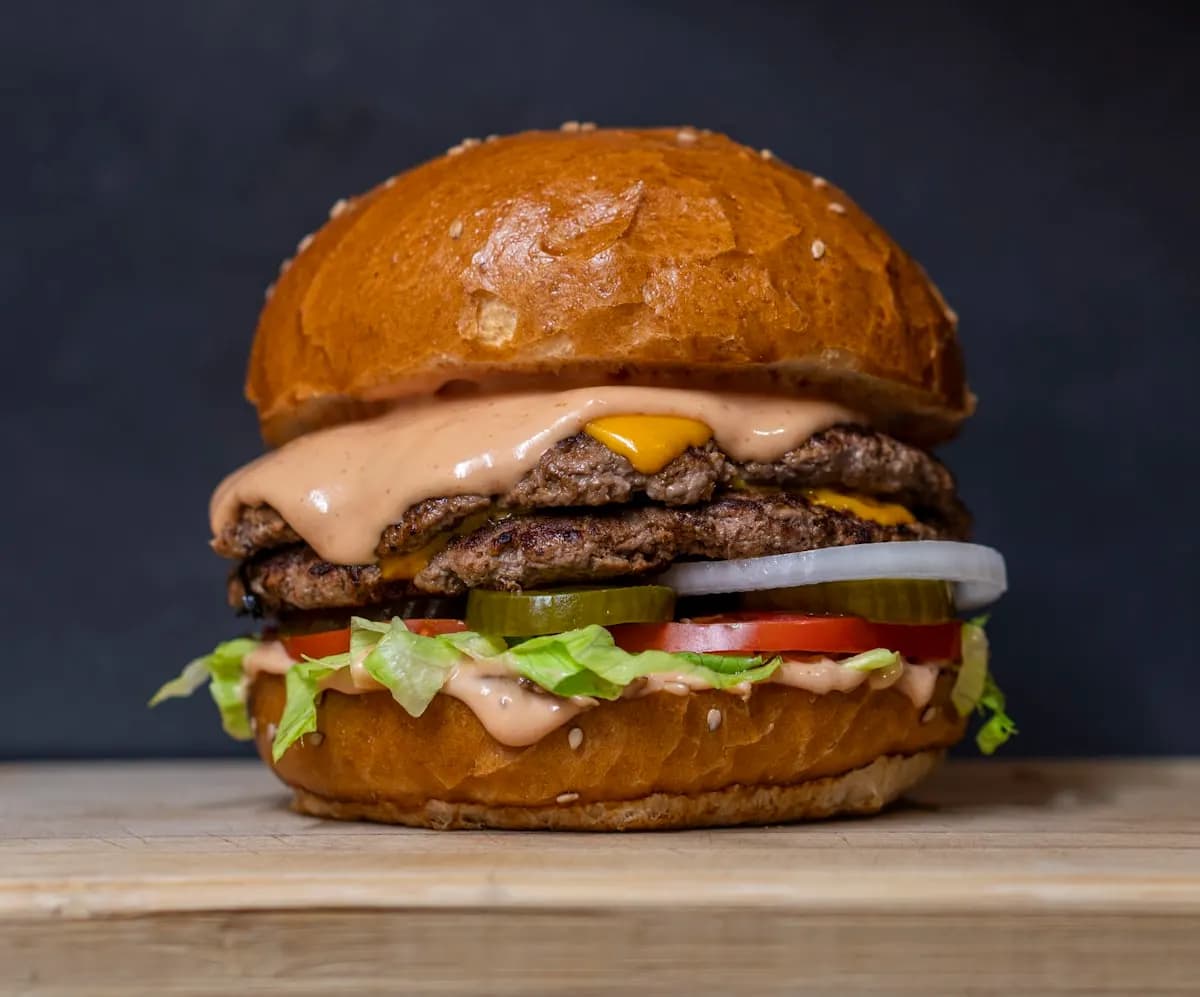
Burger joints and snack grills.
8 brandsFrom ₱150k
Frank's n Burgers, Heaven's Hamburger, Papa Burger +5 more
See brands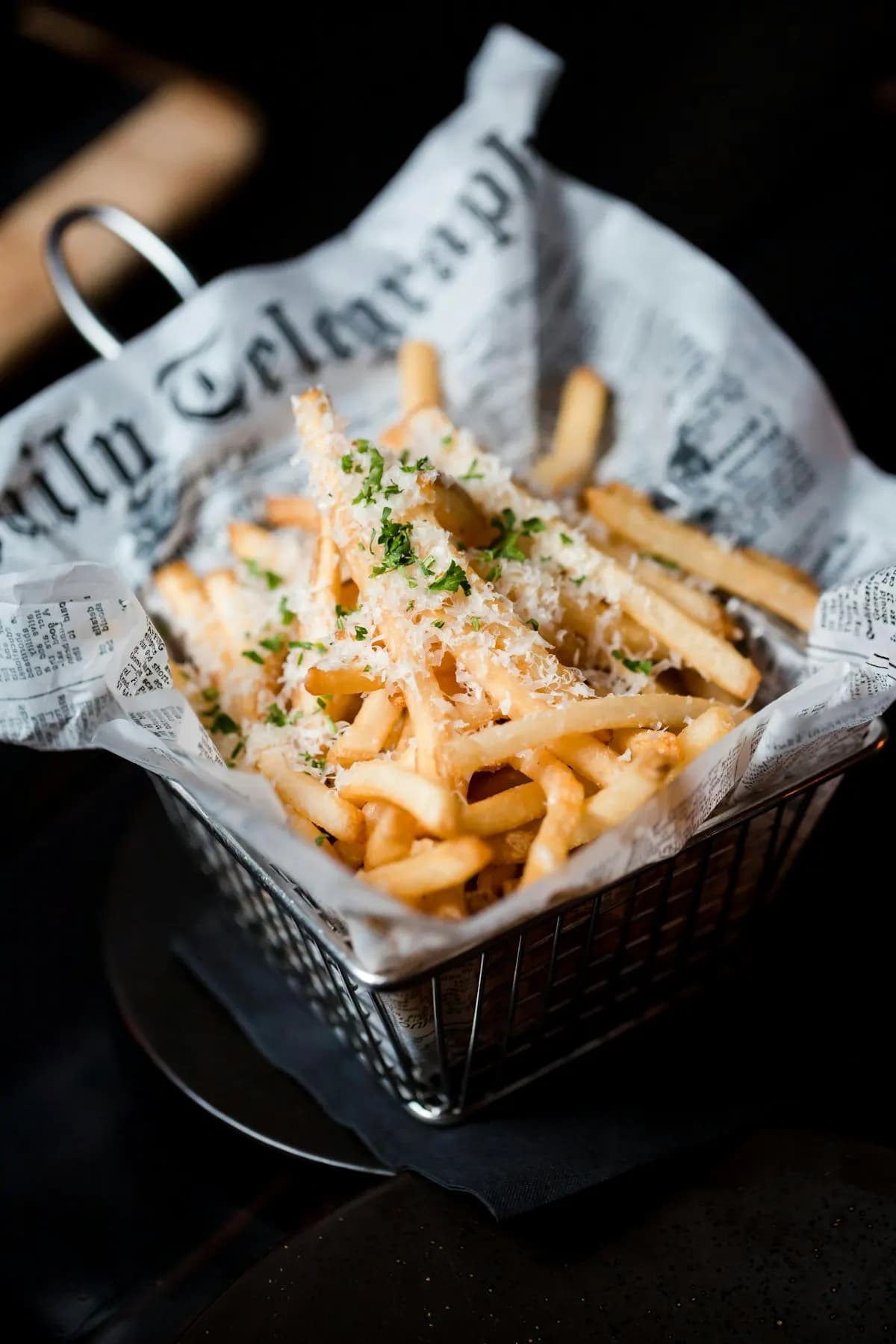
7 brandsFrom ₱149k
Sip Fries, Potdog Yummy Yes Delights, Hot Potato +4 more
See brands
Homegrown Filipino food concepts.
5 brandsFrom ₱30k
99 Silog, Brgy Silog, Pastil sa Tabi +2 more
See brands
Roast chicken, inasal, and grilled favorites.
4 brandsFrom ₱150k
Botoy's Litson Manok.BBQ.Liempo, Manoktok, Hey Chicken +1 more
See brands
Ice cream, halo-halo, and sweet treats.
4 brandsFrom ₱150k
I Love Ice Cream, Mr. Float, Sagoman +1 more
See brands
4 brandsFrom ₱150k
Koyaki, Yasai Chikara Takoyaki, Heavenly Takoyaki +1 more
See brandsGet honest answers on fees, payback and the best setups for your area, free and with no pressure.
Counting only listings between ₱200k and ₱300k, two packaged snack franchises are open to ₱300k. Ranges matter because a franchise at the bottom and one at the top can look equal in a list yet ask for very different sums. Look at the gap between the lowest and highest package in the pool, then ask what the extra money buys. A narrow gap suggests similar offers, while a wide gap means you should compare the inclusions closely before choosing.
Supplier deposits and cash-on-delivery terms can require money beyond ₱300k before your outlet earns anything. New franchisees often do not have credit terms yet, so every order may need to be paid upfront until a track record is built. Ask the franchisor and other suppliers what payment terms new owners receive, and keep enough cash to cover several full orders while you establish trust.
Check the opening shopping list, because ₱300k must also pay for the first round of products and supplies. The two packaged snack franchises quoting an investment between ₱200k and ₱300k may count only part of the starting inventory inside the package. Ask for the initial order with quantities and prices, include packaging and small consumables, and add the figure to the quote. A first stock order larger than expected is a common reason a budget runs short.
Your budget of ₱300k opens up food carts with 2 franchises in the packaged snack category. Smaller formats usually need less floor area and fewer hands, while larger ones ask for more staff and longer operating hours to pay off. Take a tape measure to the spot you have in mind and note its exact dimensions, then ask each franchisor whether their setup fits that footprint before you go further.
In plain terms, the ₱300k you pay for a packaged snack franchise is a bundle that gets you started, and the franchisor decides what goes in it. Many bundles include equipment, supplies, training and signage. Ask the franchisor for photos or a video of a complete package laid out before installation, because seeing every box and machine in one place makes vague promises much easier to pin down.
Downsizing the package is one route to a smaller gap, so see whether a compact version priced between ₱200k and ₱300k exists instead of ₱300k. Franchisors that sell several packages often let savings cover most of the cheaper one. Weigh the inclusions side by side, then fund whichever your own money and a modest loan can handle. Lower borrowing also brings gentler monthly repayments, handy while early sales are still growing.
Owners who learn fast tend to do well, so a ₱300k packaged snack franchise suits a beginner who is willing to be taught. Expect to follow set steps and standards for the first months instead of improvising. Ask the franchisor how a new owner is evaluated during that period and what happens if you need extra coaching. Being open to feedback matters more at the start than having prior experience.
Compare how many packaged snack franchises start at each budget level, from the smallest packages up.
Packaged Snack franchises priced close to your budget, worth a look if you can stretch your savings or want to spend less.
Packaged Snacks
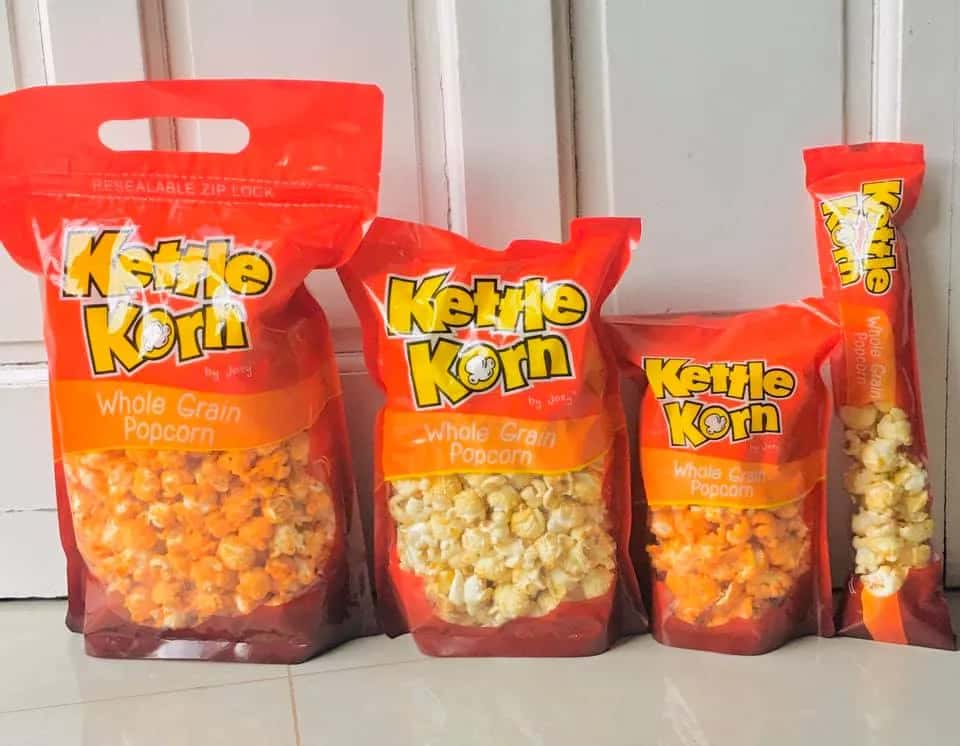
Packaged Snacks
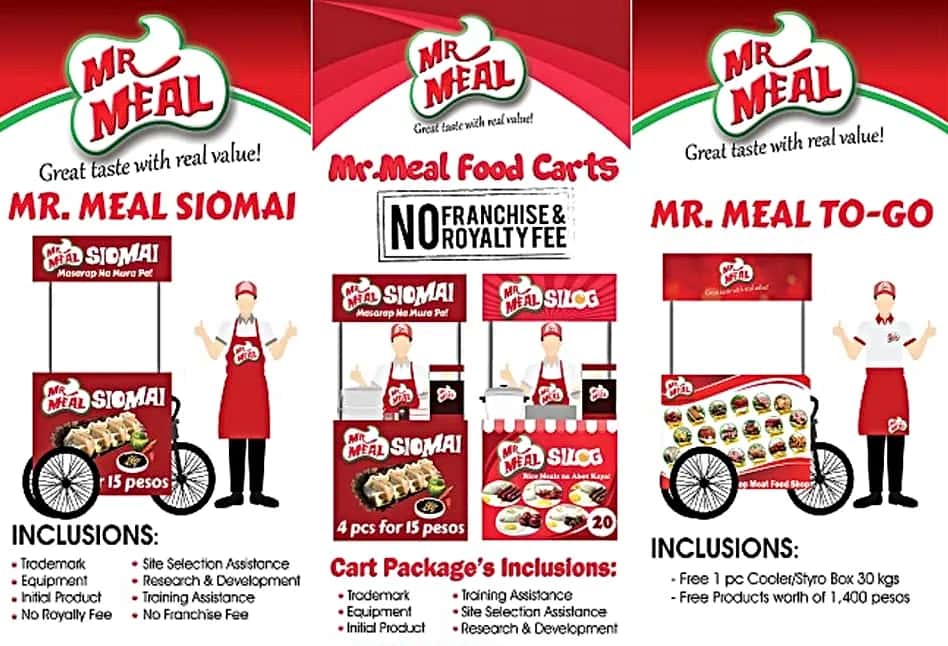
Packaged Snacks
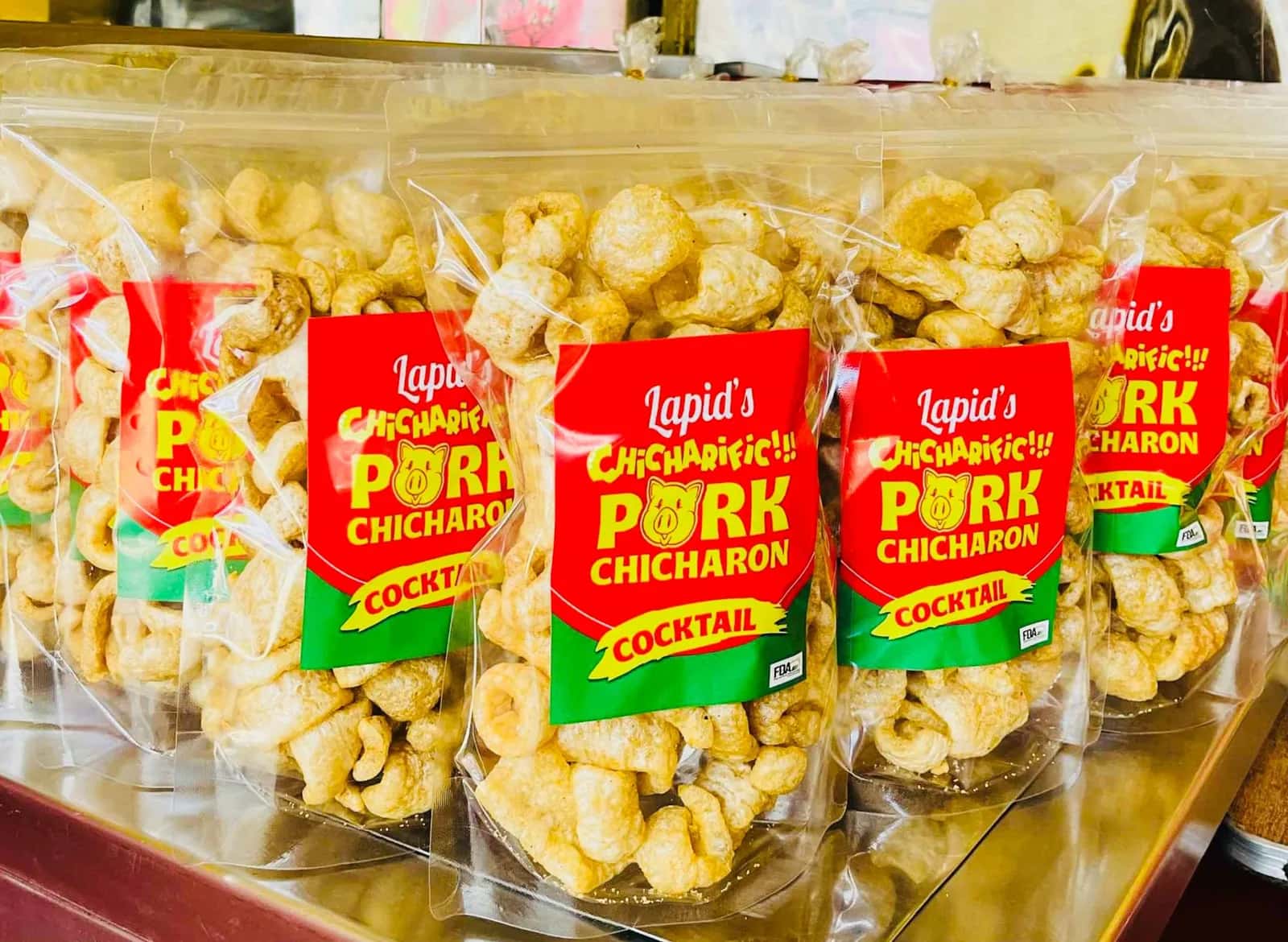
Packaged Snacks
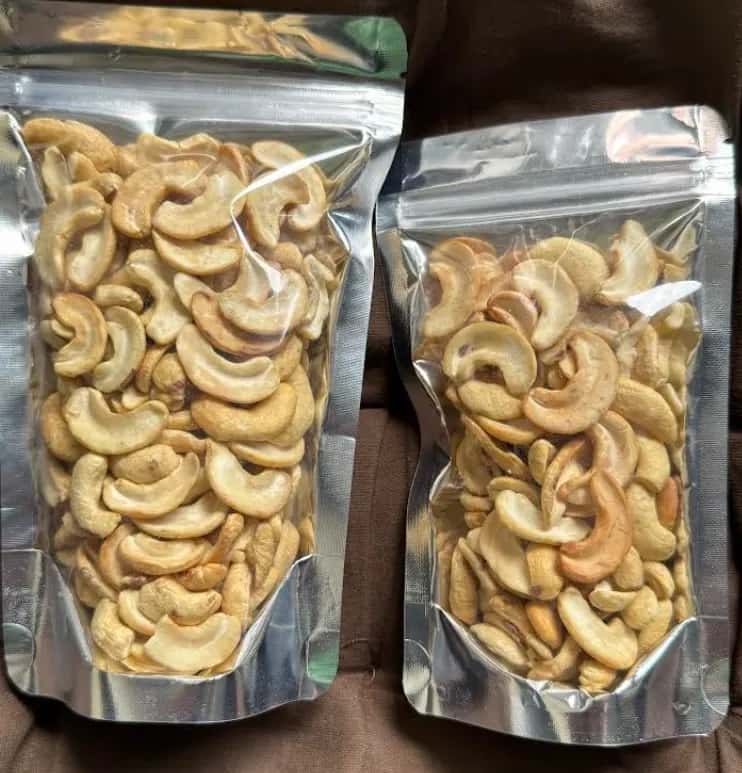
Packaged Snacks
Packaged Snacks

Packaged Snacks
Packaged Snacks
Compare packaged snack franchises with other industries at the same budget, each with its own brands, fees and investment ranges.

Coffee, milk tea, and cold drink shops.
7 brandsFrom ₱150k
I Love Milk Tea, Milktealicious, Zan's Gallon Milktea +4 more
See brands
Bread, cakes, and pastry shops.
2 brandsFrom ₱150k
Puto ni Bumbong, Choo-Choo Waffle Station
See brandsCompare industries by budget, daily work and payback before you choose one, free and with no pressure.

Learn practical inventory control steps for your Philippine franchise to cut waste, prevent loss, and protect your capital.
Aug 14, 2026 6 min read
Learn how non-compete clauses work when exiting a franchise agreement in the Philippines, protecting your investment after closing.
Jul 20, 2026 5 min read

Learn how to secure financing for your Philippine franchise, from preparation to approval. A practical guide for new operators and OFWs.
Jul 20, 2026 5 min read