Siomai San
Siomai & Dimsum
- Franchise fee
- ₱30k
- Total investment
- ₱80k–₱150k
🎁 Start Your 1 Month Free Trial of the Full Plan, Exclusively for Brands & Advisors.Get Started
Browse 4 siomai & dimsum franchises up to ₱200k, with investments from ₱134k to ₱150k, franchise fees mostly between ₱30k and ₱99k, and most paying back in about 6 months.
Updated
Siomai & Dimsum
Siomai & Dimsum
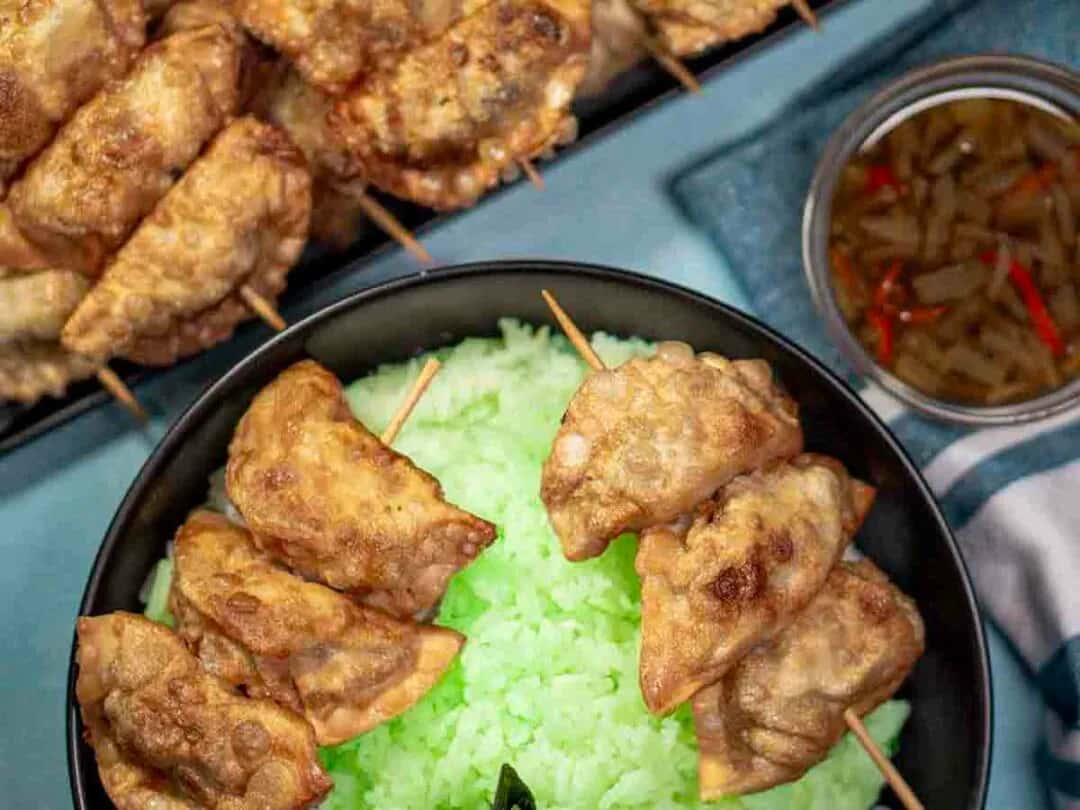
Siomai & Dimsum
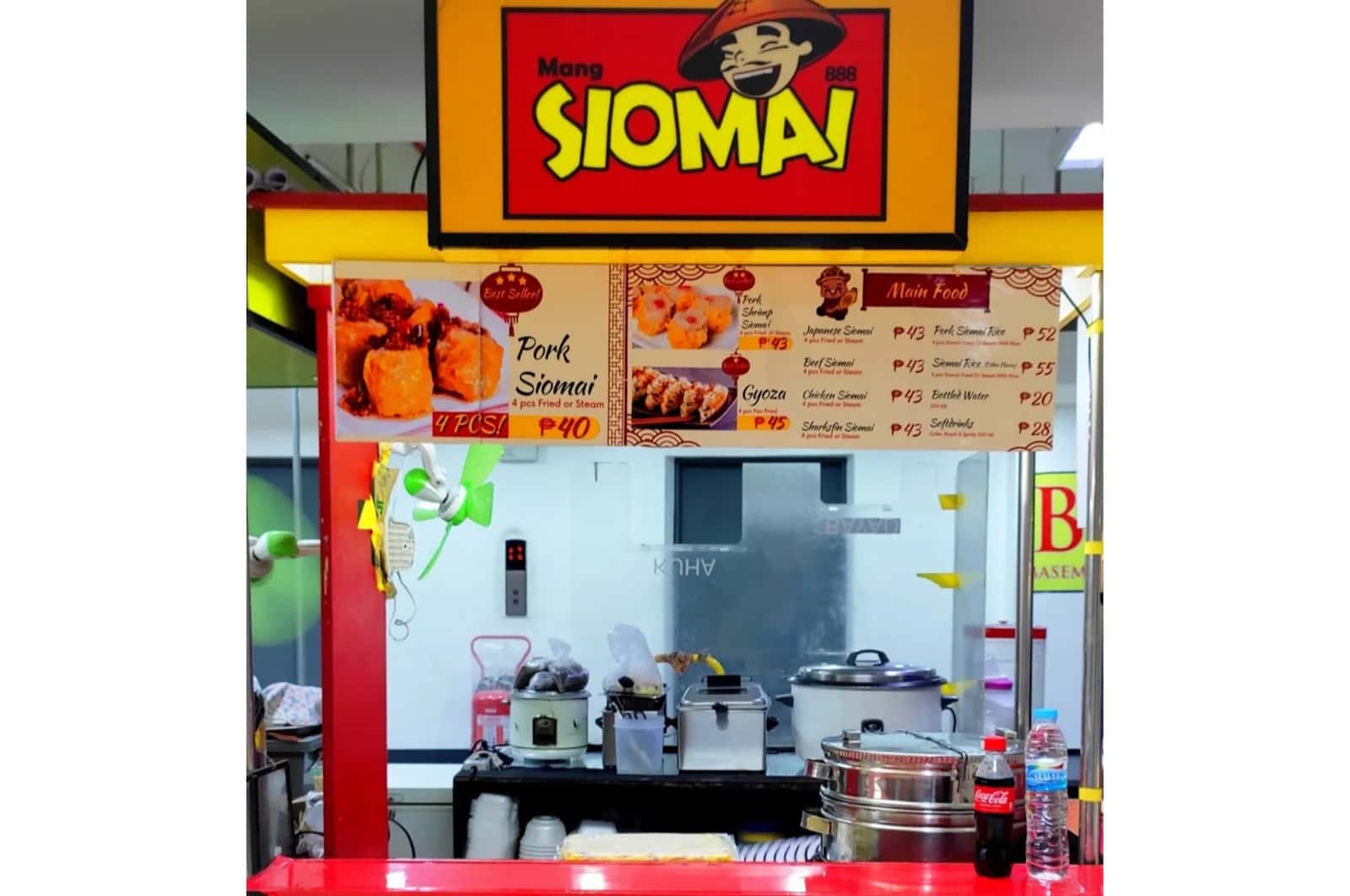
Siomai & Dimsum
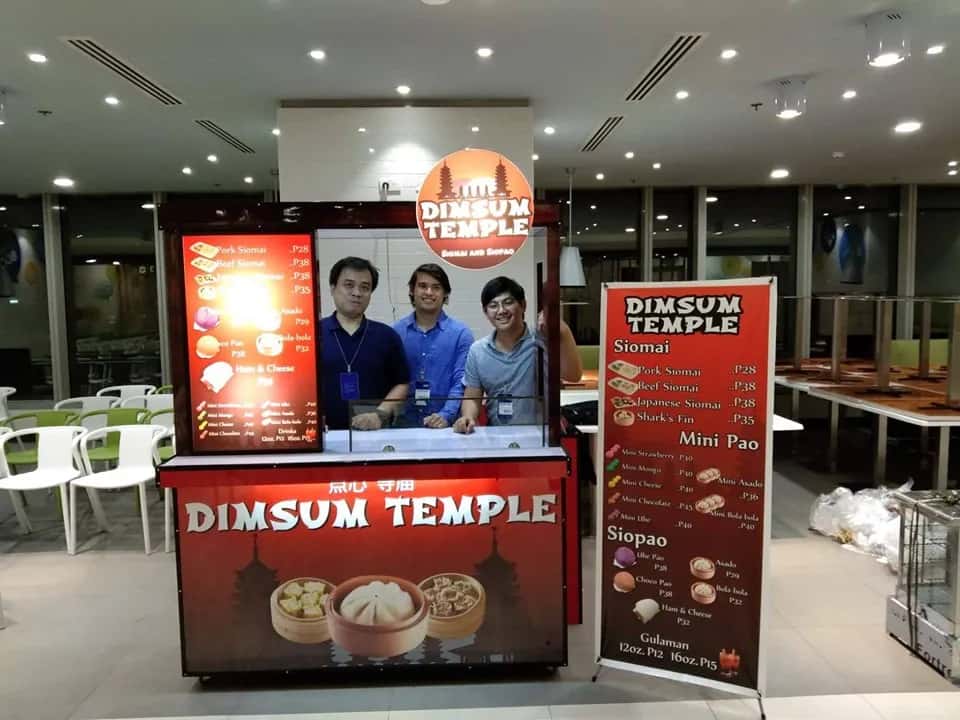
Siomai and dimsum packages priced up to ₱200,000 sit near the cheapest end of food and beverage, with investment running from around ₱50,000 to ₱150,000. The franchise fee at this level can be built into that spend at no extra cost, or it can run as high as about ₱99,000. Every option here works as a food cart, and the same equipment usually doubles as a kiosk setup. Reported payback lands around six months, which is fast even for a snack business.
Siomai and dimsum work as a franchise category because the product travels well and sells fast. A steamer holds stock hot for hours, so one batch can serve a whole afternoon of walk-up buyers instead of being cooked to order each time. That is why the format at this budget centers on a cart or a small kiosk rather than a dining room: the product does the selling, not the seating. A quick, inexpensive snack between meals fits Filipino eating habits almost anywhere there is regular foot traffic, a school gate, an office block, a public market, or a transport stop. Because the cooking method stays simple and repeatable, a first-time operator can learn it without hiring a trained cook. A steady product and a short learning curve keep entry this cheap. That combination is why so much of the lowest end of food and beverage sits in this exact category, rather than in something that needs a full kitchen to work at all.
At ₱50,000 to ₱150,000, most of the spend goes into the cart or kiosk shell itself, a steamer or two, and the first batch of stock rather than into the fee. Where the fee runs close to zero, nearly the whole budget is free to spend on a sturdier build or a better starting stock. Where it climbs toward ₱99,000, less is left over for the physical setup, so the tradeoff is between paying more for the brand and packaging and keeping more cash for equipment and ingredients. Reported payback of around six months is quick, and it has to be at this scale, since there is little room for a slow opening month before the numbers stop working. A buyer choosing the lower end of the fee range should expect to spend the difference on a heavier build. One choosing the higher end is paying for a more finished package, with less left to improvise on site. Either way, the total stays close to ₱150,000 at the top of this budget, not far past it.
In the early months, the work is almost entirely physical. Fillings get prepped, batches get steamed, product gets held at temperature, and the cart gets restocked through the day rather than cooking each order fresh. Running this scale takes no more than the owner's own hours, which is part of why the six-month payback is realistic. There is no wage bill eating into the margin from day one. Trade usually builds slowly at first as a new cart or kiosk earns a regular crowd at its spot, then it levels off once the surrounding foot traffic learns the schedule. The weather and the corner chosen end up mattering more than the menu at this size. A quiet spot will not turn into a busy one no matter how good the siomai tastes. By month six, an owner who has kept the same spot and shown up consistently should know whether the location works. That is the real test at this budget: not whether the food sells, but whether the site chosen can carry it through a full year.
A cart at this budget stays cheap to run precisely because it can move: if a corner turns out quiet, the whole setup packs up and tries somewhere else without the sunk cost a fixed spot carries. A kiosk trades that mobility for a settled counter, usually inside a spot with steadier foot traffic already passing by, and it tends to hold customers a cart parked on open pavement never quite catches. Neither comes with seating or a dining area, since selling fast to someone walking past is the entire model at this scale, not a place to sit and eat. Picking between them mostly comes down to how confident the buyer already is in a specific location. Someone still scouting should lean toward the cart and stay flexible. Someone who has already found a corner worth committing to, with real daily footfall behind it, gets more out of settling the kiosk into that exact spot and building a regular crowd around it.
Now that you've seen what's here, a real advisor can help you shortlist and weigh the options against your budget. Free, at your pace.

Financing Readiness · Site Selection

Franchise Agreements · Multi-Unit Expansion

Low-Capital Startups · Site Selection

Low-Capital Startups
Are you a franchise advisor?Get your own workspace here
Compare siomai & dimsum franchises with other food & beverage businesses up to ₱200k, each with its own brands, fees and investment ranges.
Get honest answers on fees, payback and the best setups for your area, free and with no pressure.
In practice, four siomai & dimsum franchises make the cut for ₱200k, since each has an investment between ₱100k and ₱200k. How many you really weigh is up to you. A small group usually works better, so choose a number you can handle and fill those places only with packages that earn them. Each new candidate must replace a weaker one, which keeps the list short and forces you to say why one option beats another.
Family support makes a big difference, so a ₱200k siomai & dimsum franchise is a better first choice when the people at home are on board. A new business can take evenings, weekends and attention away from home life. Talk with your spouse or household about the time and money involved, and agree on what help each person can offer. Starting together keeps the business from becoming a source of tension.
Paying ₱30k to ₱99k is typical for the franchise fee on siomai & dimsum franchises at ₱200k, and what you owe afterward matters too. Ask whether the franchisor takes a royalty on sales, a fixed monthly fee or both. A flat monthly amount is predictable, while a percentage of sales rises as you grow. Compare those ongoing charges with the one time payment to see what your outlet will carry each month, not only on opening day.
Setup time before opening is a hidden part of the day for siomai & dimsum at ₱200k, where the options are food carts with 4 franchises and kiosks with 4. Some formats are ready within minutes, while others need prep, arranging and stock checks that start well before the first customer. Ask operators when their crew arrives and what they do first, then count those early hours against the time you and your helpers can give each morning.
Only if ₱200k leaves room for a launch budget, because early sales depend on people knowing you exist. The four siomai & dimsum franchises quoting an investment between ₱100k and ₱200k may supply signage and some promotional materials, but drawing customers in during the first weeks is often your job. Ask each franchisor what opening support they give, then price a simple local push such as social media posts, flyers around the neighborhood or an introductory offer, and add that amount to your total before you decide.
Annual renewals are easy to forget when your attention is on ₱200k. Your mayor's permit, barangay clearance and some other registrations must be renewed every year, and each renewal comes with fees and paperwork. Mark these dates on a calendar as soon as you open and keep copies of past permits handy, since renewals go faster when your papers are complete.
Expect the inclusions at ₱200k to depend on the franchisor, with equipment, training and starter stock being common and extras like signage, uniforms and marketing appearing in some packages. Because the list varies, focus on the items you cannot easily source yourself. Ask which items are proprietary and available only from the franchisor, since those are the inclusions that matter most in the package.
For couples, raising ₱200k for a siomai & dimsum franchise often works well when each partner takes a clear part of the plan. One might handle the savings schedule while the other researches loans and requirements. Divide the tasks, set a regular check-in, and keep both partners informed about every account and agreement involved in the venture. Working as a team also spreads the stress, which matters once the store is running.
Even if Caloocan, Las Piñas and Makati hold most of the current branches, three siomai & dimsum franchises between ₱100k and ₱200k are open to franchisees anywhere in the Philippines. A missing branch in your city is not the same as a closed city. Ask the franchisor whether your area is open and whether any rule limits where new outlets can go. Ask also who confirms availability on their side, so you have a person to follow up with instead of a general inbox.
Compare how many siomai & dimsum franchises start at each budget level, from the smallest packages up.
Siomai & Dimsum franchises priced close to your budget, worth a look if you can stretch your savings or want to spend less.
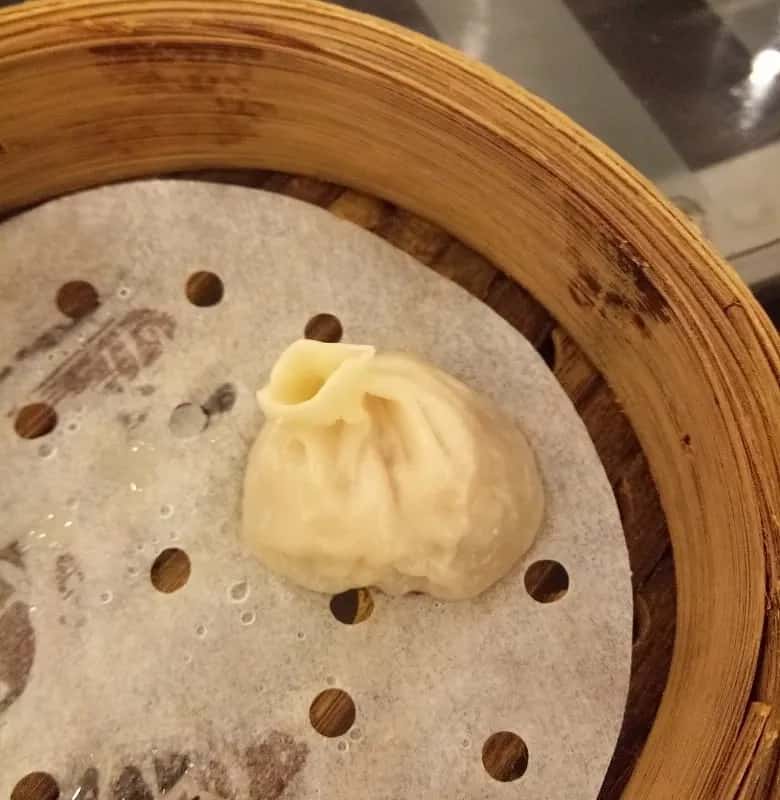
Siomai & Dimsum

Siomai & Dimsum
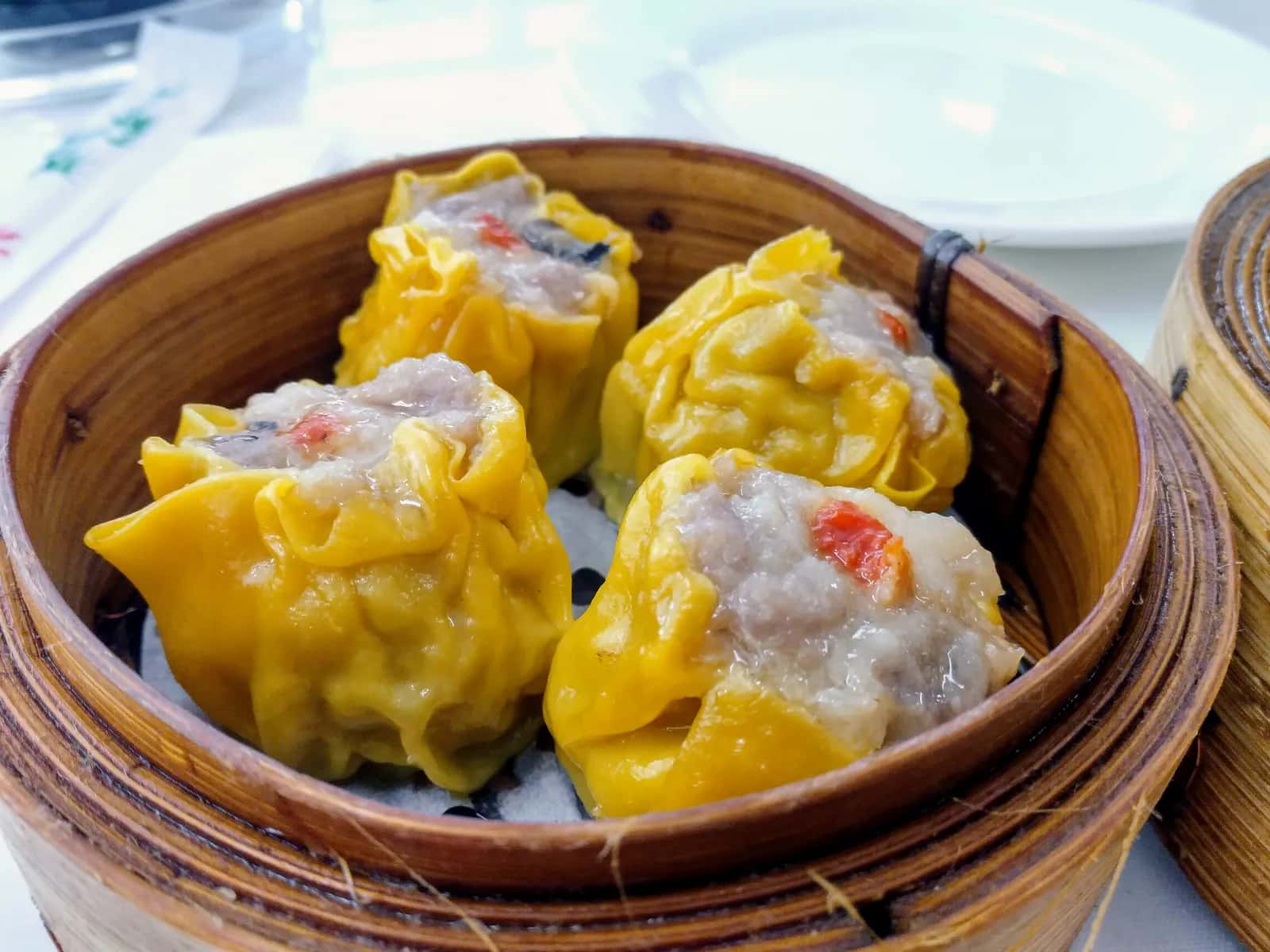
Siomai & Dimsum
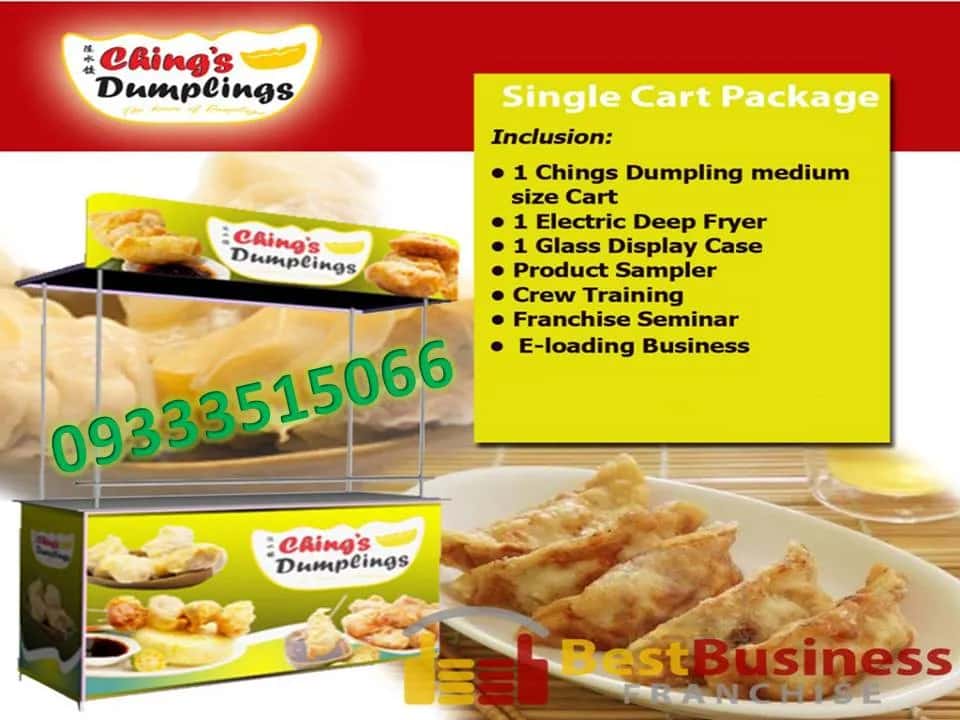
Siomai & Dimsum
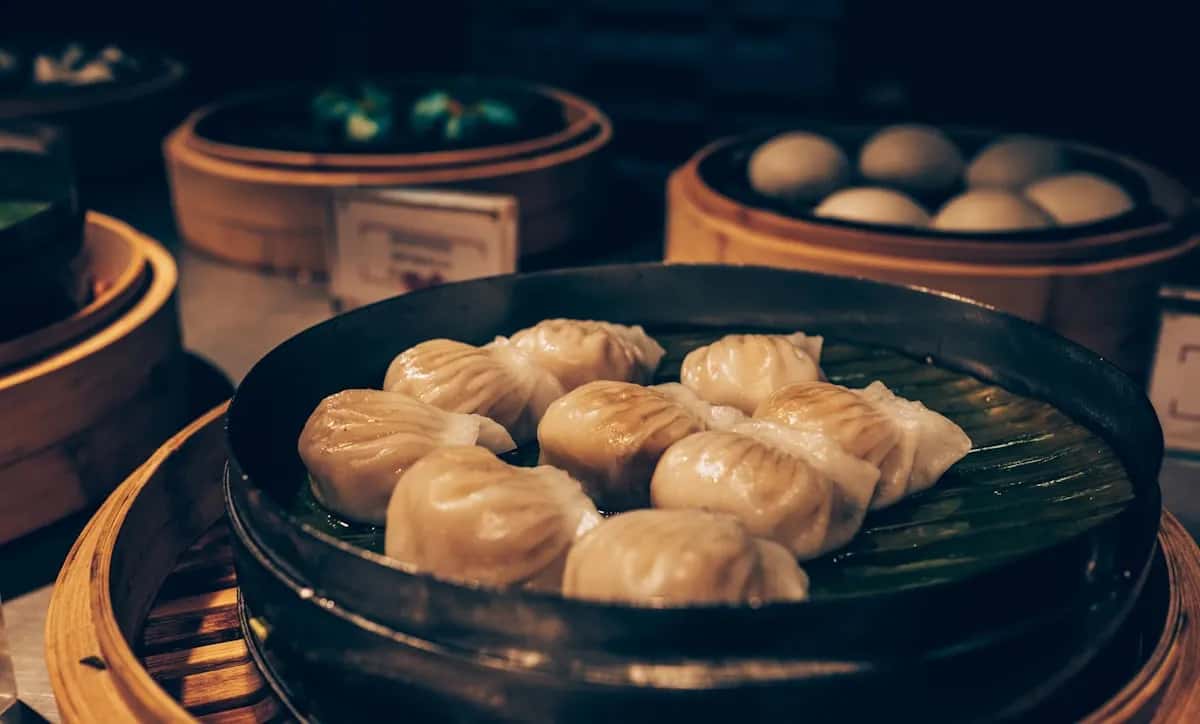
Siomai & Dimsum
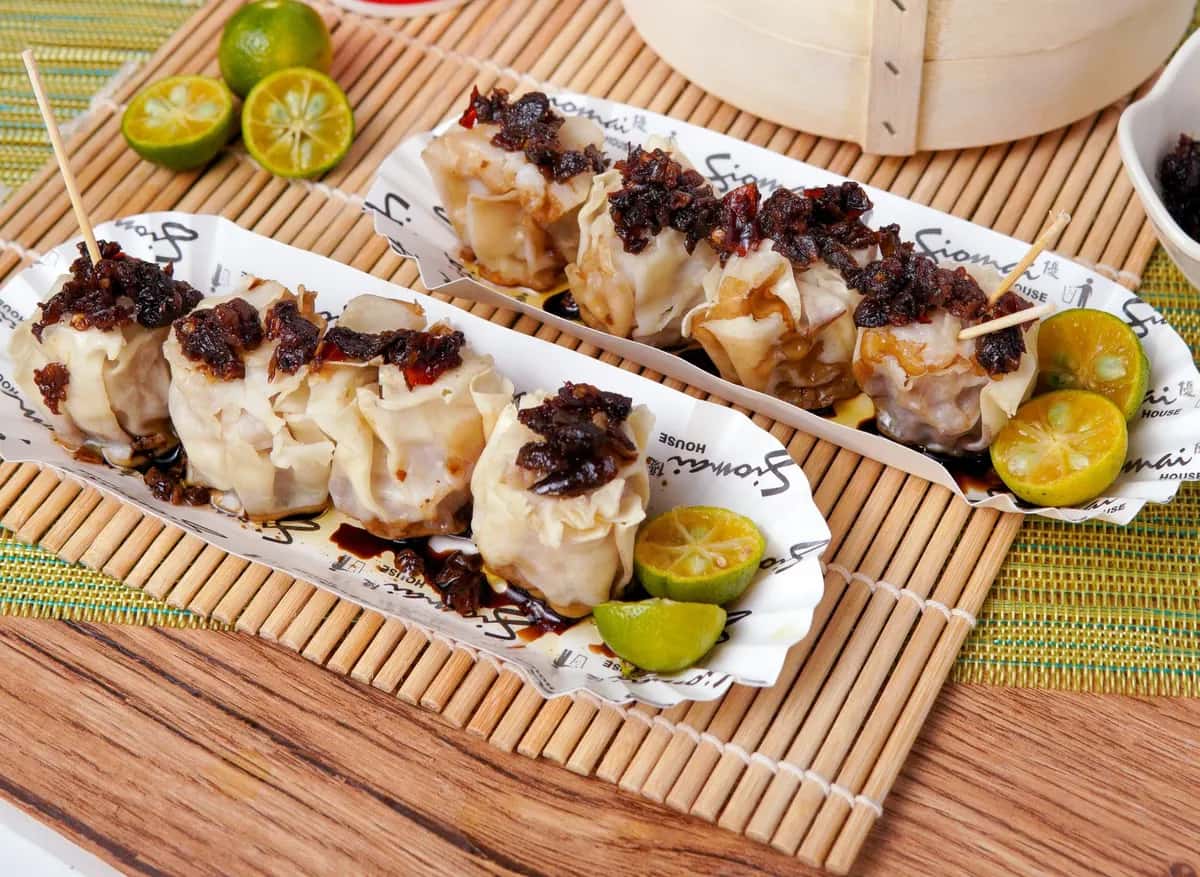
Siomai & Dimsum
Siomai & Dimsum
Siomai & Dimsum
Compare siomai & dimsum franchises with other industries at the same budget, each with its own brands, fees and investment ranges.
Compare industries by budget, daily work and payback before you choose one, free and with no pressure.

Learn practical inventory control steps for your Philippine franchise to cut waste, prevent loss, and protect your capital.
Aug 14, 2026 6 min read
Learn how non-compete clauses work when exiting a franchise agreement in the Philippines, protecting your investment after closing.
Jul 20, 2026 5 min read

Learn how to secure financing for your Philippine franchise, from preparation to approval. A practical guide for new operators and OFWs.
Jul 20, 2026 5 min read