Scramble Rambol
Ice Cream & Desserts
- Franchise fee
- No franchise fee
- Total investment
- ₱70k–₱150k
🎁 Start Your 1 Month Free Trial of the Full Plan, Exclusively for Brands & Advisors.Get Started
Browse 4 ice cream & dessert franchises up to ₱200k, with investments from ₱120k to ₱180k, franchise fees mostly between ₱35k and ₱70k, and most paying back in 6 to 12 months.
Updated
Ice Cream & Desserts

Ice Cream & Desserts

Ice Cream & Desserts
Ice Cream & Desserts
Up to ₱200k in ice cream and desserts opens a food cart as the default format, with a kiosk version also on offer for most of the packages at this level. Investment runs from around ₱45,000 to about ₱180,000. Franchise fees range from nothing at all up to roughly ₱70,000. Payback moves fast at this size, landing anywhere from about six months to a year.
Space is the trade this budget makes. A food cart is the format every package here uses, a compact setup meant to sit outside another business, along a busy footpath, or inside a market, rather than to stand as its own destination. Most of the same packages also come as a kiosk, a slightly bigger footprint that still needs no full shopfront. A kiosk usually adds a bit more counter space and often a small freezer instead of a portable cooler. Neither format asks for a long lease commitment or heavy fit-out work, which is why the entry cost sits so low compared with a proper store. What this money does not buy is seating, a menu board large enough for a full range, or the kind of visibility a standalone shop gets from its own street signage. The trade-off is speed: a cart or kiosk can usually open within weeks of signing, not months, since there is no interior to build from scratch.
Ice cream and desserts are an easy sell from a small footprint because the product itself does most of the work. A customer does not need convincing to want something cold or sweet on a warm afternoon. That habit repeats through the day, rather than clustering around a single meal time the way savoury food does. A cart or kiosk plays to that pattern well, since it can move to where the foot traffic is heaviest at a given hour: a market in the morning, a school gate in the afternoon, a night market after dark. That flexibility matters more at this budget than at a larger one, because the format has no fixed dining room pulling in its own crowd. The trade depends on picking up passing demand rather than creating a reason to visit. That keeps the cost of entry low, but puts more weight on choosing the right spot and the right hours.
Franchise fees at this level range from nothing at all to around ₱70,000. It is worth asking exactly what a fee of zero leaves out. Equipment, training, or ongoing support sometimes get billed separately when there is no upfront fee to cover them. It is also worth asking what the investment figure includes beyond the cart or kiosk unit itself, and whether the freezer or cooler is new or refurbished before it needs replacing. Payback at this size is quoted as fast as six months. Asking what daily sales that assumes, and how many hours the cart needs to be staffed, turns a headline number into something that can be checked against a real schedule. Finally, it is worth confirming who supplies the stock and how often, since a format this small runs out of inventory quickly if the supply chain is not dependable.
The investment figure of roughly ₱45,000 to ₱180,000 mostly buys the cart or kiosk shell, the cooling unit, and starter stock. The spread between the low and high ends usually comes down to how well built and how well branded the unit is. A franchise fee on top of that, where one applies, tends to cover training and the right to use the brand's recipes and signage, rather than any physical equipment. Working capital beyond both figures still matters even at this size: enough stock to restock through the first slow week, and a small buffer for a permit or a spot rental if the location is not already secured. Because the entry cost is low, the risk if one location underperforms is smaller in absolute terms than at a higher budget. The daily effort needed to hit that fast payback window is not smaller at all. Someone treating this as a low-effort side income is likely to be disappointed by how hands-on it actually is.
Now that you've seen what's here, a real advisor can help you shortlist and weigh the options against your budget. Free, at your pace.

Financing Readiness · Site Selection

Franchise Agreements · Multi-Unit Expansion

Low-Capital Startups · Site Selection

Low-Capital Startups
Are you a franchise advisor?Get your own workspace here
Compare ice cream & dessert franchises with other food & beverage businesses up to ₱200k, each with its own brands, fees and investment ranges.
Get honest answers on fees, payback and the best setups for your area, free and with no pressure.
The match for ₱200k is four ice cream & dessert franchises with packages between ₱100k and ₱200k. Since that is a long list, sort it by what each package includes. Ask every franchisor which items are covered, such as equipment, supplies and training, and which you must buy yourself. Packages that look equal on price often split apart on this point. Keep the few that cover the most and set the rest aside.
Expect a franchise fee of roughly ₱35k to ₱70k for ice cream & dessert franchises at ₱200k. If you are already thinking about opening more than a single outlet later, mention it early in your talks. Some franchisors reduce the fee for additional units or offer development deals, and knowing this upfront can shape whether you choose a franchisor that rewards growth or one that charges the full fee every time you expand.
You will find food carts with 4 franchises and kiosks with 3 among ice cream & dessert franchises at ₱200k. Brochures can make every format look easy, yet the people already running them know where the real effort goes. Ask the franchisor for contacts of current franchisees who operate the setup you are considering, then call a few of them and ask about their daily routine, their costs and what surprised them most.
From the franchisor's side, ₱200k is meant to cover what they need to set you up properly, which commonly means equipment, training, supplies and opening support. From your side, the question is whether that setup actually gets you trading without big surprise purchases. Ask the franchisor for a sample opening checklist so you can see which tasks and items are theirs and which are yours.
For ice cream & dessert franchises around ₱200k, the payback franchisors usually point to is 6 to 12 months. At this budget, a shorter estimate usually depends on strong early sales and modest costs, while a longer one often reflects heavy rent or a slow build-up of customers. Ask the franchisor which of these shaped their number, and keep extra cash aside so a gradual start does not catch you short.
Insurance is easy to overlook, yet it is a real cost that sits outside a ₱200k franchise package. Fire, theft and liability coverage protect the equipment and stock you just paid for, and some landlords and mall operators require proof of insurance before they hand over the space. Read your lease for any coverage clauses first, then ask the franchisor whether their contract requires a particular kind of policy so you buy the right coverage the first time.
Anyone outside Caloocan, Las Piñas and Manila can still apply to the two ice cream & dessert franchisors at ₱200k that accept franchisees nationwide, since those cities simply have the most branches. Make your first message specific by stating your city, your province and any branches you know of nearby. Ask the franchisor to confirm what they have on record for your area. Their reply shows whether your location is open and whether their information about your region is current.
Landlord requirements decide a large part of whether ₱200k is enough. Deposits and advance rent are almost always outside what the four ice cream & dessert franchises quoting an investment between ₱100k and ₱200k include, and they are due before you earn anything. Ask several landlords about their terms so you have a realistic picture, then subtract the highest amount from ₱200k to see what is left for everything else.
Pausing a big purchase you were planning can free up a large part of ₱200k for an ice cream & dessert franchise. A new phone, car upgrade or home renovation may be able to wait while the business gets started. Look at upcoming plans, decide which can be postponed, and redirect that budget into your franchise fund so the money works toward your goal. Delaying a want for a while can bring you much closer to owning a working business.
Taking on an ice cream & dessert franchise at ₱200k is sensible for a beginner when your monthly finances can carry the load that follows the purchase. Add up your regular household bills, any loan payments and the savings you want to keep, then see what remains. If little remains, the franchise will compete with your own needs. A first-timer with breathing room in the monthly budget copes with slow months far better.
Compare how many ice cream & dessert franchises start at each budget level, from the smallest packages up.
Ice Cream & Dessert franchises priced close to your budget, worth a look if you can stretch your savings or want to spend less.
Ice Cream & Desserts
Ice Cream & Desserts
Ice Cream & Desserts
Ice Cream & Desserts
Ice Cream & Desserts
Ice Cream & Desserts
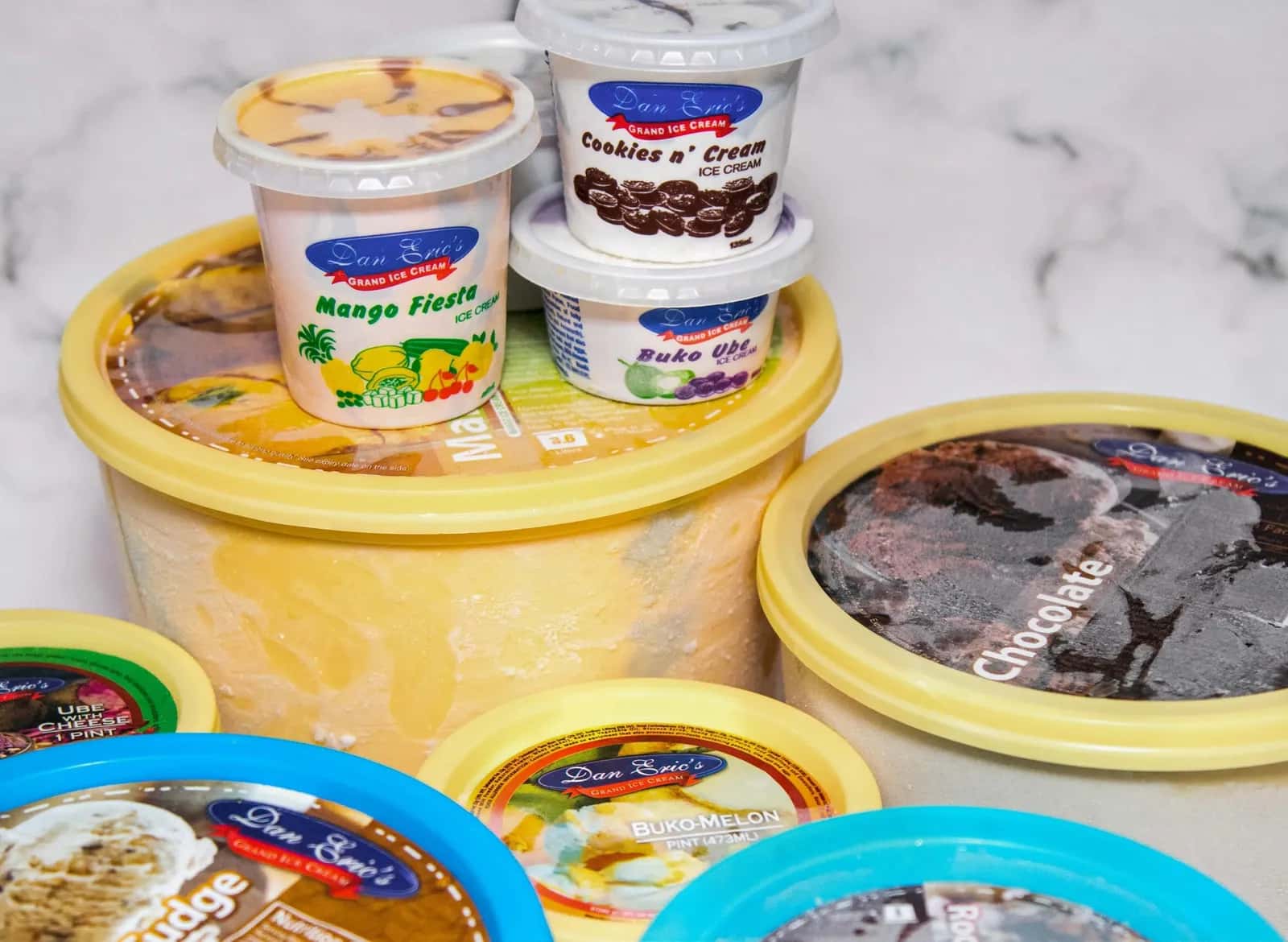
Ice Cream & Desserts
Ice Cream & Desserts
Compare ice cream & dessert franchises with other industries at the same budget, each with its own brands, fees and investment ranges.
Compare industries by budget, daily work and payback before you choose one, free and with no pressure.

Learn practical inventory control steps for your Philippine franchise to cut waste, prevent loss, and protect your capital.
Aug 14, 2026 6 min read
Learn how non-compete clauses work when exiting a franchise agreement in the Philippines, protecting your investment after closing.
Jul 20, 2026 5 min read

Learn how to secure financing for your Philippine franchise, from preparation to approval. A practical guide for new operators and OFWs.
Jul 20, 2026 5 min read