Shawarma Republic
Shawarma
- Franchise fee
- No franchise fee
- Total investment
- ₱17k–₱150k
🎁 Start Your 1 Month Free Trial of the Full Plan, Exclusively for Brands & Advisors.Get Started
Browse 2 shawarma franchises up to ₱200k, with investments from ₱149k to ₱150k and most paying back in about 12 months.
Updated
Shawarma
Shawarma
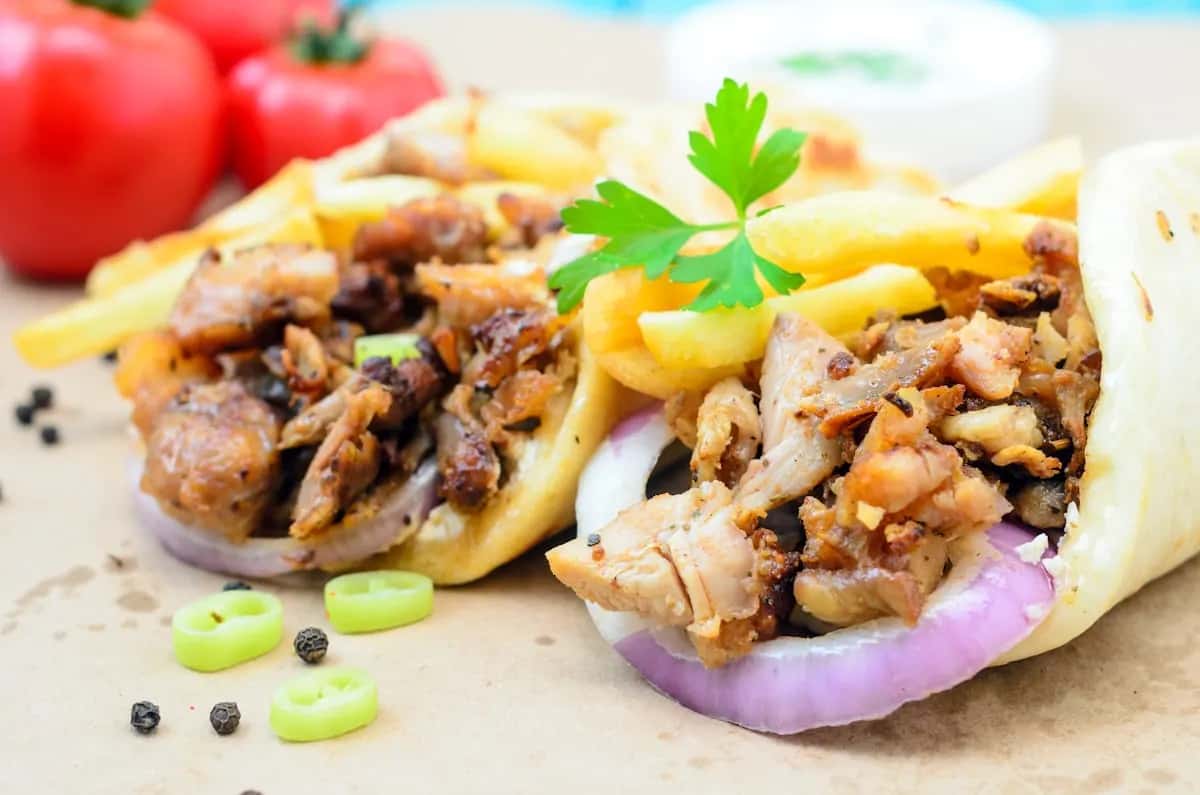
Shawarma is one of the cheapest food categories to open in the Philippines, and up to ₱200,000 sits near the bottom of what it costs to get a grill running. Packages in this budget run from under ₱20,000 to just under ₱150,000, with no franchise fee layered on top. Payback across this range tends to land around a year, which is fast for food and drink.
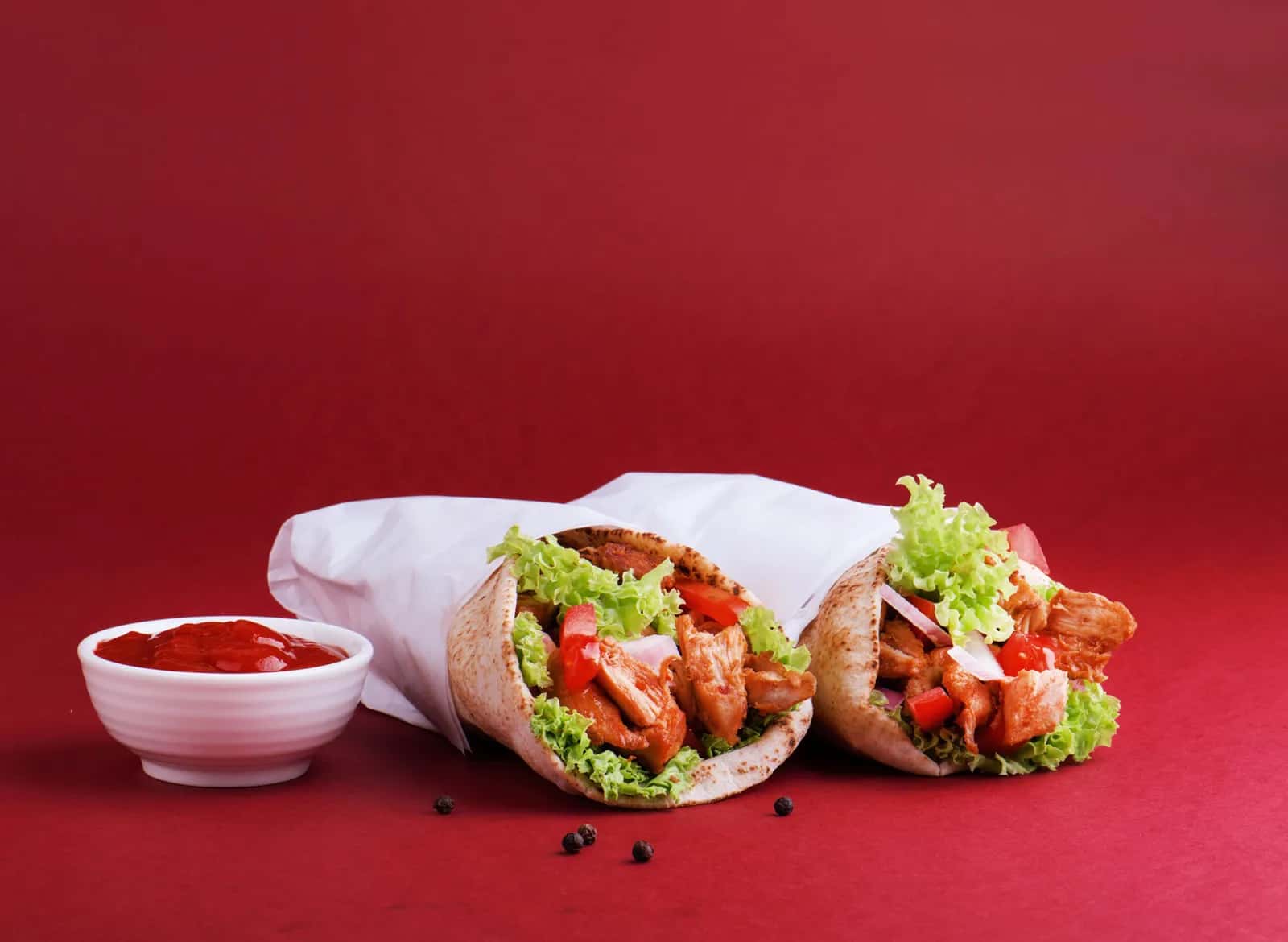
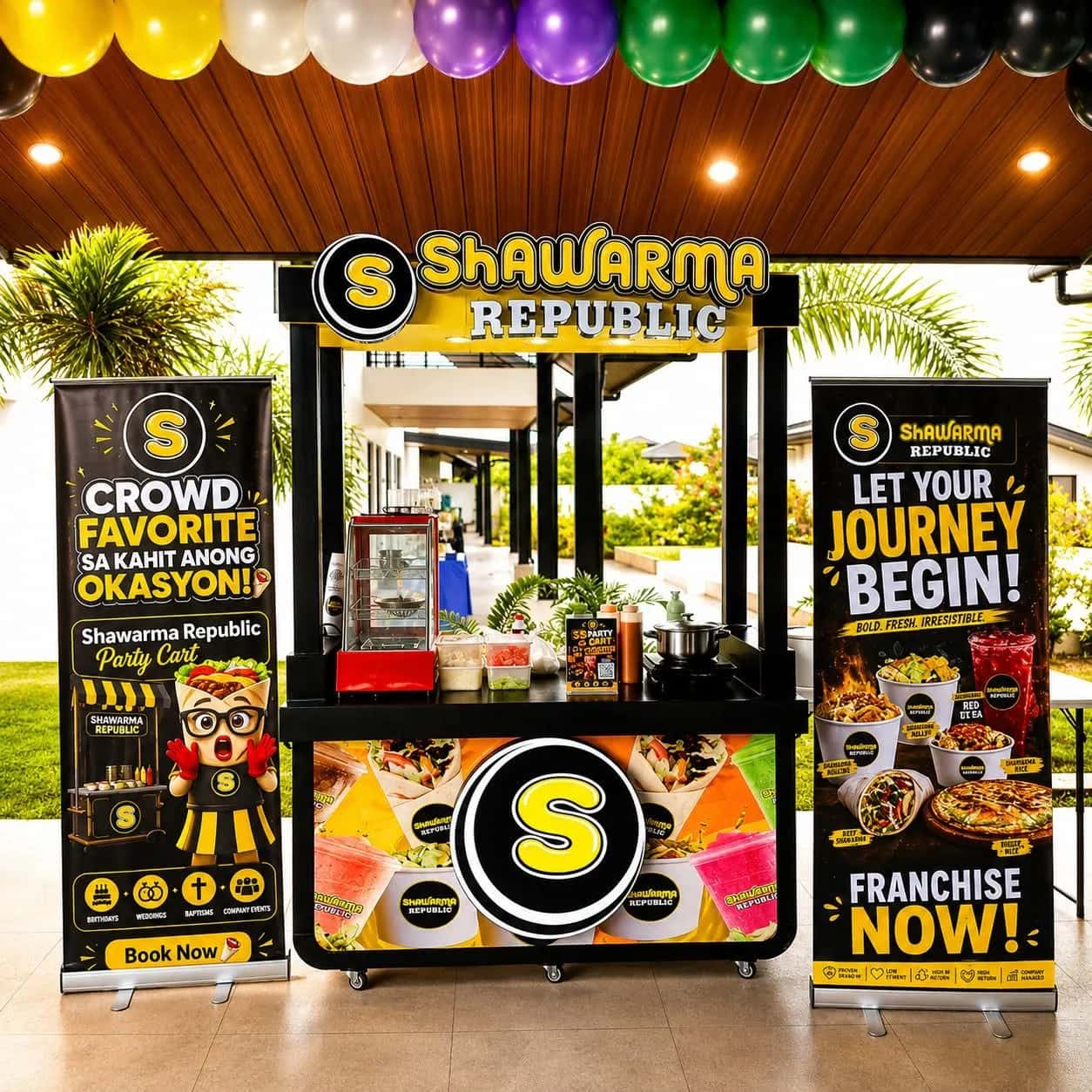
Shawarma sells because it answers a specific craving fast: a wrap that fills someone up for a small amount of money, sold from a cart or a small window rather than a sit-down space. That format matches what a budget this size can actually build. There is no room here for a dining room or a long menu, but there does not need to be, since the category was built around speed and a narrow line-up in the first place. A grill, a chiller, a prep table, and a queue at lunch and again in the evening is the whole business, and it works in front of a school, a terminal, or a row of offices without much else needed. The reader at this budget is not choosing whether shawarma can sell on a small setup. It clearly can, and the packages here prove it. The choice is really about site: a spot with steady walk-by traffic will carry a small cart further than a bigger build in a quiet corner.
At this level, packages run from under ₱20,000 for the leanest cart setup to just under ₱150,000 for a fuller one, and none of them carry a separate franchise fee. That gap is wide for a single budget, so the reader should ask exactly what a given package includes: the grill and cart itself, the first batch of ingredients, signage, and sometimes little else. Formats lean toward the food cart, which shows up across every package here, while a kiosk or an inline store setup appears in only some of them. A cart at this budget is meant to be simple to run and quick to set up, not a scaled-down version of a bigger store. Payback tends to land around a year, which is fast for food and drink. That figure assumes steady daily sales from day one, though, and leaves little room to absorb a slow month. The reader should keep a small cushion of working capital set aside beyond the package price itself.
The food cart is the format that shows up across every package at this budget, and for good reason: it needs the smallest footprint, the least fixed rent, and the fewest permits to get moving. A kiosk and an inline store setup each appear in about half the packages here, and both ask for more than a cart does. A kiosk usually means a fixed spot inside a mall or a terminal, trading a cart's mobility for guaranteed foot traffic and a landlord's rules. An inline store setup at this budget is the leanest version of that format, closer to a small window operation than a full storefront, and it still needs more upfront cash for fixtures than a cart does. For a first-time operator with limited capital, the cart is usually the safer starting point. It can be moved if a site does not work out, while a kiosk or inline commitment is harder to walk away from once signed.
The package price is rarely the whole cost of opening. A cart still needs a permit from the city government, a small deposit if it sits on rented ground or inside a compound, and enough cash on hand to buy ingredients daily until sales settle into a rhythm. Gas for the grill, ice for the chiller, and packaging add up faster than a first-time operator expects, and none of that shows up in the headline figure for the package. Staffing at this budget is usually just the owner plus one helper, so the plan needs to account for what happens on a day the owner cannot be there. Because the format runs on foot traffic rather than reservations or delivery volume, the site matters more than almost anything else in the plan, and it is worth walking past a candidate spot at both lunch and evening before committing. A reader ready with this budget and a clear site in mind is close to opening; the packages exist for exactly that.
Now that you've seen what's here, a real advisor can help you shortlist and weigh the options against your budget. Free, at your pace.

Financing Readiness · Site Selection

Low-Capital Startups

Low-Capital Startups · Site Selection

Franchise Agreements · Multi-Unit Expansion
Are you a franchise advisor?Get your own workspace here
Compare shawarma franchises with other food & beverage businesses up to ₱200k, each with its own brands, fees and investment ranges.
Get honest answers on fees, payback and the best setups for your area, free and with no pressure.
Your pool at ₱200k holds two shawarma franchises priced between ₱100k and ₱200k. Counting them is easy, but choosing is not, so give the count a purpose. Use it to decide how much time each option deserves. With this many, make a short first pass over every listing and extend your time only on the ones that survive. That discipline stops one attractive listing from swallowing the effort you owe the others.
Yes, if you enjoy serving people, since even a well run shawarma franchise at ₱200k depends on how you treat customers each day. Think about how you cope with rude customers, long queues and repeated questions. Work in a customer-facing role for a short spell if you have never done so. Liking people is hard to teach, and it shows quickly at the counter.
Inclusions for shawarma franchises at ₱200k generally run from rights and a manual to a mostly equipped outlet, with equipment, signage and training somewhere in the middle. The advertised figure alone does not show where an offer sits on that range. Ask each franchisor for a signed, itemized inclusion sheet, then mark every line as included, partly included or missing, so you can compare offers on contents instead of on price.
You can make raising ₱200k for a shawarma franchise more realistic by first comparing other shawarma franchises priced between ₱100k and ₱200k, since a cheaper package may leave a smaller gap to fund. If a similar setup costs less elsewhere, the loan you need shrinks or disappears. Line up a few packages, check what each includes, and settle on one before you approach any lender, so every peso you raise goes toward a choice you have already tested against the alternatives.
Check the opening shopping list, because ₱200k must also pay for the first round of products and supplies. The two shawarma franchises quoting an investment between ₱100k and ₱200k may count only part of the starting inventory inside the package. Ask for the initial order with quantities and prices, include packaging and small consumables, and add the figure to the quote. A first stock order larger than expected is a common reason a budget runs short.
Setups for a shawarma franchise at ₱200k include food carts with 2 franchises, kiosks with 1 and inline stores with 1, and each one sets a different pace for your week. Some run on a steady flow of customers all day, while others depend on short rushes at meal times or after work. Observe your location across several days to learn when people actually pass, then choose the format whose busiest stretches line up with those hours so your crew works when customers are there.
Point of sale systems, software subscriptions and payment terminals often sit outside a shawarma package between ₱100k and ₱200k. Some franchisors require a specific system with monthly fees, and card or e-wallet payments may carry transaction charges. Ask which systems are mandatory, what they cost each month, and whether the fees are paid to the franchisor or a third party, so nothing surprises you after opening.
Compare how many shawarma franchises start at each budget level, from the smallest packages up.
Shawarma franchises priced close to your budget, worth a look if you can stretch your savings or want to spend less.
Shawarma
Shawarma
Shawarma
Shawarma

Shawarma
Shawarma
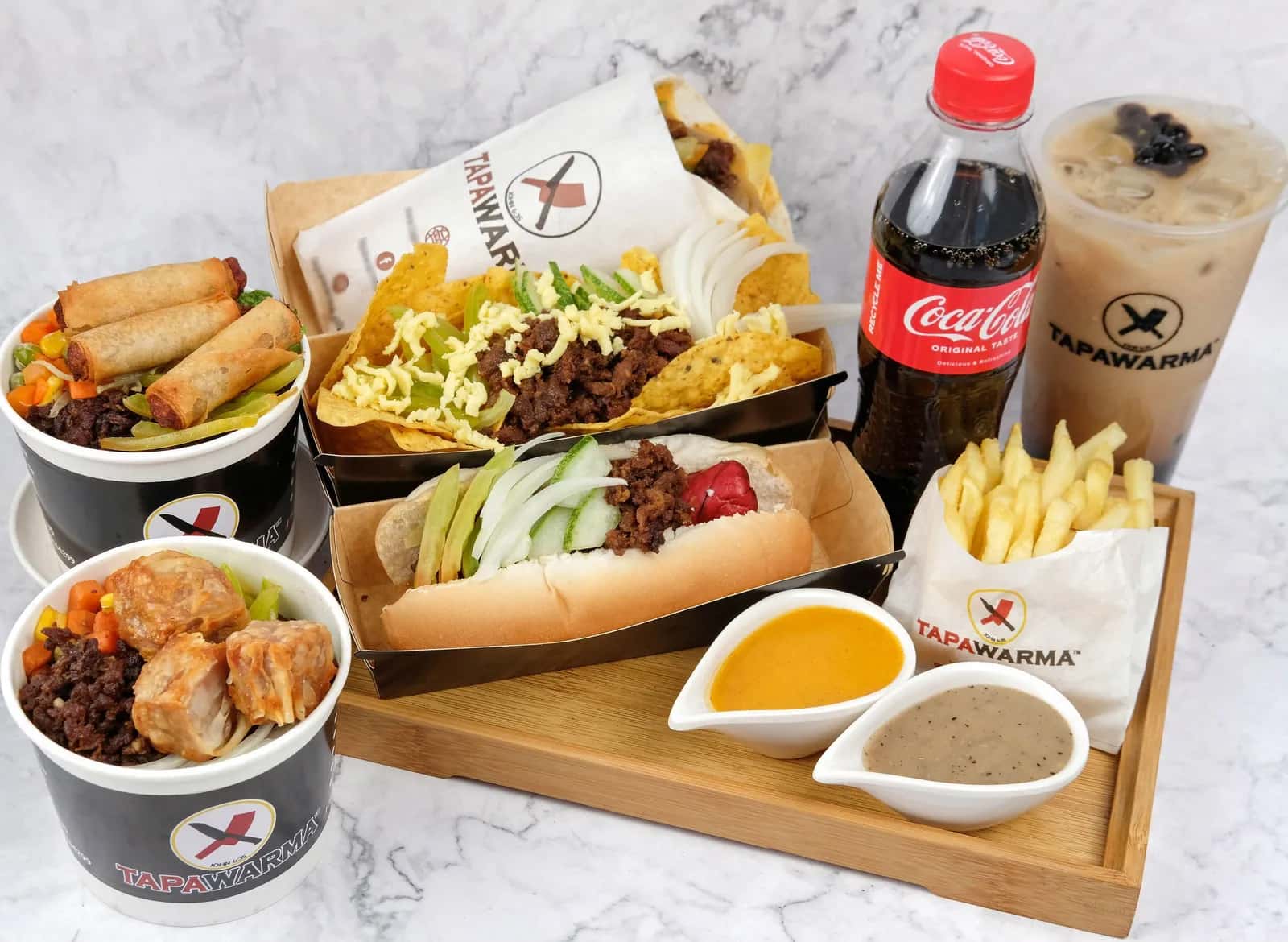
Shawarma
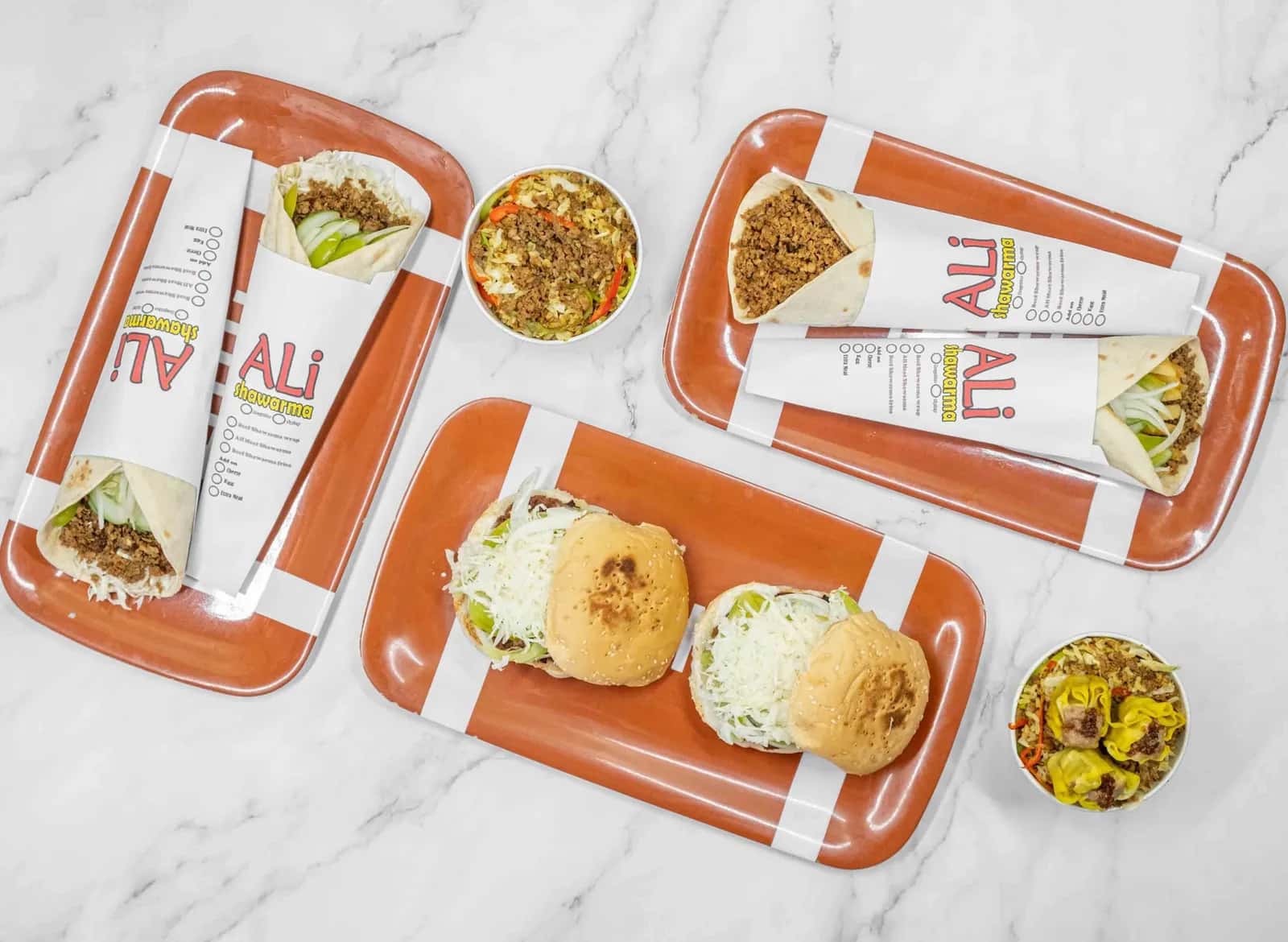
Shawarma
Compare shawarma franchises with other industries at the same budget, each with its own brands, fees and investment ranges.
Compare industries by budget, daily work and payback before you choose one, free and with no pressure.

Learn practical inventory control steps for your Philippine franchise to cut waste, prevent loss, and protect your capital.
Aug 14, 2026 6 min read
Learn how non-compete clauses work when exiting a franchise agreement in the Philippines, protecting your investment after closing.
Jul 20, 2026 5 min read

Learn how to secure financing for your Philippine franchise, from preparation to approval. A practical guide for new operators and OFWs.
Jul 20, 2026 5 min read