Unified Products and Services
Payment & Remittance Center
- Franchise fee
- ₱60k
- Total investment
- ₱60k–₱250k
🎁 Start Your 1 Month Free Trial of the Full Plan, Exclusively for Brands & Advisors.Get Started
Browse a payment & remittance franchise up to ₱300k, with an investment of about ₱250k, a franchise fee of about ₱60k, and paying back in about 12 months.
Updated
Payment & Remittance Center
Payment & Remittance Center

Payment & Remittance Center

Payment & Remittance Center
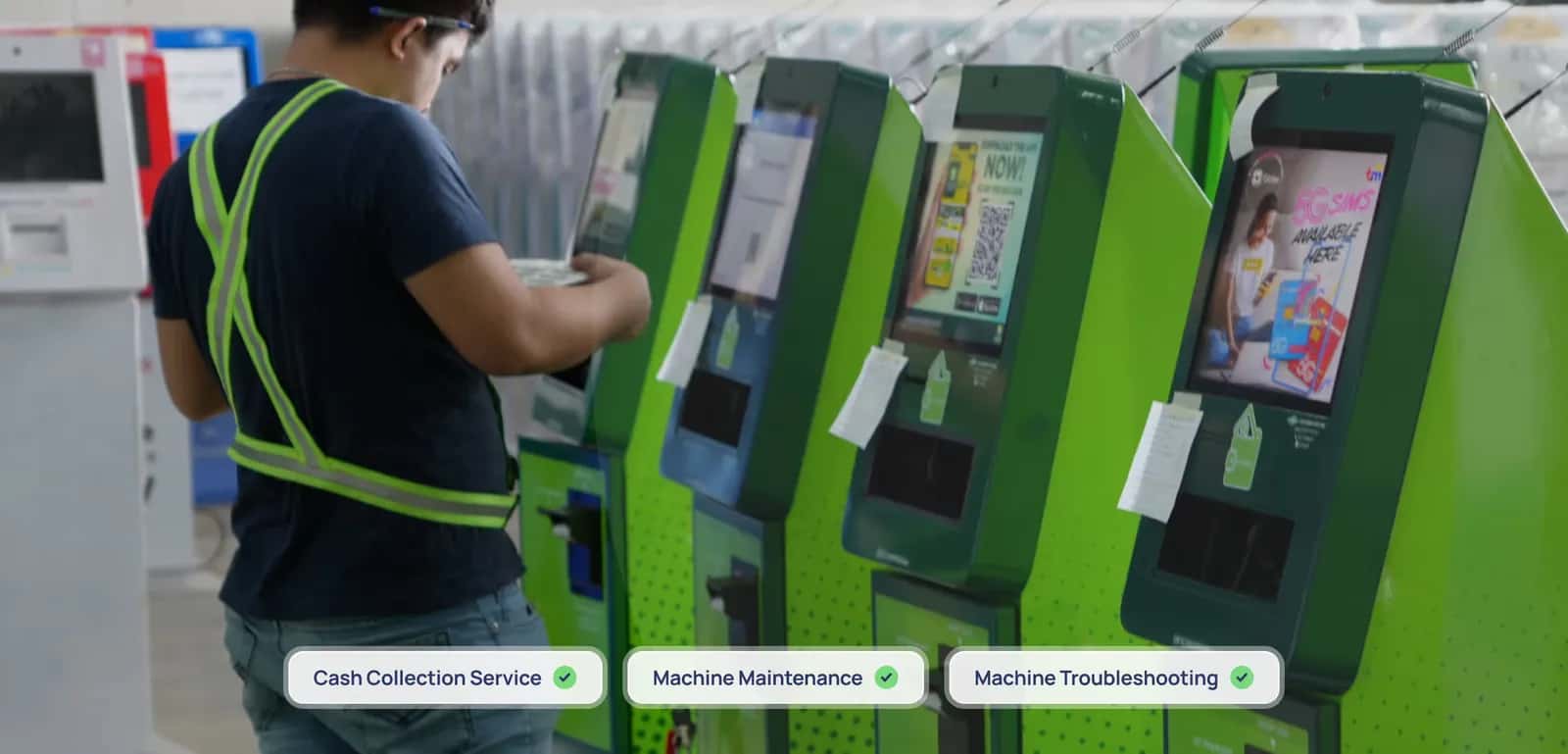
Entry into payment and remittance franchising at this level starts around ₱60,000 and can reach ₱250,000, with the franchise fee sitting close to that lower figure and payback typically landing around a year. What that money buys is a business built around handling small transactions on someone else's behalf, bill payments, remittances, e-loading, run either from a home setup or from a small inline counter. The choice at this specific budget is thin, so what separates the cheapest version from the costliest one matters more than usual.
At the low end, close to ₱60,000, the money mostly covers the franchise fee itself, the terminal or software a transaction runs through, and a first float to cover payouts before they are reimbursed. That version runs from home or online, with no rent and no counter to build out. Toward ₱250,000, the added money goes into a physical presence: a counter, signage, a display area, and enough working capital to keep transactions moving through busier hours without the float running dry. The gap between the two versions is really a choice about foot traffic. A home-based setup depends on people who already know to reach out, while a counter earns walk-in transactions from people passing by, at the cost of rent and a bigger float sitting idle during slower stretches. Payback is stated at around a year either way, which suggests the extra money spent on a counter is expected to earn itself back in higher transaction volume rather than in a faster payback figure.
The franchise on offer at this budget can be set up two ways, and the price does not change much between them. One version sits inside an existing space as a small inline counter, visible to people walking past and built around a proper counter setup. The other runs from home or online, taking transactions over a phone or a basic terminal without any storefront at all. Neither version needs the retail buildout a food business would require; the equipment is the real investment, not a shop fit-out. Someone with an existing space to work from, a small corner in an already busy establishment, gets more use out of the counter setup, since the same money buys the same equipment plus the benefit of location traffic. Someone starting from a spare room or without a public-facing space is better served by the home-based route, which asks the same fee and float without needing to secure a spot people can walk into.
The work is repetitive by design: a steady run of small transactions, each cleared through a phone or terminal, rather than a handful of large sales. Volume decides income at this scale far more than pricing does, so staying open through the hours people actually come or call in matters more than any single feature of the counter itself. Handling other people's money comes with paperwork to clear before the first peso moves, and that step takes real time, so it belongs early in the plan rather than left for opening week. A float sitting ready in cash is the other daily concern. A shortfall mid-transaction can stall service until more cash comes in, and there is rarely spare money at this scale to cover a gap on short notice. Trust builds slowly here. People send money through someone they believe will be there again tomorrow, so a spotty schedule costs this kind of business more than it would cost a shop selling ordinary goods.
For the counter version, foot traffic that already needs the service beats foot traffic in general. A spot near where people already collect wages, pay bills, or gather for other errands does better than a busier corner with no natural reason to stop. For the home-based version, the equivalent question is reach: does the person already know enough neighbors, coworkers, or contacts who send or receive money regularly to fill a normal week without waiting for walk-ins that will not come. Either way, the printed payback figure assumes a fairly steady flow of transactions, and a slow first stretch while that flow builds up is normal rather than a sign something has gone wrong. Treating the first few months as the period where a regular customer base gets built, rather than expecting the full volume from day one, keeps the early cash flow realistic.
Now that you've seen what's here, a real advisor can help you shortlist and weigh the options against your budget. Free, at your pace.

Financing Readiness · Site Selection

Low-Capital Startups

Low-Capital Startups · Site Selection

Franchise Agreements · Multi-Unit Expansion
Are you a franchise advisor?Get your own workspace here
Compare payment & remittance franchises with other financial services businesses up to ₱300k, each with its own brands, fees and investment ranges.
Get honest answers on fees, payback and the best setups for your area, free and with no pressure.
On the family side, a written promissory note keeps a loan toward ₱300k for a payment & remittance franchise clear for everyone. Even relatives appreciate knowing exactly how much was borrowed and when it will be returned. Draft a short note with the amount, payment schedule and both signatures, and keep copies so there is no confusion months later. A simple document like this protects the relationship as much as the money.
Inclusions for payment & remittance franchises at ₱300k generally run from rights and a manual to a mostly equipped outlet, with equipment, signage and training somewhere in the middle. The advertised figure alone does not show where an offer sits on that range. Ask each franchisor for a signed, itemized inclusion sheet, then mark every line as included, partly included or missing, so you can compare offers on contents instead of on price.
Shared family money adds a few costs beyond ₱300k for a payment & remittance franchise. Besides rent, wages and stock, you may need to budget for a lawyer's fee to write up the arrangement and for a modest pay for any relative who works the outlet full time. List these as separate lines in your plan, get real quotes for the written agreement, and keep a reserve so no relative has to be asked for more money mid year.
Flexibility in operation differs between inline stores with 1 franchise and home-based or online setups with 1, the setups for a payment & remittance franchise at ₱300k. Some formats can adjust their hours or crew size as the season or the day changes, while others run on a fixed pattern. If your spot has uneven traffic, favor a setup that lets you scale staff up and down easily, and ask current operators how often they adjust their schedules.
A first-time franchisee can do well at this level, but you will judge it better after talking to people already running a payment & remittance franchise from the same franchisor at around ₱300k. Owners will tell you about slow days, supply delays and support quality in ways a sales pitch will not. Ask the franchisor for a list of current franchisees and call several of them. If the franchisor hesitates to share contacts, treat that as a warning sign.
Compare how many payment & remittance franchises start at each budget level, from the smallest packages up.
Payment & Remittance franchises priced close to your budget, worth a look if you can stretch your savings or want to spend less.
Payment & Remittance Center
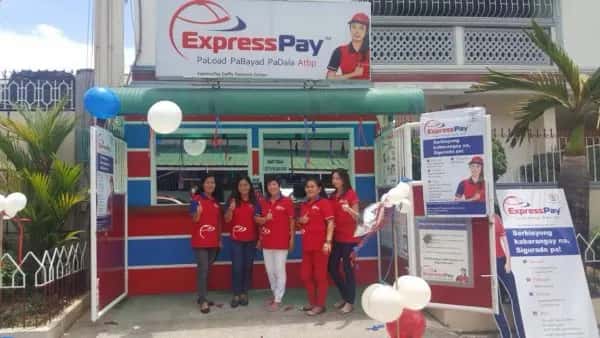
Payment & Remittance Center
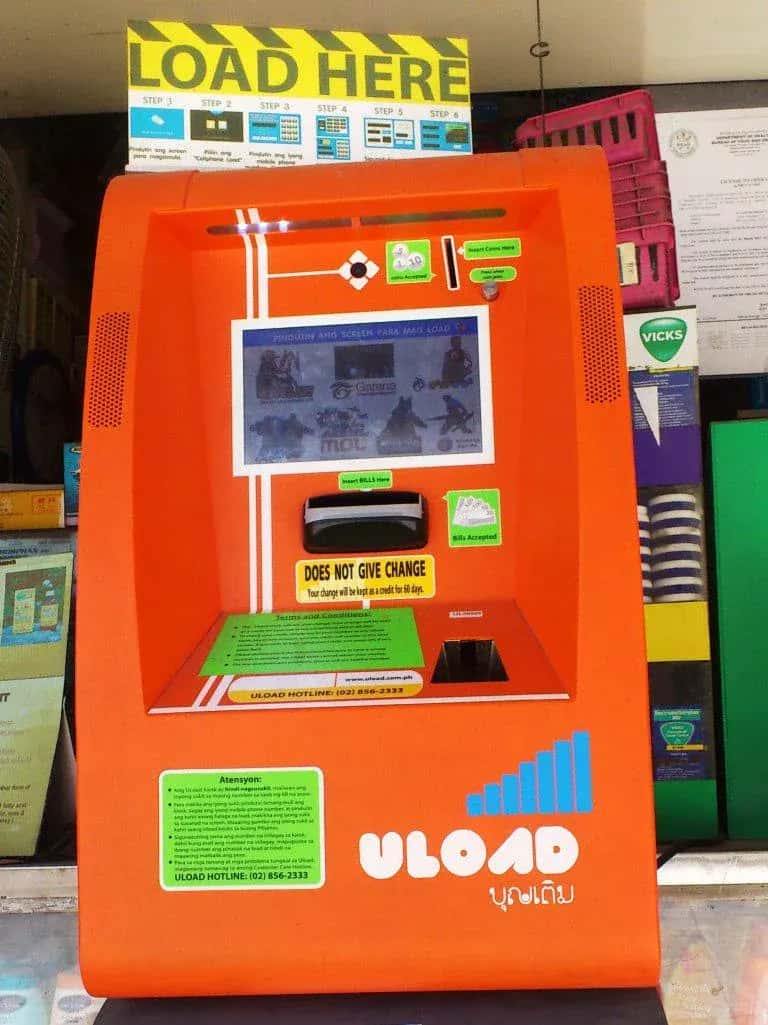
Payment & Remittance Center
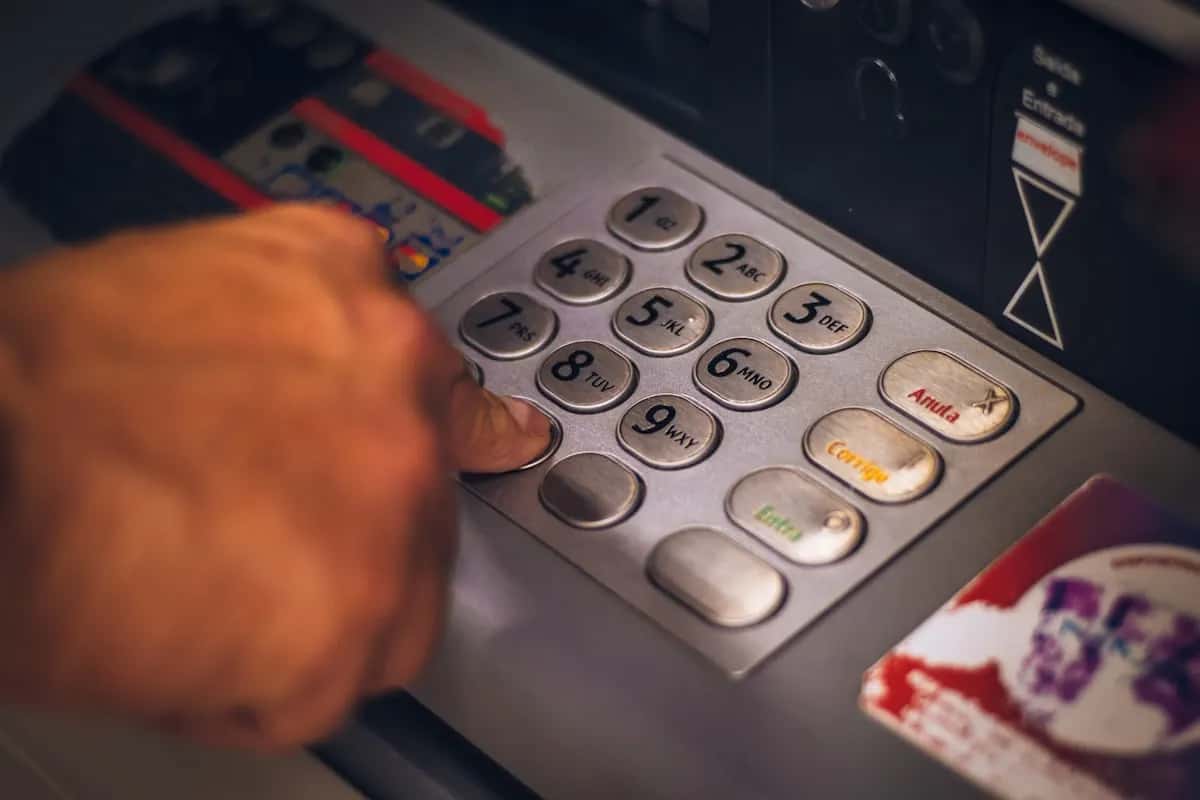
Payment & Remittance Center

Payment & Remittance Center

Payment & Remittance Center

Payment & Remittance Center
Payment & Remittance Center
Compare payment & remittance franchises with other industries at the same budget, each with its own brands, fees and investment ranges.

Carts, kiosks, and full restaurants.
83 brandsFrom ₱30k
Chings Fried Noodles, 99 Silog, Captain Calamares +80 more
See brands
Coffee, milk tea, and cold drink shops.
7 brandsFrom ₱150k
I Love Milk Tea, Milktealicious, Zan's Gallon Milktea +4 more
See brands
Bread, cakes, and pastry shops.
2 brandsFrom ₱150k
Puto ni Bumbong, Choo-Choo Waffle Station
See brandsCompare industries by budget, daily work and payback before you choose one, free and with no pressure.

Learn practical inventory control steps for your Philippine franchise to cut waste, prevent loss, and protect your capital.
Aug 14, 2026 6 min read
Learn how non-compete clauses work when exiting a franchise agreement in the Philippines, protecting your investment after closing.
Jul 20, 2026 5 min read

Learn how to secure financing for your Philippine franchise, from preparation to approval. A practical guide for new operators and OFWs.
Jul 20, 2026 5 min read