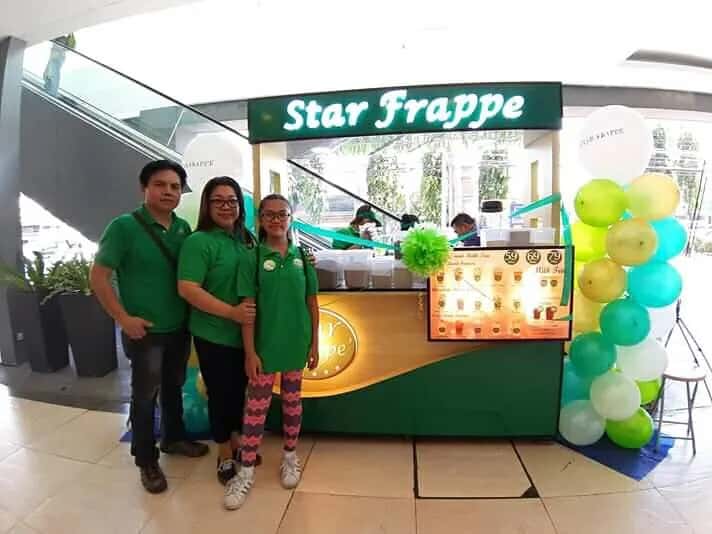
Star Frappe'
Coffee Shop
- Franchise fee
- ₱129k
- Total investment
- ₱129k–₱179k
🎁 Start Your 1 Month Free Trial of the Full Plan, Exclusively for Brands & Advisors.Get Started
Browse a coffee shop franchise up to ₱200k, with an investment of about ₱179k, a franchise fee of about ₱129k, and paying back in about 6 months.
Updated
Coffee shop specifically, up to ₱200,000, runs a tight, particular shape: a setup priced from about ₱129,000 to ₱179,000, with the license fee fixed at ₱129,000 of that. Payback claims land around six months. Choice at this exact price is thin, so the real work is judging whether that shape, the equipment, the fee, the timeline, actually fits the site and the effort available, not hunting for alternatives at the same number. Reading past the price tag to what the fee and the timeline actually assume tells a buyer more than the ₱200,000 figure alone ever will.
A coffee shop brand selling at this budget competes with the same thing a home-brewed cup does: convenience and consistency. The size of the investment behind the counter barely factors into a customer's decision, and a cup that tastes right at a fair price will sell regardless of what it cost to open the business. That narrower focus can actually work in the brand's favor with a customer who specifically wants coffee, since a menu that does one thing well often reads as more trustworthy at a glance. What justifies calling it a coffee shop rather than a general drinks stall is the equipment, brewing gear sold in the food cart and the kiosk builds alike. The menu stays narrowed to coffee first, rather than spread across coffee, tea, and juice the way a broader drinks brand often is.
₱129,000 of a roughly ₱179,000 top-end setup is the license fee itself, so most of the lower end of that range is the fee and little else. What remains covers the equipment and a first stock order, leaving no real cushion for a build that runs even slightly over budget. Claimed payback sits at around six months, a fast estimate that only holds if the site starts selling close to full capacity from the first week. That is a demanding assumption for a first-time operator still learning the brewing side of an unfamiliar business. Because the fee accounts for most of the lower end of this setup range, there is little slack left over for a second attempt if the first site does not perform.
A coffee shop this size is essentially a one or two person operation. The first year depends heavily on the operator learning to brew consistently, and on managing a queue without slowing service or wasting stock. Coffee equipment run by an inexperienced hand tends to produce a lot of early waste. Over-extracted shots and milk steamed past usable both eat into an already thin margin. Anyone eyeing the roughly six month payback figure should treat it as the best case, not the expected case, for someone new to the equipment. Learning to run it well enough that waste stops eating into the margin is usually the single biggest factor separating a first year that breaks even from one that does not. A first-timer who treats the opening weeks as practice, not performance, tends to make that adjustment faster than someone expecting everything to run smoothly from day one. Keeping a simple daily log of wasted cups and their causes in that first month tends to point straight at whatever habit is costing the most.
At this price, the food cart and the kiosk sit on the same price list, so the fee itself does not decide which footprint gets built. A food cart suits someone who wants to test a corner or move between spots as one fills up. A kiosk fits someone with access to a fixed spot inside a mall, terminal, or existing business. Neither format changes the fee or the timeline meaningfully, so the choice comes down to how the operator's day actually works rather than to cost. A cart trades a fixed address for the freedom to relocate if a spot underperforms. A kiosk trades that freedom for a steadier flow of foot traffic tied to wherever it sits. The decision comes down to which spot is actually available and how much control the operator wants over the business's location month to month, since the coffee and the fee stay the same either way. Neither choice is the safer one by default; each simply asks a different kind of patience from the person running it.
Now that you've seen what's here, a real advisor can help you shortlist and weigh the options against your budget. Free, at your pace.

Financing Readiness · Site Selection

Low-Capital Startups

Franchise Agreements · Multi-Unit Expansion

Low-Capital Startups · Site Selection
Are you a franchise advisor?Get your own workspace here
Compare coffee shop franchises with other coffee & milk tea businesses up to ₱200k, each with its own brands, fees and investment ranges.
Get honest answers on fees, payback and the best setups for your area, free and with no pressure.
Compared with larger packages, a ₱200k coffee shop franchise lets a beginner learn the trade with a smaller stake on the table. That lowers the cost of a mistake, though it does not make the lessons any easier. Treat the first year as an apprenticeship in running a business, and decide beforehand how much you are willing to pay for that education. If the answer is a comfortable amount, the budget level suits a first-timer well.
In many cases, a package priced between ₱100k and ₱200k gives you the essential equipment, training for your team and enough starter supplies to open your doors. For coffee shop franchises, the exact equipment list depends heavily on the format, such as a kiosk, cart or store, so packages are not directly comparable. Ask which format the package is built for and whether a different format changes the inclusions and price.
Earning a little from a small trial run of the same work is a practical way to build ₱200k for a coffee shop franchise while gaining confidence. Depending on the trade, that might mean a weekend market stall, offering the service to neighbors, or helping at a similar shop. Whatever you earn goes into the fund, and the lessons sharpen your budget, so lenders and relatives hear about real experience rather than guesses when you ask for support.
A practical way to see it is that ₱200k gets you the franchise, while the business still needs a home, people and supplies. That means rent and deposits, staff wages, and the stock you buy after any starter kit runs out. Write each of these as its own line beside the package price, fill in real estimates from your own research, and only then judge whether the total fits your savings.
Staff readiness differs across the coffee shop setups at ₱200k, namely food carts with 1 franchise and kiosks with 1. A format with several roles needs people who can learn quickly and cover for each other, while a simple one can be run by a small, steady team. Think about who you can realistically bring on, from relatives to local hires, and choose the setup whose roles those people could learn and perform well during every shift you plan to open.
Compare how many coffee shop franchises start at each budget level, from the smallest packages up.
Coffee Shop franchises priced close to your budget, worth a look if you can stretch your savings or want to spend less.

Coffee Shop
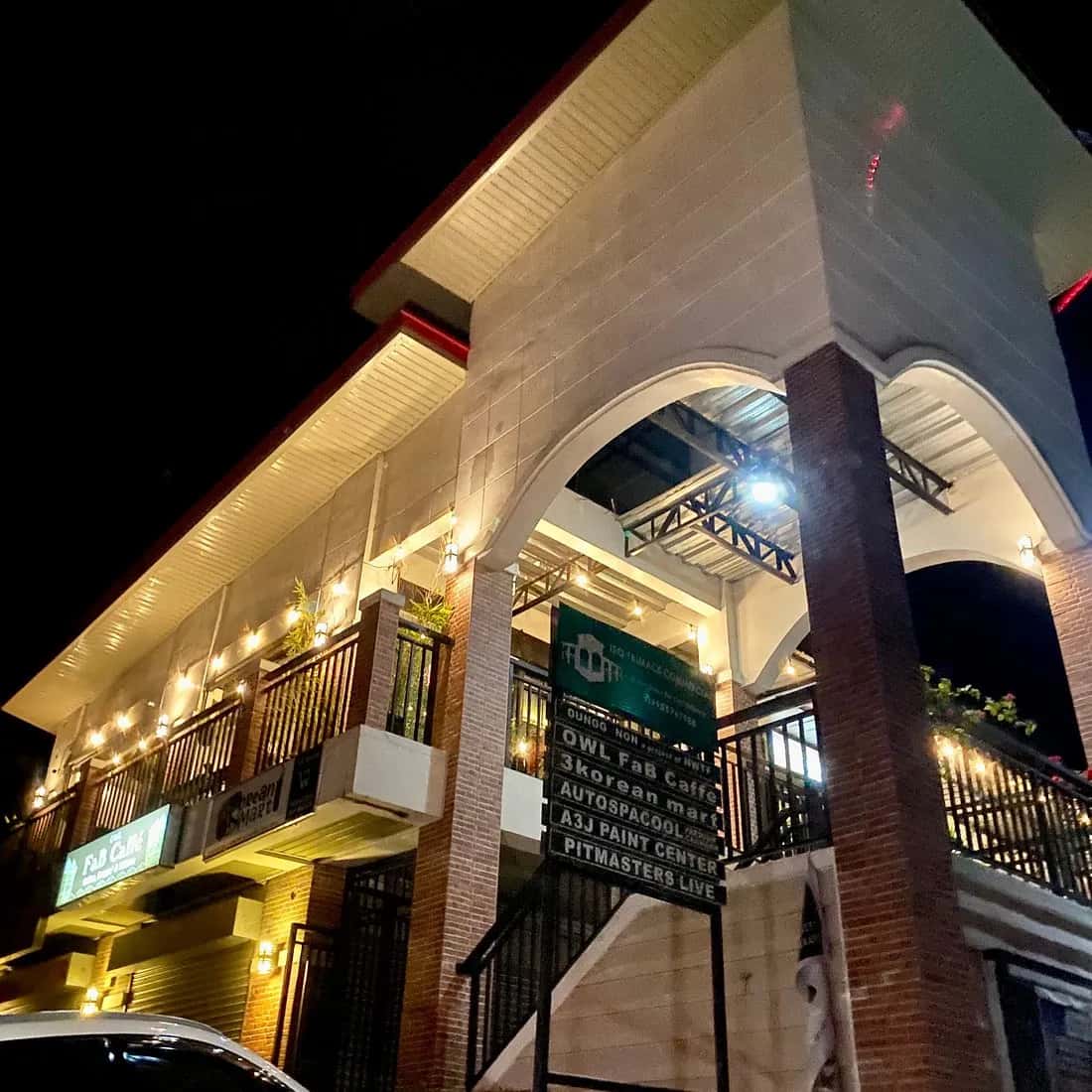
Coffee Shop

Coffee Shop
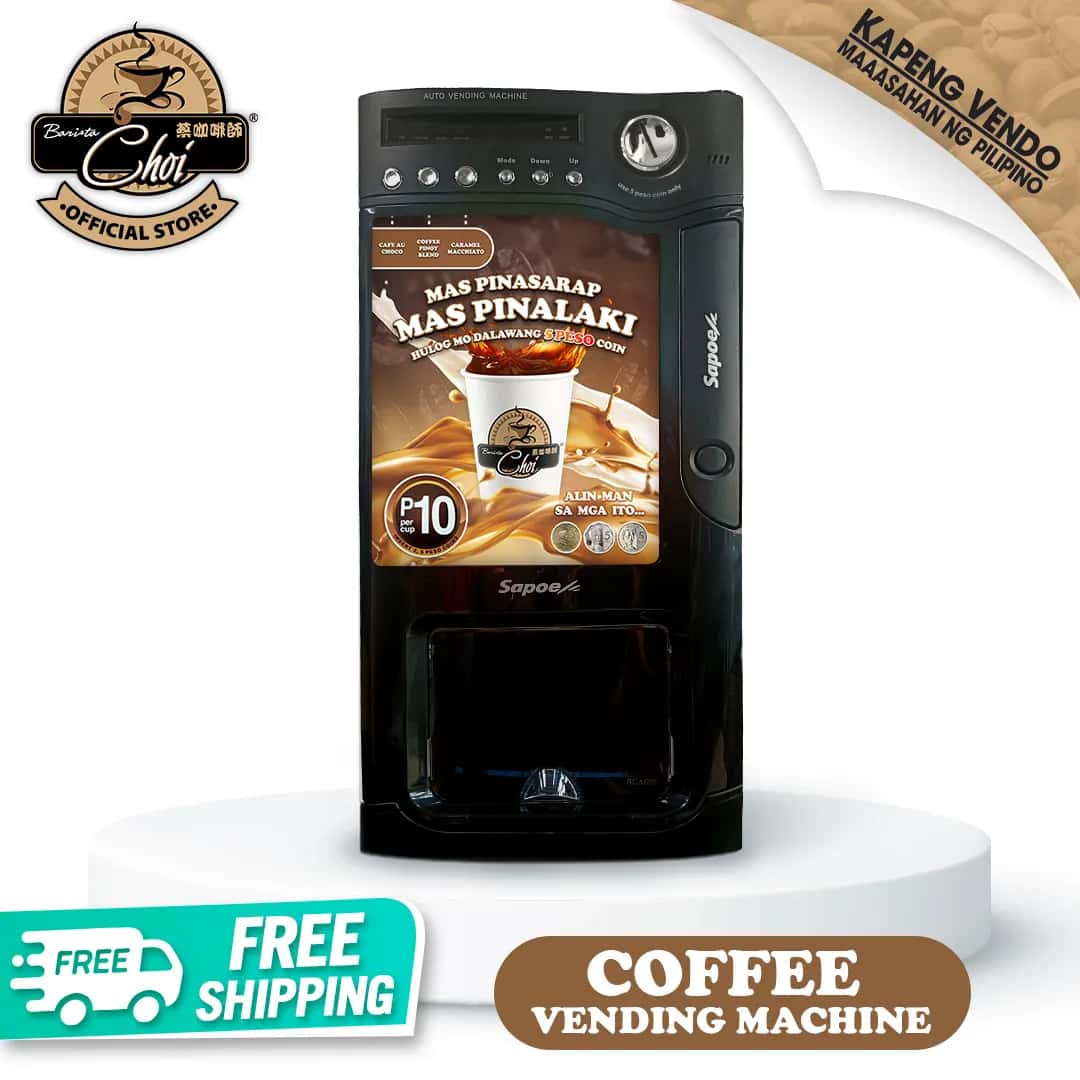
Coffee Shop

Coffee Shop
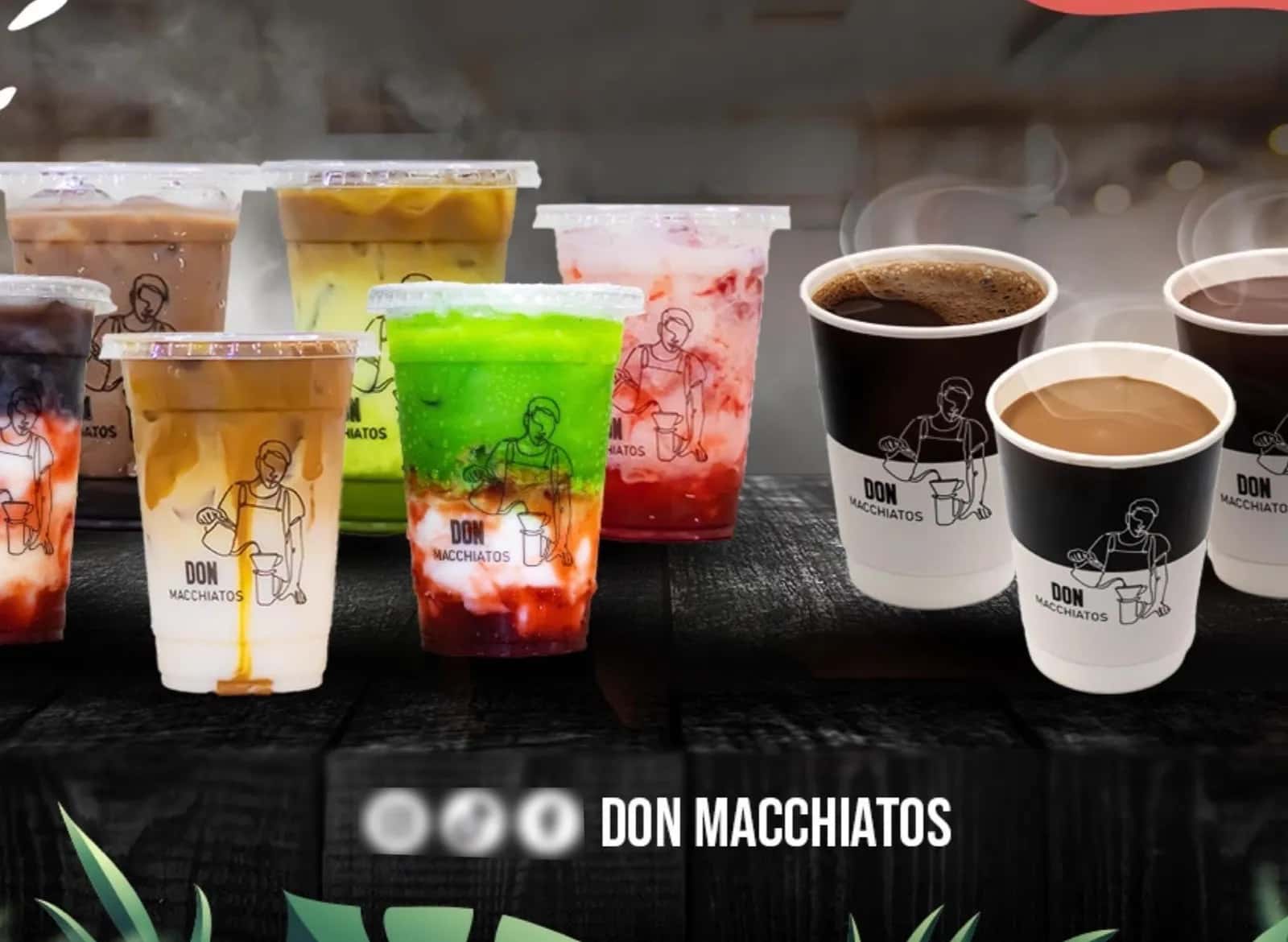
Coffee Shop

Coffee Shop

Coffee Shop
Compare coffee shop franchises with other industries at the same budget, each with its own brands, fees and investment ranges.
Compare industries by budget, daily work and payback before you choose one, free and with no pressure.

Learn practical inventory control steps for your Philippine franchise to cut waste, prevent loss, and protect your capital.
Aug 14, 2026 6 min read
Learn how non-compete clauses work when exiting a franchise agreement in the Philippines, protecting your investment after closing.
Jul 20, 2026 5 min read

Learn how to secure financing for your Philippine franchise, from preparation to approval. A practical guide for new operators and OFWs.
Jul 20, 2026 5 min read