FaB Caffe'
Coffee Shop
- Franchise fee
- ₱150k
- Total investment
- ₱250k–₱400k
🎁 Start Your 1 Month Free Trial of the Full Plan, Exclusively for Brands & Advisors.Get Started
Browse a coffee shop franchise up to ₱400k, with an investment of about ₱400k, a franchise fee of about ₱150k, and paying back in about 10 months.
Updated
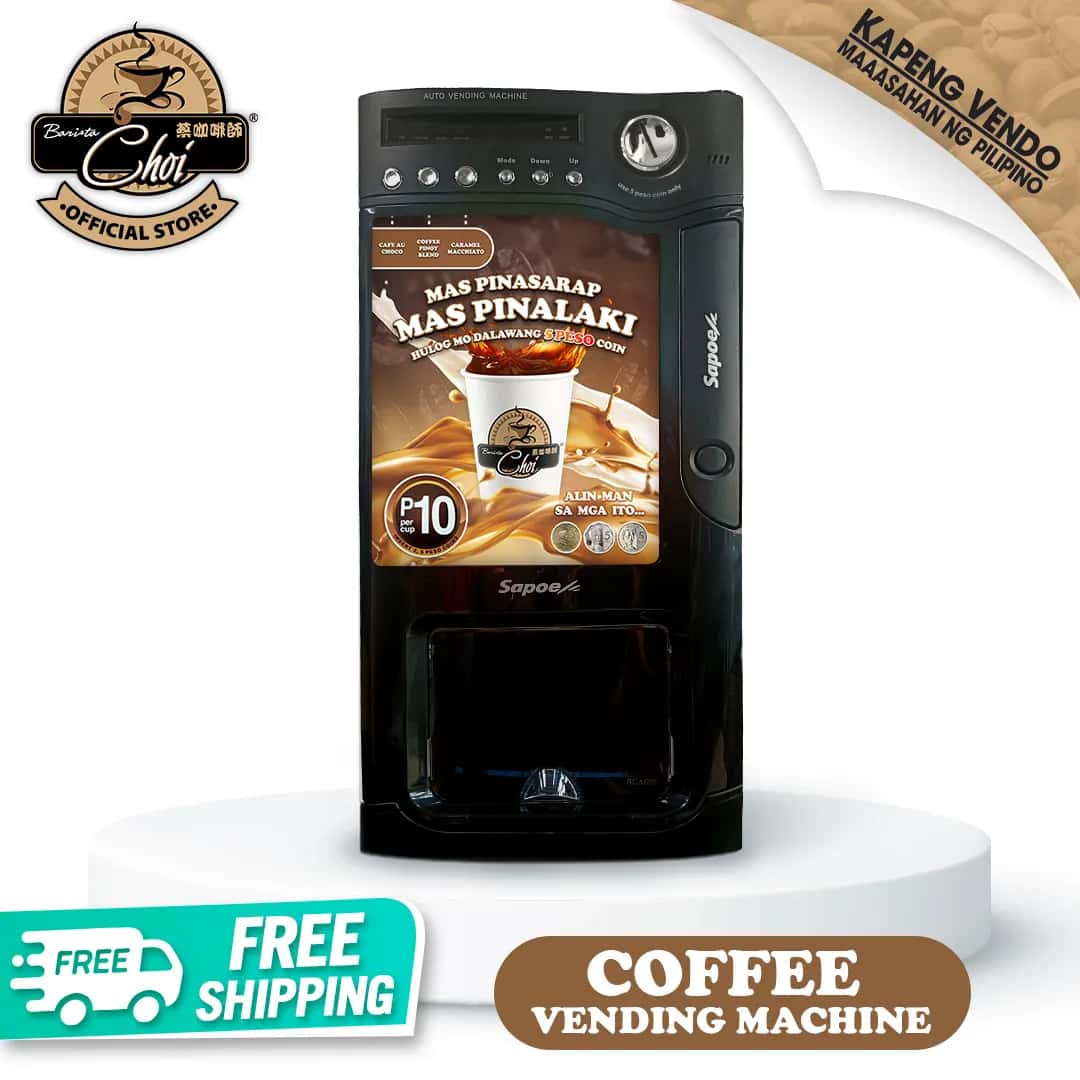
Around ₱400,000 buys a coffee shop built as a food cart or a kiosk, not a sit-down cafe. Coffee sells at this scale because people buy it standing up, on a break, or on the way somewhere, so the format matches the money rather than limiting it. The packages available here run from around ₱250,000 to ₱400,000 to open, with a franchise fee near ₱150,000 folded into that figure.
A cart or a kiosk sells the same drink a full cafe does, minus the seating, the air conditioning, and the rent that goes with both. That is the trade this budget makes. It works because coffee is a habit bought on the move as often as it is bought sitting down. A spot outside a school gate, along a transport terminal, or inside a mall corridor near steady foot traffic can sell through a whole shift without a single table to fill. The equipment for a cart or a kiosk is lighter too. That is part of why the entry cost stays in this range instead of climbing toward the cost of a proper storefront with seating and a kitchen behind it. What this budget will not buy is a lounge people linger in, and that is the shape of the trade rather than a shortfall in it. Someone planning around ₱400,000 is planning a fast-turnover, small-footprint business built for volume rather than atmosphere, and the category rewards that shape as reliably as it rewards a bigger, seated one. The daily habit is what pays the rent here, not the setting.
The figures at this level run from around ₱250,000 at the lower end to close to ₱400,000 at the top, with a franchise fee near ₱150,000 already inside that range. What remains after the fee has to stretch across the cart or kiosk unit itself, the coffee equipment, and an opening batch of beans, cups, and syrups. It also has to leave cash held back to cover the first slow weeks before regular customers form a habit around the new spot. Rent for a small footprint location, plus a deposit most landlords ask for upfront, comes out of this same pool too, and it is easy to underestimate. Anyone budgeting exactly to the top of this figure without a separate buffer for permits, signage, and a few underwhelming early weeks is planning too tight for comfort. The steadier move is to treat the upper end of the range as the build cost alone. A reserve kept on the side covers the weeks before the location finds its rhythm and its regulars. That reserve turns a slow opening month into a normal one instead of a crisis, and it is the difference between a business that survives its first quarter and one that runs out of room to adjust.
Packages at this level report a payback window around ten months. For a cart or kiosk business that mostly comes down to the daily cup count rather than the size of any single order. Reaching that pace depends on picking a location with steady footfall from the first week, not a spot that needs months of word of mouth to fill a quiet corner. The early months usually go to settling the right hours, trimming the menu to what actually sells, and finding a staffing pattern that suits a small unit. A cart or kiosk cannot carry excess stock or extra staff the way a larger shop can absorb a slow week. Mistakes show up faster here, and they cost more if they are not corrected quickly. Someone weighing this budget should plan to run the unit personally at the start. Watching which drinks move and which sit, then adjusting the lineup within the first few weeks, matters more than waiting out a quiet month and hoping it turns on its own. The format's real advantage is low cost and a fast setup, and that advantage only pays off if the first months are treated as active, hands-on management rather than money put down and left alone to find its own way.
Now that you've seen what's here, a real advisor can help you shortlist and weigh the options against your budget. Free, at your pace.

Financing Readiness · Site Selection

Franchise Agreements · Multi-Unit Expansion

Low-Capital Startups · Site Selection

Low-Capital Startups
Are you a franchise advisor?Get your own workspace here
Compare coffee shop franchises with other coffee & milk tea businesses up to ₱400k, each with its own brands, fees and investment ranges.
Get honest answers on fees, payback and the best setups for your area, free and with no pressure.
Beyond the ₱400k package price, budget for every item in the franchisor's estimated total investment, which should cover rent, deposits, renovation, permits, initial stock, staff costs and working capital. Asking for that total in writing is the quickest way to see the gap between the package and what opening really takes. Go through it line by line with your own local quotes, and if the franchisor cannot give you any total estimate at all, take that as a reason to dig deeper before you commit money.
Trimming regular expenses is one of the least exciting ways to raise ₱400k, yet it can steadily fund a coffee shop franchise without any debt. Subscriptions, takeout meals, and impulse online purchases add up over a year. Review your last few months of spending, pick a few categories to cut, and send the exact amount you save each month into your franchise fund so the progress is easy to see.
One bad surprise tests every beginner, so see whether a ₱400k coffee shop franchise leaves you enough savings to absorb one. Think of a broken freezer, a stolen cash box or a week of closure, and ask whether your spare money would cover it. If the answer is no, hold off or choose a smaller commitment. Matching the package to money you can truly spare is the surest way to keep a setback small.
In plain terms, the ₱400k you pay for a coffee shop franchise is a bundle that gets you started, and the franchisor decides what goes in it. Many bundles include equipment, supplies, training and signage. Ask the franchisor for photos or a video of a complete package laid out before installation, because seeing every box and machine in one place makes vague promises much easier to pin down.
Comparing coffee shop franchises at ₱400k, you will see food carts with 1 franchise and kiosks with 1. Setups that look similar in price can differ widely in what you get, so laying them out together helps a lot. Line up the listings for each format and note the investment, inclusions and space needed in a simple table, then cross out any option that fails on a point that truly matters to you.
Compare how many coffee shop franchises start at each budget level, from the smallest packages up.
Coffee Shop franchises priced close to your budget, worth a look if you can stretch your savings or want to spend less.

Coffee Shop
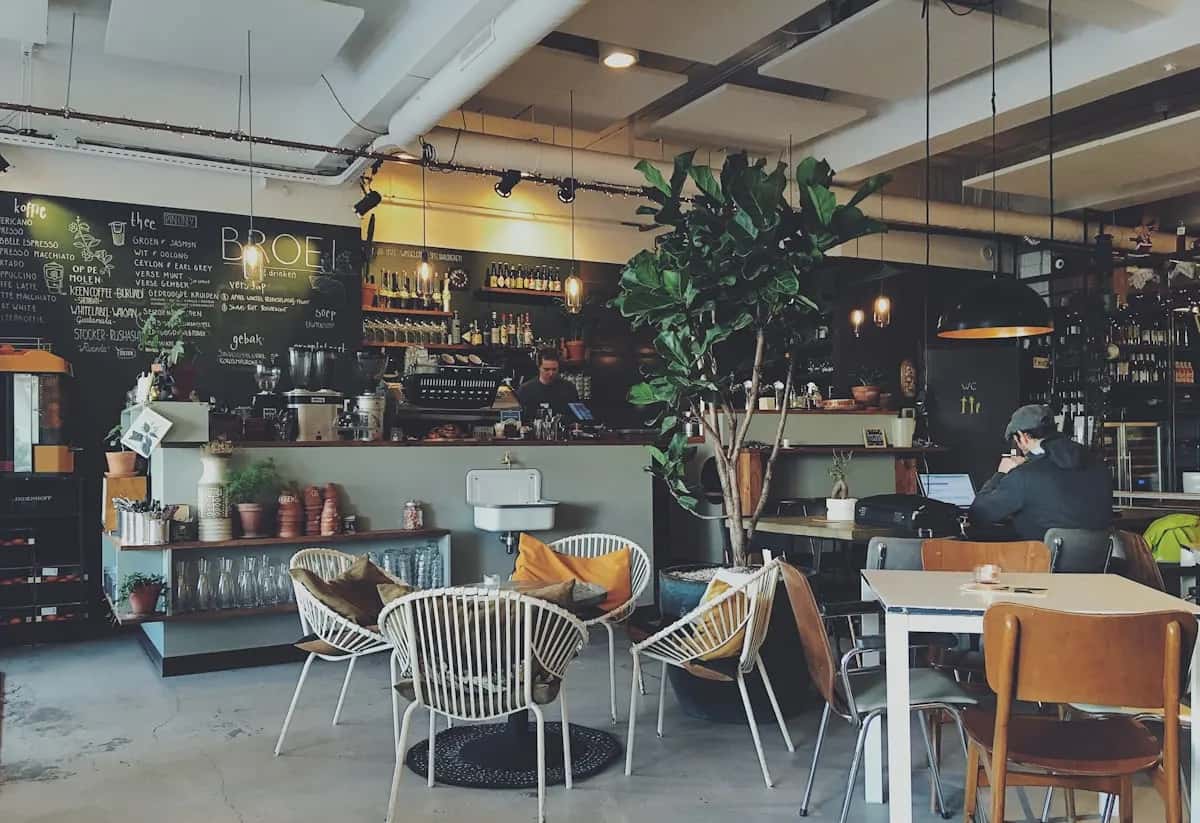
Coffee Shop
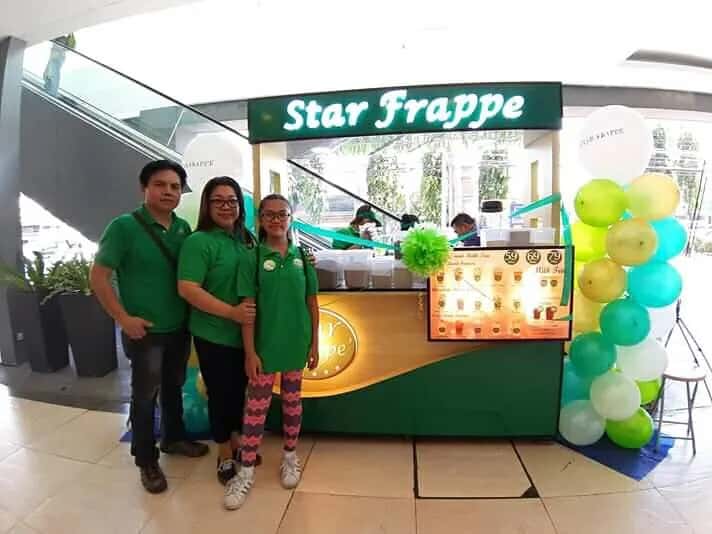
Coffee Shop
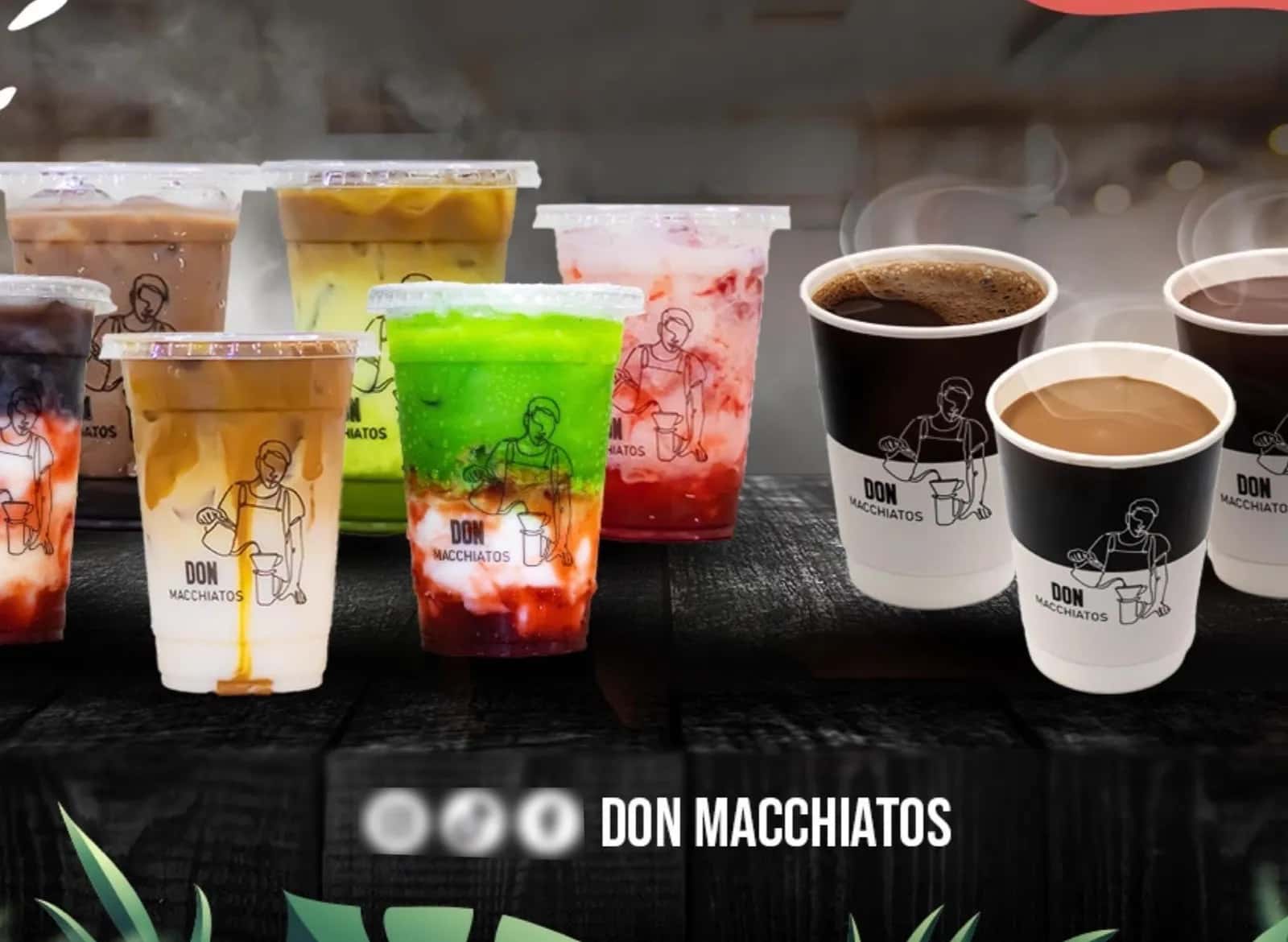
Coffee Shop

Coffee Shop

Coffee Shop
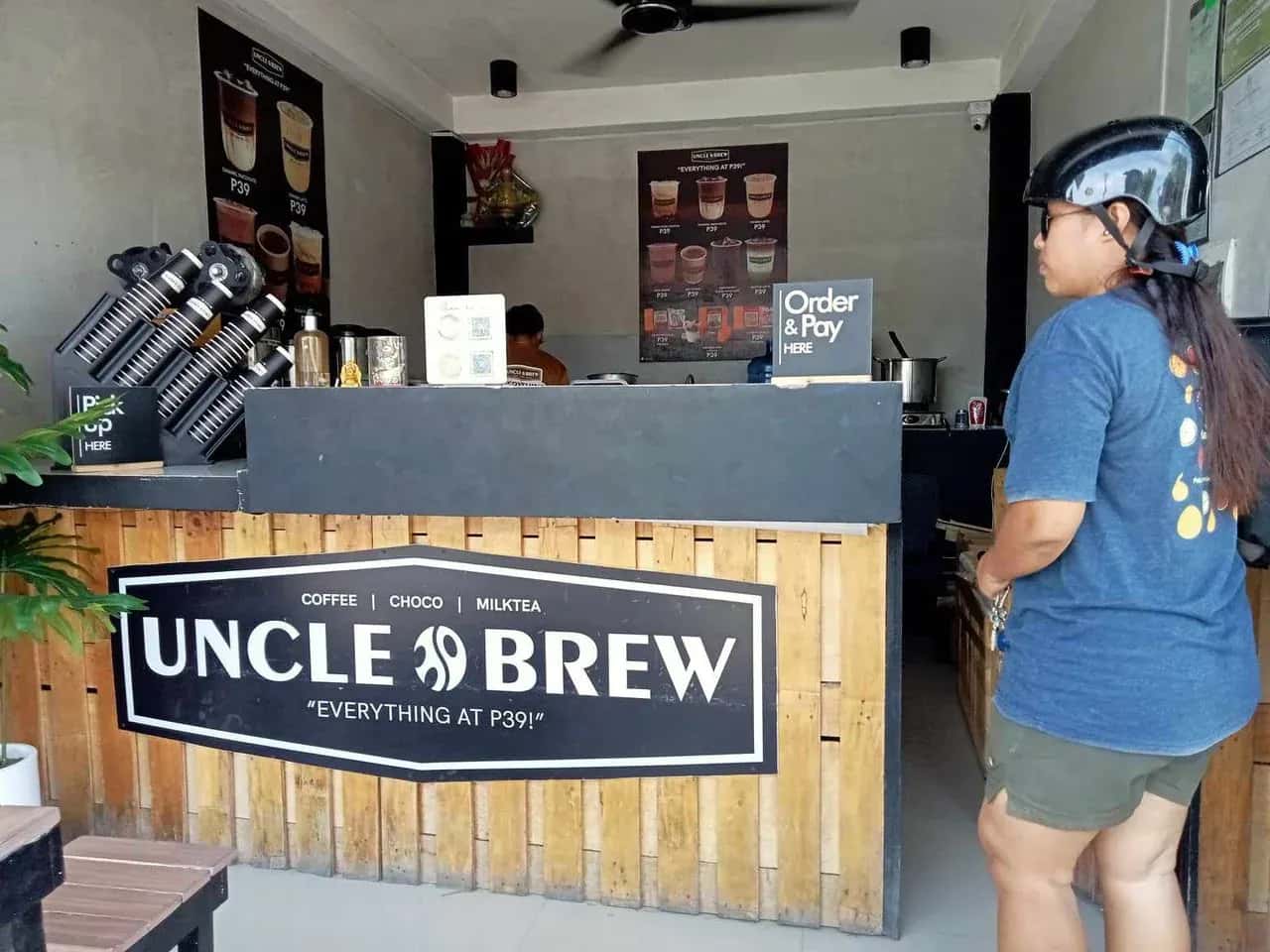
Coffee Shop
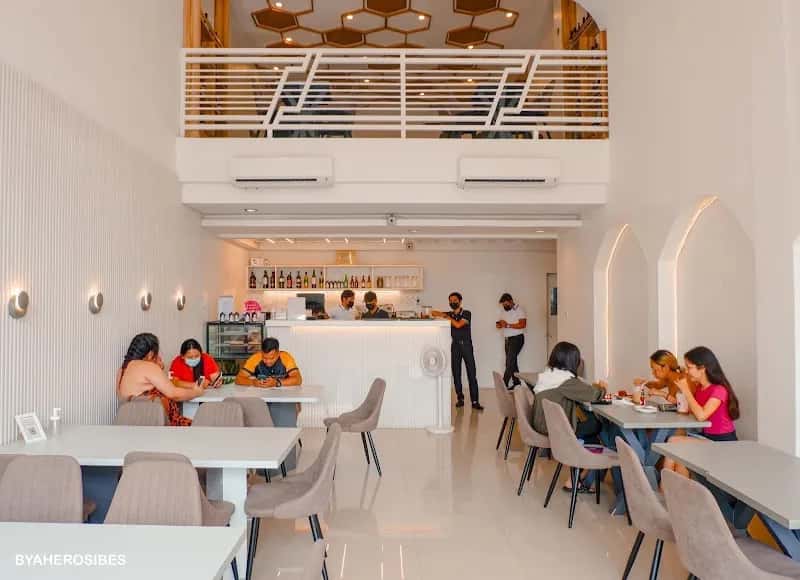
Coffee Shop
Compare coffee shop franchises with other industries at the same budget, each with its own brands, fees and investment ranges.

Carts, kiosks, and full restaurants.
60 brandsFrom ₱29k
Amigo Mango, Buko Express, Burger Factory +57 more
See brands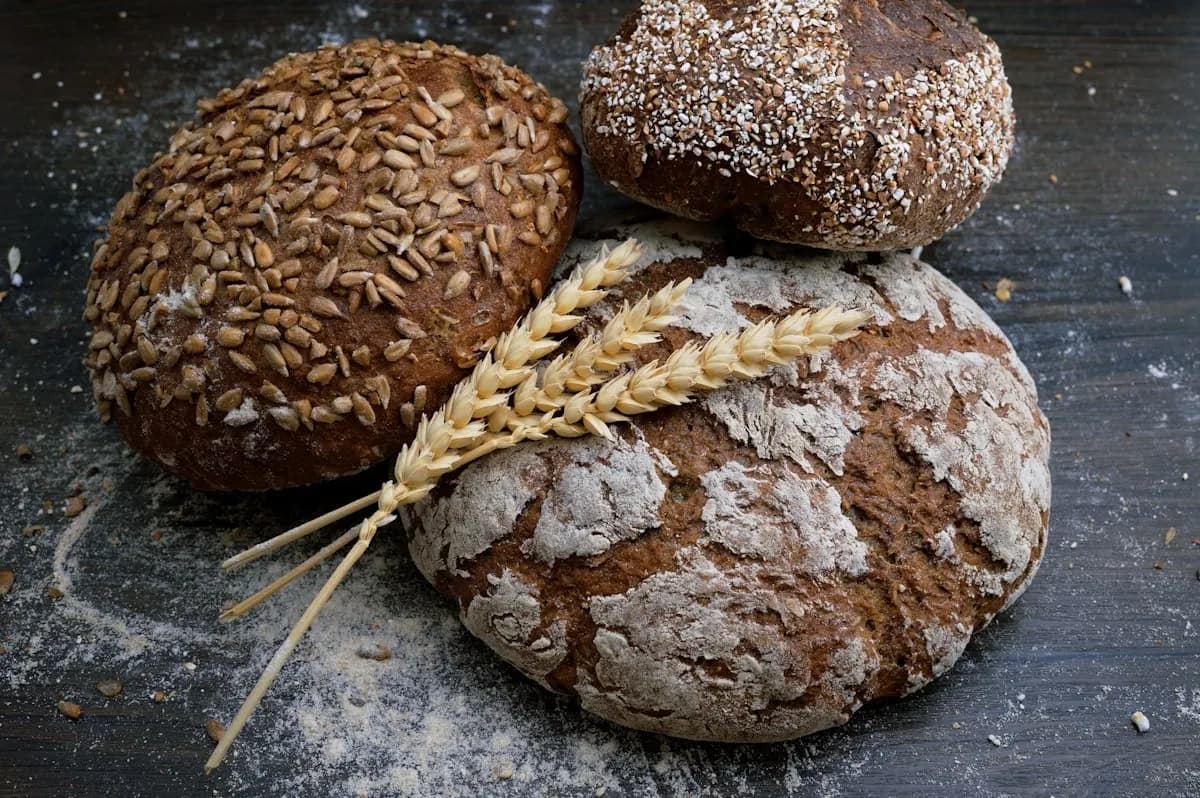
Bread, cakes, and pastry shops.
7 brandsFrom ₱250k
Waffle Time, JB's Garlic Pandesal, Lil Orbits +4 more
See brands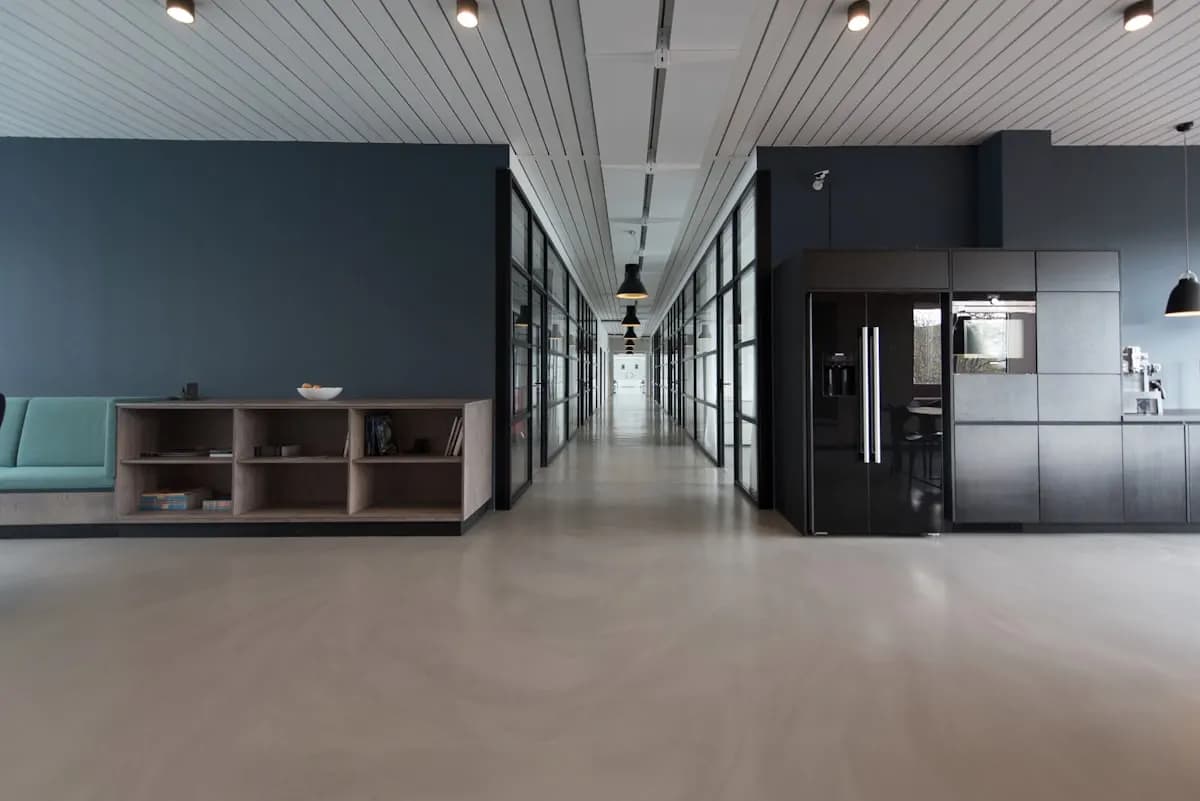
4 brandsFrom ₱200k
Partyshots Photobooth, Party Pix Photobooth, Pulse Creative Innovations +1 more
See brandsCompare industries by budget, daily work and payback before you choose one, free and with no pressure.

Learn practical inventory control steps for your Philippine franchise to cut waste, prevent loss, and protect your capital.
Aug 14, 2026 6 min read
Learn how non-compete clauses work when exiting a franchise agreement in the Philippines, protecting your investment after closing.
Jul 20, 2026 5 min read

Learn how to secure financing for your Philippine franchise, from preparation to approval. A practical guide for new operators and OFWs.
Jul 20, 2026 5 min read