KAPErahan Coffee Tea Atbp
Coffee Shop
- Franchise fee
- ₱50k
- Total investment
- ₱150k–₱250k
🎁 Start Your 1 Month Free Trial of the Full Plan, Exclusively for Brands & Advisors.Get Started
Browse 3 coffee shop franchises up to ₱300k, with investments of about ₱250k each, a franchise fee of about ₱50k, and most paying back in 12 to 18 months.
Updated
Coffee Shop
Coffee Shop
Coffee Shop
The license fee stays flat at ₱50,000 across this ₱300,000 coffee shop budget. Total setup itself swings further, from about ₱150,000 to the full amount depending on the build. Payback claims run a year to a year and a half, a modest stretch longer than the cheapest carts in the wider coffee and milk tea category tend to claim. A cart and a kiosk are what this budget actually builds. Neither one asks for a large menu or an elaborate fit-out beyond the basics needed to brew and serve properly.
A cup of properly brewed coffee, even from a small cart, competes less with the giant cafe chains and more with instant coffee sachets and the office coffee maker. The bar it has to clear with a customer is lower than the price tag might suggest, since the alternative most customers are actually weighing is a cheap sachet, not a fancier cafe down the street. Every package priced into this budget comes as both a food cart and a kiosk, formats built to be dropped into wherever foot traffic already exists. That combination, real coffee at cart-and-kiosk prices, is really the entire pitch at this budget. It does not need an elaborate flavor lineup or a large menu to keep working, since the product speaks for itself once the price is right. A customer choosing between a sachet at a desk and a fresh cup a short walk away tends to pick the fresh cup often enough to keep a well-placed cart or kiosk busy through the morning rush.
Setup for these packages runs from about ₱150,000 to ₱250,000, and the license fee sits at a flat ₱50,000 no matter which end of that setup range a buyer lands on. The variation in total cost comes almost entirely from the site and the equipment. It does not really come from the brand itself in any meaningful way. Claimed payback ranges from about a year to a year and a half, slower than the cheapest budgets in the wider coffee and milk tea category but realistic for a small, coffee-focused operation with a thin per-cup margin. Because the fee itself does not move within this budget, comparing options here really means comparing sites and build-out choices, not licensing terms. A buyer with a strong site in hand and a modest budget for fit-out can land close to the ₱150,000 end without giving up much compared with the fuller build.
A coffee cart or kiosk at this budget is almost always a one or two person operation in its first year. Success depends heavily on the operator mastering the brewing equipment quickly enough that early waste does not eat into an already thin margin, whether that waste shows up as over-extracted shots or milk steamed past being usable. Because the fee here is fixed and modest, most of what separates a good first year from a disappointing one comes down to the site chosen and the consistency of the coffee itself. Neither of those things is guaranteed by the brand name, no matter how recognizable it might already be. A modest, well-run cart in a genuinely good spot can outperform a poorly managed setup with far more recognition behind it. Treating the first few months as a period for tightening the routine, not just for selling, tends to pay off once the numbers get checked at the six month mark.
The food cart and the kiosk are priced identically and share the same fixed fee. That leaves the decision coming down almost entirely to the practicalities of the site. Does the spot in mind allow a fixed structure, or only a mobile one? A landlord willing to sign a proper lease pushes the answer toward the kiosk. A temporary or shared spot pushes it toward the cart. Neither format changes the underlying coffee business much. A buyer overthinking the cart-versus-kiosk question here is usually better served spending that time evaluating the site itself. Whichever format gets chosen, the underlying coffee, the pricing, and the daily routine stay close enough that switching later is a smaller adjustment than in almost any other budget this category prices out. That flexibility is one of the quieter advantages of a budget this size, even though it rarely gets mentioned before signing.
Now that you've seen what's here, a real advisor can help you shortlist and weigh the options against your budget. Free, at your pace.

Financing Readiness · Site Selection

Low-Capital Startups · Site Selection

Low-Capital Startups

Franchise Agreements · Multi-Unit Expansion
Are you a franchise advisor?Get your own workspace here
Compare coffee shop franchises with other coffee & milk tea businesses up to ₱300k, each with its own brands, fees and investment ranges.
Get honest answers on fees, payback and the best setups for your area, free and with no pressure.
Your options at ₱300k total three coffee shop franchises listed between ₱200k and ₱300k, and what each package includes deserves as much attention as its price. Ask each franchisor for a written list of covered items and compare equipment, stock and training. Packages at the same price can differ widely, so the list often reorders your ranking. Drop those with major gaps and keep the ones that cover the most.
Beyond physical items, packages priced between ₱200k and ₱300k sometimes include staffing help, such as a recommended crew plan or hiring templates, next to equipment and training. This kind of inclusion is easy to overlook. Ask each franchisor to list any people related help on the written inclusion sheet, and compare those lines across offers, so you can see which package gives you more than machines and stock.
An ipon challenge, where the amount you save grows a little each week, can turn raising ₱300k for a coffee shop franchise into a habit the whole household follows. The early amounts feel small, and the momentum builds as the weeks pass. Pick a version you can keep up even in a tight week, deposit what you collect regularly instead of leaving cash at home, and restart right away if you miss a week.
Handing work to staff looks different across food carts with 3 franchises and kiosks with 3, the coffee shop setups at ₱300k. In simple formats you can train one reliable person to open and close, while complex ones need you closely involved in many steps. Think about which tasks you are willing to hand off and which you must do yourself, then choose the format whose routines you can delegate without losing track of what happens on the floor.
Waste collection and environmental compliance can add small but steady costs beyond ₱300k. Depending on your business, you may need regular garbage pickup, proper disposal of oils, chemicals or used parts, and grease traps or similar equipment that local rules require. Ask your local government office which waste rules apply to your type of business, and include any collection or disposal fees in your monthly costs.
Starting a franchise is a big step, and a coffee shop franchise at ₱300k makes a good first choice when you know what you want from it. Some people want extra income, others want a full career change, and others want something for family members to run. Write your goal in a single sentence and check whether this franchise realistically serves it. A clear goal makes every later decision easier.
A quoted payback of 12 to 18 months is typical for a coffee shop franchise at ₱300k. That figure is the franchisor's estimate of how long profit takes to repay your whole investment. Verify it with owners already running one, asking how long they took and what slowed them. Also keep a reserve for the slow early months, since a payback that runs late hurts most when no savings are left.
Already owning a suitable space can make ₱300k enough where it otherwise would not be. The three coffee shop franchises quoting an investment between ₱200k and ₱300k usually leave the location to you, so using property you already have can spare you advance rent and deposits. Ask the franchisor to assess the space early, since approval usually depends on visibility, foot traffic and size, and a site that does not qualify can cost more to fix than finding a better one.
Compare how many coffee shop franchises start at each budget level, from the smallest packages up.
Coffee Shop franchises priced close to your budget, worth a look if you can stretch your savings or want to spend less.
Coffee Shop
Coffee Shop

Coffee Shop

Coffee Shop
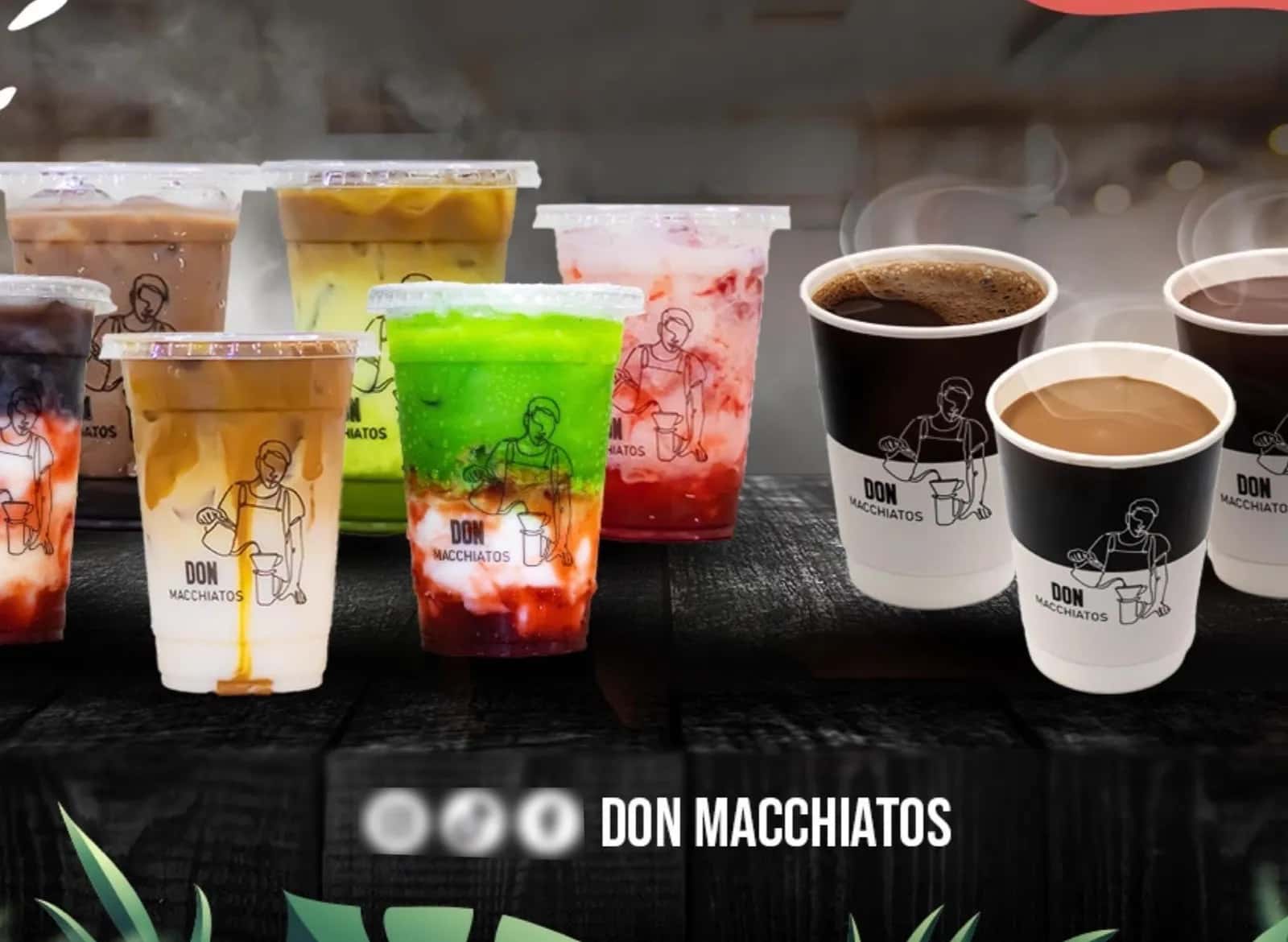
Coffee Shop

Coffee Shop

Coffee Shop

Coffee Shop
Compare coffee shop franchises with other industries at the same budget, each with its own brands, fees and investment ranges.

Carts, kiosks, and full restaurants.
83 brandsFrom ₱30k
Chings Fried Noodles, 99 Silog, Captain Calamares +80 more
See brands
Bread, cakes, and pastry shops.
2 brandsFrom ₱150k
Puto ni Bumbong, Choo-Choo Waffle Station
See brandsCompare industries by budget, daily work and payback before you choose one, free and with no pressure.

Learn practical inventory control steps for your Philippine franchise to cut waste, prevent loss, and protect your capital.
Aug 14, 2026 6 min read
Learn how non-compete clauses work when exiting a franchise agreement in the Philippines, protecting your investment after closing.
Jul 20, 2026 5 min read

Learn how to secure financing for your Philippine franchise, from preparation to approval. A practical guide for new operators and OFWs.
Jul 20, 2026 5 min read