Mr. Kokio
Korean Street Food
- Franchise fee
- ₱50k
- Total investment
- ₱200k–₱400k
🎁 Start Your 1 Month Free Trial of the Full Plan, Exclusively for Brands & Advisors.Get Started
Browse 11 Korean street food franchises in Manila, including 2 affordable franchise brands under ₱100k that pay back in about 3 months and 9 medium-investment franchise brands between ₱100k and ₱1M that pay back in 10 to 18 months.
Updated
Manila has about 185 Korean restaurants among the 36,998 businesses on the map, from shops and services to clinics and schools. Check what already operates near the spot you have in mind for your franchise.
Population
1,846,5132020 census
Per 10,000 residents
200businesses we track
Business locations are based on Overture Maps open data (October 21, 2026 release) and do not represent a complete census of all businesses.
Manila already runs more on food and drink than on any other trade, in a city packed with close to one point eight million residents and cut across daily by workers, students, and visitors passing through. Korean street food packages that list the city directly reflect that scale. Entry spans from around ₱200,000 up to ₱1.2M, with a fee between ₱50,000 and ₱200,000. Payback runs from about ten months to eighteen months, depending mostly on whether the build is a cart, a kiosk, an inline store, or a mobile unit.
At the low end, around ₱200,000 buys a cart or a compact kiosk with a short menu and minimal counter space, paired with a fee closer to ₱50,000. That is the leanest way into the category here. At the top, spending up toward ₱1.2M buys an inline storefront with room for a longer menu and more counter space, and a fee closer to ₱200,000 that usually includes fuller training. The gap between those two figures is not about which one performs better. It is about how much daily revenue a bigger space needs to justify its rent and staffing, against how much a smaller cart can still earn on a good corner without that overhead. Payback follows the same logic, quoted from about ten months for the leaner builds out to eighteen months for the fuller ones, since more fixed cost simply takes longer to clear. A reader with limited capital still has a genuine entry point into the category here, rather than needing the full top-end figure just to get started.
Manila carries close to thirty two thousand businesses within its limits, and food and drink is the single largest category among them, just ahead of general services and well ahead of shops and retail. Roughly one in four businesses in the city sells food or drink in some form. That scale sits inside a resident population of close to one point eight million people packed into the country's most densely built city. The daytime population runs higher still once workers, students, and visitors moving through the city each day are added to that count. For a street food format, a market this large and this food-oriented means demand is rarely the real constraint. The constraint is finding a specific corner where foot traffic, rent, and competition line up in the stall's favor, since a city this size holds room for both excellent and poor locations within a short walk of each other.
Running a Korean street food stall in Manila day to day means operating inside one of the most competitive food environments in the country, simply because so much of the local economy already runs on food and drink. Standing out is less about novelty than about consistency: reliable hours, a menu that does not change unpredictably, and quick service that respects how little time a passing customer usually has to spare. Rent pressure is real given how dense and sought-after commercial frontage is here, so every square meter of counter space needs to earn its keep. That usually means running lean on staff during slow stretches and adding hands only during a proven rush. The customer base is also unusually mixed for a single location. Office workers, students, residents, and visitors passing through can all show up at the same stall depending on where it sits. A menu or price built for only one of those groups can leave money on the table from the others. Reading which crowd actually dominates a specific corner, and adjusting hours and menu to match, is the daily task that separates a stall that holds its ground from one that fades after its opening month.
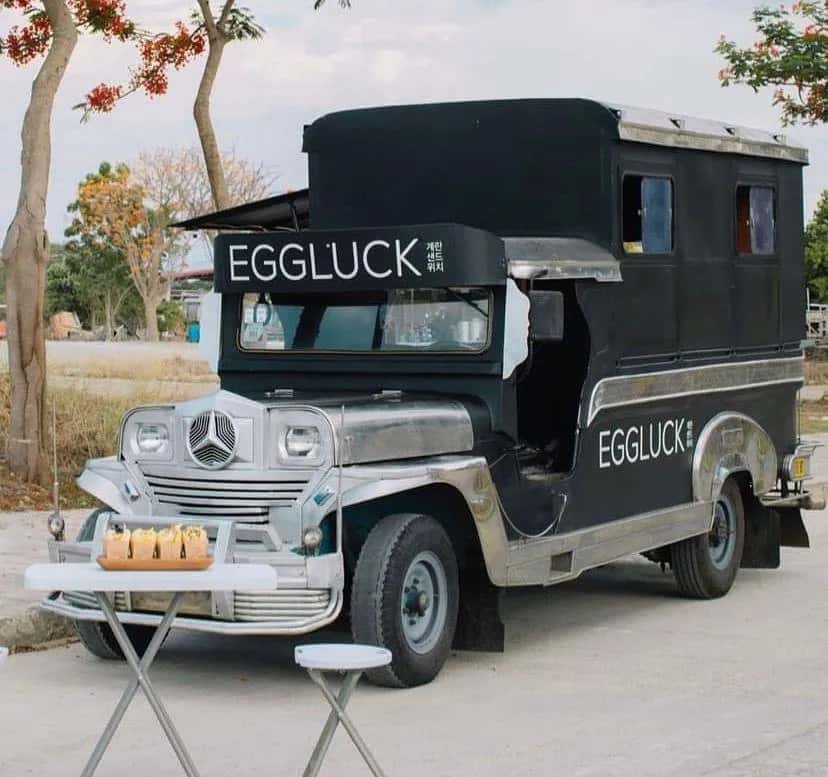
Alongside the usual kiosk and cart, about half of the local setups here add an inline storefront option. A smaller number go further still with a mobile unit, a food-truck-style format that can move between locations rather than commit to one spot. A mobile setup suits an operator who wants to test several locations before settling, or who wants to chase events, payday crowds, or an exam season crowd near a school without being tied to one corner's daily rent. It trades a fixed address's steady walk-up traffic for flexibility, which can work well in a city large enough to have multiple worthwhile spots but not enough capital to hold a lease at all of them at once. Choosing a mobile format over a fixed kiosk or cart is really a bet on an operator's own energy and willingness to keep finding and testing new spots, rather than settling into one location's routine. For someone who prefers predictability, a fixed cart or kiosk remains the simpler choice, even inside a market this large.
Now that you've seen what's here, a real advisor can help you shortlist and weigh the options against your budget. Free, at your pace.

Financing Readiness · Site Selection

Low-Capital Startups

Low-Capital Startups · Site Selection

Franchise Agreements · Multi-Unit Expansion
Are you a franchise advisor?Get your own workspace here
Compare Korean street food franchises with other food & beverage businesses in Manila, each with its own brands, fees and investment ranges.
Roast chicken, inasal, and grilled favorites.
58 brandsFrom ₱15k
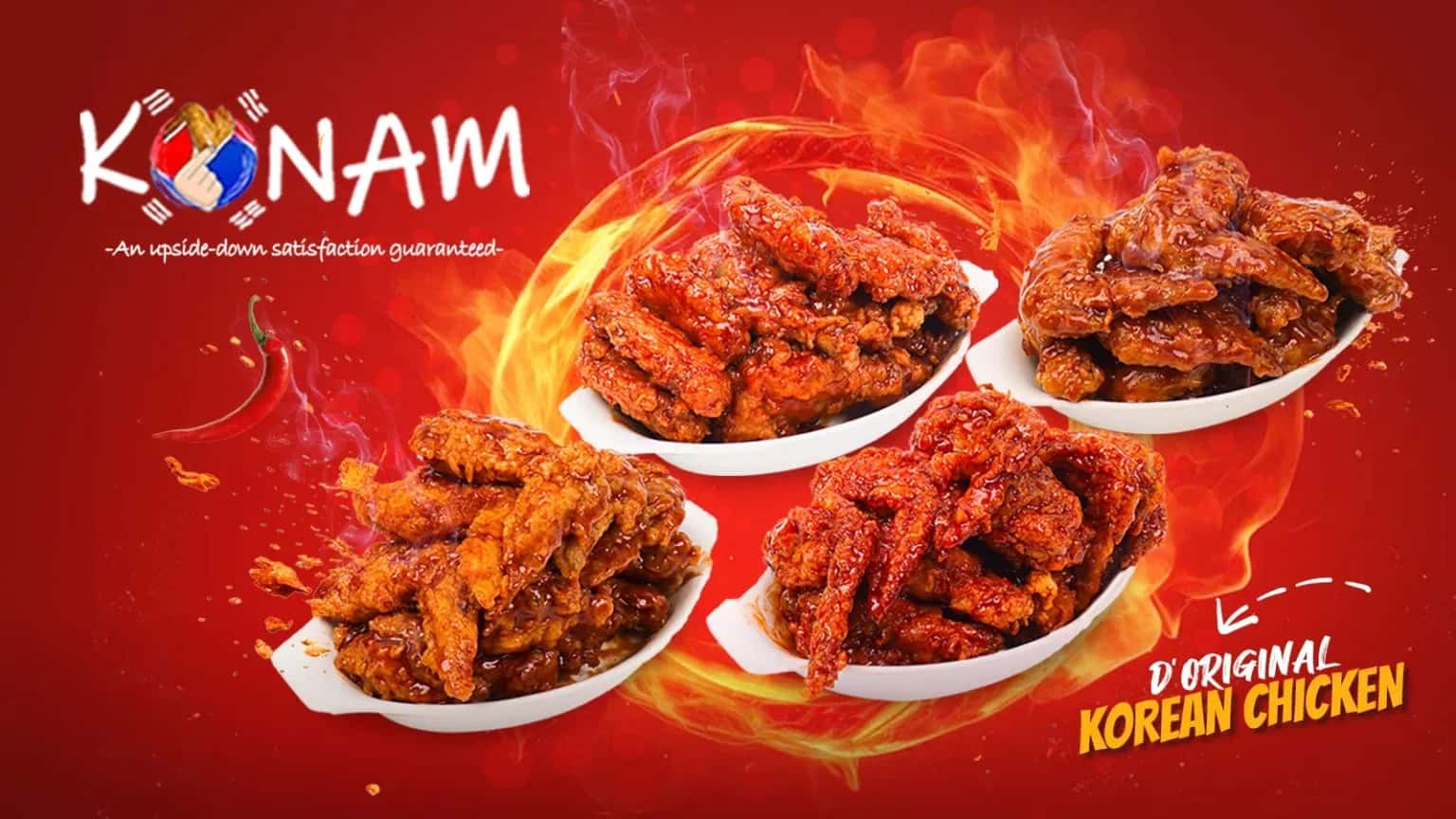
Konam, 24 Chicken, Bai's Boneless Lechon Cebu +55 more
See brands
Fishball, siomai, and grab-and-go bites.
58 brandsFrom ₱25k
Chings Fried Noodles, Captain Calamares, Kerrimo +55 more
See brands
Homegrown Filipino food concepts.
56 brandsFrom ₱17k
Kwatogs, 99 Silog, Boy Bondat Beef Pares +53 more
See brands
Ice cream, halo-halo, and sweet treats.
48 brandsFrom ₱3k
Arce Dairy, Momoyo, Llaollao +45 more
See brands
Fresh juices, shakes, and smoothie bars.
47 brandsFrom ₱59k
Buko Express, Barefruit Guyabano, Buko Juan +44 more
See brands
Sit-down restaurants with full menus.
39 brandsFrom ₱35k
David's Tea House, Everything But Cheese, Gerry's Grill +36 more
See brands
Quick-service restaurants and fast-food chains.
29 brandsFrom ₱150k
Jollibee, Mang Inasal, Chowking +26 more
See brands
Burger joints and snack grills.
26 brandsFrom ₱17k
Minute Burger, Army Navy Burger + Burrito, Brothers Burger +23 more
See brands
Pizza parlors and pasta houses.
25 brandsFrom ₱17k
Shakey's, Fatboy's Pizza Pasta, Greenwich +22 more
See brands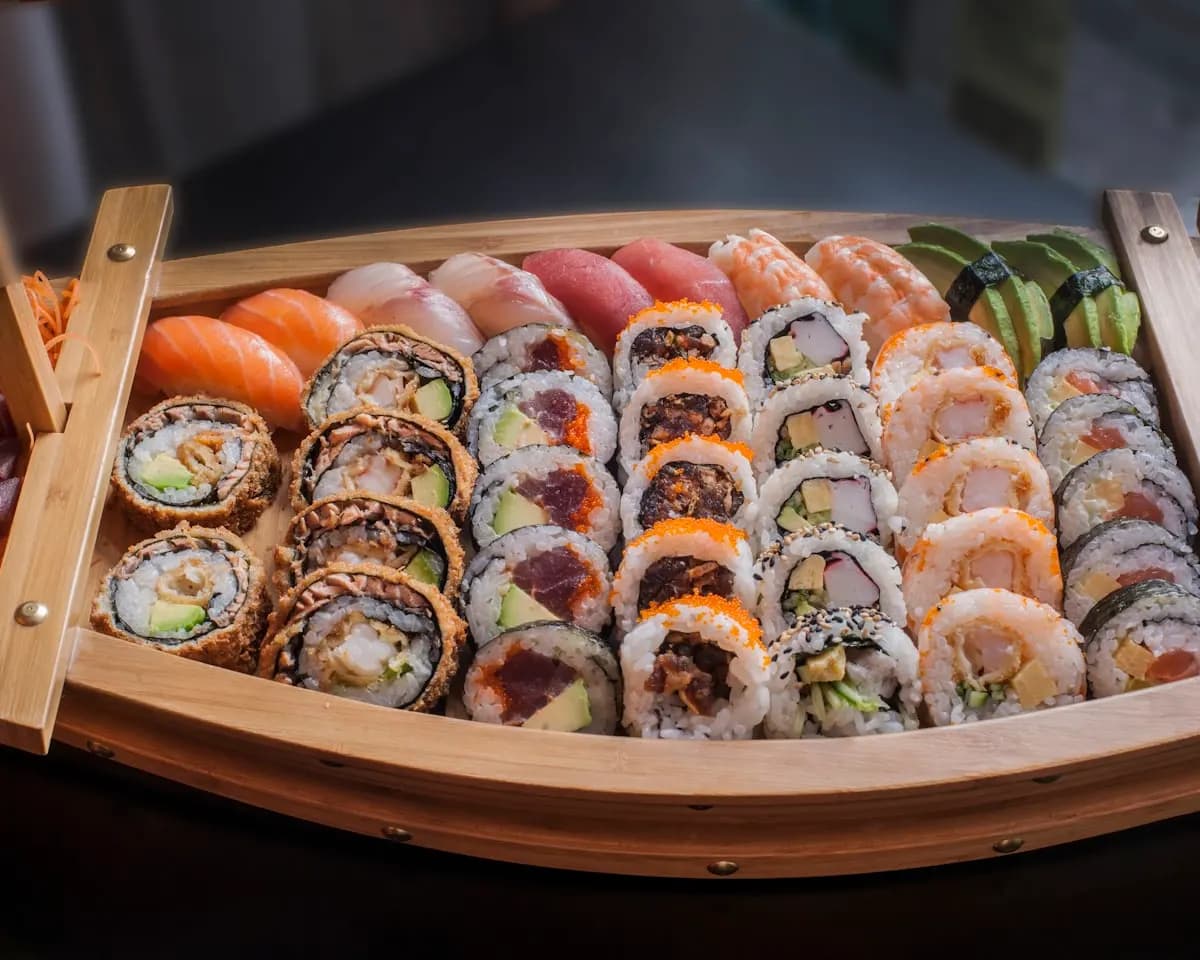
20 brandsFrom ₱17k
Gryn Wasabi Sushi Bar, Kyu Kyu Ramen 99, Koyaki +17 more
See brandsGet honest answers on fees, payback and the best setups for your area, free and with no pressure.
For Manila, the figure stands at 11 Korean street food franchises looking for franchisees. That total combines eight that name Manila with three that recruit nationwide, and medium-investment is the largest group among them. A local franchisor may know Manila better, while a nationwide one may bring stronger supply and a bigger support system. Ask each to confirm your exact city is covered and how support would reach it.
Franchise branches and independents both sit among the 185 Korean restaurants in Manila, though open data misses some shops and does not tell them apart. Visit the pins near your planned spot to see which are chains and which are independents. Independents often hold loyal regulars, so watch how many customers they draw, because a busy independent nearby shows that people in the area already have a favorite place.
A first Korean street food franchise in Manila usually starts within ₱17k to ₱500k, and the quote tends to cover a single outlet. Anything beyond that, like a bigger format or extra equipment for later growth, would be priced on top. When you read an offer, check that the figure matches the one store you plan to open. Then compare that single store price with your own budget so you do not pay for capacity you are not ready to use.
Employees thinking of a side business can look at two Korean street food franchises in Manila starting under this price. Check your employment contract first, since some employers restrict outside business or require you to disclose it. Then pick a package that does not depend on your presence during office hours. A trusted family member or helper can cover the working day while you manage the books in the evening.
However you lean, find out how support reaches you, since the eight local Korean street food franchisors listing Manila and the three nationwide ones communicate in very different ways. Some rely on casual chats, while others send formal bulletins. Missed updates can mean outdated procedures. Ask each franchisor to show you a recent message it sent to franchisees and how owners can reach the team with questions. Clear channels usually signal a franchisor that expects to be asked for help.
Local rules on plastic and packaging differ between cities and towns, so ask a Korean street food franchisor whether its required packaging complies with any ordinances in Manila. If it does not, you may need different materials, and you want to know who pays for them. Ask whether other branches have faced the same issue. A quick check with the local business permit office confirms what applies before your first order arrives.
Some franchisors treat the royalty as fixed, yet many Korean street food franchisors in Manila are willing to explain why they chose their structure. Ask whether the fee is a share of sales or a flat sum, what it pays for, and why that approach suits their network. A franchisor that can justify its structure with concrete support, such as training and marketing, gives you a clearer basis for comparing offers.
Be careful with middlemen who claim to represent a franchisor. In Manila, some people offer exclusive spaces for a finder fee while claiming a link to a Korean street food franchisor. Confirm directly with the franchisor that the person is authorized before paying anything, and keep any payment tied to a signed lease. Real franchisors publish clear contact points, so anyone who insists on payment through a private account or a rush deadline deserves suspicion.
Keep notes during training, because you will not remember everything once the outlet gets busy. Most Korean street food franchisors cover a lot of ground in a short time, from operations and products or services to staff and systems. Ask whether you may record demonstrations or take photos of procedures, and use them to build your own quick guide for the crew at your Manila outlet.
Compare how many Korean street food brands take franchisees in the cities around Manila, nearest first.
Every industry in Manila, by how much it takes to start and by the kind of space it runs from.
By budget
Other food & beverage franchises taking franchisees in Manila, worth comparing on cost, fees and payback.
Filipino Restaurant
Chicken & BBQ
Visit a branch
Fast Food Restaurant
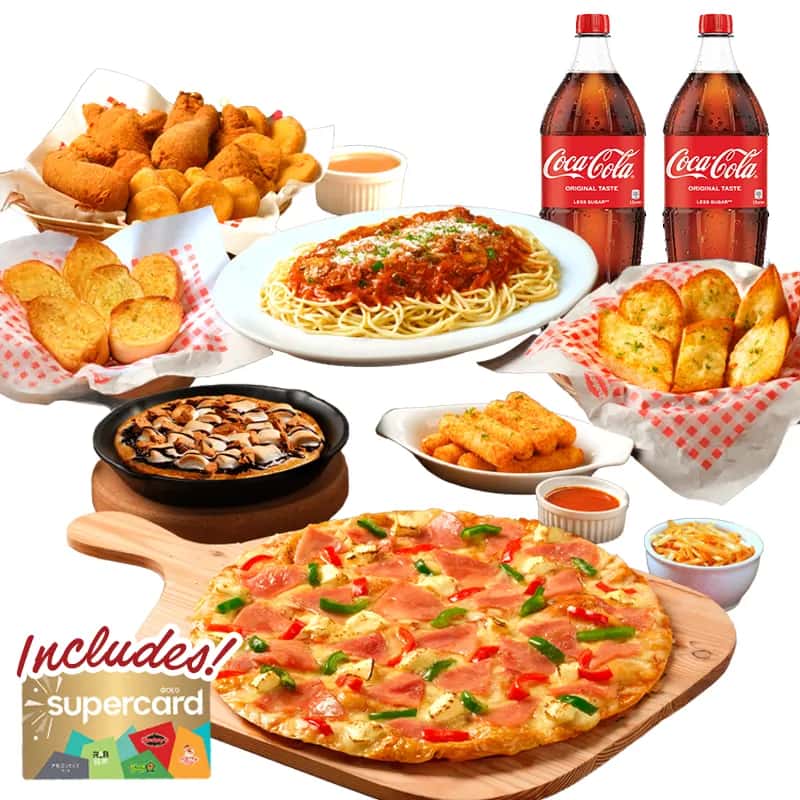
Pizza & Pasta
Visit a branch
Fast Food Restaurant
Visit a branch
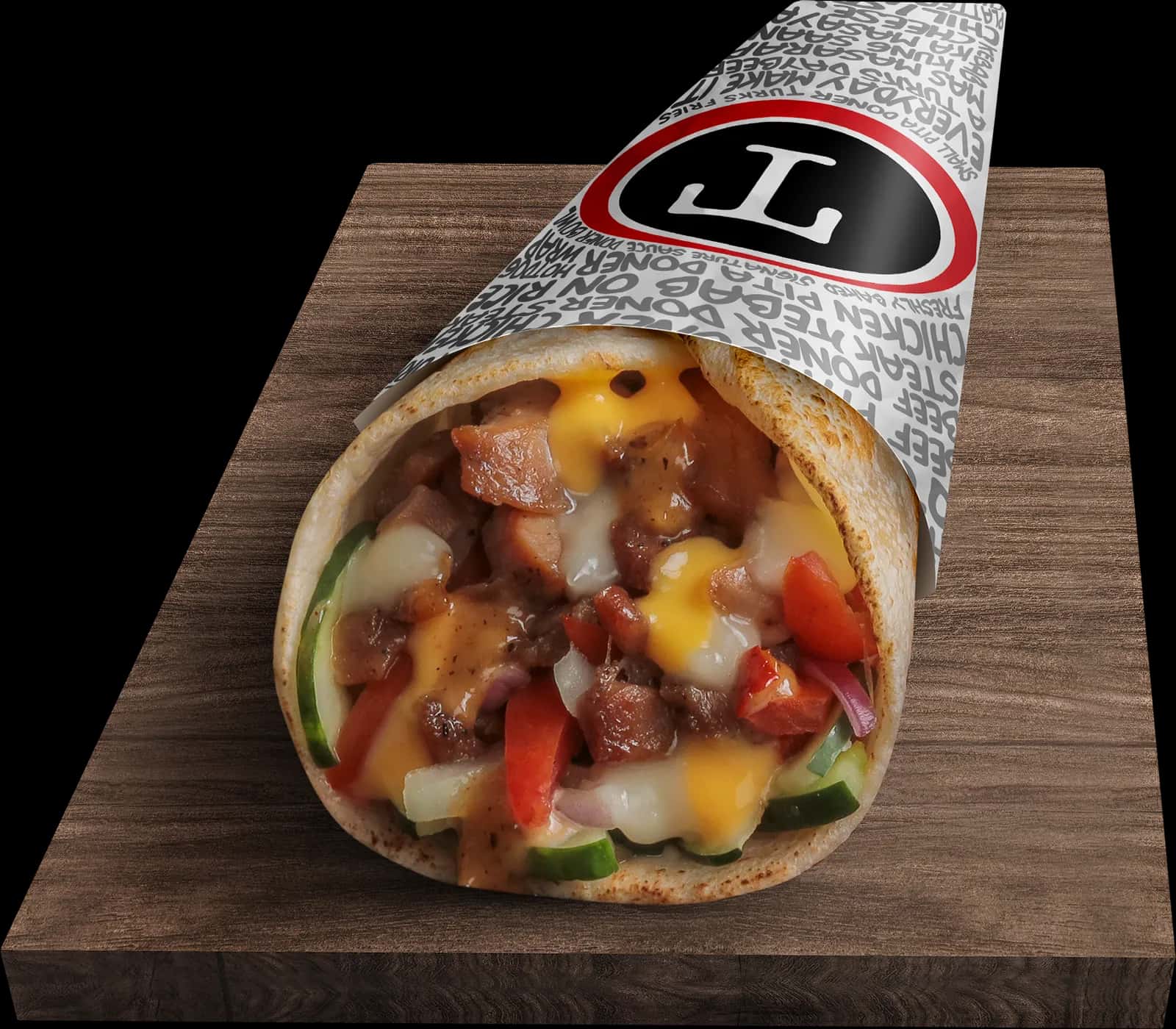
Shawarma
Visit a branch
Fast Food Restaurant
Visit a branch
Burgers
Compare Korean street food franchises in Manila with other industries there, each with its own brands, fees and investment ranges.

Coffee, milk tea, and cold drink shops.
113 brandsFrom ₱17k
Sip Up Coffee, Zagu, Macao Imperial Tea +110 more
See brands
Mini marts and convenience stores.
68 brandsFrom ₱500
Animaland Stuffery, Alfamart, Folded & Hung +65 more
See brands
Salons, barbershops, and spa services.
58 brandsFrom ₱200k
Big Apple Express Spa, Bruno's Barbers, Chroma (by Cre8) +55 more
See brands
Bread, cakes, and pastry shops.
52 brandsFrom ₱17k
Waffle Time, Mister Donut, Goldilocks +49 more
See brands
32 brandsFrom ₱15k
Partyshots Photobooth, TNC Cyber Cafe, Truewin +29 more
See brands
26 brandsFrom ₱250k
ALOHA (Abacus Learning of Higher Arithmetic), Kumon, MSA Academic Advancement Institute +23 more
See brands
24 brandsFrom ₱620k
Eastern Petroleum, Speedy1 Carwash, Pilipinas Shell +21 more
See brands
Drugstores and health supplement outlets.
23 brandsFrom ₱188k
Farmacia ni Dok, Gamot Publiko, Generika Drugstore +20 more
See brands
15 brandsFrom ₱20k
eTap Self-Service Payment Machine, M Lhuillier (ML Express), Palawan Express Pera Padala +12 more
See brands
Gyms, studios, and sports facilities.
15 brandsFrom ₱1.6M
GoFit Gym, Snap Fitness 24/7, UFC Gym +12 more
See brands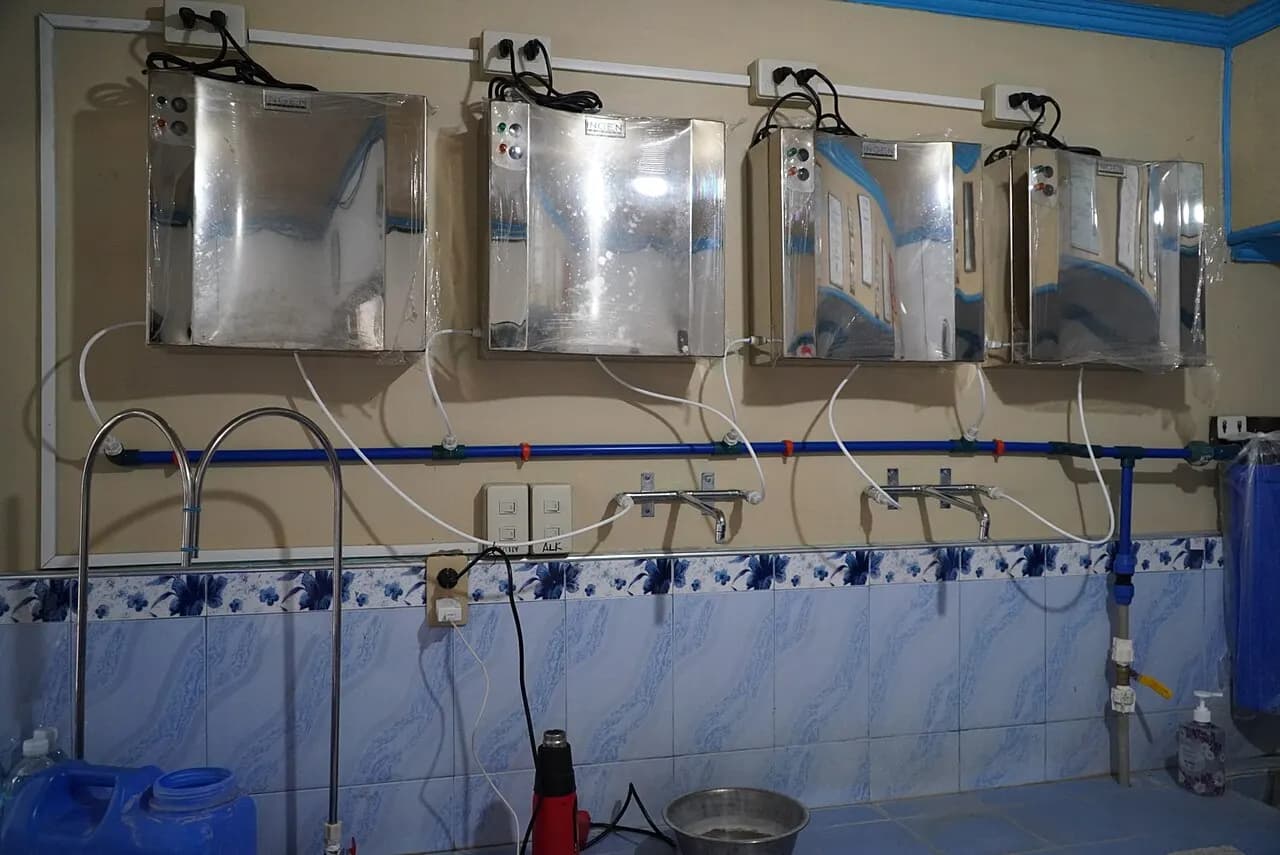
Purified and mineral water stations.
12 brandsFrom ₱100k
Aquabest, Aquasoft Water Systems, Aqualipure +9 more
See brands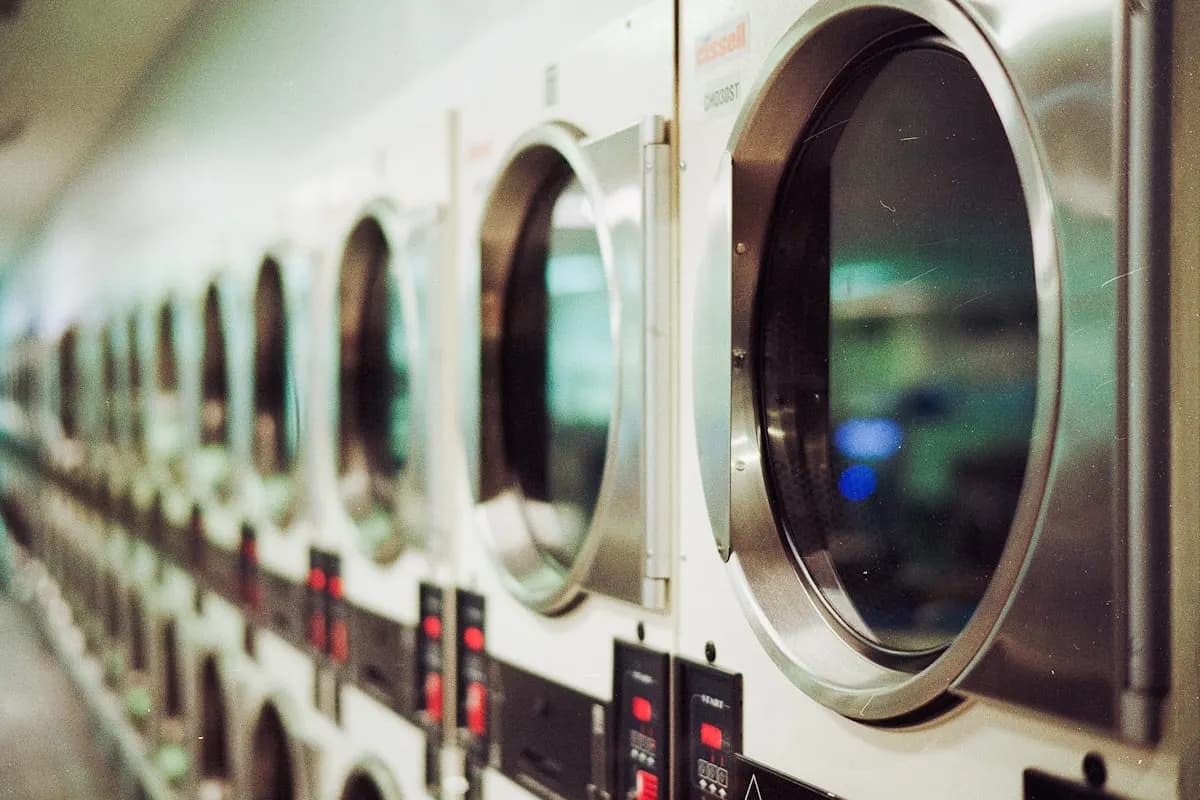
Self-service and full-service laundry shops.
11 brandsFrom ₱400k
CS Laundry, Tiny Bubbles Self-Service Laundry, Tipidsulit Laundromat +8 more
See brands
Padala, parcel, and delivery outlets.
8 brandsFrom ₱10k
Alin Cargo Express, Ninja Van, J&T Express +5 more
See brands
8 brandsFrom ₱25k
SMB Travel & Tours, South Shore Travel Biz, RedDoorz +5 more
See brands
6 brandsFrom ₱400k
Getklean, Chem-Dry Carpet Cleaning, Jim's Group +3 more
See brandsCompare industries by budget, daily work and payback before you choose one, free and with no pressure.
A step-by-step guide for first-time operators and OFWs on evaluating franchise options to ensure a profitable investment.
Jul 24, 2026 5 min read
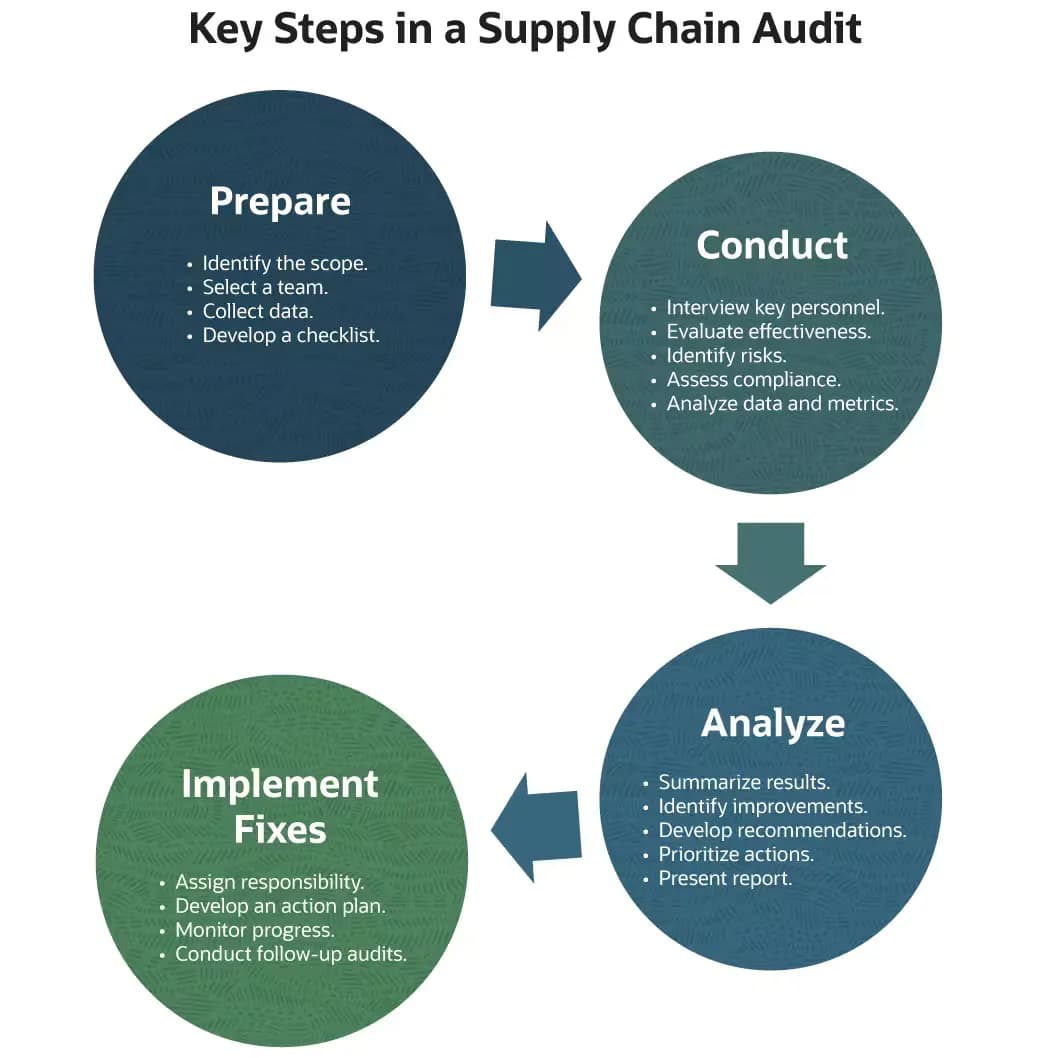
Learn how to evaluate a franchisor's supply chain to ensure consistent quality and profitability for your Philippine franchise business.
Jul 24, 2026 5 min read
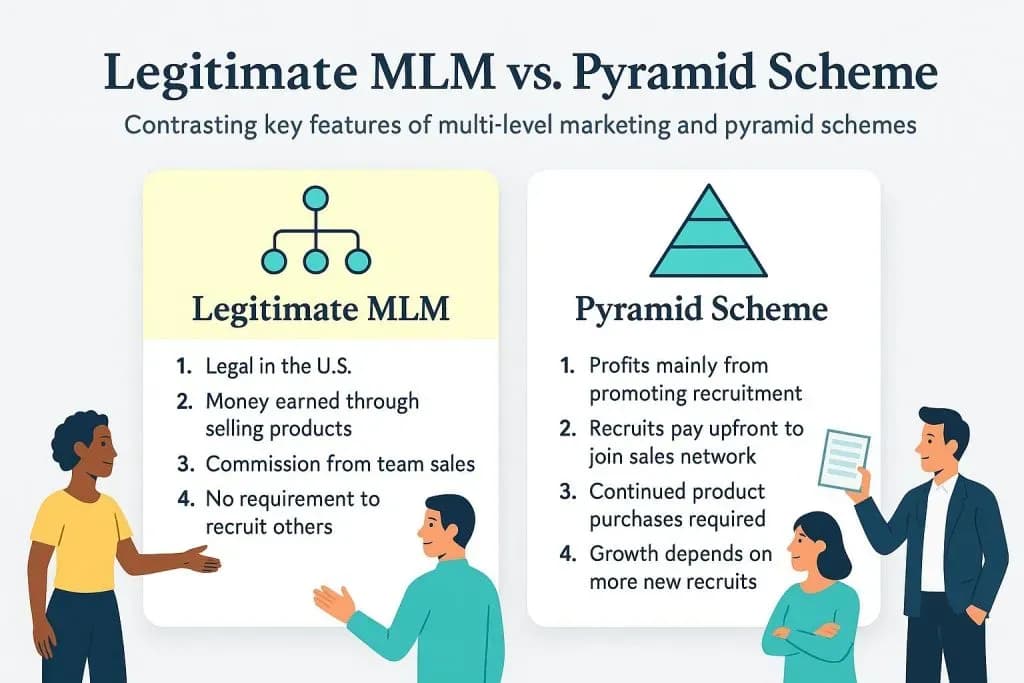
Learn how legitimate Philippine franchises differ from illegal pyramid schemes to protect your hard-earned capital and build a secure business.
Jul 23, 2026 5 min read