Bayo
Clothing & Footwear
- Franchise fee
- ₱500k
- Total investment
- ₱4M–₱6M
🎁 Start Your 1 Month Free Trial of the Full Plan, Exclusively for Brands & Advisors.Get Started
Browse 12 clothing & footwear franchises in Gingoog, including a medium-investment franchise brand between ₱100k and ₱1M that pays back in about 18 months and 11 premium franchise brands above ₱1M that pay back in 24 to 36 months.
Updated
Gingoog has about 16 clothing and shoe stores among the 535 businesses on the map, from shops and services to clinics and schools. Check what already operates near the spot you have in mind for your franchise.
Population
136,6982020 census
Per 10,000 residents
39businesses we track
Business locations are based on Overture Maps open data (October 21, 2026 release) and do not represent a complete census of all businesses.
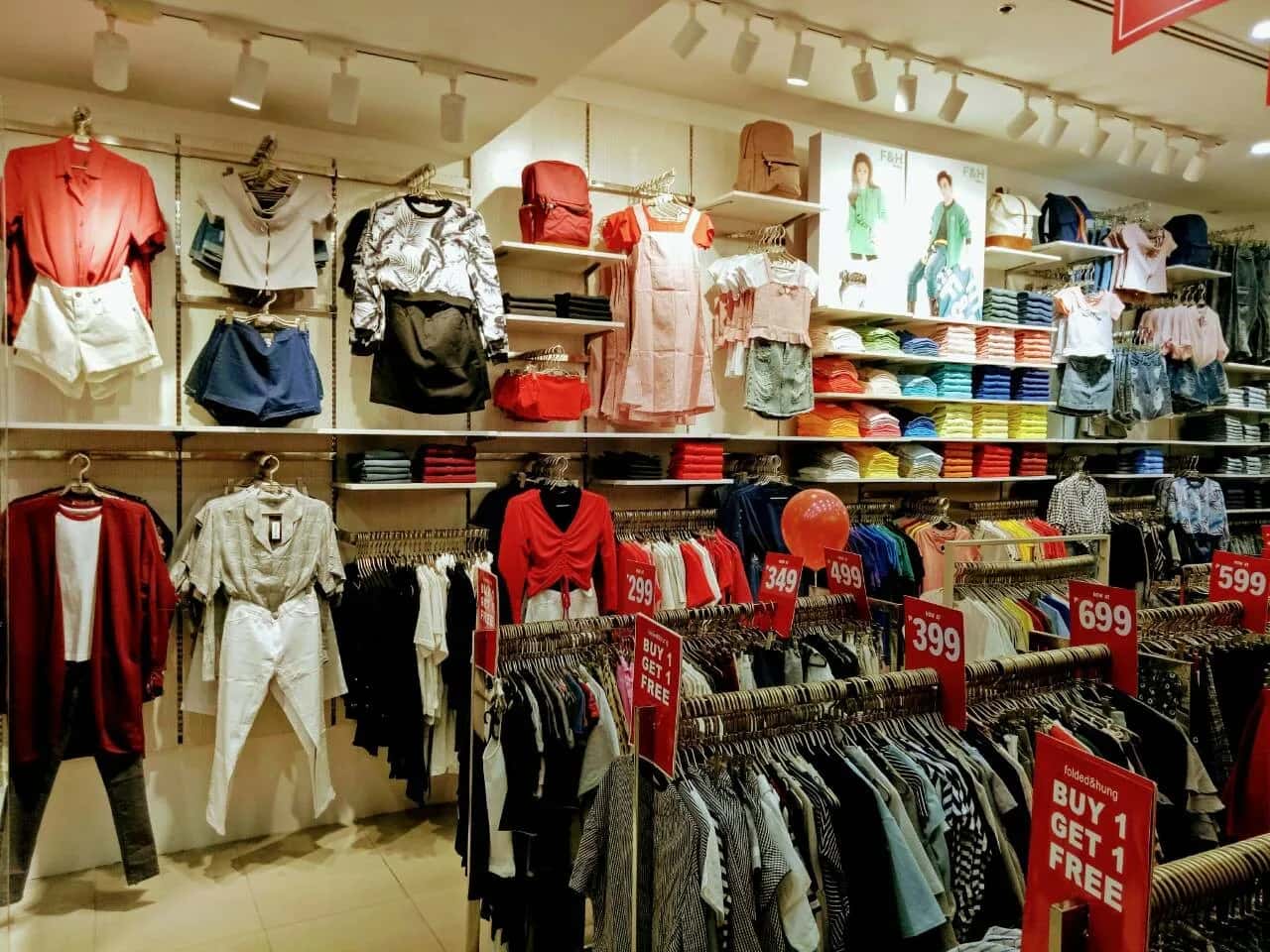
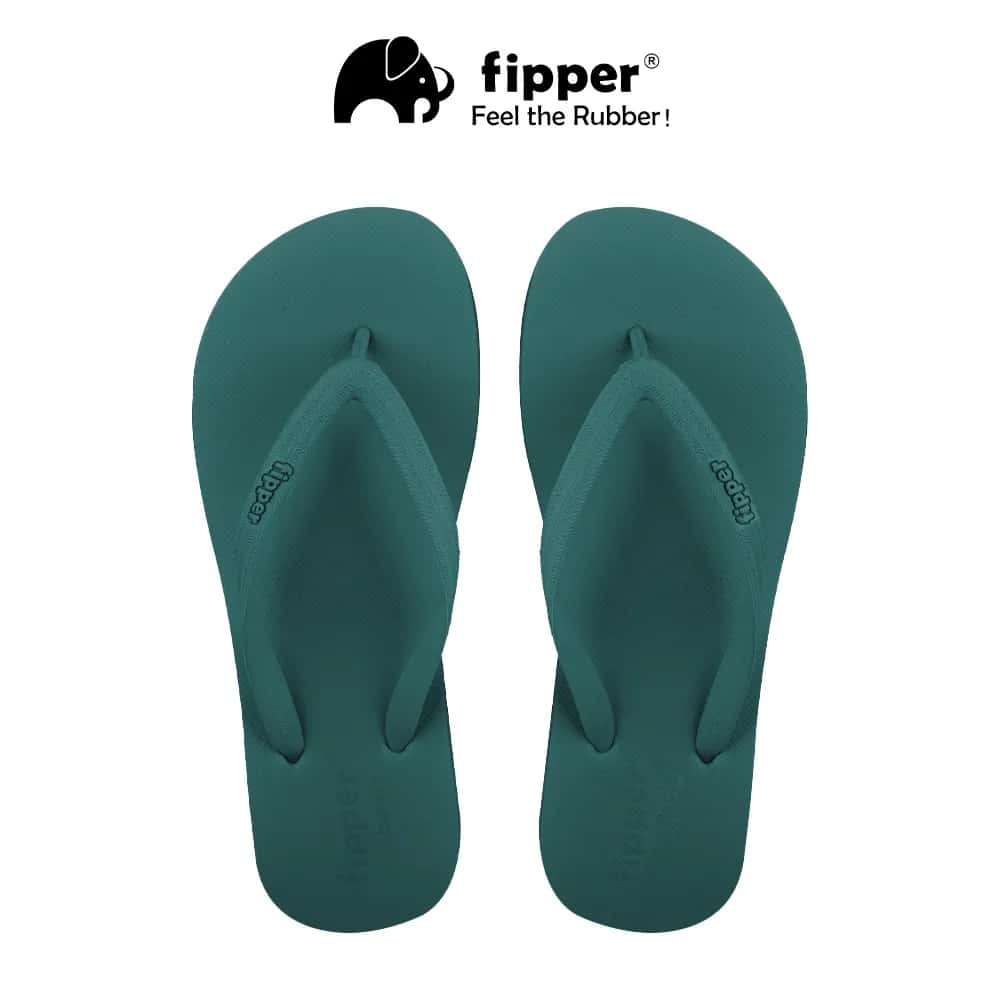
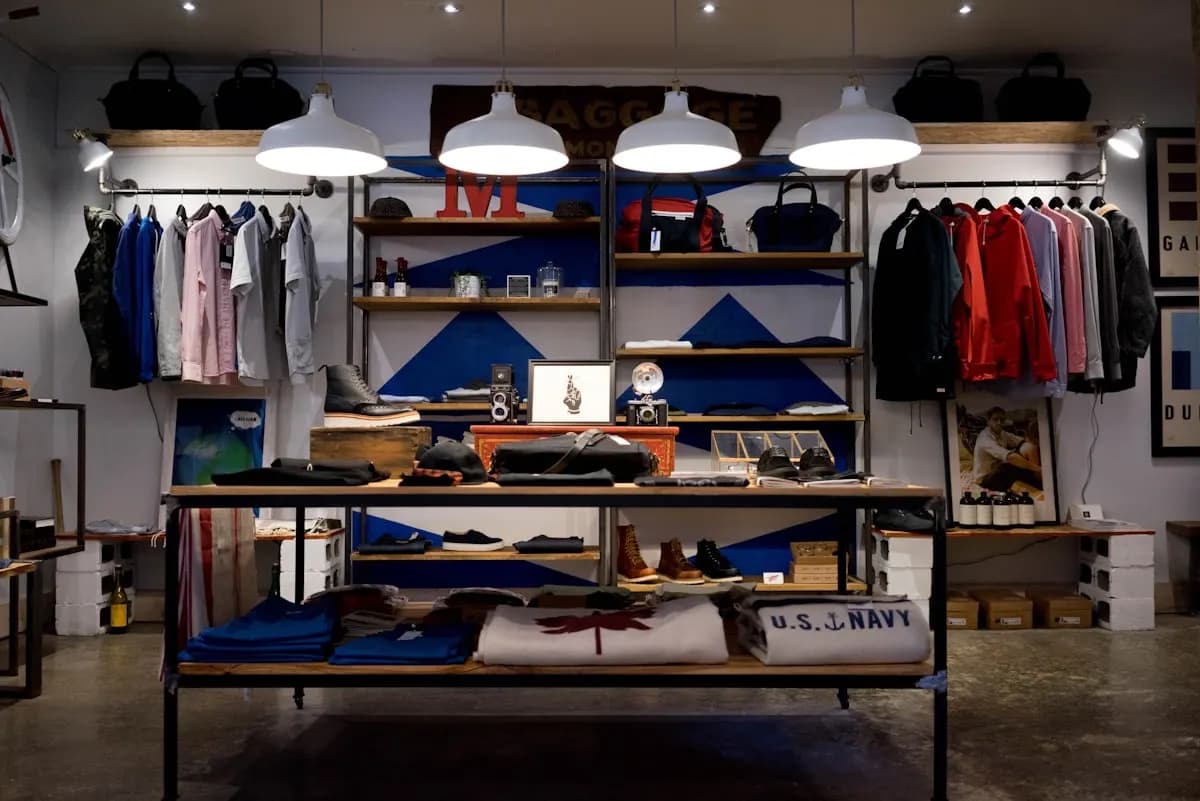
A clothing or footwear store in Gingoog, Misamis Oriental is an inline store, because that is the format every brand in the trade sells, with fitting rooms, racks and a full run of sizes. Nothing in the trade has been set up for the city itself, so the money involved comes from the nationwide range and starts at ₱800,000. Gingoog is a harbor city on a busy coast, and its shoppers dress for school, work, fiestas and the sea.
Gingoog lies on the northern Mindanao coast, with a port, a market and a highway that carry farmers, fishermen and travellers into the same commercial streets. Families in the city and the barangays around it buy school uniforms and shoes every June, work clothes and boots for farm and port jobs, and new outfits for fiestas and the Christmas season. A shop that sells sturdy footwear for wet weather and comfortable everyday clothes meets needs that come up all year rather than only at festive times. Students from the surrounding towns add to the flow, and the city's role as a trading center draws shoppers from villages that have few stores of their own. A store on the main street or near the market can turn that traffic into regular buyers. Shops near the port and terminal see travellers who need a quick purchase, while shops nearer the residential streets serve families who come back month after month. Sales usually rise on market days and on paydays.
A clothing and footwear store of any size costs at least ₱800,000, and the fullest builds run to ₱11.5M, so the choice of store size drives the whole budget. The fee ranges from ₱200,000 to ₱1M and depends on what the brand provides in training, marketing and supplier terms. Even the shortest payback quoted in the trade is longer than a year, so an owner should plan a cash reserve that carries rent, wages and stock costs through that time. Fit-out, racks, mirrors, lighting and the opening stock across sizes and styles make up the largest part of the first outlay, followed by deposits and permits. Choosing a size of store that suits the city's spending level is the most useful step in planning. Add the deposit on the lease, the business permit, signage and a reserve for restocking after the first good weekend, because a store that sells out of popular sizes early has to reorder quickly and needs cash to do it.
The first year follows the calendar. School opening brings the biggest early rush for uniforms and shoes, the rainy months shift demand toward closed footwear and light jackets, and the fiesta weeks and Christmas bring dresses and gift shopping. An owner learns which sizes sell fastest, which styles sit, and which weeks call for markdowns. Deliveries come from distant distribution hubs, so orders should be planned early to avoid gaps in size runs during the busy weeks. A small, trained team that can help customers try items and handle returns keeps regulars coming back, and a neat display is the best marketing a shop on a busy street has. Weekly counts by size and style guide the second season's orders. Owners who keep notes on customer requests, such as sizes that were out of stock or colors people asked for, find those notes are the most direct guide to what the next delivery should contain.
Only a minority of clothing and footwear brands sell through kiosks, so a compact counter in a mall corridor or terminal is a narrower route than a full store. It suits socks, sandals, caps and accessories, and it needs fewer staff and less stock. Most owners in Gingoog will take the inline store, which offers space for fitting rooms, a stockroom and the full range of sizes that shoppers expect. Standalone buildings and carts do not feature in this trade. The format decision shapes daily work, since a full store needs one person at the fitting area and another at the cash desk, while a kiosk can be run alone on shorter hours. A sound plan for staffing hours goes into the budget beside rent. Match the choice to savings on hand and to the hours the owner can commit. Ask the brand what it provides for display, fittings and signage, since the fit-out is the largest part of the format's cost, and ask for a clear written list of what the fee includes before signing.
Now that you've seen what's here, a real advisor can help you shortlist and weigh the options against your budget. Free, at your pace.

Financing Readiness · Site Selection

Low-Capital Startups

Low-Capital Startups · Site Selection

Franchise Agreements · Multi-Unit Expansion
Are you a franchise advisor?Get your own workspace here
Compare clothing & footwear franchises with other retail & convenience businesses in Gingoog, each with its own brands, fees and investment ranges.
Get honest answers on fees, payback and the best setups for your area, free and with no pressure.
Gingoog has 12 clothing & footwear franchises open to new franchisees right now. All of them are open nationwide rather than focused on Gingoog. A nationwide offer does not guarantee local support, so ask how the franchisor serves franchisees in Gingoog. If budget is your first filter, note that the split is one medium-investment and 11 premium franchises. There is no affordable option under ₱100k here yet. Settle your budget first, then compare your shortlist side by side.
Build-out costs sit outside the fee of ₱350k to ₱690k in most clothing & footwear franchises in Gingoog, so ask where one ends and the other begins. Find out whether the franchisor requires approved contractors, design standards or particular materials, because those rules decide how much you spend after paying. The fee is only the first bill, and knowing the second bill early keeps your budget honest.
Packing and bagging may seem minor, yet they take counter space and supplies. A busy convenience counter needs room for the till, the bags and the products waiting to be paid, and a cluttered counter slows every sale. The clothing & footwear formats in Gingoog are inline stores with 12 franchises and kiosks with 4. Look closely at the counter area of each format when comparing sizes. These small details are rarely in the brochure but affect every single sale.
Topping the list in Gingoog, a clothing & footwear franchise can require around ₱6.5M to get started. Before you assume that more money means more income, look at the franchisor's sample financial projections and question every figure. Projections are estimates, not promises, and real results depend on your location and how well you run things. Ask an accountant you trust to review the numbers with you and stress test them against slower months.
Check the electrical capacity and water supply of the unit, since refrigeration, lighting and aircon can raise your monthly bill quickly. Some older buildings cannot carry the load, and upgrading the wiring is an expense you may not have planned for. For Gingoog, the map lists 16 clothing and shoe stores, but this open data is not complete, so ask your franchisor what power a typical store needs.
Expect the first months to ask for more than your calendar suggests. Even with a manager, a clothing & footwear franchise in Gingoog brings new staff, first deliveries and many small corrections, and these tend to land on your evenings. Keep those weeks as clear as you can, accept slower progress on other goals and ask the franchisor which weeks of the opening period it considers the most demanding for owners.
Family expectations can turn a weak outlet into a painful dilemma, because relatives who helped you invest may urge you to carry on. With a clothing & footwear franchise in Gingoog, deciding to stop feels like letting them down. Yet a clean exit often protects them better than a slow drain of funds. Share the real numbers with your family regularly so decisions are made together.
Staff training may be needed again, although it is not always required. If the new site has a different layout, equipment or workflow, your crew may need time to adapt before your clothing & footwear franchise opens in Gingoog. Ask the franchisor whether they offer refresher sessions at the new site and schedule a trial run before opening day, so mistakes happen when no customers are watching.
Last, remember that supplies are negotiable in small ways before you sign and almost never afterwards. Once the agreement is in place, you are bound by what it says. Use the sales stage to ask for clearer delivery commitments, sample invoices, price notices and return rules. A franchisor who agrees to put those into the contract is showing you how they will treat you when you are already part of the network.
Compare how many clothing & footwear brands take franchisees in the cities around Gingoog, nearest first.
Every industry in Gingoog, by how much it takes to start and by the kind of space it runs from.
By budget
Other retail & convenience franchises taking franchisees in Gingoog, worth comparing on cost, fees and payback.
Meat Shop
LPG Dealership
Meat Shop
Visit a branch
Convenience Store
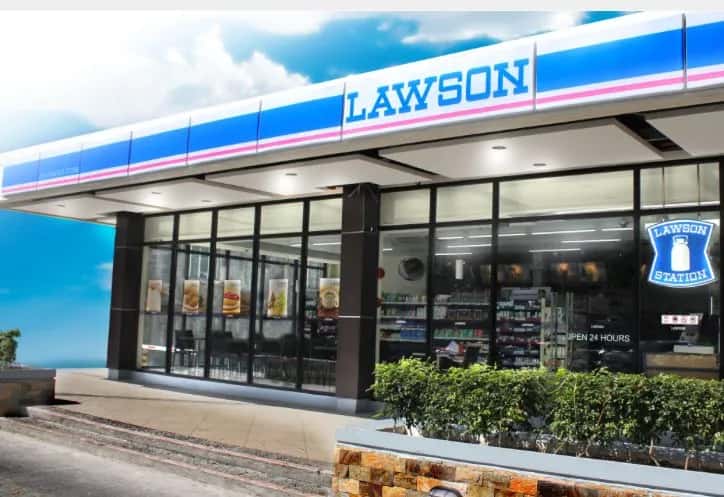
Convenience Store

Convenience Store
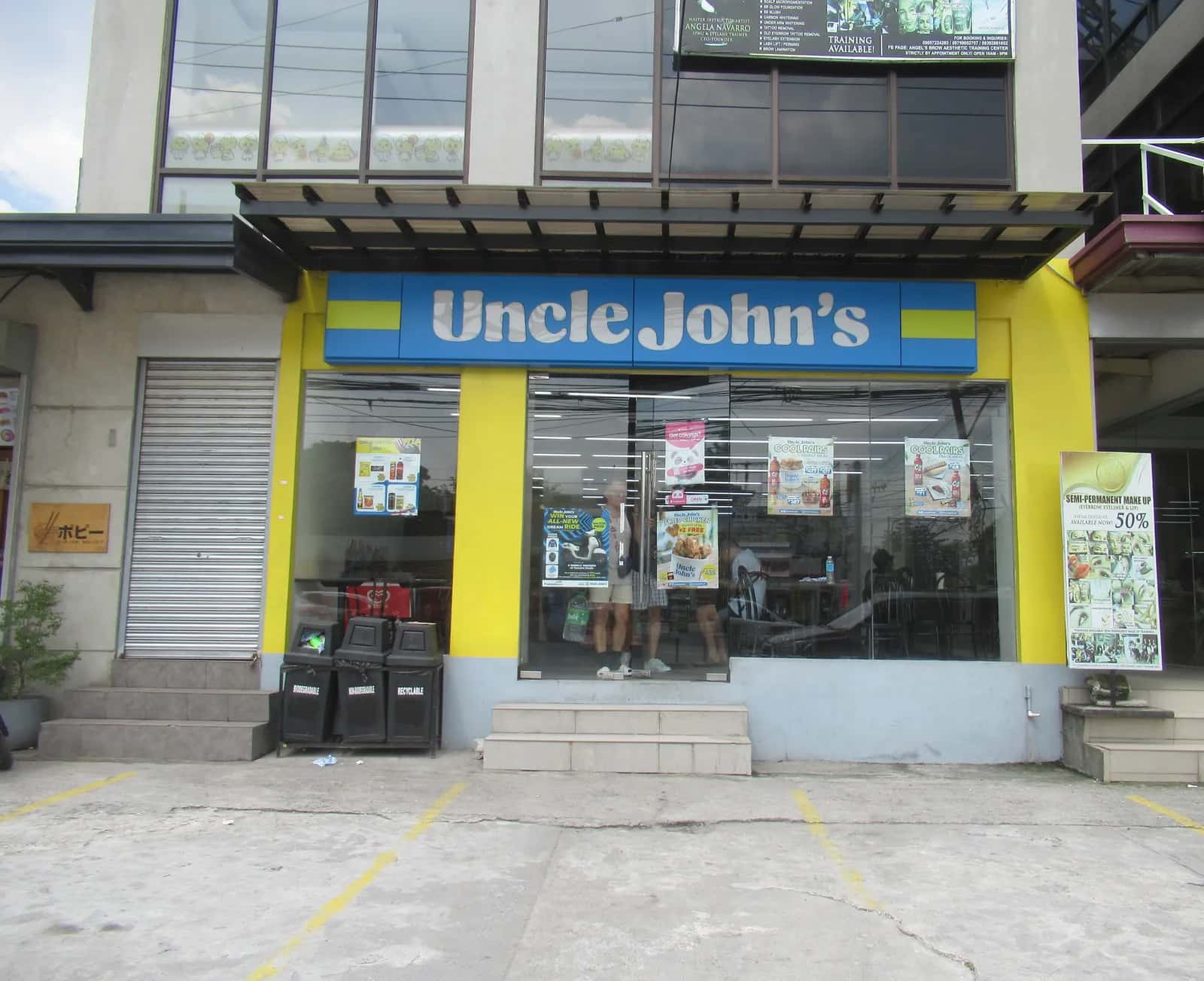
Convenience Store

LPG Dealership
Compare clothing & footwear franchises in Gingoog with other industries there, each with its own brands, fees and investment ranges.

Carts, kiosks, and full restaurants.
241 brandsFrom ₱3k
Kwatogs, Konam, Minute Burger +238 more
See brands
Coffee, milk tea, and cold drink shops.
56 brandsFrom ₱17k
Zagu, Macao Imperial Tea, Barista Choi +53 more
See brands
Bread, cakes, and pastry shops.
33 brandsFrom ₱17k
Waffle Time, Mister Donut, Goldilocks +30 more
See brands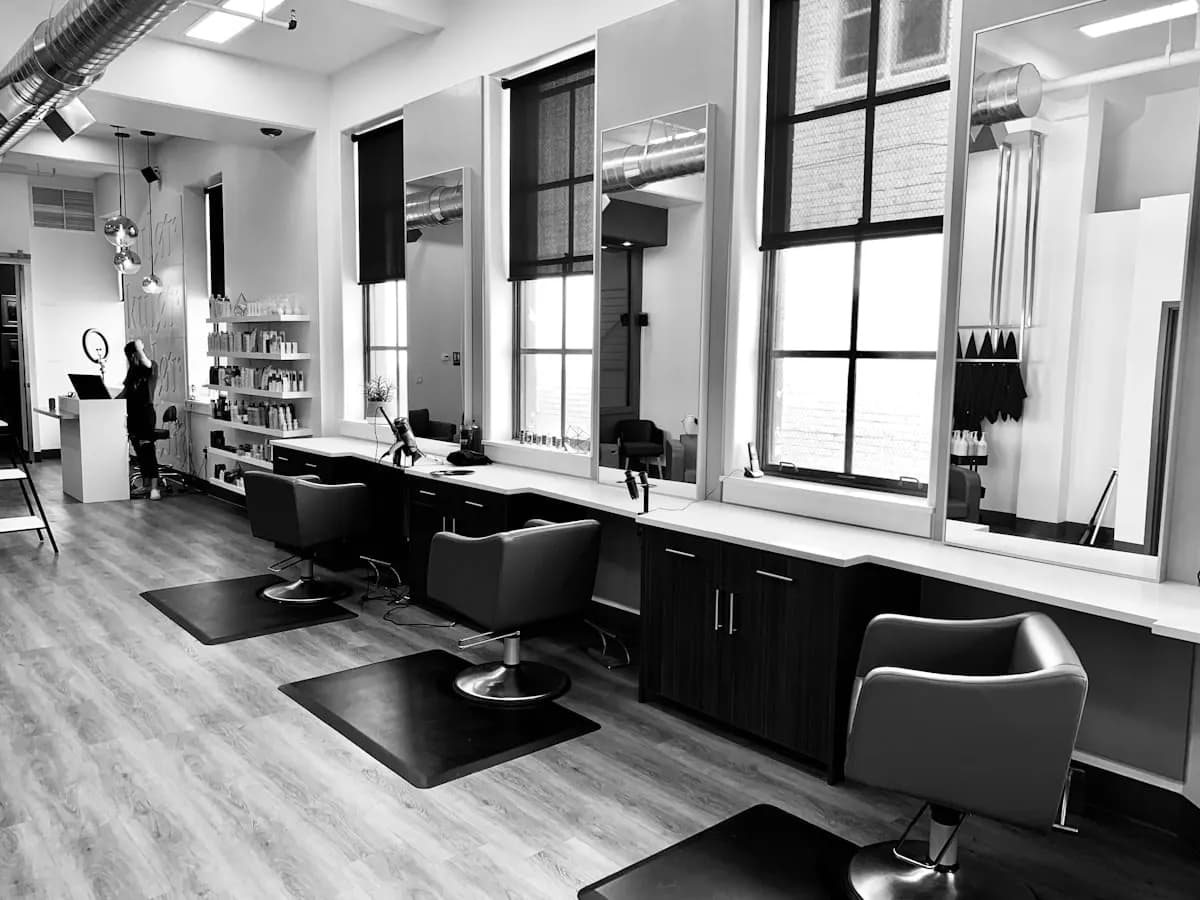
Salons, barbershops, and spa services.
31 brandsFrom ₱200k
Big Apple Express Spa, Bruno's Barbers, Body and Sole Spa +28 more
See brands
Drugstores and health supplement outlets.
16 brandsFrom ₱300k
Farmacia ni Dok, Gamot Publiko, Generika Drugstore +13 more
See brands
15 brandsFrom ₱250k
ALOHA (Abacus Learning of Higher Arithmetic), Kumon, STI +12 more
See brands
14 brandsFrom ₱20k
eTap Self-Service Payment Machine, M Lhuillier (ML Express), Palawan Express Pera Padala +11 more
See brands
Gyms, studios, and sports facilities.
10 brandsFrom ₱1.6M
GoFit Gym, Snap Fitness 24/7, Gold's Gym Philippines +7 more
See brands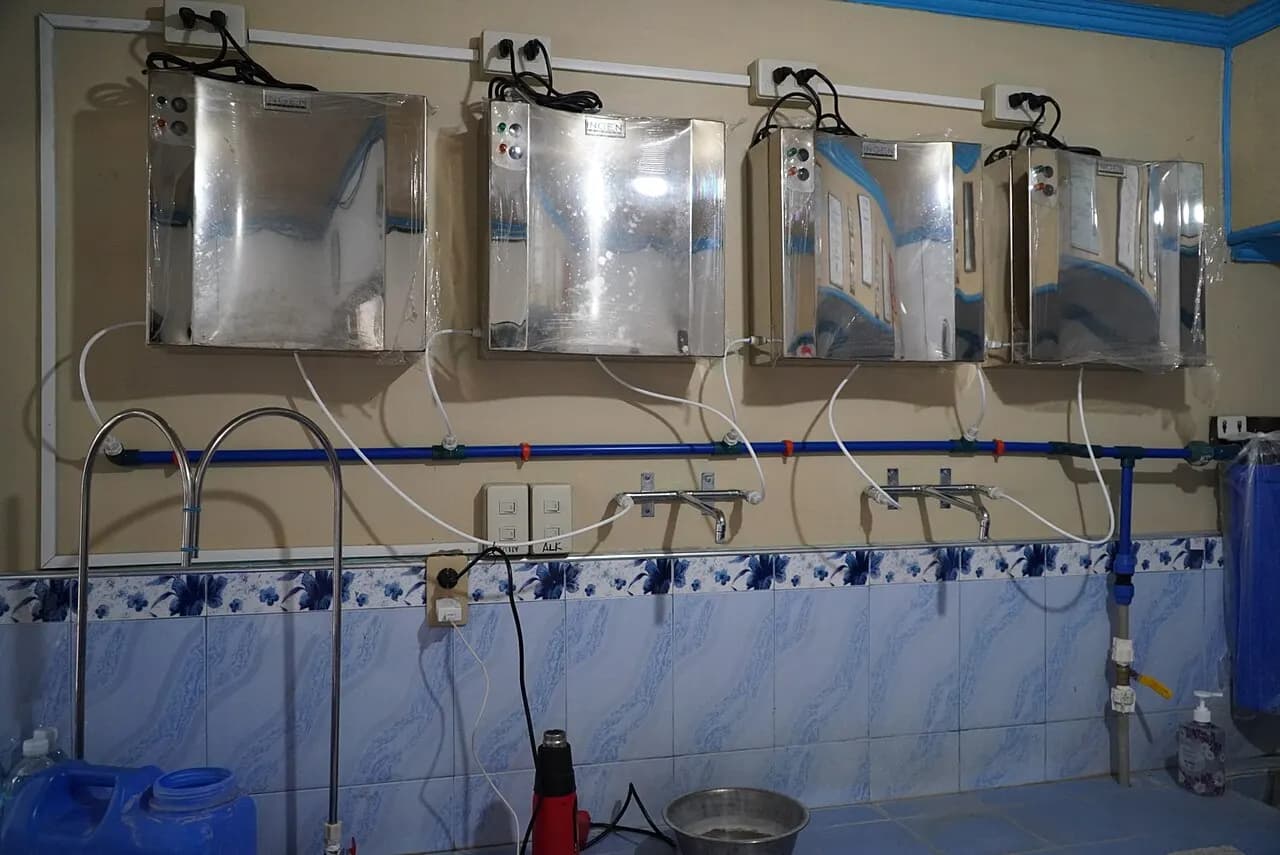
Purified and mineral water stations.
9 brandsFrom ₱100k
Aquabest, Aqualipure, Crystal Clear +6 more
See brands
Self-service and full-service laundry shops.
7 brandsFrom ₱400k
CS Laundry, Tipidsulit Laundromat, Quicklean One Hour Laundry +4 more
See brands
Padala, parcel, and delivery outlets.
7 brandsFrom ₱10k
Alin Cargo Express, Ninja Van, J&T Express +4 more
See brands
6 brandsFrom ₱25k
SMB Travel & Tours, South Shore Travel Biz, RedDoorz +3 more
See brands
5 brandsFrom ₱400k
Getklean, Chem-Dry Carpet Cleaning, Jim's Group +2 more
See brandsCompare industries by budget, daily work and payback before you choose one, free and with no pressure.
Learn how a franchise owner can collect honest customer reviews by asking at the right moment, making it easy, and handling the bad ones well.
Sep 30, 2026 4 min read
Learn who designs a franchise loyalty program, who pays for the rewards, who owns the customer data, and how to tell if it helps your store.
Sep 30, 2026 4 min read
Learn who owns your branch page, what you may post, how to answer complaints and what to ask before you sign, so social media never becomes a problem.
Sep 30, 2026 4 min read