How franchise loyalty programs work
Want help applying this to your own plan? A real advisor can walk you through it, free.
Get Free GuidanceStamp cards, points in a phone app, and a free drink on the tenth purchase all rest on the same idea, which is to reward the customer who keeps coming back. In a franchise that idea is usually built once by the franchisor and shared across every branch, which changes who designs it, who pays for it, and who benefits. Knowing how the pieces fit helps you judge whether a program will help your store or simply add work.
What a franchise loyalty program actually is
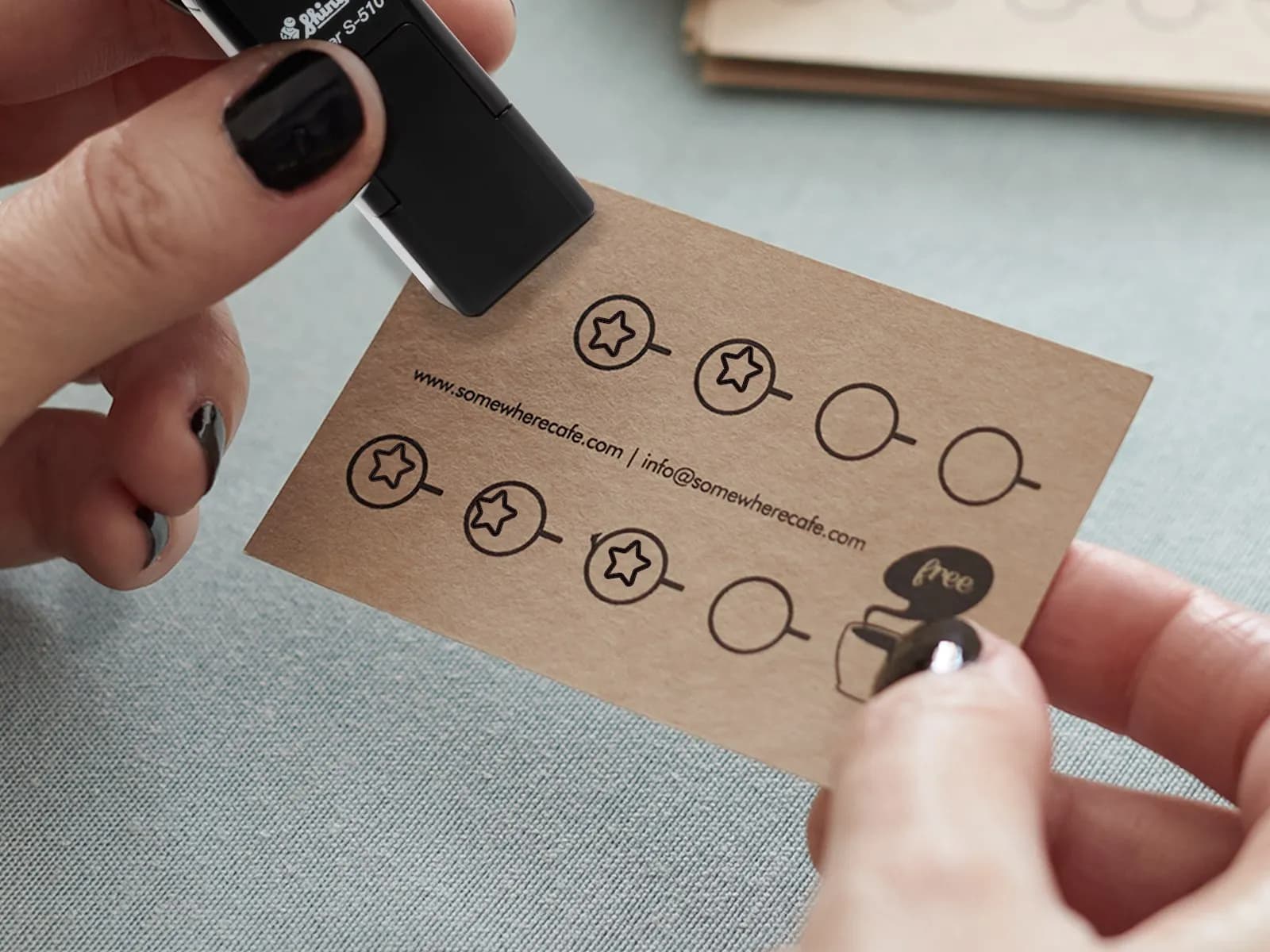
A loyalty program gives repeat customers a small reward each time they buy, usually as stamps on a card, points in a phone app, or a free item after a set number of purchases. In a franchise it is almost always designed by the franchisor, so every store offers the same deal and a customer who earns points in one branch can spend them in another. That shared design is the real appeal for a shopper, because the reward feels bigger when it works across the whole brand. For you as the owner, it means the program comes with the franchise rather than being something you invent, although some brands let branches add their own extras. Ask early whether the program is a required part of the package, since a required program shapes your routine at the counter and your monthly costs.
Who pays for the rewards customers redeem
The cost of a reward has to land somewhere, and the split differs from brand to brand. In some systems the franchisor funds the software, the app, and the marketing, while your branch simply hands over the free drink or discount, which means the ingredients and labor behind that reward come out of your store. In others the franchisor collects a monthly or per-transaction fee from every branch to run the system, and the cost of the rewards is pooled across the network. A third arrangement treats the reward as a marketing expense that the franchisor reimburses at cost. Picture a customer redeeming a free item worth say ₱100, then ask who absorbs that amount and whether you are paid back for it. The answer should be written in the franchise agreement, not promised in conversation.
Who owns the customer data behind the points
Behind every stamp or point sits customer data, and in a franchise the question of who owns it matters more than most new owners expect. The system usually records who bought, what they bought, how often, and at which branch, and the franchisor typically keeps that information on a central system. Used well, it lets the brand send a birthday offer or a comeback promo that fills your store on a slow weekday, which is a benefit you could hardly build alone.
The catch is that you may not be able to see the names and numbers of your own regulars, or contact them directly, if the brand keeps that data at head office. Philippine data privacy rules also apply to how customer details are collected and used, so a sound program tells shoppers plainly what is kept. Ask what reports you get for your branch and whether you can message your own customers.
Advisors Ready To Help

Consultant
Financing Readiness · Site Selection

Advisor
Franchise Agreements · Multi-Unit Expansion

Coach
Low-Capital Startups · Site Selection

Mentor
Low-Capital Startups
Are you a franchise advisor? Get your own workspace here
What a program costs a branch day to day
Even when the franchisor runs the system, a loyalty program brings costs that reach your branch in small pieces. There may be a monthly platform fee, a tablet or scanner at the counter, and staff time spent explaining the program to customers who ask how to sign up. Rewards also give away product, so a store with thin margins can feel it when many customers cluster around the free item. Some points are earned by shoppers who would have bought anyway, which means part of the reward is a discount you gave without winning a new sale. On the other side, a customer with points to spend tends to come back sooner and to choose your branch over a nearby competitor, and that habit can steady a quiet month. Weigh the extra repeat visits against what the program gives away.
How to tell if a program earns its keep
The simplest test is whether the program changes what customers do, so ask current owners of the same brand, ideally in a similar kind of location, how much of their sales come from members. A neighborhood store with regular customers tends to gain more than a mall kiosk serving passing crowds, because repeat visits are the whole point of the program. Look for a sign-up that takes under a minute at the counter, since a clumsy process means staff skip it and the member numbers stay low. Notice whether rewards are within reach, because a shopper who needs many visits to earn anything usually gives up. Finally, check who decides when the program changes, since a brand that can alter the rewards overnight can also shift costs onto your branch.
Ready to see real options? Browse franchise opportunities with published costs across the Philippines.
Browse Franchises