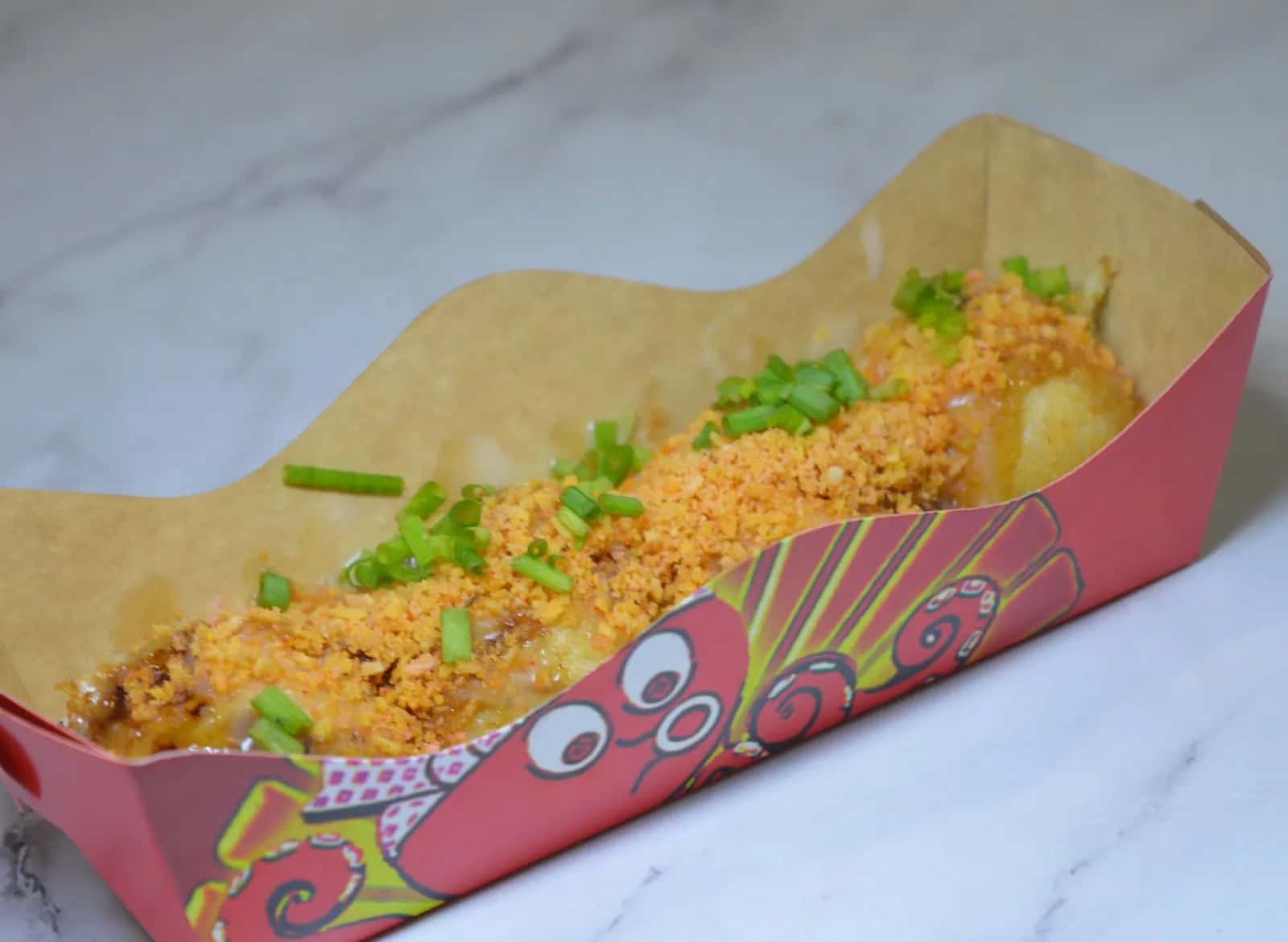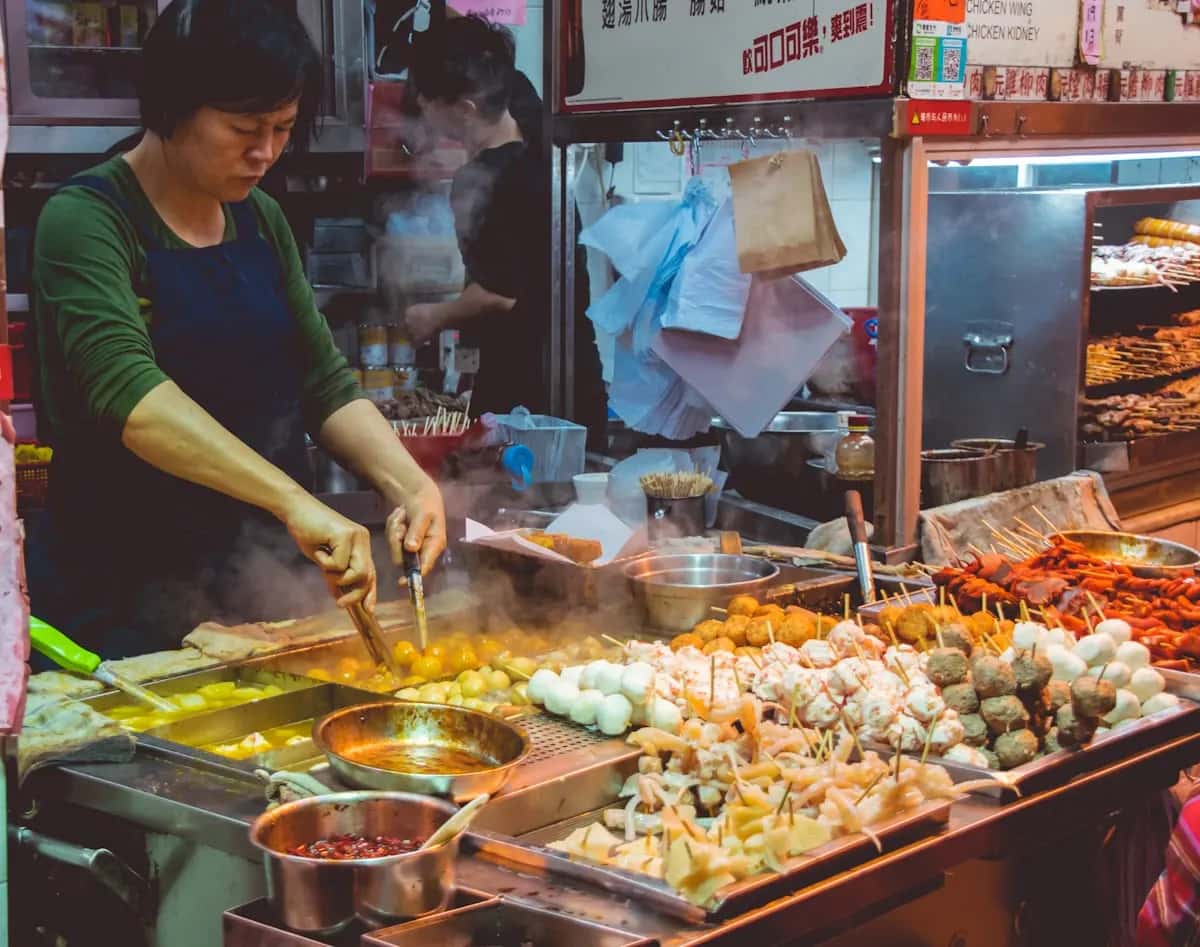
Sureballs
Street Food & Snacks
- Franchise fee
- ₱30k
- Total investment
- ₱50k–₱150k
🎁 Start Your 1 Month Free Trial of the Full Plan, Exclusively for Brands & Advisors.Get Started
Browse 20 franchises up to ₱200k in Tarlac, with investments from ₱149k to ₱200k, franchise fees mostly between ₱30k and ₱137k, and most paying back in 3 to 10 months.
Updated

Payment & Remittance Center

Ice Cream & Desserts

Payment & Remittance Center
Tarlac has about 9,641 businesses on the map across its cities and towns, from food and drink to shops, services and clinics. Check what already operates near the spot you have in mind.
Population
1,503,4562020 census
Per 10,000 residents
64businesses we track
Business locations are based on Overture Maps open data (October 21, 2026 release) and do not represent a complete census of all businesses.
Up to ₱200,000, the local setup that names Tarlac directly costs from about ₱50,000 to ₱150,000, with a flat fee of ₱30,000 and a payback quoted at four months. It comes as a cart or a kiosk, which suits an inland province of rice and sugarcane where buyers gather at markets, along the highway and around schools. That gives a first-time owner a small, clear build to start from, with the wider national range available for anyone who wants more choice.
Spending in Tarlac follows the harvest, when rice growers, cane farmers and mill workers have cash to spend in town. Between harvests, day-to-day buying comes from the markets, the schools and the offices in Tarlac City and the larger towns, all of which draw steady crowds on weekdays. The national highway that crosses the province brings drivers, bus passengers and delivery crews who stop for a snack or a cold drink. A small stand located near a terminal, a market or a school gate has a mix of regular buyers and passing ones, and that mix cushions the slower weeks between peaks in farm income. Weekends add families shopping in town, and school days send students past the same corners every afternoon, so the busiest hours are easy to learn after a few weeks of watching. Choosing a spot on the route people already walk is worth more than a cheap position that they have to detour to reach.
Inline stores and selling from home appear in only a small share of what this money opens nationwide, which leaves carts and kiosks to carry most of the choice. In Tarlac the local setups come as a cart or a kiosk. A cart lets an owner follow the crowd, working the market in the morning and a school gate in the afternoon, while paying little in rent. A kiosk gives a fixed address inside a building or beside a busy road, and regular customers learn where to find it. An inline store means renting a unit and hiring staff, which uses up most of the budget before the first sale. Selling from home suits an owner who is not ready to leave another job. Owners who prefer a lower starting cost can begin with the cart and add a kiosk later if the first stand does well. Either way, the format should be picked after walking the town at different hours, since the crowd, not the brochure, decides which one works.
A sound decision in Tarlac starts with a few plain questions put to any brand. The first is what the fee actually covers, since training, equipment and a starting supply of stock are handled differently from one offer to the next. The second concerns the payback figure, which rests on assumptions about hours and daily sales, and an owner in a farming province should ask whether those assumptions hold in the lean months between harvests. Deliveries come next: how do supplies travel to Central Luzon, and what does a late shipment cost in lost sales? Territory and renewal terms matter as well, because an owner wants to know whether a second outlet can open nearby and what happens when the agreement ends. Everything worth knowing should be in writing, kept together, and shown to a trusted relative before any money changes hands.
The local build runs from about ₱50,000 to ₱150,000. The fee is a flat ₱30,000, so even the fuller version leaves a good part of the ₱200,000 free for stock, permits and a reserve. Across the wider market, start-up costs begin near ₱17,000. Fees range from nothing to about ₱149,000, so the same money can buy very different things depending on the package. A practical plan splits the budget on paper before choosing a brand: the build, the fee, the first stock, the permits and two or three months of working capital. Payback is quoted at four months locally, and treating it as a target to track weekly, rather than a promise, keeps the owner honest about how sales are going. Setting the reserve aside first, before the fee is agreed, is the simplest way to avoid opening with no cushion at all. A weekly look at takings against costs shows within a month whether the stand is on track.
Now that you've seen what's here, a real advisor can help you shortlist and weigh the options against your budget. Free, at your pace.

Financing Readiness · Site Selection

Low-Capital Startups · Site Selection

Low-Capital Startups

Franchise Agreements · Multi-Unit Expansion
Are you a franchise advisor?Get your own workspace here
Choose an industry to see its franchises in Tarlac, with their fees and investment ranges.
Get honest answers on what this budget really covers, fees and payback, free and with no pressure.
Yes for 20 franchises in Tarlac, since their quoted investment sits between ₱100k and ₱200k and ₱200k meets it. That figure usually covers the franchise package itself, so rent deposits, permits and your first stock often come on top. Before you commit, ask each franchisor for a written list of what the package leaves out, then add those items to ₱200k to see your real total.
Direct from the data, Tarlac has ₱200k franchises across food & beverage with 13 franchises, financial services with 3 and bakery & pastry with 2. Data of this kind answers how many, not how suitable. To judge suitability, picture the customers of each industry and ask whether they live, work or travel near your spot. A field with a modest count but plenty of nearby buyers can suit your location better than a crowded field in an area where few of its customers pass by.
Cross-check the fee against the franchisor own materials, such as its website, brochure and disclosure papers. The franchise fee for ₱200k franchises in Tarlac usually runs ₱30k to ₱137k. If those materials list a different amount from the quotation you received, ask which is current and why they differ, and get the answer in writing before you move forward with any payment at all.
Two counts beat one, so compare what you see on different days against the 9,641 businesses the map lists in Tarlac, led by food and drink with 2,220, services with 2,125 and shops and retail with 2,005, from incomplete open data. Counting the same street twice shows how stable the number of businesses really is. Where the results differ, find out why, perhaps a stall that only trades on some days, and record it so your final tally reflects every seller.
Running a franchise at the ₱200k level in Tarlac usually makes you the person who ensures everything happens on schedule, even when you are not doing every task yourself. Staff may serve customers, but you still watch stock, cash and the reports the franchisor expects. If you plan to keep your day job, ask the franchisor plainly whether an owner can manage from a distance or must be present, because that answer shapes how your week will actually look.
Picture a slow month where sales cover only part of your bills, and set aside enough working capital for your ₱200k franchise in Tarlac to survive several of those in a row. Planning around a hopeful sales forecast is how many new owners end up borrowing in a panic. Build a simple worst-case version of your monthly budget with low sales and full expenses, and let that version decide the size of your reserve.
Mixed practice is normal, so ₱200k franchises in Tarlac cannot be treated as one group on royalties. Where a royalty exists, ask what happens to it if sales are reported late or corrected afterward. Some contracts adjust the fee later, while others add charges for corrections. Understanding how reporting mistakes are handled helps you avoid surprises, so get the correction process explained and written into the agreement.
Track record matters a great deal when you weigh ₱200k franchises in Tarlac, because a newer franchisor has had less time to prove its system works. That does not rule out young concepts, but it does mean you need more evidence before trusting them. Look at how many outlets are open now and, just as important, how many have closed. Ask each franchisor directly about closed outlets and the reasons behind them, then confirm what you can with former franchisees.
Customers at existing branches can tell you whether a ₱200k franchise is worth opening in Tarlac, and their views also show whether the franchisor delivers what it promises. While visiting an outlet, chat with people buying there about why they come and how often. Read customer reviews of individual branches online too. A franchisor whose outlets have loyal regular customers is much more likely to have a real system behind it than a franchisor whose branches feel empty.
Compare how many franchises start at each budget level in Tarlac, from the smallest packages up.
Compare how many ₱200k franchises take franchisees in each place.
Franchises at the next budget level, ₱300k, worth a look if you can stretch your savings a little.
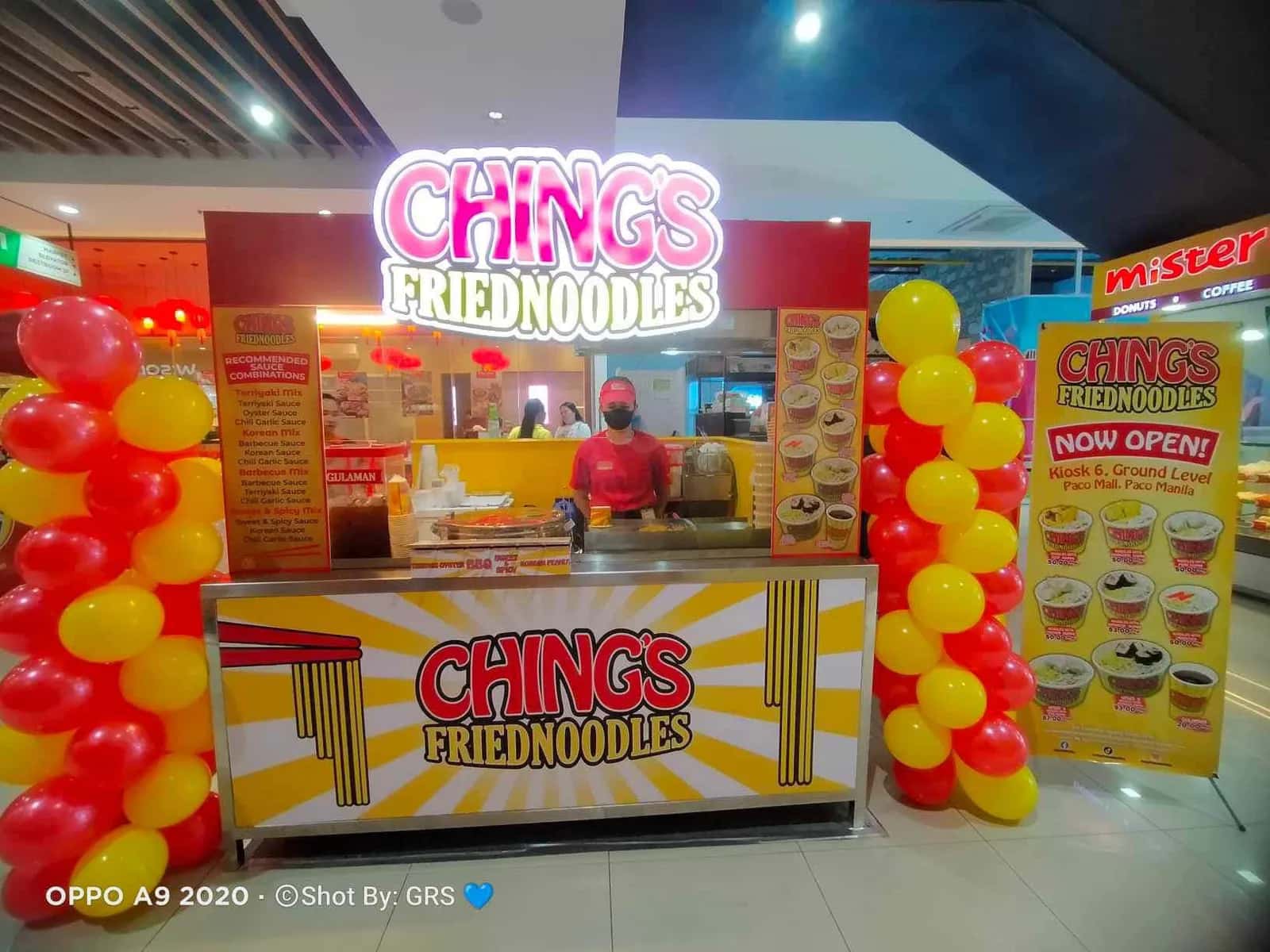
Street Food & Snacks

Filipino Restaurant

Street Food & Snacks
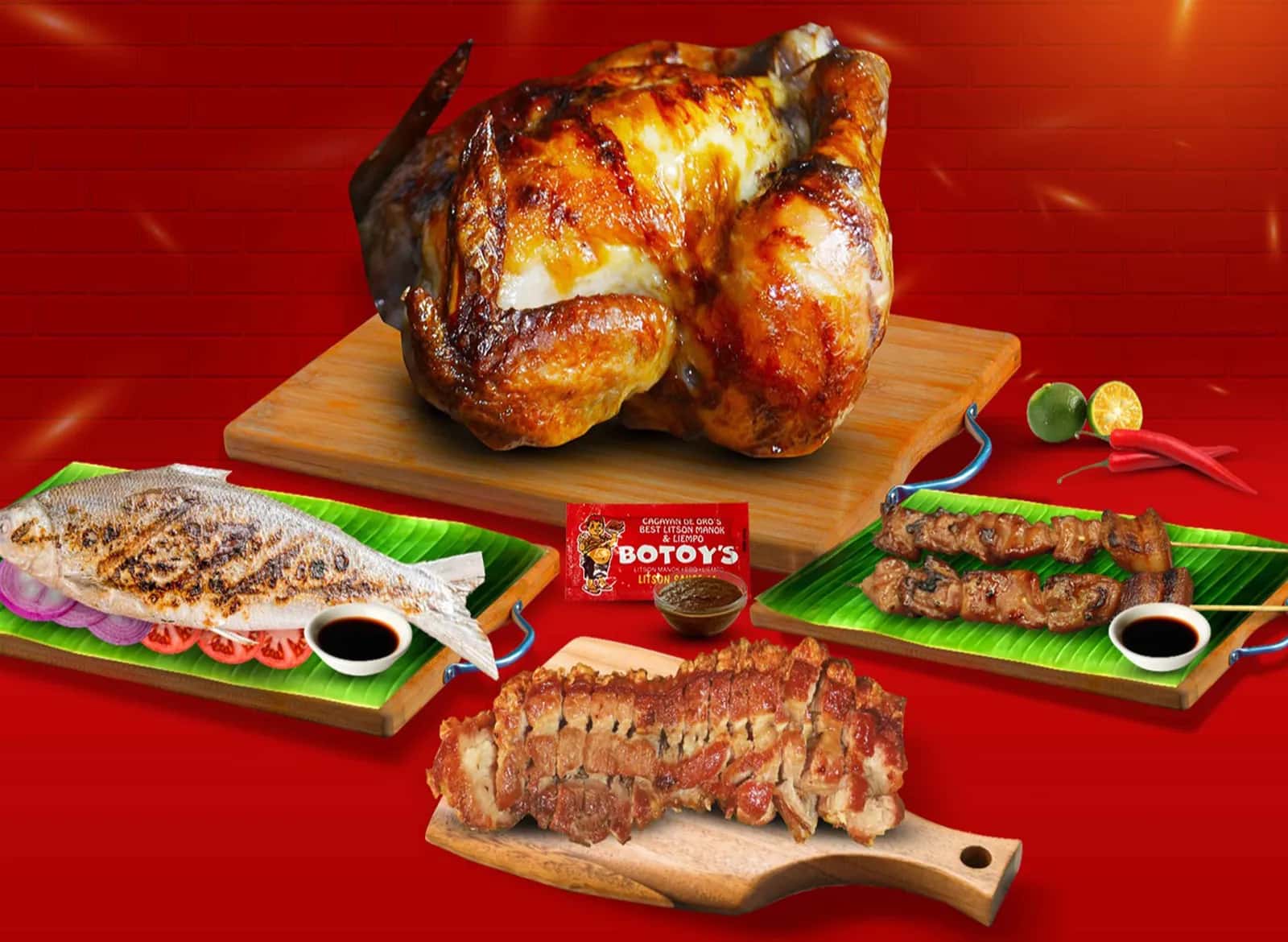
Chicken & BBQ

Filipino Restaurant
Visit a branch

Travel & Tours

Street Food & Snacks

Street Food & Snacks

Learn practical inventory control steps for your Philippine franchise to cut waste, prevent loss, and protect your capital.
Aug 14, 2026 6 min read
Learn how non-compete clauses work when exiting a franchise agreement in the Philippines, protecting your investment after closing.
Jul 20, 2026 5 min read

Learn how to secure financing for your Philippine franchise, from preparation to approval. A practical guide for new operators and OFWs.
Jul 20, 2026 5 min read