Hero Sausages
Street Food & Snacks
- Franchise fee
- ₱150k
- Total investment
- ₱250k–₱450k
🎁 Start Your 1 Month Free Trial of the Full Plan, Exclusively for Brands & Advisors.Get Started
Browse 26 franchises up to ₱500k in Tarlac, with investments from ₱450k to ₱500k, franchise fees mostly between ₱63k and ₱150k, and most paying back in 12 to 18 months.
Updated

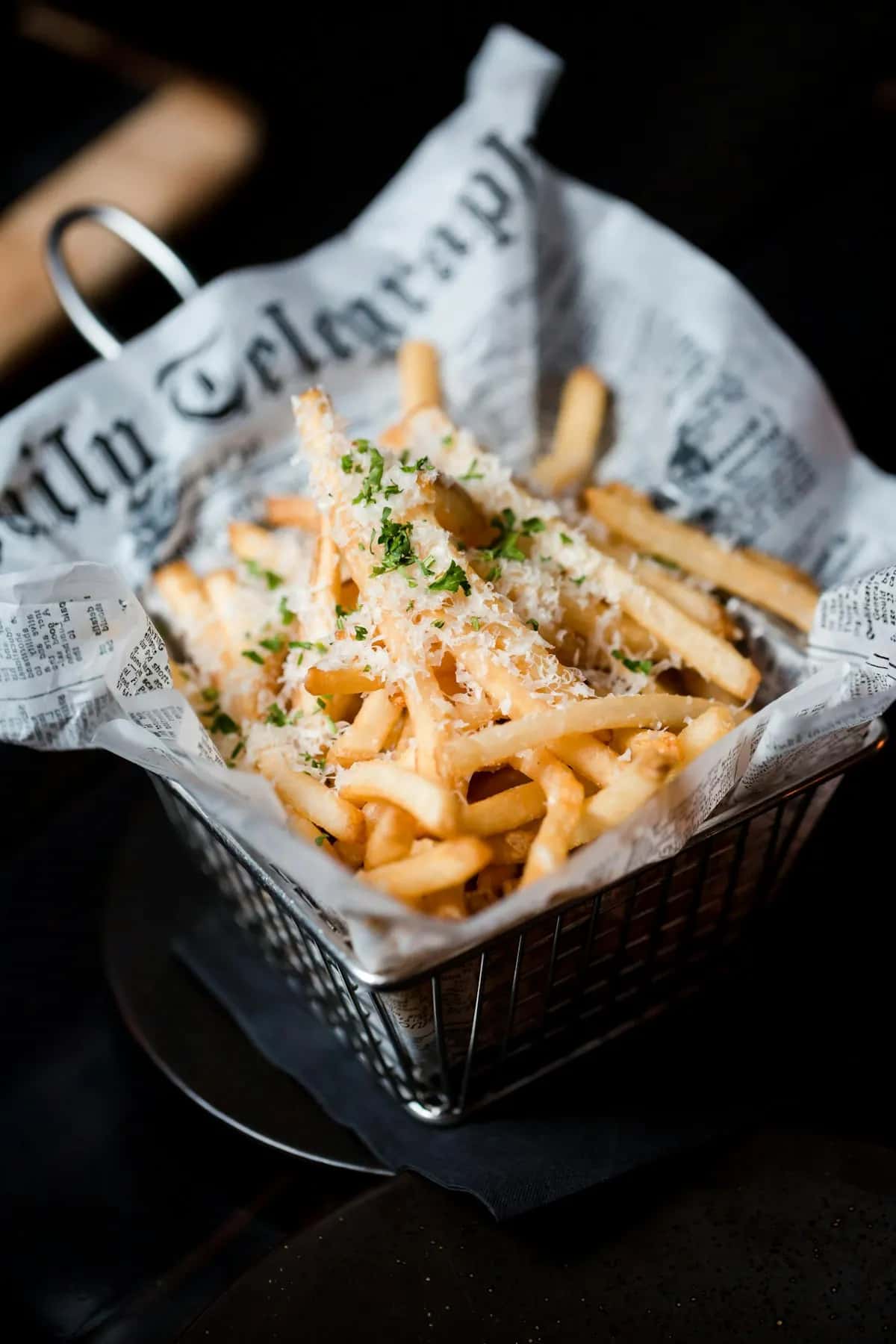
Fries & Potato Snacks
Visit a branch

Education & Tutoring
Visit a branch

Payment & Remittance Center

Street Food & Snacks
LPG Dealership
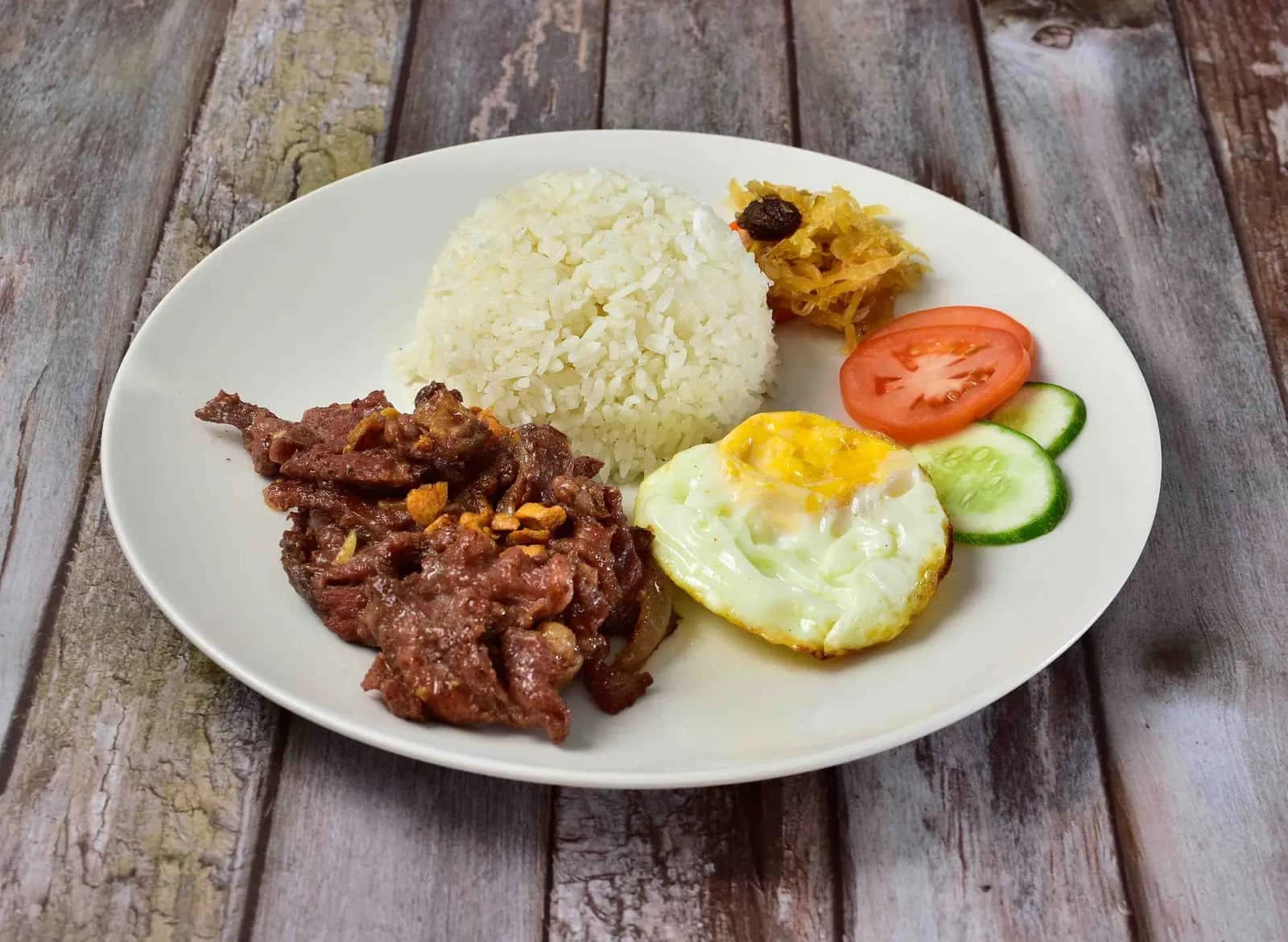
Filipino Restaurant
Chicken & BBQ
Visit a branch
Showing 24 of 30 (26 in Tarlac, 4 nearby)
Tarlac has about 9,641 businesses on the map across its cities and towns, from food and drink to shops, services and clinics. Check what already operates near the spot you have in mind.
Population
1,503,4562020 census
Per 10,000 residents
64businesses we track
Business locations are based on Overture Maps open data (October 21, 2026 release) and do not represent a complete census of all businesses.
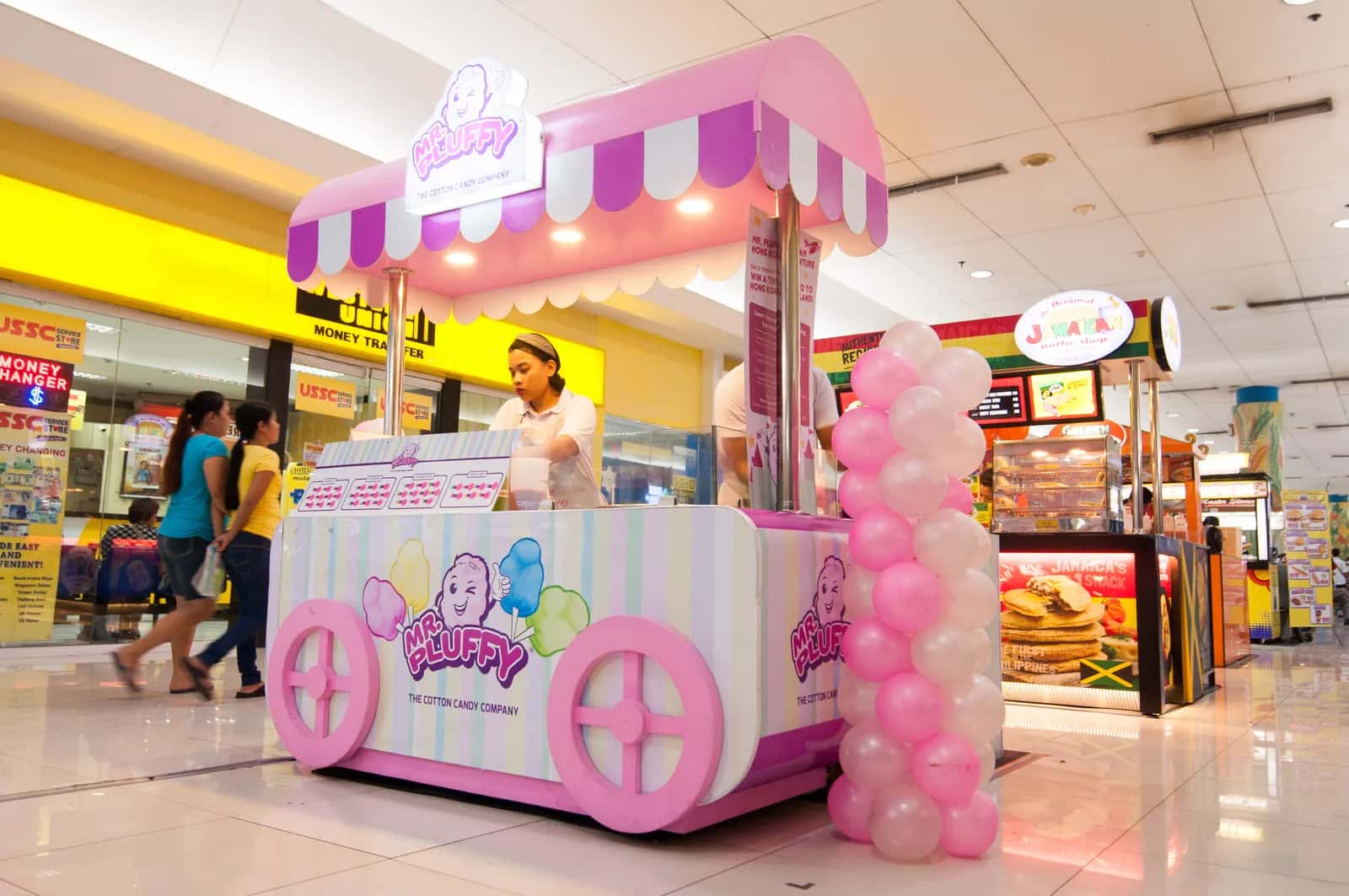
Tarlac has a cart and a kiosk priced for it by name, ranging from about ₱250,000 up to ₱450,000 in build cost. Every local build stays under a ₱500,000 budget, which leaves a cushion for the first months of trading and a reserve for slow weeks. The province lives on farming and on the small towns that serve it, so a compact counter near a market or a junction fits how people already shop.
Tarlac earns its living from rice, sugarcane and the trade that follows the harvest, and money tends to arrive in waves after each crop is sold. Between those waves, spending stays steady in the town centers, where workers, students and market vendors buy small things every day. A counter beside a public market, a school or a busy junction sees that daily movement without needing a large floor area. Payday weeks, when wages and remittances arrive together, are usually the busiest of the month. Farmers and drivers passing through on the highway add a second flow of buyers who want something quick and filling. Because towns are spread out, a counter that becomes the reliable stop in its neighborhood can build loyal regulars faster than it could in a crowded city. Rice-harvest weeks and school openings are the best times, while the rainy months slow foot traffic and call for a reserve to carry rent and wages. An owner who plans for that rhythm from the start avoids the panic that follows a first quiet month.
Local setups run from around ₱250,000 to ₱450,000, and the fee is a flat ₱150,000 whichever build an owner picks. That leaves room under ₱500,000 for rent, a deposit, first stock and the wages of the opening weeks. The quoted payback for local setups is twelve months, which gives an owner a clear target to test against real sales. It assumes steady daily trade, so a few slow weeks early on will push the date back. Ask whether the fee is counted inside the quoted investment, since the answer changes the cash left for working capital. Local options are thin, so a Tarlac owner has a short list to compare, and the practical step is to visit a working counter and ask what a normal week earns. Also ask about training, signage and opening stock, since those items are not always included in the fee.
The first weeks go to permits, fit-out and training, followed by a soft opening for neighbors and nearby workers. During the next few months the owner learns which hours sell, which items move and how much stock to hold without waste. Sales in a farming province follow the harvest calendar, so the first year will likely include a stronger stretch and a quieter one, and the reserve should be planned around both. By the middle of the year, comparing daily records against the payback figure shows whether the counter is on track. Small repairs and replacement of worn equipment should be budgeted from the first month. A helper who can cover a day off keeps the counter open when the owner is unwell or busy. After twelve months, an owner with a steady record can decide whether to extend hours or open a second spot. Suppliers usually offer better terms to owners who order on a regular schedule and pay on time.
Across the country, a kiosk is the leading choice at this budget and a cart follows close behind, and both are what the local Tarlac list offers. A kiosk needs a fixed spot, so rent or a permit is a monthly commitment whether the day is busy or slow, and that cost is the price of steady, predictable sales. A cart trades that commitment for daily hauling and the risk that a spot may be restricted. Nationwide, setups at this budget start at about ₱50,000, and some brands charge no fee at all, while others ask up to ₱280,000. Against those figures, the local flat fee of ₱150,000 is a mid-range commitment. Inline stores are offered by a bit over half of setups nationwide, and standalone, home-based and mobile formats are rare. A kiosk in a market building can be cheaper than a roadside cart once the daily hauling and the weather are counted.
Now that you've seen what's here, a real advisor can help you shortlist and weigh the options against your budget. Free, at your pace.

Financing Readiness · Site Selection

Low-Capital Startups

Low-Capital Startups · Site Selection

Franchise Agreements · Multi-Unit Expansion
Are you a franchise advisor?Get your own workspace here
Choose an industry to see its franchises in Tarlac, with their fees and investment ranges.

Carts, kiosks, and full restaurants.
From ₱50k
Kettle Korn, KUKU Frozen Yogurt, Potato Giant
See brands
Bread, cakes, and pastry shops.
From ₱200k
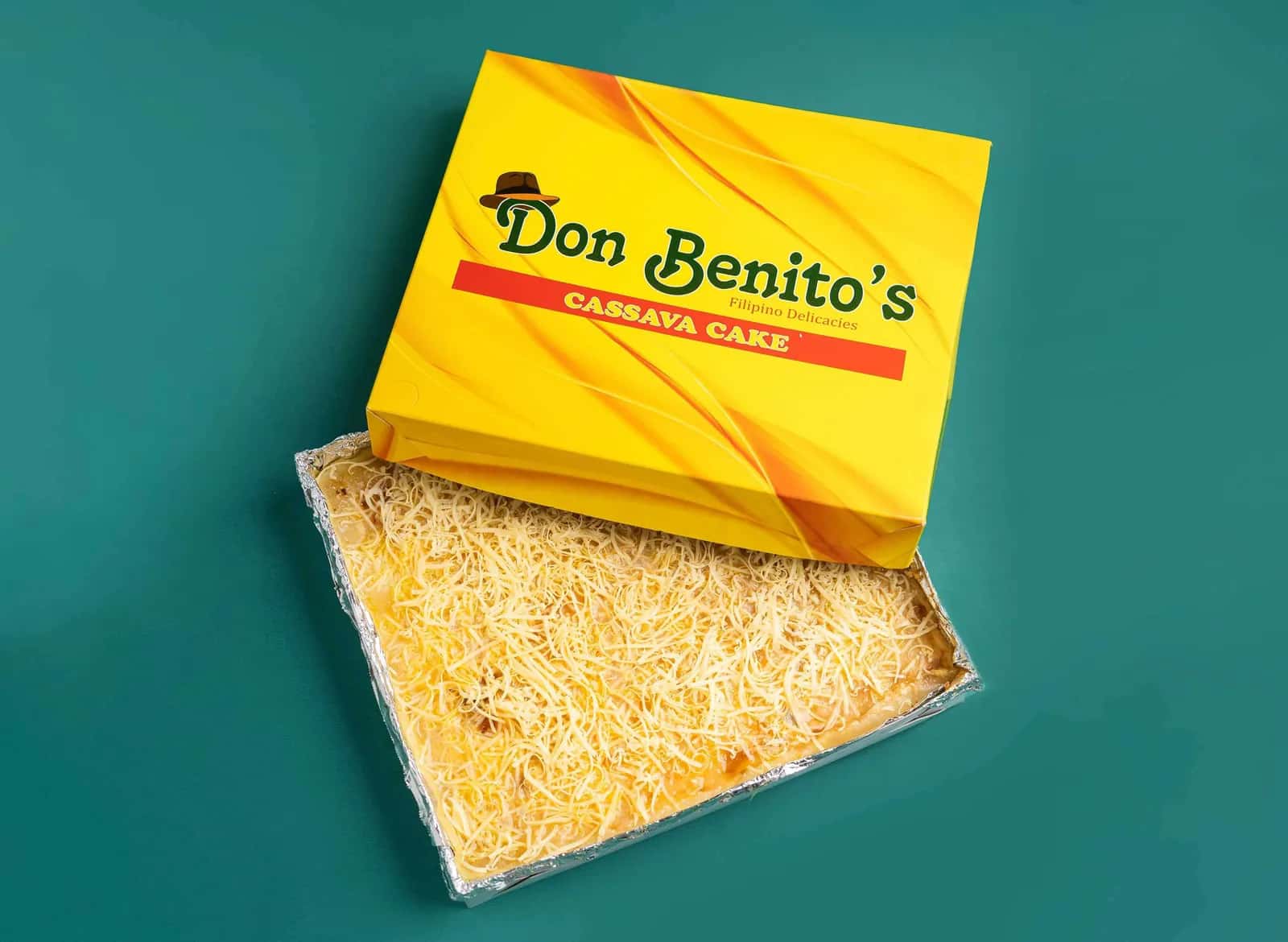
Don Benito's Cassava Cake, Magic Melt, Mrs. Pandesalan
See brandsGet honest answers on what this budget really covers, fees and payback, free and with no pressure.
Opening a search for ₱500k in Tarlac brings up industries in these amounts: food & beverage with 14 franchises, bakery & pastry with 3 and coffee & milk tea with 2. Repeat the search after a few weeks, since counts move as franchisors add or retire packages. Note which industries stay steady and which shift, because steady fields give you a more dependable base to compare, while shifting ones need a second look before you rely on any single number or build a plan around it.
Space inside a building changes the design of a format, and ₱500k in Tarlac offers kiosks with 22 franchises, food carts with 16 and inline stores with 14. Some formats are made as inline counters, others as island kiosks and others as full units. Identify the physical type of each format and think about which one you picture yourself running. The physical type tells you much about the daily feel of the outlet.
Settling the franchise fee for a ₱500k franchise in Tarlac usually means moving ₱63k to ₱150k in one large payment. Ask which methods the franchisor accepts, whether bank transfer, manager's check or financing through a partner lender, and whether a processing charge is added. Check as well whether paying in full brings any inclusion that installment payers miss out on. Learning these options early lets you prepare the money calmly rather than borrowing at a poor rate.
A mini census of the block gives better numbers than the map's 9,641 businesses for Tarlac, led by food and drink with 2,220, services with 2,125 and shops and retail with 2,005, because open data is incomplete. Walk your block and list every business in order, from one end to the other, including home stores. Do the same on the opposite side. Two clean lists show exactly who operates within sight of your spot.
If you have never owned a business before, the distance adds a learning curve, but it is not a wall. Read the franchise agreement for a ₱500k franchise in Tarlac carefully, and attend any orientation the franchisor holds online. Ask them to send training materials you can study from abroad, so you understand the operations as well as your manager does. Knowing the system yourself makes your check ins more useful and your questions sharper.
Grand opening support, if your franchisor offers it, may follow its own schedule and shape the final date for your ₱500k franchise in Tarlac. Some franchisors send staff to help during the launch, and their availability can decide when you open your doors. Ask whether opening support is included, how far ahead it must be booked, and what you need ready before the team arrives.
Initial lessons with a ₱500k franchise in Tarlac typically cover operations, the product, the sales system and customer service, but the real support starts on opening day. A trainer at your side for the first rush can prevent costly mistakes. Ask whether the opening support covers your first weekend or first payday period, when customer traffic in many areas is highest.
Growth that seems too fast for its age is worth questioning when you check a franchisor offering ₱500k franchises in Tarlac. Compare when the company started with how many branches it claims, and ask how it trains and supplies so many new outlets at once. Rapid expansion is not wrong in itself, but it can stretch support thin and leave new franchisees waiting for help. Ask how many support staff it has and whether that team has grown along with the network.
Compare how many franchises start at each budget level in Tarlac, from the smallest packages up.
Compare how many ₱500k franchises take franchisees in each place.
Franchises at the next budget level, ₱600k, worth a look if you can stretch your savings a little.
Filipino Restaurant
Milk Tea & Boba
Milk Tea & Boba

Filipino Restaurant

Takoyaki & Japanese Snacks
Milk Tea & Boba

Filipino Restaurant
Visit a branch
Chicken & BBQ

Learn practical inventory control steps for your Philippine franchise to cut waste, prevent loss, and protect your capital.
Aug 14, 2026 6 min read
Learn how non-compete clauses work when exiting a franchise agreement in the Philippines, protecting your investment after closing.
Jul 20, 2026 5 min read

Learn how to secure financing for your Philippine franchise, from preparation to approval. A practical guide for new operators and OFWs.
Jul 20, 2026 5 min read