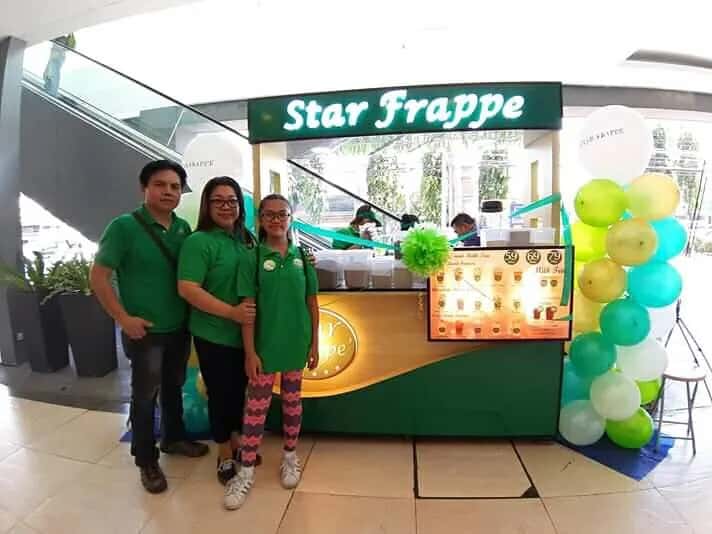
Star Frappe'
Coffee Shop
- Franchise fee
- ₱129k
- Total investment
- ₱129k–₱179k
🎁 Start Your 1 Month Free Trial of the Full Plan, Exclusively for Brands & Advisors.Get Started
Browse 19 franchises up to ₱200k in Panabo, with investments from ₱149k to ₱200k, franchise fees mostly between ₱31k and ₱138k, and most paying back in 3 to 10 months.
Updated

Payment & Remittance Center
Payment & Remittance Center

Ice Cream & Desserts
Panabo has about 1,384 businesses on the map, from food and drink to shops, services and clinics. Check what already operates near the spot you have in mind.
Population
209,2302020 census
Per 10,000 residents
66businesses we track
Business locations are based on Overture Maps open data (October 21, 2026 release) and do not represent a complete census of all businesses.
A year at the longest is the payback that national brands quote for food setups at ₱200,000, and Panabo, Davao del Norte is the kind of highway city where that pace looks reachable. No setup is priced for the city itself, so the choice comes from brands that operate nationwide, with entry from about ₱17,000. Trucks, plantation workers and commuters pass through all day, and small food units sit right in that flow.
Panabo lies on the main road between Davao City and the towns to the north, and everything that moves along that road passes through it. Banana plantations and packing plants nearby employ large crews who start early and finish late, and truck drivers stop for meals and coffee at all hours. Commuters heading to Davao City buy breakfast on the way, and students and market shoppers fill the town centre during the day. Roadside trade is therefore its own kind of business, with peaks at shift changes and a steady trickle between them. A cart or kiosk that sits at a junction, a terminal or the entrance to a market catches these flows without needing a full shop, and it can open at the hours the crews keep. Food that is quick to serve and easy to eat while standing sells best in such places, since workers on break have only a few minutes.
Most of what is sold at this budget is built on wheels or behind a small counter, and a proper shopfront or a home kitchen is offered by fewer brands. Entry runs from about ₱17,000 to the full ₱200,000, so a buyer can put a little or a lot into the unit. Fees range from nothing at all to about ₱149,000, and it pays to learn what each includes before weighing one setup against another. With no local setup, every buyer works from national terms, and the sensible question is which brand can supply the city reliably. Panabo sits close to a large port city, so deliveries from suppliers there are usually easier than in a remote province, and that eases the running costs of a small unit. Payback claims are still worth testing against what the chosen corner can really sell, and a reserve for a few slow weeks keeps a good plan safe, especially in the rainy months when highway trade can thin out.
Traffic on a national highway is both the opportunity and the hazard, so the first check is whether customers can stop safely. A cart that stands where trucks roar past loses trade, while one set back beside a junction or a market gate gains it. Try the spot during a plantation shift change and again at midday, and see who really buys. The city government can say what permits and fees apply to roadside selling, and whether the barangay limits carts near the road. Dust and heat are constant, so a covered counter matters. Ask the brand about the delivery schedule and the training on offer, and what it does if the site fails. A conversation with an owner who has run a similar unit on the same road is worth more than any leaflet, and most owners are glad to explain what the first months were like. Taking notes on their answers and reading the written agreement at home completes the homework before money changes hands.
The day begins before dawn with buying and preparation, because the first customers are crews heading to the plantations and packing plants. Morning trade is quick and heavy, midday belongs to workers on break and students, and the evening rush returns as crews and commuters head home. Dust, heat and sudden rain are part of the road, so a canopy, covered food and a clean counter keep customers coming. Weekends are different, with families in the town centre and less truck traffic on the highway. An owner who keeps daily records of takings and stock sees within weeks which hours pay best, and can trim the menu and the opening times to match the real rhythm. After a quarter, most owners have a clear picture of which shift brings the biggest sales and which product carries the day, and they build the routine around those two facts.
Now that you've seen what's here, a real advisor can help you shortlist and weigh the options against your budget. Free, at your pace.

Financing Readiness · Site Selection

Low-Capital Startups · Site Selection

Low-Capital Startups

Franchise Agreements · Multi-Unit Expansion
Are you a franchise advisor?Get your own workspace here
Choose an industry to see its franchises in Panabo, with their fees and investment ranges.
Get honest answers on what this budget really covers, fees and payback, free and with no pressure.
Yes, ₱200k can be enough, since 19 franchises in Panabo list an investment between ₱100k and ₱200k. Still, the cheapest package is not always the sensible pick, because a very small format may earn too little to cover monthly costs. Compare packages by how many months of expenses your money still covers after the purchase, and prefer the one that leaves a comfortable cushion. Price alone tells you little about whether the business can carry itself while sales build.
Look at what customers walk away with, since ₱200k in Panabo offers food carts with 15 franchises, kiosks with 15 and inline stores with 3. Some formats sell items people consume at once, such as a drink or a snack, while others sell goods taken home. Items consumed at once create repeat visits, while taken home goods sell less often but at higher value. Decide which pattern of selling appeals to you and favor the formats that fit it.
Put ₱31k to ₱138k aside for the franchise fee on a ₱200k franchise in Panabo, and keep it as its own line in your plan. Write down the date the fee falls due and the account it goes to. Then ask the franchisor to confirm in writing that nothing else is bundled into that figure, so the amount you save toward is the amount you actually pay.
Recovering what you spend on a ₱200k franchise in Panabo takes 3 to 10 months by most franchisors' accounts. Training is part of that cost, and it can involve unpaid time away from work, travel or accommodation. Ask where training happens, how long it lasts and who pays for it, then add those expenses to your total so the payback math reflects everything it actually took to open.
Regional symmetry stands out here, as Panabo lists 19 ₱200k franchises and the surrounding cities list Samal with 19, Tagum with 19, Davao City with 19 and Digos with 19. Symmetry suggests the directory covers the region evenly and that franchisors do not favour a single city. That is good for you, because you can expect similar attention from franchisors whichever city you name, and similar responses to inquiries about opening in Panabo.
A sample profit and loss statement from the franchisor will show what a ₱200k franchise in Panabo typically spends each month and how much working capital you should hold. Treat those figures as a starting point rather than a promise, since rent and wages in your area may differ. Request that statement early, adjust each line for local conditions, and keep a buffer for the gap between their sample and your reality.
Owners overseas sometimes ask a second relative to act as a quiet check, dropping by the store unannounced and reporting back. This is less about suspicion and more about having another set of eyes on a ₱200k franchise in Panabo. If you use this approach, tell your manager openly so it feels like support rather than spying. Handled with honesty, a second visitor can even become a helpful sounding board for your manager.
Deciding how much daily work you can realistically handle makes comparing ₱200k franchises in Panabo much easier. Some setups need an owner on site for most of the day, while others run with trained staff and regular check ins. If you are keeping a job or managing from abroad, that difference matters as much as cost. Ask each franchisor how its current franchisees divide their time and whether any run their outlets remotely.
Compare how many franchises start at each budget level in Panabo, from the smallest packages up.
Compare how many ₱200k franchises take franchisees in each place, nearest first.
Franchises at the next budget level, ₱300k, worth a look if you can stretch your savings a little.
Street Food & Snacks

Filipino Restaurant

Street Food & Snacks
Chicken & BBQ

Filipino Restaurant

Travel & Tours
Street Food & Snacks

Fries & Potato Snacks

Learn practical inventory control steps for your Philippine franchise to cut waste, prevent loss, and protect your capital.
Aug 14, 2026 6 min read
Learn how non-compete clauses work when exiting a franchise agreement in the Philippines, protecting your investment after closing.
Jul 20, 2026 5 min read

Learn how to secure financing for your Philippine franchise, from preparation to approval. A practical guide for new operators and OFWs.
Jul 20, 2026 5 min read