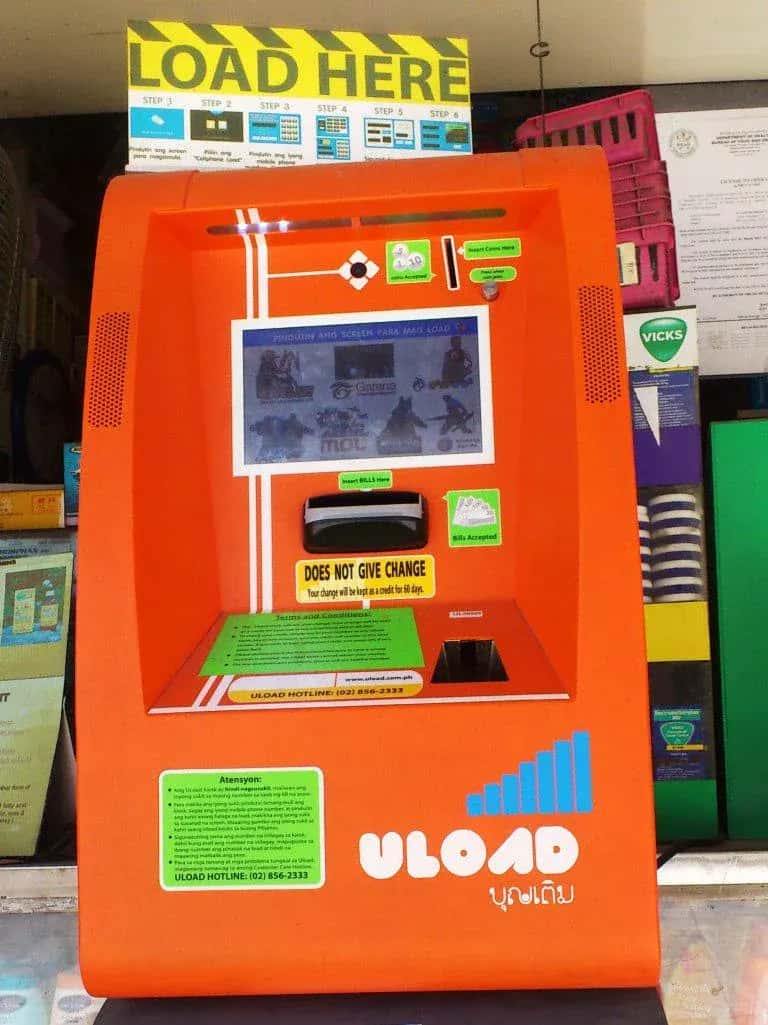
ECPay Center (Unified)
Payment & Remittance Center
- Franchise fee
- ₱65k
- Total investment
- ₱65k–₱150k
🎁 Start Your 1 Month Free Trial of the Full Plan, Exclusively for Brands & Advisors.Get Started
Browse 19 franchises up to ₱200k in Mati, with investments from ₱149k to ₱200k, franchise fees mostly between ₱31k and ₱138k, and most paying back in 3 to 10 months.
Updated
Payment & Remittance Center

Payment & Remittance Center

Ice Cream & Desserts
Mati has about 832 businesses on the map, from food and drink to shops, services and clinics. Check what already operates near the spot you have in mind.
Population
147,5472020 census
Per 10,000 residents
56businesses we track
Business locations are based on Overture Maps open data (October 21, 2026 release) and do not represent a complete census of all businesses.
Surf beaches bring visitors to Mati, Davao Oriental, while coconut farms and fishing boats feed the town's everyday trade, and a small food stall can serve both. Every option comes from brands that sell across the country, priced from about ₱17,000 up to the full ₱200,000. The fee runs from nothing to ₱149,000, and payback is quoted between three and twelve months. A town this size rewards owners who are reliable, friendly and known by name.
Mati sits on the Pacific coast of Davao Oriental, and its economy blends town trade with a steady flow of visitors. Residents shop and eat around the public market, the schools and the municipal center, while travelers come for the beaches and the water sports and stay for a few days. Coconut and fishing families fill the surrounding barangays and come into town on market days. That gives a food stall two kinds of customers with different habits: locals who buy small, familiar items every day, and visitors who want something quick and refreshing between activities. A stall near a beach road or a busy junction between the town and the shore can serve both, while one near a school or the market leans toward everyday buyers. Holiday weekends and school breaks fill the beach roads, and a stall that has stocked up in advance earns the most from those days.
Three simple pictures show how the range works. A buyer near the smallest amount, around ₱17,000, gets a compact cart or a home based kit and opens with a small stock. A buyer at about ₱80,000 can pay a moderate fee and still afford a kiosk with proper equipment. A buyer holding the full amount could take a setup with a fee near ₱149,000, but may be left with less for the stall itself than the middle buyer. Payback is quoted between three and twelve months, and it tends to run shorter for compact stalls with low rent and a good spot. Because the town is small, rent is usually modest, which helps. Asking what the fee includes before comparing concepts side by side keeps the comparison honest, and a written reserve for stock, wages and repairs protects the first months. Signage and a canopy are small items that quickly show up in the first week's spending.
A person with modest savings who wants to test a food idea before committing more would start with a compact cart or a home based product, sell to neighbors and visitors, and expand once the routine is steady. A person with the full ₱200,000 could take a kiosk with better equipment. That suits an owner ready to work long hours during the busy beach season and to manage a helper. Someone who lives in a barangay outside town could run a small stall near home and serve people who would otherwise travel to the center. The common thread is willingness to open on time every day. Regular customers in a small town notice quickly when a stall is dependable, and they tell others. A retired worker or a returning family member with local ties can also do well, since neighbors tend to support someone they already know. Whoever runs it, a clear written list of daily tasks makes it easier to hand the stall to a helper on rest days.
Shelter is the first thing extra money buys in a coastal town where rain and sun both interrupt trade. A cart keeps costs lowest but leaves the owner exposed, a kiosk adds a roof for the price of monthly rent, and an inline store gives a real shopfront that needs a lease and a paid helper to run. Carts and kiosks are the mainstays of what brands sell across the country at this budget, each in nearly four of every five setups. Inline stores make up about one in six, and home based ideas about one in nine. In Mati the decision leans on rent, which for a small covered spot near the beach road or the market tends to stay modest. That makes a kiosk a realistic first step for an owner who wants weatherproof trading from the start.
Now that you've seen what's here, a real advisor can help you shortlist and weigh the options against your budget. Free, at your pace.

Financing Readiness · Site Selection

Low-Capital Startups · Site Selection

Low-Capital Startups

Franchise Agreements · Multi-Unit Expansion
Are you a franchise advisor?Get your own workspace here
Choose an industry to see its franchises in Mati, with their fees and investment ranges.
Get honest answers on what this budget really covers, fees and payback, free and with no pressure.
Comparing like with like, the ₱200k industries in Mati are food & beverage with 12 franchises, financial services with 3 and bakery & pastry with 2. Not all counts are comparable, since a field with many small formats cannot be matched against a field with few large ones. When you weigh two fields, compare the listings of similar size and style. That keeps your judgment fair and prevents a big count in a small format from distorting how you view a smaller count in a larger one.
Your shortlist at ₱200k in Mati starts with food carts with 15 franchises, kiosks with 15 and inline stores with 3. Some of these formats grow popular because they are easy to explain, such as a single product sold in a simple way. Others are more complicated and need steady upkeep. Think about how quickly you could explain each one to a customer. The formats you can describe in a sentence are usually the ones that are easiest to run and teach to a new helper.
Counted on the map, Mati has 832 businesses, led by food and drink with 188, places to stay with 174 and services with 172. Open data misses newer shops, and it can also keep listing ones that have already closed, so the count can be off in both directions. When you visit your planned spot, check the nearest mapped businesses one by one and note which are still trading. A street where several listed shops have shut tells you something the total alone never will, so weigh that before you sign anything.
Equipment and layout influence staffing more than many people realize. A ₱200k franchise in Mati with a compact kiosk may let one person handle everything, while a store with seating, a kitchen and a cashier station needs more hands. Ask the franchisor for the standard floor plan and walk through each task in that space, noting where one person would need to be in two places at once.
Payment milestones can affect how long it takes to open a ₱200k franchise in Mati, since some franchisors release equipment or schedule training only after certain payments clear. If you are pooling money from family or waiting for remittances, a late transfer can stall the next stage. Ask for the payment schedule in writing and line up your funds before each due date arrives.
A franchisor with weak finances is a risk that rarely shows up in brochures. If the company behind your ₱200k franchise struggles or closes, you could be left without supplies, support or even the right to keep using the name in Mati. Check that the franchisor is properly registered, ask how long it has been franchising, and talk to owners who joined both recently and several years ago.
Franchisors vary in how much they help with locations for a ₱200k franchise in Mati, so know what to expect before you commit. Some will give you a list of areas, while others review exact spaces. Ask the franchisor whether they will look at spaces you find while the agreement is still being prepared, so the location and the contract can move forward together.
Refresher training is easy to overlook with a ₱200k franchise in Mati, yet procedures and products change over time. The first program covers operations, the product and the sales system, but later updates may need new lessons. Ask how updates are taught, whether sessions are free, and whether attendance is required. A franchisor that keeps teaching helps your outlet stay consistent as it grows.
If you want a clean comparison of ₱200k franchises in Mati, read the contracts side by side before anything else. Offers priced between ₱100k and ₱200k can differ sharply in term length, renewal conditions and what happens if you want out early. Those clauses shape your risk far more than a small gap in the upfront fee. Request a copy of each franchise agreement before paying any reservation fee, and have a lawyer go through it with you.
Compare how many franchises start at each budget level in Mati, from the smallest packages up.
Compare how many ₱200k franchises take franchisees in each place, nearest first.
Franchises at the next budget level, ₱300k, worth a look if you can stretch your savings a little.
Street Food & Snacks

Filipino Restaurant
Street Food & Snacks
Chicken & BBQ

Filipino Restaurant

Travel & Tours
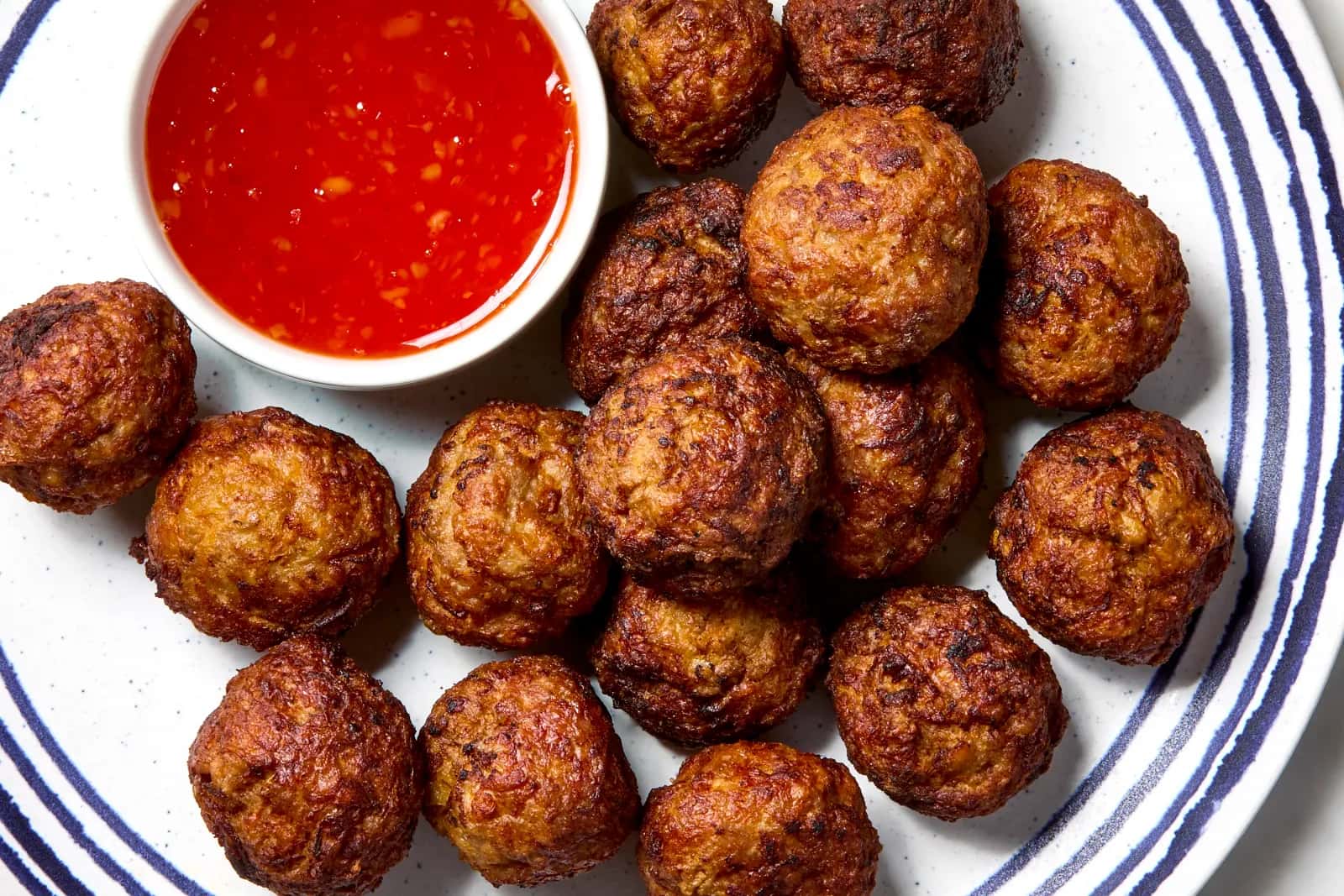
Street Food & Snacks

Fries & Potato Snacks

Learn practical inventory control steps for your Philippine franchise to cut waste, prevent loss, and protect your capital.
Aug 14, 2026 6 min read
Learn how non-compete clauses work when exiting a franchise agreement in the Philippines, protecting your investment after closing.
Jul 20, 2026 5 min read

Learn how to secure financing for your Philippine franchise, from preparation to approval. A practical guide for new operators and OFWs.
Jul 20, 2026 5 min read