Juan Chow
Fast Food Restaurant
- Franchise fee
- ₱350k
- Total investment
- ₱350k–₱600k
🎁 Start Your 1 Month Free Trial of the Full Plan, Exclusively for Brands & Advisors.Get Started
Browse 2 fast food franchises up to ₱600k, with investments of about ₱600k each, franchise fees mostly between ₱150k and ₱350k, and most paying back in 10 to 18 months.
Updated
Fast Food Restaurant
Fast Food Restaurant
Fast food at a budget of up to ₱600,000 still buys a food cart package paired with a kiosk package, rather than a storefront with seating. Entry cost runs ₱350,000 to ₱600,000, with fees between ₱150,000 and ₱350,000. Payback lands ten to eighteen months, among the fastest paybacks in the category. That combination makes this budget one of the quicker ways into fast food, provided the smaller footprint fits the plan.
Every brand fitting inside this ₱600,000 budget offers a food cart package as well as a kiosk package, rather than committing to one lean format alone. That pairing gives a franchisee access to whichever format a given site allows, without needing a separate deal for each footprint. A mall corridor or transport hub suits a kiosk, while an open lot, a covered market strip, or an event space suits a cart. Offering each format also lowers the franchisor's own risk, since a concept proven to work from a mobile cart and a fixed kiosk alike has already shown it adapts to more than one setting. That same flexibility helps an operator later, since a site that stops working as a kiosk can sometimes shift to a cart setup rather than closing outright. The format matters more at this budget than which brand carries it, since the day-to-day routine of running a cart and running a kiosk differ from each other more than the brands themselves do.
Getting in at this level takes somewhere between ₱350,000 and ₱600,000. The franchise fee spans a fairly wide range for a budget this tight, from roughly ₱150,000 to ₱350,000, and that gap usually tracks how much training and supply support comes with the price. Payback here is genuinely fast, from as little as ten months to a still-quick eighteen, among the shorter timelines in fast food regardless of budget. That combination of a moderate entry cost and a fast payback makes this budget attractive to someone testing the category for the first time. It comes with a tradeoff: what this money buys is a smaller-scale, cart-or-kiosk operation, not anything resembling a full restaurant. A smaller scale also means fewer moving parts that can go wrong during a first opening, which matters as much as the fee itself to someone new to running a food business.
This budget suits someone testing fast food on limited capital who values a fast, roughly year-long payback over the pull of a widely recognized name. Someone drawn mainly to national brand recognition should expect a different kind of roster here, built around newer names still proving themselves rather than long-established ones. That does not make this budget a lesser choice, only a different one, and the tested menu and supply relationship that come with the fee still count for something without a big local reputation attached. Anyone drawn to this budget mainly for the low entry cost should also weigh the competition it faces. Independent, non-franchised carts and kiosks are the real rivals at this scale, since a franchised name provides less of a visible edge here than it would behind a larger storefront build. What the fee buys is consistency and a working supply line, which matters most in the months before an operator has built any local reputation of their own.
Running a cart or a kiosk at this budget means handling restocking, setup, and teardown personally in the early months. The fee at this level rarely stretches to a full support staff. A cart adds exposure to weather and to whatever foot traffic a site draws that day. A kiosk trades that variability for a fixed rent and a fixed spot inside a mall or terminal. Each format depends on steady daily volume rather than occasional large orders, so a site with reliable, repeat foot traffic matters more than one with occasional peaks. Permits and site fees differ by format and by location. A first-time operator should confirm those costs before signing rather than assume they sit inside the quoted franchise fee already. The ten-to-eighteen-month payback assumes a site performing close to average from the first month. A slower start simply pushes that timeline out, rather than pointing to a problem with the format itself.
Now that you've seen what's here, a real advisor can help you shortlist and weigh the options against your budget. Free, at your pace.

Financing Readiness · Site Selection

Low-Capital Startups

Franchise Agreements · Multi-Unit Expansion

Low-Capital Startups · Site Selection
Are you a franchise advisor?Get your own workspace here
Compare fast food franchises with other food & beverage businesses up to ₱600k, each with its own brands, fees and investment ranges.
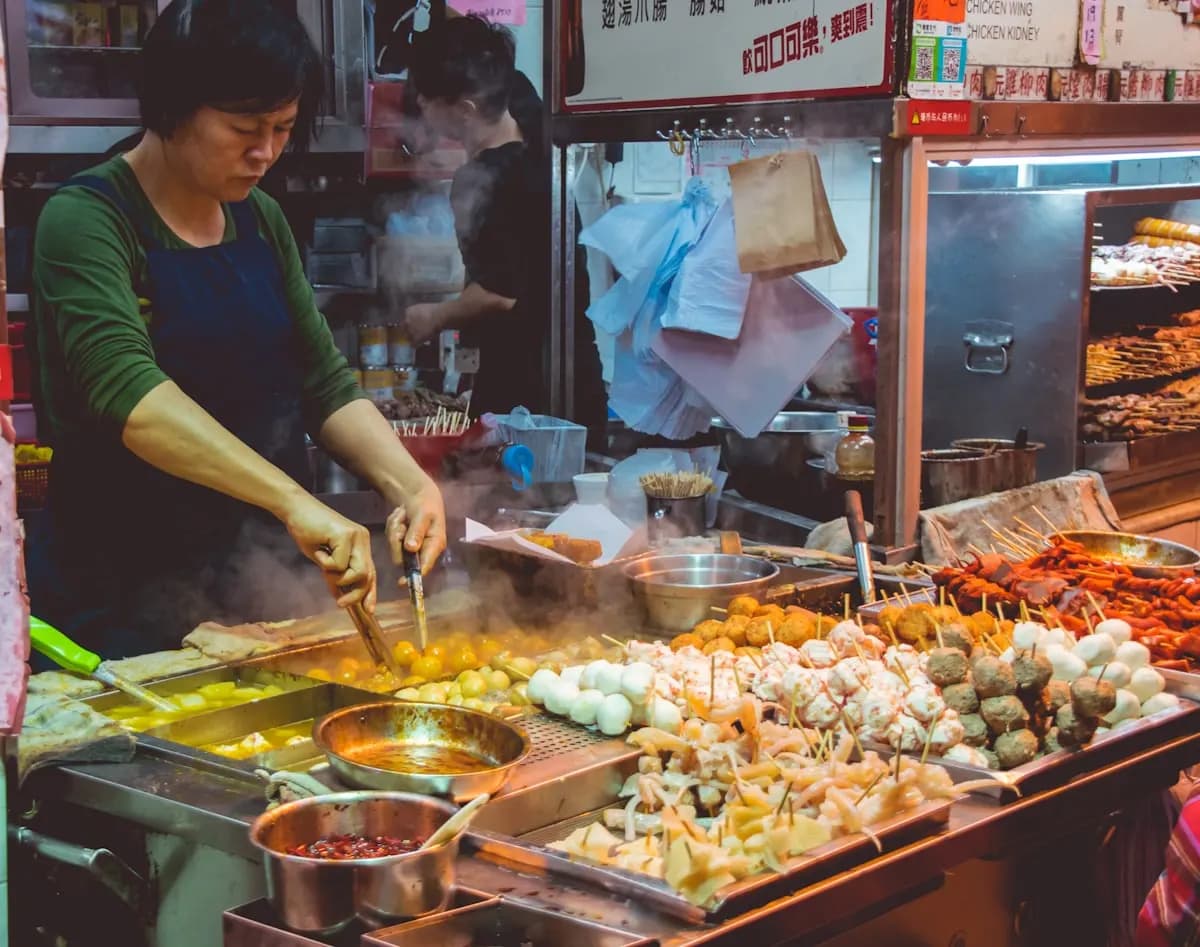
Fishball, siomai, and grab-and-go bites.
13 brandsFrom ₱300k
Mom's Ube & Triple Choco Champorado, Churros City, Mr. Binatog +10 more
See brands
Homegrown Filipino food concepts.
11 brandsFrom ₱250k
Boy Kanin, Bente Silog, Lugaw Republic +8 more
See brands
Fresh juices, shakes, and smoothie bars.
10 brandsFrom ₱300k
Buko Juan, Chingu Buko House, BluNektar +7 more
See brands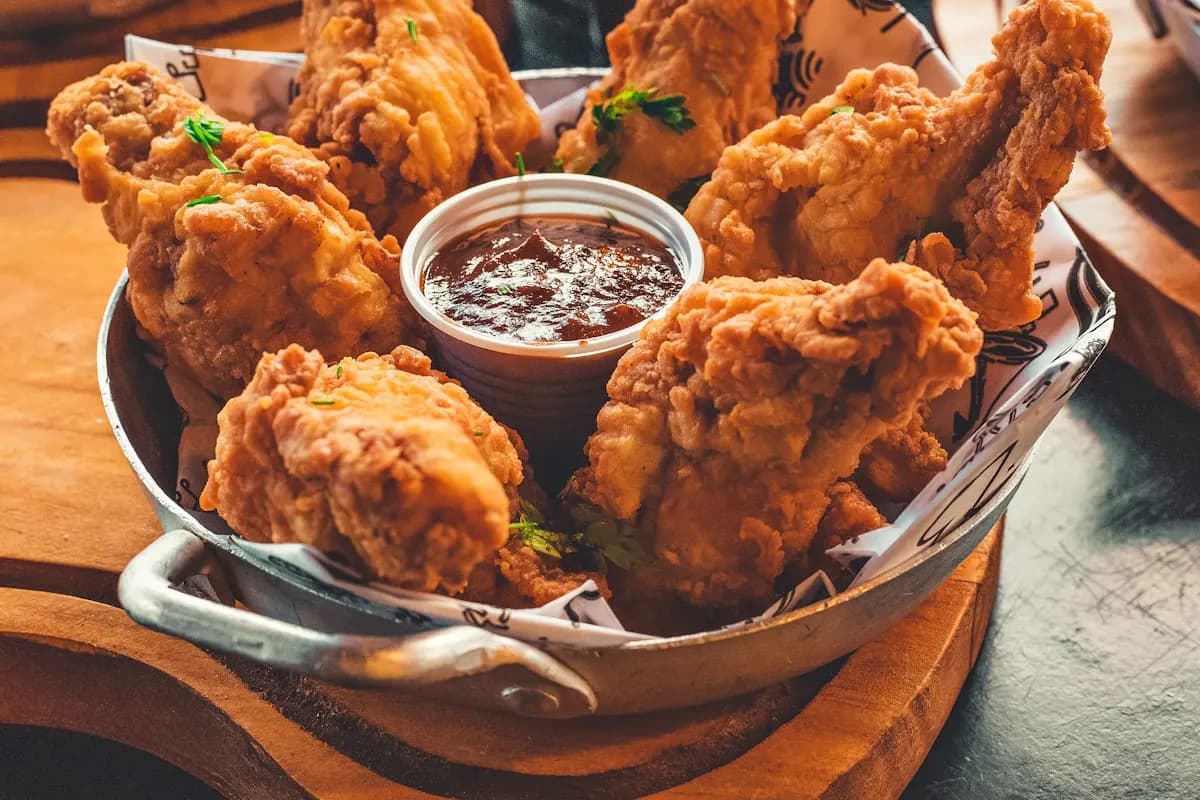
Roast chicken, inasal, and grilled favorites.
5 brandsFrom ₱300k
Liloan's Pride Liempo, Mr. Liempo, Pixie's Sinugba +2 more
See brands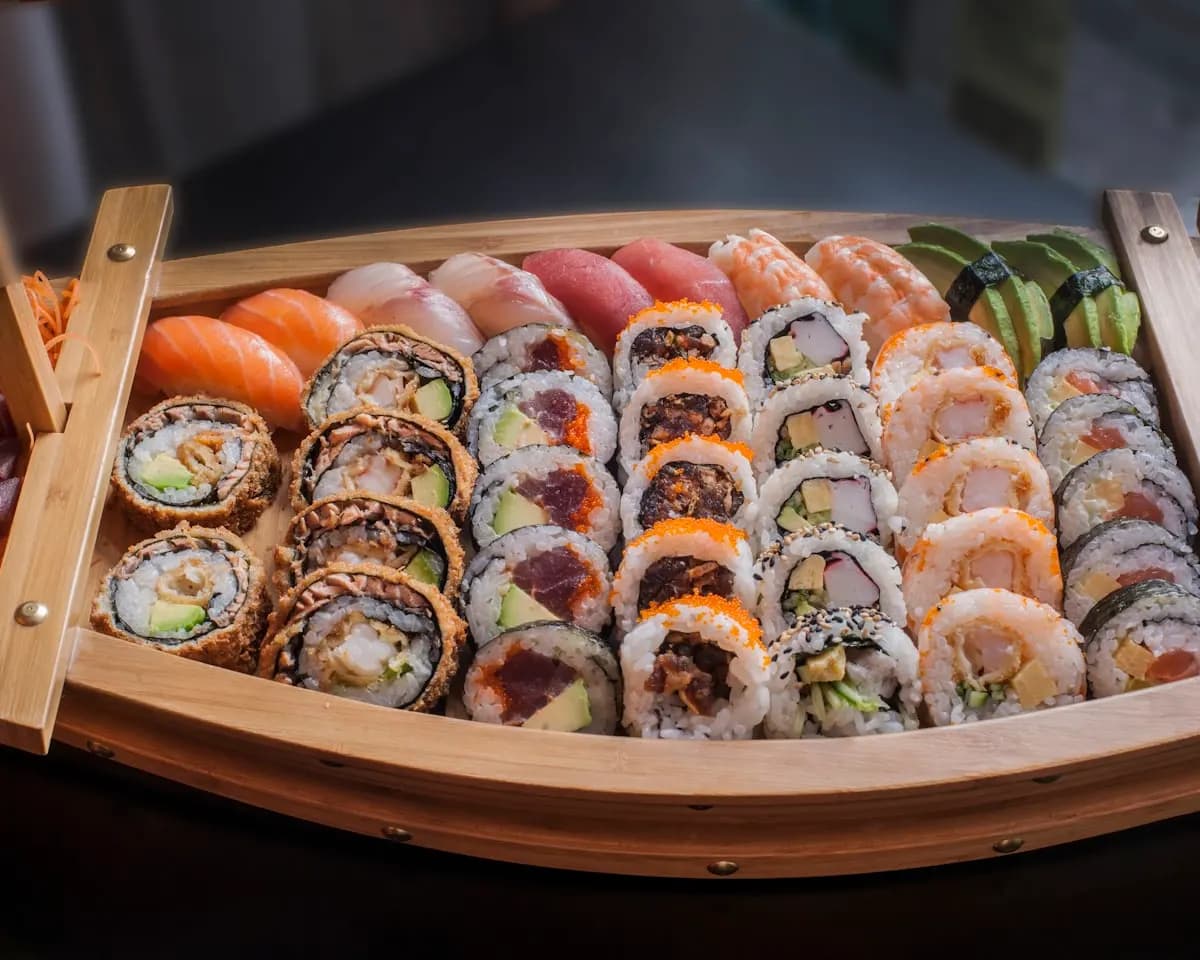
5 brandsFrom ₱198k
Kyu Kyu Ramen 99, Yaki Yaki, Takoyadon +2 more
See brands
Ice cream, halo-halo, and sweet treats.
3 brandsFrom ₱300k
Fruitas Ice Candy, Ginataang Bilo Bilo at Mais, Choco Monkey
See brands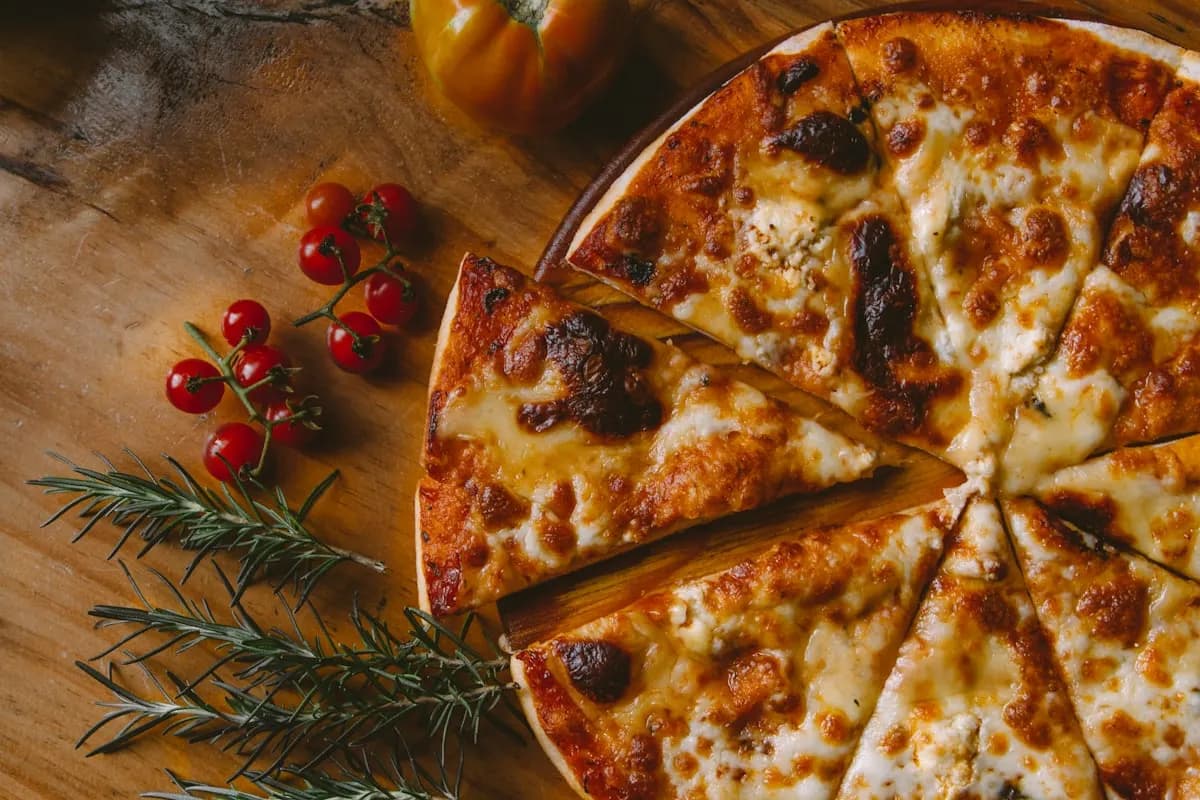
Pizza parlors and pasta houses.
3 brandsFrom ₱250k
Pizzacle, Gourmae Pasta & Pizza to go, Elbo Pizza
See brandsGet honest answers on fees, payback and the best setups for your area, free and with no pressure.
Thinking ahead, two fast food franchises sit between ₱500k and ₱600k, the group ₱600k lets you choose from. Because the group is broad, narrow it by looking at what each package includes. Ask every franchisor for an itemized list and compare equipment, stock and training line by line. The options that include the most for the same price give you the strongest start, while those that leave out basics should move down. Keep notes so you can compare the lists fairly.
Training is usually the biggest service inside a franchise fee, which runs ₱150k to ₱350k for fast food franchises at ₱600k. Ask how many training days the fee buys and whether extra days are charged separately. You can compare franchisors by dividing the fee by the training days offered, a rough check that shows which fee gives you more training for the amount paid. The contract should name the days instead of promising training in general.
Packages around ₱600k usually bundle equipment, training and initial inventory, plus a less visible inclusion, which is the franchise system itself. That system covers operating procedures, product or service standards, supplier access and the know how the franchisor has built over time. Ask the franchisor to explain exactly which systems, manuals and supplier arrangements you receive, so you can weigh that intangible part fairly alongside the physical items in the package.
Owners in fast food at ₱600k typically operate food carts with 2 franchises and kiosks with 2. Hours of operation vary widely between formats, and longer hours mean more shifts to fill and more electricity to pay for. Ask each franchisor what operating hours they require, whether you can adjust them to suit your location and what penalties apply if you close early or skip days. Long hours that suit a busy area can be a burden in a quieter neighborhood.
Yes, a ₱600k fast food franchise can suit a first-timer who still has spare cash after the package is paid, so test your cushion before agreeing. Opening week tends to bring small expenses nobody lists, such as change funds, cleaning supplies and first wages. Write down every cost you expect in the first month and compare the total with your free savings. If the gap feels tight, wait and save longer, because a thin cushion is the usual reason beginners struggle early.
Landlord requirements decide a large part of whether ₱600k is enough. Deposits and advance rent are almost always outside what the two fast food franchises quoting an investment between ₱500k and ₱600k include, and they are due before you earn anything. Ask several landlords about their terms so you have a realistic picture, then subtract the highest amount from ₱600k to see what is left for everything else.
If some of your supplies are imported, budget beyond ₱600k for price changes that follow the exchange rate. Imported ingredients, parts or materials can cost more when the peso weakens, and franchisors may adjust their supply prices accordingly. Ask which supplies depend on imports, and keep a modest cushion in your stock budget so a weaker peso does not wipe out your margin for the month.
Talking with your spouse or household before raising ₱600k for a fast food franchise matters as much as the money itself. Saving, borrowing or pledging assets affects everyone at home, and support is easier to keep when people agree early. Sit down together, share the full cost and how you plan to fund it, and settle what the family will do if the business needs more time to earn.
Realistically, a ₱600k fast food franchise pays back in about 10 to 18 months according to franchisor estimates, and your own result can land on either side of that. Losses from damaged, expired or unsold stock rarely appear in a projection, yet they add up over a year. Ask current franchisees how much they usually lose this way each month and subtract it from the profit you expect.
Compare how many fast food franchises start at each budget level, from the smallest packages up.
Fast Food franchises priced close to your budget, worth a look if you can stretch your savings or want to spend less.

Fast Food Restaurant
Fast Food Restaurant

Fast Food Restaurant
Fast Food Restaurant
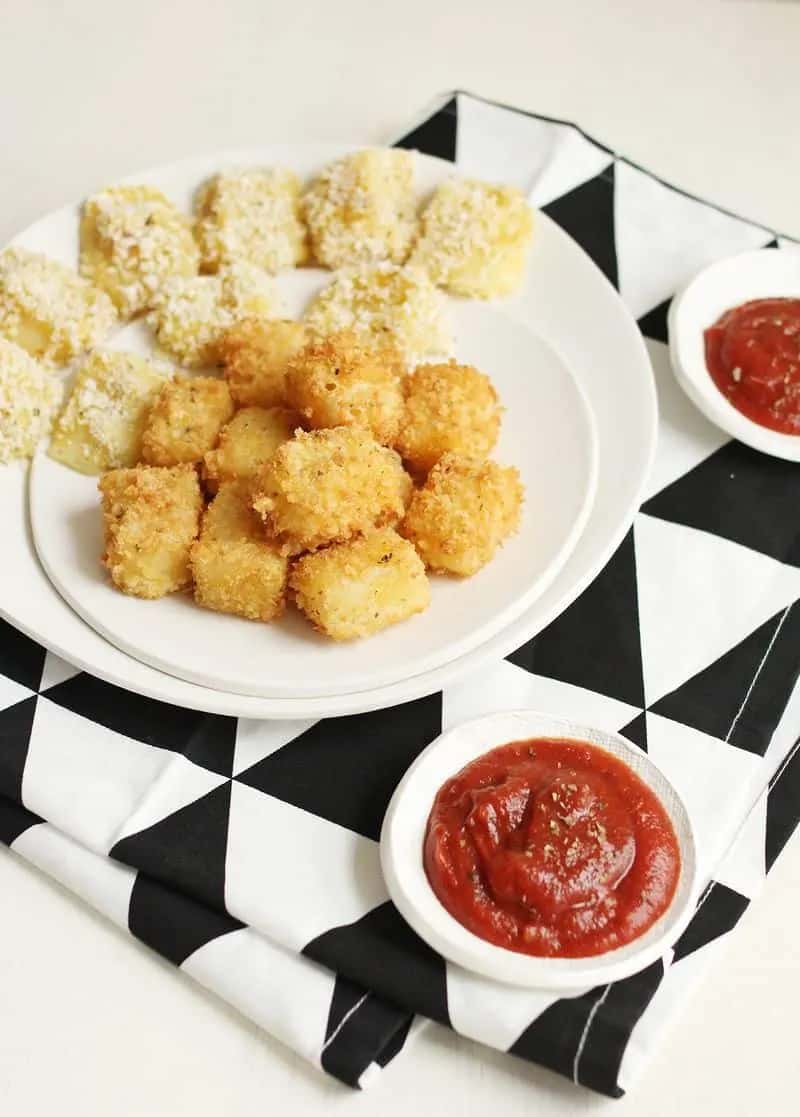
Fast Food Restaurant
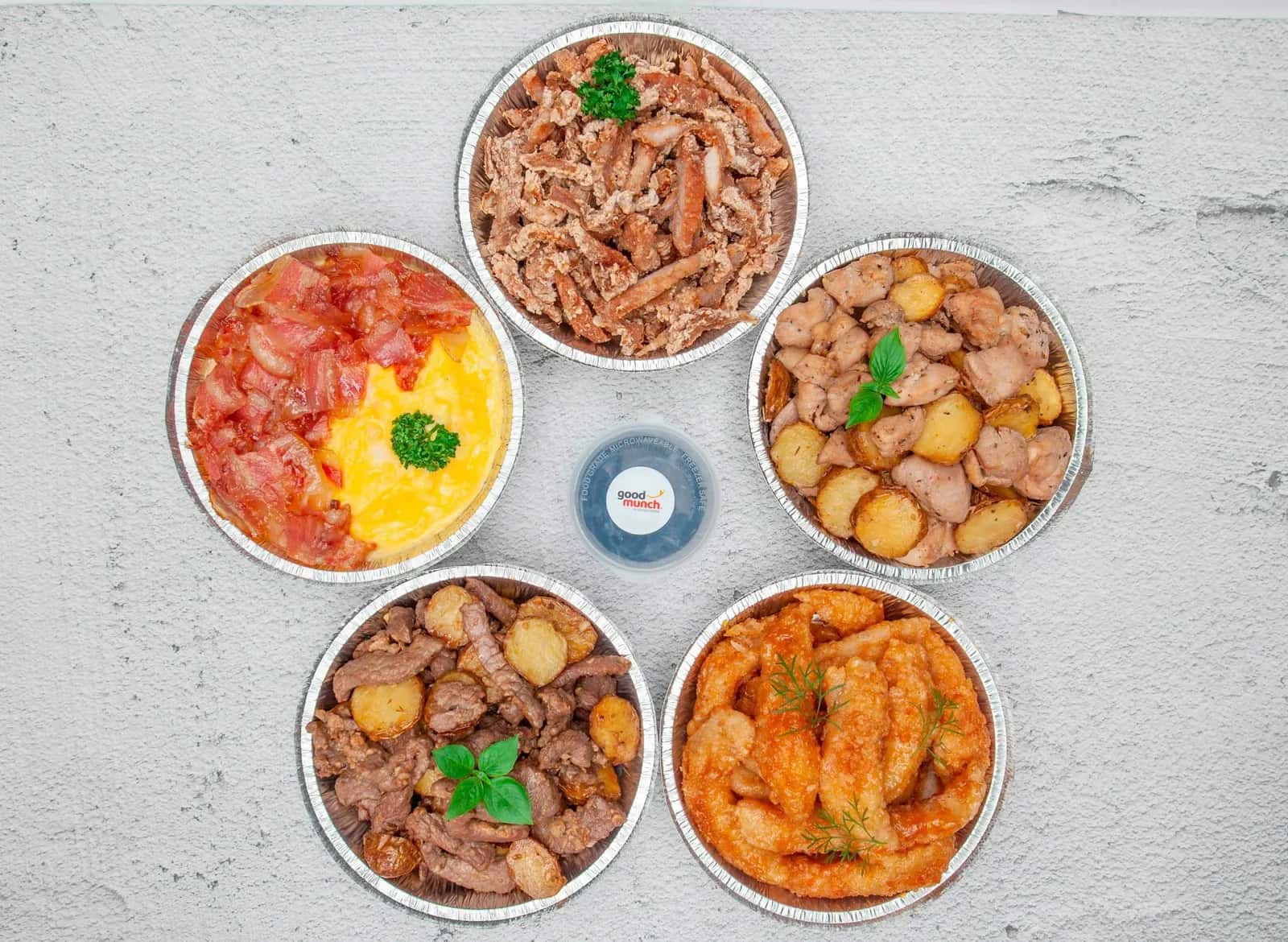
Fast Food Restaurant
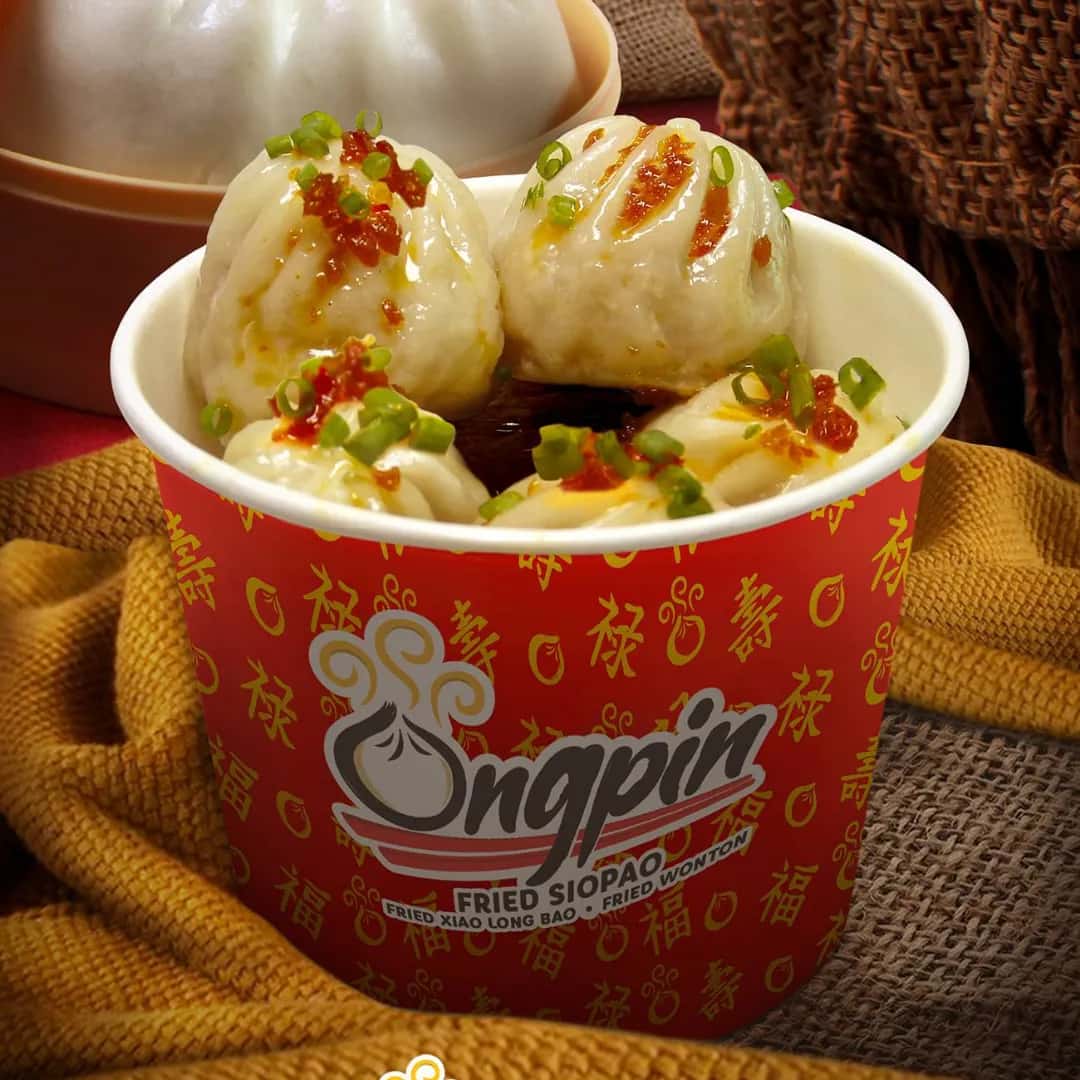
Fast Food Restaurant
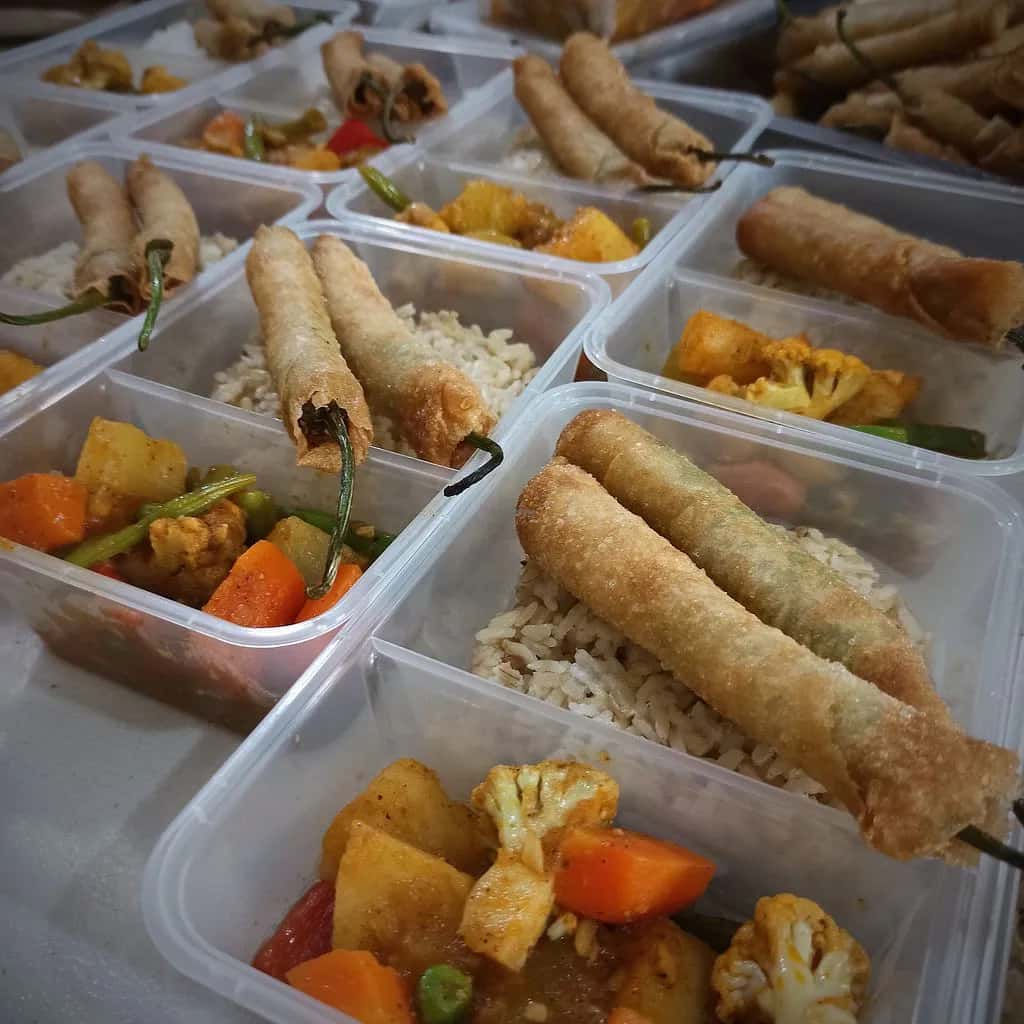
Fast Food Restaurant
Compare fast food franchises with other industries at the same budget, each with its own brands, fees and investment ranges.

Coffee, milk tea, and cold drink shops.
19 brandsFrom ₱250k
Cha Thai, CLT Cafe, Island Tea Co. +16 more
See brands
Bread, cakes, and pastry shops.
7 brandsFrom ₱350k
Empanada Nation, Remilly's Yema Cake, Big Smile Bread Station +4 more
See brands
Mini marts and convenience stores.
4 brandsFrom ₱350k
P. TOGO, Goldmine Farm to Market, Scents and Blends +1 more
See brands
2 brandsFrom ₱250k
Ink All You Can, Premium Graphics Asia Center (TRANSFER-IT)
See brands
Padala, parcel, and delivery outlets.
2 brandsFrom ₱300k
OKS Xpress Courier, SUREX
See brands
Drugstores and health supplement outlets.
2 brandsFrom ₱350k
ValueMed Generics Pharmacy, Well-Family Midwife Clinics
See brandsCompare industries by budget, daily work and payback before you choose one, free and with no pressure.

Learn practical inventory control steps for your Philippine franchise to cut waste, prevent loss, and protect your capital.
Aug 14, 2026 6 min read
Learn how non-compete clauses work when exiting a franchise agreement in the Philippines, protecting your investment after closing.
Jul 20, 2026 5 min read

Learn how to secure financing for your Philippine franchise, from preparation to approval. A practical guide for new operators and OFWs.
Jul 20, 2026 5 min read