Pinoydon
Donut Shop
- Franchise fee
- ₱150k
- Total investment
- ₱350k–₱600k
🎁 Start Your 1 Month Free Trial of the Full Plan, Exclusively for Brands & Advisors.Get Started
Browse a donut franchise up to ₱600k, with an investment of about ₱600k, a franchise fee of about ₱150k, and paying back in about 12 months.
Updated
Up to ₱600,000 in the donut category lands on a cart or a kiosk, with a fee of around ₱150,000 and the rest going into fit-out, equipment, and the first stock order. Total spend across this budget runs from around ₱350,000 up to the full ₱600,000, depending on the site and how much of the build has to be paid for from scratch. It is a step above the smallest starter packages, with a bit more room built in for a slower opening month.
The fee at this level sits around ₱150,000, which is only part of the total. Fit-out for a kiosk counter, or the unit itself for a cart, comes next, followed by the first stock order, packaging, and any signage needed to catch attention from a distance. A deposit for the site, if it is a mall or a fixed commercial spot, adds another line before opening day. Beyond that, working capital held back for the first few months matters as much as anything already spent, since a new shop rarely runs at full pace from day one. Rent, staff wages, and restocking all continue whether the early weeks are strong or slow. A buyer who spends every peso on the build itself, leaving nothing in reserve, is the one most likely to feel squeezed before the shop finds its footing. Planning for six to eight weeks of below-average sales before things settle is a safer starting assumption than planning for an immediate full house. Permits and other paperwork to open legally also sit on top of the fee, small individually but worth listing out ahead of time so the total does not creep past what was budgeted.
One or two people at a time is typically enough to run a cart or kiosk at this budget, often the owner working alongside a single staff member. That keeps wage costs manageable, but it leaves little slack if someone falls sick or quits without notice. The equipment is built for volume rather than variety, so the menu tends to stay narrow and consistent rather than expanding often. That consistency is part of what makes the operation manageable for a small team working long shifts. Payback across this budget runs around twelve months, which assumes steady hours and a site that keeps people walking past through most of the day. Hours tend to track the site rather than the owner's preference. Opening early for commuters or staying open into the evening near a transport hub is common. The schedule this format demands should be weighed honestly against what the operator can sustain personally over months, not just weeks, since a tired owner covering every shift alone tends to wear down before the twelve months are up. Cleaning, restocking, and simple maintenance on the equipment fill whatever hours are left once the counter closes. Treating that upkeep as part of the daily routine, rather than something squeezed in occasionally, keeps the format looking and running the way it did on opening day.
Before any conversation with a brand at this budget, it helps to have a specific site already in mind rather than a general area, since a cart or kiosk lives or dies by the exact spot it occupies. It is worth having a clear number set aside beyond the fee for working capital, so an offer that looks affordable on paper does not turn out to leave nothing in reserve once fit-out and stock are paid for. It is also worth asking directly what the ₱150,000 fee includes and what counts as a separate cost, since packages described the same way can bundle very different things. It helps to have thought through who will actually staff the cart or kiosk day to day. The format's low overhead only holds if that staffing plan is realistic. It should not depend on one person never taking a day off for the whole first year, because illness and family emergencies happen regardless of how carefully a launch is planned. A short list of these questions, answered in writing rather than in passing conversation, gives something to check back against once the shop is actually open and the early weeks start testing the plan against reality.
Now that you've seen what's here, a real advisor can help you shortlist and weigh the options against your budget. Free, at your pace.

Financing Readiness · Site Selection

Franchise Agreements · Multi-Unit Expansion

Low-Capital Startups

Low-Capital Startups · Site Selection
Are you a franchise advisor?Get your own workspace here
Compare donut franchises with other bakery & pastry businesses up to ₱600k, each with its own brands, fees and investment ranges.
Get honest answers on fees, payback and the best setups for your area, free and with no pressure.
Franchisors sometimes require upgrades over time, which means costs beyond ₱600k can appear years into the business. New equipment, store redesigns or updated systems may be mandatory to keep your franchise in good standing. Ask the franchisor how often they require renovations or upgrades and who pays for them, and look for this in the agreement before you commit, so a required makeover never arrives as a surprise.
A trusted accountant or financial adviser can help you choose how to raise ₱600k for a donut franchise. They can compare your income, debts and savings against each funding source and point out which one your household can repay comfortably. A single consultation is often enough, so prepare your figures and questions before the meeting. Ask specifically how large a loan your earnings could support if early sales are modest.
The inclusion list behind ₱600k in a donut franchise should stay the same from quote to delivery. Equipment, stock and training are the usual items. Ask the franchisor to confirm in writing that listed items will not be swapped or reduced after signing, and request an itemized copy, then compare it with other offers so you can verify later exactly what arrived.
Family support makes a big difference, so a ₱600k donut franchise is a better first choice when the people at home are on board. A new business can take evenings, weekends and attention away from home life. Talk with your spouse or household about the time and money involved, and agree on what help each person can offer. Starting together keeps the business from becoming a source of tension.
Space for people matters for the donut setups at ₱600k, which are food carts with 1 franchise and kiosks with 1. Customers who wait or sit need room, and your crew needs room to work without bumping into them. Check whether your spot has enough width at the front for a queue and enough depth behind the counter for staff, and prefer a format that leaves comfortable margins, since crowding hurts service on exactly the days you want to do well.
Compare how many donut franchises start at each budget level, from the smallest packages up.
Donut franchises priced close to your budget, worth a look if you can stretch your savings or want to spend less.
Donut Shop
Donut Shop
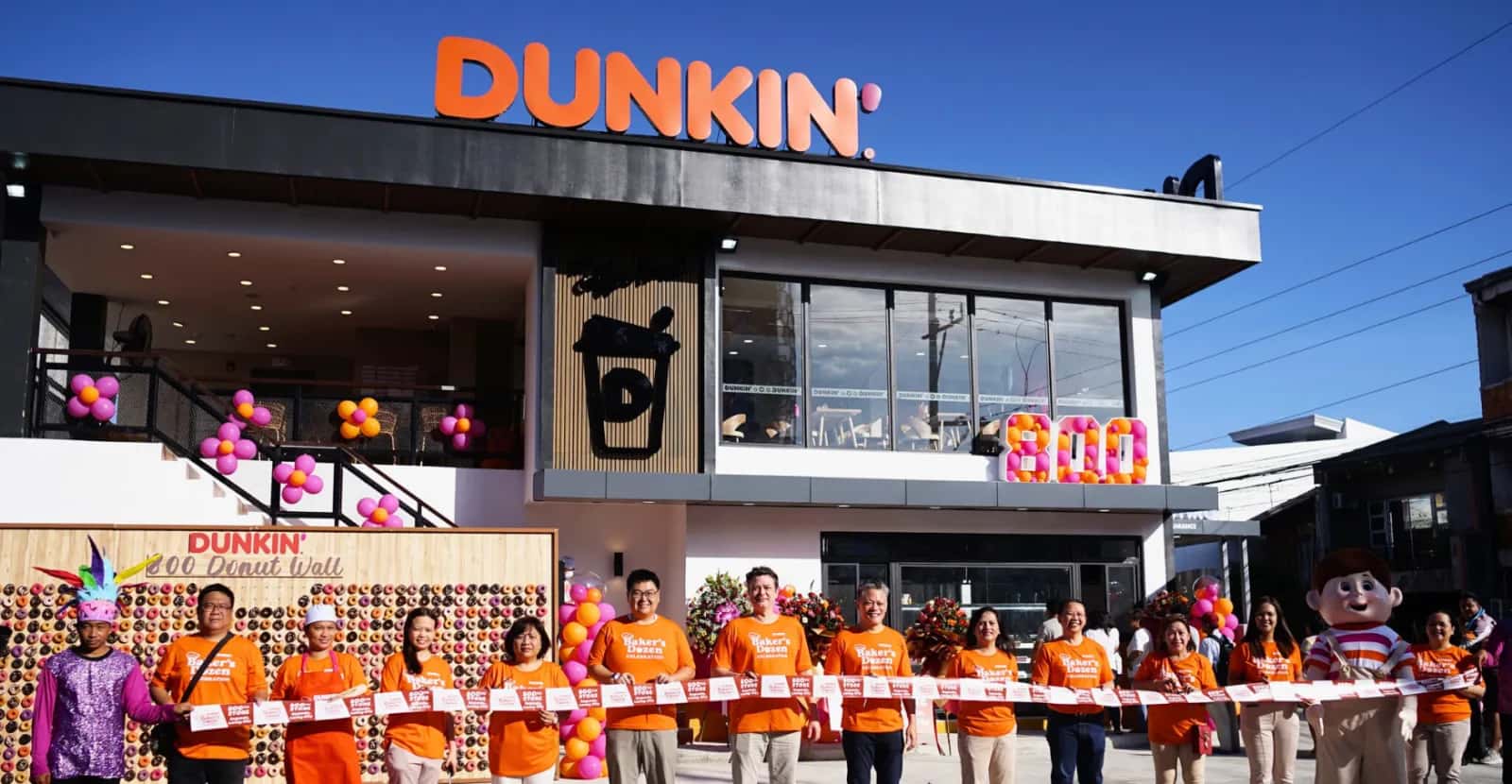
Donut Shop

Donut Shop

Cakes & Pastries

Bakeshop
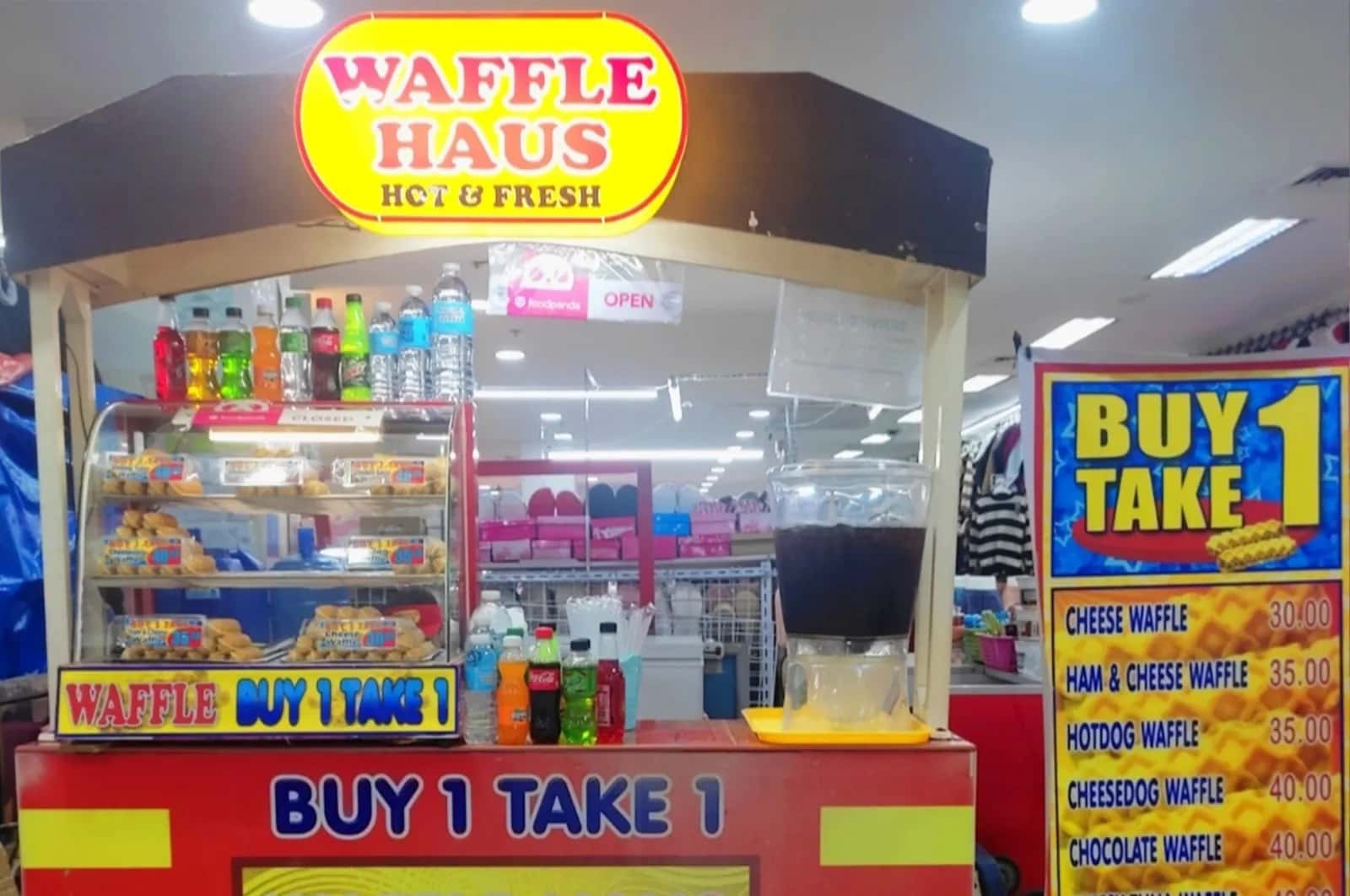
Waffle Shop

Waffle Shop
Compare donut franchises with other industries at the same budget, each with its own brands, fees and investment ranges.

Carts, kiosks, and full restaurants.
72 brandsFrom ₱198k
Boy Kanin, Bente Silog, Buko Juan +69 more
See brands
Coffee, milk tea, and cold drink shops.
19 brandsFrom ₱250k
Cha Thai, CLT Cafe, Island Tea Co. +16 more
See brands
Mini marts and convenience stores.
4 brandsFrom ₱350k
P. TOGO, Goldmine Farm to Market, Scents and Blends +1 more
See brands
2 brandsFrom ₱250k
Ink All You Can, Premium Graphics Asia Center (TRANSFER-IT)
See brands
Padala, parcel, and delivery outlets.
2 brandsFrom ₱300k
OKS Xpress Courier, SUREX
See brands
Drugstores and health supplement outlets.
2 brandsFrom ₱350k
ValueMed Generics Pharmacy, Well-Family Midwife Clinics
See brandsCompare industries by budget, daily work and payback before you choose one, free and with no pressure.

Learn practical inventory control steps for your Philippine franchise to cut waste, prevent loss, and protect your capital.
Aug 14, 2026 6 min read
Learn how non-compete clauses work when exiting a franchise agreement in the Philippines, protecting your investment after closing.
Jul 20, 2026 5 min read

Learn how to secure financing for your Philippine franchise, from preparation to approval. A practical guide for new operators and OFWs.
Jul 20, 2026 5 min read