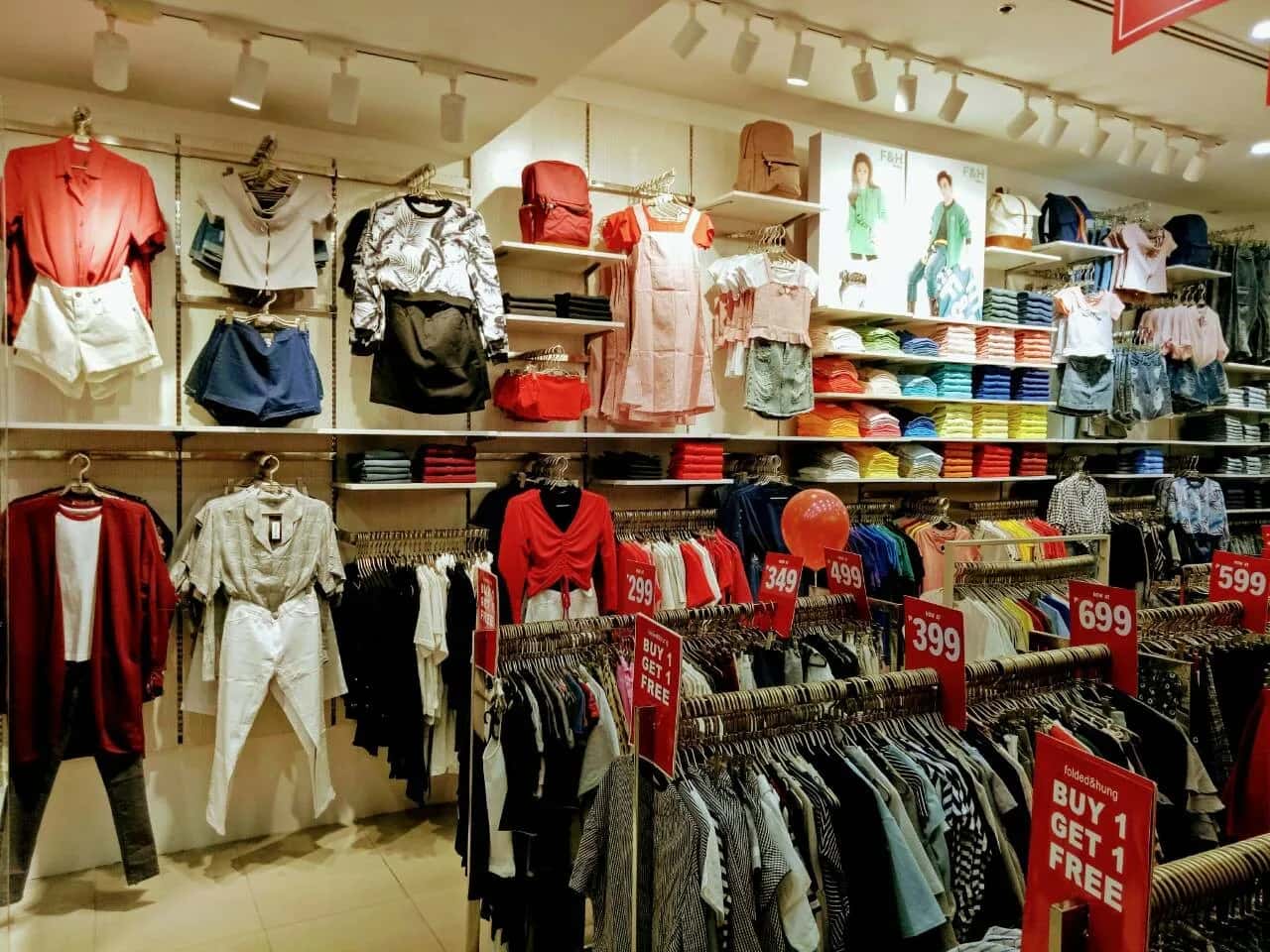
Folded & Hung
Clothing & Footwear
- Franchise fee
- ₱600k
- Total investment
- ₱4.5M–₱8.5M
🎁 Start Your 1 Month Free Trial of the Full Plan, Exclusively for Brands & Advisors.Get Started
Browse 12 clothing & footwear franchises in Mountain Province, including a medium-investment franchise brand between ₱100k and ₱1M that pays back in about 18 months and 11 premium franchise brands above ₱1M that pay back in 24 to 36 months.
Updated
Clothing & Footwear
Visit a branch
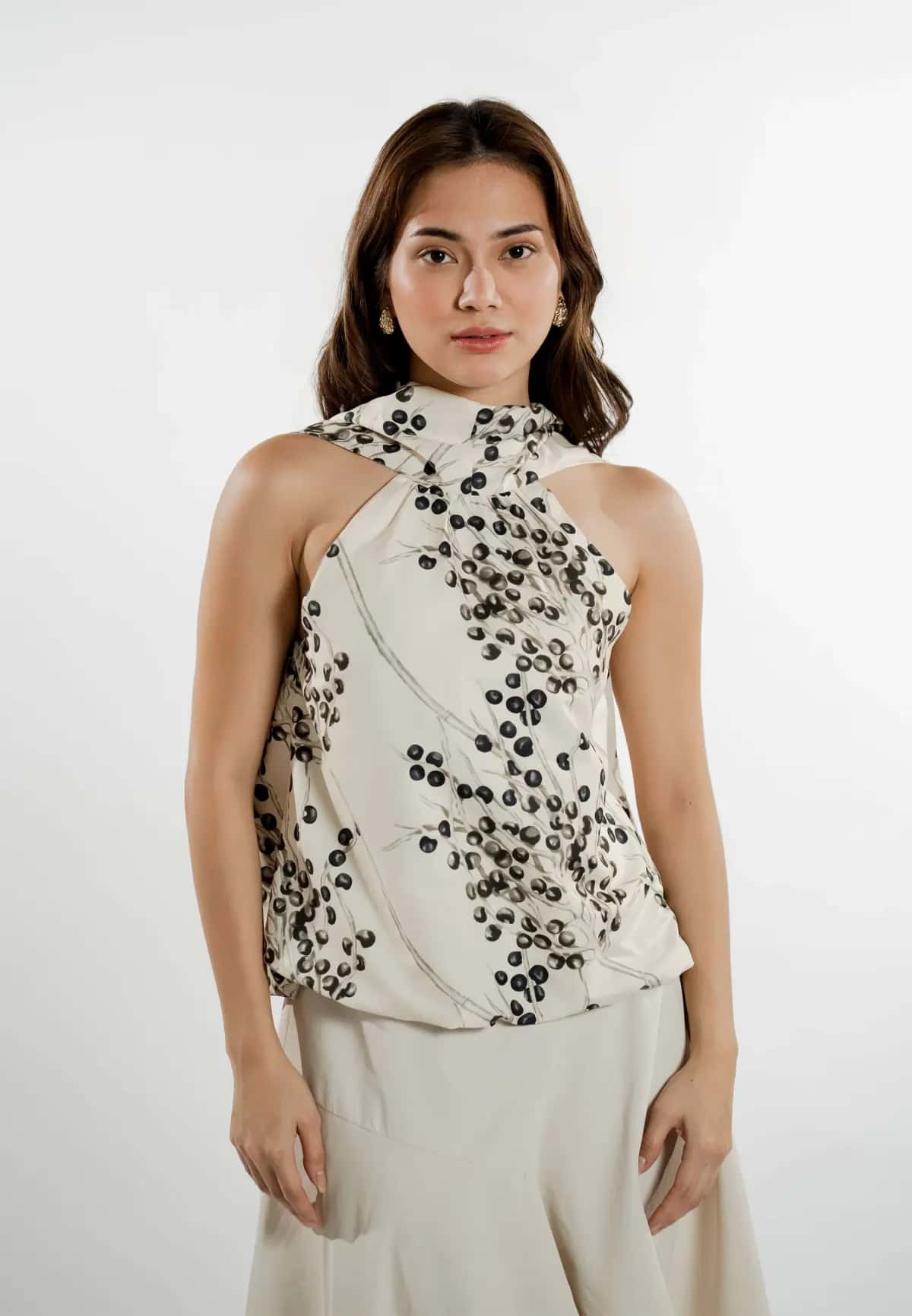
A clothing or footwear franchise in Mountain Province comes down to an inline store, the format every brand offers, with a kiosk as the smaller option some packages add. Nothing is priced for the province by name, so the figures come from what brands charge nationwide. The town centers of the Cordillera are cool, close-knit and used to buying practical clothes, which gives a well-stocked shop a steady base of regular customers.
Mountain Province sits high in the Cordillera, where mornings and evenings are cool for much of the year and warm layers, jackets and sturdy shoes are everyday needs rather than occasional purchases. Its towns are strung along mountain roads and market days pull people in from the surrounding barangays, so a store in a poblacion serves a wide area. Visitors who come for the terraces and the hiking trails also buy light jackets and walking shoes when the weather turns. Local households buy for school, for work in the fields and for festivals, and those needs return every year on a predictable calendar. No brand carries the province's name yet, which leaves the whole territory open for an owner who wants to be the first store people think of. The cold snaps of the rainy season and the December chill both bring a rush of buyers, and a shop that has stocked up in advance collects that spending. Regular customers in a small town also tend to stay loyal to a store that remembers their sizes and their preferences.
Fees for clothing and footwear brands selling across the country begin near ₱200,000 and can reach ₱1M, and that amount is separate from the cost of the build. Entry money follows a similar spread, starting near ₱800,000 for a lean setup and passing ₱11M for a full store with a large range. Payback is quoted at around two to three years, so working capital for the first year matters more than the opening budget. In a mountain town, goods travel long roads from the lowlands, and freight can add to the first stock order, so it pays to ask each brand how deliveries are handled and how often stock can be topped up. Rent in a poblacion is usually modest, which lets a small owner keep monthly costs steady. The deposit on the space, the fit-out and the first stock each need their own line in the budget, and a reserve for slow weeks keeps the shop from selling below cost when cash runs thin. Starting with a lean first order and topping up as sales prove out protects the savings.
A clothing and footwear store suits someone who already knows a town well, such as a resident with family and neighbors nearby, or a returning worker who wants a business at home. The owner will spend long days behind the counter early on, so patience with a slow first season helps. Someone comfortable managing stock, ordering ahead and keeping accounts will do better than someone hoping the shop runs itself. A person with a space already in hand, such as a family-owned ground floor near the market, starts with a lower rent and fewer decisions to make. Because the inline store is the usual format, a first-time owner has clear guidance on how the shop is laid out, what the starting range looks like and how reordering works, which keeps the learning curve manageable. Owners who prefer to work with people rather than paperwork often find the routine comfortable, since most of the day is spent helping customers find the right fit. Anyone who enjoys that kind of steady, face-to-face work is likely to find the business rewarding in a close-knit town.
About a third of clothing and footwear packages also offer a kiosk, a compact build that trades a narrow range for a lower rent and a faster opening. In a highland town, a kiosk near the public market or a busy junction can catch people on market day when the roads fill with shoppers. It suits an owner who wants to test the town before committing to a full store, and the same brand can often be asked about a larger unit later. Weather is worth planning around, because heavy rain on mountain roads can slow deliveries, and a kiosk with a smaller stock can be restocked more easily than a large shop. Whichever format is chosen, the shop design and the starting range come from the brand, which spares a first-time owner from guessing what to order. The kiosk also makes it easier to move stock between seasons, putting warm jackets forward when the cold arrives and lighter wear when the weather clears. That flexibility helps a small owner learn what the town actually buys before spending more on a larger unit.
Now that you've seen what's here, a real advisor can help you shortlist and weigh the options against your budget. Free, at your pace.

Financing Readiness · Site Selection

Franchise Agreements · Multi-Unit Expansion

Low-Capital Startups · Site Selection

Low-Capital Startups
Are you a franchise advisor?Get your own workspace here
Compare clothing & footwear franchises with other retail & convenience businesses in Mountain Province, each with its own brands, fees and investment ranges.
Get honest answers on fees, payback and the best setups for your area, free and with no pressure.
Mountain Province currently counts 12 clothing & footwear franchises that welcome new franchisees. None of them name Mountain Province directly, so every option here accepts franchisees anywhere in the country. When a franchisor accepts franchisees anywhere, ask who your area coordinator would be and how quickly they can visit Mountain Province. By starting investment, the mix is one medium-investment and 11 premium franchises. There is no affordable option under ₱100k here yet. Narrow the list to three or four options and ask each for its latest franchise package.
Savings often decide whether you can pay, so note that clothing & footwear franchises in Mountain Province usually charge a fee of ₱350k to ₱690k. Find out whether the franchisor counts that fee inside its quoted total investment or adds it on top, since the difference changes how much cash you must raise. Request an itemized list of what the fee covers, then compare it with what other franchisors include so you can see which offer gives you more for the money.
Product mix choices can change what you spend at the start of a clothing & footwear franchise in Mountain Province, beyond the ₱2.5M to ₱4.5M range. If the franchisor requires a full line of products at opening, your first stock order grows. Ask whether a smaller opening range is allowed and how much the first order would be in each case. A lower opening order frees cash that you can keep for rent and wages, which helps when you compare the total with your savings.
Online reviews and ratings work as a quiet early warning system for anyone running a clothing & footwear franchise in Mountain Province on top of a regular job. Customers often mention slow service, rude staff or wrong orders long before those problems show up in your sales report. Set a short weekly reminder to read new reviews and comments on map listings and social media pages, and raise any recurring complaint with your manager right away.
Site approval deserves a direct question, so ask how the franchisor decides a location is acceptable and what the contract says if it fails to earn as expected. For a clothing & footwear franchise in Mountain Province, find out whether you can reject a site and whether fees are refundable then. Ask which closed branches had site problems and what changed afterward. Request the written site criteria so you can test any location before paying a deposit.
What happens to a struggling clothing & footwear outlet depends heavily on the franchisor, and existing franchisees can tell you better than anyone how that plays out. They know whether help arrived and whether exits were handled fairly, which is often more revealing than a sales presentation. Before investing in a clothing & footwear franchise in Mountain Province, request contact details of a few current and former franchisees. Ask them directly what they wish they had known about the exit terms.
Quality audits keep a network consistent, and the crew often knows how they work. Ask staff at the clothing & footwear branch in Mountain Province whether the franchisor sends inspectors or mystery shoppers and what happens after a low score. Regular audits with fair follow up show a franchisor that protects its reputation. A network with no checks at all may vary wildly, and a weak branch nearby could hurt the image of your own store.
A common worry for first time owners is not knowing how to price, order or plan. The good news with a clothing & footwear franchise is that the franchisor often sets the pricing, arranges the supplies and gives you a plan to follow, which lowers the experience bar considerably. Your homework is to understand why these rules exist, so ask the franchisor to explain their reasoning whenever something about operating in Mountain Province seems unclear.
Compare how many clothing & footwear brands take franchisees in the cities nearest Mountain Province.
Every industry in Mountain Province, by how much it takes to start and by the kind of space it runs from.
By budget
Other retail & convenience franchises taking franchisees in Mountain Province, worth comparing on cost, fees and payback.
Meat Shop
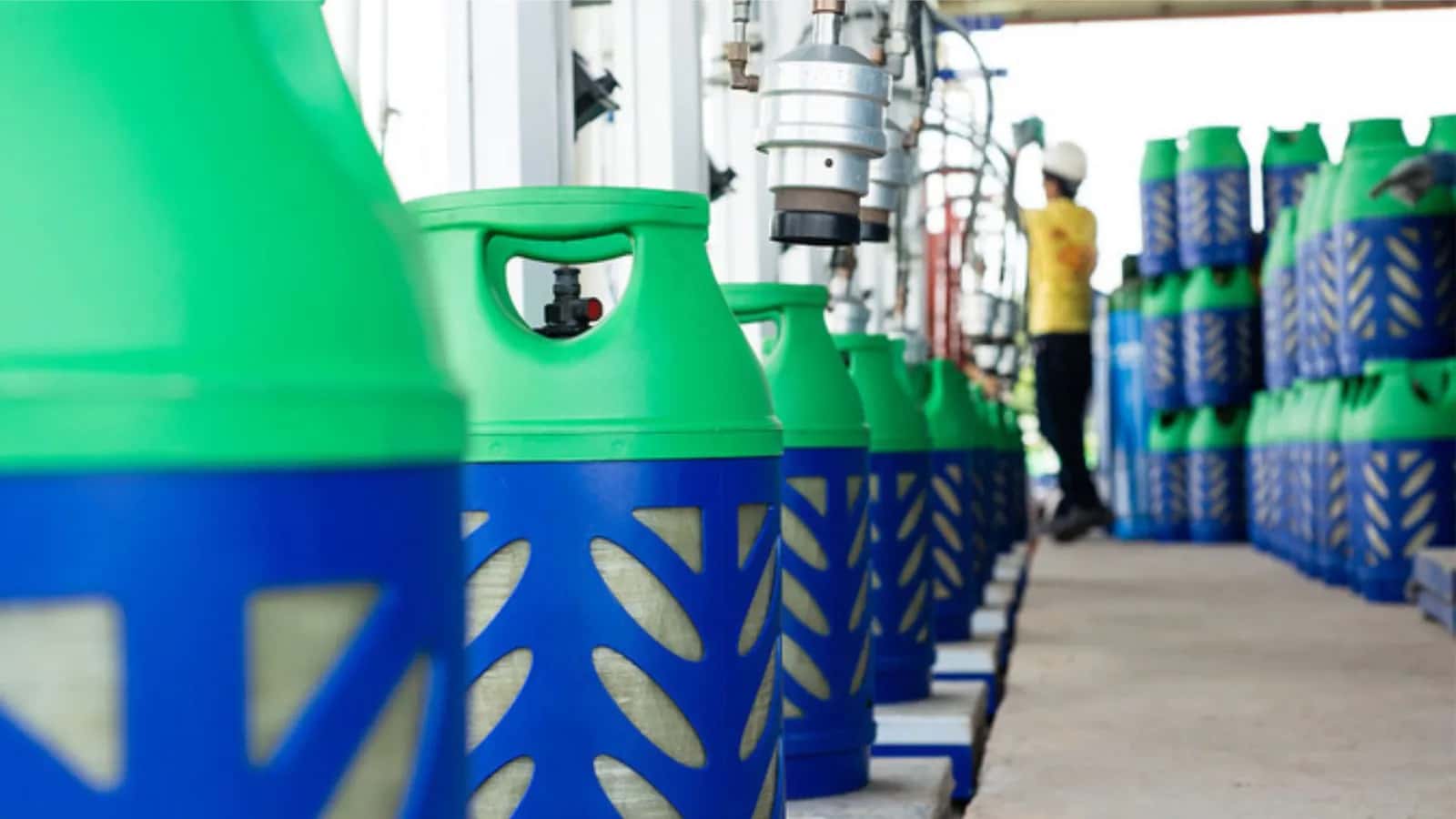
LPG Dealership
LPG Dealership
Visit a branch

Convenience Store

Convenience Store
Convenience Store

Convenience Store
Convenience Store
Compare clothing & footwear franchises in Mountain Province with other industries there, each with its own brands, fees and investment ranges.

Carts, kiosks, and full restaurants.
235 brandsFrom ₱3k
Kwatogs, Konam, Minute Burger +232 more
See brands
Coffee, milk tea, and cold drink shops.
53 brandsFrom ₱17k
Zagu, Macao Imperial Tea, Barista Choi +50 more
See brands
Bread, cakes, and pastry shops.
32 brandsFrom ₱17k
Waffle Time, Mister Donut, Goldilocks +29 more
See brands
Salons, barbershops, and spa services.
31 brandsFrom ₱200k
Big Apple Express Spa, Bruno's Barbers, Body and Sole Spa +28 more
See brands
Drugstores and health supplement outlets.
16 brandsFrom ₱300k
Farmacia ni Dok, Gamot Publiko, Generika Drugstore +13 more
See brands
14 brandsFrom ₱250k
ALOHA (Abacus Learning of Higher Arithmetic), Kumon, STI +11 more
See brands
14 brandsFrom ₱20k
eTap Self-Service Payment Machine, M Lhuillier (ML Express), Palawan Express Pera Padala +11 more
See brands
Gyms, studios, and sports facilities.
9 brandsFrom ₱1.6M
GoFit Gym, Snap Fitness 24/7, Gold's Gym Philippines +6 more
See brands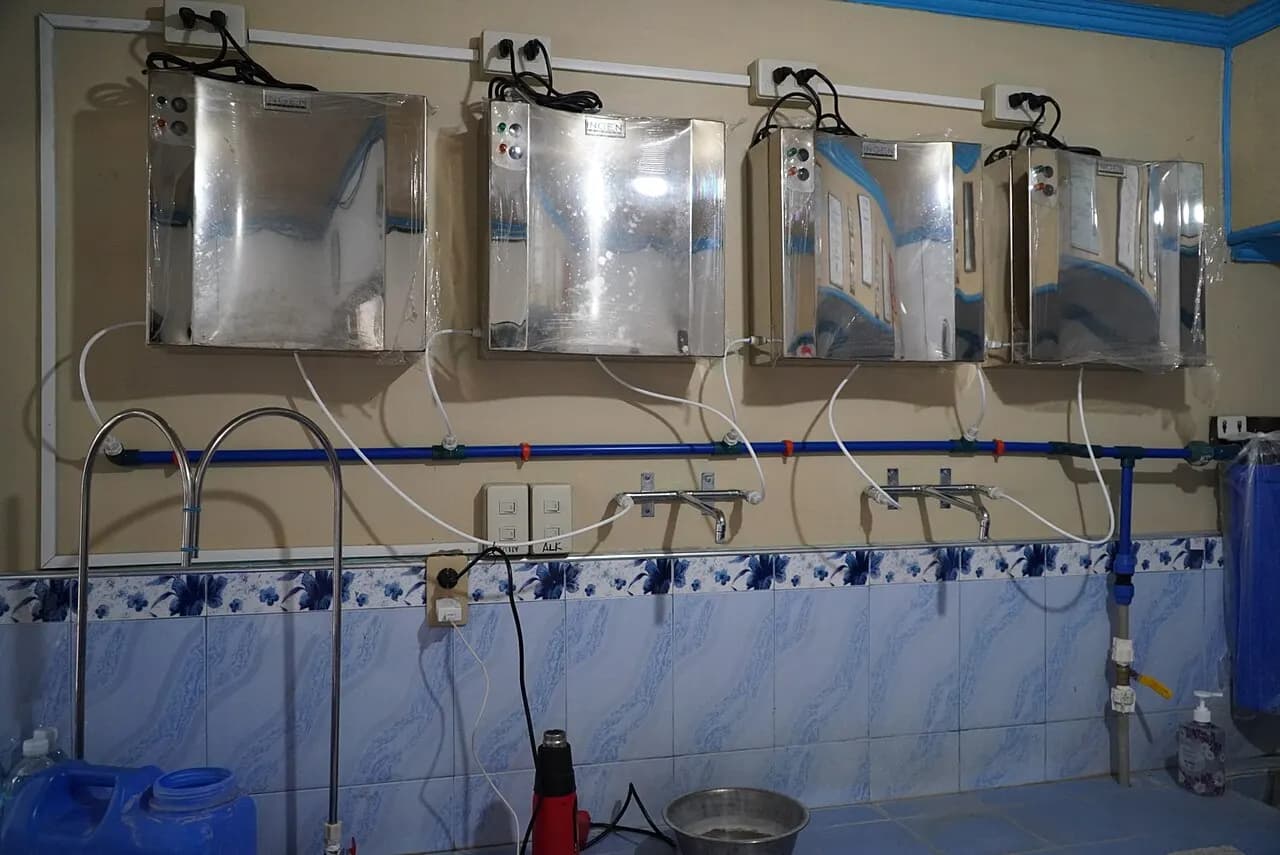
Purified and mineral water stations.
9 brandsFrom ₱100k
Aquabest, Aqualipure, Crystal Clear +6 more
See brands
Self-service and full-service laundry shops.
7 brandsFrom ₱400k
CS Laundry, Tipidsulit Laundromat, Quicklean One Hour Laundry +4 more
See brands
Padala, parcel, and delivery outlets.
7 brandsFrom ₱10k
Alin Cargo Express, Ninja Van, J&T Express +4 more
See brands
6 brandsFrom ₱25k
SMB Travel & Tours, South Shore Travel Biz, RedDoorz +3 more
See brandsCompare industries by budget, daily work and payback before you choose one, free and with no pressure.

A guide for Filipinos and OFWs on saving and using remittances to invest in a franchise business. Learn to manage capital safely.
Jul 20, 2026 6 min read

Learn how franchise renovation costs are divided in the Philippines. This guide explains operator expenses vs franchisor support.
Jul 20, 2026 5 min read
Understand the legal obligations of a Philippine franchise agreement. Learn key terms, costs, and operator duties before signing.
Jul 20, 2026 6 min read