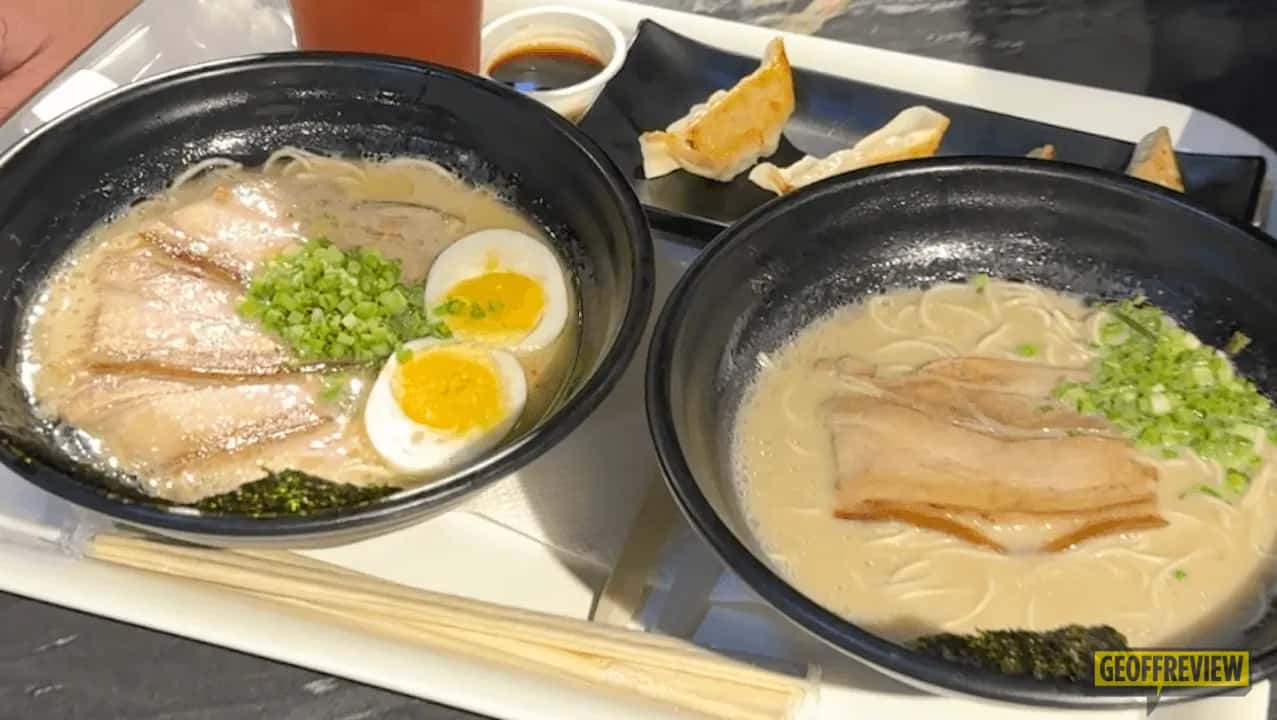
Kyu Kyu Ramen 99
Takoyaki & Japanese Snacks
- Franchise fee
- ₱150k
- Total investment
- ₱400k–₱600k
🎁 Start Your 1 Month Free Trial of the Full Plan, Exclusively for Brands & Advisors.Get Started
Browse 32 franchises up to ₱600k in Mountain Province, with investments of about ₱600k each, franchise fees mostly between ₱129k and ₱198k, and most paying back in 10 to 18 months.
Updated
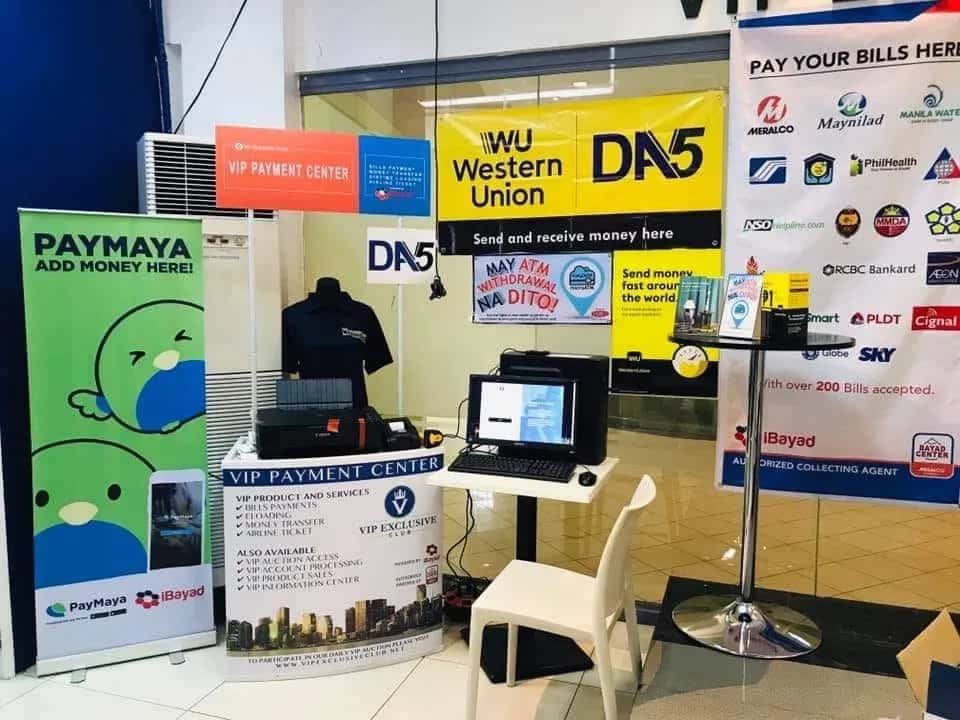
Payment & Remittance Center

Printing Services
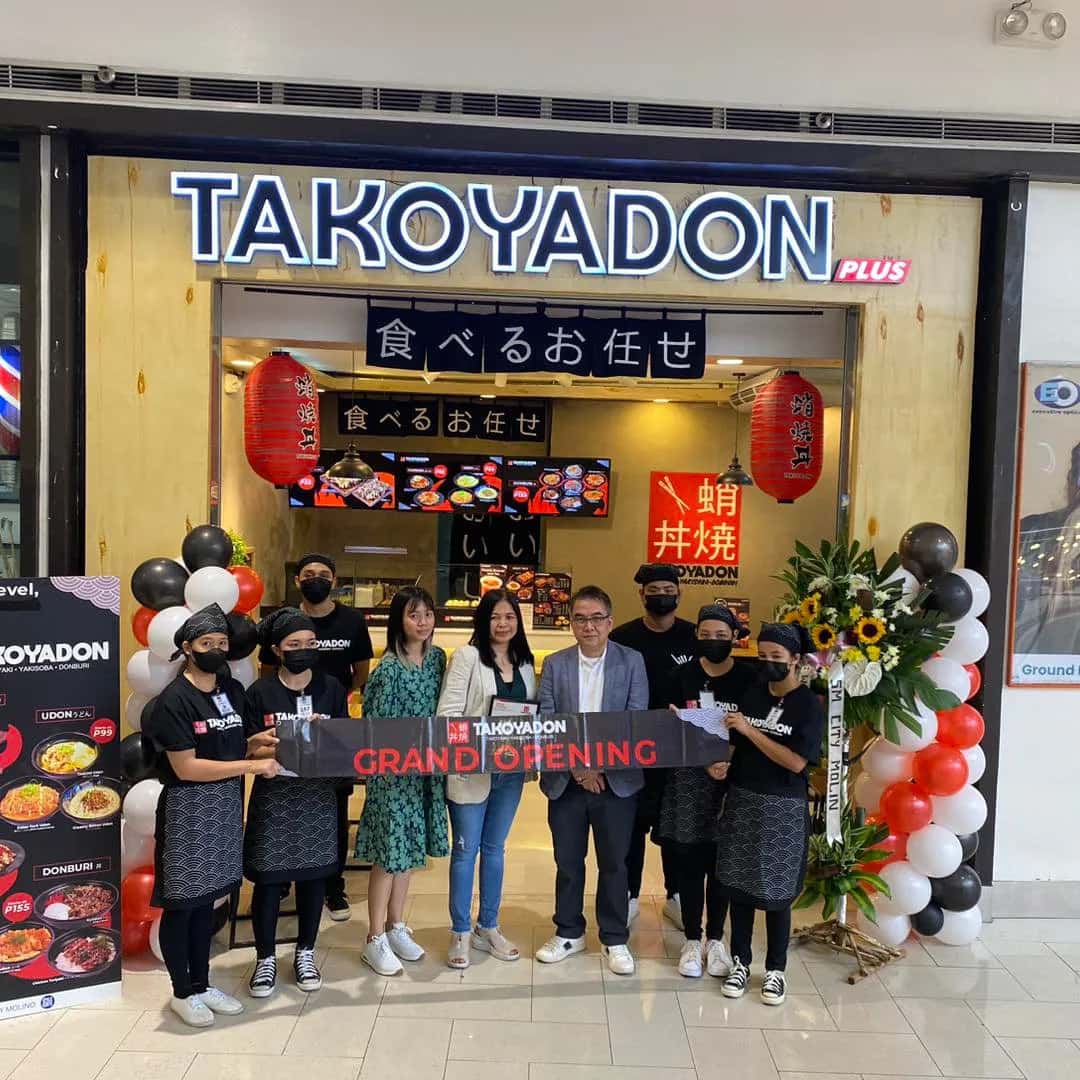
Takoyaki & Japanese Snacks
Visit a branch

Filipino Restaurant
Visit a branch
Showing 24 of 32
Mountain Province has about 665 businesses on the map across its cities and towns, from food and drink to shops, services and clinics. Check what already operates near the spot you have in mind.
Population
158,2002020 census
Per 10,000 residents
42businesses we track
Business locations are based on Overture Maps open data (October 21, 2026 release) and do not represent a complete census of all businesses.
Mountain Province stays cool and steep, its towns strung along ridge roads well above the lowland heat. The terraced slopes most households live off leave a thin commercial strip in most town centers. Steep, ridge-bound towns like these have not drawn an opening of their own at this budget. At ₱600,000, the nationwide list reaches a food cart or a kiosk, with a fee that ranges from nothing at all to ₱350,000 and payback quoted anywhere between four months and a year and a half.
A food cart and a kiosk both travel light, which matters on roads that climb and switch back for long stretches between towns. A delivery truck can lose half a day to a single stretch of highway here. A cart can work a market day circuit instead, moving between a handful of town centers on the days each one holds its market. That way it catches a crowd that gathers only every few days, rather than needing a location busy every single one. A kiosk fits a fixed spot instead: a market building, or a spot near a terminal where jeepneys gather for the trip down to the lowlands. That suits a place where the same customers pass daily rather than every market day. Nationwide, the cart is the cheaper of the two and shows up in the large majority of the field at this money. The kiosk follows close behind, and a smaller share runs from an actual storefront, a mix that favors a highland town's thin, spread-out foot traffic over a format built for a dense street of shoppers.
The fee for this budget's nationwide field runs anywhere from nothing at all to ₱350,000. What that fee buys matters more in a place like this than the number itself, since equipment and stock both have to travel up from a lowland supplier before anything opens. Payback across the same field is quoted from four months at the fastest to a year and a half at the slowest. The slower end is the more honest planning figure for a route that adds freight time and cost most of the nationwide field never has to budget for. A cart's lower entry cost gives more room to absorb that freight cost without eating the whole margin. A kiosk's fixed spot means committing to one route in and one set of suppliers, rather than shopping around once the shop is running. Whichever format gets picked, the number worth asking about before signing is not the fee on paper. It is what the fee actually costs to keep stock moving once the lowland order leaves the warehouse.
A market-day cart means planning a week around several different towns rather than one location. Stock moves on a schedule set by each town's own market calendar, not by the operator. A fixed kiosk trades that travel for a narrower daily catchment: the same jeepney riders and market-goers pass by, whether or not that day happens to be a market day anywhere else. Both call for stock that survives a longer, rougher trip than a lowland shop ever has to plan for, since the climb itself adds hours a flat highway route would not. Staffing tends to mean a small, steady crew rather than shift coverage, since these towns run on a slower, more predictable day than a city corner does. None of this argues against opening here. A highland route with a loyal market-day crowd, and a kiosk built for the daily jeepney traffic, both have a real shot at the numbers quoted, provided the freight and the travel time get planned for rather than assumed away.
Not every town along the ridge road offers the same crowd, and the choice of format should follow the town rather than the other way around. A town that anchors a wider farming area tends to draw its neighbors in on set market days, which favors a cart that can be there specifically for that rush. A town nearer a terminal or a school sees a steadier trickle of the same faces most days, which favors a kiosk that stays put. Stock planning differs too: a cart selling into a single market day needs enough on hand for one strong push, while a kiosk needs a smaller, steadier resupply that matches an ordinary week. Either choice still depends on the same lowland supply line, so the real planning question is how often that line can be reached and how much buffer stock covers the gap between deliveries. Getting that answer before choosing a town matters more here than comparing fees on paper.
Now that you've seen what's here, a real advisor can help you shortlist and weigh the options against your budget. Free, at your pace.

Financing Readiness · Site Selection

Low-Capital Startups · Site Selection

Franchise Agreements · Multi-Unit Expansion

Low-Capital Startups
Are you a franchise advisor?Get your own workspace here
Choose an industry to see its franchises in Mountain Province, with their fees and investment ranges.

Carts, kiosks, and full restaurants.
From ₱198k
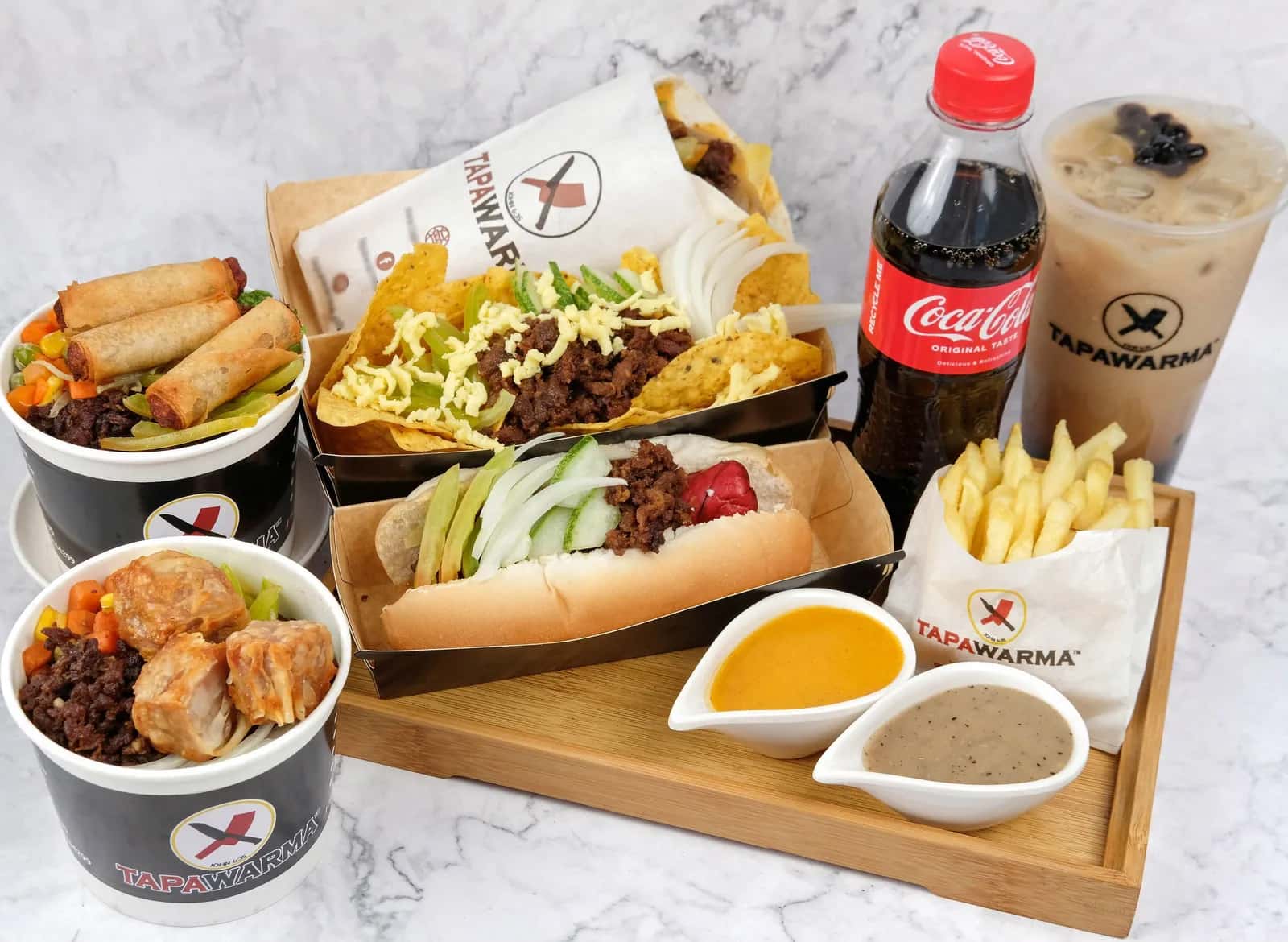
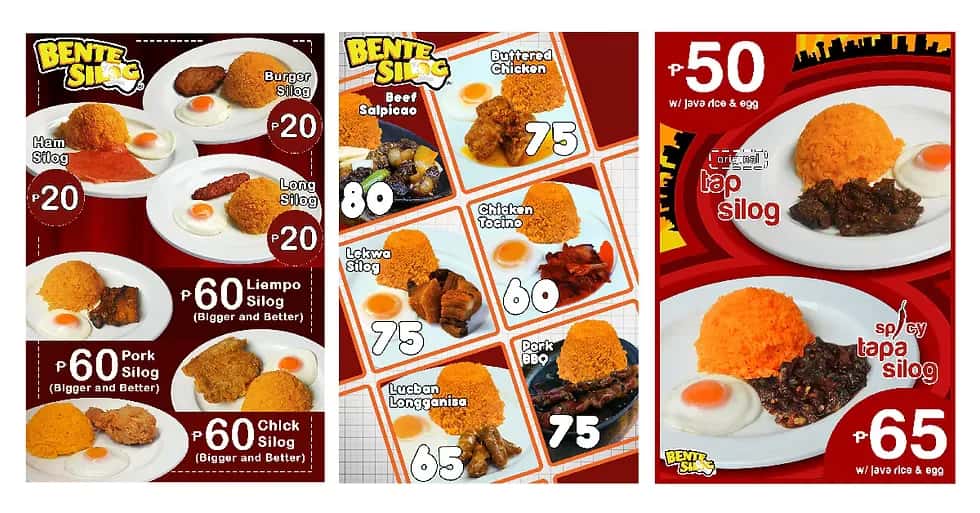
Boy Kanin, Bente Silog, Kyu Kyu Ramen 99
See brands
Coffee, milk tea, and cold drink shops.
From ₱250k
CLT Cafe, Island Tea Co., Don Macchiatos
See brandsGet honest answers on what this budget really covers, fees and payback, free and with no pressure.
Yes for 32 franchises in Mountain Province, since their quoted investment sits between ₱500k and ₱600k and ₱600k meets it. That figure usually covers the franchise package itself, so rent deposits, permits and your first stock often come on top. Before you commit, ask each franchisor for a written list of what the package leaves out, then add those items to ₱600k to see your real total.
A figure of 665 businesses in Mountain Province, led by places to stay with 198, food and drink with 161 and services with 100, is an input, not a verdict, and open data is incomplete. It cannot say whether the area is too crowded for you. Combine it with your own rival count and with what nearby owners say about how many customers each shop gets. Only then does the number support a decision.
Being seen at your ₱600k franchise in Mountain Province regularly helps, even if staff handle most of the daily work. Showing up to check stock, greet customers and talk with your team signals that someone cares about standards, while absent owners often discover problems late. Set a regular visiting pattern you can keep, and vary the times now and then so you see the outlet as it really runs.
Turnover among staff is common in new outlets, and replacing workers costs money for recruitment, training time and overlapping shifts. Your working capital for a ₱600k franchise in Mountain Province should allow for that churn. Ask the franchisor whether training replacement crew is free or charged and who covers wages during that training, then set aside enough to replace staff without dipping into rent money.
Employed owners of a ₱600k franchise in Mountain Province tend to rely on a trusted on-site person, and choosing that person is the biggest decision you will make. The same store can be stable in capable hands and shaky in careless ones. Consider a paid trial period for your manager before handing over full responsibility, and use it to see how they handle cash, customers and the rest of the staff.
A cart or kiosk can sometimes open faster than a full store because there is less construction involved, though that depends on what your ₱600k package in Mountain Province actually includes. Fit-out for a larger space usually means contractors, inspections and equipment installation, which all add time. Ask the franchisor exactly what physical setup your package covers, and whether the unit arrives ready to use or needs building on site.
Supply quality is as important as supply price, so ask what happens if you receive products that are spoiled, defective or below standard. Find out whether the franchisor replaces them, credits your account or expects you to absorb the loss. For a ₱600k franchise in Mountain Province, repeated bad deliveries can damage your reputation with customers quickly. Ask to see the franchisor's written policy on returns and replacements before you place your opening order.
Mismatching the franchise to local tastes is a subtle risk. A concept that works well in another region may not fit how people in Mountain Province eat, shop or spend their free time, no matter how affordable the ₱600k entry price looks. Run a small survey among people near your site, describing what you plan to sell and asking how often they would buy it and at what price.
Compare terms in two steps when weighing a ₱600k franchise in Mountain Province. First note the length each franchisor states, then note how that length is counted and extended, because two agreements with the same number can behave quite differently once those details apply. Keep a short table with both pieces for each option, and ask about any blanks you cannot fill from the paperwork you have been given so far.
A franchise that underperforms often signals trouble through small things first, like rising waste, staff turnover or more customer complaints. Catching these early in a ₱600k franchise in Mountain Province gives you more room to respond. Ask the franchisor which warning signs their most experienced owners watch for and how often they review results together. Regular check-ins with the franchisor can turn early warnings into fixes before the numbers get worse.
Compare how many franchises start at each budget level in Mountain Province, from the smallest packages up.
The ₱600k franchises whose franchisors quote the shortest time to earn back the investment, worth checking against your own costs.
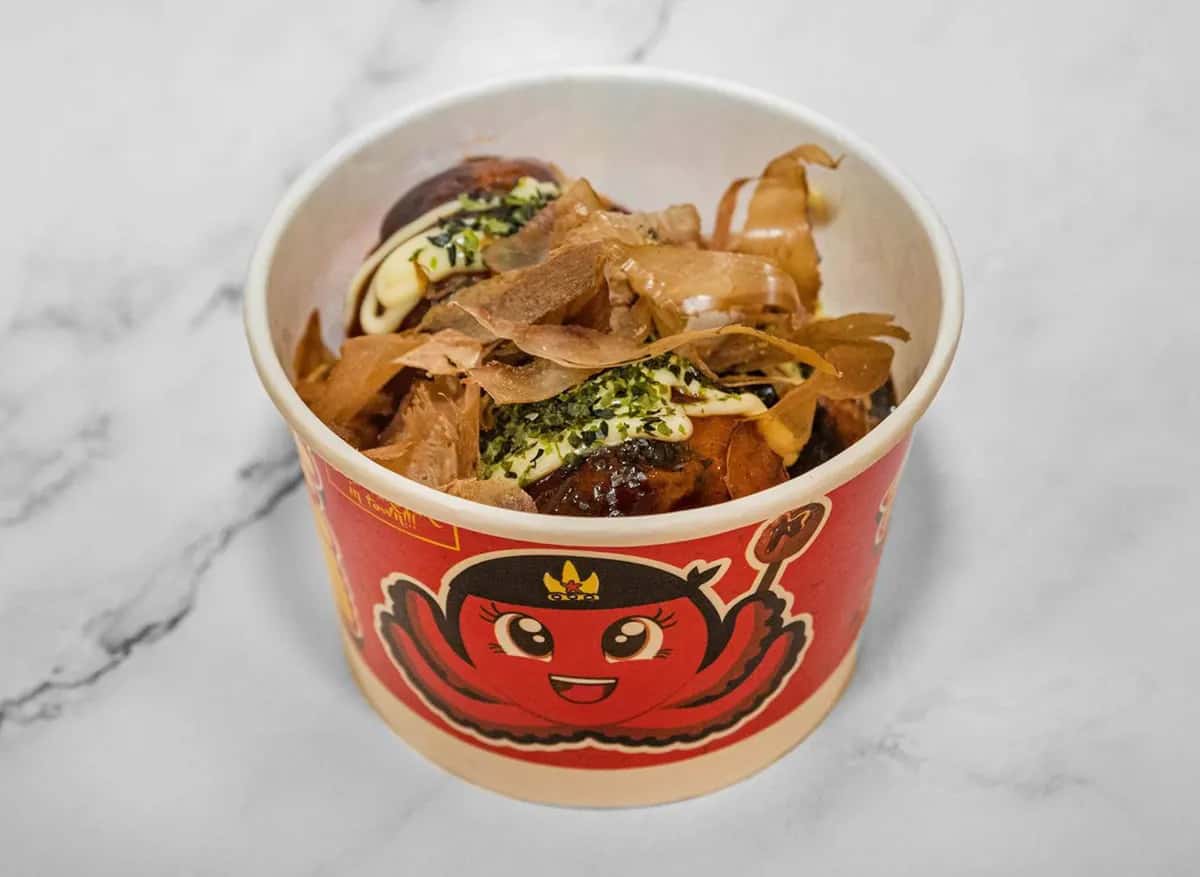
Takoyaki & Japanese Snacks
Milk Tea & Boba
Filipino Restaurant

Pizza & Pasta

Milk Tea & Boba
Filipino Restaurant

Water Refilling
Clinics & Diagnostics
Franchises at the next budget level, ₱700k, worth a look if you can stretch your savings a little.
Filipino Restaurant
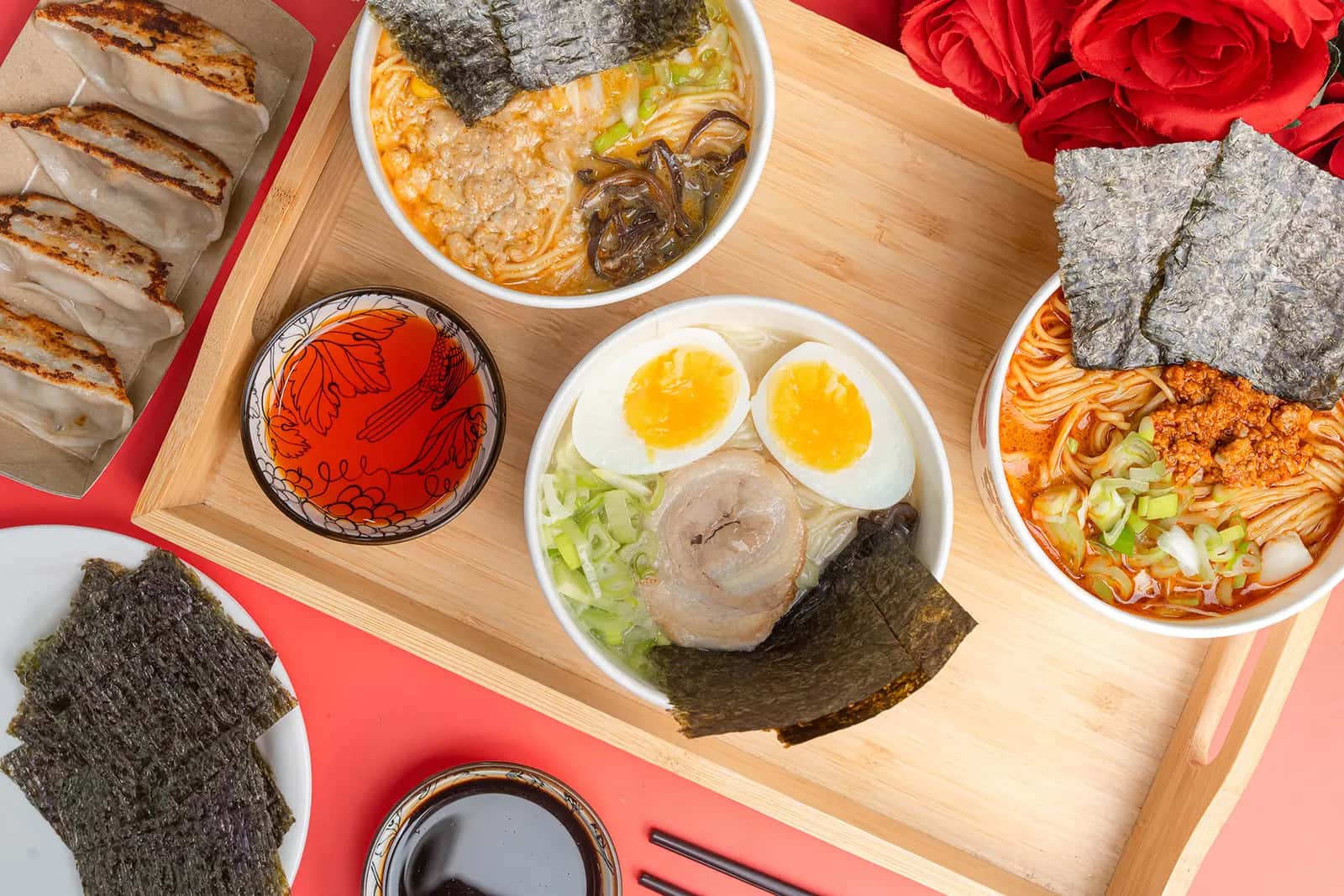
Takoyaki & Japanese Snacks

Ice Cream & Desserts

Ice Cream & Desserts

Juices & Shakes
Visit a branch
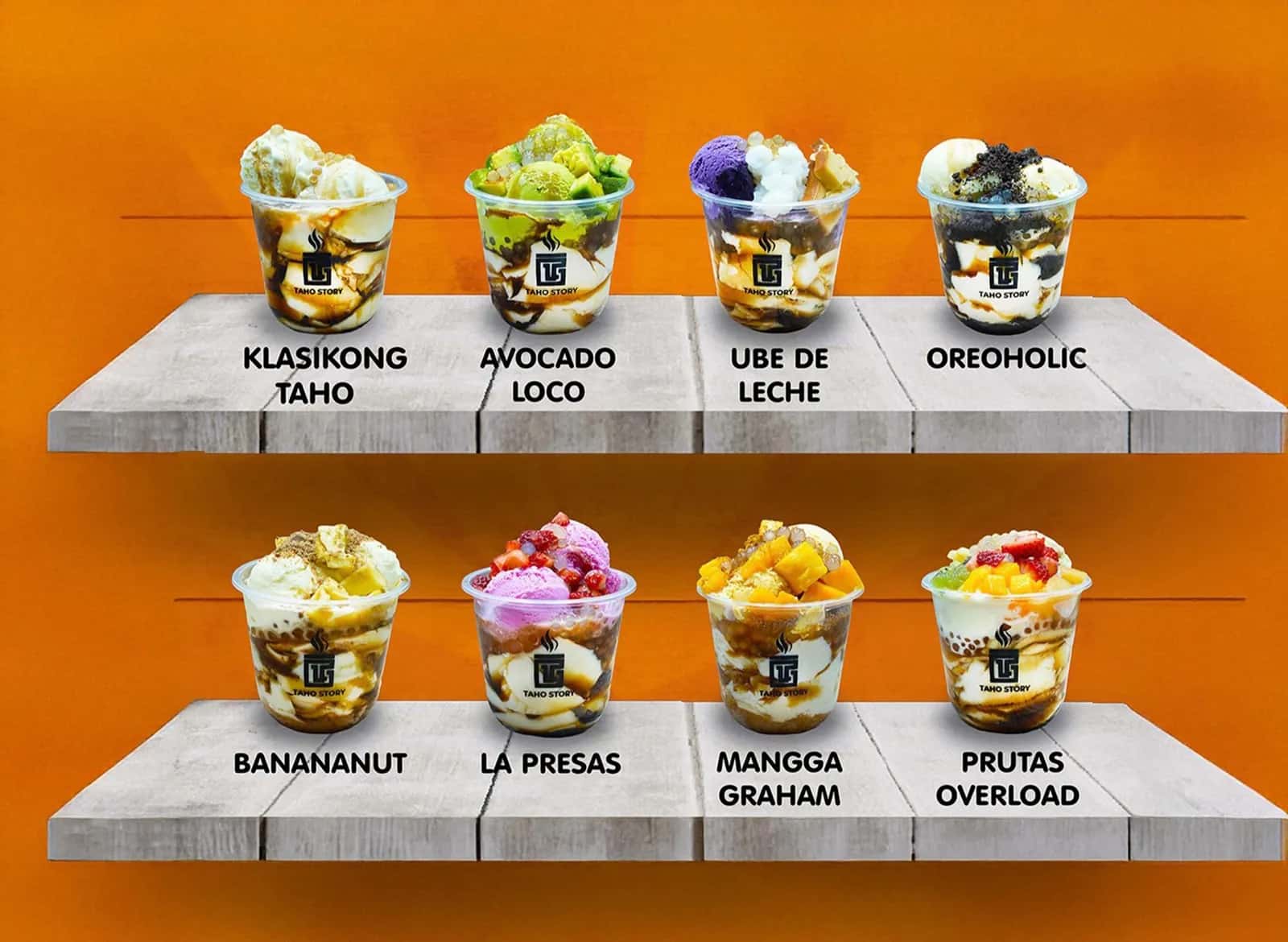
Ice Cream & Desserts
Visit a branch

Fries & Potato Snacks
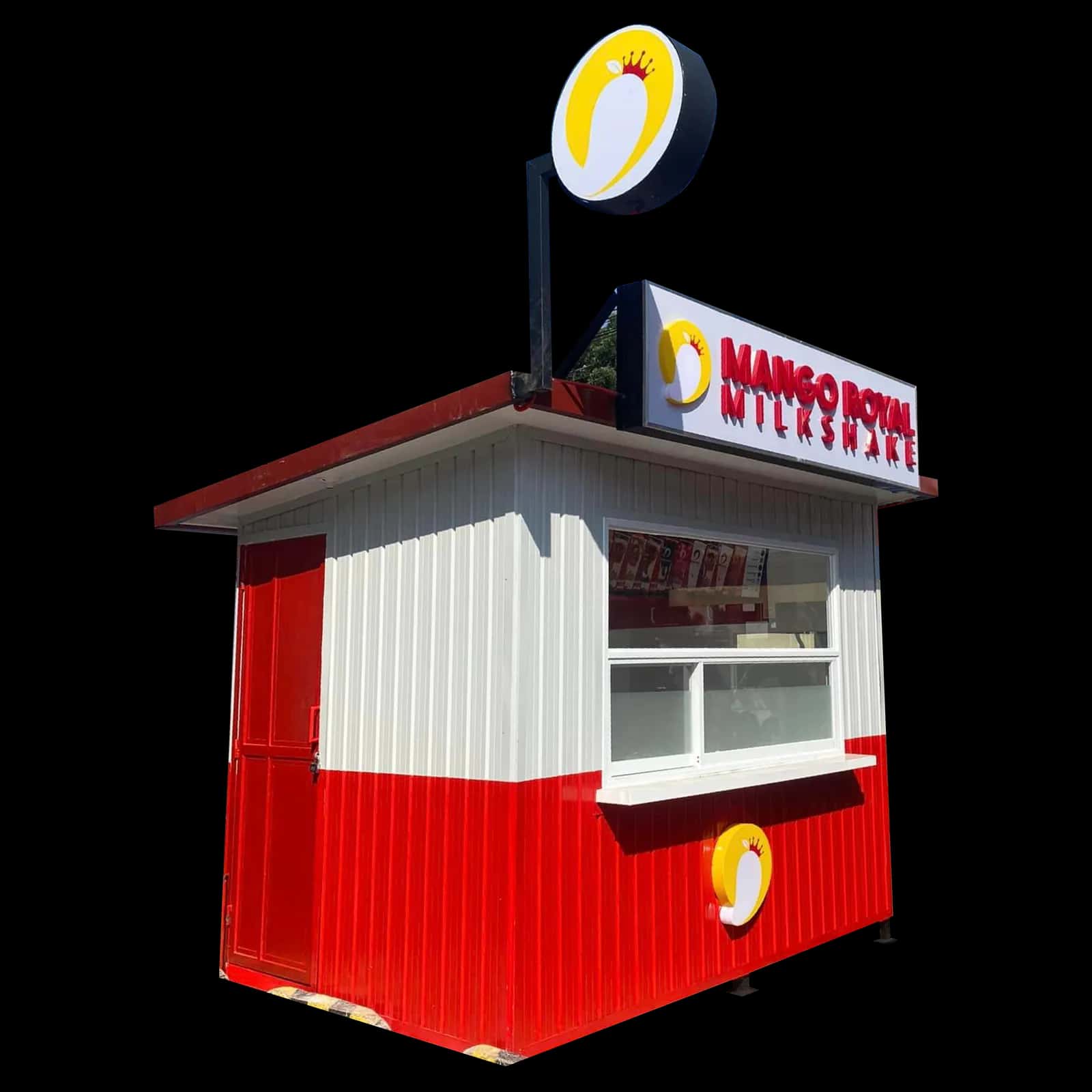
Juices & Shakes

Learn practical inventory control steps for your Philippine franchise to cut waste, prevent loss, and protect your capital.
Aug 14, 2026 6 min read
Learn how non-compete clauses work when exiting a franchise agreement in the Philippines, protecting your investment after closing.
Jul 20, 2026 5 min read

Learn how to secure financing for your Philippine franchise, from preparation to approval. A practical guide for new operators and OFWs.
Jul 20, 2026 5 min read