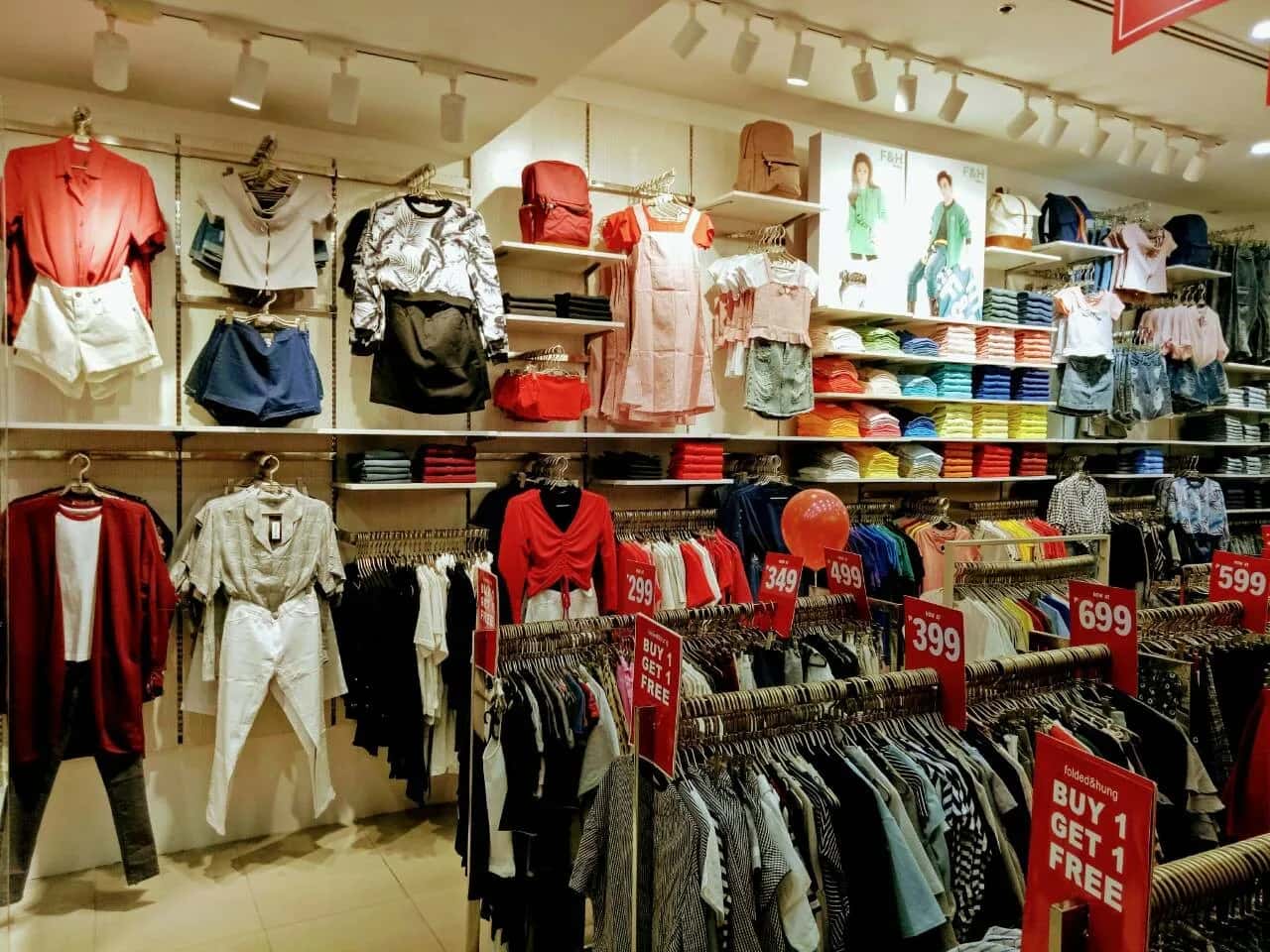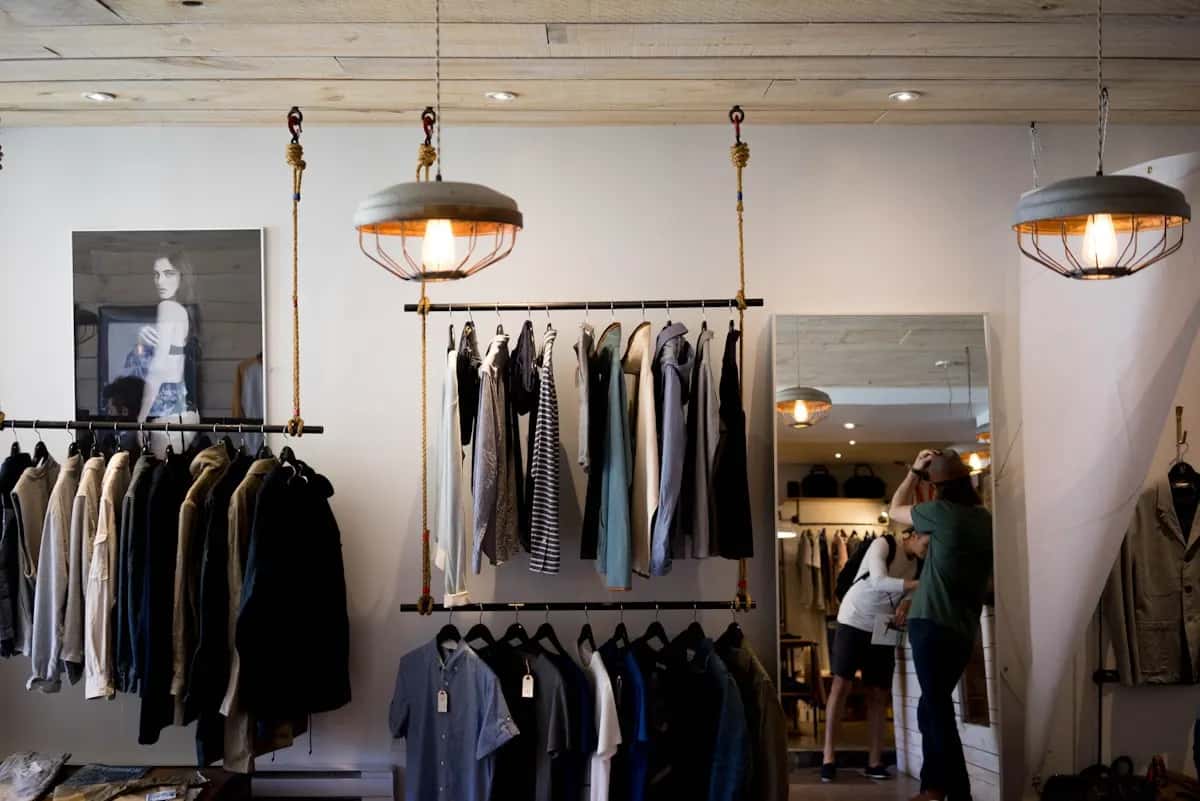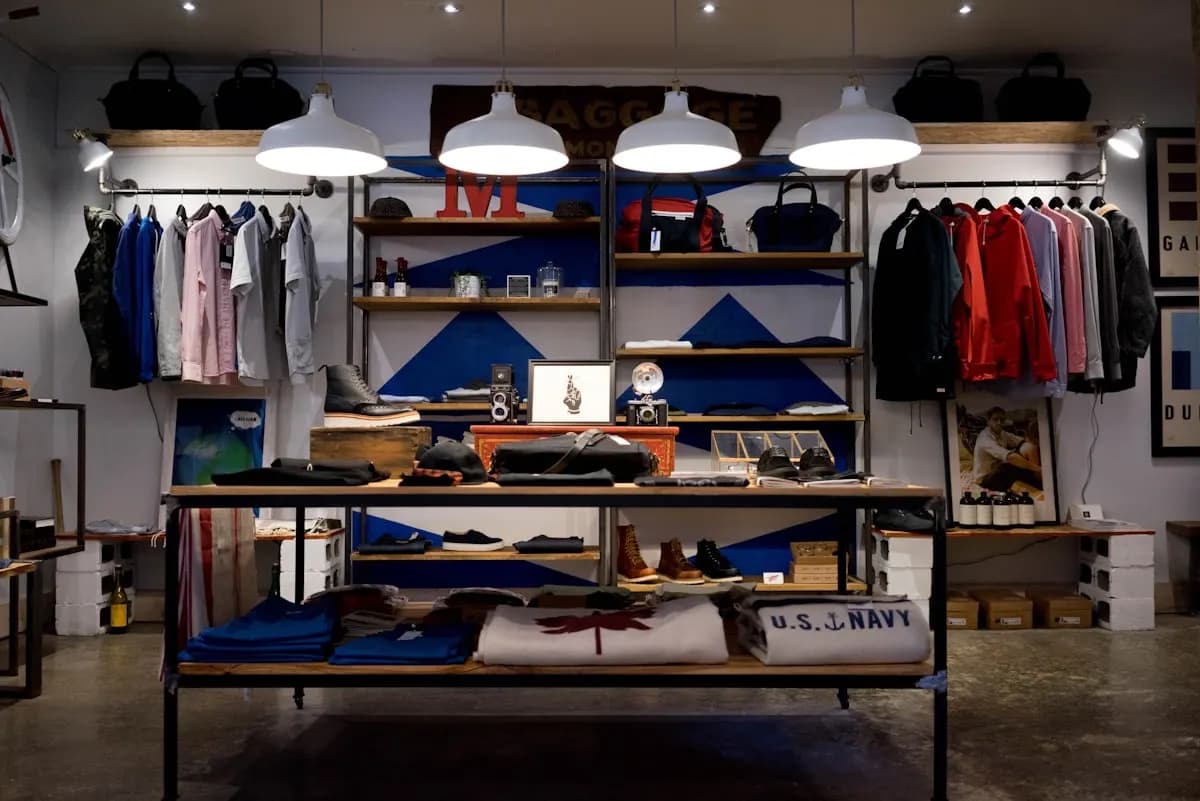
Plains & Prints
Clothing & Footwear
- Franchise fee
- ₱500k
- Total investment
- ₱6.5M–₱11.5M
🎁 Start Your 1 Month Free Trial of the Full Plan, Exclusively for Brands & Advisors.Get Started
Browse 12 clothing & footwear franchises in Lapu-Lapu, including a medium-investment franchise brand between ₱100k and ₱1M that pays back in about 18 months and 11 premium franchise brands above ₱1M that pay back in 24 to 36 months.
Updated
Lapu-Lapu has about 167 clothing and shoe stores among the 6,617 businesses on the map, from shops and services to clinics and schools. Check what already operates near the spot you have in mind for your franchise.
Population
497,6042020 census
Per 10,000 residents
133businesses we track
Business locations are based on Overture Maps open data (October 21, 2026 release) and do not represent a complete census of all businesses.
The quickest payback quoted for a clothing and footwear store is eighteen months, and that sets the pace for anyone planning savings around Lapu-Lapu, Cebu. It is an island city where factory shifts, resort visitors and airport travelers all pass through the same streets, so a store has several kinds of shopper to serve. No brand has written an agreement for the city by name, and the nationwide range starts at ₱800,000, with a full inline store behind nearly all of it.
The spread from ₱800,000 to ₱11.5M is mostly a matter of store size, stock and location. The lower end belongs to compact formats with a modest range, and the upper end to full stores with fitting rooms, a wide display and a deep stock of sizes. Every brand adds its own fee, set somewhere from ₱200,000 to ₱1M, and that pays for use of the name and for help getting the doors open. Clothing stock is costly to hold because every style comes in many sizes and colors. Then come the lease deposit, the shopfitting, wages and a reserve of working capital for the early months, none of which appears in the headline range. Rent on the island varies a good deal between a main road and a side street, so site choice moves the total as much as the format does. An owner who prices these items before choosing a format sees clearly which end of the range is realistic.
An island city with a large working population creates its own rhythm. Factory and service workers buy shirts, shoes and uniforms on payday and after shifts, so weekends and the days after the month's pay bring the busiest trade. Visitors to the resorts and the airport pick up swimwear, sandals and light clothing, which adds sales outside the usual local pattern. Families shop for school shoes and uniforms at the start of the school year and for new clothes at fiestas and Christmas. Because the city is compact, a store on a main road or beside a market is reachable from many neighborhoods. Footwear and everyday clothing sell all year, while festive and beach lines rise and fall with the seasons, so the mix of stock matters as much as the size of the shop. An owner who reads the calendar of paydays, school openings, holidays and tourist peaks can plan orders months ahead and avoid both empty racks and heavy markdowns.
Most days begin with opening the store, tidying the racks, checking the till and restocking sizes that sold the day before. Staff help customers find sizes, fit shoes and handle exchanges, and good service brings shoppers back. Deliveries need to be checked against orders and put out quickly, since new stock draws attention. Someone has to watch inventory, mark down slow lines at sensible times and keep the shopfront attractive. Paydays and weekends are busy, so extra hands help at those hours. Because clothes sell in sizes, a store that keeps a full range of the popular ones wins loyalty, and the owner learns which fits and colors move fastest. Mornings tend to be slower, which suits restocking and window changes, while late afternoons and weekends bring the crowds. Brands usually supply training, merchandising guidance and an ordering system, and using them well shortens the learning curve.
Every brand in the category builds around the inline store, and a smaller kiosk is a second route that only some of them provide. In a city with heavy foot traffic, the kiosk can sit near a terminal, a market or a busy walkway, where people pass all day and pick up slippers, caps and basic shirts on impulse. It costs less to fit out and needs fewer staff, and it lets an owner learn the trade before taking on a bigger lease. The inline store gives shoppers room to try things on, browse children's lines and compare styles. That comfort tends to raise the size of each sale. Deciding between them comes down to the savings on hand, the quality of the site and the amount of stock that can be carried through the first few months. Owners who begin with a leaner range in the most popular sizes and reorder quickly usually manage their cash better than those who fill every rack on opening day.
Now that you've seen what's here, a real advisor can help you shortlist and weigh the options against your budget. Free, at your pace.

Financing Readiness · Site Selection

Franchise Agreements · Multi-Unit Expansion

Low-Capital Startups

Low-Capital Startups · Site Selection
Are you a franchise advisor?Get your own workspace here
Compare clothing & footwear franchises with other retail & convenience businesses in Lapu-Lapu, each with its own brands, fees and investment ranges.
Get honest answers on fees, payback and the best setups for your area, free and with no pressure.
A total of 12 clothing & footwear franchises accept franchisees in Lapu-Lapu today. Each one accepts franchisees nationwide, and none lists Lapu-Lapu as a specific service area yet. With a nationwide franchisor, check how often supplies reach Lapu-Lapu and who trains your staff. Split by how much it takes to start, there are one medium-investment and 11 premium franchises. There is no affordable option under ₱100k here yet. A good next step is to filter by budget and franchise format, then contact two or three franchisors.
Comparing locations will reveal more than comparing cities, since Lapu-Lapu has 12 clothing & footwear franchises open beside Bogo with 12, Carcar with 12, Cebu City with 12 and Danao with 12, a close match. Take the monthly rent of each unit and divide it by the number of people you counted passing in a day, which gives a rough cost per passerby. A unit with a low rent but few walkers can cost more per customer than a pricier one on a busy road, in Lapu-Lapu or elsewhere.
Sitting at the bottom of what this category charges, the cheapest clothing & footwear franchise in Lapu-Lapu costs ₱800k, while the typical range is ₱2.5M to ₱4.5M. That low entry usually reflects a smaller format with less equipment or fewer products. Ask the franchisor to list what is missing compared with a typical package. Then price rent, permits and opening stock separately, because the quote seldom includes them and they decide your true starting cost.
Taxes and yearly permit renewals take a share of profit, so they can push a clothing & footwear franchise in Lapu-Lapu past the 24 to 36 months that franchisors quote. Some estimates stop at operating profit and leave these out. Ask the franchisor whether its figure counts business taxes, annual permits and renewal fees, then ask current franchisees what they actually paid last year. Add those amounts to your monthly costs and recheck your timeline, keeping cash aside for the first slow months.
Lease terms deserve as much attention as the franchise package. A small unit in a good spot may cost less to run than a large unit in a weak one, even when the larger store promises more sales. Lapu-Lapu has inline stores with 12 franchises and kiosks with 4 under clothing & footwear. Compare the rent you would carry each month against the stock you can realistically sell from that space.
Plan for a wider range later, because a store that sells more over time needs extra shelf space and room for a second counter. Stock lines usually widen as customers ask for more, so extra shelving saves you from expensive renovations later. Choose a unit that can grow without moving. A clothing & footwear franchise in Lapu-Lapu should have that headroom. The map shows 167 clothing and shoe stores, but it is built on open data and is not complete.
Family members often step in to help with a clothing & footwear franchise in Lapu-Lapu, though format, hours and customer volume still determine how much help is needed. A spouse or sibling who can cover a shift changes your hiring plan. Talk openly with your household about who can realistically help and when, before you decide how many outside workers to hire, so expectations at home and at the outlet stay clear.
Anyone already employed should know that a clothing & footwear franchise in Lapu-Lapu needs DTI or SEC registration, a barangay clearance, a mayor's permit and BIR registration, plus fire and sanitary permits if the setup calls for them. The TIN you use for your day job is usually tied to the revenue district office covering your employer or home address. Registering the business may mean moving that TIN to the office that covers your outlet. Ask the BIR office near your outlet how the transfer works before you apply for anything else.
A franchisor decides the term for its own agreement, and among clothing & footwear franchises you will see quite different lengths. Some franchisors are willing to negotiate, especially on renewal terms or early exit conditions, if you ask before signing. Prepare a short list of what you want clarified or changed, raise it politely during your talks in Lapu-Lapu, and ask that any agreed change be written into the contract rather than promised verbally.
Compare how many clothing & footwear brands take franchisees in the cities around Lapu-Lapu, nearest first.
Every industry in Lapu-Lapu, by how much it takes to start and by the kind of space it runs from.
By budget
Other retail & convenience franchises taking franchisees in Lapu-Lapu, worth comparing on cost, fees and payback.
LPG Dealership
Visit a branch
LPG Dealership

Convenience Store

Convenience Store
Meat Shop
Convenience Store

Convenience Store
Convenience Store
Compare clothing & footwear franchises in Lapu-Lapu with other industries there, each with its own brands, fees and investment ranges.

Carts, kiosks, and full restaurants.
253 brandsFrom ₱3k
Kwatogs, Konam, Minute Burger +250 more
See brands
Coffee, milk tea, and cold drink shops.
59 brandsFrom ₱17k
Zagu, Macao Imperial Tea, Barista Choi +56 more
See brands
Bread, cakes, and pastry shops.
34 brandsFrom ₱17k
Waffle Time, Mister Donut, Goldilocks +31 more
See brands
Salons, barbershops, and spa services.
33 brandsFrom ₱200k
Big Apple Express Spa, Bruno's Barbers, Body and Sole Spa +30 more
See brands
16 brandsFrom ₱250k
ALOHA (Abacus Learning of Higher Arithmetic), Kumon, STI +13 more
See brands
Drugstores and health supplement outlets.
16 brandsFrom ₱300k
Farmacia ni Dok, Gamot Publiko, Generika Drugstore +13 more
See brands
14 brandsFrom ₱20k
eTap Self-Service Payment Machine, M Lhuillier (ML Express), Palawan Express Pera Padala +11 more
See brands
Gyms, studios, and sports facilities.
9 brandsFrom ₱1.6M
GoFit Gym, Snap Fitness 24/7, Gold's Gym Philippines +6 more
See brands
Purified and mineral water stations.
9 brandsFrom ₱100k
Aquabest, Aqualipure, Crystal Clear +6 more
See brands
Self-service and full-service laundry shops.
7 brandsFrom ₱400k
CS Laundry, Tipidsulit Laundromat, Quicklean One Hour Laundry +4 more
See brands
Padala, parcel, and delivery outlets.
7 brandsFrom ₱10k
Alin Cargo Express, Ninja Van, J&T Express +4 more
See brands
6 brandsFrom ₱25k
SMB Travel & Tours, South Shore Travel Biz, RedDoorz +3 more
See brands
5 brandsFrom ₱400k
Getklean, Chem-Dry Carpet Cleaning, Jim's Group +2 more
See brandsCompare industries by budget, daily work and payback before you choose one, free and with no pressure.
Learn when choosing a standalone franchise location beats a mall or food cart setup for your Philippine business venture.
Aug 5, 2026 6 min read
Learn the ideal rent-to-sales ratio for your Philippine franchise. Protect your profit margins before signing a commercial lease.
Aug 5, 2026 6 min read
Learn the daily realities, routines, and operational demands of running a mobile franchise unit in the Philippines.
Aug 4, 2026 6 min read