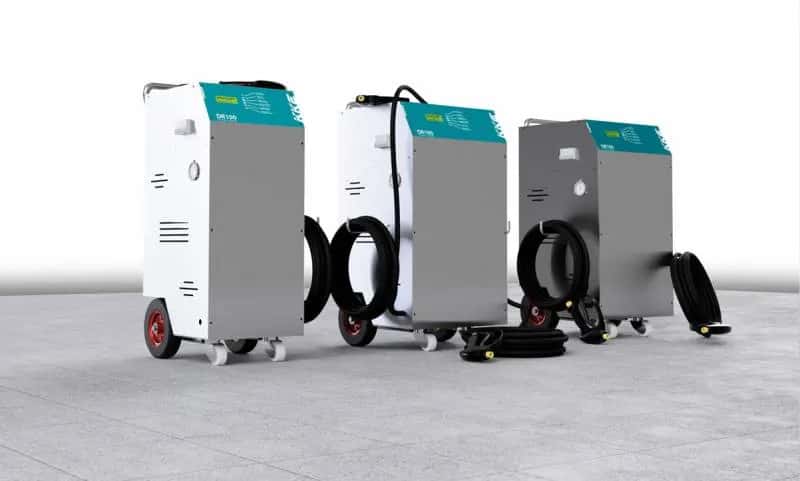
Mobile Car Wash
Car Wash
- Franchise fee
- ₱250k
- Total investment
- ₱620k–₱750k
🎁 Start Your 1 Month Free Trial of the Full Plan, Exclusively for Brands & Advisors.Get Started
Browse 12 mobile unit franchises in Lapu-Lapu, including 2 affordable franchise brands under ₱100k that pay back in about 3 months, 5 medium-investment franchise brands between ₱100k and ₱1M that pay back in 12 to 18 months, and 4 premium franchise brands above ₱1M that pay back in 24 to 36 months.
Updated

Cleaning & Pest Control
Cleaning & Pest Control
Lapu-Lapu has about 6,617 businesses on the map, from food and drink to shops, services and clinics. Check what already operates near the spot you have in mind.
Population
497,6042020 census
Per 10,000 residents
133businesses we track
Business locations are based on Overture Maps open data (October 21, 2026 release) and do not represent a complete census of all businesses.
Lapu-Lapu, Cebu is an island city of factory workers, resort staff, airport travelers and families, and all of them buy food and drinks at different hours. That variety of crowds is what a mobile unit franchise is built to serve, and it is why the format draws interest from people who want to start without a lease. No mobile unit brand has taken Lapu-Lapu by name yet, so buyers turn to brands that franchise the format across the country, where the lightest setups start near ₱18,000.
The island holds an airport, a zone of factories, a resort strip along the beaches and dense residential districts, and each of these creates its own rush. Factory shifts end at set hours and send hundreds of workers into the streets at once. Resort staff and guests keep a different rhythm, with breakfast and late evening as the busy points. Travelers move through the airport all day, and the neighborhoods fill up in the late afternoon. A shop on one street sees one of these crowds at most. A mobile unit can be at the factory gate when a shift ends, near the beach road at dusk and around the residential streets in between. That flexibility explains why the format suits an island city where the working population is large and the hours are staggered, and where the next crowd is rarely more than a short drive away. Weekends change the map again, because visitors head for the beaches and the roads near the resorts get busier than the factory streets.
Brands that franchise a mobile unit seldom stop there, and the range they sell shows a buyer where the business could go. Some run an inline store under the same system, others a kiosk, and a smaller number sell a cart or a home and online version, with a standalone building the least common of all. In Lapu-Lapu these options have clear uses. A kiosk suits a spot near a factory entrance or a mall where the crowd returns daily, and an inline store suits a busy main road where rent buys a permanent address. The unit is the way to learn which of those places actually performs before paying for it. Fees across the country reach ₱1.5M for the fullest builds, so knowing which format is on offer helps a buyer see how much of the budget the fee will take. The same brand may also let an owner add a second format later, which is worth asking about before any payment.
A compact unit is the light end of the market, and the price rises quickly once a vehicle, extra equipment and a support package are included. The quickest payback quoted for a lean build is about three months, whereas larger builds need longer, so the buyer should match the size of the unit to the sales the island crowds can realistically supply. Running costs on Mactan include fuel, stock, a permit from the city government to sell in public space, and a helper for busy shifts. Traffic across the bridges and along the main roads can delay deliveries and slow the route, so time lost on the road is a hidden cost that a careful owner counts. A reserve of a few weeks of running costs gives the business room to find its regular stops without pressure to cut quality. Rainy spells on the island slow foot traffic, so a covered fallback stop keeps some income coming in.
Begin with the sales area. A unit that works the airport side, the factory zone and the beach road needs written permission for each, and it is fair to ask whether another unit could be sold into the same streets later. Ask about the permit process as well, since the city government decides where a mobile seller may stop, and a brand with other owners in similar cities should know how long approval usually takes. Then ask about stock. Deliveries that must cross busy bridges arrive late in peak traffic, so find out how often supplies reach Cebu and who pays for delivery. Finally, ask for a written statement of what the fee includes, covering training, the vehicle or rig and the first supplies, and ask for a sample month of running costs to test the payback the brand quotes.
Now that you've seen what's here, a real advisor can help you shortlist and weigh the options against your budget. Free, at your pace.

Financing Readiness · Site Selection

Franchise Agreements · Multi-Unit Expansion

Low-Capital Startups · Site Selection

Low-Capital Startups
Are you a franchise advisor?Get your own workspace here
Choose an industry to see all of its franchises in Lapu-Lapu, with their fees and investment ranges.
Get honest answers on the space, staff and money this setup really needs, free and with no pressure.
Your local barangay can be a helpful partner or a barrier, so involve it early if you are drawn to any of the 12 franchises offering a mobile unit in Lapu-Lapu. Mobile sellers often work near barangay halls, plazas and courts, where local rules apply. Visit your barangay office, explain your plan, and ask whether there are designated vending areas, fees or schedules you should follow before you set up anywhere.
Whether you rent inside a mall or along a street largely decides where a mobile unit franchise in Lapu-Lapu lands between its floor of ₱18k and the ₱30k to ₱12.5M most owners spend. Mall units usually come with heavier deposits, advance rent and interior work required by building management. A roadside spot tends to be cheaper to secure, though it may call for extra promotion to draw foot traffic. When your format can fit either, collect written rent offers for both and combine each with the franchise package. The two totals will show which kind of space your money can sustain.
Industry groups and trade offices can give you a general sense of what fees look like, which helps when mobile unit franchises in Lapu-Lapu ask ₱30k to ₱1.4M. You will not get exact prices, but a broad idea of normal ranges helps you spot offers that are unusually high or suspiciously low, and it gives you better questions to bring into your next meeting.
Nightly closing checks let you see early whether a mobile unit franchise in Lapu-Lapu is tracking the 11 to 25 months payback franchisors quote. Match the cash drawer to recorded sales each evening, jot down which items ran short and log every refund or void. Each week, set those totals beside the monthly profit the projection expects. Train your crew to run the same checks whenever you are away, so any gap between plan and reality appears within weeks instead of months.
Right now the mobile unit options open to franchisees in Lapu-Lapu break down into cleaning & pest control with 4 franchises, food & beverage with 4 and automotive with 1. That spread tells you cleaning & pest control leads the field, but leading does not automatically mean it suits you. Think about the kind of work you would happily do on a tired Saturday afternoon, because that is when a side business tests your patience. Pick a couple of industries from the list, request the franchise details from one franchisor in each, and compare what the daily work actually involves.
Lined up on the map, Lapu-Lapu has 6,617 businesses in services with 1,906, food and drink with 1,460 and shops and retail with 1,168 categories, and a portion of real shops are not shown. Distance to the nearest rival is a simple measure worth recording. Note it for each spot you consider, along with the number of rivals within a five minute walk. Two numbers per spot are enough to compare them fairly and to explain your choice to a partner or family member.
Weekdays and weekends can feel like different jobs when you run a mobile unit franchise in Lapu-Lapu, though both involve opening, stocking, serving, supervising and closing. Customer flow, staff needs and your own availability may shift depending on where your site is. Planning for both prevents surprises. Ask current franchisees how their weekday and weekend routines differ, and build your staff roster to match.
Asking around your neighborhood can reveal a lot about local hiring. Owners of nearby shops in Lapu-Lapu know what workers expect to earn, how hard it is to keep staff and which hours are hardest to fill. Their experience will help you judge whether the staffing model for your mobile unit is realistic for the area. A few friendly conversations before you sign can save you from underestimating how many people you will need.
Some do and some do not, and for mobile unit franchises in Lapu-Lapu the length of the agreement decides how long a royalty would weigh on you. Franchisors that charge one usually keep it running for the whole term, so it becomes a cost you carry every month you operate. Ask whether the rate stays fixed through renewal or can be raised, and have the answer written into the contract so your monthly royalty stays predictable.
Compare how many franchises run as each kind of setup in Lapu-Lapu, from food carts to full standalone stores.
Compare how many mobile unit franchises take franchisees in each place, nearest first.
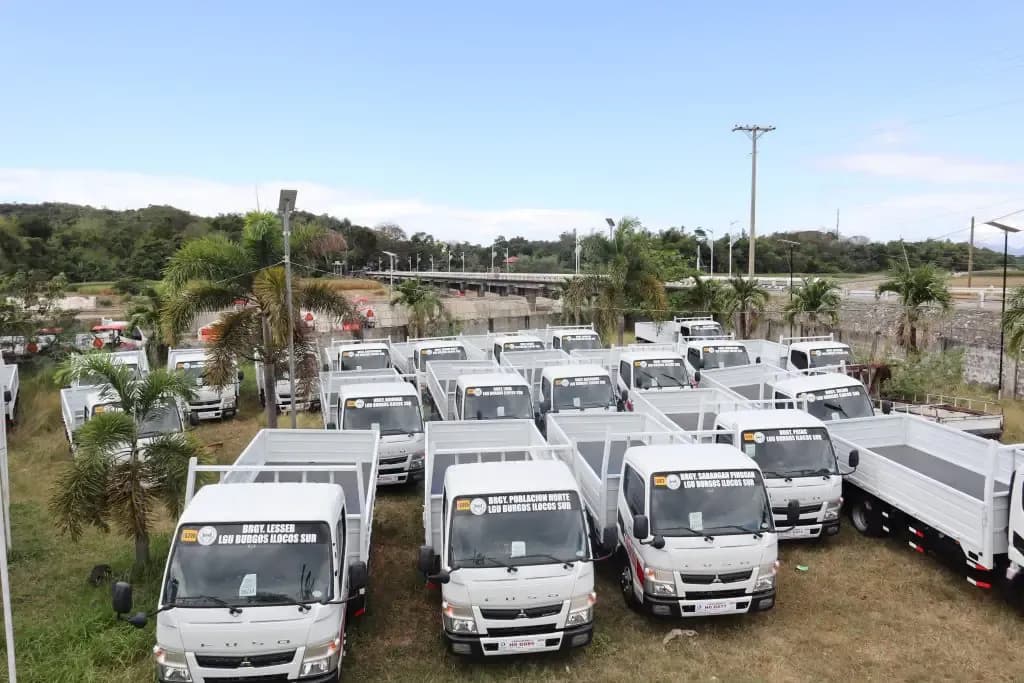
Learn the daily realities, routines, and operational demands of running a mobile franchise unit in the Philippines.
Aug 4, 2026 6 min read

Don't fall for high store counts. Learn why top franchise numbers don't guarantee profit and how to find the best business for you.
Jul 24, 2026 5 min read

Discover how to safely review a young franchise concept in the Philippines and protect your hard-earned capital.
Jul 24, 2026 5 min read