Waffle Time
Waffle Shop
- Franchise fee
- Not disclosed
- Total investment
- From ₱400k
🎁 Start Your 1 Month Free Trial of the Full Plan, Exclusively for Brands & Advisors.Get Started
Browse 234 food cart franchises in Santiago, including 34 affordable franchise brands under ₱100k that pay back in 3 to 10 months, 185 medium-investment franchise brands between ₱100k and ₱1M that pay back in 10 to 18 months, and 10 premium franchise brands above ₱1M that pay back in 18 to 24 months.
Updated

Takoyaki & Japanese Snacks
Showing 24 of 234
Santiago has about 1,816 businesses on the map, from food and drink to shops, services and clinics. Check what already operates near the spot you have in mind.
Population
148,5802020 census
Per 10,000 residents
122businesses we track
Business locations are based on Overture Maps open data (October 21, 2026 release) and do not represent a complete census of all businesses.
Santiago, Isabela is where much of the Cagayan Valley's rice and corn trade actually changes hands. That pulls farmers, traders, and buyers into the city on a regular schedule, not just its own residents. A food cart franchise here can start for around ₱35,000 and reach past ₱3.8M for a fuller build. The fee on top can climb to roughly ₱365,000 at the higher end. A cart selling something quick fits naturally into a trading city where people are often in town briefly, moving between the market and a ride home.
Every brand offering a cart package in Santiago also happens to let a franchisee run the concept from a kiosk. Choosing between the two is really a choice about the site rather than the food. A smaller share go further and build it as an inline storefront, and a similar thin share reach a freestanding building instead. A cart suits a spot near the trading area or a terminal, where a buyer or a farmer grabs something quick before heading back out of town. A kiosk fits better inside a covered market or a building lobby, where a fixed nook and steadier hours make more sense than an open cart. An inline store or a standalone site works only where there is enough daily traffic outside of trading days. In a city built around agricultural trade, that is a narrower list of spots than it might first appear.
Santiago's daily crowd swells and shrinks with the trading calendar more than with any fixed weekly pattern. Farmers and buyers from surrounding towns come in on the days that matter most for selling produce, and they pick up supplies while they are there. A cart timed around those trading days can see a much busier stretch than one that assumes the same crowd every day of the week. Outside of those peaks, the city still carries its own steady base of residents, students, and workers moving through its commercial center. That base keeps a well-placed cart busy even on a quieter day. A location built for the trading crowd and a location built for the everyday local crowd are not always the same corner. Knowing which one a given spot actually serves matters more than the food itself.
Before signing anything, it is worth asking a brand how its quoted payback, four months to a year and a half, was calculated. It matters whether that estimate assumes a location near the trading area or a quieter residential street. It is also worth asking exactly what the packaged fee actually covers. That fee can run up to roughly ₱365,000, and site costs plus stock vary a lot between the market district and the edges of town. Finally, it is worth asking how flexible the cart or kiosk setup is if the best spot found turns out to be seasonal. Busy on trading days but quiet the rest of the week is a common pattern here. A rigid format built for constant traffic may not suit that rhythm as well as a smaller, more mobile one would. Asking these questions before signing costs nothing and can save a franchisee from a location that only works on trading days.
Nationwide, a cart franchise can start for as little as ₱3,000 and climb past ₱7M at the very top, a far wider spread than what is actually on offer in Santiago. The local range sits well inside that span, closer to the middle than either extreme. That suggests the packages reaching a trading city like this skew toward the more established end of what a cart can cost, rather than the cheapest or the most elaborate options nationwide. Standalone buildings barely register locally even though they show up more often across the country as a whole. That points to a city where a rented corner still beats owning a fixed structure. For a first-time operator here, that middle-of-the-road local range is a more realistic planning figure than either the cheapest examples nationwide or the priciest builds sold elsewhere in the country. It reflects what actually gets built and rented in a trading city rather than what is possible everywhere.
Now that you've seen what's here, a real advisor can help you shortlist and weigh the options against your budget. Free, at your pace.

Financing Readiness · Site Selection

Low-Capital Startups

Low-Capital Startups · Site Selection

Franchise Agreements · Multi-Unit Expansion
Are you a franchise advisor?Get your own workspace here
Choose an industry to see all of its franchises in Santiago, with their fees and investment ranges.

Carts, kiosks, and full restaurants.
From ₱3k
Konam, Minute Burger, Turks Shawarma
See brands
Coffee, milk tea, and cold drink shops.
From ₱17k
Zagu, Barista Choi, Cha Thai
See brandsGet honest answers on the space, staff and money this setup really needs, free and with no pressure.
Taking applications in Santiago are 234 food cart franchises, and some may sell similar products. Similar products mean the count includes close alternatives, which is useful because you can compare terms without changing the idea. Group lookalikes together and compare their prices, requirements and how clearly each is described. A direct comparison of near twins reveals differences that are hard to spot between very different concepts.
Depending on one franchisor is part of the deal, and the 234 cart franchises in Santiago each tie you to a single source for supplies, menu and brand. Ask yourself whether that dependence feels reassuring or uncomfortable. If you want full independence, a cart under your own name may suit you better than any franchise. If you like guidance and structure, the tie may feel welcome.
Spending in stages protects you when buying a food cart franchise in Santiago, which starts at about ₱3k and often runs ₱50k to ₱600k. Avoid paying the full franchise fee before you have a confirmed location and a signed lease. Ask the franchisor if payments can follow milestones like site approval and equipment delivery. This approach means your money moves forward only as the project does, which limits what you could lose if plans fall apart.
Sunk cost thinking can follow a payment of ₱40k to ₱329k toward food cart franchises in Santiago. Once part of the fee is paid, people often feel pushed to continue even when new concerns appear. Decide ahead of time that a serious red flag will stop you, even if some money is already spent, because losing a deposit is usually cheaper than losing the full fee.
Customer reviews and word of mouth can tell you a lot about whether a food cart franchise in Santiago will reach the 6 to 18 months payback franchisors quote. A franchise that customers like tends to build repeat business more easily. Look up what people say about the franchise online and ask friends whether they would buy from it again. Strong goodwill can help your branch gain regulars faster, while weak goodwill may slow recovery.
Coming soon signs are worth watching, because the 1,816 businesses that Overture Maps open data lists in Santiago across food and drink with 463, shops and retail with 439 and services with 423 categories cannot include shops that have not opened yet, and the data misses others too. Walk past new construction and empty units near your spot and note any announcements of incoming stores. Ask the landlord or guards which tenants have signed, so a new competitor does not open beside you weeks after your launch.
The overall time to open a food cart franchise in Santiago is shaped by the franchisor's approval standards, which often include an interview or orientation before you are accepted. This stage gives both sides a chance to see if the partnership fits, and rushing it helps no one. Prepare for the interview by learning how the food cart operates and what daily work involves, so you can answer questions confidently and avoid a second meeting.
Income will rise and fall with sales and running costs, and equipment upkeep is a cost that often gets overlooked by people opening a food cart franchise in Santiago. Machines, fixtures and signage wear out, and repairs or replacements eat into what you would otherwise keep. Ask the franchisor what equipment must be maintained or replaced, how often that usually happens and who pays, then set aside a small amount each month for it.
Compare how many franchises run as each kind of setup in Santiago, from food carts to full standalone stores.
Compare how many food cart franchises take franchisees in each place, nearest first.
The food cart franchises with the smallest published starting packages, a good place to look if you want to start small.

Ice Cream & Desserts

Chicken & BBQ
Visit a branch

Korean Street Food

Korean Street Food

Cakes & Pastries

Milk Tea & Boba

Takoyaki & Japanese Snacks
Pizza & Pasta
The food cart franchises whose franchisors quote the shortest time to earn back the investment, worth checking against your own costs.

Juices & Shakes
Street Food & Snacks
Waffle Shop
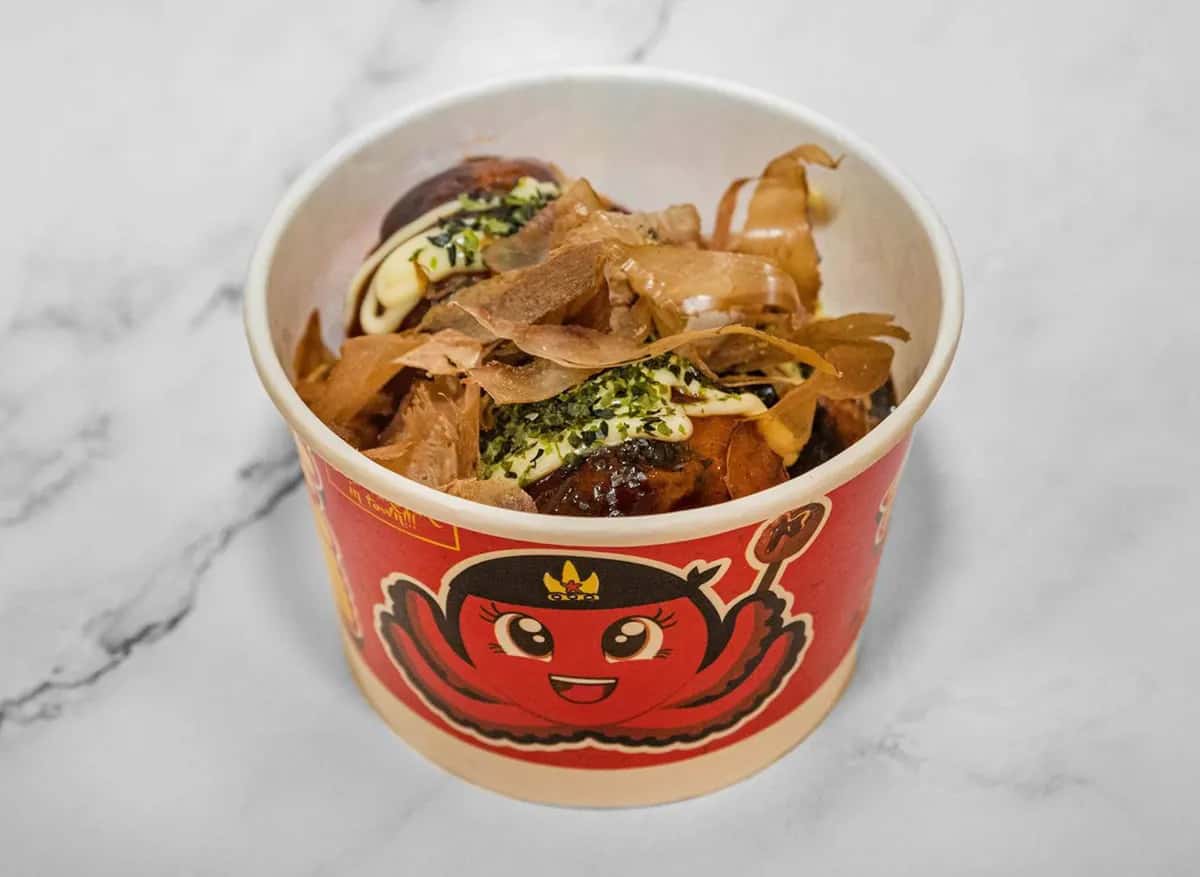
Takoyaki & Japanese Snacks
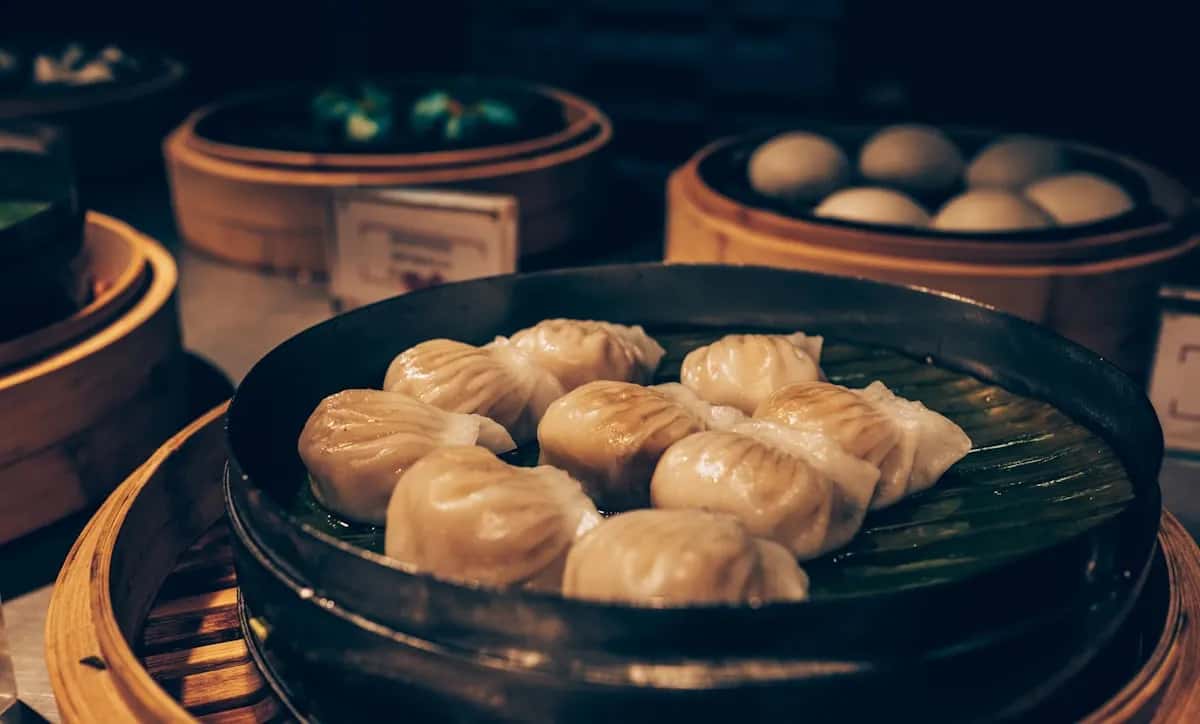
Siomai & Dimsum
Street Food & Snacks
Street Food & Snacks
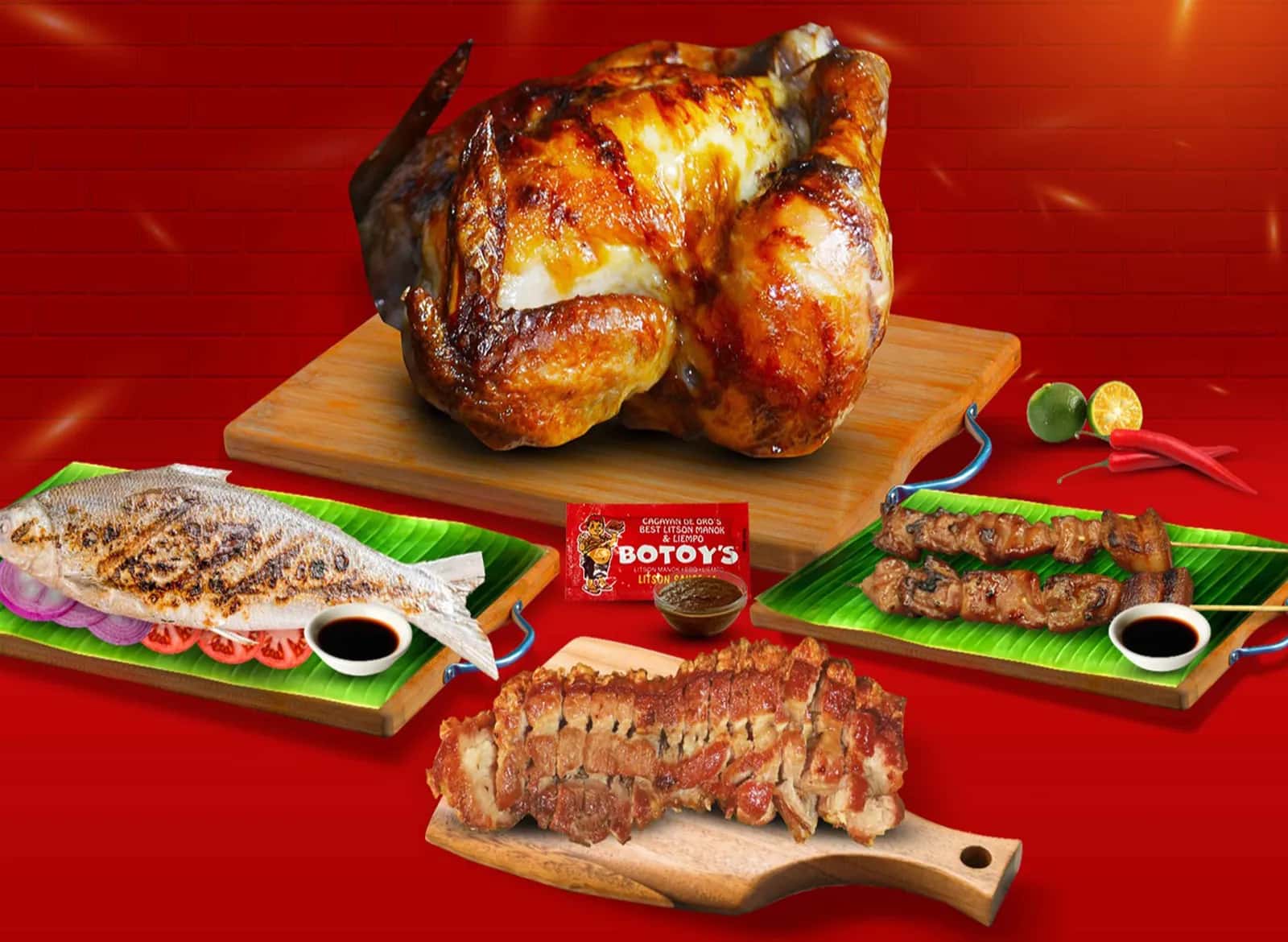
Chicken & BBQ
Food Cart franchises that charge no franchise fee, so more of your money goes into the setup itself.

Filipino Restaurant
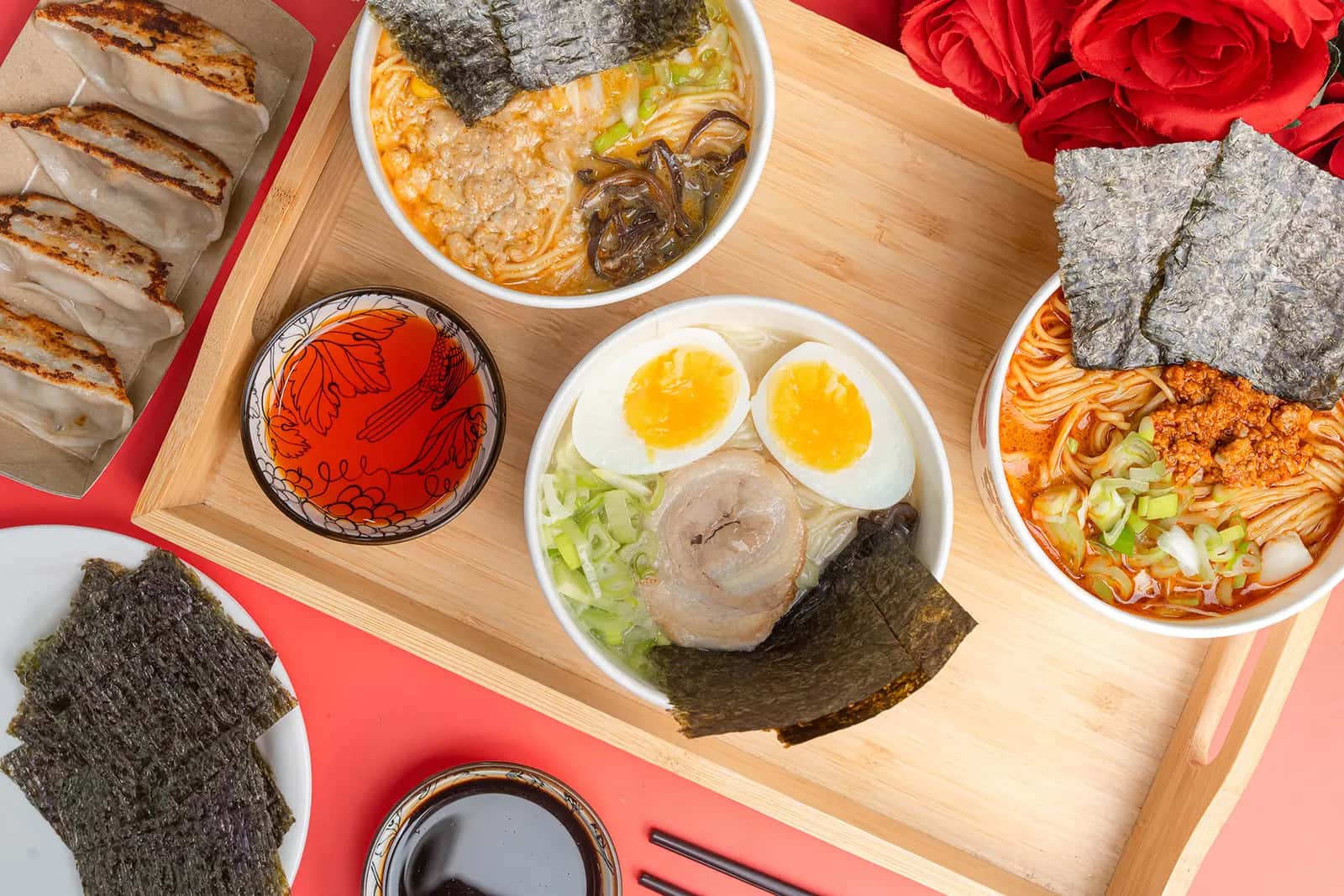
Takoyaki & Japanese Snacks

Ice Cream & Desserts

Retail & Convenience

Fries & Potato Snacks
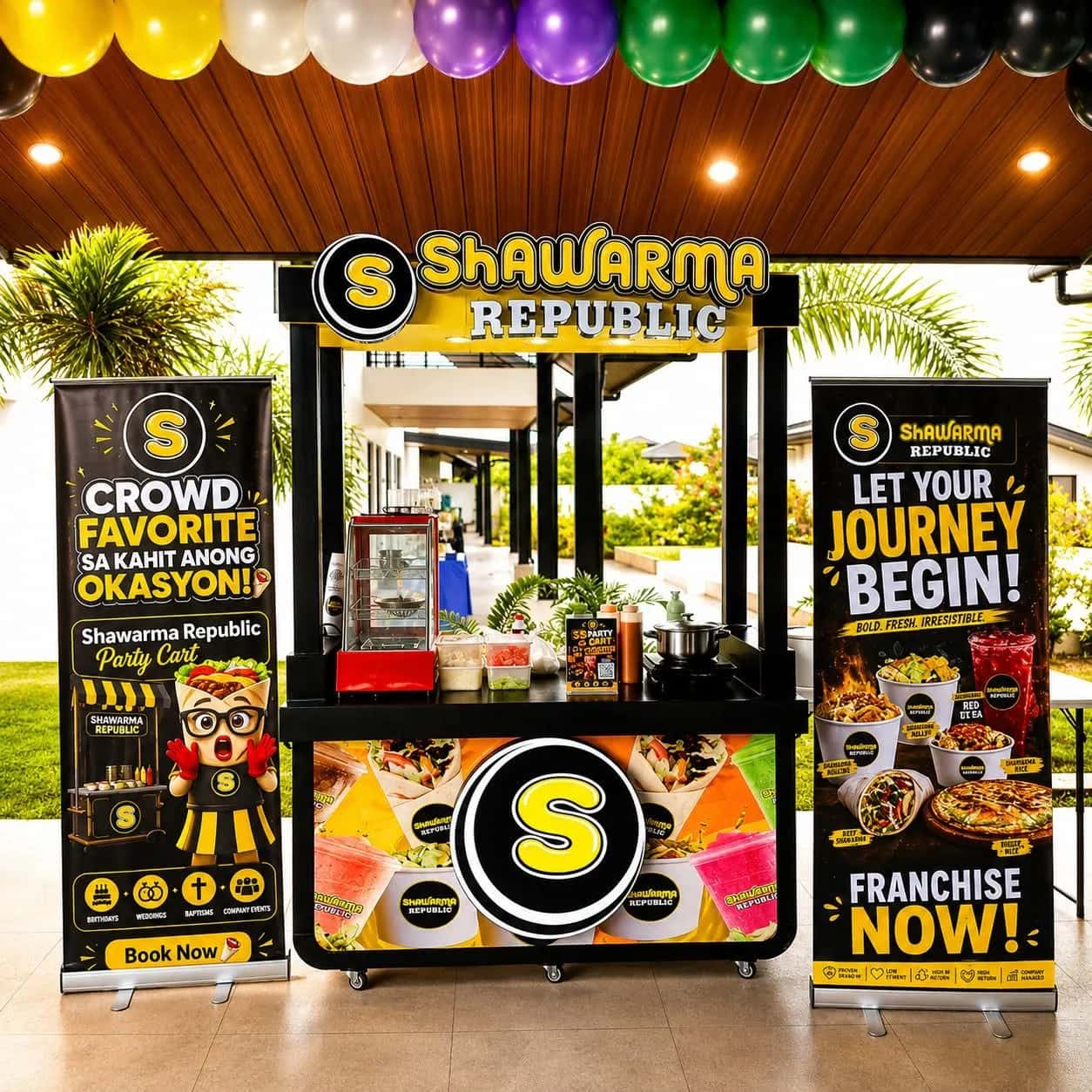
Shawarma
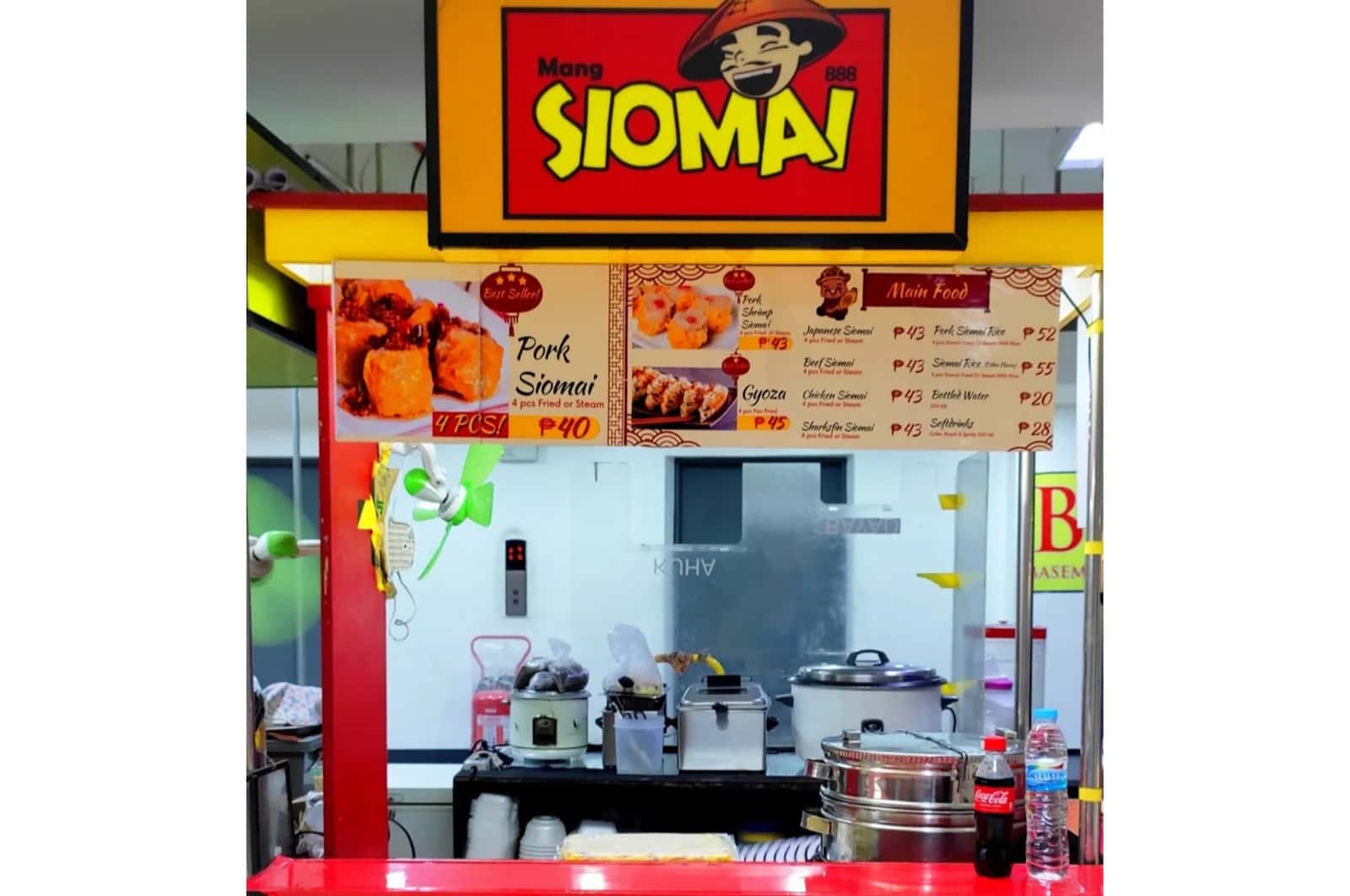
Siomai & Dimsum
Juices & Shakes
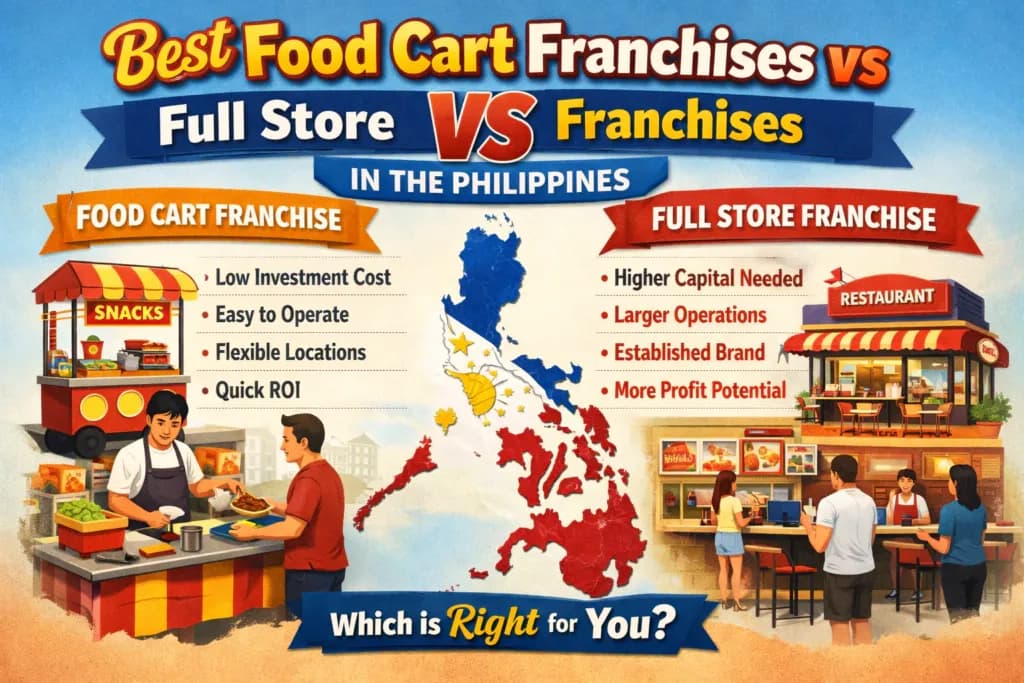
Learn how to choose between a food cart and a kiosk franchise in the Philippines by comparing costs, space, and target locations.
Aug 4, 2026 6 min read

Learn what brand voice covers, why a franchisor guards it so closely, and how to work inside those rules while still sounding like your own neighborhood.
Sep 30, 2026 4 min read
Learn how a franchise owner can collect honest customer reviews by asking at the right moment, making it easy, and handling the bad ones well.
Sep 30, 2026 4 min read