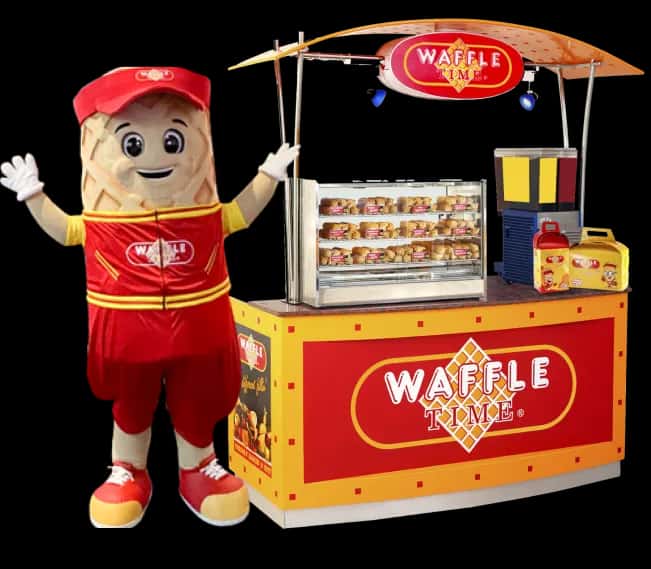
Waffle Time
Waffle Shop
- Franchise fee
- Not disclosed
- Total investment
- From ₱400k
🎁 Start Your 1 Month Free Trial of the Full Plan, Exclusively for Brands & Advisors.Get Started
Browse 304 food cart franchises in San Juan, including 38 affordable franchise brands under ₱100k that pay back in 3 to 10 months, 250 medium-investment franchise brands between ₱100k and ₱1M that pay back in 10 to 18 months, and 11 premium franchise brands above ₱1M that pay back in 18 to 24 months.
Updated
Street Food & Snacks
Takoyaki & Japanese Snacks
Showing 24 of 304
San Juan, Metro Manila packs a dense commercial life into some of the smallest ground in the region, and a food cart franchise here can start for close to ₱17,000 and climb past ₱5M once the build gets heavier. That gap separates a bare pushcart squeezed into a sidewalk corner from a fuller setup with real refrigeration and signage. Foot traffic barely lets up along the city's narrow commercial strips, so a cart here competes for a passing crowd's attention rather than convincing anyone to make a special trip.
Close to ₱17,000 covers the lightest setup on offer: a cart shell, a first batch of stock, and the paperwork to trade under a brand's name. The packaged fee itself starts near that same figure before a site's own costs come in. Climbing toward the far end of what a cart franchise can cost here, past ₱5M, buys a sturdier build with proper cold storage, fuller branding, and a wider menu rather than a narrow one. That gap has more to do with what surrounds the food than the food itself. A pushcart tucked into a covered walkway needs little beyond the cart, while a corner with heavy foot traffic and a longer lease pushes the number up fast. Payback on paper runs from four months to two years. The shorter end usually belongs to the cheaper setups that turn over quickly on small purchases, while the pricier builds lean on a steadier crowd building loyalty over a longer stretch.
San Juan carries its own set of brands naming the city directly, and the money they ask sits inside a span close to what a cart costs nationwide. At the lightest end of the whole nationwide list, entry runs as low as ₱3,000, while the fuller builds found anywhere can climb well past ₱5M. What differs locally is the mix of formats behind that money. Nearly every brand serving the city also lets a franchisee run the same idea from a kiosk, and a good number build it as a proper inline storefront rather than a pushcart. A freestanding building is rare here, which fits a place built on tight lots rather than open ground. For someone weighing the city's own options against the wider nationwide list, the real difference sits less in price and more in which format actually suits a given corner. A pushcart reaches spots a kiosk cannot, while a kiosk can hold a location longer than an open cart usually manages.
A cart in San Juan lives on the same rhythm that governs any small footprint trade in the city. Short bursts of heavy foot traffic around meal times give way to quieter stretches in between, and a barangay or building schedule decides when a spot can even open. Storage space behind most carts barely exists, so stock gets replenished through the day instead of once in the morning. Staffing usually comes down to one or two people working a shift, which keeps wages low but means a single absence can close the cart for the day. Because the city is so compact, an operator tends to serve the same commuters and residents again and again rather than a constantly changing crowd, so consistent taste and speed end up mattering more than novelty. Weather and street clearing rules are worth planning around too, since a cart with no fixed structure can be asked to move with little warning. Building that flexibility into the plan early avoids a costly surprise later.
Before settling on a specific package, it helps to decide which physical format actually suits the corner in mind. The same underlying idea can come as a cart, a kiosk, or a small inline store here, each carrying a different cost and a different kind of lease. A cart suits a spot with heavy walking traffic and no real seating, the kind found near transport stops and school gates. A kiosk needs a fixed nook, often inside a building or covered strip, and usually asks for a longer commitment from the landlord in exchange for a sturdier structure. An inline store, the least common of the three locally, fits better where a brand wants a fuller menu and customers willing to sit rather than walk past. Deciding this before talking to any brand saves time, since the fee and running costs quoted will shift once the format is fixed. Asking upfront which formats a brand actually supports in this city is one of the first practical questions worth raising.
Now that you've seen what's here, a real advisor can help you shortlist and weigh the options against your budget. Free, at your pace.

Financing Readiness · Site Selection

Low-Capital Startups · Site Selection

Low-Capital Startups

Franchise Agreements · Multi-Unit Expansion
Are you a franchise advisor?Get your own workspace here
Choose an industry to see all of its franchises in San Juan, with their fees and investment ranges.

Carts, kiosks, and full restaurants.
From ₱3k
Konam, Minute Burger, Turks Shawarma
See brands
Coffee, milk tea, and cold drink shops.
From ₱17k
Sip Up Coffee, Zagu, Barista Choi
See brandsGet honest answers on the space, staff and money this setup really needs, free and with no pressure.
Where San Juan is concerned, 304 food cart franchises are recruiting, split into 38 affordable, 250 medium-investment and 11 premium franchises. Comparing across groups is tricky because the packages differ in size, so stick to one group at a time. Finish reviewing the group that suits your budget before glancing at another. This keeps your notes consistent and stops a flashy listing in a higher group from pulling you away from options you can actually afford.
Sidewalk clearing drives can remove street vendors almost overnight, which matters because the food cart franchises in San Juan total 304 and many of them sell from public walkways. A cart on a sidewalk or road shoulder may be told to move whenever the local government enforces clearing rules. A spot on private property or inside a building carries far less of that risk. Ask the barangay office whether your intended street spot has been cleared before and whether the vendors there hold any written permission.
The starting cost for a food cart franchise in San Juan is ₱3k or more, with most people investing ₱70k to ₱600k, and customer reviews can hint at costs the quote leaves out. Look at social media pages and reviews for branches in different areas. Repeated complaints about stock shortages, broken equipment or slow service suggest you may spend extra on emergency supplies, repairs or staff. Steady positive feedback across many branches suggests the package covers what a unit really needs.
Comparing several franchisors is among the smartest ways to test the 6 to 18 months payback quoted for food carts in San Juan. Each franchisor may calculate recovery differently, so line up their total investment, expected monthly profit and fees in a simple table. Look for the one whose figures hold up when you check them against real branches. A careful comparison often reveals that the shortest quoted payback is not always the most realistic.
Different setups attract different customer patterns, and that changes staffing. Your food cart might serve quick transactions that need fast hands at the counter, or longer interactions that need patient, knowledgeable staff. Think about how customers in San Juan will interact with your outlet and what that means for the type of people you hire. The right mix of skills can be as important as the total count.
Whether your food cart needs a sanitary permit or a fire safety inspection depends on what the local government in San Juan decides, but DTI or SEC registration, a barangay clearance, a mayor's permit and BIR registration apply to virtually every franchise outlet. These core papers are your foundation. Contact the city or municipal health office to ask whether your operation needs a sanitary permit and what an inspection would look for.
Franchise openings in San Juan often take longer when the first choice of site for a food cart franchise is in a building that needs owner approval for alterations. Building administrators may require plans, permits and work schedules before any fit-out can start. Ask for the building's renovation guidelines in writing during lease talks, so your contractor can prepare the right documents before the landlord or administrator asks.
What the franchise fee includes matters as much as how much it is, so ask for the inclusions in the package for a food cart in San Juan item by item. The package could cover equipment, signage, uniforms and training, or it could cover little beyond the right to use the name. Put each franchisor's inclusions side by side in a simple spreadsheet so you can see clearly what you would actually receive for your money before choosing.
Pay attention to what a year means in the contract, because the term for a food cart franchise in San Juan may be counted in contract years from a start date rather than calendar years. That changes when your term ends and when renewal notice falls due. Ask the franchisor to define the year used and to give the end date as an actual calendar date.
Some franchisors help franchisees secure locations, which can affect how much rent you end up planning for a food cart franchise in San Juan. They may have existing relationships with mall operators or a list of spaces they have already evaluated. Ask the franchisor whether they offer site selection support and whether any spaces in San Juan are already reserved or recommended, since this can save you time and give you a stronger starting position when negotiating.
Compare how many franchises run as each kind of setup in San Juan, from food carts to full standalone stores.
Compare how many food cart franchises take franchisees in each place, nearest first.
The food cart franchises with the smallest published starting packages, a good place to look if you want to start small.

Ice Cream & Desserts

Chicken & BBQ

Korean Street Food
Korean Street Food

Cakes & Pastries

Milk Tea & Boba

Takoyaki & Japanese Snacks
Pizza & Pasta
The food cart franchises whose franchisors quote the shortest time to earn back the investment, worth checking against your own costs.

Juices & Shakes
Street Food & Snacks
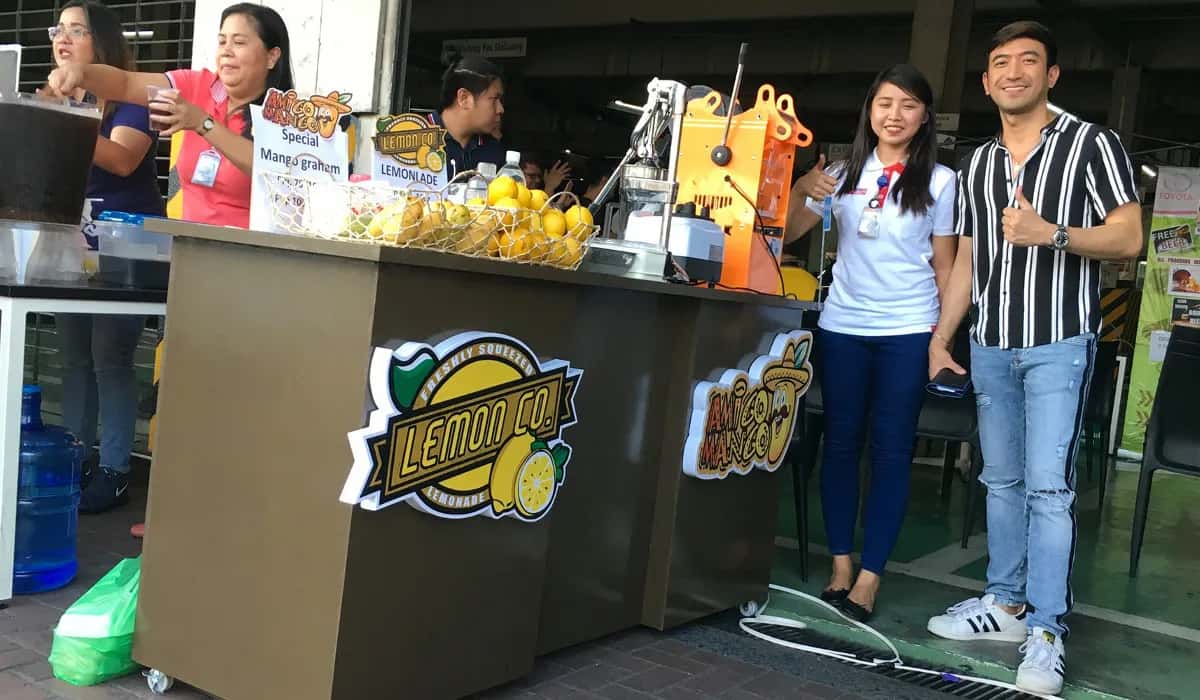
Waffle Shop
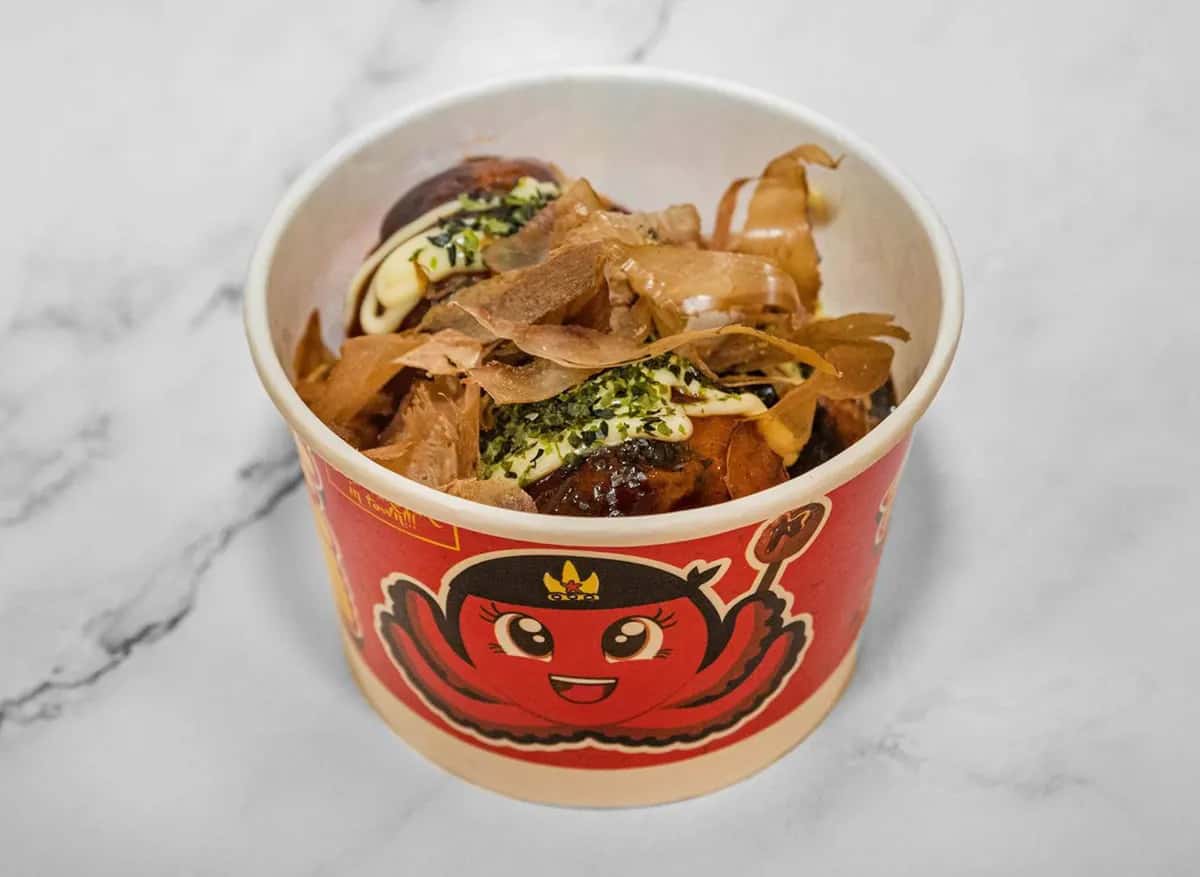
Takoyaki & Japanese Snacks
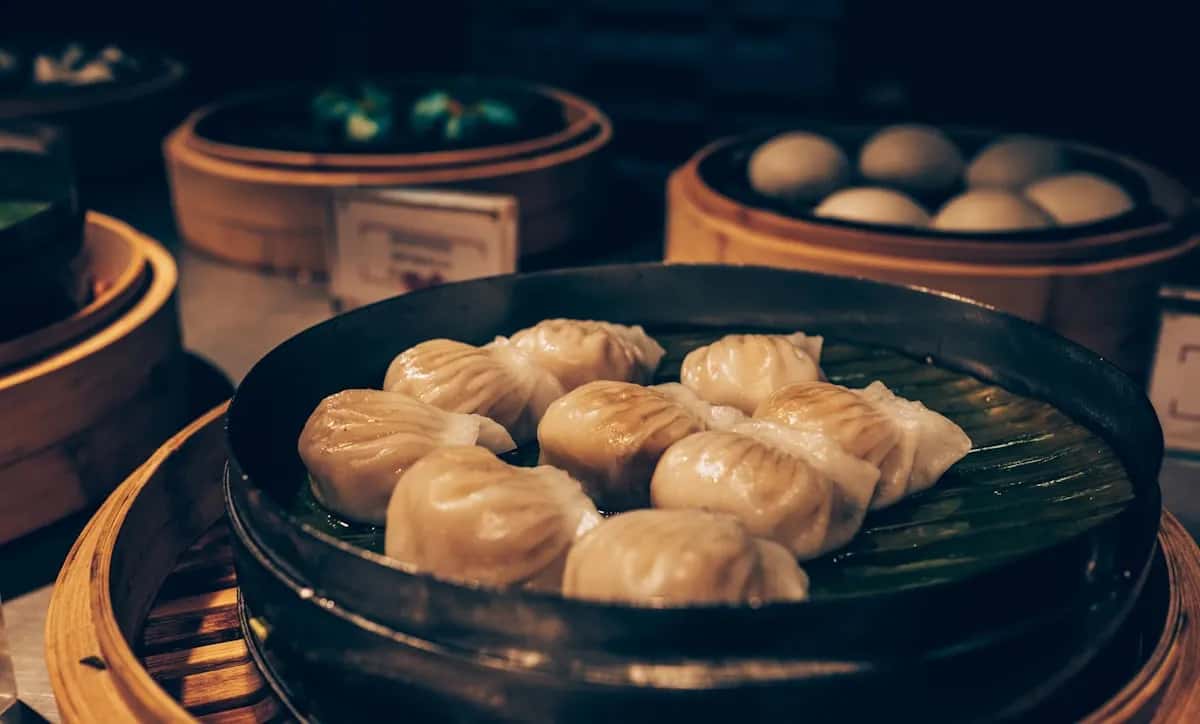
Siomai & Dimsum
Street Food & Snacks
Street Food & Snacks
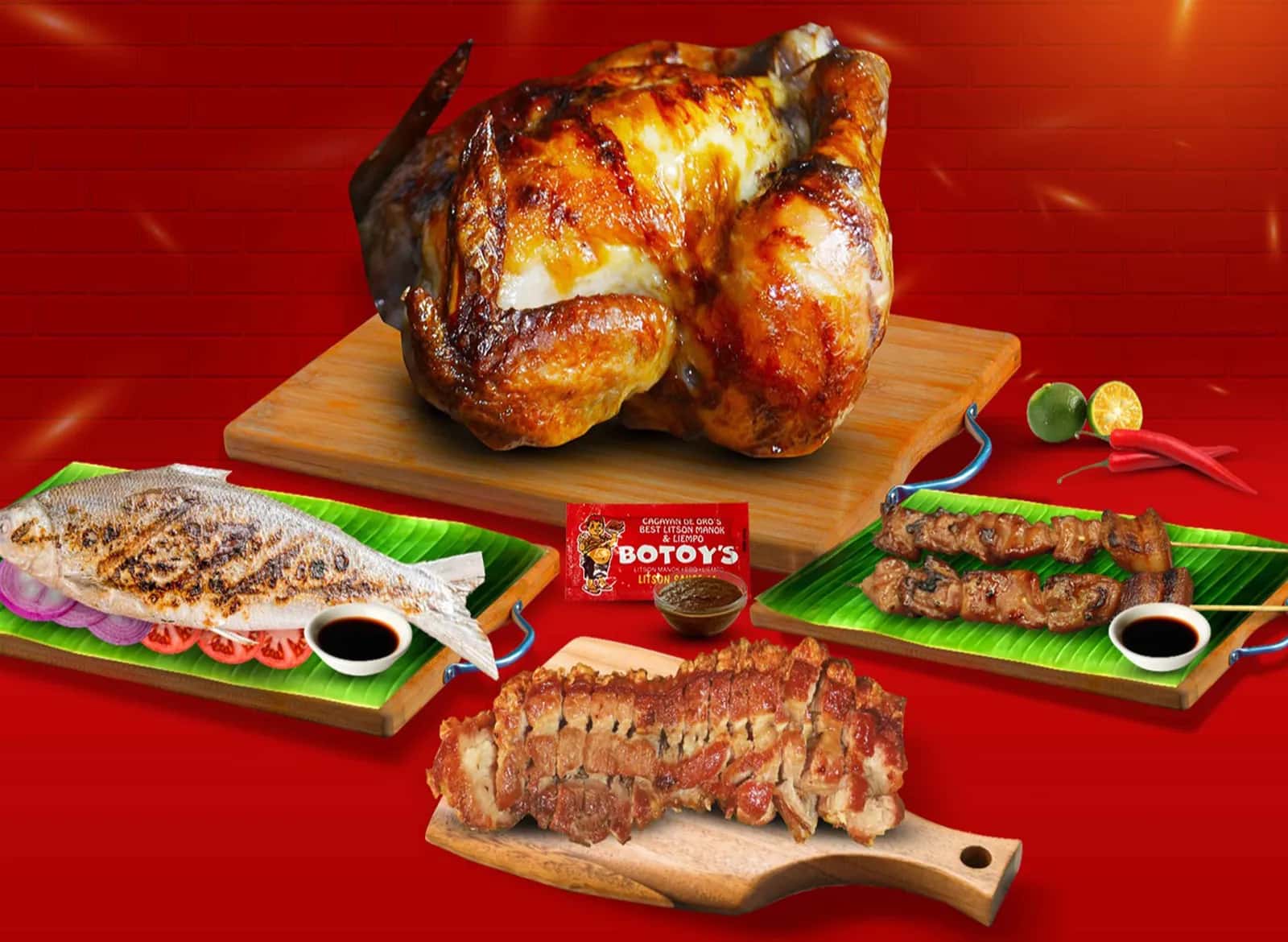
Chicken & BBQ
Food Cart franchises that charge no franchise fee, so more of your money goes into the setup itself.

Filipino Restaurant
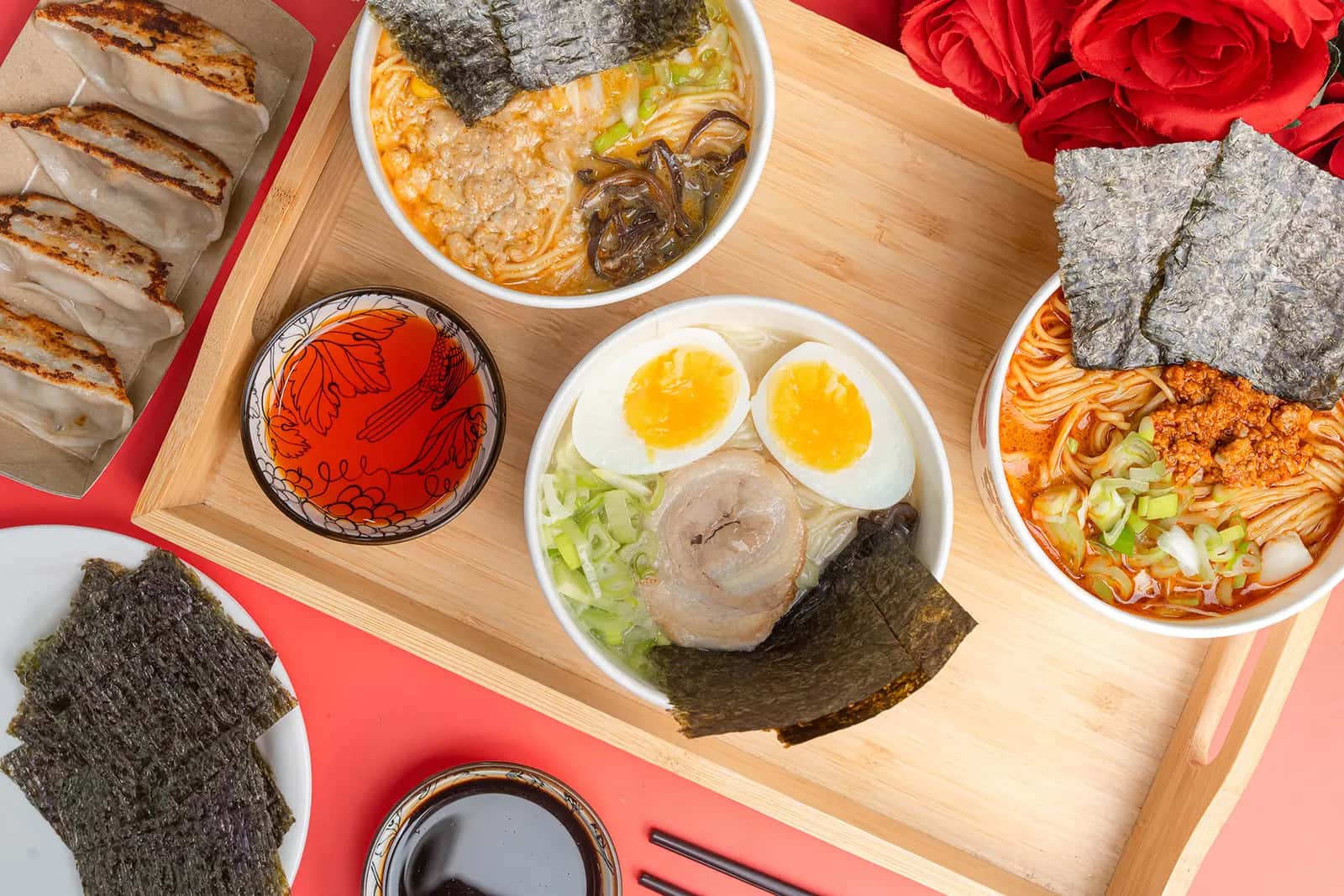
Takoyaki & Japanese Snacks

Ice Cream & Desserts

Retail & Convenience
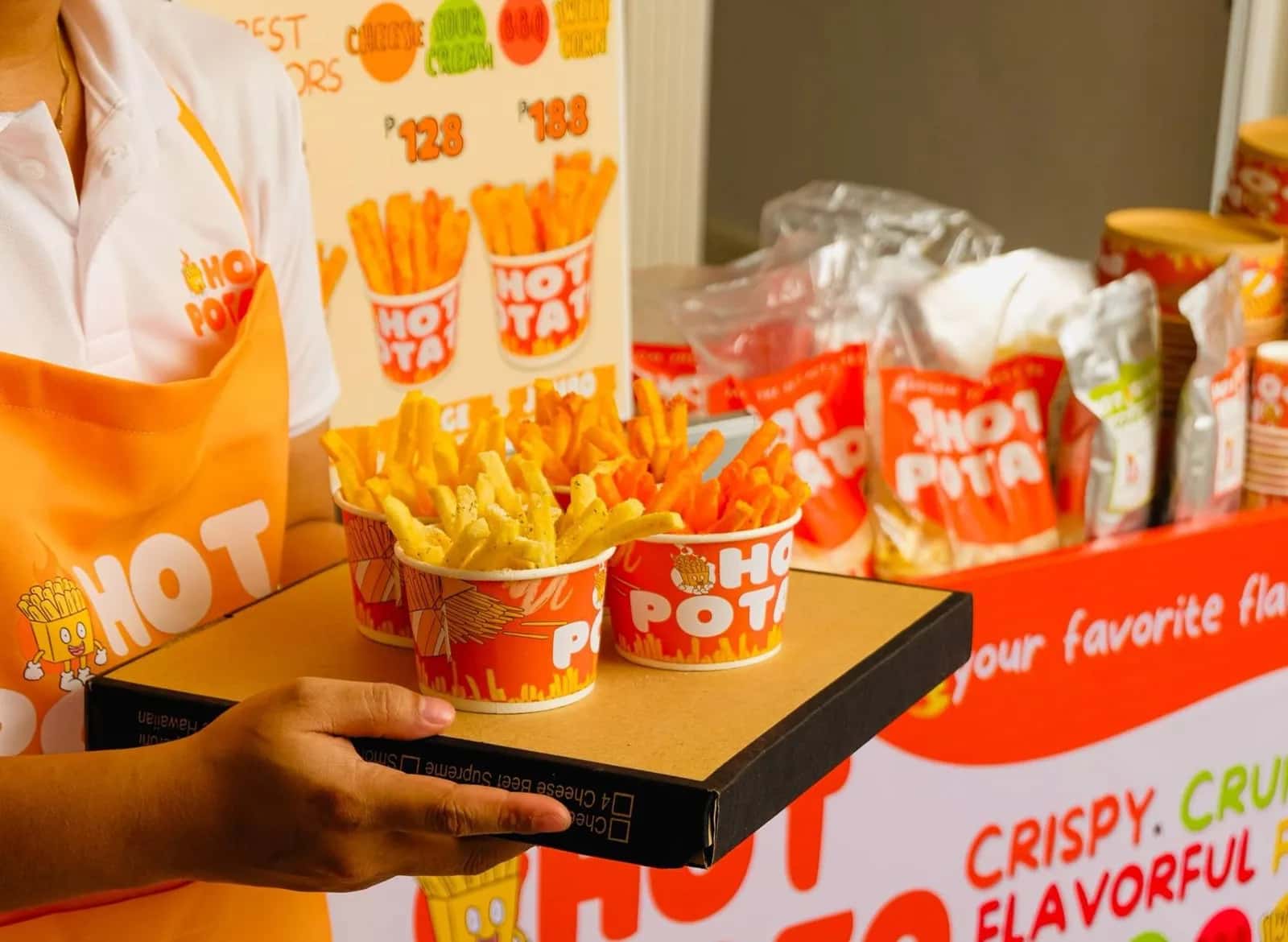
Fries & Potato Snacks
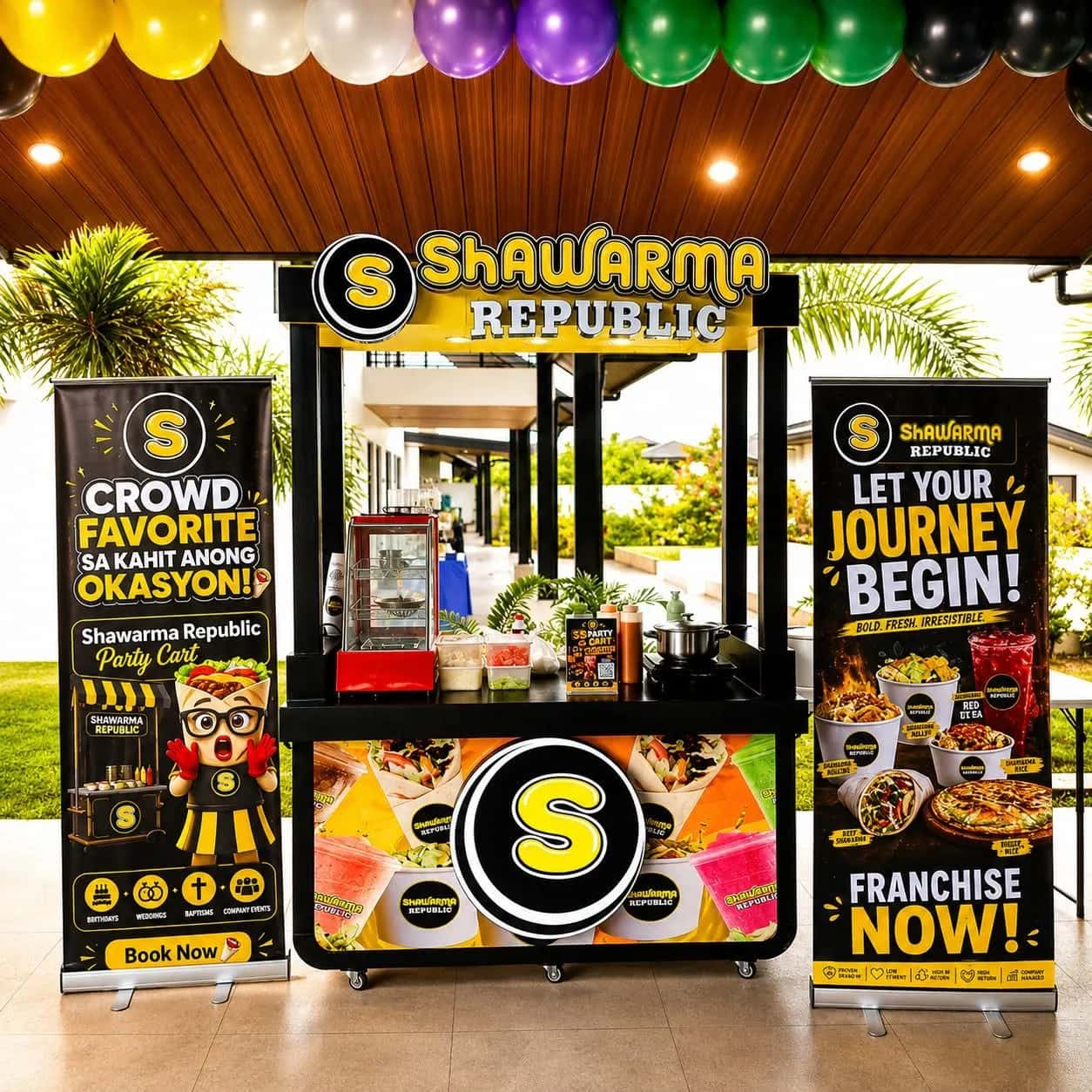
Shawarma
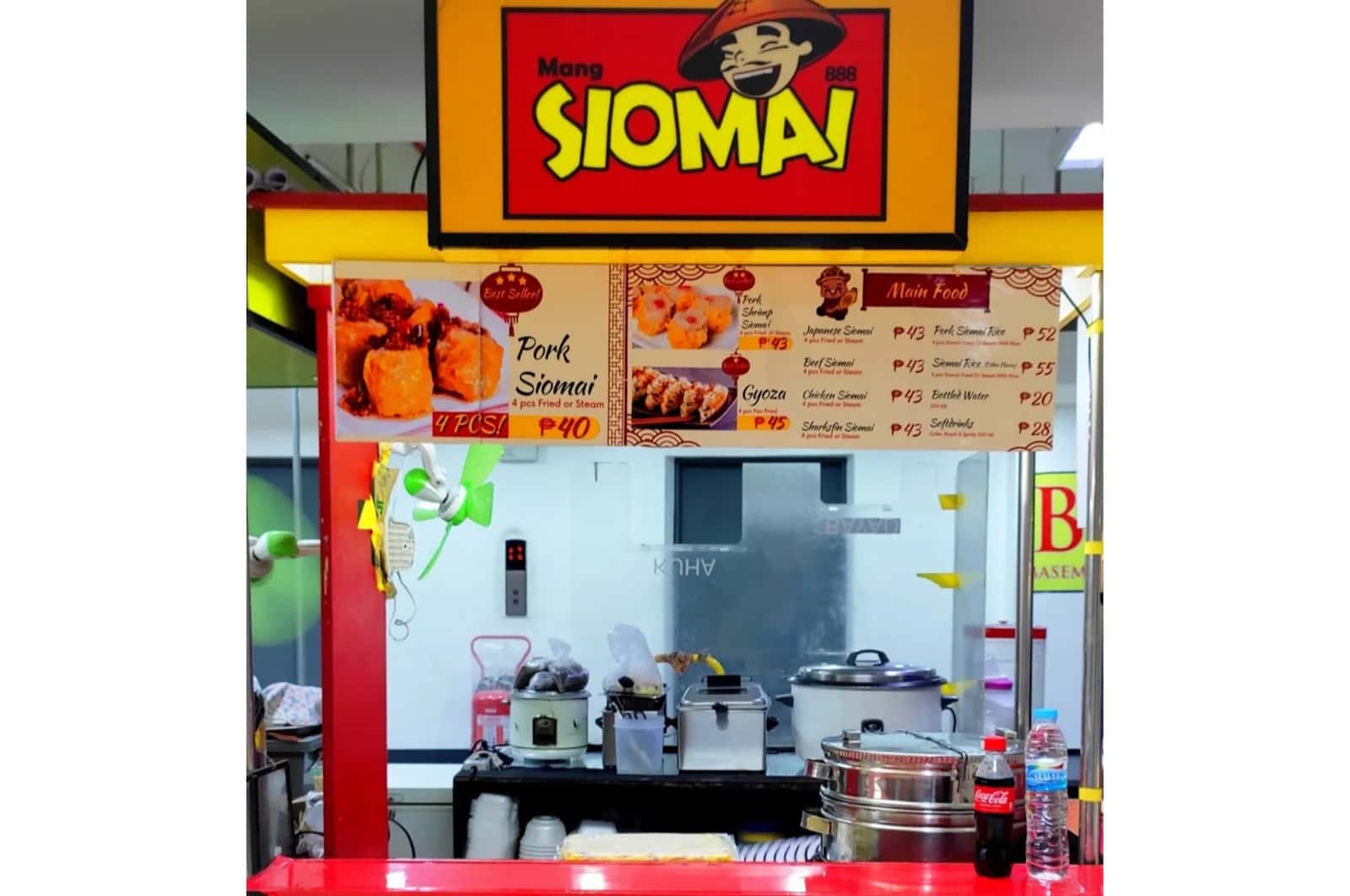
Siomai & Dimsum
Juices & Shakes
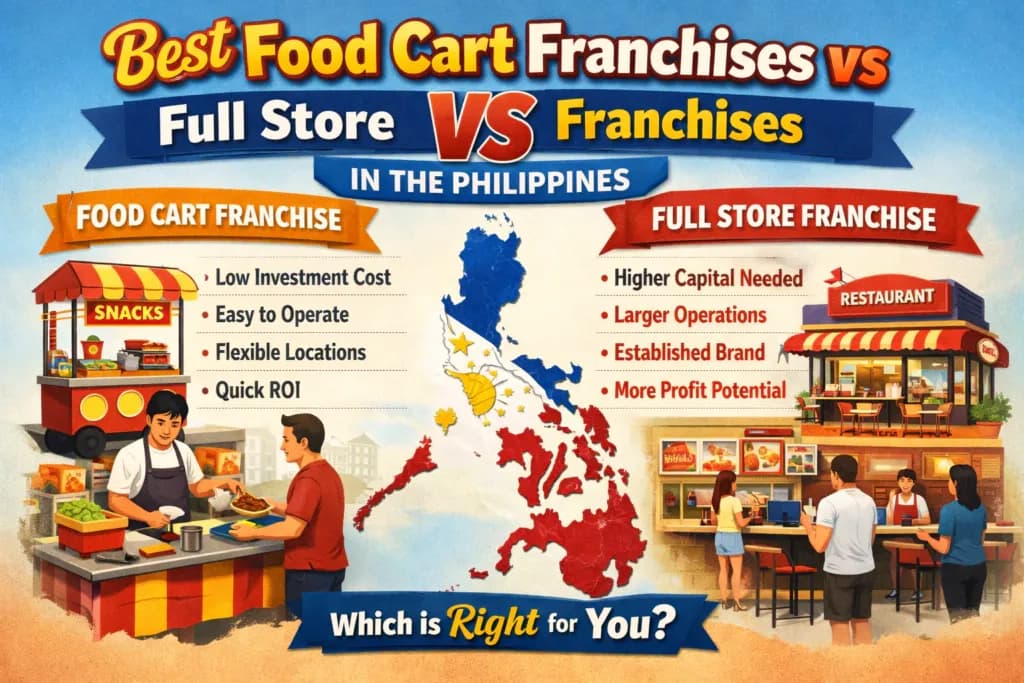
Learn how to choose between a food cart and a kiosk franchise in the Philippines by comparing costs, space, and target locations.
Aug 4, 2026 6 min read

Learn what brand voice covers, why a franchisor guards it so closely, and how to work inside those rules while still sounding like your own neighborhood.
Sep 30, 2026 4 min read
Learn how a franchise owner can collect honest customer reviews by asking at the right moment, making it easy, and handling the bad ones well.
Sep 30, 2026 4 min read