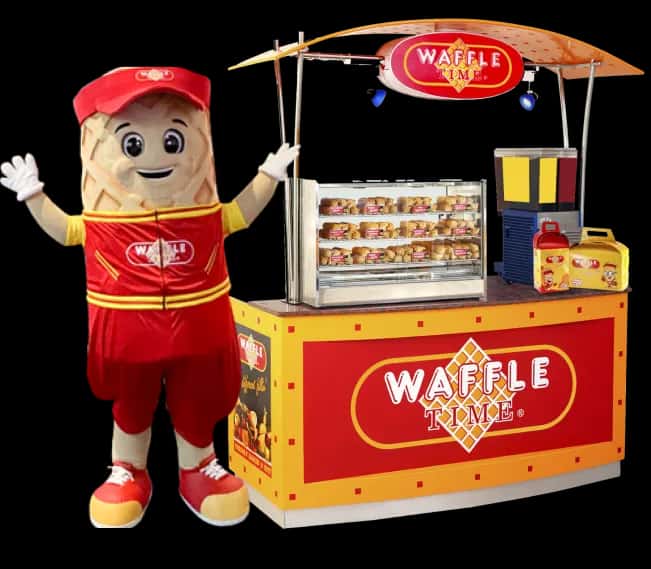
Waffle Time
Waffle Shop
- Franchise fee
- Not disclosed
- Total investment
- From ₱400k
🎁 Start Your 1 Month Free Trial of the Full Plan, Exclusively for Brands & Advisors.Get Started
Browse 236 food cart franchises in Palawan, including 34 affordable franchise brands under ₱100k that pay back in 3 to 10 months, 187 medium-investment franchise brands between ₱100k and ₱1M that pay back in 10 to 18 months, and 10 premium franchise brands above ₱1M that pay back in 18 to 24 months.
Updated
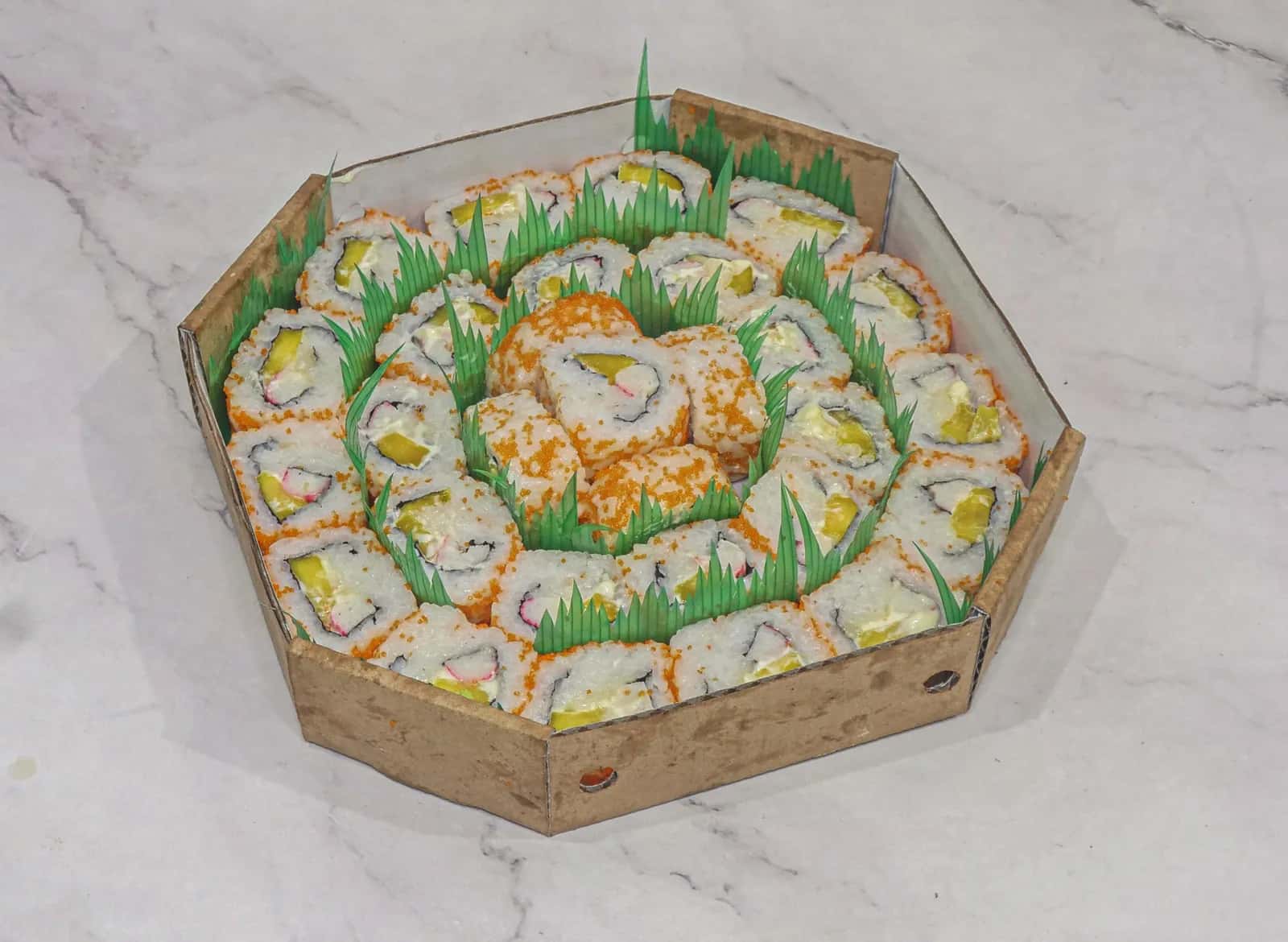
Takoyaki & Japanese Snacks
Showing 24 of 236
Palawan has about 8,686 businesses on the map across its cities and towns, from food and drink to shops, services and clinics. Check what already operates near the spot you have in mind.
Population
1,246,6732020 census
Per 10,000 residents
70businesses we track
Business locations are based on Overture Maps open data (October 21, 2026 release) and do not represent a complete census of all businesses.
A food cart in Palawan already opens from about ₱35,000, with the priciest local builds running past ₱3.8M. A fee anywhere from ₱30,000 to ₱365,000 layers on top of that, and payback ranges from four months to eighteen months, quick by franchise standards generally. Most brands selling a cart here also offer a kiosk version of the same setup, the two formats treated almost as a single choice rather than two separate paths.
Palawan's towns string out along a single highway or cluster around a ferry pier, rather than concentrating the way a mainland city does. A cart fits that layout because it can be sited wherever the day's foot traffic actually gathers, instead of committing to one fixed corner. Everything not grown, caught, or made on the island arrives by boat, which keeps costs for a bigger build higher here than on the mainland and makes the cart's lower overhead more attractive by comparison. A cart also suits a place where the customer base shifts through the year, a steady local trade in the off season, then a heavier mix of travelers once the season picks up. Locally, most brands selling a cart here also offer a kiosk version of the same setup. The choice between the two often comes down to whether a spot has room for a small fixed structure or only space for something that rolls away at closing time. An inline storefront barely registers in the local field, a sign that most operators here choose mobility over a permanent shopfront.
Local entry for a cart in Palawan starts near ₱35,000 for the simplest build and climbs to around ₱3.8M for the most built-out versions, ones carrying refrigeration, signage, and a full cooking setup rather than a simple rig. The fee sits between ₱30,000 and ₱365,000, a range wide enough that it usually tracks with how much training and starter stock the brand bundles in, rather than with the cart's physical size alone. Payback quoted from four months to eighteen months is short even by the standards of a low-cost format. That fits a business with few fixed costs beyond the cart itself and whatever spot fee a market or a barangay charges for the pitch. Nationwide, the same format can ask as little as ₱3,000 to start and as much as ₱7M for a flagship build, with the fee alone reaching ₱1.5M at that extreme. Palawan's own figures sit comfortably within that spread, closer to the accessible end than the flagship one, matching a market built around small, moveable setups rather than large fixed investments.
The first year for a cart in Palawan usually turns on finding the right pitch and then defending it. A good corner near a pier, a market entrance, or a busy stretch of highway does not stay uncontested for long once it proves itself. Early months go toward testing a few locations rather than settling immediately. The cart moves between a daytime spot near office or market foot traffic and an evening one where people gather after work or after a boat comes in. Staffing is usually one or two people, often the operator alongside a helper, since the format's whole design assumes low overhead rather than a shift roster. Weather matters more here than in many places, since a cart with no walls loses a trading day outright when a storm passes through. Island logistics mean restocking can slip by a day or two if a supply boat runs late. By the time the payback window closes, an operator should already know which pitch, which hours, and which season actually carry the business. That knowledge decides whether adding the kiosk version to the same setup makes sense next.
Nationwide, a cart paired with a kiosk version of the same brand appears more often than either format sold alone, and Palawan's own field follows that pattern closely. A franchisee here is rarely locked into one format from day one. Most brands offering the pairing let an operator start with the cheaper cart and add the kiosk build once a pitch proves itself. Locally, a standalone building or an inline storefront rarely appears alongside the cart and kiosk options. Growth here tends to stay inside those two smaller formats rather than climbing toward a full shopfront. Anyone planning to expand past a first cart should ask early whether the brand supports that step, or whether the next move means opening a second cart in a different spot instead.
Now that you've seen what's here, a real advisor can help you shortlist and weigh the options against your budget. Free, at your pace.

Financing Readiness · Site Selection

Low-Capital Startups

Low-Capital Startups · Site Selection

Franchise Agreements · Multi-Unit Expansion
Are you a franchise advisor?Get your own workspace here
Choose an industry to see all of its franchises in Palawan, with their fees and investment ranges.

Carts, kiosks, and full restaurants.
From ₱3k
Konam, Minute Burger, Turks Shawarma
See brands
Coffee, milk tea, and cold drink shops.
From ₱17k
Zagu, Barista Choi, Cha Thai
See brandsGet honest answers on the space, staff and money this setup really needs, free and with no pressure.
Depth usually beats breadth when Palawan lists 236 food cart franchises recruiting. Reading a few listings thoroughly teaches you what to look for, and then the rest become quicker to judge. Start with the one that interests you most, learn what a complete listing contains, and use it as a yardstick for the others. Treat that first listing as a teacher. Skills built on one thorough read speed up everything after.
Gyms, courts and sports centers attract people who want drinks and light snacks, and the food cart franchises in Palawan number 236 for anyone matching a product to that crowd. A cart selling shakes or cold drinks may fit there better than one selling fried food. Crowds arrive in waves around games, leagues and class schedules, so sales often bunch up in the evenings and on weekends. Ask the facility manager for its busiest schedule and whether a vendor already holds the right to sell food on the premises.
Opening day needs cash in the drawer as well as stock on the shelf, and that money sits outside the starting figure of ₱3k for a food cart franchise in Palawan, or the ₱50k to ₱600k most owners spend. A change fund for customers, petty cash for small purchases and money for your first utility bills all have to be ready before the first sale. Ask an existing franchisee how much loose cash they kept on hand in the first weeks. Set that amount aside in a separate envelope or account so it never gets mixed with the setup budget.
Name recognition explains part of why food cart franchises around Palawan ask ₱40k to ₱329k as a fee. A well known name can draw customers from the first day, which is why some franchisors price higher. Ask how many people in your area already know the name, and compare that with the fee, so you pay for recognition that really exists where you plan to open.
Your own management skills will influence whether a food cart franchise in Palawan recovers within the quoted 6 to 18 months. Even a good franchise can struggle under an owner who does not track cash, check inventory or follow up with staff. Be honest about what you already know and what you need to learn. Taking a short course in basic bookkeeping or small business management before opening can help you avoid mistakes that cost months.
Technically yes, but if you have no one at home you fully trust, waiting may be the wiser choice before opening a food cart franchise in Palawan. A franchise run by someone you doubt will keep you anxious and checking constantly, which defeats the purpose of owning a business back home. Use the time to save, learn the business and build relationships, then revisit the idea when the right person is ready.
Opening a food cart franchise in Palawan calls for DTI or SEC registration, a barangay clearance, a mayor's or business permit and BIR registration, plus fire and sanitary permits where they apply. Keep in mind that local permits are renewed, commonly early each year, so this is a recurring task rather than a single errand. Put renewal reminders in your calendar as soon as your permits are released so the deadline never sneaks up on you.
Earnings for a food cart franchise in Palawan depend on local sales and costs, which means figures from other cities or provinces only tell part of the story. Still, if there are few units near you, it helps to talk with franchisees elsewhere and learn how their sales and expenses break down. Then adjust their numbers for the rent, wages and customer traffic you would face in Palawan, since those local factors can shift the result a great deal.
Customer profile matching is a service worth asking about for food carts in Palawan. Ask whether the franchisor will judge your candidate spots against the kind of customers their strongest outlets serve, instead of only approving by size and rent. A franchisor with a clear customer profile can tell you quickly why a spot fits or does not. One without it can only react to what you bring, and its answer shows how much experience sits behind its site advice.
Compare how many franchises run as each kind of setup in Palawan, from food carts to full standalone stores.
Compare how many food cart franchises take franchisees in each place.
The food cart franchises with the smallest published starting packages, a good place to look if you want to start small.

Ice Cream & Desserts

Chicken & BBQ
Korean Street Food
Korean Street Food

Cakes & Pastries

Milk Tea & Boba

Takoyaki & Japanese Snacks
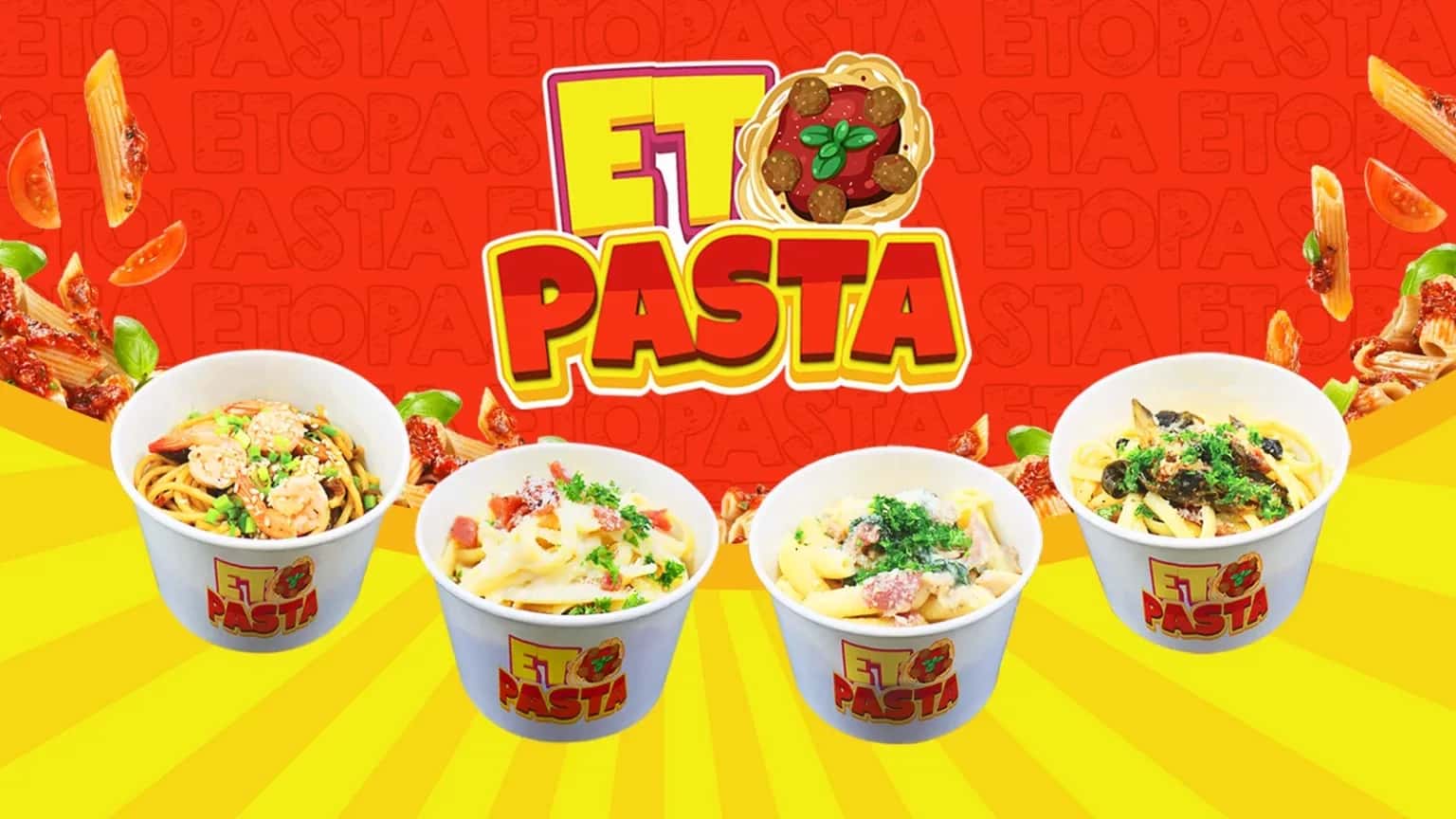
Pizza & Pasta
The food cart franchises whose franchisors quote the shortest time to earn back the investment, worth checking against your own costs.

Juices & Shakes
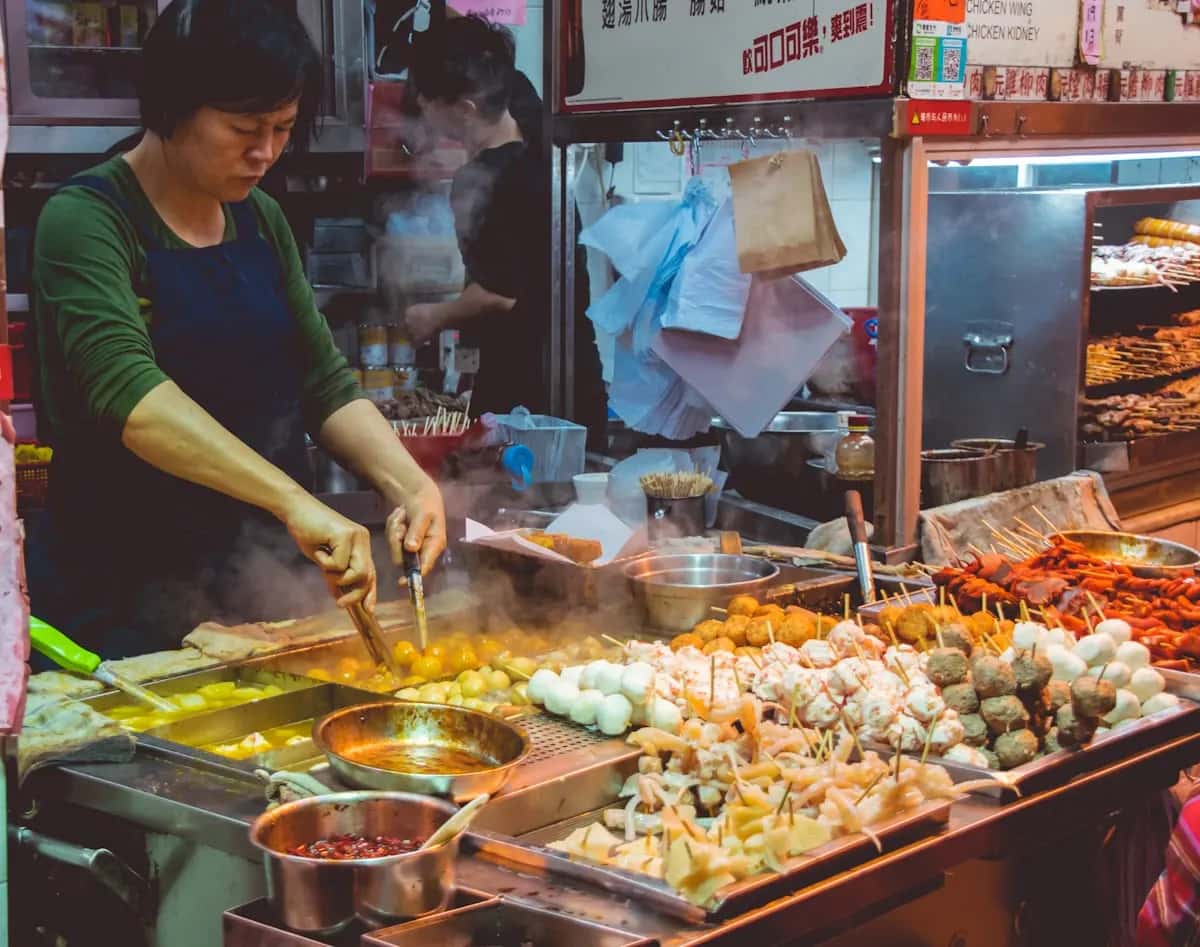
Street Food & Snacks
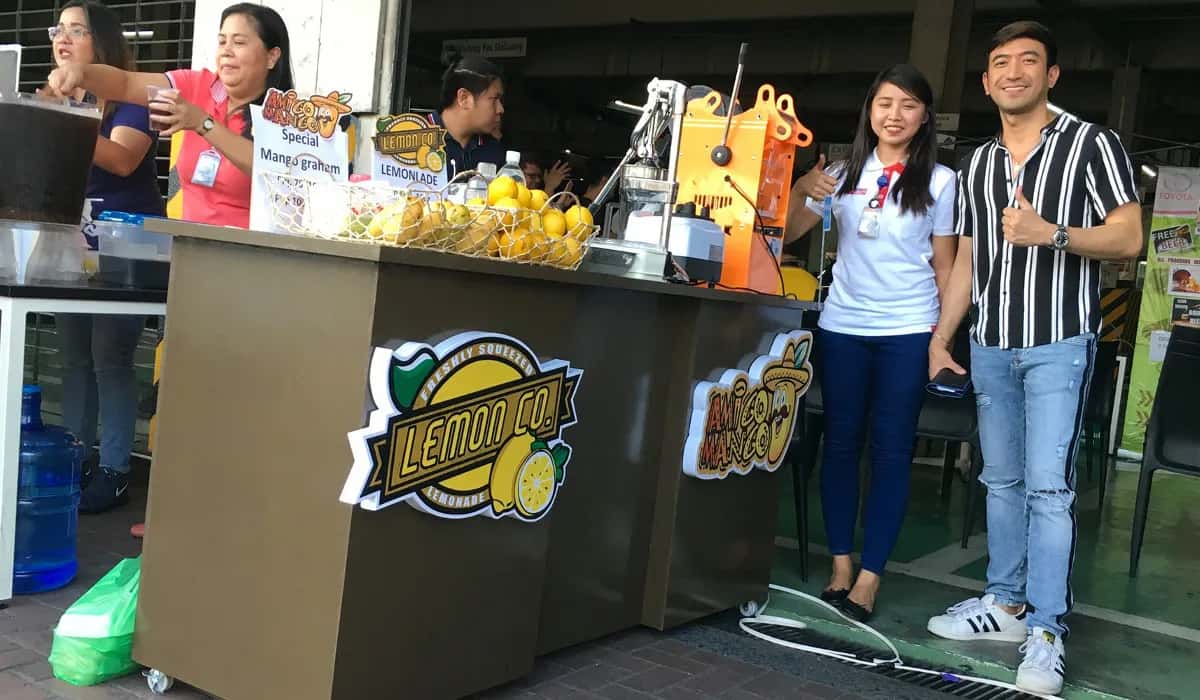
Waffle Shop
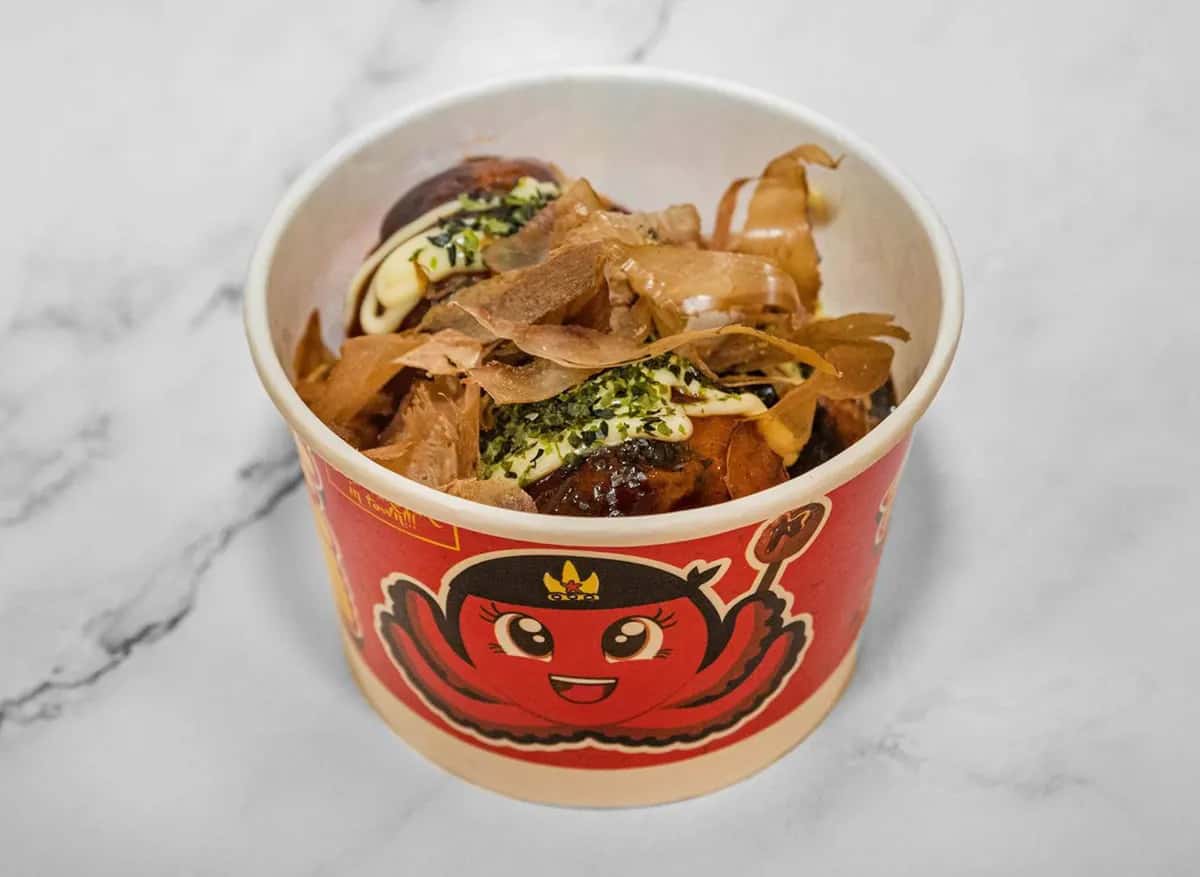
Takoyaki & Japanese Snacks
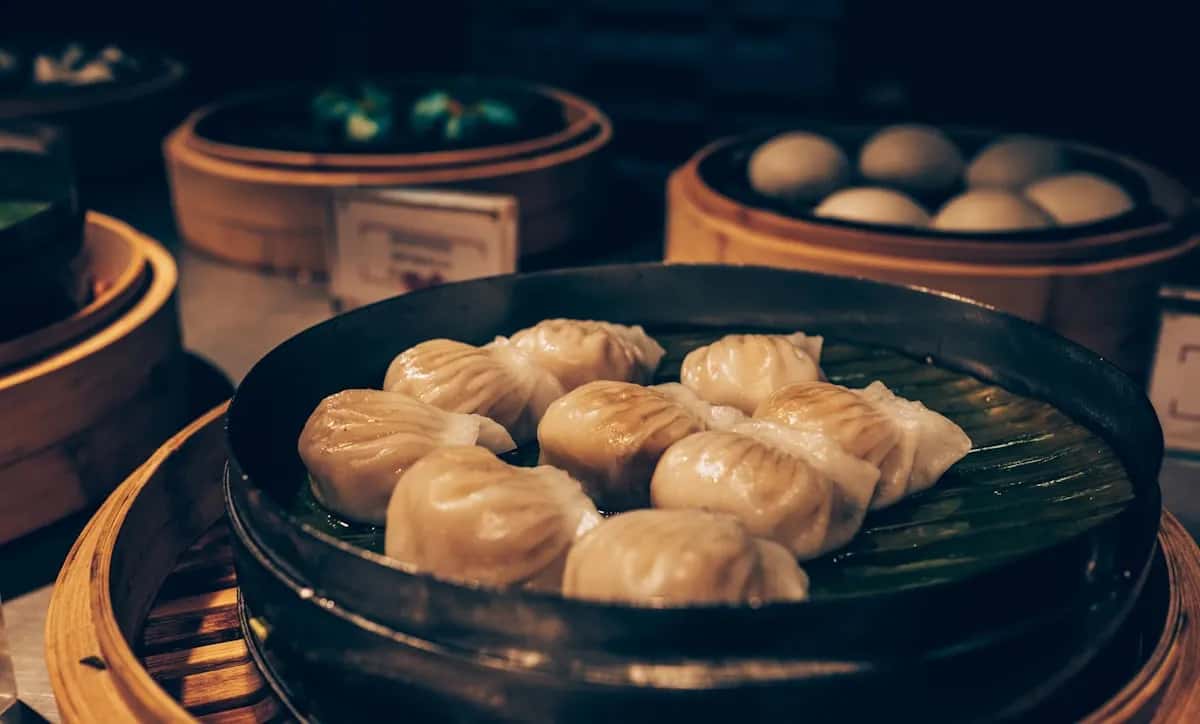
Siomai & Dimsum
Street Food & Snacks
Street Food & Snacks
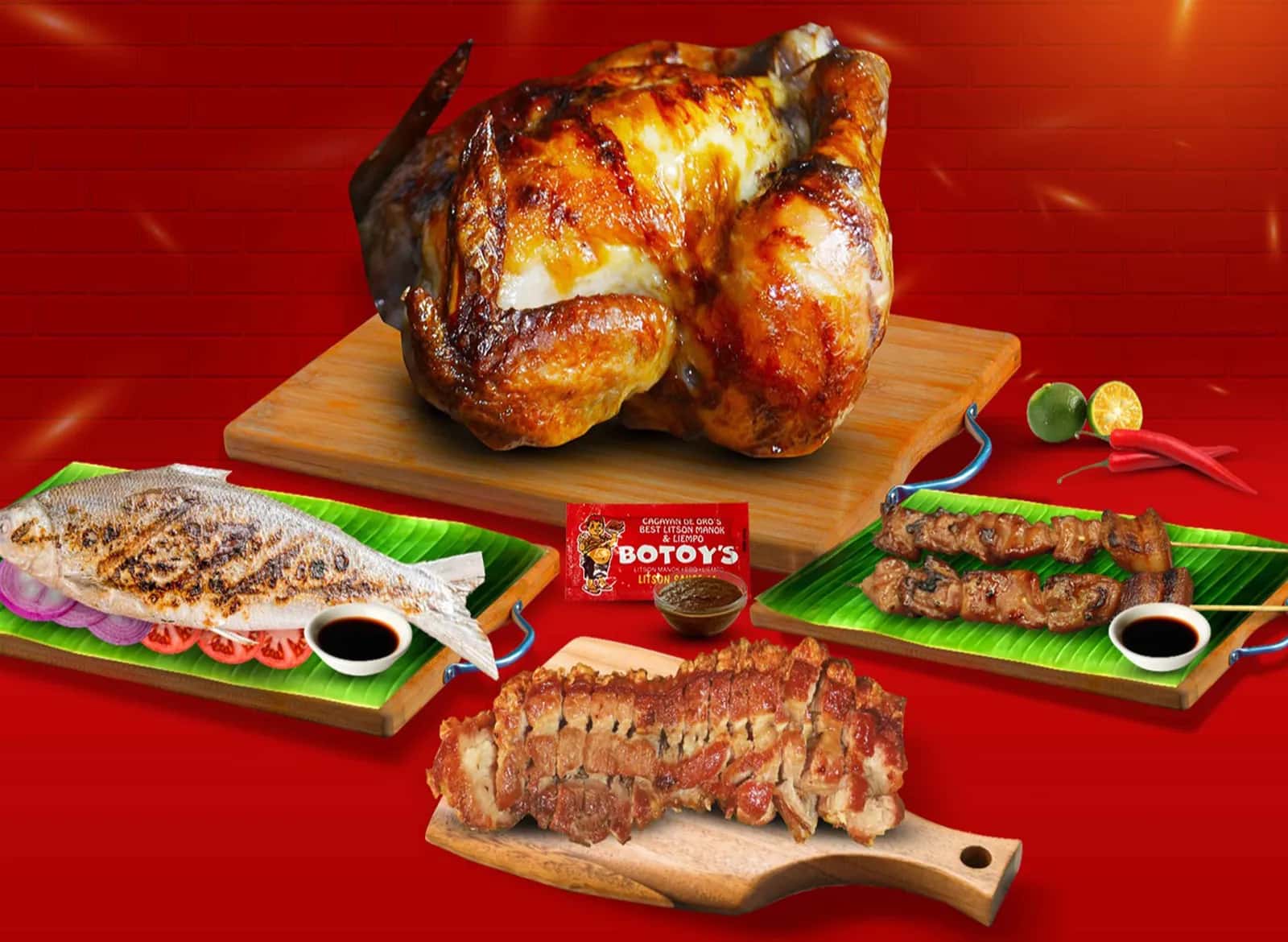
Chicken & BBQ
Food Cart franchises that charge no franchise fee, so more of your money goes into the setup itself.

Filipino Restaurant
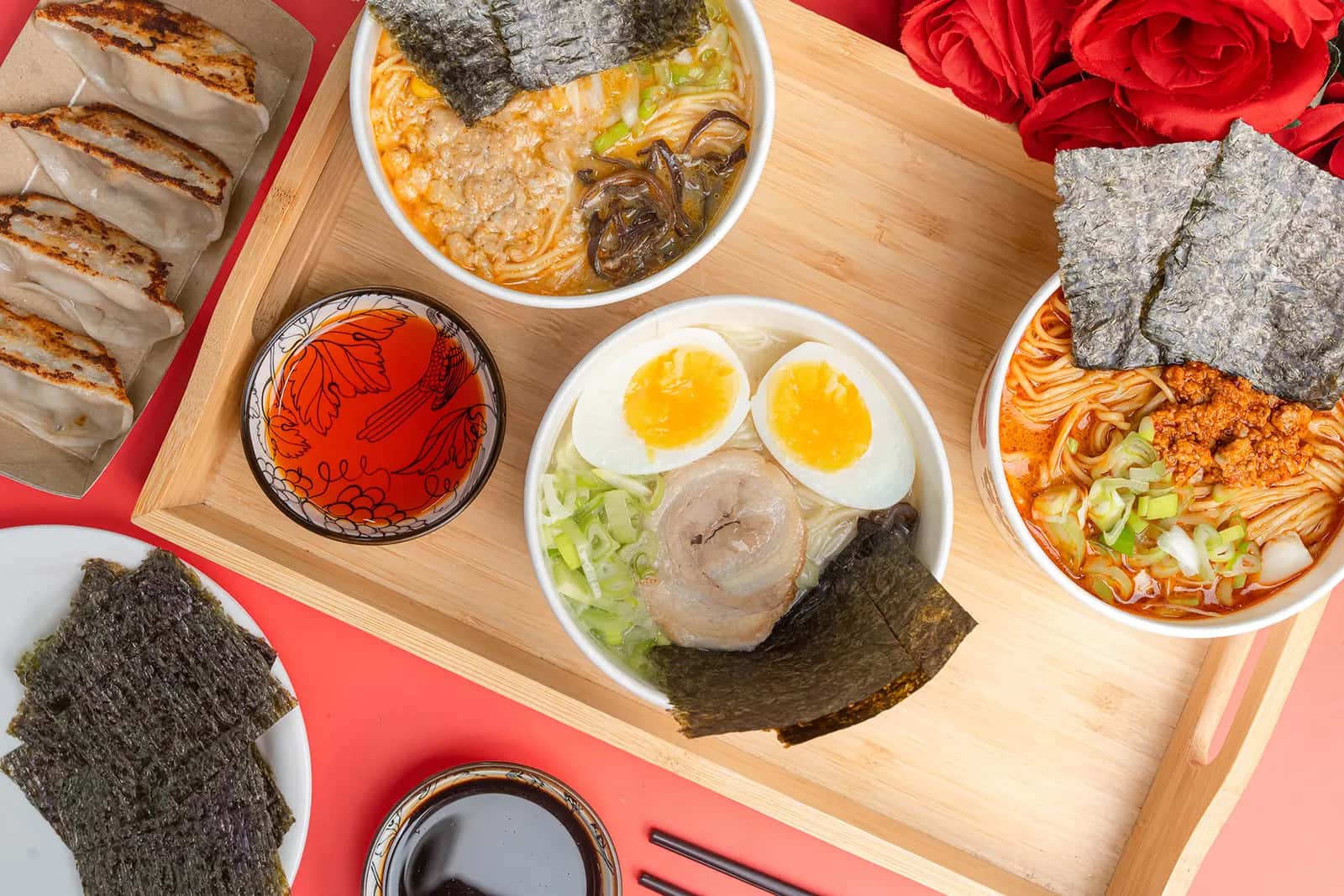
Takoyaki & Japanese Snacks

Ice Cream & Desserts

Retail & Convenience
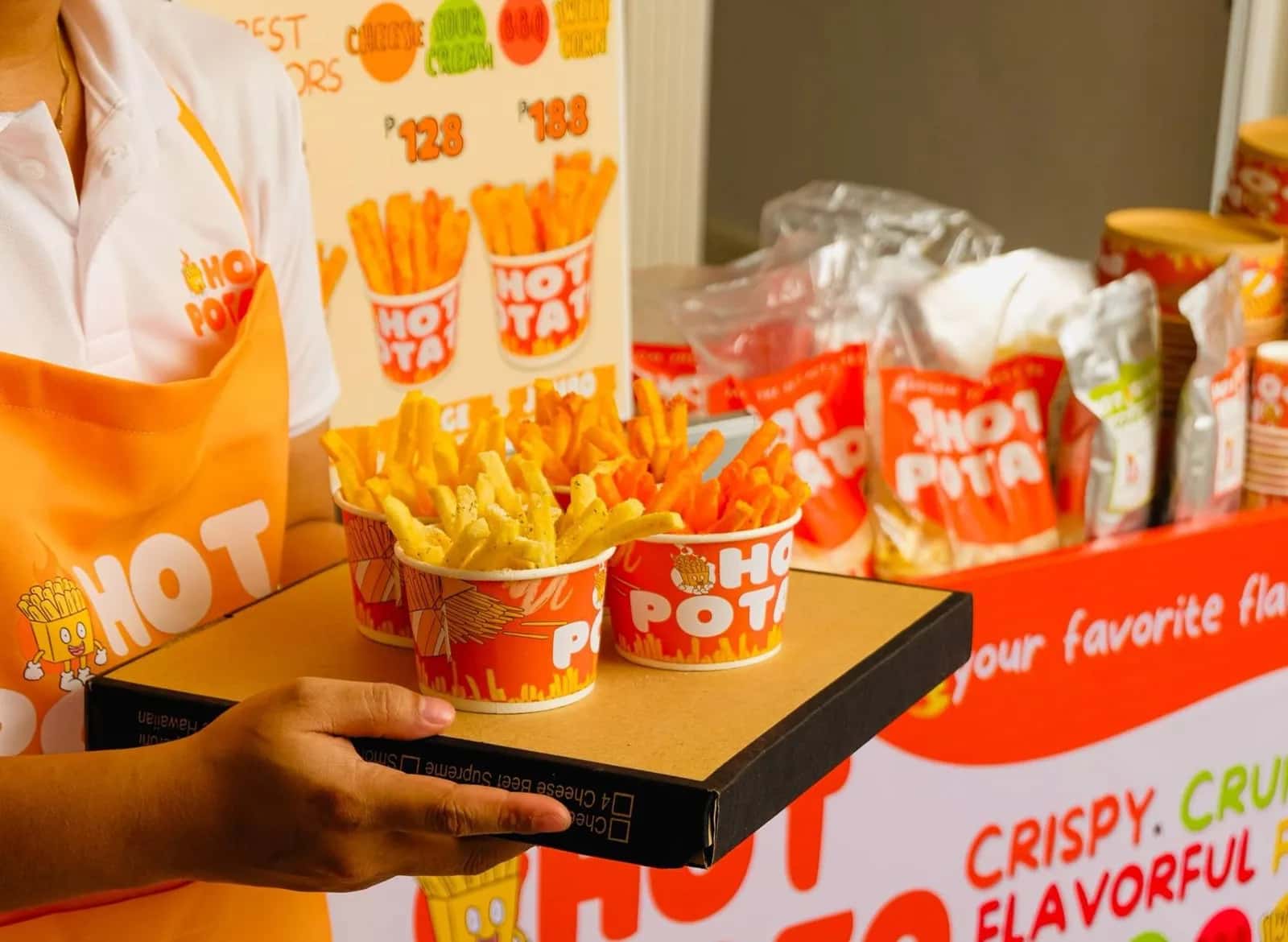
Fries & Potato Snacks
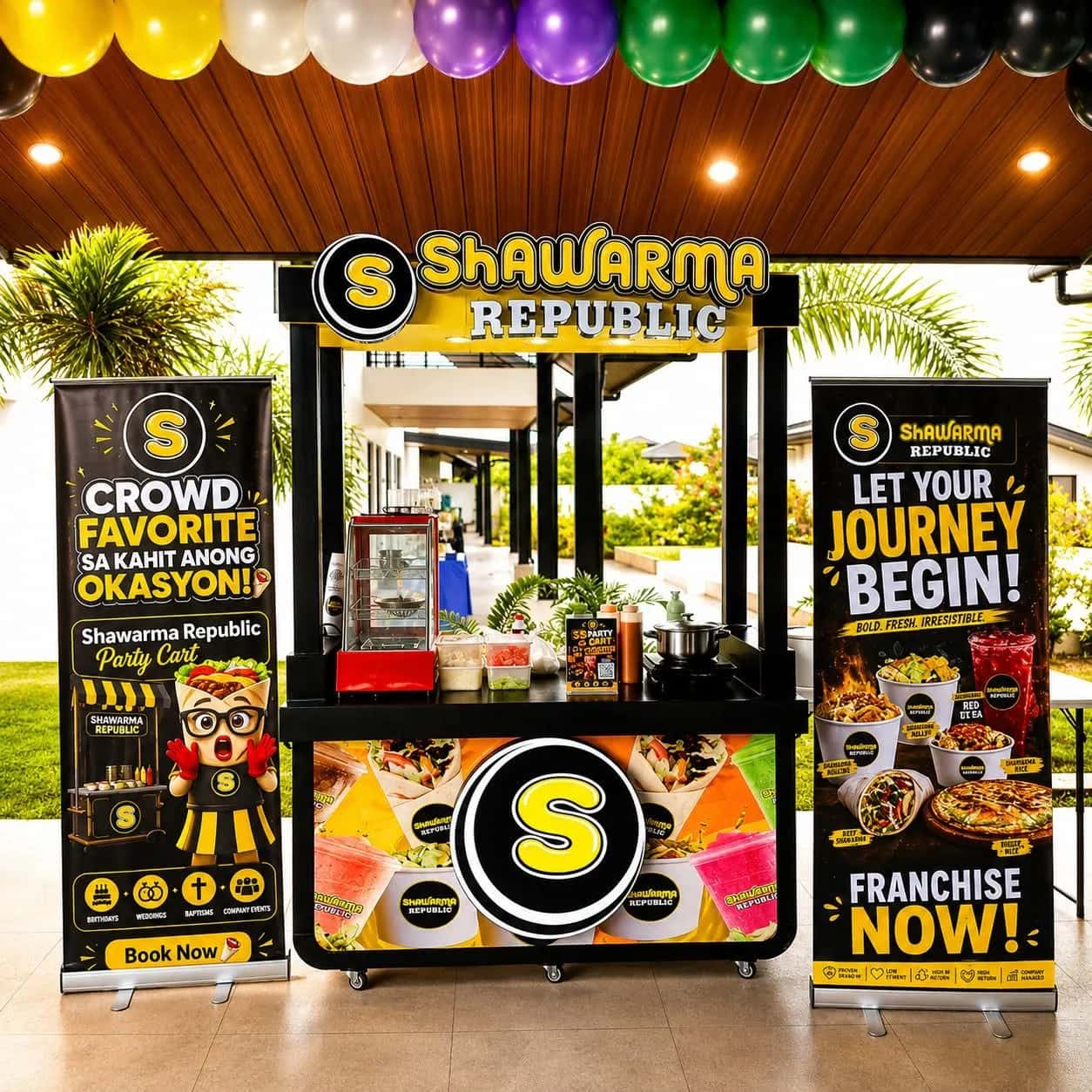
Shawarma
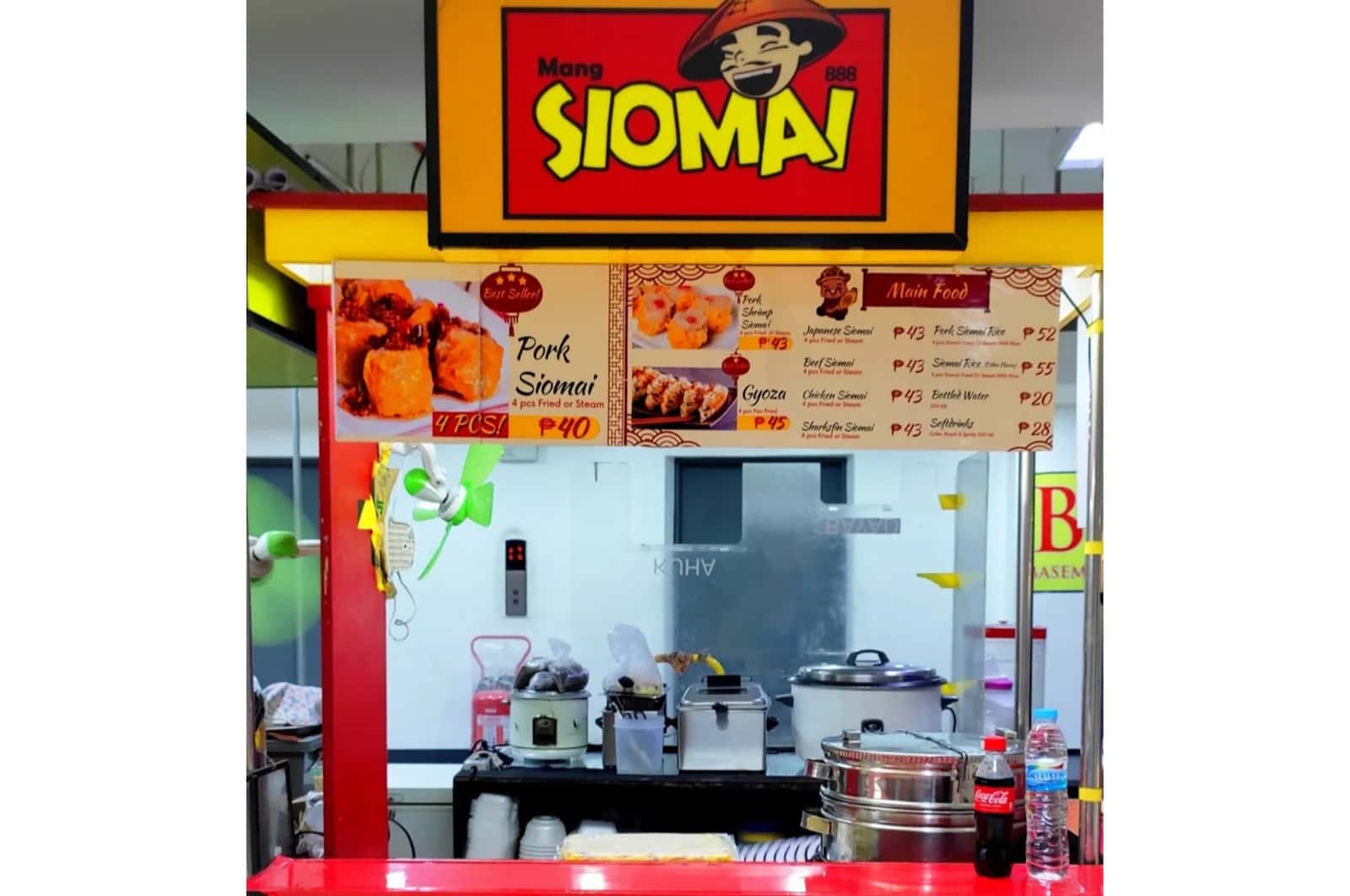
Siomai & Dimsum
Juices & Shakes
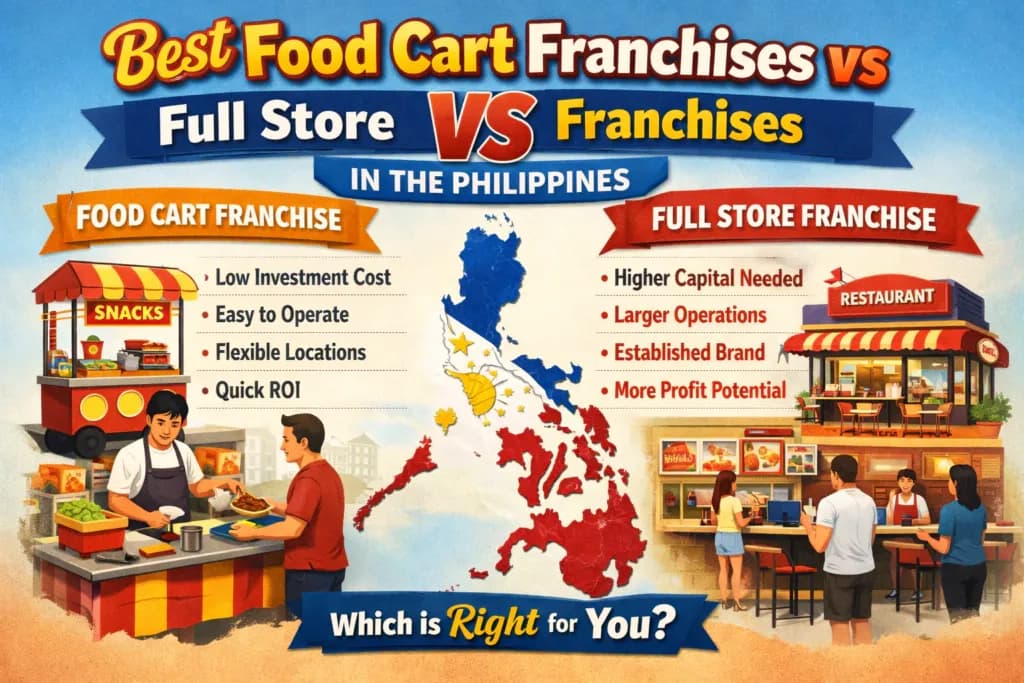
Learn how to choose between a food cart and a kiosk franchise in the Philippines by comparing costs, space, and target locations.
Aug 4, 2026 6 min read

Learn what brand voice covers, why a franchisor guards it so closely, and how to work inside those rules while still sounding like your own neighborhood.
Sep 30, 2026 4 min read
Learn how a franchise owner can collect honest customer reviews by asking at the right moment, making it easy, and handling the bad ones well.
Sep 30, 2026 4 min read