Partyshots Photobooth
Business Services
- Franchise fee
- ₱50k
- Total investment
- ₱250k–₱400k
🎁 Start Your 1 Month Free Trial of the Full Plan, Exclusively for Brands & Advisors.Get Started
Browse 13 mobile unit franchises in Palawan, including 2 affordable franchise brands under ₱100k that pay back in about 3 months, 6 medium-investment franchise brands between ₱100k and ₱1M that pay back in 12 to 18 months, and 4 premium franchise brands above ₱1M that pay back in 24 to 36 months.
Updated

Cleaning & Pest Control
Cleaning & Pest Control
Palawan has about 8,686 businesses on the map across its cities and towns, from food and drink to shops, services and clinics. Check what already operates near the spot you have in mind.
Population
1,246,6732020 census
Per 10,000 residents
70businesses we track
Business locations are based on Overture Maps open data (October 21, 2026 release) and do not represent a complete census of all businesses.
A payback of about a year is what the local mobile-unit system quotes in Palawan, an island province so long and narrow that a vehicle can follow the customers instead of waiting for them. Start-up costs run from around ₱250,000 to ₱400,000. The fee is near ₱50,000, and the work is shaped by tourist towns, fishing communities and the long roads that connect them.
At the lower end of the local range, near ₱250,000, the money buys a smaller or second-hand vehicle with only the equipment the trade needs on day one. Toward ₱400,000 it pays for a newer vehicle, a fuller fit-out and stronger branding. The fee is a modest share of either build, which leaves most of the budget for the vehicle itself. Nationwide, mobile units start under ₱18,000 for the lightest carts on wheels and reach ₱25M for the largest builds, so the local range is a practical middle. Deciding how much to spend usually comes down to how far the vehicle will travel and how many hours it will trade. A unit that covers long distances needs a sturdier engine and a bigger cushion for repairs than one that works a single town. Insurance, licences and a repair fund belong on top of the starting figure, and an owner who sets those aside before ordering the vehicle avoids a tight first quarter.
Palawan stretches across a long, narrow island and a chain of smaller ones, with towns separated by hours of road and sea. Resorts and hotels along the tourist coast fill with guests who want food, drinks and services on the move, and travellers heading between towns are customers who cannot walk to a shop. Fishing communities gather at landing sites at dawn and dusk, markets fill early in the day, and the provincial city holds crowds around schools and offices. A fixed counter serves just one of those groups, while a vehicle can visit several in the same week. Because few franchised outlets have reached the smaller towns, a recognised name arriving on wheels can build loyalty quickly and face little direct competition on its route. Holiday weeks and the dry season bring the largest crowds, so the owner who prepares extra stock and a second helper for those dates earns a good part of the year in a few busy stretches.
A week on the road in Palawan is planned around distance, heat and rain. Fuel is the biggest running cost after stock, so each day's stops should be clustered to avoid empty kilometres. Mornings suit fishing landings and markets, midday suits offices and school areas, and evenings suit the tourist strips when the sun drops. Water, power and a place to clean the unit matter more here than in a city, so the owner should know where each can be found before the first trip. During the rainy months some roads slow down and outdoor trade thins, which is why a covered fallback spot is worth arranging. A logbook of fuel, sales and stops shows within weeks which parts of the route earn their place and which should be dropped. Quiet days are useful for servicing the vehicle, counting stock and calling suppliers, so the busy hours stay free for customers.
Standalone buildings are the rarest companion among mobile-unit systems, offered by about one in twelve, so an owner rarely ends up holding a full building. Inline stores are the most common addition, with kiosks close behind, and both can anchor the best stop on the route once it proves itself. The local system is offered only as a mobile unit, so a second outlet would be a fresh decision with the franchisor, with its own fee and payback. Growing this way keeps the early risk small, because the vehicle shows which town and which hours pay best before any lease is signed. A small storage room or a rented corner near the provincial city can serve as the base where stock is prepared and the vehicle is loaded each morning. A payback quoted at a year assumes the vehicle trades on most days, so the extra outlet should wait until the routine is steady and the reserves are rebuilt.
Now that you've seen what's here, a real advisor can help you shortlist and weigh the options against your budget. Free, at your pace.

Financing Readiness · Site Selection

Low-Capital Startups · Site Selection

Low-Capital Startups

Franchise Agreements · Multi-Unit Expansion
Are you a franchise advisor?Get your own workspace here
Choose an industry to see all of its franchises in Palawan, with their fees and investment ranges.
Get honest answers on the space, staff and money this setup really needs, free and with no pressure.
Reading reviews and comments people post about local units can give you a buyer's view, and Palawan has 13 franchises offering a mobile setup. Complaints about late arrival, inconsistent taste or rude service show what the setup struggles with. Search local community pages for mentions of mobile sellers in your area, and note what customers praise and what they criticize.
Signing up for one of the mobile unit franchises in Palawan means a franchise fee somewhere from ₱32k to ₱1.3M, and some franchisors first ask for a reservation deposit. That deposit may hold your slot or your preferred area while you finish saving, which can be useful if your money is not all ready yet. Ask whether the deposit is credited in full toward the fee and what happens to it if you decide not to proceed, and make sure the receipt for it names the company.
Equipment has a working life, and it should outlast the 12 to 24 months payback that franchisors quote for mobile units in Palawan. If freezers, grills or machines wear out before you have recovered your money, you face a second large purchase while still catching up. Ask the franchisor how long their standard equipment usually lasts in daily use and when replacements tend to be needed. Matching that lifespan against the payback range shows whether your equipment will carry you past recovery.
Either you or a relative can be the registered owner of a mobile unit franchise in Palawan, so being abroad is no barrier. Each choice has consequences for who signs permits, who files taxes and who legally owns the outlet if the family situation changes. Talk this through with your relatives and a local accountant before you register with DTI, because changing the owner of record later takes real effort.
Repayment projections give a lender confidence when you seek money for a mobile unit franchise in Palawan. Build them from conservative sales figures rather than hopeful ones, and show the monthly loan payment set against that income. Test the plan by cutting expected sales noticeably. If repayments still work, tell the lender so, and if they do not, reduce the loan amount or raise more of the money yourself.
Stages like permits and fit-out tend to dominate the timeline for a mobile unit franchise in Palawan, because they involve outside parties and physical work. The application and contract stages are mostly paperwork and depend more on how quickly you and the franchisor respond. Keep your phone and email close during those early stages and reply promptly, since a slow answer from your side adds waiting that is entirely avoidable.
Gross margin is the heart of the matter, so ask the franchisor what share of each sale at a mobile unit in Palawan typically goes to supplies, royalties and other costs. Their figures should come from actual branches, not just a model. Ask how those margins change when supply prices rise, and whether you are allowed to adjust your selling price in response, because a margin you cannot protect is a margin you could lose.
Staff uniforms, grooming and conduct standards are often part of the training for a mobile unit franchise in Palawan, sitting alongside operations, products and systems. These details shape how customers see the franchise. Ask whether the franchisor provides a staff handbook covering conduct and discipline, and whether it fits Philippine labor rules so you can apply it to your crew without legal trouble.
Paperwork quality is a fair way to separate franchisors. Ask each mobile unit franchisor in Palawan whether they issue official receipts for royalties and supplies, because you need them for your BIR records. Franchisors that issue proper receipts make your bookkeeping simpler. Note how each one answers, and consider asking a bookkeeper how every option would look at tax time. Tidy documents before you sign often point to tidy support after.
Where your money goes says a lot about who you are dealing with. A genuine franchisor will ask you to pay into a bank account under the registered company's name and will issue an official receipt registered with the BIR. Requests to send the reservation fee to a personal account, an e-wallet under someone's own name, or a relative of the owner should end the conversation. Confirm the payment details in writing before you transfer anything for your mobile unit in Palawan.
Compare how many franchises run as each kind of setup in Palawan, from food carts to full standalone stores.
Compare how many mobile unit franchises take franchisees in each place.
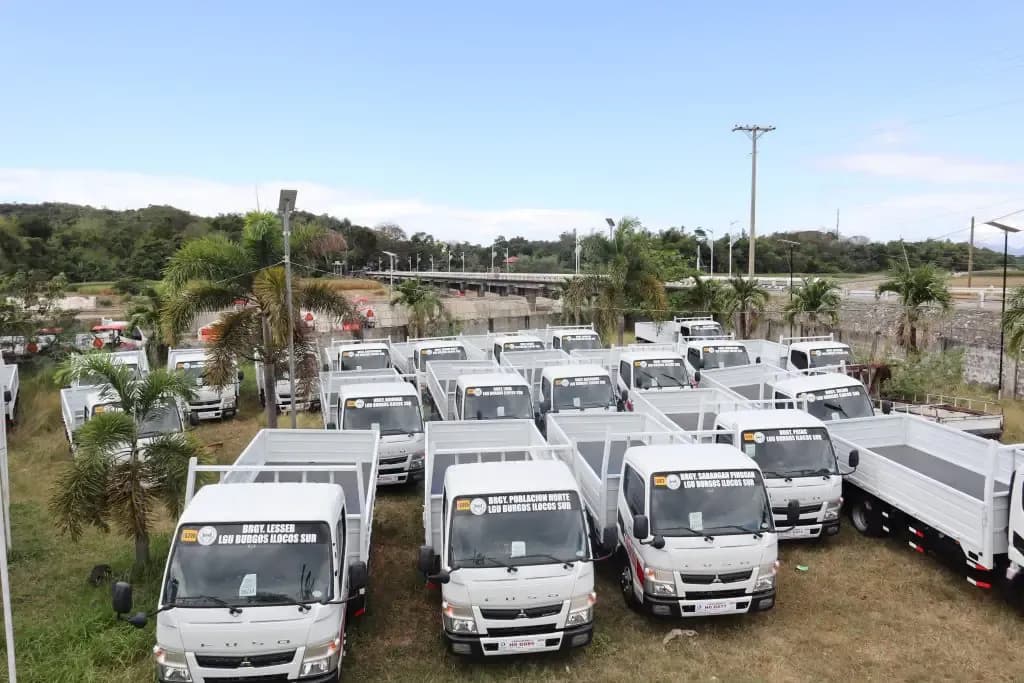
Learn the daily realities, routines, and operational demands of running a mobile franchise unit in the Philippines.
Aug 4, 2026 6 min read

Don't fall for high store counts. Learn why top franchise numbers don't guarantee profit and how to find the best business for you.
Jul 24, 2026 5 min read
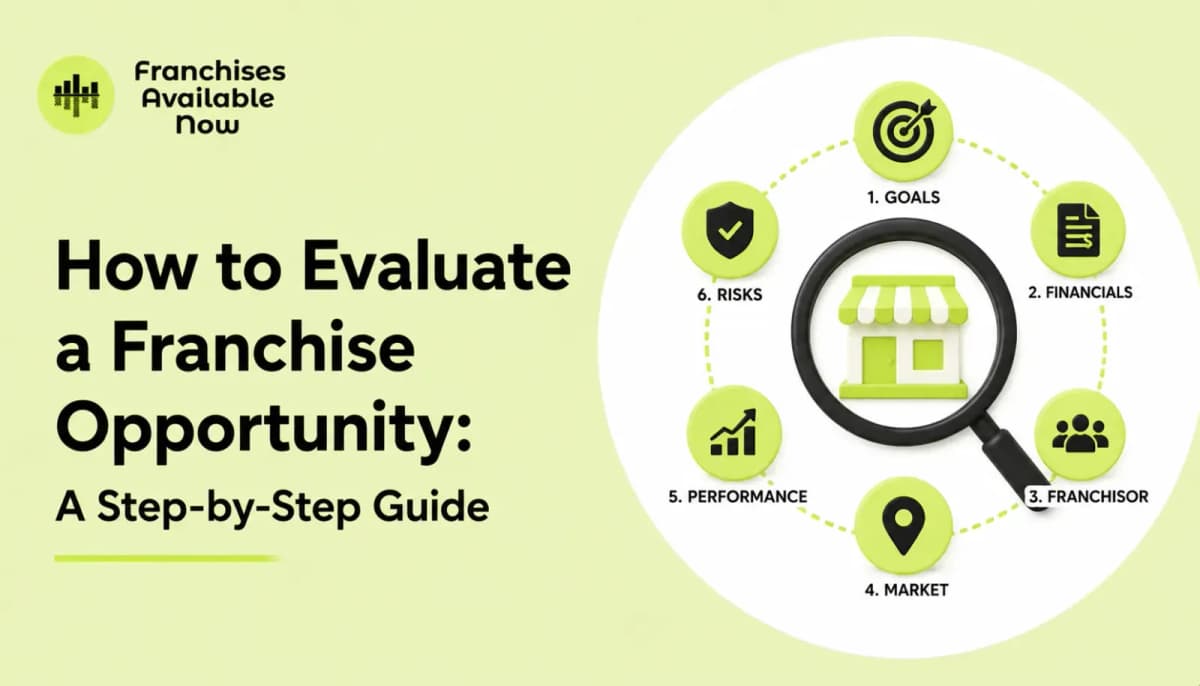
Discover how to safely review a young franchise concept in the Philippines and protect your hard-earned capital.
Jul 24, 2026 5 min read