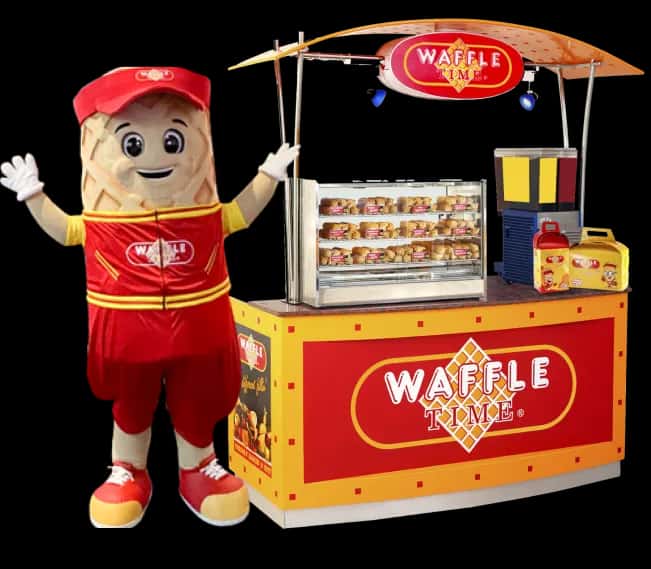
Waffle Time
Waffle Shop
- Franchise fee
- Not disclosed
- Total investment
- From ₱400k
🎁 Start Your 1 Month Free Trial of the Full Plan, Exclusively for Brands & Advisors.Get Started
Browse 252 food cart franchises in Laguna, including 37 affordable franchise brands under ₱100k that pay back in 3 to 12 months, 199 medium-investment franchise brands between ₱100k and ₱1M that pay back in 10 to 18 months, and 11 premium franchise brands above ₱1M that pay back in 18 to 24 months.
Updated
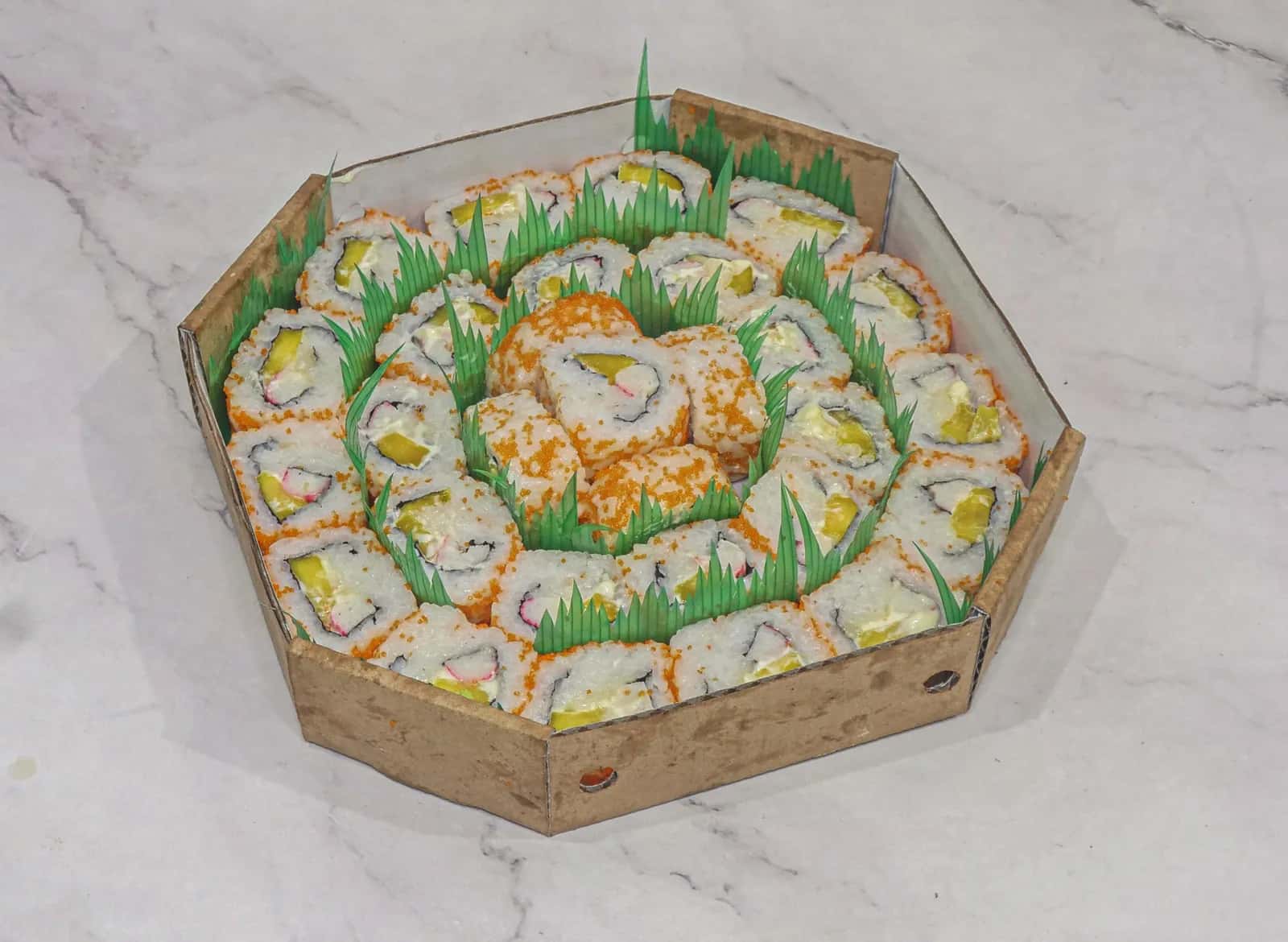
Takoyaki & Japanese Snacks
Visit a branch
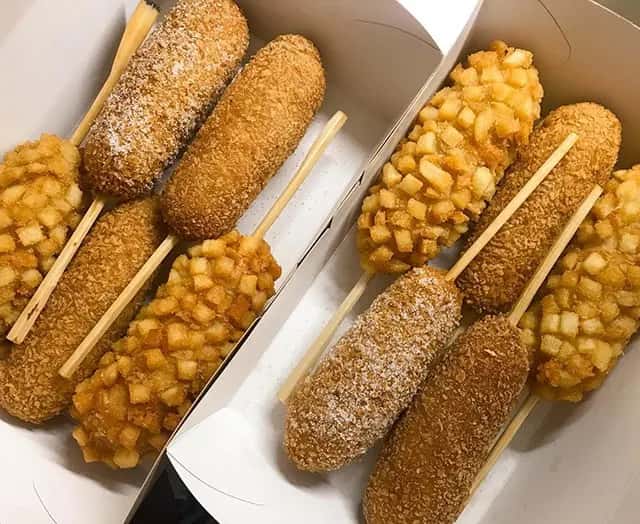
Korean Street Food
Visit a branch
Showing 24 of 252
Laguna has about 43,314 businesses on the map across its cities and towns, from food and drink to shops, services and clinics. Check what already operates near the spot you have in mind.
Population
3,382,1932020 census
Per 10,000 residents
128businesses we track
Business locations are based on Overture Maps open data (October 21, 2026 release) and do not represent a complete census of all businesses.
Factory shifts, college campuses and weekend visitors to the lakeside towns all buy from carts in Laguna, and the format lets a franchisee follow whichever crowd suits the trade. Local entry begins at ₱35,000 for a compact stand. Payback is quoted between four months and two years, which gives an owner a fairly quick read on whether a chosen corner is paying its way. Franchise fees reach no higher than ₱495,000.
Laguna is a long, busy province of many towns, from crowded commuter suburbs near Metro Manila to lakeside and hillside communities further out, and the cost of a cart follows the size of the brand's package more than the town. Local entry runs from ₱35,000 for a compact stand up to ₱3.8M where a cart is bundled with a larger build. Fees run from nothing to ₱495,000, so the fee and the build should be compared as separate numbers. A cart in a big town with heavy foot traffic usually costs more to place, because the best corners carry higher permit and rent costs. A cart in a smaller town may cost less to place but needs a reliable local following. Buyers should ask each brand for a written breakdown of equipment, opening stock and training, and add money for permits and a few weeks of working capital. Doing that before any deposit is paid keeps the comparison between brands fair.
The cart dominates the local mix and the nationwide one alike, with a kiosk version offered by most of the same brands and an inline store by about a third locally, against a smaller share nationwide. Standalone buildings and home-based setups are marginal. That pattern tells a buyer the cart is the entry point to the category and the kiosk is the usual next step. In Laguna the local spread is wide, with entry from ₱35,000 to ₱3.8M and fees up to ₱495,000, while the nationwide range for carts begins at ₱3,000 and reaches ₱7M. Payback is quoted between four months and two years locally and between two months and two years across the country. A Laguna buyer can therefore treat the local range as a full picture of what carts cost in the province, without needing to look beyond it. The kiosk option is worth asking about even for a first-time owner, because it shows how the brand treats a buyer who wants to grow.
A cart in Laguna follows the rhythm of whoever passes by. Near factories and industrial parks the busiest times are the shift changes, when workers pour out for a quick meal or drink. Near schools and universities the peaks come between classes and after the last lecture. Along tourist roads and lakeside towns the weekend and holidays bring the crowds, and quiet weekdays need a plan. Owners often adapt by shifting hours, offering a limited menu at off-peak times and keeping stock ready for the rush. Staffing is light, usually one or two people, but the hours are long and the cart has to be reliable, because commuters and workers notice quickly when a favorite stand is closed. Keeping the cart clean and the queue moving matters more than any decoration. Rain also changes the day, so a cart with a small cover or a nearby shelter keeps sales going when the weather turns, which happens often in the wetter months.
Location decides most of the result, so a buyer should visit candidate corners at several times of day and count who actually stops. Ask the town government about permit rules, since requirements for vending and food safety differ between towns, and confirm whether the chosen spot needs a barangay or landlord agreement. Look at where the crowd comes from, whether it is a factory gate, a school entrance or a market, and whether that crowd will still be there in the rainy months. Check how supplies reach the cart, how often they arrive and who pays for delivery. Ask the brand what happens if the first spot underperforms and whether the cart can be moved without a new fee. Speak to owners of similar carts in nearby towns, since they can describe permit costs, slow seasons and staffing needs in plain terms. A short trial week at the chosen corner, where the brand allows one, is the best check of all.
Now that you've seen what's here, a real advisor can help you shortlist and weigh the options against your budget. Free, at your pace.

Financing Readiness · Site Selection

Low-Capital Startups

Low-Capital Startups · Site Selection

Franchise Agreements · Multi-Unit Expansion
Are you a franchise advisor?Get your own workspace here
Choose an industry to see all of its franchises in Laguna, with their fees and investment ranges.

Carts, kiosks, and full restaurants.
From ₱3k
Konam, Minute Burger, Turks Shawarma
See brands
Coffee, milk tea, and cold drink shops.
From ₱17k
Zagu, Barista Choi, Cha Thai
See brandsGet honest answers on the space, staff and money this setup really needs, free and with no pressure.
To answer plainly, Laguna has 252 food cart franchises recruiting, covering 37 affordable, 199 medium-investment and 11 premium franchises. What matters next is the group that overlaps with your savings, since options outside it are only window shopping. Narrow the list to that overlap, then rank what is left by how well the product fits your interests. Keep the full count in mind only as proof that you have room to be choosy.
The risk with a food cart is smaller than with a store but never zero, and the franchises open in Laguna with this setup number 252. Losing money on a cart usually comes from a weak spot, poor crew habits or menu items that do not sell, rather than from the equipment itself. Think of the package price as the part you can see and the daily running costs as the part that decides whether you survive. Ask a franchisor how many of their carts have closed and why.
Paying the franchise fee for food carts in Laguna means setting aside anywhere from ₱40k to ₱329k, depending on which franchisor you choose. If you plan to borrow part of that amount, remember that the fee itself produces nothing you can sell to repay a loan quickly. Talk to your lender about a grace period before the first payment falls due, so the loan does not squeeze you during the slow opening weeks while customers are still discovering you.
How fast a food cart franchise in Laguna pays for itself depends on your usual month, so measure the road to 6 to 18 months against that and not against a standout one. A holiday rush or a lucky week can make recovery look quicker than it is. Average the profit of several recent months and divide what remains unrecovered by that figure. That gives you a calmer estimate of the months still ahead and keeps one strong week from fooling you.
Industries that have taken up the food cart format in Laguna are food & beverage with 193 franchises, coffee & milk tea with 37 and bakery & pastry with 19. If you are an OFW planning to come home, think about which industry you could start learning while still abroad. Many franchisors offer orientation calls or reading material before formal training begins. Ask whether you can begin learning remotely so that by the time you land, you already know the basics of running the business and can open sooner.
Second sources protect you, and Calamba leads Laguna with 246 food cart franchises, followed by Santa Rosa with 242 and Biñan with 238. Look up the same cities in another directory or on franchisor pages and see whether the order matches. When two independent counts agree, you can rely on the ranking with more confidence. When they disagree, find out why, since the explanation usually reveals a definition or an update date that accounts for the gap.
Staying in your job is possible if your manager can deal with the franchisor directly on routine matters. Questions about procedures, equipment or supplies at a food cart franchise in Laguna get solved faster when your manager has a direct line. Introduce your manager to the franchisor's field or support team early and confirm they are allowed to contact them on your behalf.
Hygiene, safety and security routines often come up in the training for a food cart franchise in Laguna, alongside operations, products and staff duties, though how much depends on what the franchise sells and where the outlet sits. These routines protect your customers and your stock. Ask whether training covers opening and closing security, handling emergencies and keeping the area clean enough to pass inspections in Laguna.
Comparing what the franchisor says with what is written down is a simple but revealing test of legitimacy. During your meetings, note every promise about training, supplies, marketing and site selection for a food cart franchise in Laguna. Then look for each one in the franchise agreement or operations manual. Promises that appear only in conversation are hard to enforce, and a franchisor who refuses to put them in writing may not intend to keep them. Bring your list of promises to the signing table.
Landmarks often guide people more than exact addresses in many parts of Laguna. Describing your food cart by what it is near, such as a church, school, market or well-known corner, helps people picture where you are. Use these landmarks in your posts, maps and conversations, and train staff to give simple directions over the phone or chat to anyone who asks where you are.
Compare how many franchises run as each kind of setup in Laguna, from food carts to full standalone stores.
Compare how many food cart franchises take franchisees in each place.
The food cart franchises with the smallest published starting packages, a good place to look if you want to start small.

Ice Cream & Desserts
Visit a branch

Chicken & BBQ
Korean Street Food
Korean Street Food
Visit a branch
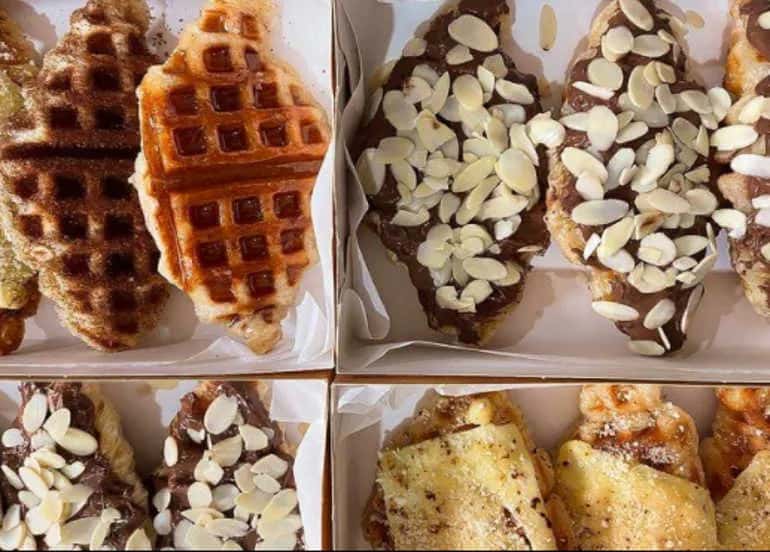
Cakes & Pastries

Milk Tea & Boba

Takoyaki & Japanese Snacks
Visit a branch
Pizza & Pasta
The food cart franchises whose franchisors quote the shortest time to earn back the investment, worth checking against your own costs.

Juices & Shakes
Visit a branch
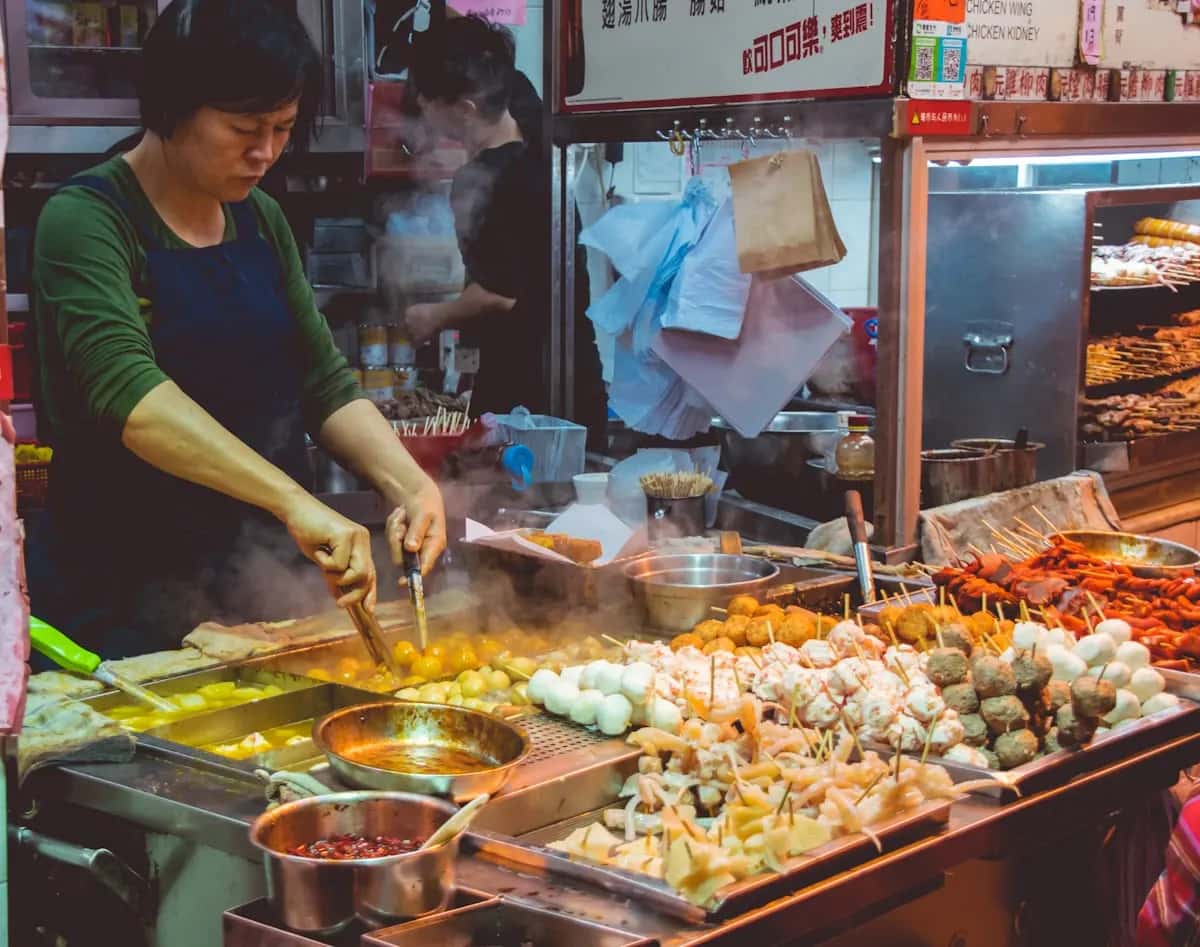
Street Food & Snacks
Visit a branch
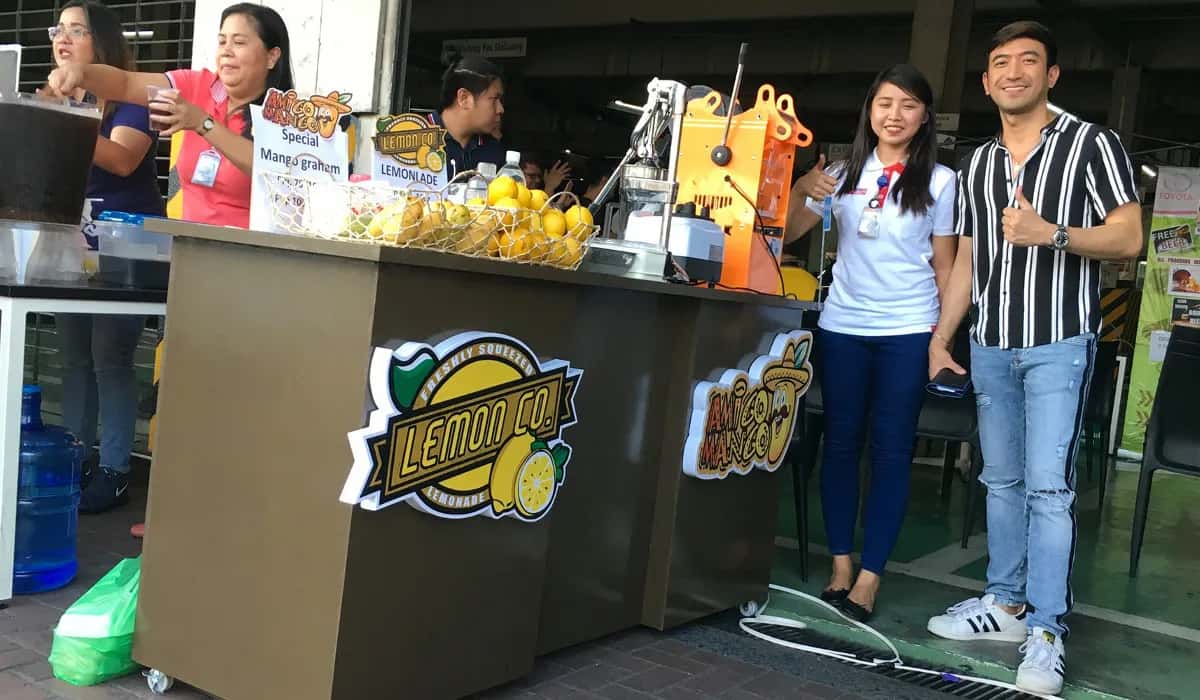
Waffle Shop
Visit a branch
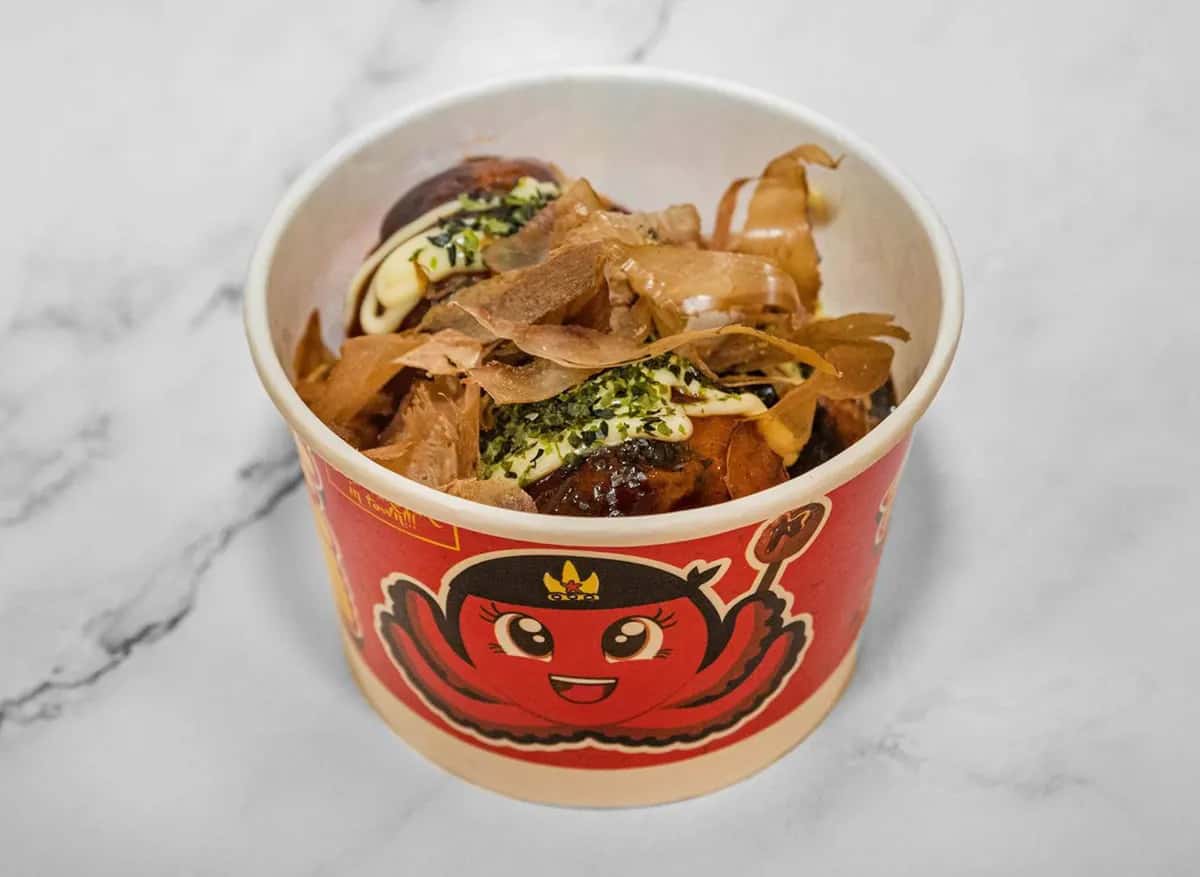
Takoyaki & Japanese Snacks
Visit a branch
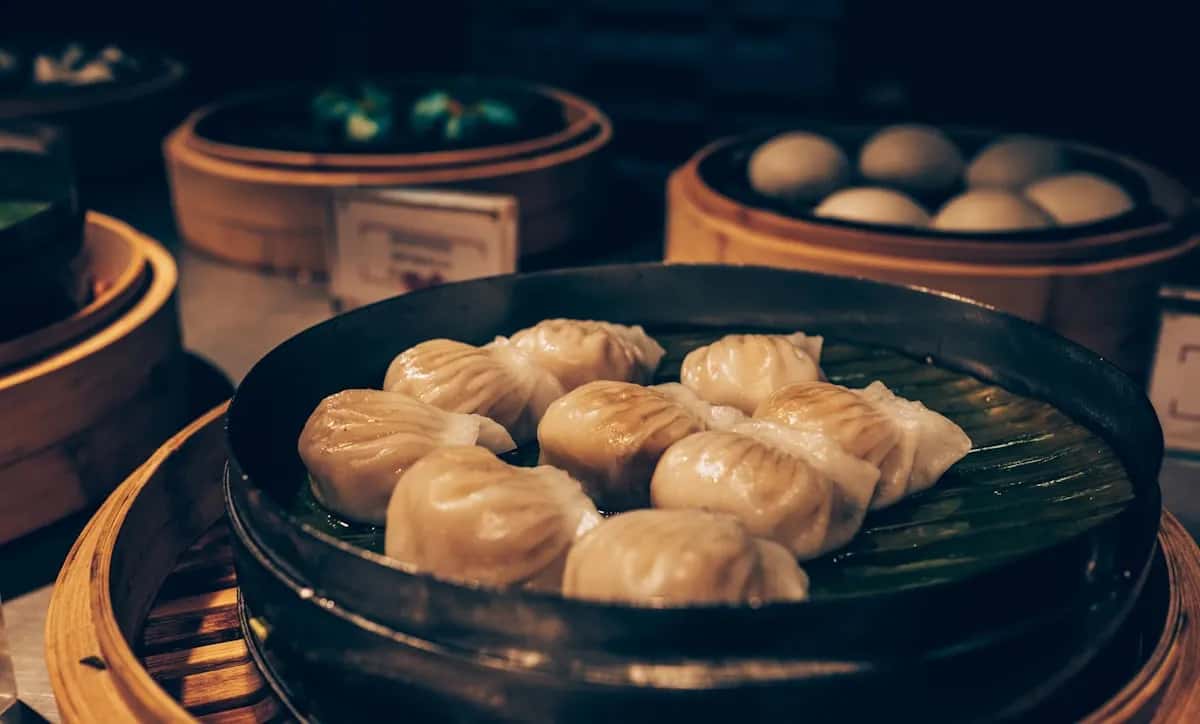
Siomai & Dimsum
Street Food & Snacks
Street Food & Snacks
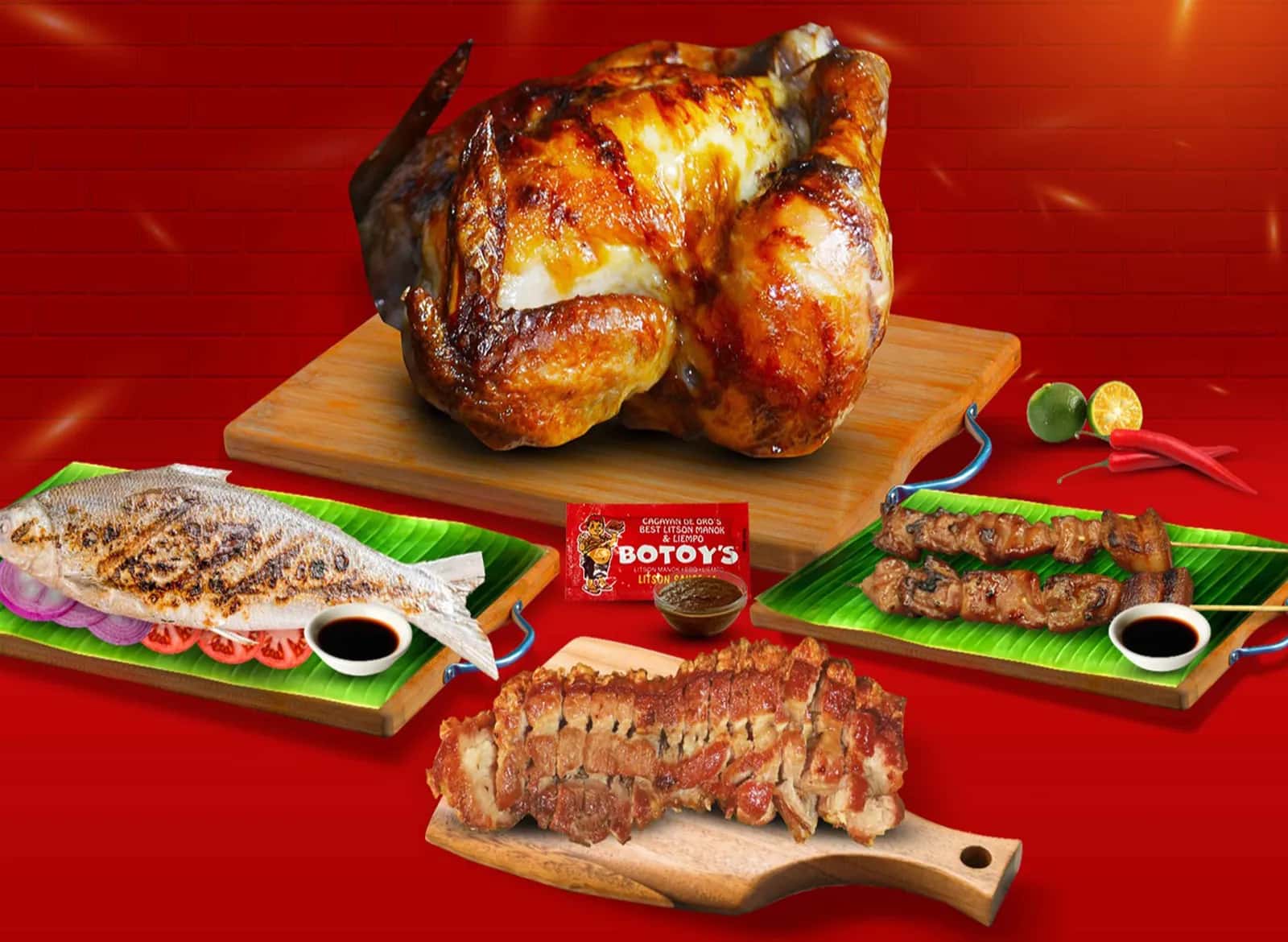
Chicken & BBQ
Visit a branch
Food Cart franchises that charge no franchise fee, so more of your money goes into the setup itself.

Filipino Restaurant
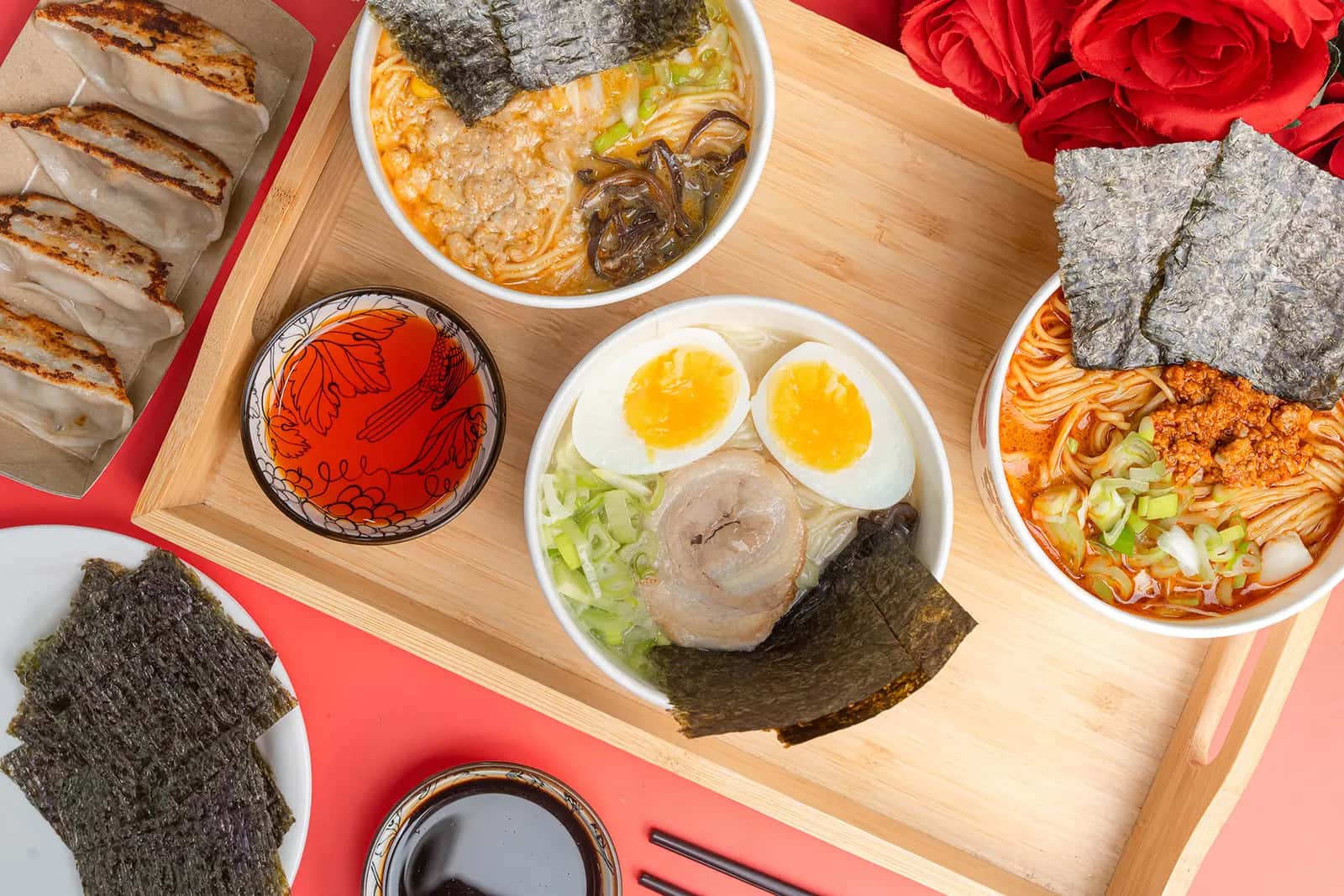
Takoyaki & Japanese Snacks
Visit a branch

Ice Cream & Desserts

Retail & Convenience
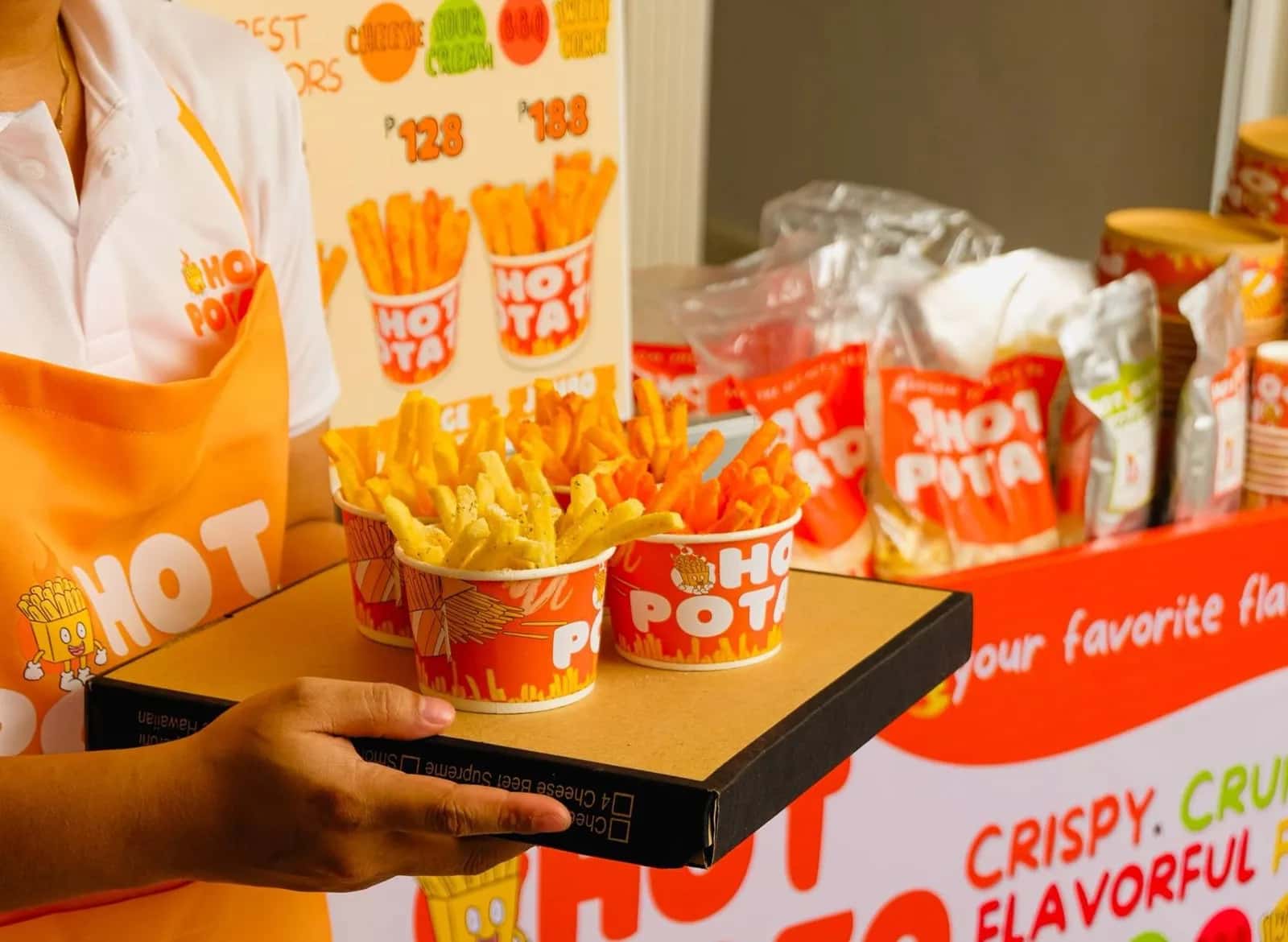
Fries & Potato Snacks
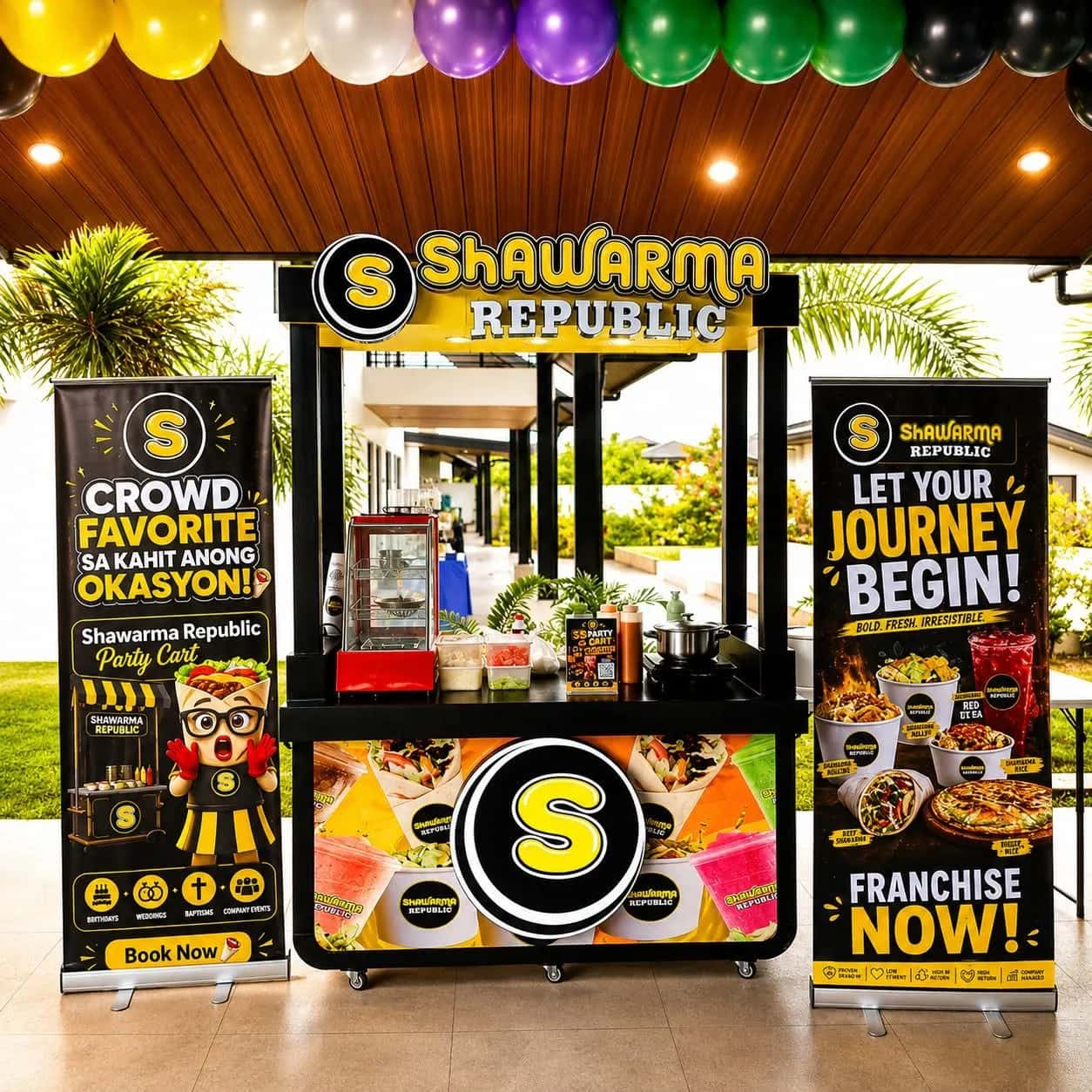
Shawarma
Visit a branch
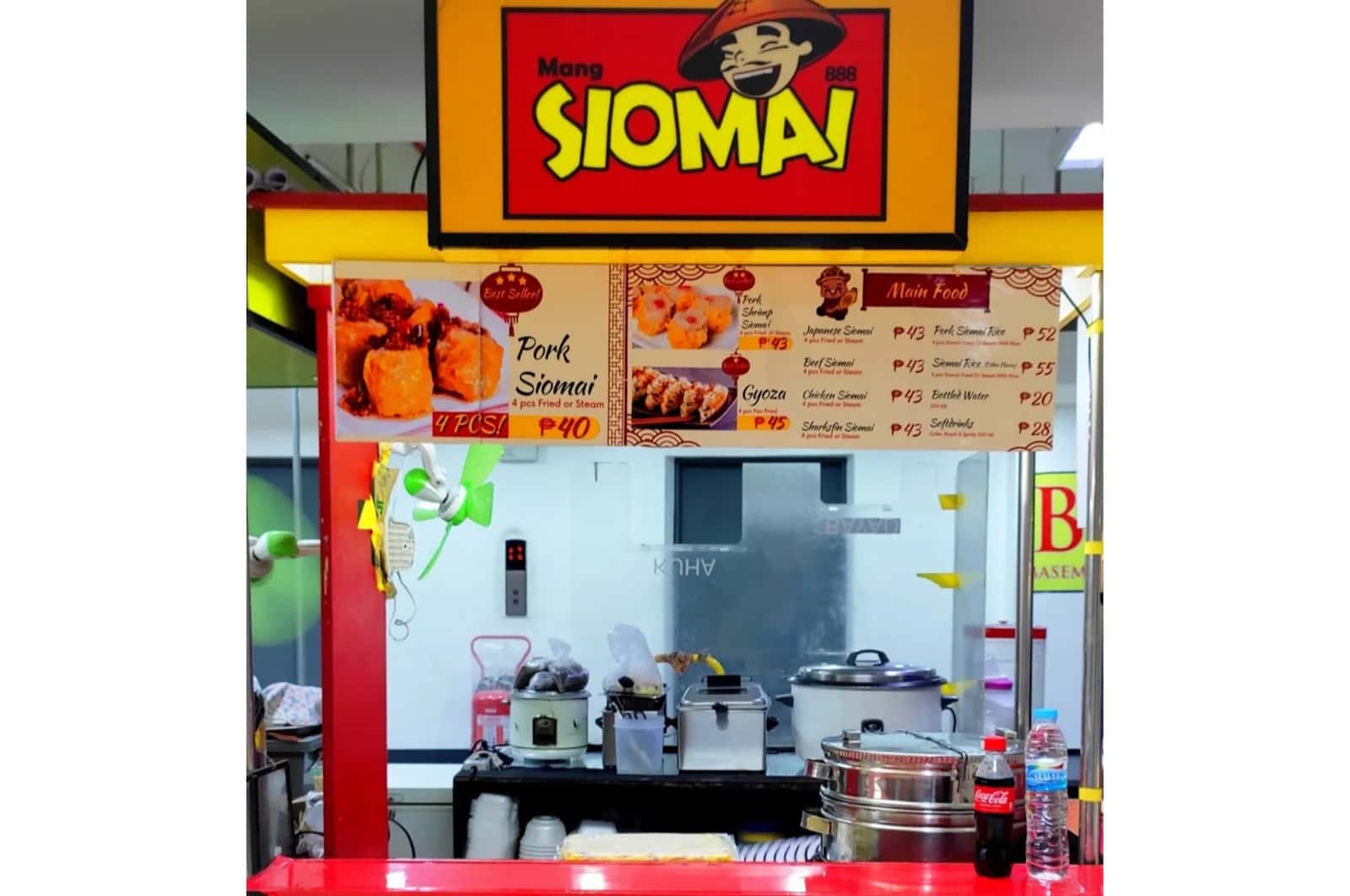
Siomai & Dimsum
Visit a branch
Juices & Shakes
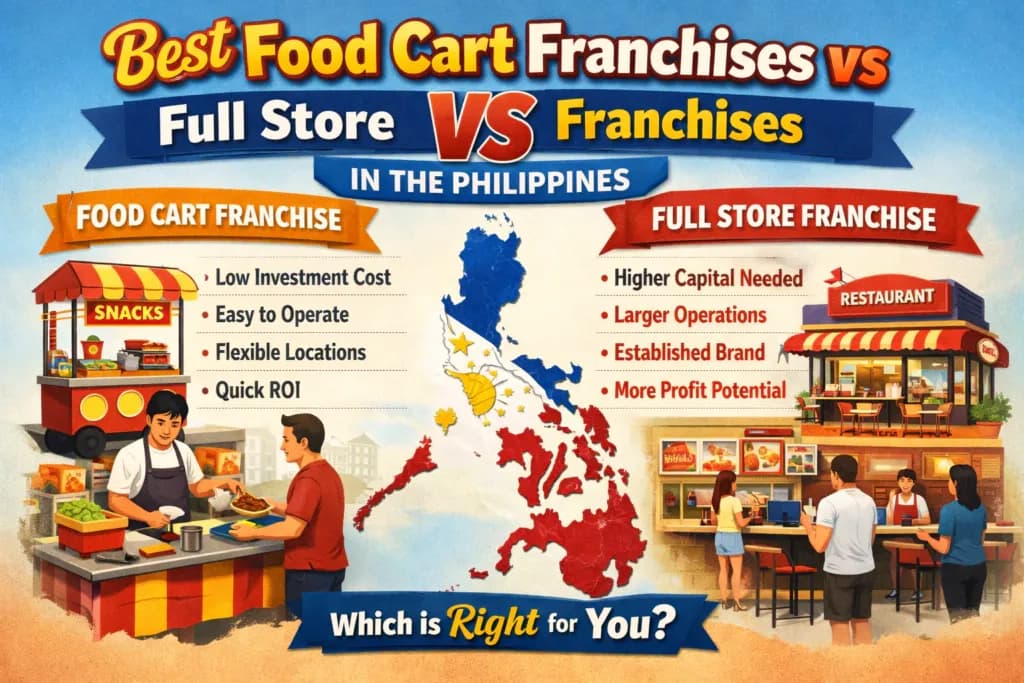
Learn how to choose between a food cart and a kiosk franchise in the Philippines by comparing costs, space, and target locations.
Aug 4, 2026 6 min read

Learn what brand voice covers, why a franchisor guards it so closely, and how to work inside those rules while still sounding like your own neighborhood.
Sep 30, 2026 4 min read
Learn how a franchise owner can collect honest customer reviews by asking at the right moment, making it easy, and handling the bad ones well.
Sep 30, 2026 4 min read