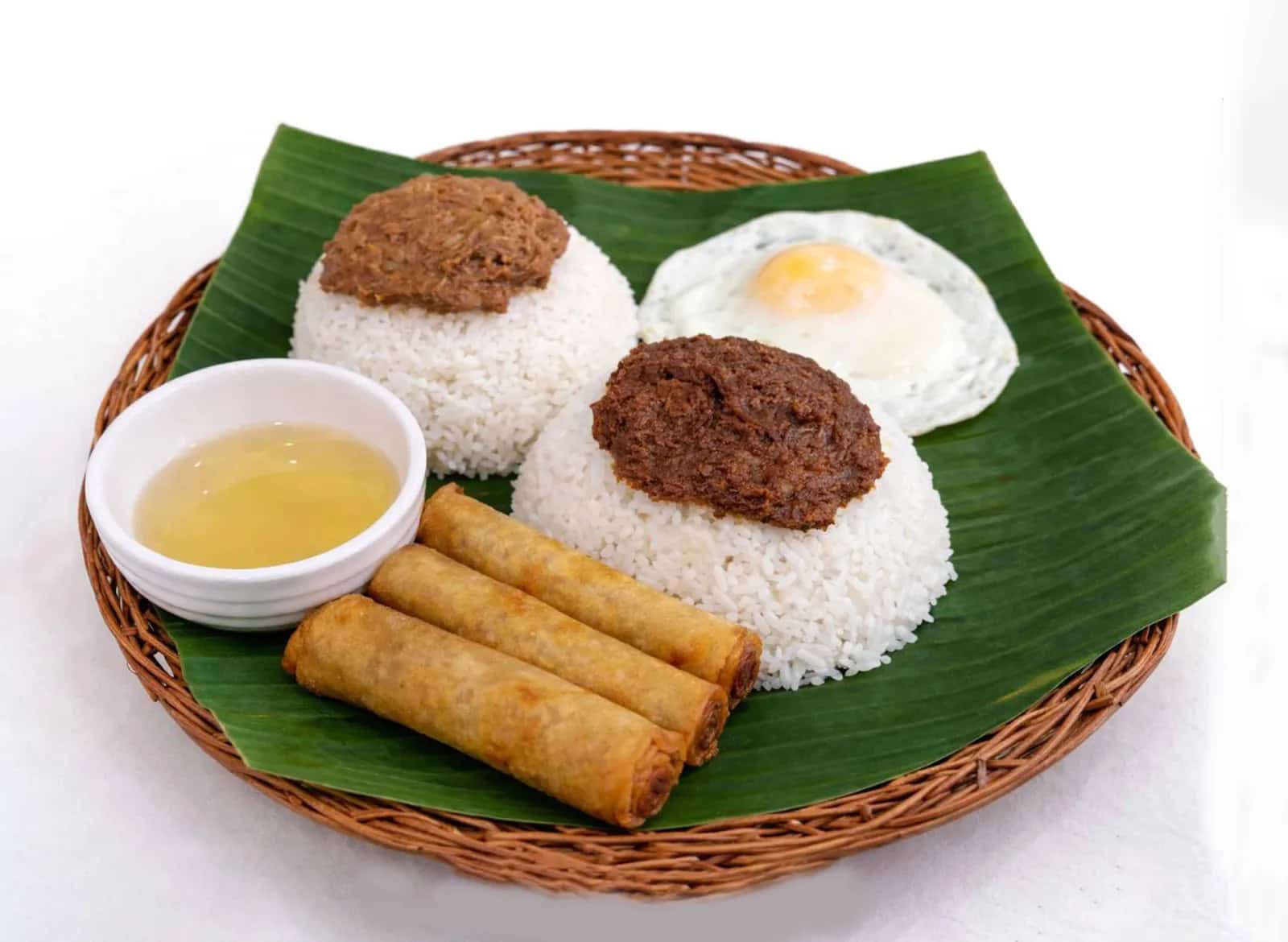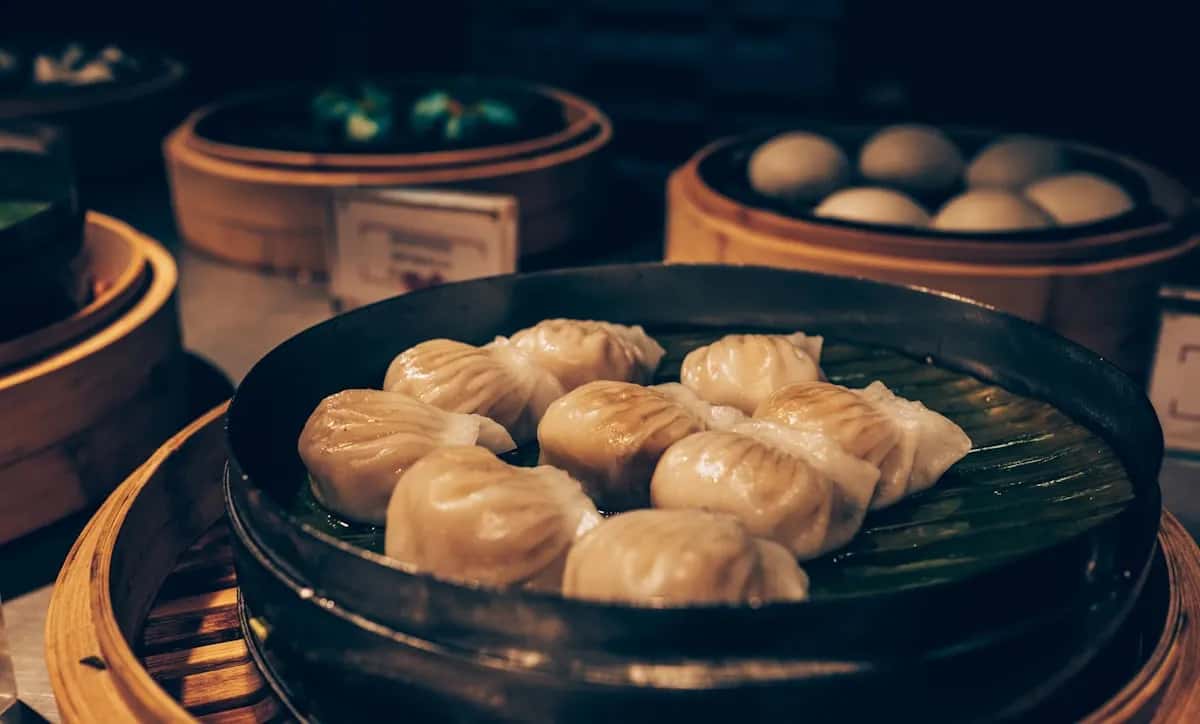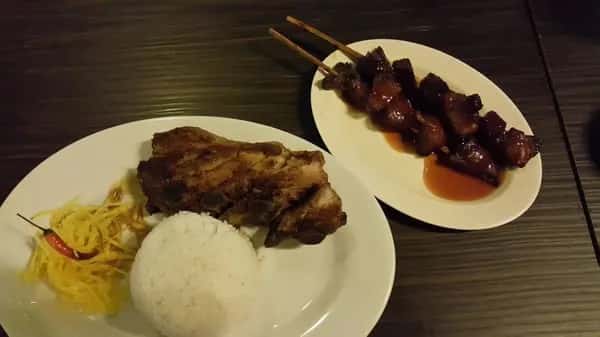
99 Silog
Filipino Restaurant
- Franchise fee
- ₱189k
- Total investment
- ₱189k–₱250k
🎁 Start Your 1 Month Free Trial of the Full Plan, Exclusively for Brands & Advisors.Get Started
Browse 49 franchises up to ₱300k in Santiago, with investments from ₱250k to ₱300k, franchise fees mostly between ₱50k and ₱56k, and most paying back in 6 to 18 months.
Updated

Water Refilling
Showing 24 of 53 (49 in Santiago, 4 nearby)
Santiago has about 1,816 businesses on the map, from food and drink to shops, services and clinics. Check what already operates near the spot you have in mind.
Population
148,5802020 census
Per 10,000 residents
122businesses we track
Business locations are based on Overture Maps open data (October 21, 2026 release) and do not represent a complete census of all businesses.
Every option that lists Santiago directly comes as a food cart, and most also come as a kiosk, which keeps this budget's spending on fixtures rather than walls. That local list runs from around ₱150,000 to the full ₱300,000, with fees reaching close to ₱189,000 at the top end. Nationwide brands push the entry side of that same range down toward ₱30,000, though the top stays close either way. The real choice at this budget is less about the top figure and more about which format actually fits the corner available.
A cart is the baseline format for every brand already priced into Santiago, and most of those same brands also sell a kiosk version at a similar cost. Choosing between the two usually comes down to how much space is available and whether the operator wants a fixed counter or something that can move if a corner does not work out. Nationwide, the pattern holds a similar shape. Carts and kiosks dominate the field, an inline storefront with its own walls is a smaller share, and a standalone building barely registers. That scale of build usually needs money well past this budget. A home or online setup also shows up nationwide, though rarely among brands that already name a specific city, since that format leans on delivery reach rather than a fixed local spot. For Santiago, the takeaway is straightforward. The money here buys a mobile or semi-fixed setup, not a shopfront with a lease and a storefront sign, and planning the first year should start from that footprint rather than from the fee.
Money in Santiago moves on a calendar as much as a clock, since a large share of the surrounding towns depend on rice and corn harvests rather than a fixed monthly wage. Spending picks up after a good harvest and tightens in the weeks before the next one. A food or drink cart at this budget should plan cash flow around that swing rather than assume steady daily sales all year round. The formats available here suit that reality, since a cart or a kiosk carries lower fixed costs than a shopfront, so a slower month costs less to absorb. Payback nationwide for this budget is claimed at anywhere from five months to eighteen months, and the local figures fall inside that same span, which leaves some room to ride out a lean stretch without missing the target. That timing does not make the city a weak choice. It means the first year's budget should assume uneven weeks rather than a flat average, and the fee and fixtures should be sized so a quiet month does not force a shutdown.
The figure worth asking about first is what the fee actually covers: equipment, training, initial stock, or some mix of the three. On the pricier side of the local list, that fee climbs close to ₱189,000, and confirming what it buys matters more as the number goes up. A higher fee is not automatically a worse deal if it removes costs the operator would otherwise pay out of pocket in the first month. It also helps to ask how the payback figure was calculated, since a claim of six months assumes a level of daily sales that a harvest-season town will not hit every week of the year. Confirming what support comes with the fee once the cart or kiosk is open matters too. Ongoing help counts for more at this budget than at a bigger one, where a manager can absorb problems locally. Getting these answers before signing costs nothing but time, and it turns a payback figure into a number the operator actually trusts.
The ₱150,000 to ₱300,000 that already prices Santiago covers the cart or kiosk itself, the fee, and usually initial stock. It rarely covers everything a first month needs. A spot inside or near a public market or a busy corridor still comes with a deposit and a monthly rent that a cart budget can easily underestimate. Staffing at this scale is usually the operator plus one helper, often family. That keeps wages low, but it also means the business stops the moment both are unavailable on the same day. Utilities, a phone line for orders, and small repairs to a cart or kiosk add up faster than a first budget expects, especially once the unit has been running daily for a few months. Building in a buffer above the fee and the entry price, rather than treating those two numbers as the whole cost of opening, is what usually separates a business that survives its first harvest lull from one that does not.
Now that you've seen what's here, a real advisor can help you shortlist and weigh the options against your budget. Free, at your pace.

Financing Readiness · Site Selection

Low-Capital Startups · Site Selection

Low-Capital Startups

Franchise Agreements · Multi-Unit Expansion
Are you a franchise advisor?Get your own workspace here
Choose an industry to see its franchises in Santiago, with their fees and investment ranges.

Carts, kiosks, and full restaurants.
From ₱30k
Chings Fried Noodles, 99 Silog, Captain Calamares
See brands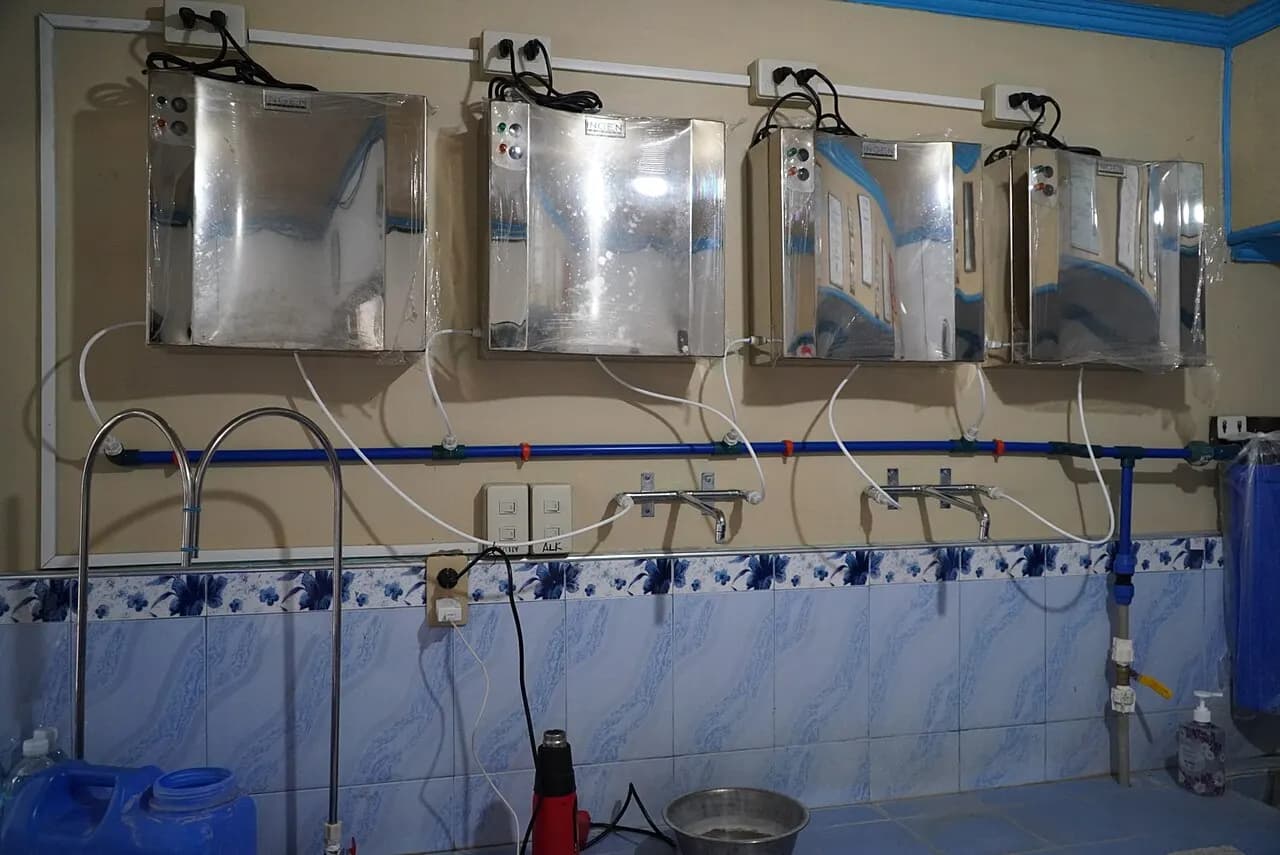
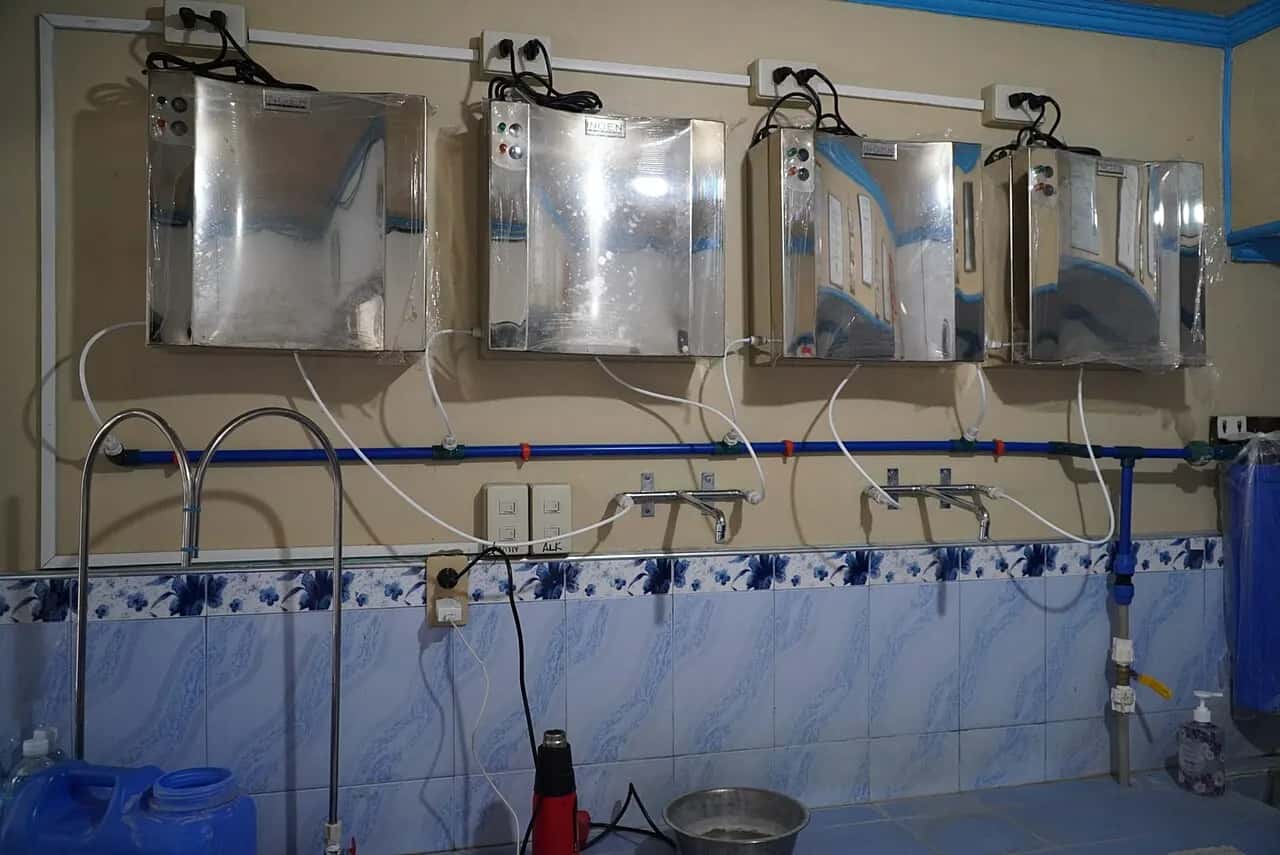
Purified and mineral water stations.
From ₱100k
AlkaViva Water Refilling Station, Bluewaters
See brandsGet honest answers on what this budget really covers, fees and payback, free and with no pressure.
The tally at ₱300k in Santiago reads 49 franchises, which includes 12 that list Santiago by name and 37 that accept franchisees from anywhere. It helps to know the tally can move in both directions as franchisors join or leave. A shortlist built today should be checked again before you contact anyone, so you do not spend time on a listing that has changed.
Generally, franchisors at the ₱300k level in Santiago set the franchise fee between ₱50k and ₱56k. Ask whether the amount is fixed or whether it changes with the size of the outlet, since a kiosk and a full store under the same franchisor can carry different fees. Knowing that helps you pick the format that fits both your budget and your chosen site.
Social media for your own branch can support the 6 to 18 months payback that ₱300k franchisors in Santiago usually quote, if the franchisor permits it. A local page that posts promotions and answers questions brings in nearby customers at little cost. Ask what rules the franchisor sets for branch pages, whether it supplies ready content, and who is allowed to post on behalf of your store.
Franchisor expansion maps are sometimes shared on request. Because Santiago lists 49 ₱300k franchises and nearby cities list Cauayan with 49, Ilagan with 49, Tuguegarao with 49 and Alaminos with 49, you can ask a franchisor which cities it plans to enter next. A franchise absent from Santiago today but present next door may already be heading your way, and knowing this helps you decide whether to wait for it or choose a franchise that is available now.
Not all of the 1,816 businesses mapped in Santiago, led by food and drink with 463, shops and retail with 439 and services with 423, are equally active, and open data cannot show which ones are busy. Stand near your spot and watch which pins attract steady customers and which stay empty. Counting only the busy ones gives a smaller figure that reflects the rivals who actually take sales, and that is the number to compare with your own plans.
Know your break-even sales before you pick a loan size for a ₱300k franchise in Santiago. Break-even is the level of sales where income just covers all costs, including the loan payment. Ask the franchisor for realistic figures from comparable outlets, then test whether those sales clear your costs with room to spare. If they only just do, borrow less or lengthen the savings period so the financing stays affordable in a slow month.
Guiding and approving is the franchisor's usual role for a ₱300k franchise in Santiago, rather than searching on your behalf, although some franchisors do go further. Think of yourself as the person on the ground. Ask the barangay office and nearby shop owners whether any road works, new developments or transport route changes are planned, since a construction project or a rerouted jeepney line can change who passes your spot.
Franchise training at the ₱300k level in Santiago typically teaches operations, product handling and the sales routine, but the trainers' approach counts just as much as the syllabus. A patient trainer who checks understanding is worth more than a long program delivered quickly to a crowded room. During your first sessions, ask questions freely and notice whether the trainer explains things clearly or rushes ahead.
Remote monitoring tools can matter when you compare ₱300k franchises in Santiago, especially if you cannot be at the outlet every day. Point of sale systems that report sales as they happen, inventory tracking and camera access help you spot problems early. Some franchisors include these in the package while others charge extra or leave you to set them up. Ask for a demonstration of the reporting tools each franchisor provides and check their monthly cost.
Compare the price in the franchisor's ads with the actual quote you receive for a ₱300k franchise in Santiago, because a gap between the two is worth questioning. Some sellers advertise a low entry figure and then add required items once you show interest. Ask for the quote in writing on company letterhead, listing what is included. A legitimate franchisor can explain any difference plainly, while numbers that shift from one meeting to the next suggest you should slow down.
Compare how many franchises start at each budget level in Santiago, from the smallest packages up.
Compare how many ₱300k franchises take franchisees in each place, nearest first.
The ₱300k franchises whose franchisors quote the shortest time to earn back the investment, worth checking against your own costs.
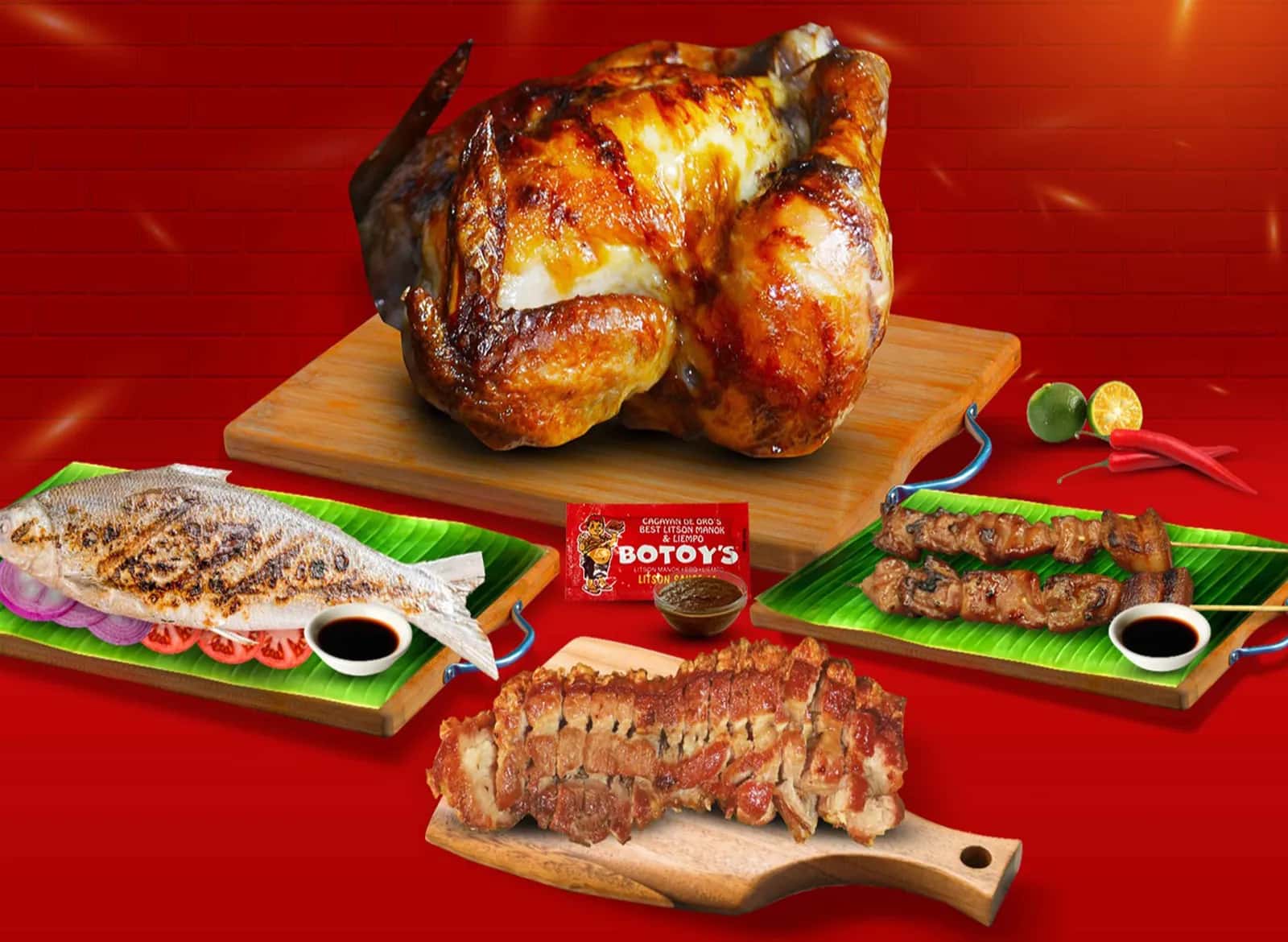
Chicken & BBQ

Filipino Restaurant

Fries & Potato Snacks

Burgers

Street Food & Snacks
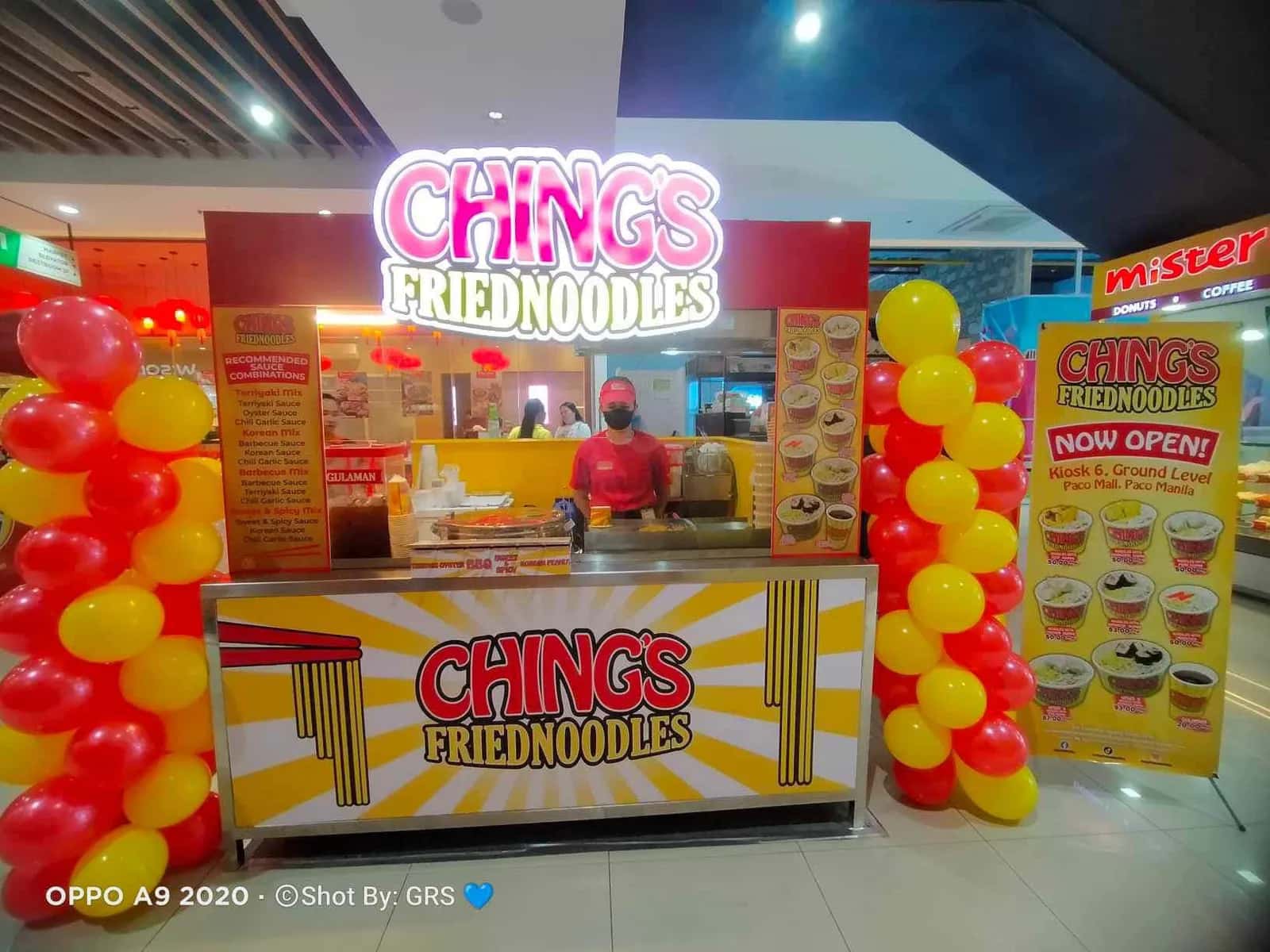
Street Food & Snacks

Takoyaki & Japanese Snacks

Fries & Potato Snacks
Franchises at the next budget level, ₱400k, worth a look if you can stretch your savings a little.

Waffle Shop

Juices & Shakes

Burgers
Visit a branch
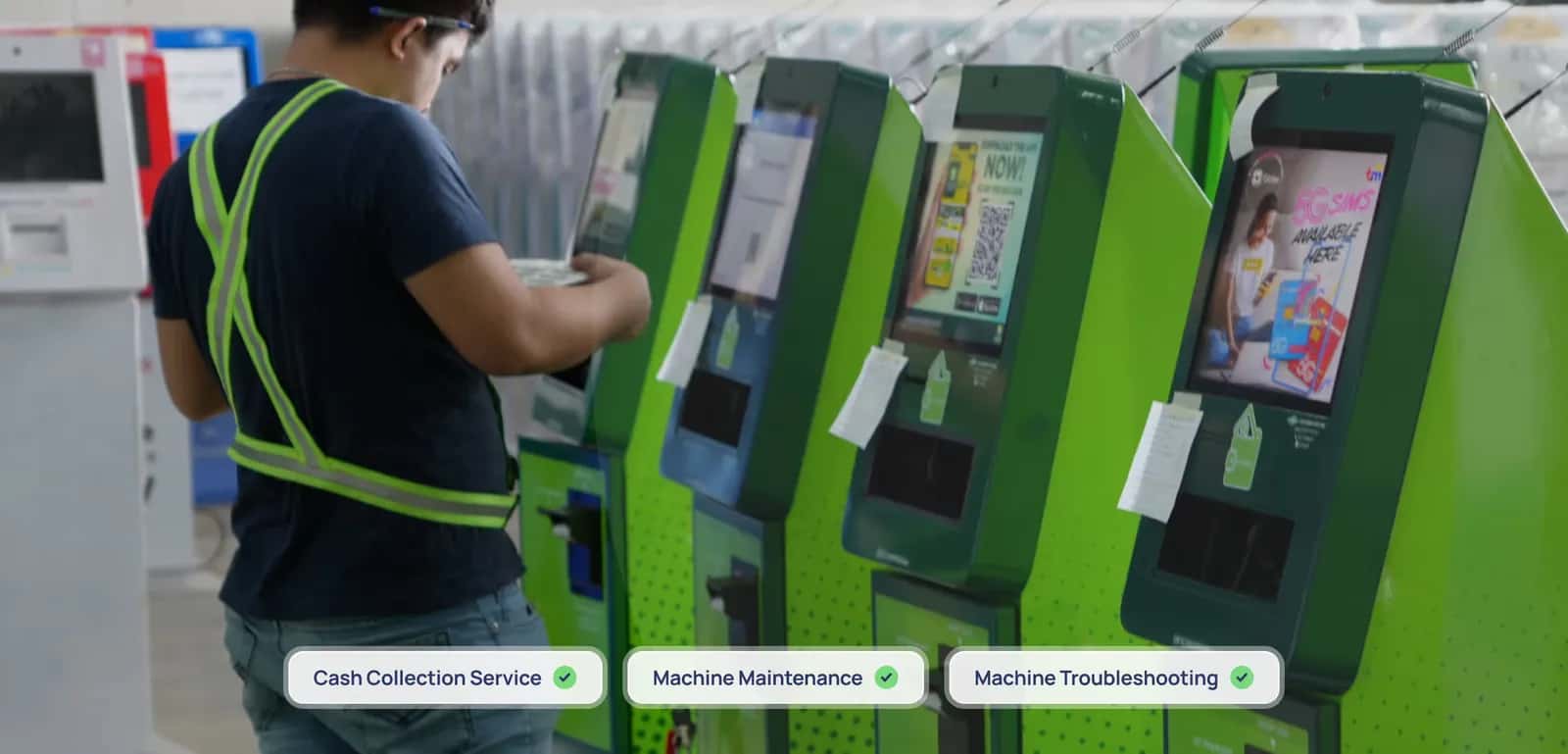
Payment & Remittance Center

Siomai & Dimsum
Shawarma
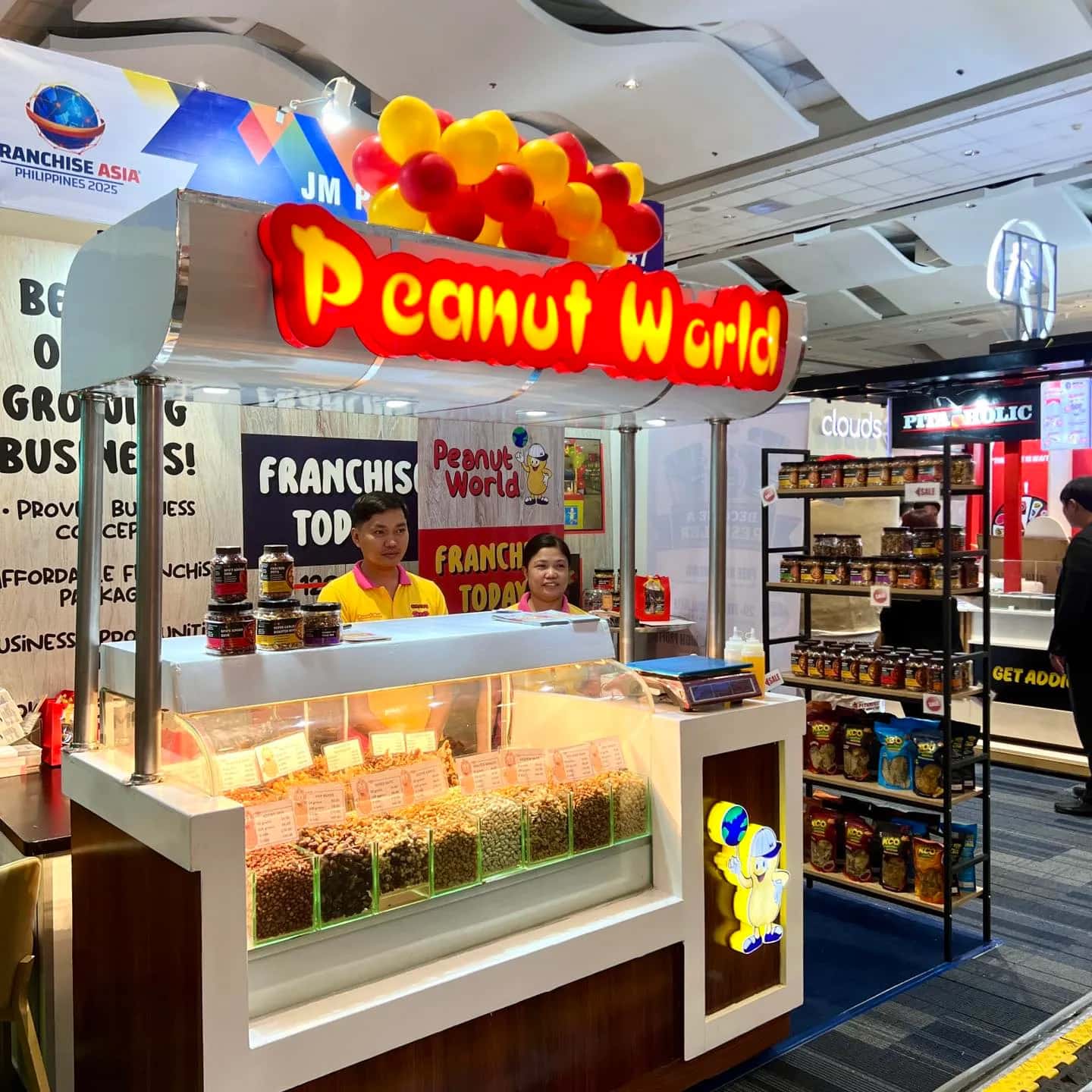
Packaged Snacks
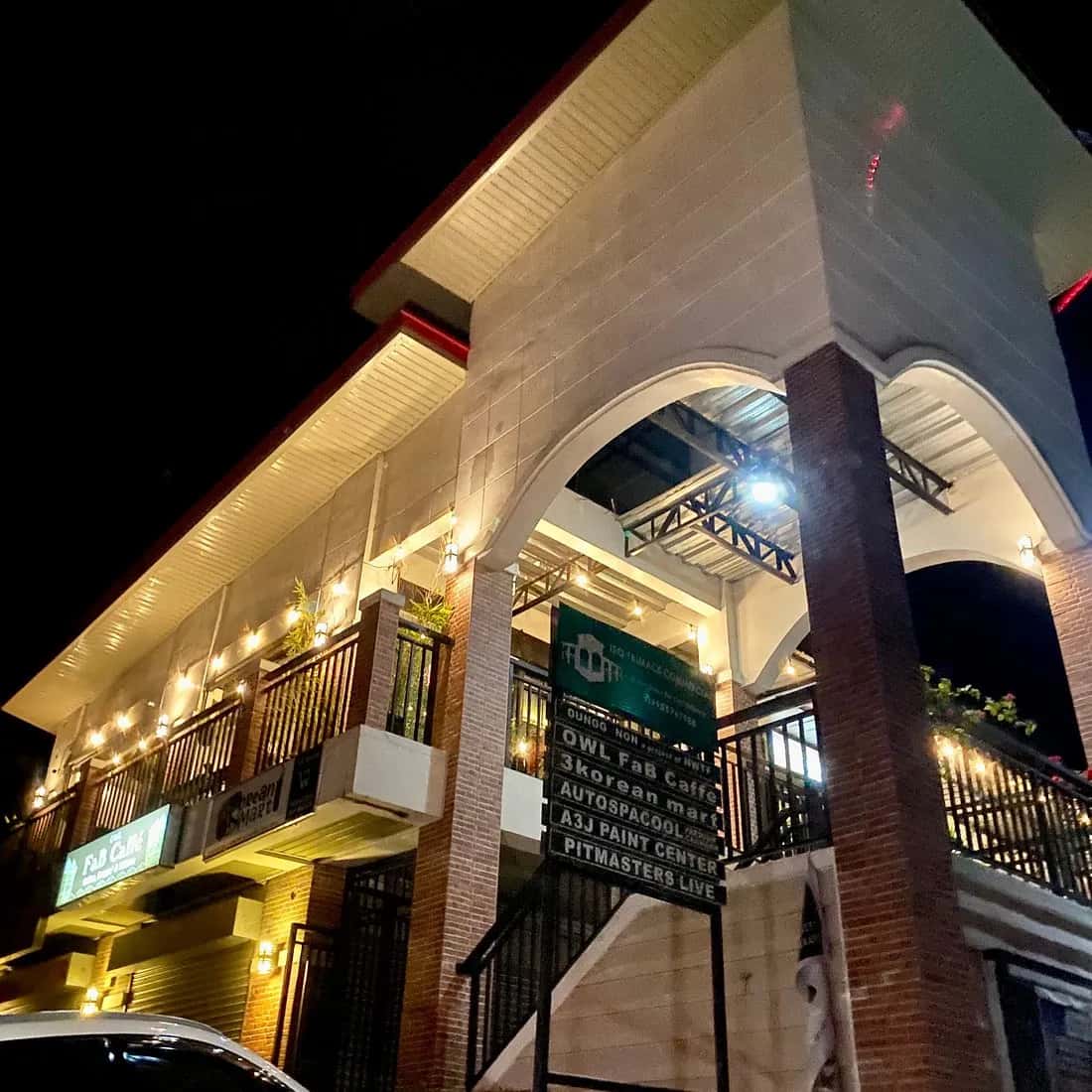
Coffee Shop

Learn practical inventory control steps for your Philippine franchise to cut waste, prevent loss, and protect your capital.
Aug 14, 2026 6 min read
Learn how non-compete clauses work when exiting a franchise agreement in the Philippines, protecting your investment after closing.
Jul 20, 2026 5 min read

Learn how to secure financing for your Philippine franchise, from preparation to approval. A practical guide for new operators and OFWs.
Jul 20, 2026 5 min read