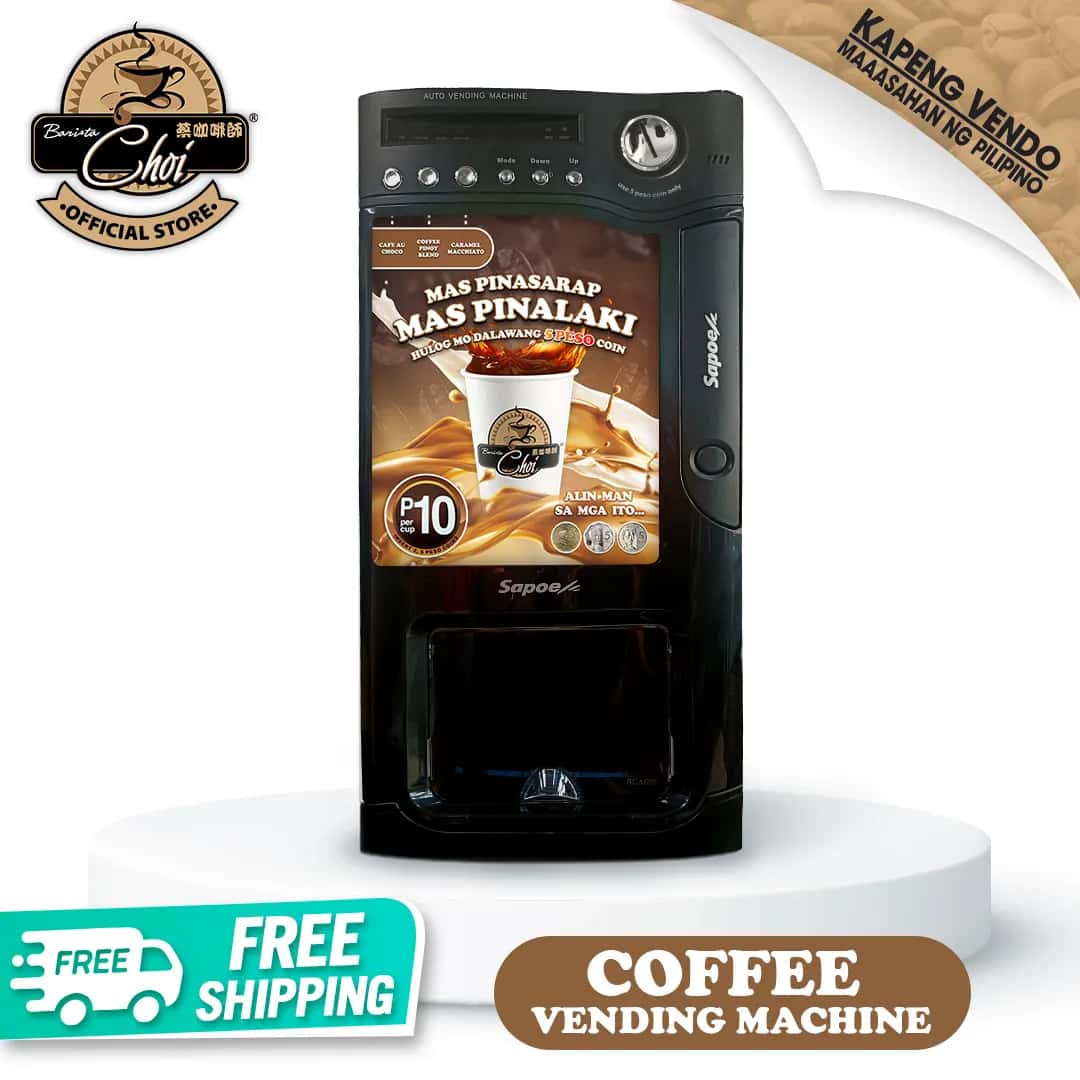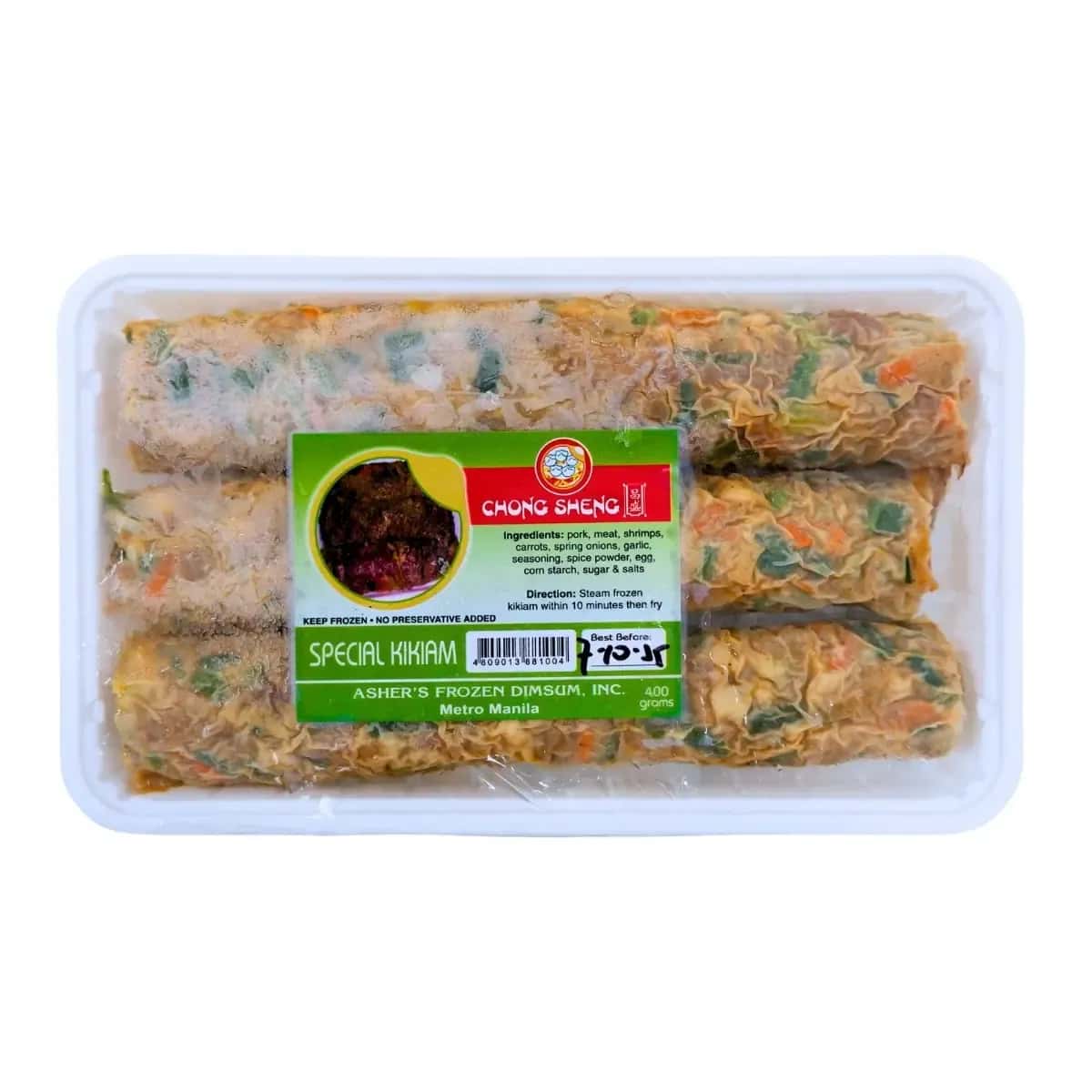
Hero Sausages
Street Food & Snacks
- Franchise fee
- ₱150k
- Total investment
- ₱250k–₱450k
🎁 Start Your 1 Month Free Trial of the Full Plan, Exclusively for Brands & Advisors.Get Started
Browse 26 franchises up to ₱500k in Santiago, with investments from ₱450k to ₱500k, franchise fees mostly between ₱63k and ₱150k, and most paying back in 12 to 18 months.
Updated

Fries & Potato Snacks
Visit a branch

Payment & Remittance Center
Showing 24 of 27 (26 in Santiago, 1 nearby)
Santiago has about 1,816 businesses on the map, from food and drink to shops, services and clinics. Check what already operates near the spot you have in mind.
Population
148,5802020 census
Per 10,000 residents
122businesses we track
Business locations are based on Overture Maps open data (October 21, 2026 release) and do not represent a complete census of all businesses.
Santiago, Isabela works as a trading hub for the rice and corn farming towns around it, and the local trade at this budget, up to ₱500,000, sits within a cart-and-kiosk footprint rather than a full storefront. That fits a place where a lot of daily spending happens near the market, the grain buying stations, and the roads farmers travel to reach them. Beyond that local footprint, the wider nationwide field opens several other formats to a reader here.
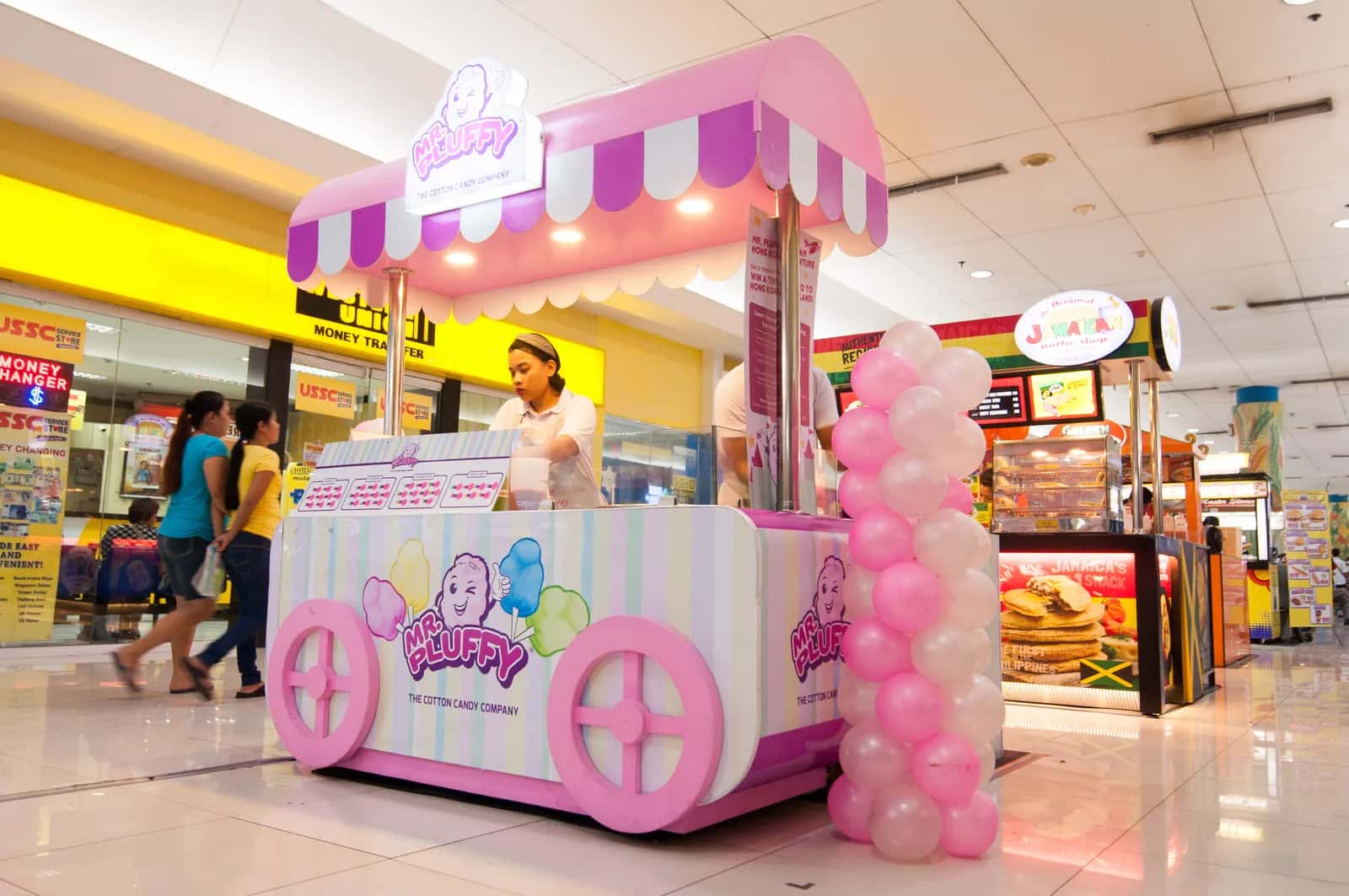
What already trades in Santiago at this budget runs as a cart or a kiosk, a footprint built for a market town rather than a shopping district. That kind of setup can sit near the grain trading area or along a road farmers use to reach town. It catches customers who are already out running errands, rather than waiting for them to arrive on purpose. It also asks for a smaller upfront commitment than a full storefront. That matters in a place where the busiest trading days cluster around planting and harvest rather than spreading evenly through the year. The wider nationwide field at this budget reaches further, into an inline space, a standalone shop, and even a home-based or online setup with no storefront at all. A storefront format suits a spot with steady year-round traffic, while a cart or kiosk can flex with a trading town's seasonal rhythm far more easily, moving or scaling as the calendar demands.
Locally, getting started runs from around ₱250,000 to ₱450,000, with a signing cost of about ₱150,000 built into that figure. Payback on that local setup tends to land around twelve months, a reasonable window for a format that leans on market-day and harvest-season traffic. The nationwide field opens lower, with entry points near ₱50,000 and a portion of setups asking no signing cost at all. Its top edge still lands close to the top of this budget, though, so the gap between the cheapest and priciest nationwide setups is considerable. Payback nationally can land anywhere from half a year to two full years, mostly depending on how quickly a given format settles into a routine. For a farming trade town, a slightly longer local payback window is not unusual, since spending here often arrives in seasonal waves rather than a flat daily trickle. Planning around the slower of those two figures, rather than the fastest one on paper, tends to make for a steadier first year.
It is worth asking exactly when the town's busiest trading days fall. Planting and harvest can shift by weeks from one year to the next depending on the rains, and a spot planned around last year's calendar can miss this year's rush entirely. It is worth checking how a site handles the quiet stretch between those busy seasons too, since a plan that only works during harvest is not really a year-round plan. Ask about road conditions leading into town as well. Farmers traveling in from outlying areas make up a meaningful share of the customers a market-facing spot depends on, and a bad stretch of road can quietly cut that flow. None of this should discourage a reader set on Santiago; it simply shapes when to open and how to stock for the year ahead.
Running a small food or drink setup in a farming trade town means planning around a calendar rather than a flat weekly routine. Market days and paydays tied to the buying season bring noticeably heavier traffic. The weeks around planting and harvest tend to be the busiest stretch of the whole year. Stock and staffing built for an average day will either run short during those peaks or sit idle during the quieter months between them. Building a rougher seasonal calendar before opening is worth more here than a detailed daily schedule ever could be. A cart or kiosk near the market can lean into that rhythm directly. It can scale up staff and stock for the weeks that matter most and trim back when the town itself slows down, which a fixed storefront simply cannot do nearly as easily or as cheaply.
Now that you've seen what's here, a real advisor can help you shortlist and weigh the options against your budget. Free, at your pace.

Financing Readiness · Site Selection

Franchise Agreements · Multi-Unit Expansion

Low-Capital Startups

Low-Capital Startups · Site Selection
Are you a franchise advisor?Get your own workspace here
Choose an industry to see its franchises in Santiago, with their fees and investment ranges.

Carts, kiosks, and full restaurants.
From ₱50k
Kettle Korn, KUKU Frozen Yogurt, Potato Giant
See brands
Bread, cakes, and pastry shops.
From ₱200k
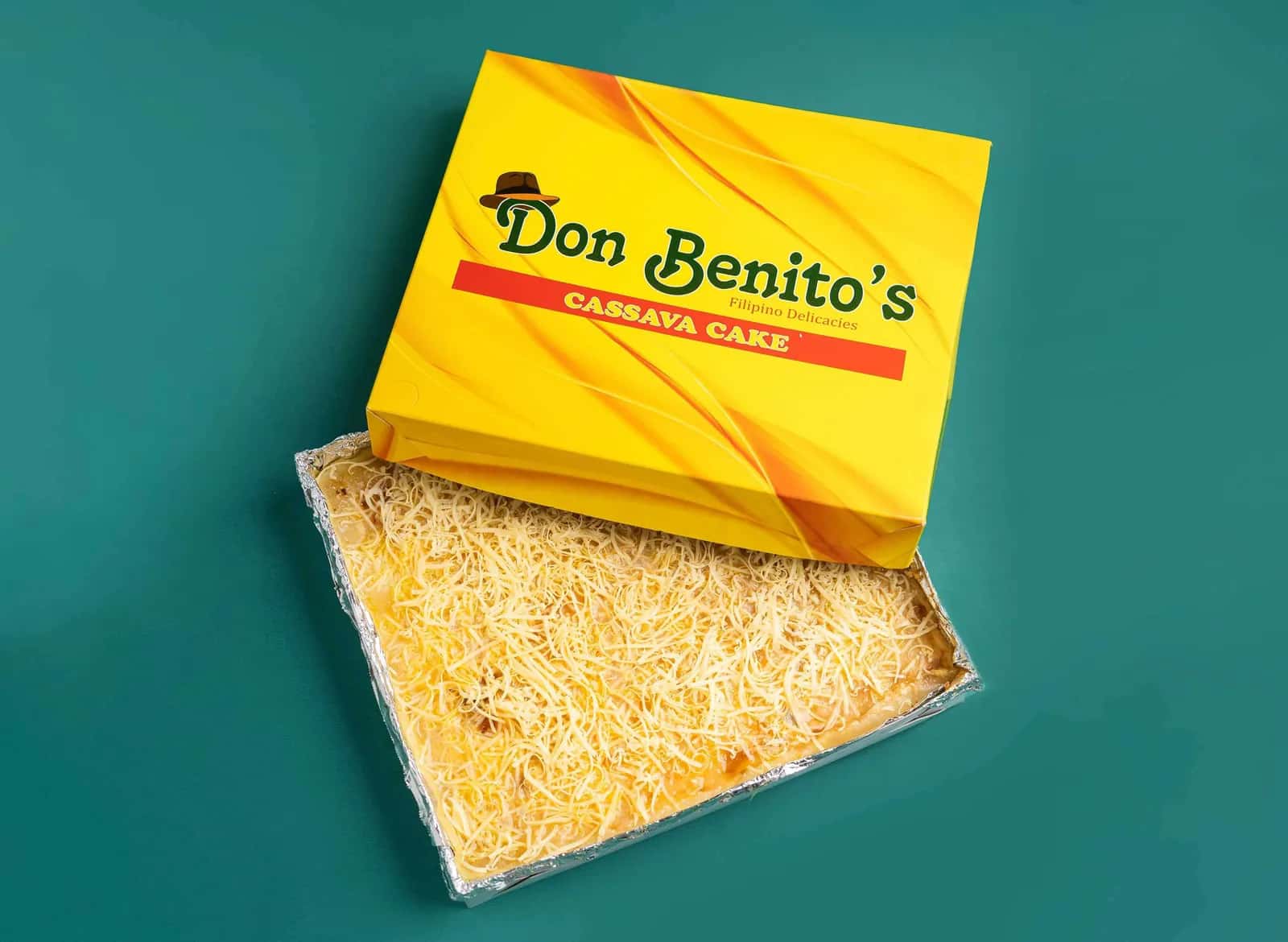
Don Benito's Cassava Cake, Magic Melt, Mrs. Pandesalan
See brandsGet honest answers on what this budget really covers, fees and payback, free and with no pressure.
Yes on the package, as 26 franchises in Santiago quote an investment between ₱400k and ₱500k that ₱500k covers. A long agreement may hide charges outside the headline figure, so read for every payment it requires and its timing. List those amounts next to the package price, and treat the sum as the real figure that your money must cover before you decide.
At ₱500k in Santiago, the setups on offer are kiosks with 22 franchises, food carts with 16 and inline stores with 14. Each one asks something different of you, so think about how much floor space you can realistically rent before picking a favorite. Ask each franchisor for the exact floor area their setup needs, then compare that against a few spaces you could actually lease. Remember to leave room for storage and a spot where crew can prepare or rest, since a setup that barely fits the counter often feels cramped once stock starts arriving.
Matching a quiet area with a busy one can distort a comparison, so confirm that Santiago at 26 ₱500k franchises and the neighbours at Cauayan with 26, Ilagan with 26, Tuguegarao with 28 and Alaminos with 26 are similar in size. Large differences in population or commercial activity change what a count means. If the cities are of a similar scale, as nearby ones usually are, the totals can be compared directly with little adjustment.
Some owners in Santiago begin with the smallest crew that can legally and safely run the outlet, then grow from there. That approach suits a ₱500k franchise when sales are still uncertain, as long as you leave room for breaks and absences. Track sales by the hour for the first weeks, note when lines form, and add staff only for the hours that clearly need more help.
Every permit office has its own rhythm, but the list for a ₱500k franchise in Santiago rarely strays from DTI or SEC registration, barangay clearance, the mayor's permit and BIR registration. Fire safety and sanitary permits are added where needed. Permit offices tend to get busiest at the start of the year, when renewals pile up. If you can, file new applications outside that rush, and go early in the day to avoid the longest queues.
Stages after the contract is signed, such as permits, fit-out and training, run at their usual pace for a ₱500k franchise in Santiago, so signing early does not bring opening day closer by itself. What shortens the wait is having your site, documents and funds ready before you sign. Ask the franchisor what must be finished before each stage can begin, then prepare those items first.
Staff leaving is a quiet risk that hurts small franchises more than most people expect. When you run a ₱500k outlet with just a few crew members, losing even a single trained person can slow service and shake the quality customers count on. Keep an extra person trained beyond what you strictly need, pay on time, and register your employees for SSS, PhilHealth and Pag-IBIG, because fair treatment is often what keeps good crew from moving to the shop next door.
Some owners do well with a ₱500k franchise in Santiago while others lose money, and the difference usually comes down to site, costs and effort. Looking only at the success stories gives you a skewed picture. Try to speak with a franchisee who struggled or sold their outlet, since they can tell you which costs or mistakes hurt their earnings most and what they would do differently.
Simplicity of operations is a fair point to weigh between ₱500k franchises in Santiago. A short menu or narrow product line is easier to train, stock and keep consistent, while a wide range can attract more customers but adds complexity. For a first time owner, that complexity can become a source of waste and mistakes. Ask each franchisor how many items an outlet carries and how often new ones are added.
Check for a mismatch between the term and your own timeline when you consider a ₱500k franchise in Santiago. A long term might outlast your plan to stay in the area, while a short one might end just as the business starts to settle. Ask the franchisor how long its outlets usually take to stabilize and compare the answer with the term, so the two periods fit together.
Compare how many franchises start at each budget level in Santiago, from the smallest packages up.
Compare how many ₱500k franchises take franchisees in each place, nearest first.
Franchises at the next budget level, ₱600k, worth a look if you can stretch your savings a little.
Filipino Restaurant
Milk Tea & Boba

Milk Tea & Boba

Filipino Restaurant

Takoyaki & Japanese Snacks

Milk Tea & Boba

Filipino Restaurant
Chicken & BBQ

Learn practical inventory control steps for your Philippine franchise to cut waste, prevent loss, and protect your capital.
Aug 14, 2026 6 min read
Learn how non-compete clauses work when exiting a franchise agreement in the Philippines, protecting your investment after closing.
Jul 20, 2026 5 min read

Learn how to secure financing for your Philippine franchise, from preparation to approval. A practical guide for new operators and OFWs.
Jul 20, 2026 5 min read