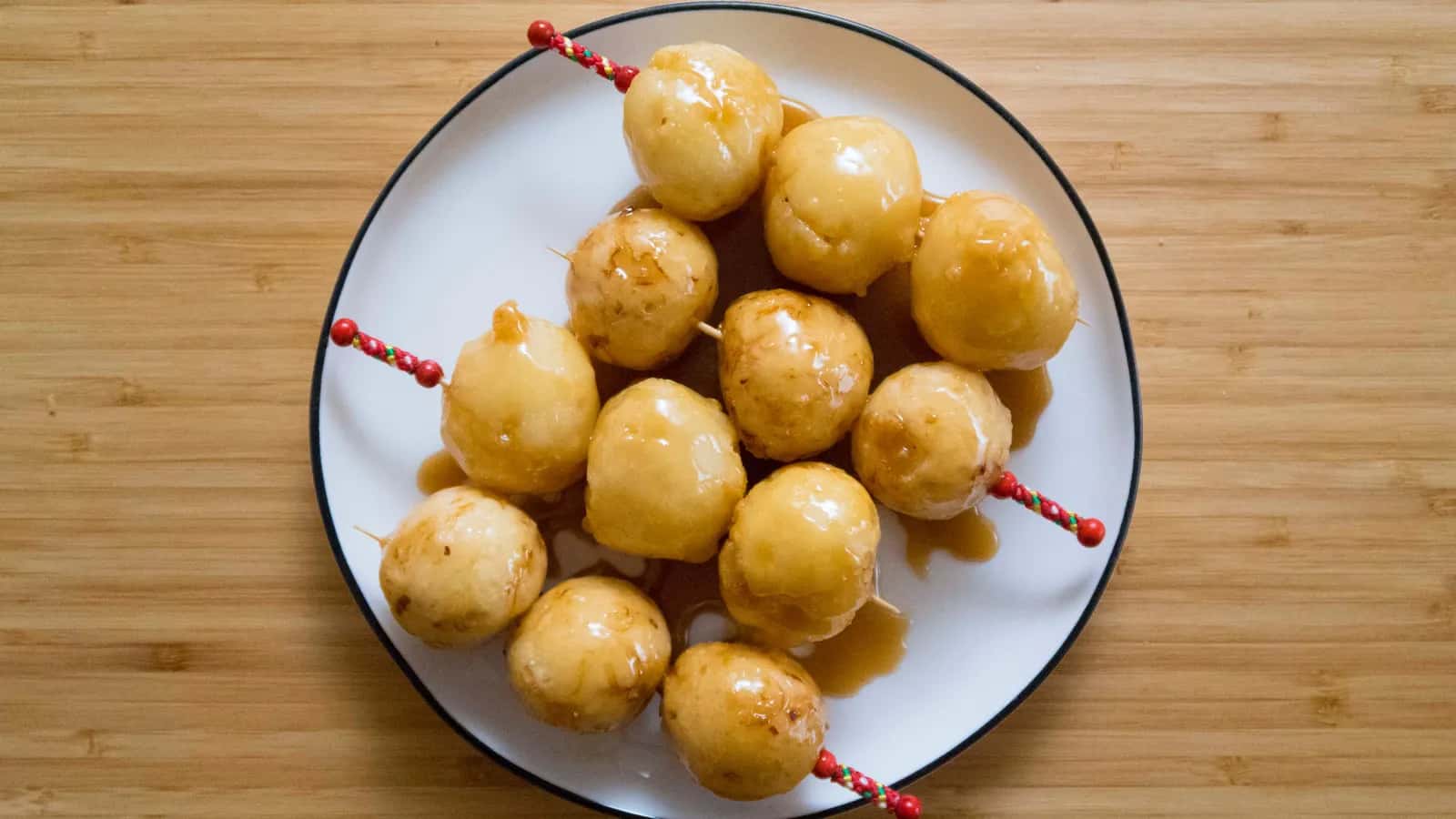
Sureballs
Street Food & Snacks
- Franchise fee
- ₱30k
- Total investment
- ₱50k–₱150k
🎁 Start Your 1 Month Free Trial of the Full Plan, Exclusively for Brands & Advisors.Get Started
Browse 20 franchises up to ₱200k in Tabuk, with investments from ₱149k to ₱200k, franchise fees mostly between ₱30k and ₱137k, and most paying back in 3 to 10 months.
Updated

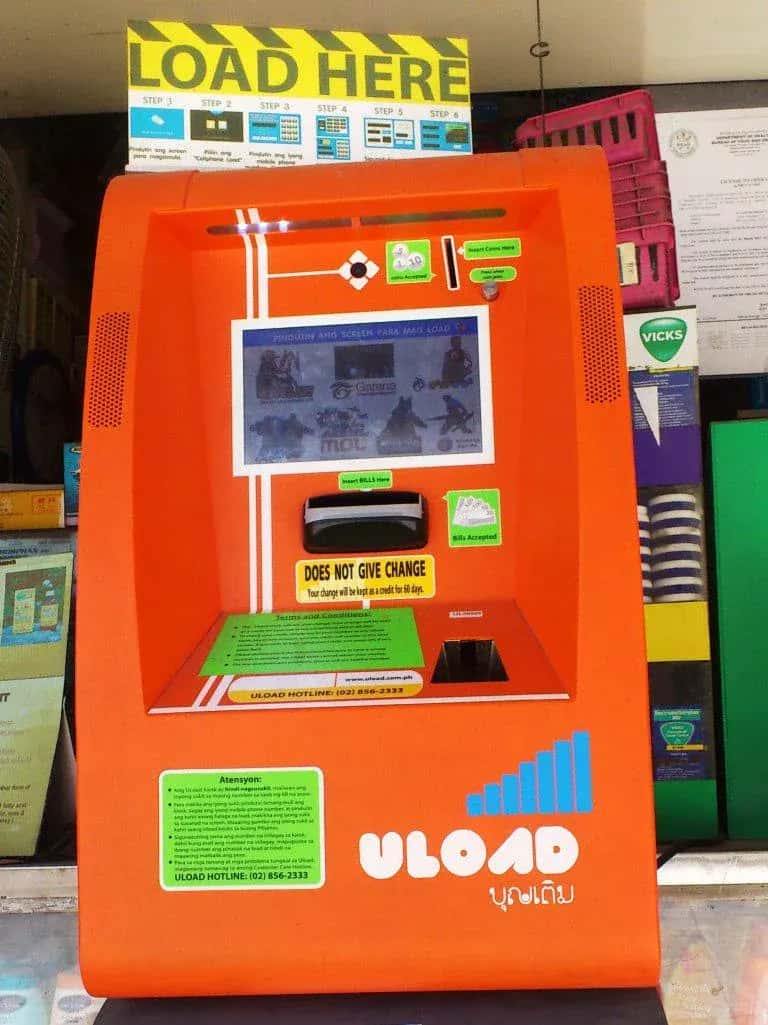
Payment & Remittance Center

Payment & Remittance Center
Visit a branch

Ice Cream & Desserts
Tabuk has about 530 businesses on the map, from food and drink to shops, services and clinics. Check what already operates near the spot you have in mind.
Population
121,0332020 census
Per 10,000 residents
44businesses we track
Business locations are based on Overture Maps open data (October 21, 2026 release) and do not represent a complete census of all businesses.
Four months is the payback quoted for the setups priced directly for Tabuk, Kalinga, which cost between ₱50,000 and ₱150,000 to open. That sets the pace for a first business in the provincial capital, and a budget of up to ₱200,000 covers every one of them. Brands that open anywhere in the country begin near ₱17,000 and reach the full ₱200,000, so a household can choose a light start or a fuller build, depending on how much cash it wants to keep in reserve.
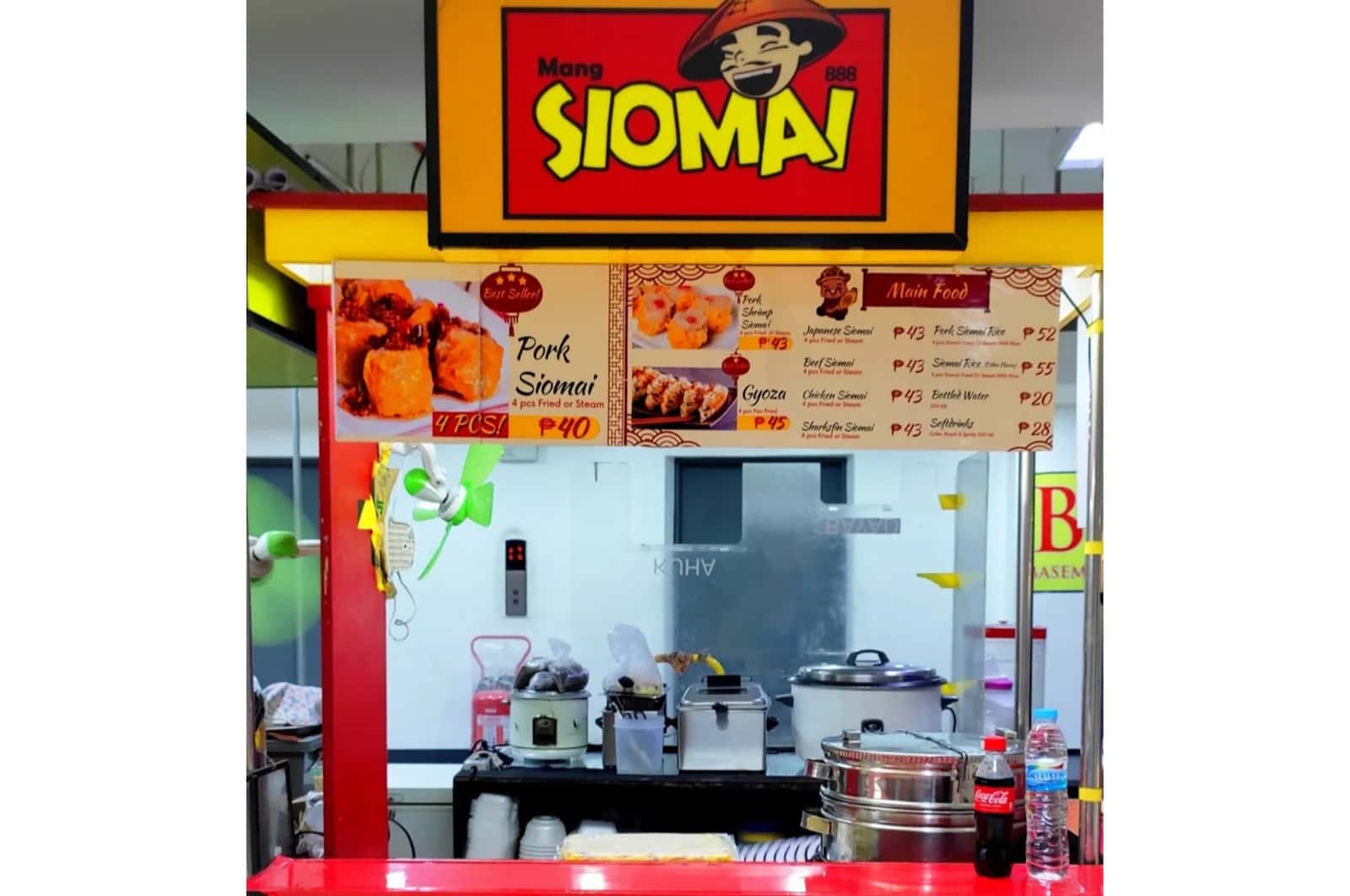
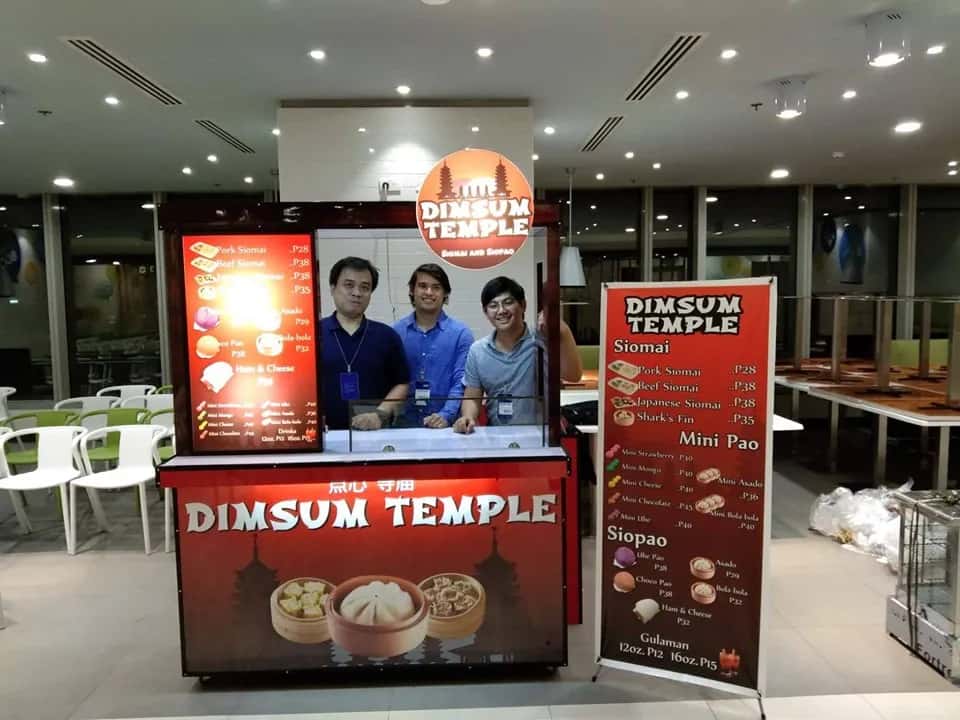
A buyer in Tabuk comparing formats at ₱200,000 meets mostly carts and kiosks, since those two make up nearly all of what is priced for the city. Most nationwide brands offer them too, so there is plenty to compare within the format that suits a first business. Inline stores come next in how often they appear, and home-based or online routes appear in a smaller part of the field. An inline store gives a fixed shopfront, but rent and a fit-out take a large share of ₱200,000. A home route needs few outlays but relies on orders and on deliveries that must travel up and down hill roads. For a new owner who wants low risk and quick feedback, a cart or a kiosk fits best. The choice between them depends on how much shelter the spot offers and how many hours the owner can stand behind the counter.
Tabuk is the capital of Kalinga and the commercial centre for the hill towns around it, so its streets fill with government workers, students, traders and farm families who come down to shop. The city sits beside a river valley where rice is grown, and harvest income reaches households at predictable times of the year. Weekday mornings and midday are busy around the offices, schools and the public market, and weekends pick up when visitors arrive from the barangays. A stall that sells filling, low-priced snacks does well with all of these groups. The city is also cool in the evenings compared with the lowlands, which favours hot food and drinks after dark. Watch school breaks and local holidays, since traffic changes with them, and plan stock to match the calendar. Because the hill towns send shoppers down on the same days each week, a stall that learns those days can prepare more and waste less.
The local setups cost between ₱50,000 and ₱150,000, and a fee of ₱30,000 sits inside each of those totals. What separates the lower end from the higher one is the build: a compact cart with a starter batch of stock at one end, and a fuller kiosk with more equipment and signage at the other. Across the country, the cheapest choice begins near ₱17,000 and the largest reaches ₱200,000, with fees from nothing to around ₱150,000. Payback on those is quoted from three months to a year. A buyer with a stove, a refrigerator or a counter already at home can often choose a cheaper build and keep the savings as working cash. The quoted four-month payback for the local setups is a target to check against real takings, not a promise, so keep daily records from the first week. Setting a small cash cushion aside for the permit renewal and for ingredient prices that rise from season to season makes the first year calmer.
A few questions asked early keep a buyer from paying for surprises later. Ask what the quoted price includes on opening day and what you must pay for separately, such as signage, training, a first batch of stock or the permit. Ask whether the territory around your spot is protected, and what happens if another stall opens close by. Ask who will cover for you on a day when you cannot stand at the counter, and how many hours a week you can realistically work. Ask how the school calendar and the harvest season affect sales in a city like this, and what recent owners did in the slow weeks. Finally, ask yourself whether the spot has foot traffic at the hours you plan to sell. Write the answers down, compare them across choices and sign only when the notes agree. A day spent counting passers-by beside the proposed spot is cheap and tells more than most brochures.
Now that you've seen what's here, a real advisor can help you shortlist and weigh the options against your budget. Free, at your pace.

Financing Readiness · Site Selection

Low-Capital Startups

Franchise Agreements · Multi-Unit Expansion

Low-Capital Startups · Site Selection
Are you a franchise advisor?Get your own workspace here
Choose an industry to see its franchises in Tabuk, with their fees and investment ranges.
Get honest answers on what this budget really covers, fees and payback, free and with no pressure.
Payment terms for supplies affect cash flow, though ₱200k reaches the 20 franchises in Tabuk with an investment between ₱100k and ₱200k. Some franchisors require payment before each delivery, while others allow a short credit period once you have a track record. Ask which arrangement applies to new franchisees, because paying upfront for every order means you need more cash on hand at all times.
Write down the ₱200k industry tally for Tabuk, which is food & beverage with 13 franchises, financial services with 3 and bakery & pastry with 2. A written copy lets you add notes from each conversation and each visit, so your thinking builds up in one place. After talking to people in a few fields, mark which ones gained interest and which lost it. By the end the written trail shows your own preference more clearly than the original count ever did.
Customers of different ages prefer different formats, and ₱200k in Tabuk offers food carts with 16 franchises, kiosks with 16 and inline stores with 3. Teenagers favor snacks and drinks, while parents favor practical goods and services. Think about who is most likely to buy from each format and whether that group is one you enjoy serving. Choose a format that matches your own interests, since enthusiasm for the product shows in how you treat customers.
Advice before paying is a small expense next to the franchise fee, which for ₱200k franchises in Tabuk usually runs ₱30k to ₱137k. A lawyer or accountant who reads your contract can explain fee clauses, flag unfair terms and suggest changes. Consider setting aside a modest amount for this review, since it protects a far larger payment and can reveal terms you would otherwise only notice after signing.
Savings stretch differently depending on how many options you have, and since Tabuk shows 20 ₱200k franchises with Baguio with 20, Alaminos with 20, Batac with 20 and Candon with 20 around it, your options are level. A level supply means no city forces you toward a franchise just because few others exist. You can afford to be selective, which is easier to do when you can see that the neighbours offer no clear advantage.
Competition does not stop at a boundary line, so beyond the 530 businesses mapped in Tabuk, led by food and drink with 134, shops and retail with 116 and services with 113, from incomplete open data, count the sellers just outside it too. Shops at the edge, or those that deliver in, can reach your buyers. Ask residents where they buy your kind of product, even if the shop is in the next town, and add those sellers to your count.
In practice, running a ₱200k franchise in Tabuk from your office depends on whether you can trust the person minding the store and verify that trust. CCTV you can view on your phone, a sales system with remote access and a daily report together give you a reasonable picture from a distance. Set up those tools before opening so they become routine for your crew from the very start.
Stages after the contract is signed, such as permits, fit-out and training, run at their usual pace for a ₱200k franchise in Tabuk, so signing early does not bring opening day closer by itself. What shortens the wait is having your site, documents and funds ready before you sign. Ask the franchisor what must be finished before each stage can begin, then prepare those items first.
Compare how many franchises start at each budget level in Tabuk, from the smallest packages up.
Compare how many ₱200k franchises take franchisees in each place, nearest first.
Franchises at the next budget level, ₱300k, worth a look if you can stretch your savings a little.
Street Food & Snacks

Filipino Restaurant

Street Food & Snacks
Chicken & BBQ

Filipino Restaurant

Travel & Tours

Street Food & Snacks
Street Food & Snacks

Learn practical inventory control steps for your Philippine franchise to cut waste, prevent loss, and protect your capital.
Aug 14, 2026 6 min read
Learn how non-compete clauses work when exiting a franchise agreement in the Philippines, protecting your investment after closing.
Jul 20, 2026 5 min read

Learn how to secure financing for your Philippine franchise, from preparation to approval. A practical guide for new operators and OFWs.
Jul 20, 2026 5 min read