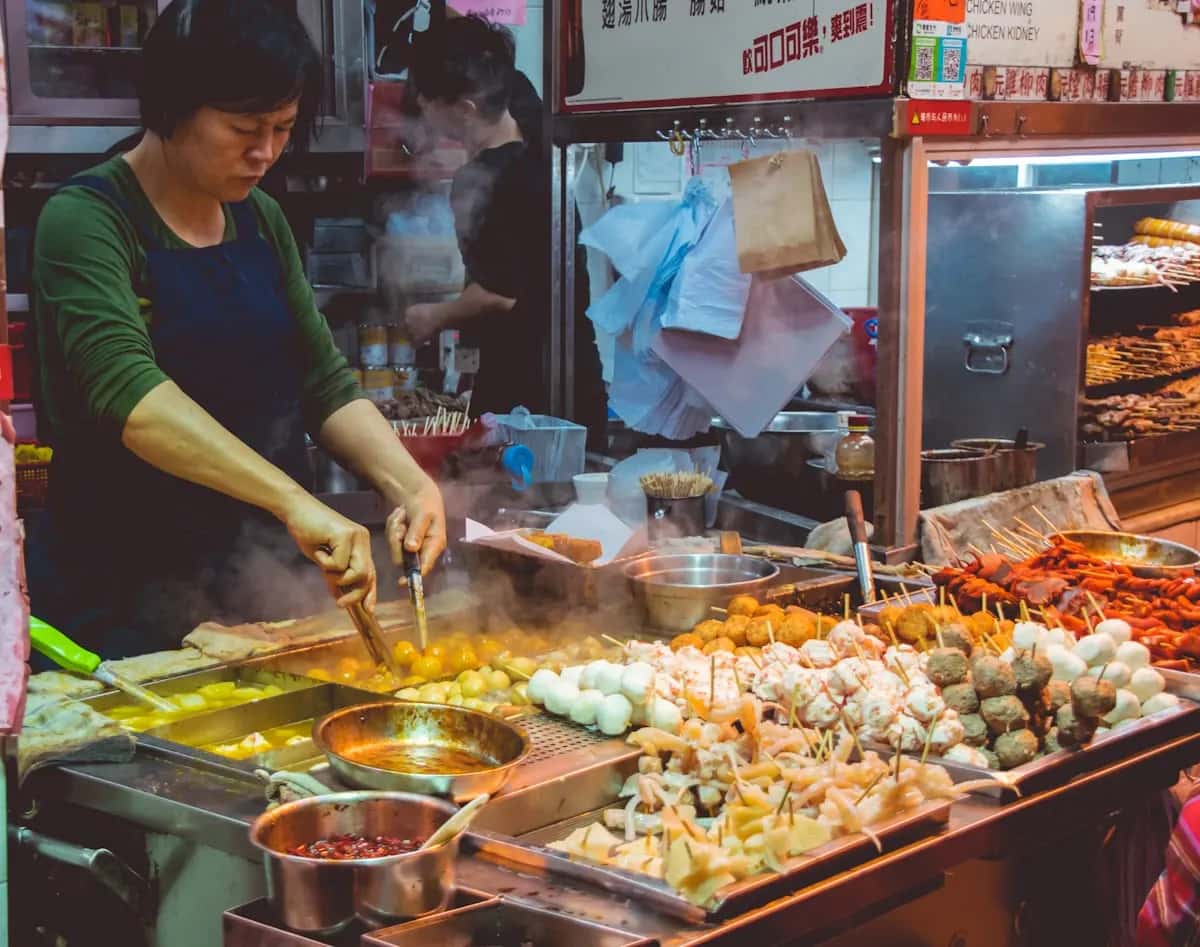
Sureballs
Street Food & Snacks
- Franchise fee
- ₱30k
- Total investment
- ₱50k–₱150k
🎁 Start Your 1 Month Free Trial of the Full Plan, Exclusively for Brands & Advisors.Get Started
Browse 20 franchises up to ₱200k in San Jose City, with investments from ₱149k to ₱200k, franchise fees mostly between ₱30k and ₱137k, and most paying back in 3 to 10 months.
Updated
Payment & Remittance Center
Visit a branch

Juices & Shakes
Visit a branch

Ice Cream & Desserts
Payment & Remittance Center
San Jose City has about 1,193 businesses on the map, from food and drink to shops, services and clinics. Check what already operates near the spot you have in mind.
Population
150,9172020 census
Per 10,000 residents
79businesses we track
Business locations are based on Overture Maps open data (October 21, 2026 release) and do not represent a complete census of all businesses.
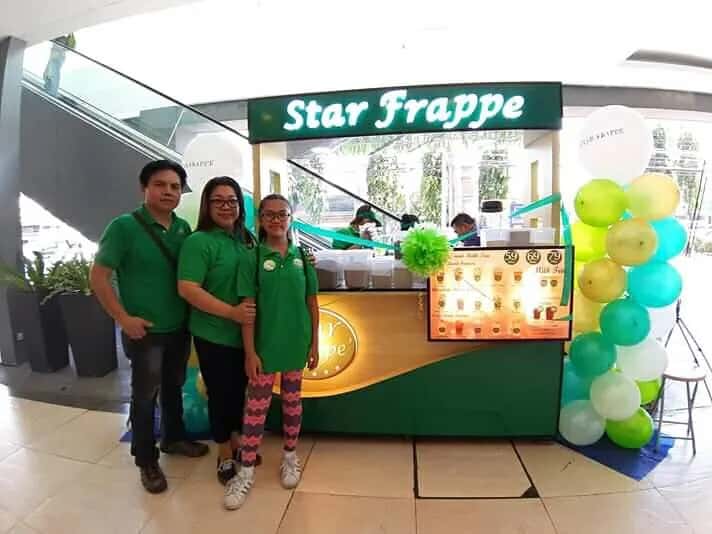
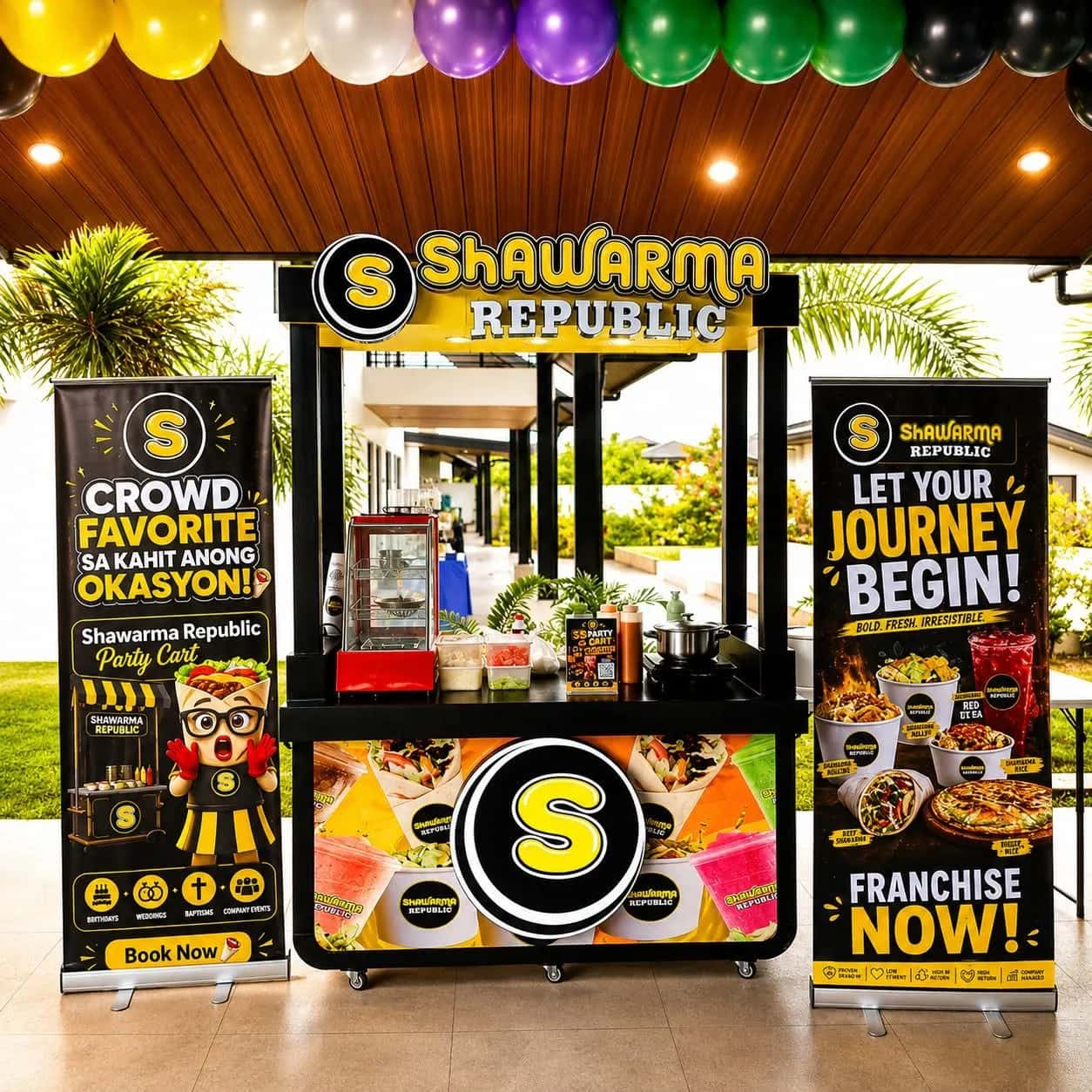
San Jose City functions as the commercial hub for a cluster of farming towns across Nueva Ecija, and rice trucks and traders passing through do as much for local commerce as its own residents. What already carries this city by name at this budget prices from about ₱50,000 to ₱150,000, in the shape of a cart or a kiosk rather than a storefront. The nationwide list beyond that opens into a wider range of prices and formats than what is available here today.
San Jose City's own listing prices a cart or a kiosk between roughly ₱50,000 and ₱150,000. A flat ₱30,000 fee comes built into either format, and payback is quoted at about four months for both. The city works as a supply and trading point for the towns around it. A cart parked near the grain mills or the produce trucks catches business tied to that trading calendar, not only to residents shopping nearby. Cash through the town follows the rice cycle: heavier right after harvest, when farmers and traders settle their accounts, lighter during the growing months in between. A format that only performs during that heavy stretch will struggle to average out to four months, so steady daily trade matters as much as catching the seasonal peak. That favors a kiosk sited near the market proper, which sees traffic through both the quiet and busy stretches. A cart that leans on a single event or crowd to make its numbers has a harder time hitting that average.
San Jose City's own figures sit inside a nationwide field that stretches further at both ends. The cheapest nationwide setups undercut the local entry price by more than half, while the priciest run about a third above the ₱150,000 that marks the top of what lists this city. Fees nationwide swing from nothing at the leanest setups to nearly five times the flat ₱30,000 fee tied to San Jose City. That difference usually buys more training and support at the higher end, not a better format on its own. The format mix stays fairly close to what is already available here: cart and kiosk still cover roughly four out of five nationwide setups between them. What San Jose City does not yet carry is the smaller share built around an inline storefront or a home-based setup, options that together make up under a third of the nationwide field. How fast that money comes back nationwide swings between about three months and a full year, well past the four months this town's own figure quotes. Most of that gap traces to how well the site fits the format, not to the format alone.
Whether the four-month payback holds depends heavily on where the cart or kiosk actually sits, more than on the format chosen. A spot near the produce trucks or the rice mills sees a different rhythm of buyers than one near the town's residential edge, and the entry figure does not distinguish between the two. Confirming what the ₱30,000 fee includes matters here too. A fixed pitch near the trading area is worth more than the fee amount alone suggests, since arriving late to an unclaimed spot on a busy morning can mean losing the best hours to whoever got there first. Weather is a separate risk worth planning around. Access roads into San Jose City from the surrounding farming barangays can flood during the rainy months, cutting off exactly the trading traffic the payback figure counts on. A kiosk with real shelter rides that out better than an open cart, which loses working days it has no way to recover once the season turns.
₱150,000 covers the format itself in San Jose City, not everything it takes to actually open. Wherever the cart or kiosk lands, whether that is a spot near the trading area or somewhere quieter, comes with its own separate cost that the entry figure and the ₱30,000 fee leave out. Running it day to day usually falls to the owner alone, since a format this size rarely supports paid staff from the outset. That labor is real even when it never shows up as a line item on paper. Stock is the other gap: enough on hand to cover the slower weeks between harvests without running short, which needs its own budget on top of whatever the ₱150,000 already bought. Treating that figure as the whole cost of opening, rather than just the format's share of it, is the most common way the four-month payback ends up missed.
Now that you've seen what's here, a real advisor can help you shortlist and weigh the options against your budget. Free, at your pace.

Financing Readiness · Site Selection

Low-Capital Startups · Site Selection

Low-Capital Startups

Franchise Agreements · Multi-Unit Expansion
Are you a franchise advisor?Get your own workspace here
Choose an industry to see its franchises in San Jose City, with their fees and investment ranges.
Get honest answers on what this budget really covers, fees and payback, free and with no pressure.
To be realistic, ₱200k matches the quoted investment of 20 franchises in San Jose City, which sit between ₱100k and ₱200k, yet your full opening cost will probably land higher. Setup almost always reveals a cost no one mentioned, from extra wiring to a missing permit. Add a contingency line to your budget for these surprises and refuse to spend it on anything planned. When you collect quotes from contractors, ask what usually goes wrong on similar jobs, since people who build stores often know which surprises to expect.
Observation beats assumption when reading the ₱200k counts for San Jose City, which are food & beverage with 13 franchises, financial services with 3 and bakery & pastry with 2. Spend time at spots similar to yours and notice which kinds of outlets draw people. Compare what you see with the fields on the list, and favor fields you have watched succeed in a place like yours. What you see directly is more reliable than any count, so let the count only point you toward what to watch.
Ease of replacement is worth considering, since ₱200k in San Jose City offers food carts with 16 franchises, kiosks with 16 and inline stores with 3. Formats with ready made products are easy to restock quickly, while formats that rely on special ingredients or parts take longer to replace. Ask how easy it is to replace each key item in the format. A format with easy replacement keeps your counter full, which protects sales on the days things go wrong.
Local results count more than national ones, so ask whether the 3 to 10 months payback that ₱200k franchisors quote comes from branches in San Jose City or elsewhere. Costs and spending habits can differ a lot between areas, and a figure built in a different market may not travel well. Request figures from branches in or near San Jose City, and if none exist yet, treat yourself as testing a new market and plan with extra caution.
City lines are administrative, but franchisors often recruit by region, so San Jose City at 20 ₱200k franchises and the neighbours at Cabanatuan with 20, Gapan with 20, Muñoz with 20 and Palayan with 20 read as one market. That is useful, because a franchisor that lists a neighbour may extend to your city on request. Ask politely whether San Jose City can be added, and note how the franchisor responds, as a quick yes is a good sign.
For many first-time owners, the right crew size becomes clear only after a few months of operation. A ₱200k franchise in San Jose City might start with a plan that later needs adjustment as sales patterns emerge. Keep a simple log of daily sales, customer counts and staff hours, and review it monthly so your staffing decisions rest on real numbers from your own outlet.
Every franchise has a manual, so ask whether you can see its table of contents or a sample section before signing. The operations manual sets the rules you must follow, and the agreement usually says you must obey any future changes to it. For someone investing between ₱100k and ₱200k, that means your obligations could grow over time. Ask how often the manual is updated and how franchisees in San Jose City are informed when it changes.
For a first franchise at the ₱200k level in San Jose City, rent should leave you enough breathing room to learn the business. Mistakes in ordering, staffing and pricing are common at the start, and a heavy rent makes those mistakes more expensive. When comparing spaces, lean toward a lease you can sustain comfortably during your learning period, even if a more expensive location looks tempting.
Compare how many franchises start at each budget level in San Jose City, from the smallest packages up.
Compare how many ₱200k franchises take franchisees in each place, nearest first.
Franchises at the next budget level, ₱300k, worth a look if you can stretch your savings a little.
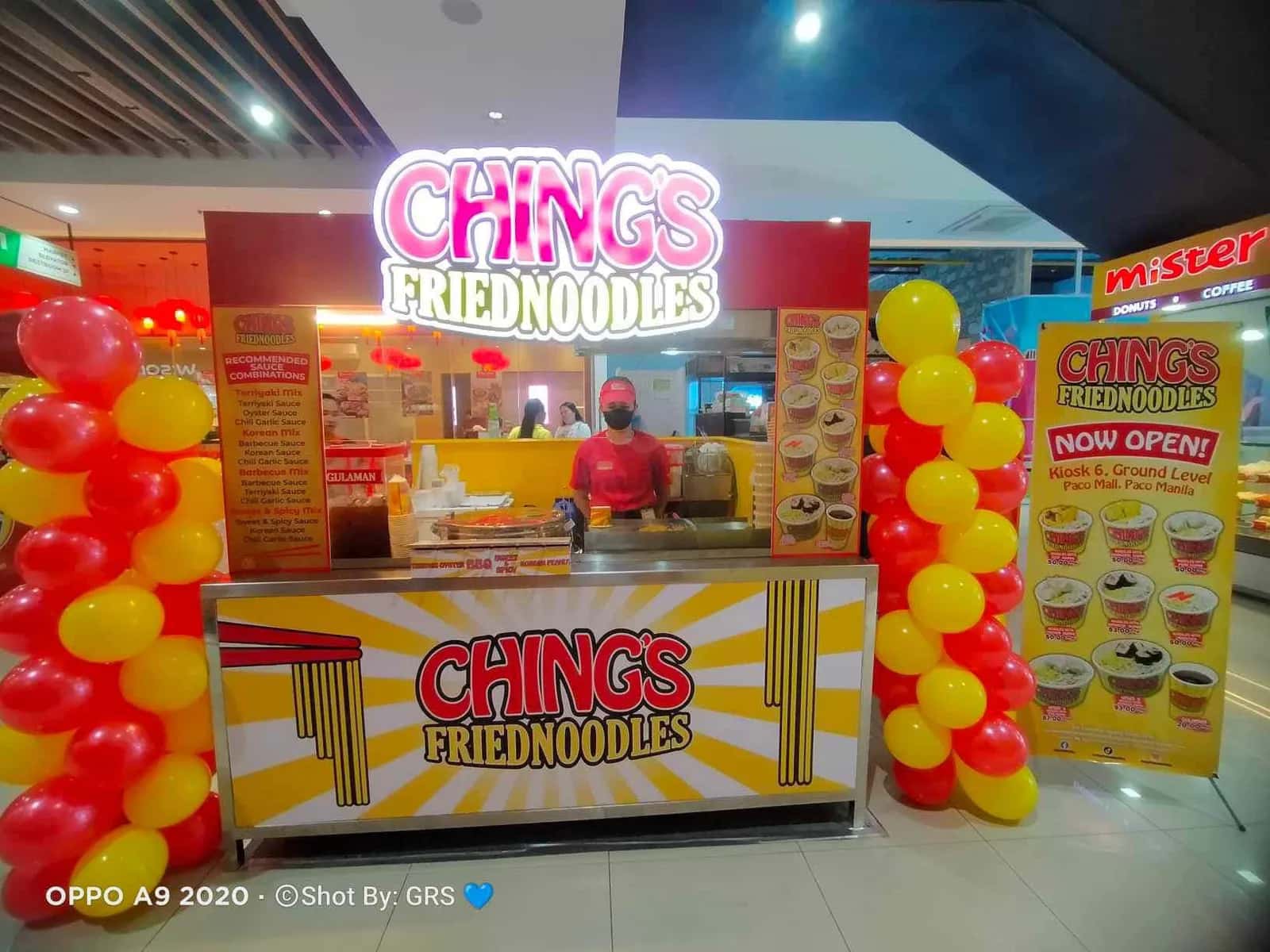
Street Food & Snacks

Filipino Restaurant
Visit a branch

Street Food & Snacks
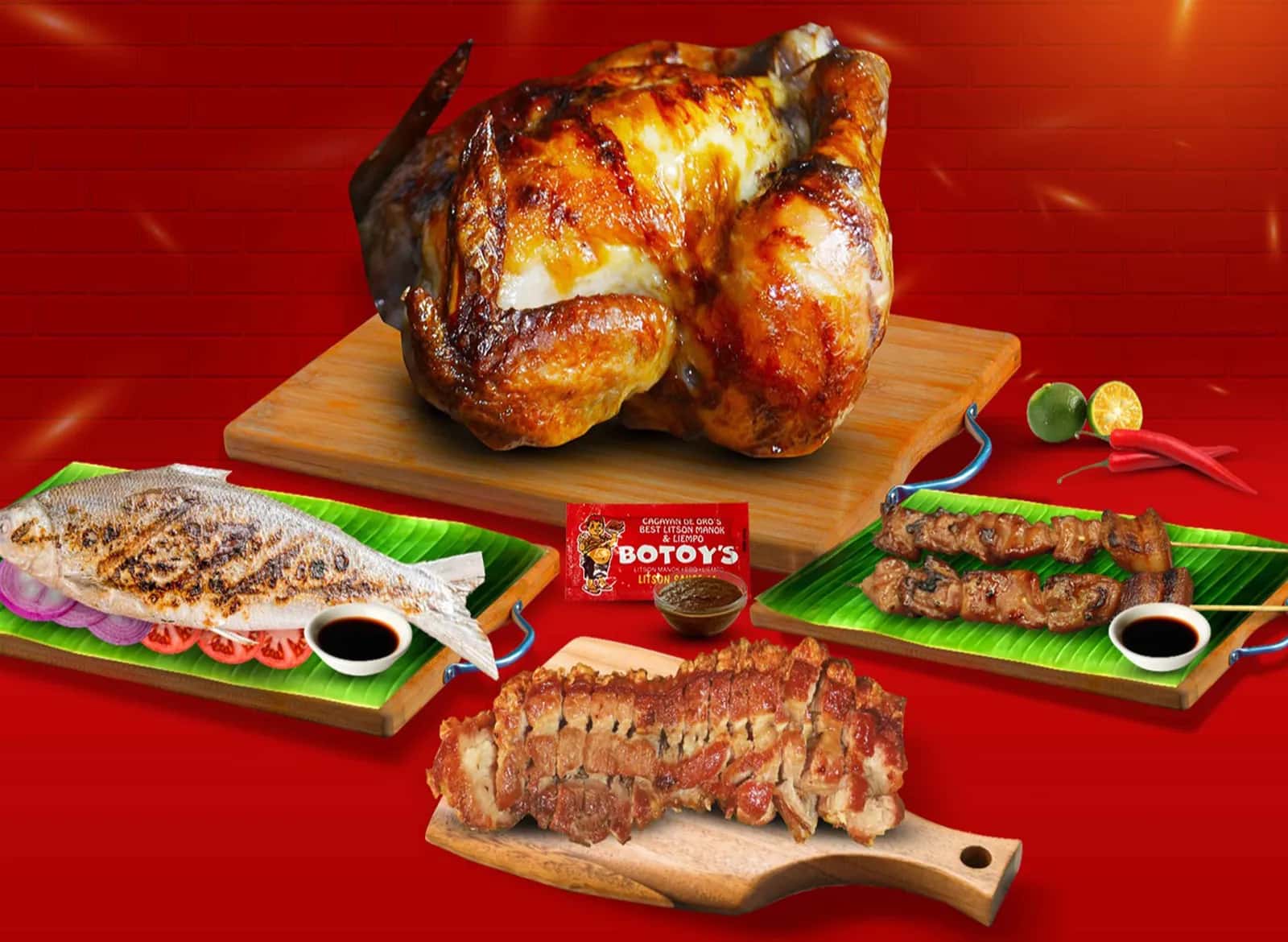
Chicken & BBQ
Visit a branch

Filipino Restaurant

Travel & Tours
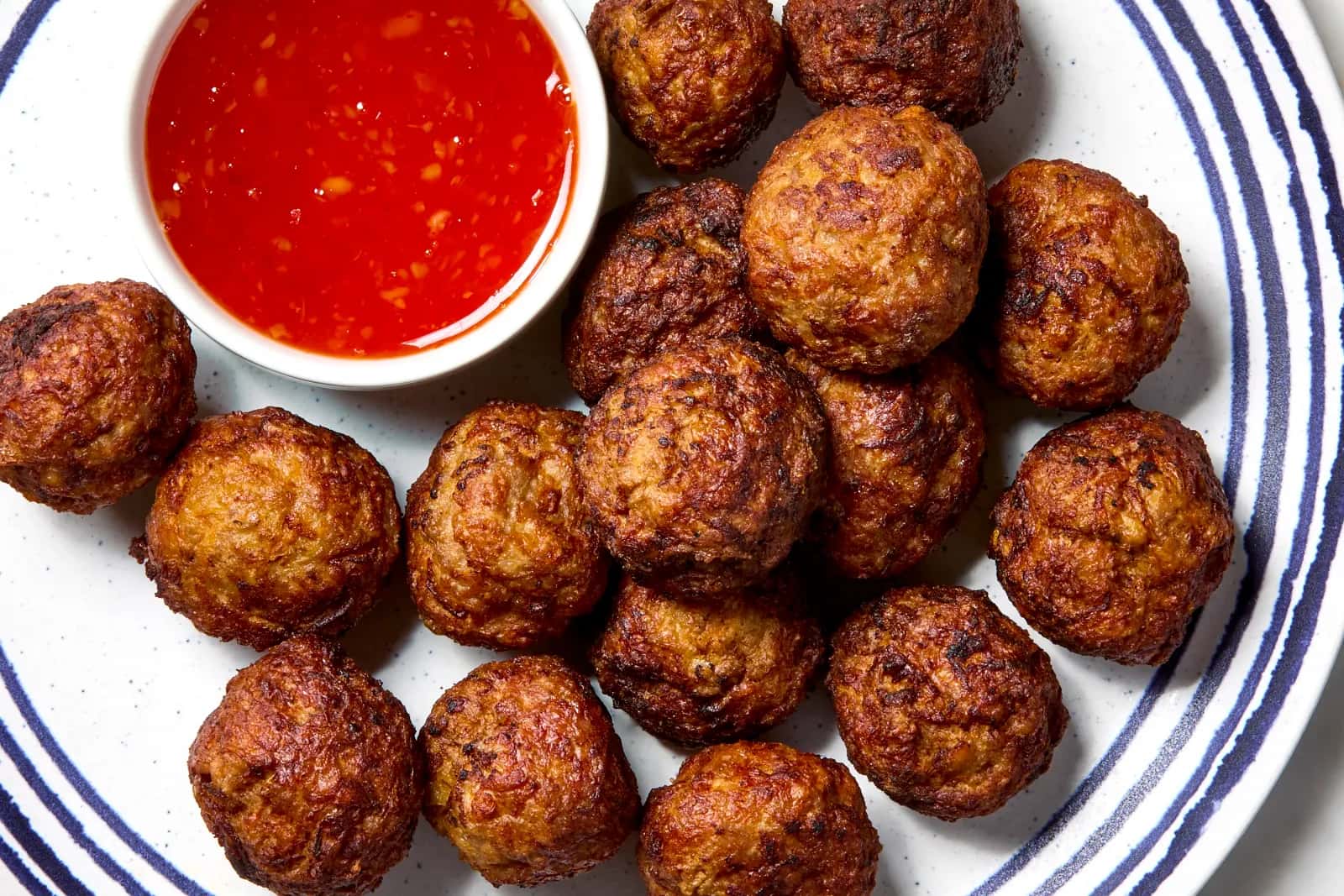
Street Food & Snacks
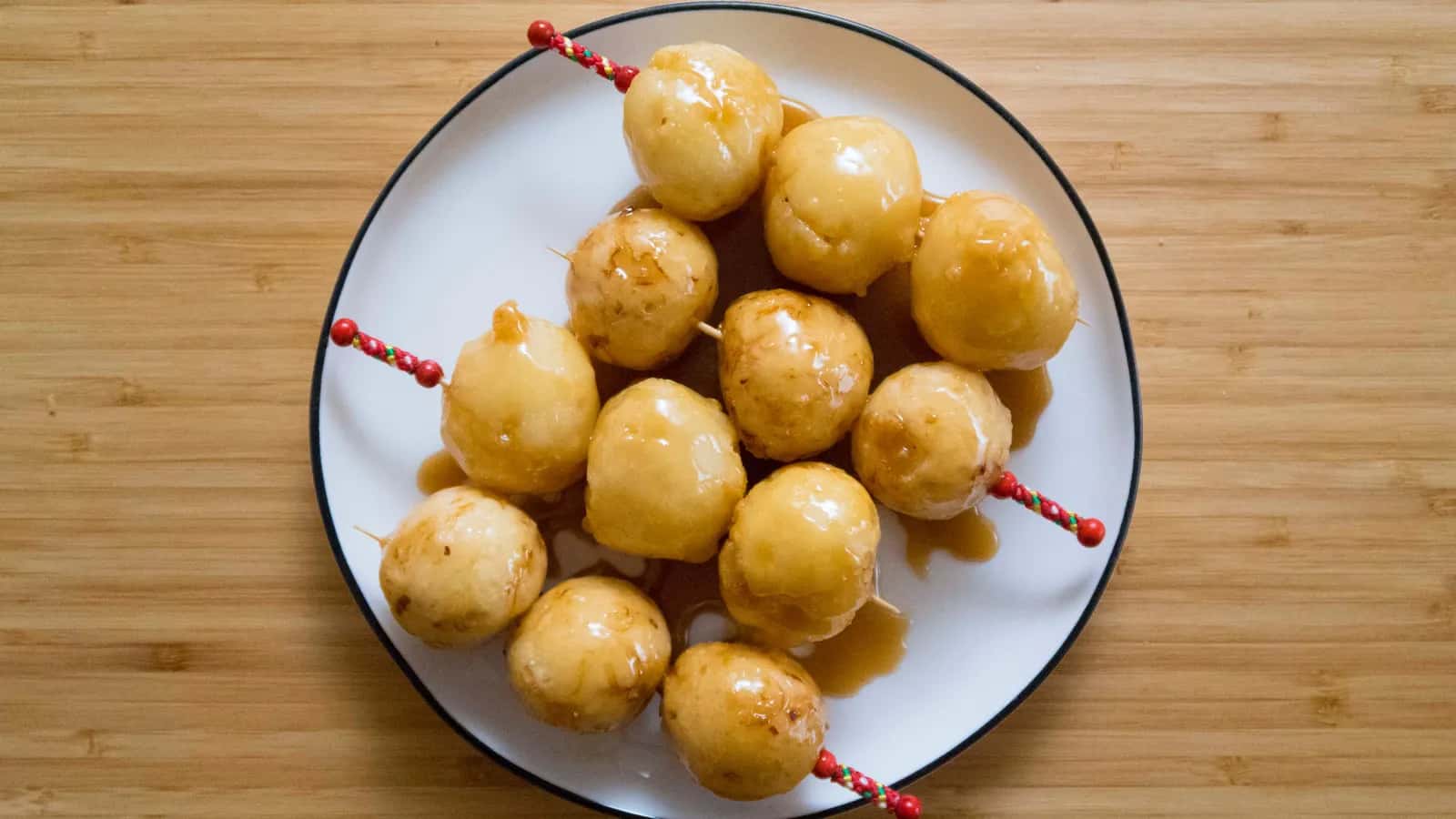
Street Food & Snacks

Learn practical inventory control steps for your Philippine franchise to cut waste, prevent loss, and protect your capital.
Aug 14, 2026 6 min read
Learn how non-compete clauses work when exiting a franchise agreement in the Philippines, protecting your investment after closing.
Jul 20, 2026 5 min read

Learn how to secure financing for your Philippine franchise, from preparation to approval. A practical guide for new operators and OFWs.
Jul 20, 2026 5 min read