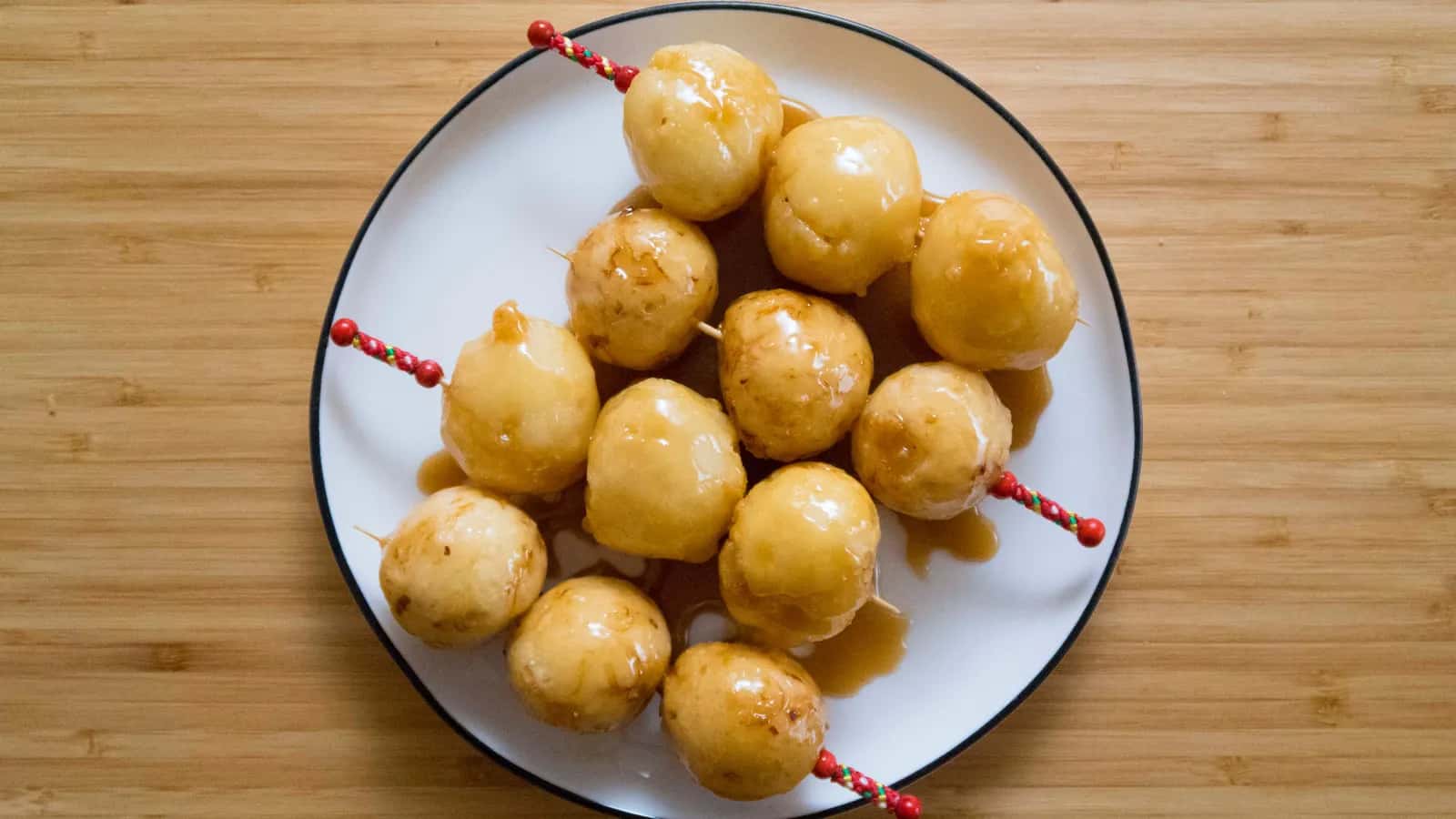
Sureballs
Street Food & Snacks
- Franchise fee
- ₱30k
- Total investment
- ₱50k–₱150k
🎁 Start Your 1 Month Free Trial of the Full Plan, Exclusively for Brands & Advisors.Get Started
Browse 20 franchises up to ₱200k in La Union, with investments from ₱149k to ₱200k, franchise fees mostly between ₱30k and ₱137k, and most paying back in 3 to 10 months.
Updated
Payment & Remittance Center
Visit a branch
Payment & Remittance Center

Ice Cream & Desserts

Juices & Shakes
Visit a branch
La Union has about 5,957 businesses on the map across its cities and towns, from food and drink to shops, services and clinics. Check what already operates near the spot you have in mind.
Population
822,3522020 census
Per 10,000 residents
72businesses we track
Business locations are based on Overture Maps open data (October 21, 2026 release) and do not represent a complete census of all businesses.
A cart or a kiosk is what ₱200,000 buys in La Union, since every locally priced option here comes in one of those two forms. That local pricing runs from around ₱50,000 to ₱150,000, and the fee attached to it is flat at ₱30,000. Payback on it is claimed at four months. Nationwide, brands widen the field considerably, starting near ₱17,000 and reaching the full ₱200,000, with fees stretching as high as ₱149,000.
The province's own entry sits inside a fairly narrow range from ₱50,000 to ₱150,000, and each one already prices as both a cart and a kiosk without the money changing. Nationwide, the same ₱200,000 budget covers a much wider entry range, starting near ₱17,000, which means a first-timer with less capital still has plenty to choose from outside La Union's own list. Fees follow a similar pattern. The local figure sits flat at ₱30,000, while nationwide fees run anywhere from zero up to almost ₱149,000, a gap that usually reflects how much training and support comes bundled in. Payback nationwide spreads from three months to a year, wider than the four months claimed locally, partly because the nationwide field includes formats that take longer to find their footing than a straightforward cart. Format shares nationwide lean heavily toward carts and kiosks too, with an inline storefront and a home or online setup both making up smaller shares of the total. Reading the two lists side by side is less about which is cheaper and more about which comes with a track record already proven for this kind of money.
Money in La Union does not come only from people who live there. A steady stream of travelers moves through the province on the way to somewhere else, heading further north into Ilocos or back south toward Manila, and that movement shapes where a cart or a kiosk actually sells. Positioning near a stopover point, a bus terminal, or a roadside pull-in matters here in a way it would not in a province people only ever stay inside. That through-traffic runs heaviest around weekends and long holidays, and thinner on an ordinary weekday. A format built for this budget should expect real swings rather than a flat crowd every day. Anyone weighing a coastal spot against an inland town along the same route should watch which one holds a steadier flow across the week. Consistency matters more than one spectacular weekend for recovering a fee this size.
The question worth asking first is whether the four-month local payback assumes weekend traffic, weekday traffic, or an average of both. A spot that only performs on weekends and holidays needs a longer runway than the headline figure suggests. It also helps to confirm what a roadside permit actually costs and how often it needs renewing. That expense sits outside the ₱30,000 fee and the entry price entirely. Anyone comparing a nationwide brand's higher fee against the local figure should ask what that difference buys: extra equipment, a longer training period, or ongoing marketing support once the cart is running. Confirming who absorbs a slow month matters too, whether that falls on the operator alone or on support the brand provides. That question counts for more at a busy roadside spot than inside a steady residential area. These questions are ordinary preparation for a fast-payback format, not doubt about the province or the brands behind it.
The ₱50,000 to ₱150,000 that already prices La Union's own option, or the wider ₱17,000 to ₱200,000 nationwide range, covers the build and the first stock. It does not cover the swings a highway-facing spot goes through week to week. A cart or a kiosk near a busy corridor still needs enough working capital to stay stocked through a strong weekend without running out, and enough held back to cover a quiet weekday without panic. Staffing at this budget is usually the operator plus occasional help during the busiest travel weekends, since paying for full daily coverage rarely makes sense until the weekly pattern is well understood. Renewing any roadside permit, along with basic maintenance on a cart that sits exposed to weather along a highway, adds a small but recurring cost that the four-month payback figure does not include. Planning cash flow around the actual weekly rhythm, rather than an averaged daily figure, is what keeps a highway-facing cart or kiosk solvent through its first few slow stretches.
Now that you've seen what's here, a real advisor can help you shortlist and weigh the options against your budget. Free, at your pace.

Financing Readiness · Site Selection

Low-Capital Startups

Franchise Agreements · Multi-Unit Expansion

Low-Capital Startups · Site Selection
Are you a franchise advisor?Get your own workspace here
Choose an industry to see its franchises in La Union, with their fees and investment ranges.
Get honest answers on what this budget really covers, fees and payback, free and with no pressure.
Choice is wide at ₱200k, with 20 franchises in La Union quoting an investment between ₱100k and ₱200k. Before deciding, ask how much daily work and time the format needs, since more labor means higher payroll and a larger monthly bill. Use the answer to estimate your running costs, then confirm that ₱200k covers the package and still leaves a sensible reserve. Honest estimates matter more here than optimistic ones.
What customers can buy elsewhere also shapes the ₱200k industries in La Union, which tally food & beverage with 13 franchises, financial services with 3 and bakery & pastry with 2. If a product is available from many nearby sellers, a franchise needs a clear difference to win buyers. Look at what each field offers that nearby shops do not. Prefer fields where you can point to a real difference, such as a method, a recipe or a service, because a field without one competes only on convenience.
To match your ₱200k budget in La Union, there are food carts with 16 franchises, kiosks with 16 and inline stores with 3. A setup is easier to manage when its stock is simple and keeps well, because waste adds up quickly in a small operation. Ask each franchisor about shelf life and how much spoilage owners usually deal with, then factor that into your plan. Items that spoil quickly also make ordering harder, so ask how owners decide how much to order each week and whether the franchisor helps with forecasting.
Family conversations about the fee go better with facts, since the franchise fee for ₱200k franchises in La Union usually runs ₱30k to ₱137k. Prepare a short summary of the amount, what it covers and what is refundable. Having these details written down helps relatives who contribute money to understand where it goes and gives everyone the same reference when questions come up.
Spending beyond the required fit out can delay the 3 to 10 months payback that ₱200k franchisors in La Union quote. New owners sometimes add nicer finishes, extra fixtures or bigger signs hoping to impress customers, and every addition raises the amount you must recover. Stick to the franchisor's specifications at first, and save upgrades for later when the store's actual sales can justify them.
Seasonal stock matters for some franchises, so working capital for a ₱200k franchise in La Union may need to stretch further before peak periods. Buying extra supplies ahead of holidays or school openings locks up cash that would otherwise cover bills. Ask current franchisees whether they stock up before busy seasons and how they fund it, then plan for those spikes in your reserve.
Franchisor income does not decide your own, so judge what a ₱200k franchise in La Union earns from outlet level numbers alone. Ask for the sales, rent and supply costs of real branches, then work out what remains after royalties. A company can look healthy from fees while individual outlets earn little, which is why branch profit figures matter more than company size when you estimate your income.
Each franchisor's setup decides how much location help you get, and that applies to ₱200k franchises in La Union as much as any other. Some keep a list of spaces they have already checked. Ask whether the franchisor has any pre-approved locations available in La Union right now, since taking one of those can save time, though you should still visit it yourself before agreeing.
Training offered with a ₱200k franchise in La Union may vary depending on the setup you choose, since a kiosk, a dine in outlet and a home based service each need different skills. The franchisor usually adjusts the program to fit, covering what the format requires. Ask how the training differs across the setups the franchisor offers, and make sure yours gets the version that matches it.
Most of what you need to know sits in the agreement, because the franchisor sets the term for a ₱200k franchise in La Union rather than following a standard. Consider asking the franchisor for the names of franchisees who chose not to renew. People who left can tell you honestly how the end of the contract was handled, whether deposits came back and whether the exit was smooth.
Compare how many franchises start at each budget level in La Union, from the smallest packages up.
Compare how many ₱200k franchises take franchisees in each place.
Franchises at the next budget level, ₱300k, worth a look if you can stretch your savings a little.
Street Food & Snacks

Filipino Restaurant
Street Food & Snacks
Chicken & BBQ

Filipino Restaurant

Travel & Tours
Street Food & Snacks
Street Food & Snacks

Learn practical inventory control steps for your Philippine franchise to cut waste, prevent loss, and protect your capital.
Aug 14, 2026 6 min read
Learn how non-compete clauses work when exiting a franchise agreement in the Philippines, protecting your investment after closing.
Jul 20, 2026 5 min read

Learn how to secure financing for your Philippine franchise, from preparation to approval. A practical guide for new operators and OFWs.
Jul 20, 2026 5 min read