Your Tutorial Center
Tutorial & Review Center
- Franchise fee
- ₱150k
- Total investment
- ₱400k–₱800k
🎁 Start Your 1 Month Free Trial of the Full Plan, Exclusively for Brands & Advisors.Get Started
Browse a tutorial & review center franchise up to ₱800k, with an investment of about ₱800k, a franchise fee of about ₱150k, and paying back in about 18 months.
Updated
Tutorial & Review Center
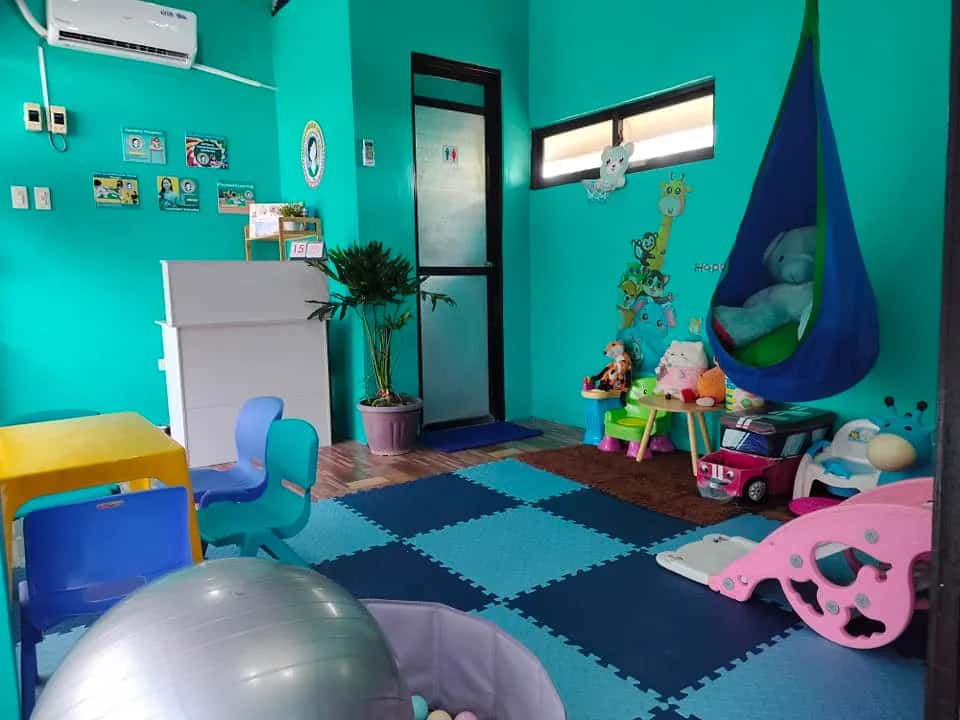
Tutorial & Review Center

Tutorial & Review Center
Tutorial & Review Center
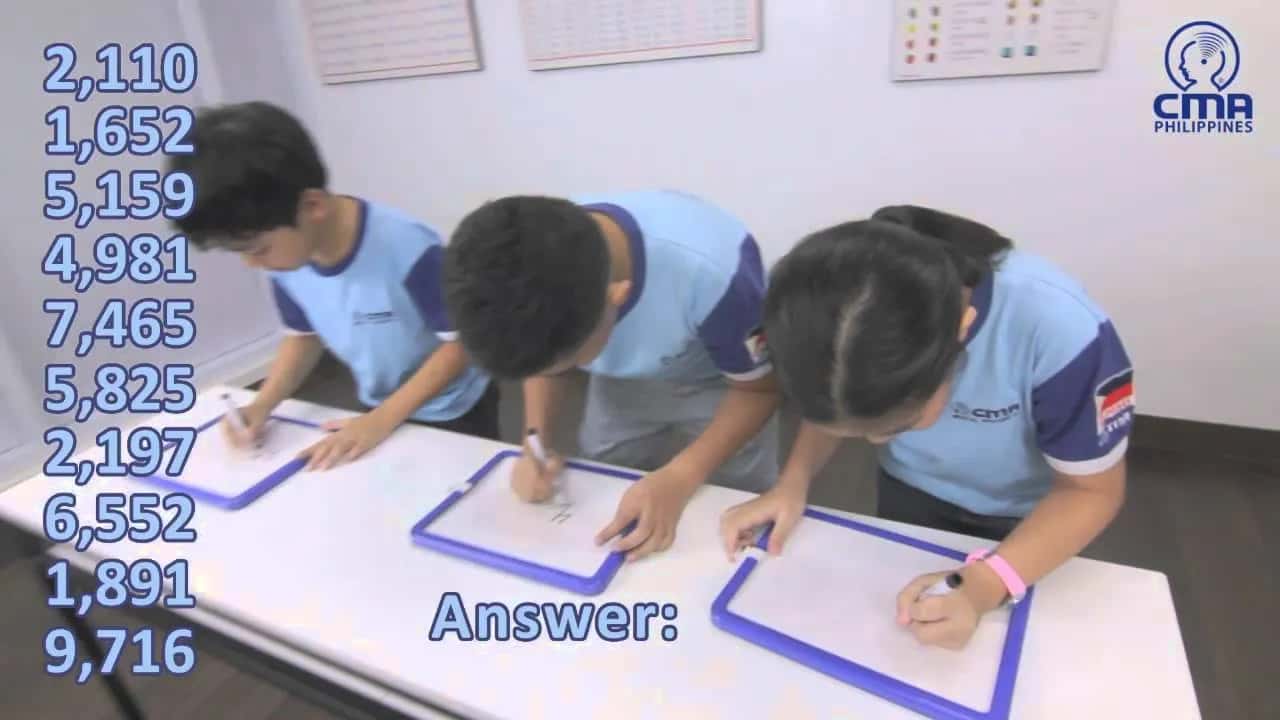
At up to ₱800,000, a tutorial or review center in this category can run as either a fixed classroom or a home-based, online setup, with total cost stretching from around ₱400,000 to the full amount. A fee near ₱150,000 sits inside that range, and payback is estimated at about a year and a half. Having a real choice of format at this budget changes the decision, since the two paths ask for very different amounts of upfront rent and very different daily routines.
At this budget, the same teaching program can be delivered from a fixed classroom in a commercial strip or from a home-based, online setup instead. That choice is the single biggest decision an operator makes at this level. A physical classroom needs a lease, a fit-out, and a visible spot near schools or a residential area where parents pass by. A home-based or online version skips most of that, running instead on a laptop, a quiet room, and a steady internet connection. Neither format changes the fee or the underlying lesson sequence, which stay the same either way. What changes is how much of the total budget goes into rent and furniture versus staying in reserve as working capital. A reader deciding between the two is really deciding how much fixed overhead they want to carry before a single student has enrolled.
A fee of roughly ₱150,000 out of a total that can reach ₱800,000 pays mainly for the teaching program: the lesson sequence, materials, and the training an operator receives before starting. The remainder covers whichever format gets chosen. For a classroom, that means rent, basic furniture, and signage. For a home-based or online setup, it means equipment and a smaller reserve for marketing instead of a lease. Payback of about a year and a half is the same estimate across both paths, which assumes enrollment builds steadily rather than arriving all at once. Anyone choosing the classroom route should set aside extra cash for a deposit and a few months of rent before enrollment covers it. Anyone choosing the online route should expect that reserve to go further, since there is no landlord waiting on the first of the month.
The classroom format suits someone who wants a visible, local presence and is comfortable managing a lease and a physical space that families can walk past and remember. It suits areas where parents still prefer dropping a child off in person, particularly for younger students who need supervision. The home-based or online format suits someone juggling this alongside other work, without the time or appetite to manage a storefront, or serving older students and reviewees comfortable learning through a screen. It also suits a tighter starting budget, since skipping the lease frees up more of the total ₱800,000 ceiling for marketing and materials instead. Neither path is the safer default. The right one depends on the kind of student a reader expects to reach and how much of the day they can dedicate to running a fixed location instead of a flexible one.
A classroom-based center tends to grow by filling more seats in the existing schedule and eventually adding a second batch of sessions once referrals build. A home-based or online setup tends to grow by adding tutors under the same program rather than expanding a physical footprint, since there is no room capacity limiting how many students can be reached at once. Staffing usually starts light either way, often a single instructor handling the early enrollment before a second joins. The choice made now shapes how the business scales later. A classroom locks in a ceiling tied to the size of the room, while a home-based or online setup can, in principle, keep adding tutors as demand grows. Both still depend on the same referral-driven pace of enrollment that tutorial and review programs generally see in the first year. Whichever path is chosen at the start does not have to be permanent. An operator who begins from home and outgrows a spare room can move into a small rented space once enrollment justifies the rent, carrying the same program and reputation into a more visible address. The reverse is harder, since a classroom lease is not easy to unwind mid-term, which is one more reason the format decision deserves real thought before the fee changes hands rather than after.
Now that you've seen what's here, a real advisor can help you shortlist and weigh the options against your budget. Free, at your pace.

Financing Readiness · Site Selection

Low-Capital Startups

Franchise Agreements · Multi-Unit Expansion

Low-Capital Startups · Site Selection
Are you a franchise advisor?Get your own workspace here
Compare tutorial & review center franchises with other education & tutoring businesses up to ₱800k, each with its own brands, fees and investment ranges.
Get honest answers on fees, payback and the best setups for your area, free and with no pressure.
Separating pre-opening costs from those that can wait lets you fund ₱800k for a tutorial & review center franchise in smaller, well-timed amounts. Equipment, training, signage and first stock come bundled in some packages and are charged on their own in others. Read the inclusions item by item, flag anything that savings or early sales could cover after launch, and borrow only for what is due before the doors open. That division keeps any loan modest and far lighter to repay.
Opening support from the franchisor sometimes comes with travel costs that fall outside ₱800k. If their trainers or launch team come to help you open, some agreements ask you to cover their transport, lodging and meals. Ask whether these costs are included, how many days of support you will receive, and who pays if the support has to be extended. Clarifying this early keeps a helpful service from turning into an unplanned bill during your busiest week.
Cleaning and closing routines vary across inline stores with 1 franchise and home-based or online setups with 1, the tutorial & review center setups at ₱800k. A format with food, water or heavy equipment needs a longer shutdown each night, which adds hours to your crew's day beyond the time you are open. Ask operators how long closing takes and who does it, and plan staffing so no one is stretched, since tired workers at the end of a long day make mistakes.
Possibly, but before you put ₱800k into a tutorial & review center franchise, try the product or service yourself as an ordinary customer, more than once and at different times of day. Notice the queue, the speed, the cleanliness and how staff treat people. If you would not happily come back, other customers may not either. Your own experience as a buyer is a simple, honest test of whether the concept holds up.
Some inclusions at ₱800k come after the doors open, so ask which of them are in the package. Typical ones are field visits, refresher training and marketing help, alongside the equipment, stock and signage delivered beforehand. Have the franchisor mark each support item as included, limited or extra, and get that marking in writing, so you can compare packages on equal terms.
Compare how many tutorial & review center franchises start at each budget level, from the smallest packages up.
Tutorial & Review Center franchises priced close to your budget, worth a look if you can stretch your savings or want to spend less.
Tutorial & Review Center
Tutorial & Review Center

Tutorial & Review Center
Tutorial & Review Center
Tutorial & Review Center

Tutorial & Review Center

Tutorial & Review Center

Tutorial & Review Center
Compare tutorial & review center franchises with other industries at the same budget, each with its own brands, fees and investment ranges.

Carts, kiosks, and full restaurants.
34 brandsFrom ₱180k
Minute Burger, 101 Korean Hotdog, Khaleb Shawarma +31 more
See brands
Coffee, milk tea, and cold drink shops.
15 brandsFrom ₱300k
Frotea, Happy Cup, 1000CC Coffee +12 more
See brands
Bread, cakes, and pastry shops.
7 brandsFrom ₱299k
Colette's Buko Pie at Pasalubong, Ferino's Bibingka, Happy~Haus Donuts +4 more
See brands
Mini marts and convenience stores.
5 brandsFrom ₱350k
C.Cellzone, Scents & Memories, Grainsmart +2 more
See brands
Purified and mineral water stations.
4 brandsFrom ₱400k
Aquabest, Water Boy, H2O Mineral Plus +1 more
See brands
Drugstores and health supplement outlets.
3 brandsFrom ₱300k
Sante Barley, We Serve Generic Medicines Pharmacy, BoticaPlus
See brandsCompare industries by budget, daily work and payback before you choose one, free and with no pressure.
Learn how a franchise owner can collect honest customer reviews by asking at the right moment, making it easy, and handling the bad ones well.
Sep 30, 2026 4 min read

Learn practical inventory control steps for your Philippine franchise to cut waste, prevent loss, and protect your capital.
Aug 14, 2026 6 min read
Learn how non-compete clauses work when exiting a franchise agreement in the Philippines, protecting your investment after closing.
Jul 20, 2026 5 min read