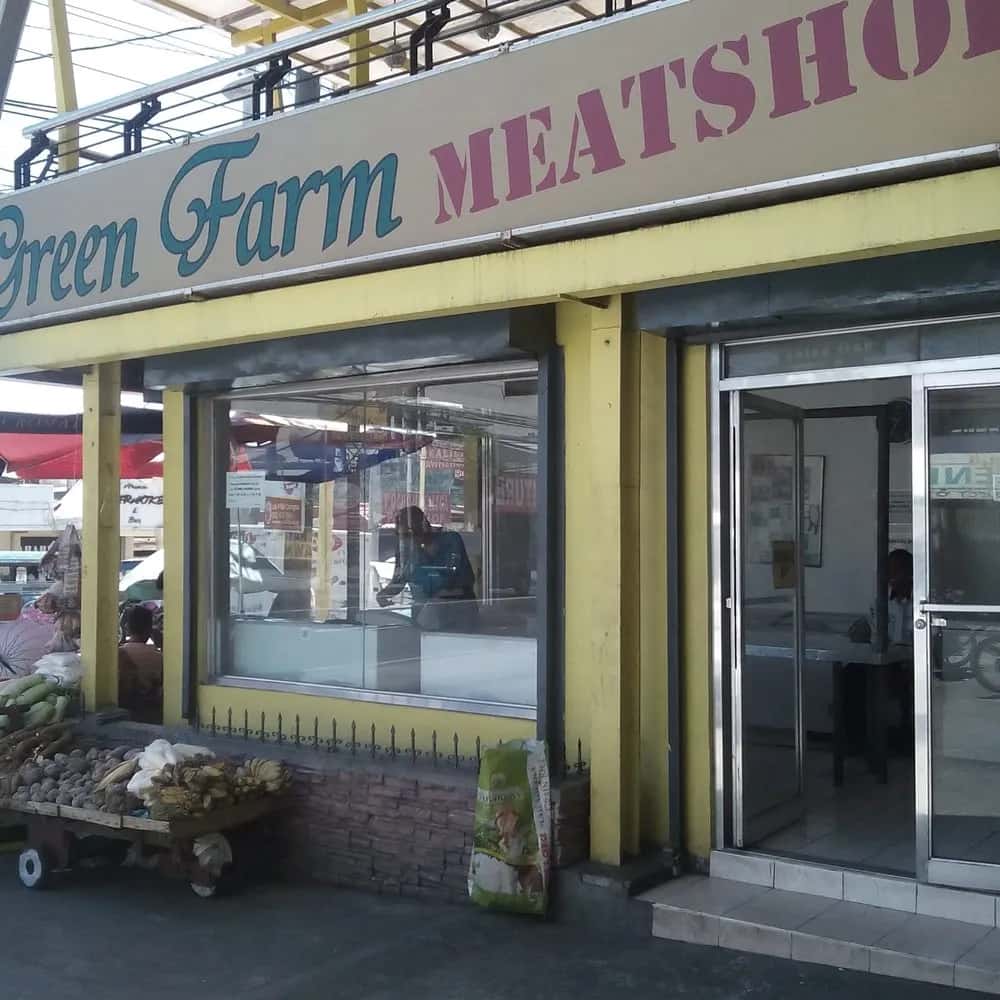
Analou's Meatshop
Meat Shop
- Franchise fee
- ₱250k
- Total investment
- ₱600k–₱1M
🎁 Start Your 1 Month Free Trial of the Full Plan, Exclusively for Brands & Advisors.Get Started
1 opportunity with real, published figures. Investments run from ₱600k to ₱1M, mostly as inline store setups.
Updated
Opportunities
1Investment range
₱600k – ₱1MCommon formats
Inline StoreNotable brands
Growing setOpportunities
1Investment range
₱600k – ₱1MCommon formats
Inline StoreNotable brands
Growing set
Financing Readiness · Site Selection

Low-Capital Startups

Franchise Agreements · Multi-Unit Expansion

Low-Capital Startups · Site Selection
Are you a franchise advisor? Get your own workspace here
A real advisor compares these with you against your budget and location. Free, no pressure.
Opening a neighborhood meat shop requires careful capital planning, especially when working with a budget of up to ₱1.0M. This investment tier unlocks practical neighborhood formats that cater to daily household food needs across the country. The directory features several options in this range for aspiring entrepreneurs entering the retail protein trade.
A capital allocation ranging from ₱600,000 to ₱1,000,000 typically secures an inline store format in a high-foot-traffic community area or near local public markets. This scale covers essential commercial freezers, basic store fit-outs, initial inventory, and necessary permits to operate a physical retail front. For instance, setting up an inline store under Analou's Meatshop requires an investment span of ₱600,000 to ₱1,000,000 alongside a specific franchise fee of ₱250,000. This setup focuses on a compact, manageable footprint that optimizes daily over-the-counter sales without overextending lease costs.
Running a retail protein outlet demands rigorous daily inventory tracking and cold-chain management to minimize spoilage and maintain freshness. Operators utilizing the ₱600,000 to ₱1,000,000 capital tier can look toward an estimated return on investment timeline of 18 months under stable neighborhood demand. Margins depend heavily on steady local patronage, efficient waste control, and reliable delivery of fresh cuts from approved regional suppliers. Growth at this level usually comes from expanding community delivery services or adding value-processed items once the core retail storefront establishes a loyal customer base.
Now that you've seen what's here, a real advisor can help you shortlist and weigh the options against your budget. Free, at your pace.

Financing Readiness · Site Selection

Low-Capital Startups

Franchise Agreements · Multi-Unit Expansion
Are you a franchise advisor? Get your own workspace here