Anna Lou Meatshop
Meat Shop
- Franchise fee
- ₱200k
- Total investment
- ₱800k–₱1.5M
🎁 Start Your 1 Month Free Trial of the Full Plan, Exclusively for Brands & Advisors.Get Started
Browse 2 meat shop franchises up to ₱1.5M, with investments of about ₱1.5M each, a franchise fee of about ₱200k, and most paying back in about 18 months.
Updated
Meat Shop
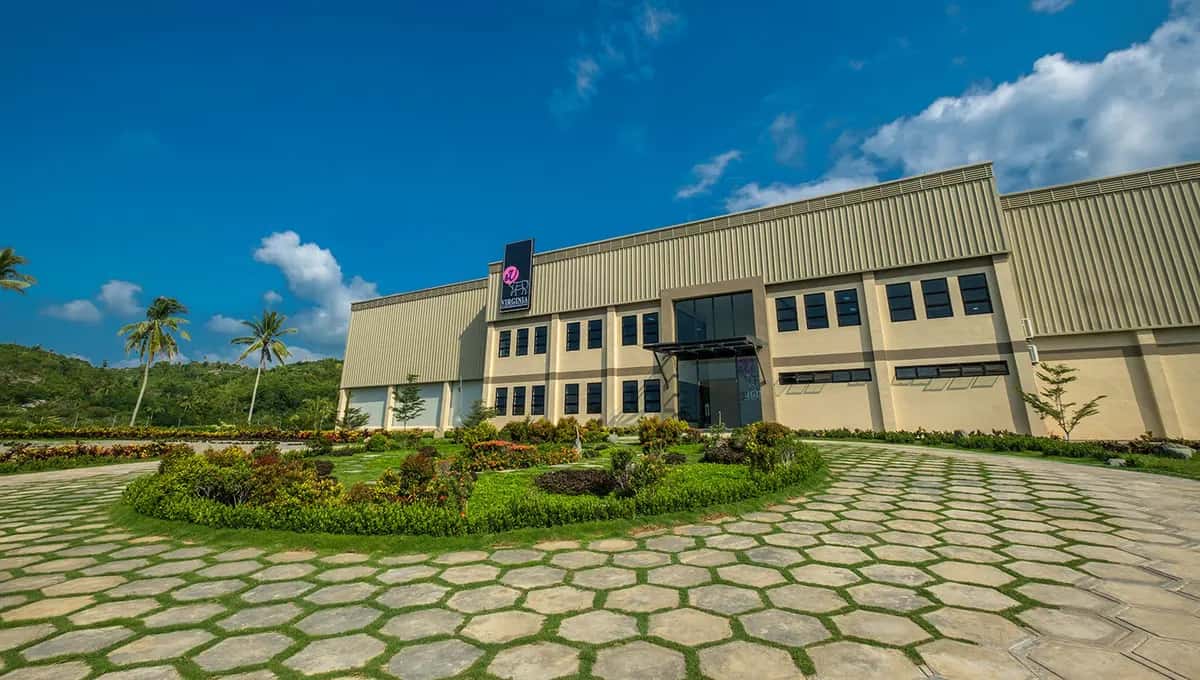
Meat Shop
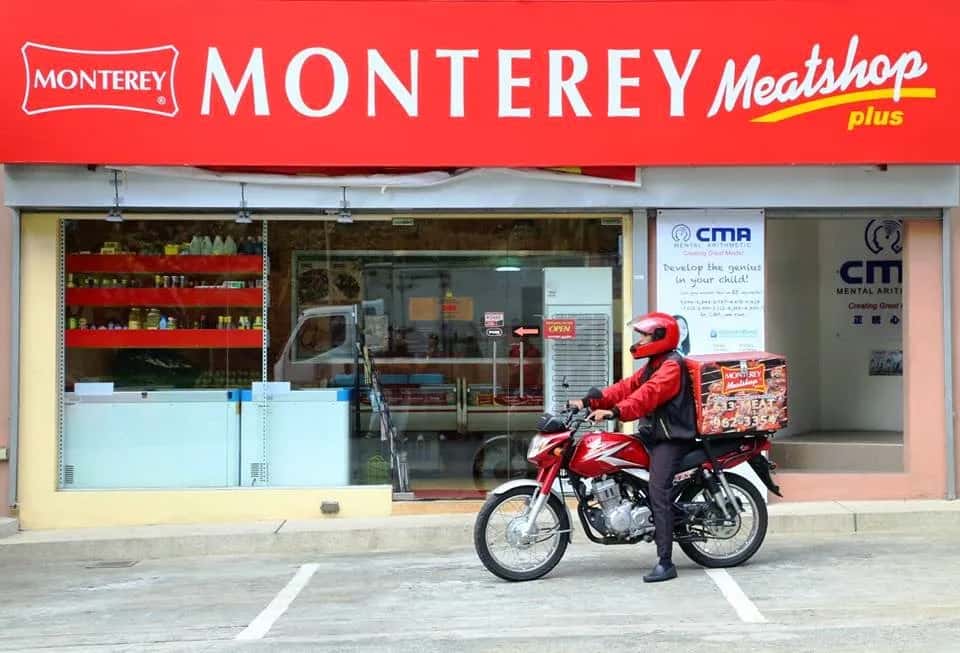
A meat shop franchise in this price range buys a proper retail storefront, not a stall. Entry runs from around ₱800,000 up to ₱1.5M, the franchise fee sits close to ₱200,000, and a new owner should plan on roughly a year and a half to earn that back. At this level an inline store is standard, and about half of what is on offer here also folds in a kiosk as a second point of sale.
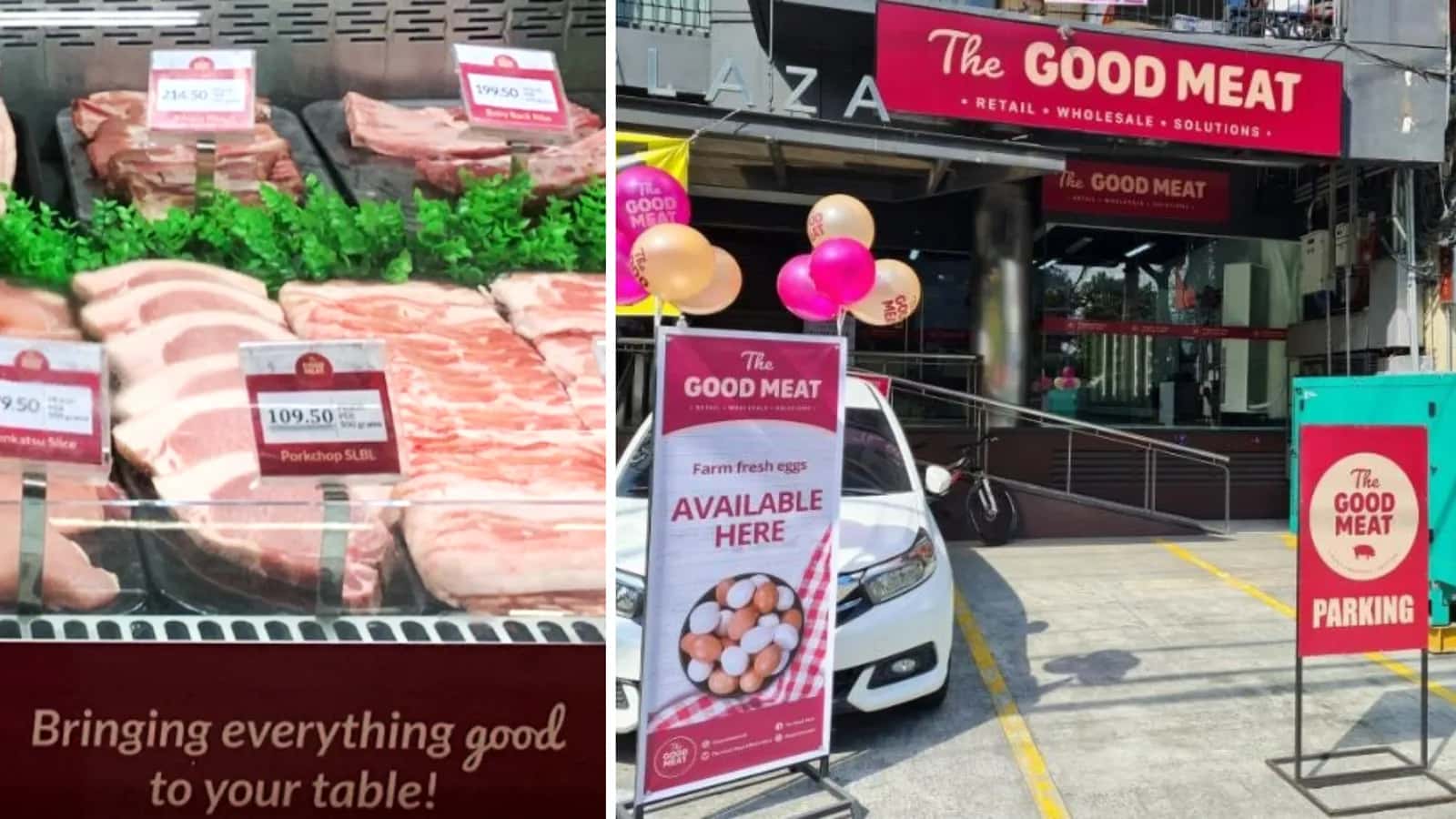
At this level a meat shop is a genuine retail space, not a cart on wheels. Every package here includes an inline store, built to hold chillers, display cases, and a proper checkout counter. About half of what is on offer also adds a kiosk as a smaller second format. That second format works well for a mall corridor or a satellite branch once the main store is running steadily. The mix matters because a meat shop lives or dies on cold storage. The equipment for holding fresh cuts, marinated products, and frozen stock at safe temperatures is a real line item inside the investment figure, not an afterthought. A first-timer at this money should expect fit-out spending to favour refrigeration and display over decoration. Customers are buying freshness they can see through glass, not atmosphere. The inline format also means a longer lease than a cart-based food business, and a bigger space to staff too. The store itself does real work every day, holding enough stock to look full while turning it over fast enough that nothing spoils on the shelf.
The investment for a meat shop at this level spans roughly ₱800,000 to ₱1.5M. The franchise fee inside that figure runs close to ₱200,000, covering the brand's systems, initial training, and the right to use its name and suppliers. The rest goes into fit-out, refrigeration equipment, first stock, permits, and enough working capital to cover a few slow weeks while the store finds its regular customers. Payback typically lands around a year and a half, a reasonable runway for a business built on daily foot traffic and repeat household buyers rather than one seasonal rush. That timeline assumes the store reaches a steady volume of fresh product moving through the chillers each week. Meat is perishable, and unsold stock is a straight loss rather than something that can wait on a shelf. Working capital should also cover the first several supply runs before the store's own sales rhythm settles. A new meat retailer is still learning how much stock to bring in, and running short by midday or throwing spoiled cuts out at closing are both costly mistakes to make early.
Day to day, a meat shop runs on a rhythm built around freshness rather than footfall alone. Staff need to know how to handle, portion, and display meat safely. That usually means training beyond what a general retail hire would get elsewhere, and a franchise at this money should come with real guidance on that rather than leaving it to trial and error. Deliveries typically arrive before the store opens. Someone has to receive, inspect, and load the chillers correctly before the first customer walks in, and that routine repeats most days of the week, not on a weekly cycle like a dry goods shop. Keeping the cold chain unbroken from delivery truck to display case protects both the product and the health permit. Equipment maintenance and backup power for the chillers deserve a real line in the plan, not an afterthought. The other daily constant is waste management. Trimmings, packaging, and any unsold stock need a routine that keeps the store compliant and keeps odours away from a space that depends on looking clean to sell.
This level of investment suits someone who wants a real storefront from day one, not a smaller trial format. It also suits someone with enough capital set aside that fit-out, first stock, and a few slow weeks will not strain the business early on. Retail or food service experience helps. Running chillers, managing perishable stock, and supervising staff who handle meat daily is a different skill from running a dry goods counter. It also suits someone with access to a space already built for cold storage and drainage, since retrofitting a generic retail unit adds cost on top of the investment already on the table. Before committing, it is worth asking how the franchise supports sourcing and cold chain logistics into the specific area being considered. That support is what keeps the daily routine manageable, rather than a constant scramble. Someone weighing this money should come away confident the format fits the space, the staff, and the daily habits already available, not just the number itself.
Now that you've seen what's here, a real advisor can help you shortlist and weigh the options against your budget. Free, at your pace.

Financing Readiness · Site Selection

Low-Capital Startups · Site Selection

Low-Capital Startups

Franchise Agreements · Multi-Unit Expansion
Are you a franchise advisor?Get your own workspace here
Compare meat shop franchises with other retail & convenience businesses up to ₱1.5m, each with its own brands, fees and investment ranges.
Get honest answers on fees, payback and the best setups for your area, free and with no pressure.
Number aside, ₱1.5M gives you two meat shop franchises with an investment between ₱1M and ₱1.5M, and the useful part is how they spread across that range. Check whether most cluster near the top, the middle or the bottom. A cluster near the top means your budget sits at the edge of what is offered, so little room remains. A cluster near the bottom means you have spare funds worth keeping in reserve. Read the spread before you pick.
Keep inline stores with 2 franchises and kiosks with 1 in mind as the meat shop options at ₱1.5M. Your health and energy are part of the equation, since some setups involve long hours on your feet, lifting stock or working late. Spend some time shadowing someone who runs your preferred format, if the franchisor or a franchisee allows it, and see whether the physical routine suits you. Comfort in the daily work keeps you motivated for the long run.
Some inclusions at ₱1.5M come after the doors open, so ask which of them are in the package. Typical ones are field visits, refresher training and marketing help, alongside the equipment, stock and signage delivered beforehand. Have the franchisor mark each support item as included, limited or extra, and get that marking in writing, so you can compare packages on equal terms.
Rent increases over the life of your lease are a future cost to plan for alongside ₱1.5M. Many commercial leases raise rent each year or at renewal, and a figure that works today may squeeze your margin later. Ask the landlord exactly how the escalation works, and test your budget at the higher rent to see whether the business still makes sense at that level.
When you work out how to raise ₱1.5M, also work out how a meat shop franchise will repay any money you borrow, because the two decisions belong together. A loan that looks manageable on paper can feel heavy if early sales are modest. Build a simple monthly budget using cautious sales guesses, subtract rent, wages, supplies and loan payments, and borrow only what the business can carry even on a quiet month.
Asking whether a meat shop franchise at ₱1.5M is a good first choice is wise, and the answer gets clearer once you write down what you would do in the first year. Plan those months in rough steps, covering training, opening, hiring and review points. Notice which steps you can already picture and which leave you stuck. The stuck ones show where to prepare before you commit.
A fair test is to rebuild the price from the ground up. Start with the package quoted by the two meat shop franchises at between ₱1M and ₱1.5M, then add the deposit, permits, renovation, stock and working capital one by one. Compare the final figure with ₱1.5M, and note whether you finish with a cushion or a gap. That gap is the honest measure of whether your money is enough.
Compare how many meat shop franchises start at each budget level, from the smallest packages up.
Meat Shop franchises priced close to your budget, worth a look if you can stretch your savings or want to spend less.

Meat Shop

Meat Shop
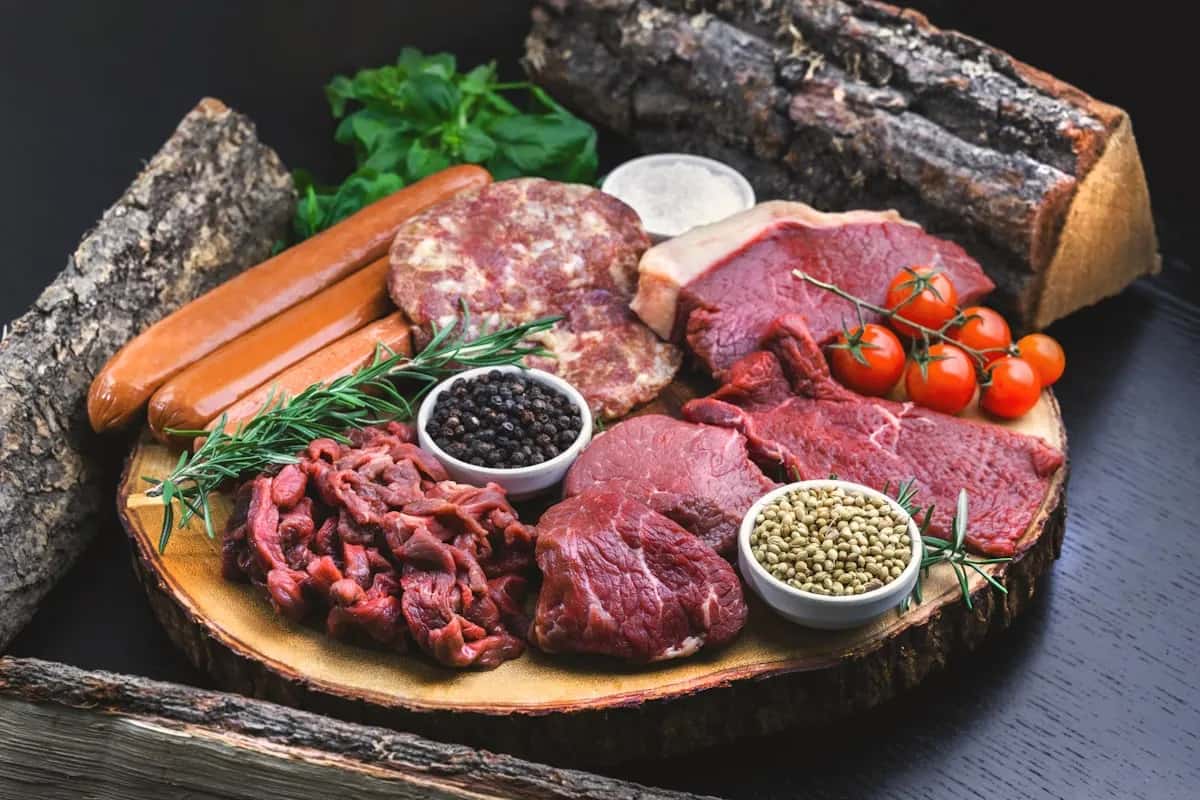
Meat Shop
Meat Shop

Clothing & Footwear
LPG Dealership
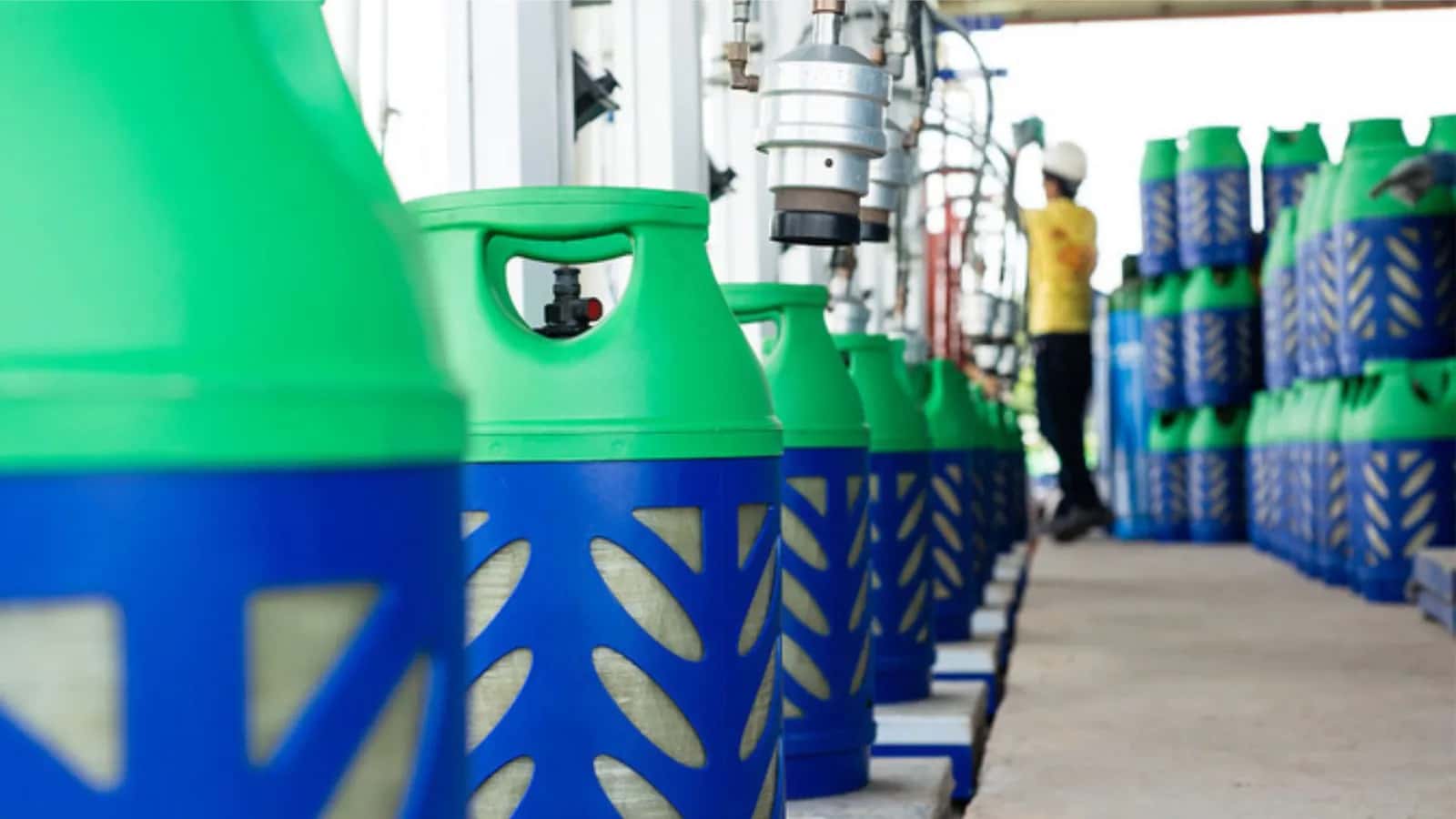
LPG Dealership
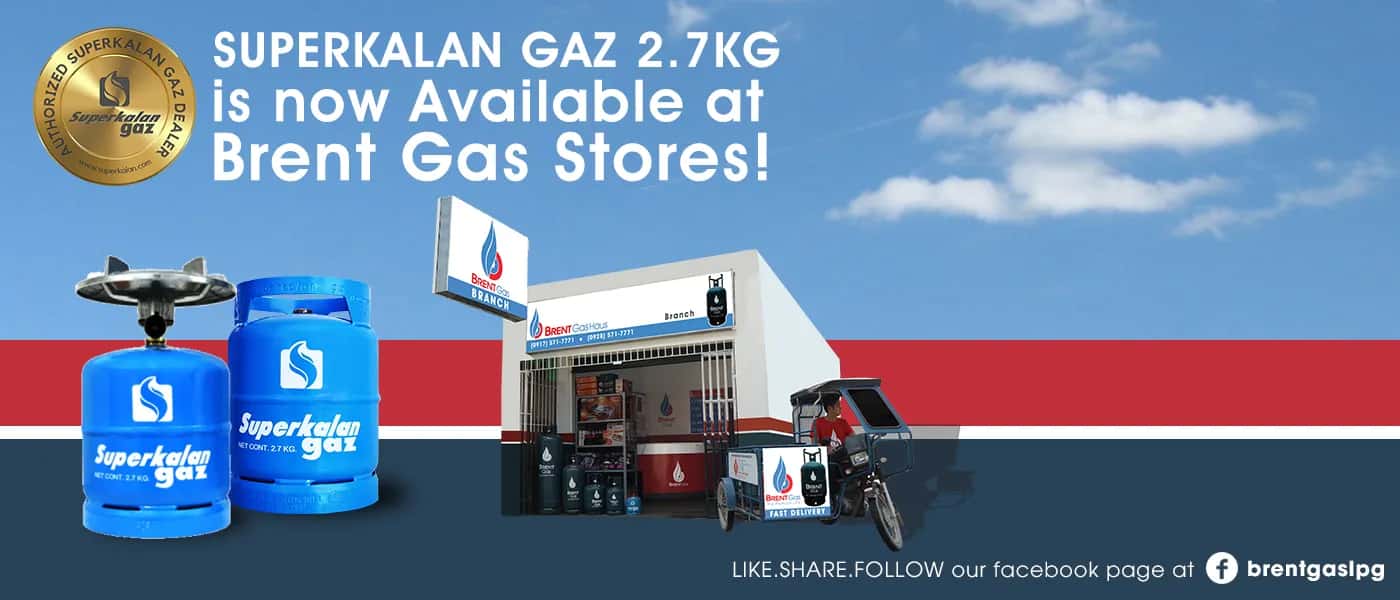
LPG Dealership
Compare meat shop franchises with other industries at the same budget, each with its own brands, fees and investment ranges.

Carts, kiosks, and full restaurants.
61 brandsFrom ₱35k
David's Tea House, Gryn Wasabi Sushi Bar, Barefruit Guyabano +58 more
See brands
Coffee, milk tea, and cold drink shops.
15 brandsFrom ₱350k
Baa Baa Thai Tea, Coffee Spot PH, Mangrae +12 more
See brands
Salons, barbershops, and spa services.
13 brandsFrom ₱600k
Aficionado Germany Perfume, Oryspa, Uncle Ben Barbershop +10 more
See brands
Bread, cakes, and pastry shops.
9 brandsFrom ₱400k
Balai Pandesal, Bread and Butter Bakeshop, Milky Cakes and Sweets +6 more
See brands
5 brandsFrom ₱750k
Kumon, Tinker House, AHEAD Tutorial and Review +2 more
See brands
Drugstores and health supplement outlets.
5 brandsFrom ₱600k
Farmacia ni Dok, Go2Meds Pharmacy, Quick Relief Pharmacy +2 more
See brands
3 brandsFrom ₱600k
Speed Driven Car Wash, Nitro Motorcycle Parts, Quick Splash
See brandsCompare industries by budget, daily work and payback before you choose one, free and with no pressure.

Learn practical inventory control steps for your Philippine franchise to cut waste, prevent loss, and protect your capital.
Aug 14, 2026 6 min read
Learn how non-compete clauses work when exiting a franchise agreement in the Philippines, protecting your investment after closing.
Jul 20, 2026 5 min read

Learn how to secure financing for your Philippine franchise, from preparation to approval. A practical guide for new operators and OFWs.
Jul 20, 2026 5 min read